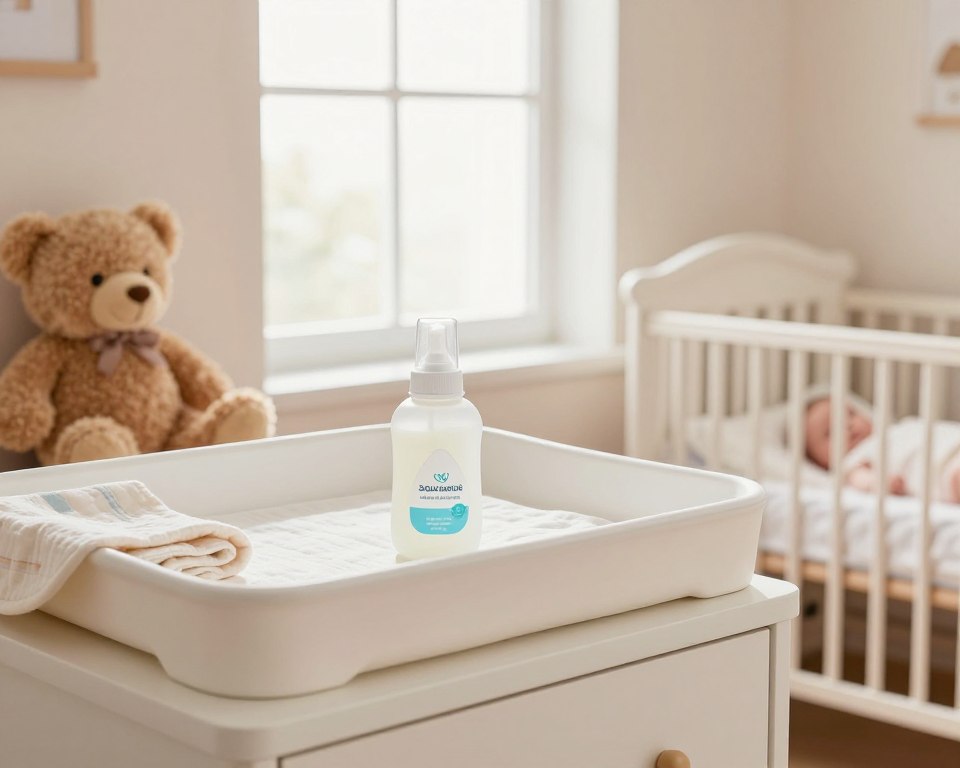
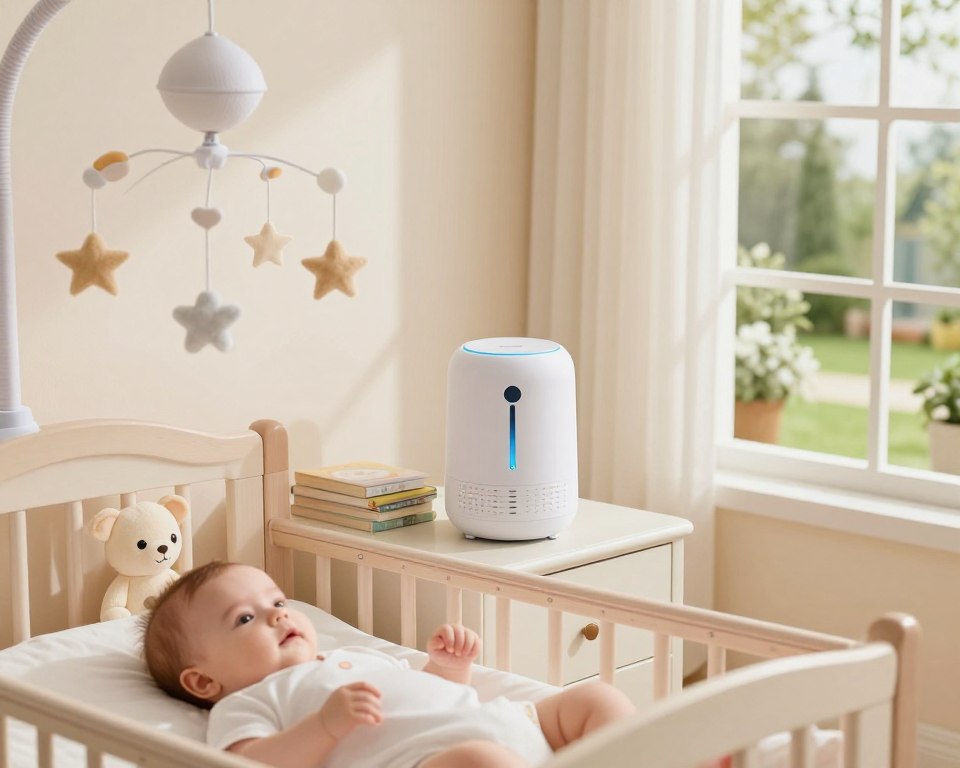
Every parent wants their home to feel like a peaceful sanctuary for their newborn. We often reach for scented sprays or plug-ins to keep the nursery smelling fresh and clean. However, it is natural to wonder if these common household products truly support a healthy environment for your little one.
Indoor air quality plays a vital role in your child’s development. While convenience is important, the health of an infant must always remain the primary focus for caregivers. Taking a moment to question the ingredients in our daily products is a vital step toward protecting your family.
Many synthetic fragrances contain chemicals that might irritate sensitive lungs. By learning more about these items, you can make informed choices that prioritize your baby’s well-being above all else.
Key Takeaways
- Indoor air quality is essential for a newborn’s respiratory health.
- Synthetic fragrances in home products may pose hidden risks to infants.
- Prioritizing natural alternatives helps create a safer nursery environment.
- Caregivers should always check ingredient labels before using scented items.
- Your baby’s long-term health is more important than a pleasant home scent.
Understanding the Chemical Composition of Common Air Fresheners
Understanding what goes into your favorite room spray is a vital step in ensuring air freshener safety for your family. Many household products rely on complex chemical formulas to create long-lasting scents. These substances often linger in the air long after the initial spray has faded.
Volatile Organic Compounds and Their Impact
Most standard air fresheners release Volatile Organic Compounds, or VOCs, into your living space. These chemicals evaporate easily at room temperature, allowing the fragrance to spread quickly throughout a room. Unfortunately, these compounds can significantly degrade indoor air quality over time.
When you use these products, you are essentially introducing a variety of gases into your home environment. While a single use might seem harmless, chronic exposure to these airborne particles can lead to irritation. Maintaining air freshener safety requires being aware of how these invisible gases interact with your indoor climate.
Phthalates and Hormone Disruption
Many manufacturers include phthalates in their formulas to help the scent stick to surfaces and last longer. These chemicals act as solvents and stabilizers, but they are also known as endocrine disruptors. This means they can potentially interfere with the body’s hormonal systems.
Because infants are in a critical stage of development, minimizing exposure to these additives is a priority for many parents. Research suggests that these chemicals do not just stay in the air; they can settle on furniture and floors. Prioritizing air freshener safety means looking for products that explicitly state they are phthalate-free.
Synthetic Fragrances vs. Natural Scents
The vast majority of commercial products rely on synthetic fragrances created in a lab. These artificial scents are designed for consistency and potency, but they often contain hidden ingredients not listed on the label. In contrast, natural scents derived from essential oils offer a different chemical profile.
While natural does not always mean risk-free, these alternatives generally avoid the complex synthetic binders found in traditional sprays. Choosing natural options is a common strategy for parents who want to improve air freshener safety without sacrificing a pleasant home environment. Always verify the purity of any natural scent before using it in a nursery.
The Physiological Vulnerability of Infants
When considering baby health and air fresheners, it is vital to recognize that infants are not just small adults. Their bodies are in a state of rapid growth, making them uniquely sensitive to the environment. Understanding these biological factors is essential for parents who want to minimize their child’s exposure to potentially harmful household chemicals.
Why Babies Are More Susceptible to Airborne Toxins
Infants possess a much higher respiratory rate than adults, which means they breathe in more air relative to their body weight. Because they take more breaths per minute, they also inhale a higher concentration of airborne pollutants found in common household sprays. This increased intake can lead to a greater internal dose of chemicals, impacting baby health and air fresheners safety concerns significantly.
Developing Respiratory Systems and Sensitivity
A baby’s lungs are still developing and are far more delicate than those of a fully grown adult. The structural integrity of their airways is not yet mature, leaving them prone to irritation from synthetic fragrances and volatile organic compounds. Even low levels of chemical exposure that might seem harmless to an adult can trigger respiratory distress or long-term sensitivity in a developing infant.
The Role of Skin Absorption in Infants
Beyond breathing, an infant’s skin is significantly more permeable than adult skin. Their skin barrier is thinner and has a higher surface-area-to-body-weight ratio, allowing chemicals to be absorbed into the bloodstream more easily. This makes the choice of household products a critical factor in maintaining overall baby health and air fresheners standards.
| Physiological Factor | Adult Response | Infant Response |
|---|---|---|
| Respiratory Rate | Standard | Higher (Increased intake) |
| Skin Permeability | Low | High (Greater absorption) |
| Immune System | Mature | Developing (Higher sensitivity) |
| Body Weight Ratio | Balanced | High (Concentrated exposure) |
Are Air Fresheners Safe for Babies According to Pediatric Experts
When it comes to your baby’s health, the air they breathe is just as important as the food they eat. Many parents frequently ask, are air fresheners safe for babies, especially when trying to keep a nursery smelling clean. Pediatricians generally advise caution, noting that the developing lungs of an infant are far more sensitive to airborne particles than those of an adult.
Common Medical Concerns Regarding Indoor Air Quality
Medical professionals often highlight that indoor air pollution can trigger significant health issues in young children. Many synthetic fragrances contain volatile organic compounds that linger in the air long after the initial scent fades. These chemicals can irritate the delicate lining of the respiratory tract, potentially leading to chronic inflammation or worsening existing conditions like asthma.
“The indoor environment is a critical factor in pediatric health, and reducing exposure to unnecessary chemical irritants is a fundamental step in protecting a developing immune system.”
Experts emphasize that because infants spend the majority of their time indoors, they are at a higher risk of cumulative exposure. Even products labeled as “fresh” or “clean” may introduce pollutants that compromise the air quality of a nursery. When considering if are air fresheners safe for babies, the consensus leans toward minimizing their use entirely to prevent long-term respiratory stress.
Signs of Chemical Sensitivity in Infants
Identifying whether your child is reacting to household products requires careful observation. Because babies cannot tell you when they feel uncomfortable, you must look for physical cues that indicate a sensitivity to airborne chemicals. Common warning signs include:
- Persistent sneezing or a runny nose without other signs of a cold.
- Watery, red, or itchy eyes after being in a freshly scented room.
- Unexplained skin rashes or hives that appear after exposure to new products.
- Increased fussiness or difficulty breathing, which may indicate respiratory irritation.
If you notice these symptoms, it is wise to remove the source of the fragrance immediately. By prioritizing a neutral, chemical-free environment, you provide the safest possible space for your child to grow. Always consult your pediatrician if you have specific concerns about your baby’s reactions to indoor air quality.
Common Dangers of Air Fresheners for Infants
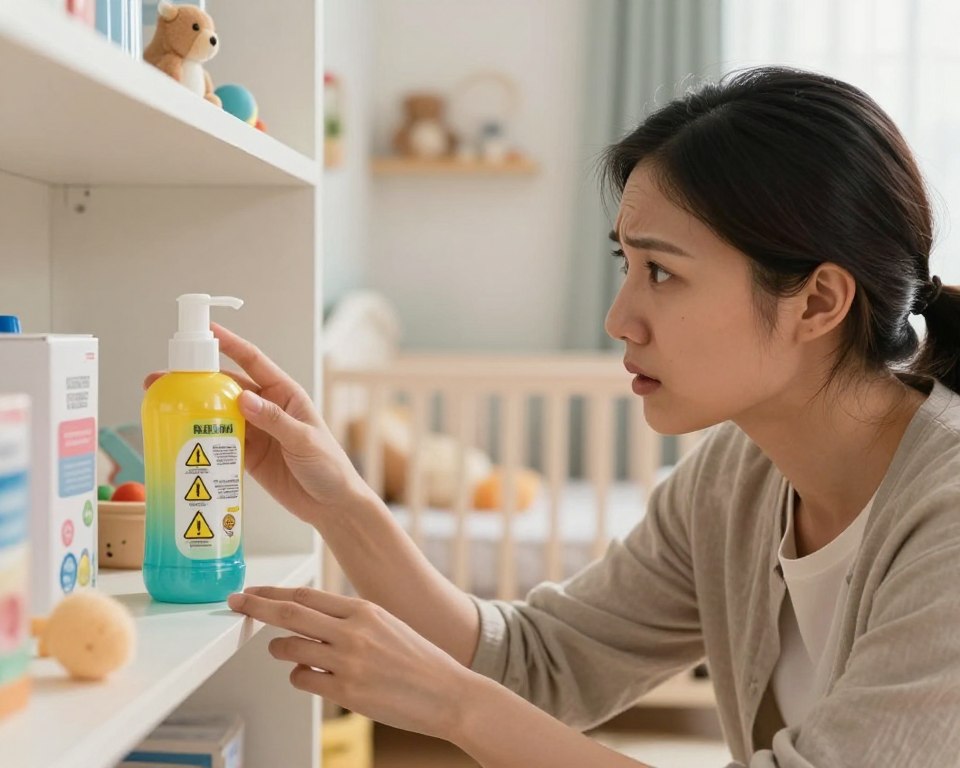
While many parents strive to keep their nurseries smelling pleasant, it is vital to recognize the dangers of air fresheners for infants. These products often release a complex mixture of chemicals into the air that can be harmful to a baby’s delicate system. Understanding these risks is the first step toward creating a truly safe environment for your little one.
Respiratory Distress and Asthma Triggers
Infants have rapidly developing lungs that are highly sensitive to airborne pollutants. When you use aerosol sprays or plug-in diffusers, you introduce volatile organic compounds (VOCs) that can irritate the airways. For babies with a family history of asthma, these chemicals often act as potent triggers for respiratory distress.
- Increased coughing or wheezing after product use.
- Difficulty breathing in confined nursery spaces.
- Heightened sensitivity to common household odors.
Allergic Reactions and Skin Irritation
Synthetic fragrances are among the most common culprits behind allergic contact dermatitis in young children. Because an infant’s skin barrier is thinner than an adult’s, they absorb chemicals more readily upon contact. Even if the spray does not touch the baby directly, the residue can settle on crib sheets, clothing, and toys, leading to uncomfortable skin rashes.
Neurological Concerns Linked to Synthetic Fragrances
Emerging research suggests that chronic exposure to certain volatile chemicals may have long-term implications for a child’s development. Many synthetic fragrances contain phthalates, which are known to interfere with hormonal balance. When these substances are trapped in a nursery with limited ventilation, the dangers of air fresheners for infants extend beyond simple irritation to potential neurological stress.
It is important to prioritize clean air over artificial scents to protect your baby’s growing brain and body. By removing these chemical sources, you provide a safer, healthier space for your child to thrive.
Identifying Toxic Ingredients in Household Products
Protecting your little one starts with knowing how to read product labels effectively. Many parents assume that if a product is sold on a store shelf, it must be safe for the whole family. However, the dangers of air fresheners for infants are often hidden behind vague terms like “fragrance” or “parfum.”
Reading Labels: What to Avoid
When you inspect the back of a bottle, look for specific red flags. Ingredients such as phthalates, which help scents linger, are known hormone disruptors. You should also watch out for volatile organic compounds (VOCs) like formaldehyde or benzene.
If a label simply lists “fragrance,” it may contain dozens of undisclosed chemicals. Choosing products that are fragrance-free or scented with pure, plant-based oils is a much safer path. Always prioritize transparency when selecting items for your home.
The Hidden Dangers of Aerosol Sprays
Aerosol sprays are particularly concerning because they release fine particles directly into the air your baby breathes. These sprays often rely on chemical propellants to push the scent out of the can. These propellants can irritate a baby’s delicate respiratory system almost instantly.
Beyond the propellants, the mist itself contains synthetic chemicals that settle on surfaces. Since infants spend so much time on the floor or touching furniture, they can easily ingest these residues. Understanding these dangers of air fresheners for infants is essential for maintaining a healthy nursery.
Plug-in Diffusers and Heat-Activated Chemicals
Plug-in diffusers work by heating chemical oils to release a constant scent. This heating process can change the chemical structure of the ingredients, potentially creating new, harmful compounds. Constant exposure to these heated chemicals can overwhelm a baby’s developing lungs.
Many of these devices also use synthetic musks that have been linked to long-term health issues. It is often better to avoid these devices entirely in rooms where your baby sleeps or plays. Below is a quick guide to help you identify common ingredients that may pose a risk.
| Ingredient Category | Common Name | Potential Risk |
|---|---|---|
| Phthalates | Diethyl phthalate | Hormone disruption |
| VOCs | Formaldehyde | Respiratory irritation |
| Synthetic Musks | Galaxolide | Allergic reactions |
| Propellants | Butane/Propane | Lung inflammation |
Safe Home Scents for Babies
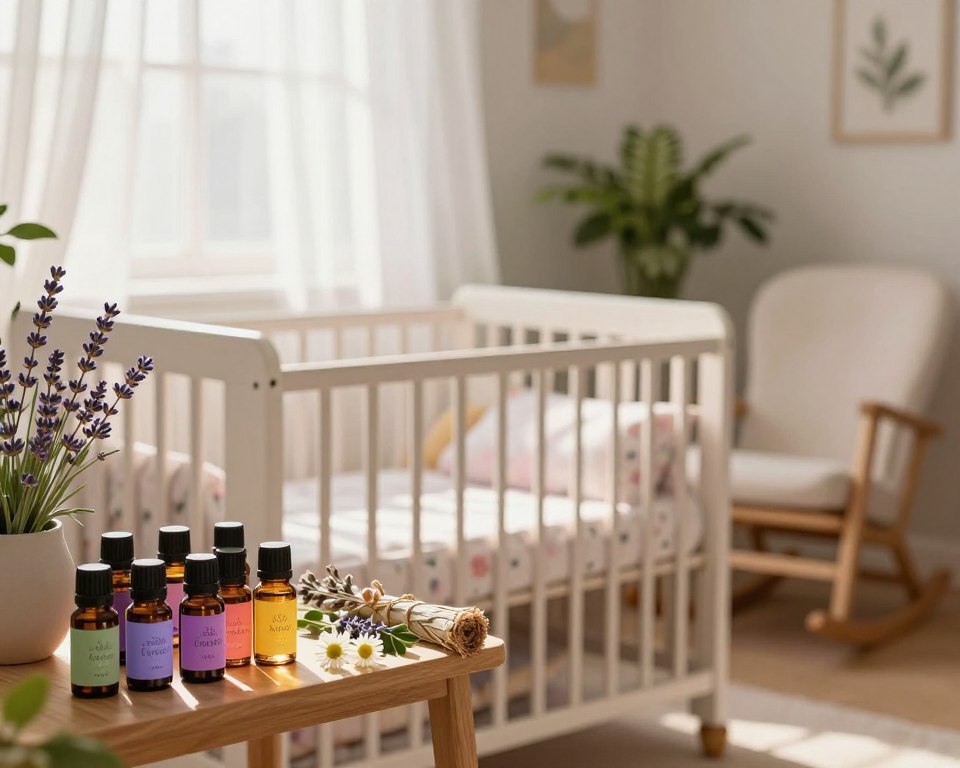
Finding safe home scents for babies is simpler than you might think when you focus on natural solutions. Instead of masking odors with synthetic chemicals, you can create a clean, breathable environment through better airflow and smart, natural choices. Prioritizing the health of your little one means looking for ways to neutralize smells at the source rather than covering them up.
Prioritizing Ventilation Over Masking Odors
The most effective way to keep a nursery smelling fresh is to allow for consistent air circulation. Stagnant air often traps dust, allergens, and odors, making the room feel stuffy. By opening windows for even a few minutes each day, you allow fresh air to dilute indoor pollutants and replace them with clean oxygen.
“The solution to pollution is dilution. Increasing the rate of fresh air exchange is the single most effective way to improve indoor air quality.”
Using Natural Air Purifiers
When ventilation is not enough, mechanical air purifiers serve as excellent tools for maintaining safe home scents for babies. Look for units equipped with a True HEPA filter, which captures microscopic particles like pollen, pet dander, and dust mites. These devices work silently in the background to scrub the air without adding any artificial fragrances or harmful ozone to the nursery.
- Choose a purifier with a high CADR (Clean Air Delivery Rate) for the room size.
- Ensure the unit is quiet enough to run during nap times.
- Regularly replace filters to maintain peak performance and efficiency.
The Benefits of Houseplants for Air Quality
Incorporating greenery into your home is a beautiful way to improve air quality naturally. Certain plants act as living filters, absorbing common household toxins through their leaves and roots. While they are not a replacement for proper ventilation, they contribute to a healthier, more vibrant atmosphere.
Consider adding these baby-safe options to your nursery:
- Spider Plants: Known for being easy to care for and highly effective at filtering formaldehyde.
- Boston Ferns: Excellent at adding moisture to the air and removing airborne pollutants.
- Areca Palms: These act as natural humidifiers and help keep the air feeling fresh and clean.
By combining these strategies, you ensure that your nursery remains a sanctuary. Focusing on these safe home scents for babies creates a peaceful space where your child can breathe easily and grow in comfort.
Natural Air Fresheners for Babies
Creating a pleasant nursery environment does not have to involve synthetic sprays or artificial perfumes. Many parents are now turning to natural air fresheners for babies to keep their homes smelling fresh without the risk of harsh chemical exposure. These gentle alternatives rely on simple, earth-derived ingredients that prioritize your child’s well-being.
DIY Solutions Using Essential Oils
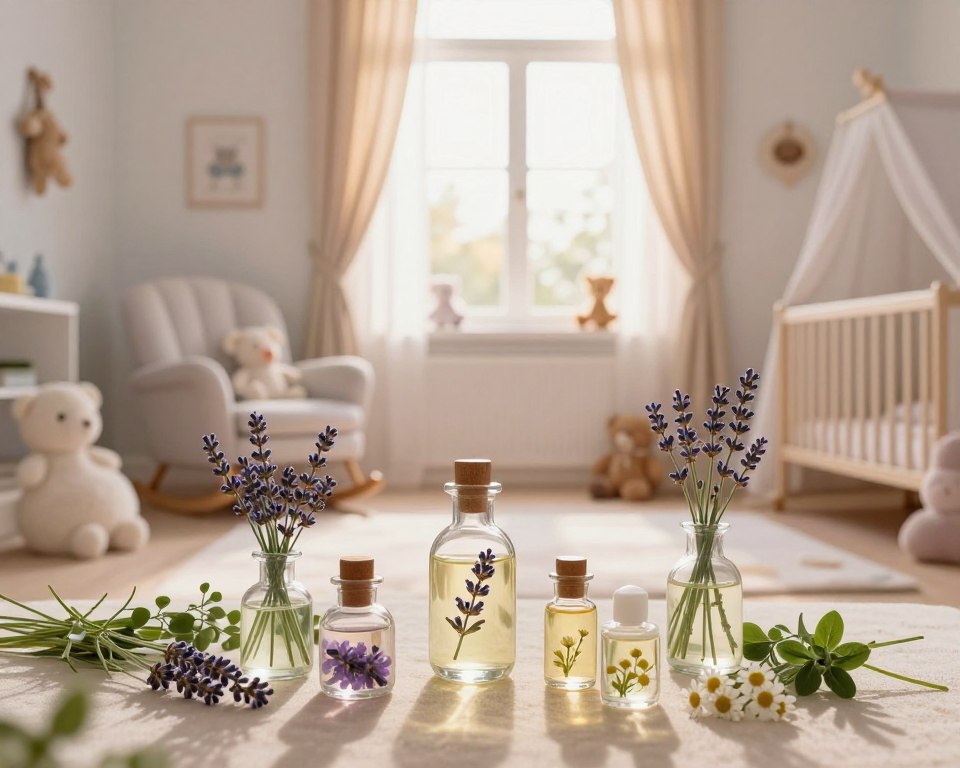
If you enjoy a light scent, you can create your own room sprays using high-quality, pure essential oils. A simple recipe involves mixing a few drops of lavender or chamomile oil with distilled water in a glass spray bottle. Always ensure the oil is properly diluted to avoid overwhelming your baby’s sensitive respiratory system.
You might also consider using a passive diffuser, such as a wooden bead or a piece of felt, with a single drop of oil. This method releases a very subtle aroma without the need for heat or electricity. It is a wonderful way to introduce infant-safe fragrances into the nursery in a controlled manner.
Safety Precautions When Using Essential Oils Around Infants
While natural, essential oils are highly concentrated and require caution. Pediatricians generally recommend avoiding the use of any essential oils until a baby is at least three to six months old. Even then, you should only use oils that are widely considered safe, such as lavender or Roman chamomile.
- Always perform a patch test if you plan to use oils near fabrics.
- Keep diffusers out of reach of children to prevent accidental ingestion.
- Ensure the room is well-ventilated during and after use.
- Never apply undiluted oils directly to your baby’s skin or clothing.
Baking Soda and Vinegar: Simple Odor Neutralizers
Sometimes the best way to freshen a room is to remove the odor at its source rather than masking it. Baking soda is an incredibly effective tool for absorbing unwanted smells in diaper pails or carpets. Simply sprinkle a small amount in the bottom of the pail or on rugs before vacuuming.
White vinegar is another household staple that works wonders for neutralizing airborne odors. You can place a small bowl of vinegar in the corner of the room to absorb lingering scents. The smell of the vinegar will dissipate quickly, leaving your nursery feeling clean and neutral.
| Method | Primary Benefit | Best Use Case |
|---|---|---|
| Baking Soda | Absorbs moisture and odors | Diaper pails and carpets |
| White Vinegar | Neutralizes airborne smells | General room freshening |
| Diluted Lavender | Provides a calming scent | Occasional room misting |
Evaluating Baby-Friendly Air Fresheners
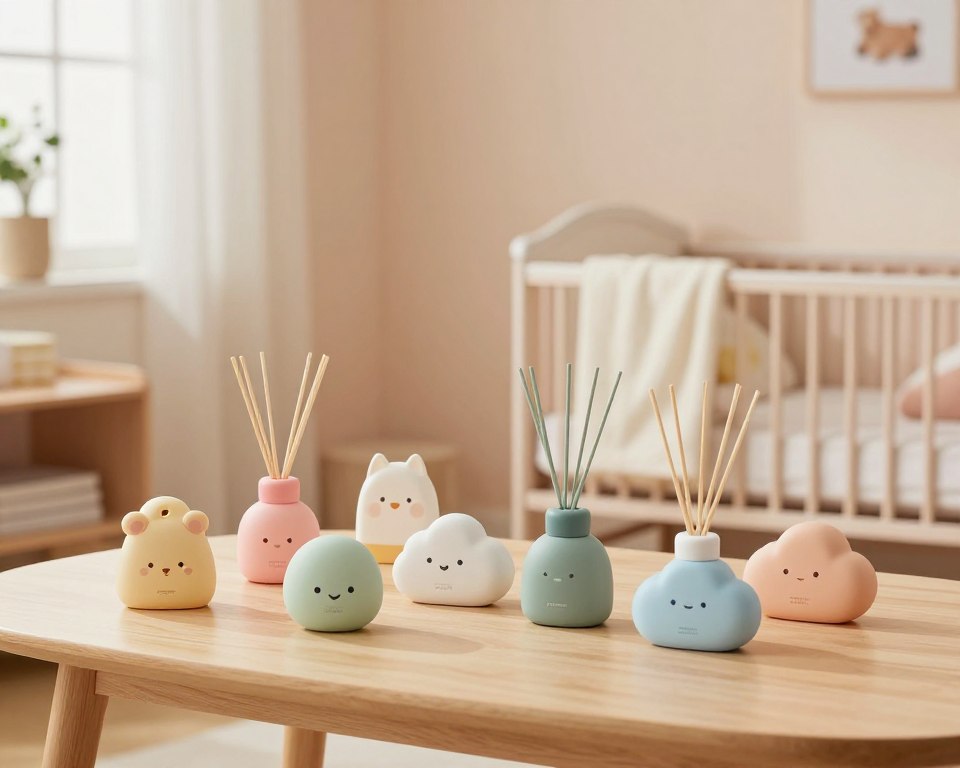
Finding safe products for your nursery can feel like a maze of confusing labels. Many parents want to keep their homes smelling fresh, but they worry about the impact of synthetic chemicals on their little ones. To make the best choice, you must look beyond the front of the package.
What Makes a Product Truly Non-Toxic
A product is generally considered non-toxic when it avoids harsh chemicals that trigger respiratory issues or hormonal imbalances. You should look for ingredient lists that are fully transparent and free from phthalates, parabens, and synthetic musks. True safety means the manufacturer has tested the formula to ensure it does not release harmful volatile organic compounds into your baby’s breathing space.
When shopping for baby-friendly air fresheners, prioritize items that use plant-based ingredients rather than petroleum-derived fragrances. Simple, recognizable ingredients are almost always a safer bet for a developing immune system. If a label lists “fragrance” without further explanation, it is often a red flag for hidden chemicals.
Certifications to Look For
Third-party certifications provide an objective way to verify a company’s safety claims. These organizations perform rigorous testing that goes far beyond what the manufacturer says on the box. Look for labels like the EPA Safer Choice, which indicates that the product meets strict human health and environmental standards.
Other reliable marks include the Green Seal or ECOLOGO certification. These badges confirm that the product has been evaluated for its impact on indoor air quality. Relying on these independent experts helps you filter out products that might not be as safe as they claim.
Marketing Claims vs. Scientific Reality
The term “natural” is often used in marketing, but it is not a regulated standard. Many companies use non-toxic air fresheners as a marketing buzzword even when their products contain synthetic additives. You should always flip the bottle over to read the actual ingredient list instead of trusting catchy slogans on the front.
Greenwashing is a common tactic where brands use earthy colors or images of leaves to imply safety. Do not let these visual cues distract you from the scientific reality of the chemical composition. The following table helps you distinguish between common marketing terms and their actual meanings.
| Label Term | What It Means | Safety Level |
|---|---|---|
| Natural | Unregulated marketing term | Low reliability |
| Fragrance-Free | No added scent chemicals | High safety |
| EPA Safer Choice | Third-party verified safety | Very High |
| Hypoallergenic | Reduced allergen potential | Moderate |
The Impact of Indoor Air Quality on Long-Term Health
The air your baby breathes today plays a significant role in their long-term health and development. While immediate reactions to pollutants are often visible, the subtle, cumulative effects of indoor air quality are just as critical. Understanding the link between baby health and air fresheners allows parents to make informed choices that protect their child’s future.
Chronic Exposure and Developmental Milestones
Children are in a constant state of rapid growth, making them uniquely sensitive to their surroundings. Chronic exposure to low-level toxins found in many household products can potentially interfere with delicate developmental milestones. When a child is repeatedly exposed to synthetic chemicals, their body must work harder to process these substances.
This extra burden may detract from the energy needed for healthy physical and cognitive growth. By minimizing chemical interference, you provide a safer foundation for your child to reach their full potential. Prioritizing clean air is not just about comfort; it is a fundamental pillar of a proactive health strategy.
Creating a Healthy Nursery Environment
Building a sanctuary for your baby involves more than just choosing the right crib or paint color. It requires a holistic approach to the air they breathe every single day. Many parents are now switching to non-toxic air fresheners to ensure that the nursery remains a truly safe haven.
A healthy environment relies on reducing the total chemical load in the home. By focusing on natural ventilation and removing unnecessary synthetic scents, you support your baby’s respiratory and immune systems. Ultimately, your commitment to baby health and air fresheners creates a lasting positive impact on your child’s overall well-being during their most formative years.
Managing Odors Without Chemical Sprays
Creating a pleasant environment for your little one starts with identifying the root causes of unwanted smells. Rather than relying on infant-safe fragrances to cover up odors, it is far more effective to remove the source of the problem entirely. By prioritizing cleanliness, you can maintain a fresh space without introducing unnecessary chemicals into your home.
Addressing the Source of Nursery Odors
The most common culprits for nursery odors are often hidden in plain sight. Damp laundry, forgotten food items, or even dust buildup can contribute to a stale atmosphere. Regularly inspecting the room for hidden moisture or spills is the first step toward a naturally fresh environment.
You should also ensure that your nursery has adequate airflow. Opening a window for a few minutes each day helps circulate fresh air and prevents the buildup of stagnant smells. This simple habit is one of the most effective safe home scents for babies, as it relies on pure, outdoor air rather than synthetic additives.
Effective Diaper Pail Management
A high-quality diaper pail is essential for keeping odors contained. Look for models with strong seals and carbon filters that trap smells inside the unit. Emptying the pail daily is the best way to prevent odors from permeating the nursery walls and furniture.
If you notice lingering smells, consider sprinkling a small amount of baking soda at the bottom of the pail after each cleaning. This natural mineral is excellent at neutralizing odors without the need for harsh chemicals. Keeping the area around the pail clean also prevents bacteria from settling on the floor.
Textile Care and Fabric Refreshing
Fabrics like curtains, rugs, and stuffed animals often trap odors over time. To keep these items fresh, establish a routine of washing soft goods in hot water with a fragrance-free detergent. Sunlight is a natural disinfectant, so hanging items outside to dry can also help eliminate stubborn smells.
For items that cannot be easily washed, a light mist of water and white vinegar can act as a gentle deodorizer. Once the vinegar evaporates, it leaves no scent behind, making it a perfect choice for parents seeking safe home scents for babies. Always test a small, hidden area of the fabric first to ensure colorfastness.
| Method | Primary Benefit | Frequency |
|---|---|---|
| Daily Ventilation | Removes stale air | Every morning |
| Baking Soda Treatment | Neutralizes odors | Weekly |
| Fabric Washing | Eliminates trapped smells | Bi-weekly |
| Pail Sanitization | Prevents bacterial growth | After every emptying |
Comparing Traditional Sprays and Modern Alternatives
Many parents find themselves at a crossroads when deciding between traditional sprays and modern, safer air freshening methods. While convenience often drives the choice of household products, the health of your little one should always remain the top priority. Understanding the differences between these options helps you select baby-friendly air fresheners that do not compromise indoor air quality.
Aerosols vs. Reed Diffusers vs. Purifiers
Traditional aerosol sprays are often criticized for releasing fine chemical mists that linger in the air. These products frequently contain synthetic fragrances that can irritate a baby’s developing respiratory system. In contrast, modern alternatives offer a more controlled approach to managing nursery odors.
- Aerosols: Often contain propellants and volatile organic compounds that may trigger sensitivities.
- Reed Diffusers: Provide a passive scent release, though they should be kept well out of reach to prevent spills.
- Air Purifiers: These are the gold standard for child-friendly air fresheners, as they remove pollutants rather than masking them with chemicals.
Cost-Benefit Analysis of Safe Alternatives
When evaluating the long-term value of your purchases, it is helpful to look beyond the initial price tag. While a basic aerosol can is inexpensive, the potential health costs associated with poor indoor air quality can be significant. Investing in a high-quality air purifier provides a durable solution that protects your family for years.
| Method | Initial Cost | Safety Level | Longevity |
|---|---|---|---|
| Aerosol Sprays | Low | Low | Short-term |
| Reed Diffusers | Medium | Moderate | Medium-term |
| Air Purifiers | High | High | Long-term |
Choosing child-friendly air fresheners means prioritizing health over temporary fixes. By opting for mechanical filtration, you ensure that your home remains a safe sanctuary. Ultimately, the best baby-friendly air fresheners are those that keep the air clean, fresh, and free from unnecessary synthetic additives.
Best Practices for Maintaining a Fresh Nursery
Keeping a nursery fresh requires a blend of smart cleaning habits and environmental control. By establishing a consistent routine, you can prevent the buildup of dust, mold, and unwanted odors. This proactive approach ensures that your baby sleeps in a healthy sanctuary, often reducing the need for natural air fresheners for babies to mask lingering smells.
Establishing a Cleaning Routine
A regular cleaning schedule is the foundation of a healthy nursery. Focus on high-traffic areas like the diaper pail, changing table, and soft textiles. Weekly vacuuming with a HEPA filter helps capture microscopic allergens that settle into carpets and rugs.
Wipe down hard surfaces with mild, non-toxic cleaners to prevent dust accumulation. Remember to wash curtains and bedding frequently, as fabrics often trap odors over time. Keeping these items clean minimizes the need for heavy-duty scent products.
The Importance of Humidity Control
Managing moisture levels is vital for preventing mold and mildew growth. Ideally, indoor humidity should stay between 30% and 50% to keep the air comfortable for your infant. High humidity can lead to dust mites and mold spores, which are common respiratory irritants.
Using a dehumidifier during damp months can significantly improve your indoor air quality. Conversely, a humidifier during dry winter months prevents the air from becoming too harsh on a baby’s delicate skin. Maintaining this balance creates a stable environment that supports your child’s respiratory health.
When to Open Windows for Fresh Air
Strategic ventilation is one of the most effective ways to refresh a room. Open windows for at least 15 minutes daily when outdoor air quality is high and pollen counts are low. This simple act flushes out stale air and replaces it with fresh oxygen.
If you live in an area with high pollution or heavy traffic, try to ventilate during early morning or late evening hours. When outdoor conditions are poor, rely on air purifiers to maintain a clean atmosphere. This method is far safer than relying on synthetic sprays, and it complements the use of natural air fresheners for babies when you need a light, pleasant scent.
| Maintenance Task | Frequency | Primary Benefit |
|---|---|---|
| Vacuuming with HEPA | Weekly | Reduces dust and allergens |
| Washing Textiles | Bi-weekly | Eliminates trapped odors |
| Humidity Monitoring | Daily | Prevents mold and mildew |
| Strategic Ventilation | Daily | Improves oxygen circulation |
Navigating Product Labels and Greenwashing
Shopping for your home often feels like a puzzle, especially when you are trying to prioritize air freshener safety. Many companies use clever marketing buzzwords to make their products seem healthier than they actually are. This practice, known as greenwashing, can mislead parents who are simply looking for the best products for their families.
Learning to look past the colorful packaging is a vital skill for any parent. By digging deeper into the actual ingredients, you can find truly child-friendly air fresheners that do not compromise your indoor air quality.
Understanding Fragrance-Free vs. Unscented
It is easy to assume that “fragrance-free” and “unscented” mean the same thing, but they are quite different. A product labeled as “fragrance-free” generally means that no chemicals were added to create a specific scent. However, “unscented” products may still contain masking fragrances to neutralize the smell of the base ingredients.
Because these terms are not always strictly regulated, you must remain vigilant. Always check the ingredient list rather than relying solely on the front of the label. This simple step helps you avoid hidden irritants that could affect your baby.
How to Research Manufacturer Safety Data Sheets
If you want to know exactly what is inside a product, the Manufacturer Safety Data Sheet (MSDS) is your best resource. Most companies provide these documents on their websites under a “Safety” or “Resources” tab. These sheets list the chemical components, potential health hazards, and handling instructions for the product.
“Transparency in labeling is the cornerstone of consumer safety. When companies hide behind proprietary fragrance blends, they deny parents the right to make informed choices for their children’s health.”
Reviewing these documents might seem daunting, but you only need to look for specific sections like “Composition” or “Hazard Identification.” If a company refuses to provide an MSDS, it is often a sign that you should look for a different brand. Use the table below to help clarify common label terminology:
| Label Term | Common Meaning | Safety Consideration |
|---|---|---|
| Fragrance-Free | No added scent chemicals | Generally safer for sensitive lungs |
| Unscented | Masking agents may be present | Check for hidden chemical additives |
| Natural/Organic | Marketing term, not regulated | Verify with third-party certifications |
By mastering these research techniques, you gain the power to create a safer home. Prioritizing air freshener safety ensures that your nursery remains a healthy, breathable space for your baby to grow.
Conclusion
Protecting your baby from synthetic chemicals starts with small, intentional changes in your daily routine. You hold the power to shape a healthy atmosphere by choosing simple, natural methods over store-bought sprays.
Prioritize fresh air through open windows and consistent cleaning habits to manage odors at the source. Brands like Seventh Generation or Honest Company offer transparent ingredient lists if you choose to use commercial products. Always verify these labels to ensure your nursery remains free from hidden toxins.
A truly fresh home relies on proactive care rather than masking scents with artificial fragrances. Focus on ventilation and safe, non-toxic alternatives to support your child’s developing respiratory system. Your commitment to these habits builds a secure foundation for your baby to grow and thrive.
Take charge of your indoor air quality today. Small adjustments lead to significant benefits for your family’s long-term wellness. Enjoy the peace of mind that comes with a clean, natural, and nurturing space.
FAQ
Are air fresheners safe for babies?
Most medical experts suggest that traditional synthetic sprays and plug-ins are not ideal for newborns. Air freshener safety is a significant concern because an infant’s developing respiratory system is much more sensitive than an adult’s. Since babies breathe at a faster rate, they inhale a higher concentration of volatile organic compounds (VOCs) relative to their body weight, which can lead to irritation or long-term health issues.
What are the primary dangers of air fresheners for infants?
The dangers of air fresheners for infants often stem from hidden chemicals like phthalates, which are used to make scents last longer but are known endocrine disruptors. Many aerosol products from brands like Glade or Air Wick may also release formaldehyde and benzene. These substances can act as asthma triggers, cause allergic skin reactions, and in some cases, have been linked to neurological sensitivities in young children.
How can I identify truly baby-friendly air fresheners?
When shopping for baby-friendly air fresheners, it is essential to look past “green” marketing. Check for third-party certifications like UL GREENGUARD Gold or the EWG Verified mark. These labels indicate that the product has met rigorous standards for low chemical emissions. Truly non-toxic air fresheners will often list every ingredient on the label rather than hiding behind the generic term “fragrance.”
What are the best natural air fresheners for babies?
The most effective natural air fresheners for babies are those that neutralize odors rather than masking them. Baking soda is a fantastic, scent-free odor absorber for diaper pails, and activated bamboo charcoal bags from brands like Moso Natural work wonders for pulling impurities from the air. These methods support baby health and air fresheners safety by keeping the nursery environment clean without adding chemical stress.
Are infant-safe fragrances like essential oils a good alternative?
While some consider them infant-safe fragrances, essential oils should be used with caution. Many oils, such as peppermint or eucalyptus, can be too harsh for a baby’s lungs. If you choose to use a diffuser, ensure you use high-quality, diluted oils from reputable companies like Plant Therapy (which has a specific “KidSafe” line) and never leave a diffuser running in a closed room with a sleeping infant. Always consult your pediatrician before introducing new scents into the home.
What are some safe home scents for babies that don’t require sprays?
To maintain safe home scents for babies, focus on natural air purifiers and proper ventilation. Opening your windows for even ten minutes a day can significantly reduce indoor pollutant levels. You can also incorporate child-friendly air fresheners in the form of houseplants; the Spider Plant and Boston Fern are non-toxic to pets and children and are excellent at naturally filtering common household toxins like xylene and toluene.
What is the difference between “fragrance-free” and “unscented”?
This is a vital distinction for maintaining a non-toxic nursery. Fragrance-free means that no fragrance chemicals or scents were added to the product at all. Unscented products, however, may contain masking chemicals to neutralize the smell of other ingredients, meaning they still contain synthetic components that could irritate a baby’s airway. For the highest level of safety, always choose fragrance-free options.
How can I manage nursery odors without using chemical products?
Managing odors starts with addressing the source. Ensure you are using a high-quality, sealed diaper pail like the Ubbi Steel Diaper Pail, which traps odors better than plastic versions. Regularly washing textiles, such as curtains and rug covers, with a gentle, fragrance-free detergent like Seventh Generation or Molly’s Suds will prevent smells from becoming trapped in the fabric, keeping the room fresh naturally.