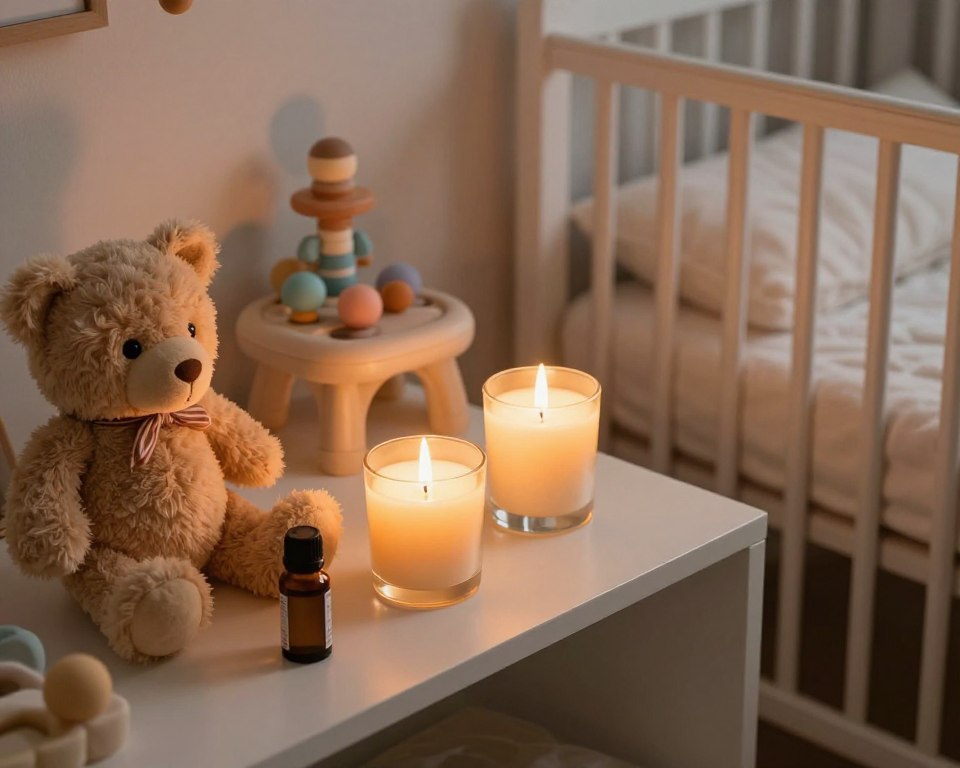
Creating a cozy and inviting home is a top priority for many new parents. You want your living space to feel warm, especially when you bring a newborn home. However, many parents often wonder if are scented candles safe for babies while trying to maintain a pleasant atmosphere.
The air quality in your nursery plays a vital role in your child’s health. Newborns have incredibly delicate respiratory systems that react quickly to airborne particles. While a flickering flame might seem relaxing, it is important to consider how these products interact with the indoor environment.
Finding the right balance between a fragrant home and a healthy nursery is essential. Understanding the potential risks helps you make informed choices for your family. Let’s explore how to keep your little one breathing easy while still enjoying a comfortable home.
Key Takeaways
- Newborns possess sensitive lungs that are easily irritated by smoke or synthetic fragrances.
- Indoor air quality is a critical factor in maintaining a healthy nursery environment.
- Many common household products release volatile organic compounds that may affect infants.
- Prioritizing natural ventilation is always a better choice than relying on artificial scents.
- Consulting with a pediatrician provides the best guidance for your specific home situation.
Understanding the Risks of Scented Candles for Infants
When you bring a newborn home, you naturally want to ensure the air they breathe is as pure as possible. While many parents enjoy the ambiance of a flickering flame, it is important to consider the relationship between scented candles and babies. Infants are significantly more vulnerable to environmental factors than adults, making it essential to evaluate the products used in your home.
Respiratory Sensitivity in Newborns
Newborns possess developing lungs that are much more sensitive to airborne particles. Because their respiratory systems are still maturing, they often breathe at a faster rate than adults, which increases their exposure to any pollutants in the air. This physiological difference means that even mild irritants can cause discomfort for your little one.
When considering scented candles and babies, it is helpful to remember that their airways are smaller and more prone to inflammation. Protecting their delicate breathing passages is a top priority for every parent. Minimizing exposure to unnecessary smoke or vapor is a simple way to support their long-term health.
Chemical Emissions and Indoor Air Quality
Burning any candle releases a variety of chemical compounds into the indoor environment. These emissions often include volatile organic compounds, or VOCs, which can linger in the air long after the flame is extinguished. In a nursery or small room, these particles can quickly accumulate to levels that might affect a baby’s comfort.
Poor indoor air quality is a common concern for families living in modern, airtight homes. When you burn candles, you are essentially adding microscopic soot and chemical residues to the air. Maintaining a clean environment is vital for ensuring your baby sleeps and breathes easily throughout the day and night.
The Impact of Synthetic Fragrances
Many popular candles rely on synthetic fragrances to achieve their strong, lasting scents. These artificial chemicals are often complex mixtures that can trigger reactions in sensitive individuals. For infants, the impact of these synthetic fragrances can be more pronounced due to their heightened sensitivity to chemical exposure.
While a pleasant smell might seem harmless, the underlying chemistry of scented candles and babies is worth a closer look. Choosing to limit these products can help you avoid potential respiratory irritation. Prioritizing natural, clean-burning options is a proactive step toward creating a safer, more comfortable nursery for your child.
Are Scented Candles Safe for Babies: Evaluating the Evidence
When considering if are scented candles safe for babies, it is vital to examine the hidden components in common household items. Many parents enjoy the ambiance of a flickering flame, but scientific evidence suggests that caution is necessary. Indoor air quality plays a significant role in a newborn’s health, as their developing lungs are particularly sensitive to airborne particles.
Common Ingredients to Avoid
Not all candles are created equal, and some contain materials that may pose risks to infants. You should be wary of candles made from paraffin wax, which is a petroleum byproduct that can release soot and chemicals when burned. Additionally, many mass-produced candles use synthetic fragrances that contain phthalates to help the scent linger longer.
These chemicals can trigger respiratory irritation or allergic reactions in young children. It is also wise to avoid candles with lead-core wicks, which were once common but are now largely banned in the United States. Always check the label for natural alternatives to ensure you are not introducing unnecessary toxins into the nursery.
Understanding Volatile Organic Compounds
Volatile Organic Compounds, or VOCs, are gases emitted from certain solids or liquids, including many scented candles. When you burn a candle, it releases these compounds into the air, which can contribute to poor indoor air quality. For a baby, breathing in high levels of VOCs may lead to discomfort or more serious respiratory issues over time.
Understanding the impact of these emissions is a key step in determining if are scented candles safe for babies in your home. By choosing products with cleaner burning profiles, you can significantly reduce the concentration of these pollutants. The following table highlights common candle components and their potential effects on air quality.
| Ingredient Type | Common Source | Potential Impact |
|---|---|---|
| Paraffin Wax | Petroleum byproduct | High soot and VOC emission |
| Synthetic Fragrance | Chemical additives | Respiratory irritation |
| Lead-core Wicks | Metal stabilizers | Heavy metal exposure |
| Phthalates | Scent binders | Endocrine disruption |
Physical Hazards Beyond Fragrance
Beyond the chemical composition of wax, there are immediate physical dangers to consider when using scented candles around infants. While the scent might be pleasant, the presence of an open flame introduces risks that can escalate quickly in a busy household. Prioritizing safety means looking at the mechanics of how these items function in your living space.
Fire Safety and Open Flames
The most obvious danger when burning scented candles around infants is the risk of accidental fire. Babies are naturally curious and unpredictable, making it easy for a crawling child or a distracted parent to knock over a lit candle. To maintain a secure environment, always follow these essential safety guidelines:
- Keep all candles at least three feet away from curtains, bedding, and baby gear.
- Never leave a room unattended while a candle is burning.
- Place candles on sturdy, heat-resistant surfaces that are well out of reach of tiny hands.
Hot Wax and Burn Risks
Even if a candle remains upright, the molten wax itself presents a significant burn hazard. Hot wax can cause severe skin damage if it spills, and the glass containers often become dangerously hot during extended use. Always allow the wax to cool completely before moving the candle or cleaning the area.
If you choose to use candles, consider using battery-operated LED alternatives for the nursery. These provide the same ambiance without the risk of thermal burns or accidental ignition. Protecting your baby from these physical hazards is a simple yet vital step in home safety.
Soot Accumulation and Air Quality
When burning scented candles around infants, you must also account for the physical byproduct of combustion known as soot. This fine, black particulate matter can settle on surfaces throughout the room, including crib sheets and toys. Inhaling these particles can irritate a baby’s delicate respiratory system, even if the candle is not directly near the crib.
To minimize this, ensure you trim your wicks to one-quarter inch before every use to reduce excess smoke. Proper ventilation is also key to preventing soot from building up in the air. By managing these physical factors, you create a much safer and cleaner environment for your little one to grow and thrive.
Identifying Baby-Friendly Scented Candle Alternatives
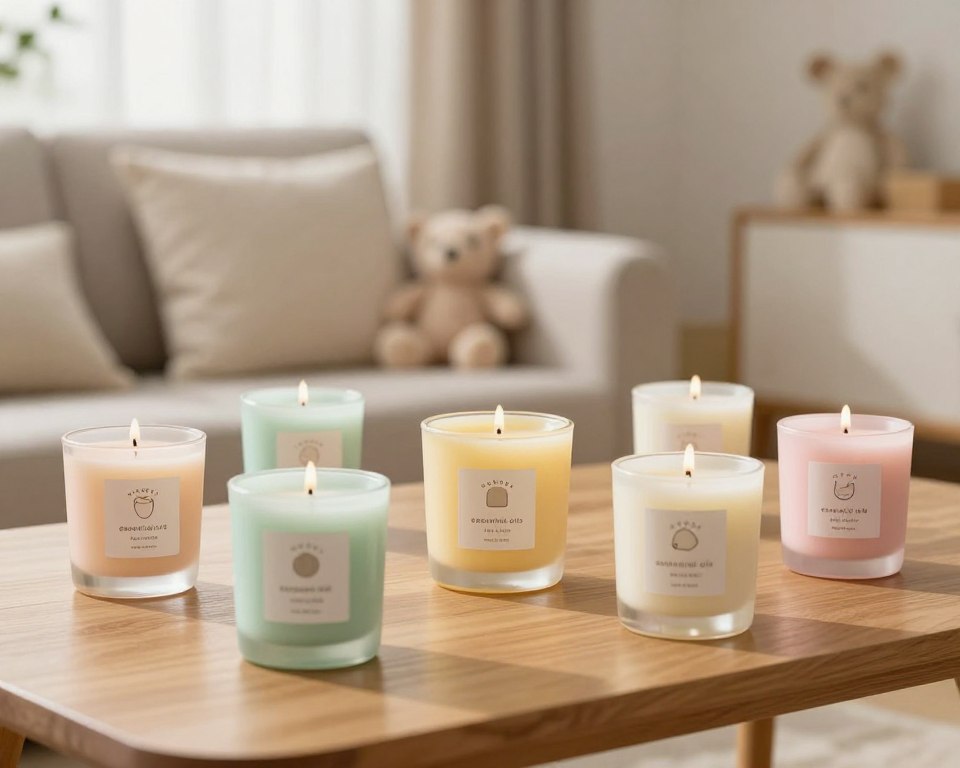
Finding the right atmosphere for your home does not have to mean compromising on your baby’s health. Many parents are now seeking baby safe candle options to ensure their living spaces remain free from harsh pollutants. By making informed choices, you can enjoy a pleasant home environment while keeping your little one protected.
Natural Wax Options Like Beeswax and Soy
Traditional paraffin wax is a byproduct of petroleum refining and often releases soot when burned. In contrast, beeswax and soy wax are excellent alternatives that burn much cleaner. These natural waxes produce significantly less soot, which helps maintain better indoor air quality for your infant.
Beeswax is particularly beneficial because it is a completely natural substance that can even help neutralize airborne allergens. Choosing these eco-friendly materials is a smart step toward finding reliable baby safe candle options for your nursery or living room.
Essential Oils Versus Synthetic Fragrances
Synthetic fragrances often contain phthalates and other chemicals that may irritate a newborn’s sensitive respiratory system. When you look for baby safe candle options, prioritize products scented with pure essential oils instead of artificial perfumes. Essential oils provide a subtle, natural aroma that is far less likely to trigger discomfort or allergic reactions.
Always verify that the oils used are safe for infants, as some scents can be too potent for young children. A gentle, natural scent can create a calming environment without the risks associated with heavy chemical additives.
The Importance of Lead-Free Wicks
The wick is a small but vital component of any candle. Some older or low-quality candles contain lead cores in their wicks to keep them standing straight, which can release toxic heavy metals into the air when lit. Always ensure your candles feature lead-free wicks, typically made from cotton or paper.
Checking the label for this certification provides peace of mind that you are not introducing harmful toxins into your home. Prioritizing these simple safety features ensures that your home remains a healthy sanctuary for your growing family.
Creating a Safe Environment for Your Newborn
Beyond choosing the right products, how you arrange your home plays a vital role in your baby’s well-being. When considering the use of infants and scented candles, your primary goal should always be to minimize exposure to potential irritants. A thoughtful approach to your living space helps ensure that your home remains a sanctuary for your growing child.
Proper Ventilation Practices
Fresh air is essential for maintaining a healthy nursery environment. Whenever you choose to burn a candle, you should keep windows slightly open to encourage constant airflow. This simple habit helps prevent the buildup of combustion byproducts that can linger in stagnant air.
- Use a window fan to pull stale air out of the room.
- Keep interior doors open to allow air to circulate throughout the house.
- Avoid burning candles in small, enclosed spaces without adequate ventilation.
Placement Strategies for Candle Use
Strategic placement is the most effective way to prevent accidents involving infants and scented candles. You must keep all open flames well away from areas where your baby spends time, such as cribs, changing tables, and play mats. A good rule of thumb is to place candles on high, stable surfaces that are completely out of reach of curious hands.
Safety should never be compromised for the sake of ambiance. Always ensure that candles are positioned far from curtains, blankets, or any flammable nursery decor. By maintaining a significant buffer zone, you drastically reduce the risk of fire hazards and accidental contact.
Monitoring Air Quality in the Nursery
Staying observant is key when managing the air quality around your baby. If you notice any changes in your child’s breathing or if the room begins to smell overly strong, extinguish the candle immediately. Monitoring the interaction between infants and scented candles requires you to be proactive about the atmosphere in your home.
Consider these tips for maintaining a clean environment:
- Check for soot buildup on nearby walls or furniture.
- Observe your baby for any signs of sneezing or watery eyes.
- Use an air quality monitor to track particulate levels in real-time.
Recognizing Signs of Sensitivity in Your Baby
Every parent wants to create a cozy home, but it is important to stay alert to how your little one reacts to their surroundings. Being observant of your infant’s behavior is the best way to manage the potential risks of scented candles for babies. Small changes in their mood or physical state can often provide clues about their comfort levels.
Common Symptoms of Respiratory Irritation
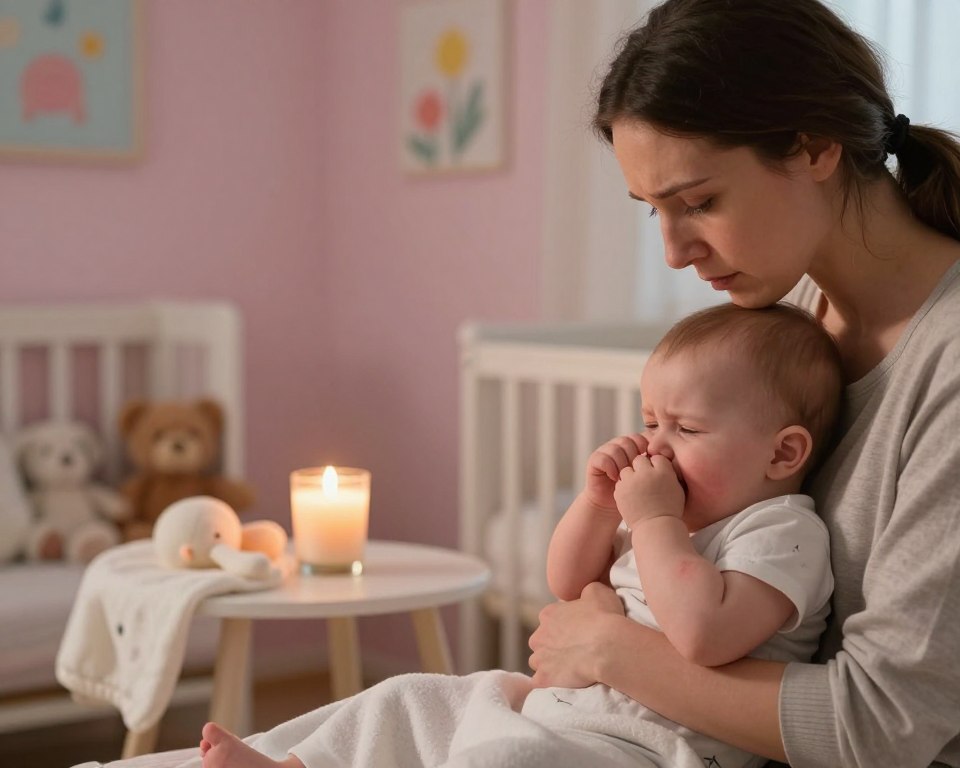
Newborns have delicate systems that may react quickly to strong fragrances or airborne particles. You should watch for signs such as frequent sneezing, a dry cough, or unexplained watery eyes. These symptoms often appear shortly after a candle has been lit in the same room.
Some babies might also show signs of restlessness or difficulty breathing if the air quality drops. If you notice your child rubbing their nose or acting unusually fussy, it may be a sign that the environment is irritating their airways. Monitoring these reactions helps you make informed decisions about what products to keep in the nursery.
“The health and safety of a child are the most important responsibilities a parent carries, requiring constant attention to the details of their daily environment.”
When to Consult a Pediatrician
If you suspect that your baby is struggling with respiratory issues, do not hesitate to reach out to a medical professional. It is always better to be cautious when it comes to your child’s health. You should contact your pediatrician if symptoms like wheezing or persistent coughing do not improve after removing the source of the scent.
Be prepared to share details about the products you use at home during your visit. A doctor can provide professional guidance and help you determine if your baby has a specific sensitivity. Keeping a log of when symptoms occur can be very helpful for your medical team to assess the situation accurately.
Safe Candle Use for Newborns: Best Practices
You do not have to give up your favorite home fragrances entirely if you follow specific safety guidelines. While many parents worry about air quality, simple adjustments can help you maintain a cozy atmosphere. By choosing baby-friendly scented candles and following strict protocols, you can enjoy a pleasant home environment without compromising your infant’s well-being.
Limiting Burn Time
The duration for which you burn a candle significantly impacts the indoor air quality. Keeping burn sessions short prevents the buildup of volatile organic compounds in the nursery or living area. We recommend limiting your candle use to no more than one hour at a time to ensure the air remains fresh and breathable for your newborn.
Trimming Wicks to Reduce Soot
Proper maintenance is essential for a cleaner, safer burn every single time. You should always trim the wick to about one-quarter of an inch before lighting the candle. This simple habit prevents the flame from becoming too large and reduces the amount of soot released into the air, which is crucial for protecting delicate lungs.
Choosing Unscented Options for Daily Use
While you might love strong aromas, opting for unscented varieties for your daily routine is the safest choice. If you decide to use baby-friendly scented candles, save them for special occasions rather than everyday use. This strategy significantly lowers the total chemical exposure for your baby throughout the week.
| Practice | Benefit | Frequency |
|---|---|---|
| Wick Trimming | Reduces soot and smoke | Before every use |
| Limited Burn Time | Lowers chemical concentration | Max 1 hour |
| Unscented Candles | Prevents respiratory irritation | Daily |
| Ventilation | Improves air circulation | During and after use |
The Role of Air Purifiers in a Scented Home
Even when you follow guidelines for safe candle use for newborns, adding an air purifier provides an extra layer of protection for your little one. Maintaining high indoor air quality is essential when you introduce any source of combustion into your living space. By using the right equipment, you can enjoy a cozy atmosphere while keeping the nursery air clean and breathable.
How HEPA Filters Help
High-Efficiency Particulate Air (HEPA) filters are the gold standard for capturing microscopic pollutants. These filters are designed to trap fine particles, including soot and ash, which are common byproducts of burning wax. By effectively scrubbing the air, these devices help remove airborne irritants before they can settle in your baby’s delicate respiratory system.
While standard HEPA filters excel at particle removal, some advanced models also include activated carbon layers. These layers are particularly useful for absorbing certain volatile organic compounds that may be released during the burning process. Investing in a quality unit ensures that your home remains a healthy sanctuary for your growing family.
Placement of Purifiers Near Candle Use
To maximize the effectiveness of your air purifier, placement is everything. You should position the device in the same room where you burn candles, but keep it at a safe distance from the flame itself. Placing the unit in a central location allows it to circulate air more efficiently throughout the entire space.
Avoid tucking the purifier into a corner or behind furniture, as this restricts airflow and limits its cleaning capacity. Instead, ensure there is at least a few feet of clearance on all sides of the machine. Proper positioning ensures that the device can continuously monitor and clean the air, supporting your commitment to safe candle use for newborns throughout the day.
Natural Alternatives to Scented Candles
Exploring natural fragrance options is a great way to maintain a cozy home while prioritizing your baby’s health. Many parents find that moving away from synthetic products helps them feel more confident about their indoor air quality. By choosing simple, earth-derived ingredients, you can keep your living space smelling wonderful without needing to worry about scented candle precautions for babies.
Using Stovetop Simmer Pots
A stovetop simmer pot is one of the most effective ways to fill your home with a gentle, natural aroma. Simply fill a small pot with water and add ingredients like fresh citrus slices, cinnamon sticks, or sprigs of rosemary. As the water warms, it releases a subtle scent that is far less overwhelming than synthetic candles.
This method allows you to control exactly what goes into your air. Because you are using whole foods, you avoid the chemical emissions often associated with traditional wax products. Always remember to keep the pot on a low heat setting and never leave it unattended while it is simmering.
Safe Use of Diffusers
If you prefer using a diffuser, it is vital to select high-quality, pure essential oils. Not all oils are safe for infants, so it is important to research each scent before use. Always ensure the room is well-ventilated when the diffuser is running to prevent the concentration of oils from becoming too strong for your baby.
Start with very short sessions to see how your baby reacts to the new scent. If you notice any signs of sneezing or restlessness, turn the device off immediately. Maintaining these scented candle precautions for babies will help you enjoy a pleasant atmosphere while keeping your little one comfortable.
Fresh Air and Natural Ventilation
Sometimes, the best way to freshen a room is to simply open a window. Natural ventilation is the most effective way to clear out stale air and odors without introducing any new substances into the nursery. Even a few minutes of cross-ventilation can make a significant difference in the quality of your indoor environment.
Fresh air is free, safe, and provides a clean slate for your home. It is the ultimate alternative for parents who want to avoid the risks associated with burning items indoors. Relying on nature is often the simplest and most effective strategy for a healthy home.
| Method | Primary Benefit | Safety Level |
|---|---|---|
| Stovetop Simmer Pot | Uses whole ingredients | High (if monitored) |
| Essential Oil Diffuser | Customizable scents | Moderate (requires research) |
| Natural Ventilation | Zero chemical risk | Highest |
Navigating Product Labels and Safety Standards
Understanding what goes into your favorite candles is the first step toward creating a safer living space for your baby. When you bring a new life into your home, your perspective on household products naturally shifts. Implementing scented candle precautions for babies starts with a careful review of the items you bring through your front door.
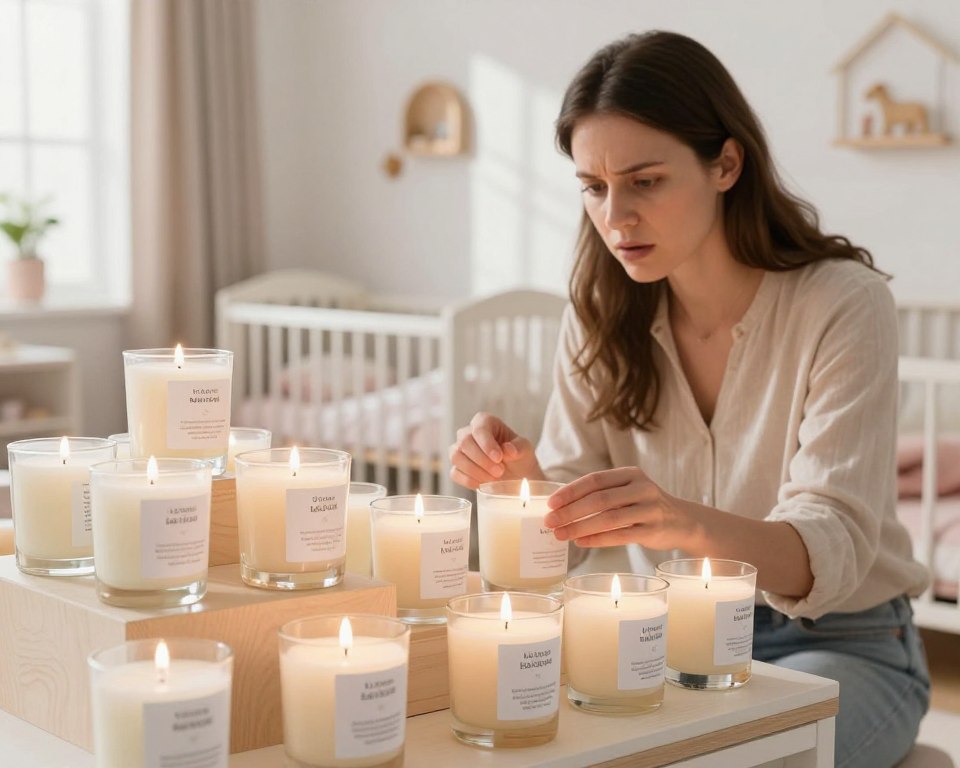
Reading Ingredient Lists
Most high-quality candle manufacturers provide a list of ingredients on their packaging or website. You should look for clear disclosures regarding the type of wax used, such as soy, beeswax, or coconut wax. Transparency is a sign of a reputable brand that values consumer health over hidden chemical additives.
Be wary of labels that simply state “fragrance” without further explanation. Synthetic additives can often trigger sensitivities, making it vital to seek out brands that use essential oils or phthalate-free scents. By checking these details, you can effectively manage scented candle precautions for babies and avoid harsh chemicals that might linger in the air.
“The quality of the air we breathe indoors is just as important as the quality of the food we eat, especially for our most vulnerable family members.”
Understanding Safety Certifications
Beyond the ingredient list, look for third-party safety certifications that indicate a product has met rigorous testing standards. Organizations like the National Candle Association (NCA) provide guidelines that responsible manufacturers follow to ensure their products are safe for home use. Choosing certified products gives you peace of mind that the candle has been tested for soot levels and wick stability.
Always check for labels that confirm the use of lead-free wicks, as this is a critical component of safety. When you prioritize these standards, you are taking proactive scented candle precautions for babies that protect their delicate respiratory systems. Your diligence in reading labels ensures that your home remains a cozy and healthy sanctuary for your little one.
Conclusion
Balancing your love for home fragrance with the safety of your newborn is a manageable task. You can maintain a welcoming atmosphere by making informed choices about the products you bring into your living space.
Prioritizing natural ingredients like beeswax or soy wax helps minimize exposure to harmful toxins. Brands such as Mrs. Meyer’s or specialized organic candle makers often provide cleaner burning options that support better indoor air quality.
Consistent ventilation remains your best tool for keeping the nursery environment fresh. Opening windows or using air purifiers with HEPA filters creates a protective barrier against potential irritants. These simple habits allow you to enjoy a pleasant scent profile without compromising the health of your little one.
Your commitment to safety ensures a peaceful home where your baby can thrive. Small adjustments to your daily routine lead to significant benefits for your family. Stay mindful of product labels and continue to monitor your baby for any signs of sensitivity to ensure their comfort remains the top priority.
## FAQ
### Q: Are scented candles safe for babies to have in the home?
A: While many parents enjoy the ambiance of a flickering flame, the question of are scented candles safe for babies depends largely on the ingredients and usage. Newborns have developing respiratory systems and higher breathing rates than adults, making them more sensitive to airborne irritants. To ensure safety, it is best to avoid burning candles directly in the nursery and opt for high-quality, clean-burning brands like Bluecorn Beeswax or P.F. Candle Co. which use safer ingredients than traditional paraffin options.
### Q: What are the potential risks of scented candles for babies?
A: The primary potential risks of scented candles for babies include the emission of Volatile Organic Compounds (VOCs), such as formaldehyde and benzene, and the production of soot. These particles can irritate an infant’s delicate lungs, potentially leading to coughing or wheezing. Furthermore, synthetic fragrances often contain phthalates, which are known endocrine disruptors. Choosing baby-friendly scented candles made from natural waxes can significantly reduce these chemical exposures.
### Q: How can I identify baby safe candle options when shopping?
A: When looking for baby safe candle options, always read the labels carefully. Look for candles made from 100% natural soy wax, beeswax, or coconut wax rather than petroleum-based paraffin. Ensure the product specifies it uses lead-free cotton wicks or wood wicks to prevent heavy metal inhalation. Brands like Slow North and Fontana Candle Co. are excellent examples of companies that prioritize transparent, non-toxic ingredient lists for families.
### Q: What are the best scented candle precautions for babies I should follow?
A: To maintain a healthy environment, follow strict scented candle precautions for babies. Never leave a candle burning unattended, and keep them on high surfaces far out of reach of curious crawlers to prevent burn risks. Limit burn times to no more than one or two hours to prevent soot accumulation, and always ensure the room is well-ventilated. Additionally, trimming the wick to 1/4 inch before each light helps ensure a cleaner, more controlled flame.
### Q: Are there specific symptoms of fragrance sensitivity in infants?
A: Yes, infants and scented candles don’t always mix well, and some babies may show signs of respiratory irritation. Common symptoms include sneezing, watery eyes, skin rashes, or persistent coughing. If you notice these signs after lighting a candle, extinguish it immediately and provide fresh air. If symptoms continue, it is highly recommended to consult a pediatrician at a trusted institution like the Mayo Clinic for professional advice.
### Q: Can I use essential oils instead of synthetic fragrances around my newborn?
A: Generally, natural essential oils are a better choice than synthetic “fragrance oils,” but caution is still required. Some essential oils can be quite potent for a baby’s sensitive nose. If you choose to use them, ensure they are heavily diluted and used in a well-ventilated space. For a completely flame-free and safer alternative, many parents prefer using a HEPA air purifier, such as those from Levoit or Dyson, to keep indoor air clean while using a stovetop simmer pot with lemon slices and rosemary.
### Q: How does safe candle use for newborns differ from standard candle use?
A: Safe candle use for newborns requires a much higher level of vigilance. This includes strictly avoiding candles with “fragrance” listed as a generic ingredient, as this often hides harmful chemicals. You should also prioritize unscented candles for daily ambiance and save scented versions for occasional use in large, open areas of the home rather than confined spaces like bedrooms. Utilizing an air quality monitor can also help you track if a candle is significantly increasing the particulate matter in your baby’s environment.