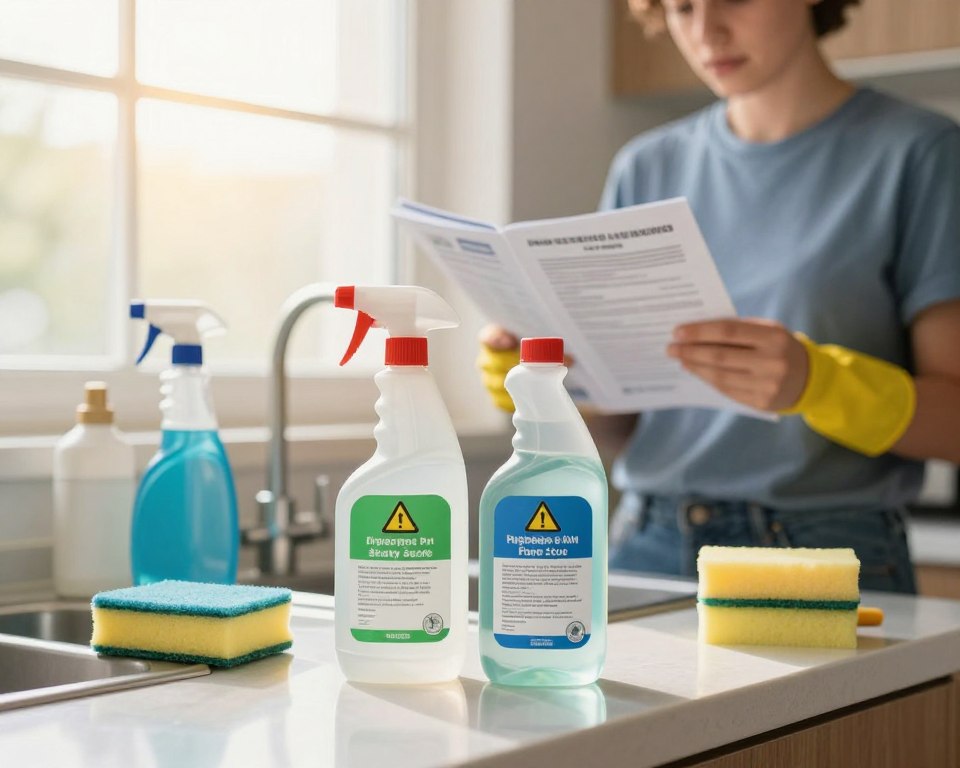
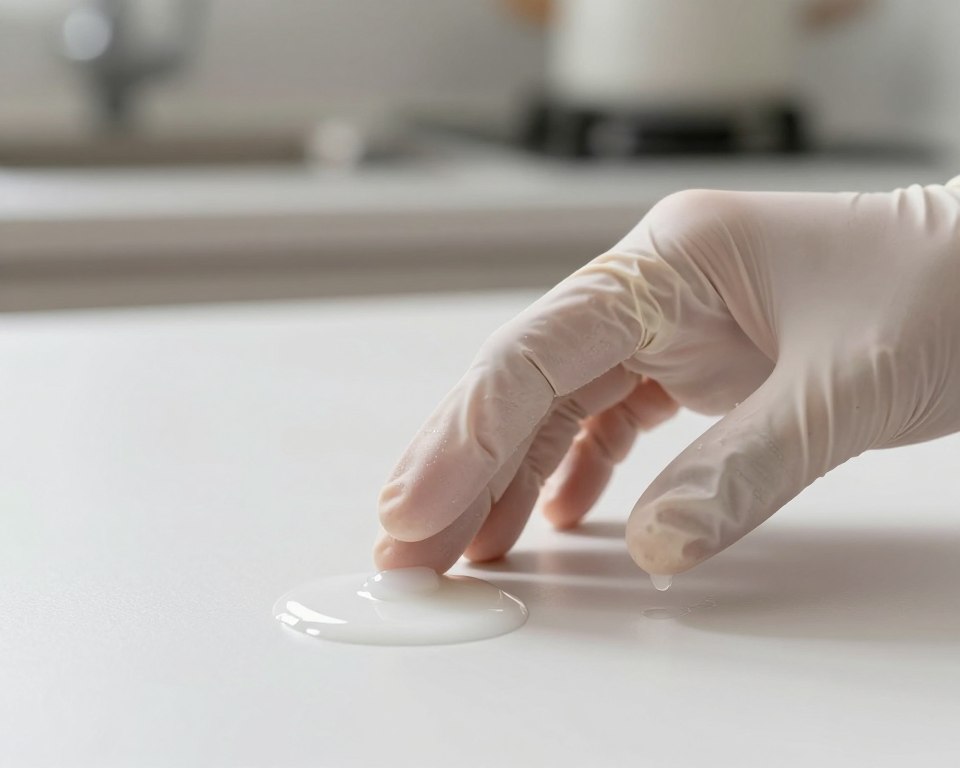
We’ve all been in a rush to clean up a spill and accidentally splashed something harsh on our hands. In those moments, we wonder what will happen. Many ask, is bleach safe on skin, hoping it’s okay.
Household cleaners are made to kill bacteria and dirt, not harm living tissue. When they touch your skin, they can lead to severe irritation or chemical burns. Knowing the risks helps keep your home safe and healthy.
Knowledge is your best defense against accidents. By understanding how these chemicals react with your body, you can avoid harm. Let’s look at how to stay safe when using common household cleaners.
Key Takeaways
- Household cleaners are caustic and can cause significant chemical burns upon contact.
- Immediate rinsing with cool water is essential if exposure occurs.
- Always wear protective gloves when handling concentrated cleaning solutions.
- Seek professional medical attention if you notice blistering or persistent pain.
- Proper ventilation helps prevent respiratory irritation while you clean.
Understanding the Chemical Nature of Household Bleach
Knowing what’s in bleach is key to keeping your skin safe while cleaning. Bleach is mostly water mixed with sodium hypochlorite. This mix is great at killing germs but can be tough on skin.
It’s important to be careful with bleach because of its strong nature. This caution is needed when we use these products.
The Role of Sodium Hypochlorite in Disinfection
Sodium hypochlorite is a strong oxidizer. It breaks down proteins in germs, killing them. This is why bleach is so good at cleaning surfaces.
But, this same power can harm human skin. So, we must be careful when using bleach.
How Concentration Levels Affect Corrosivity
The strength of bleach depends on its sodium hypochlorite level. Most household bleach has 3% to 8% of this ingredient.
More sodium hypochlorite means a higher risk of burns. Always follow the dilution instructions to keep your skin safe.
- Higher percentages lead to faster tissue breakdown.
- Prolonged exposure to even low concentrations can cause irritation.
- Dilution is a critical step in reducing the corrosive nature of the liquid.
Why Bleach Is Designed for Surfaces, Not Bodies
Bleach is made for cleaning surfaces, not for use on skin. It’s meant to remove dirt and kill germs on hard surfaces, not on human skin.
It doesn’t have the pH balancers that skincare products do. So, we must keep bleach away from our skin to stay safe.
Is Bleach Safe on Skin and Why It Is Not Recommended
Household cleaners like bleach are powerful but not safe for our skin. They can cause irritation and harm. This is because our skin and bleach are not meant to mix.
The pH Balance of Human Skin vs. Bleach
Our skin is slightly acidic, with a pH of 4.5 to 5.5. This keeps it healthy and fights off germs. Bleach, on the other hand, is very alkaline, with a pH of 11 to 13.
When bleach touches our skin, it messes with the acid balance. This makes it hard for our skin to protect itself. Here’s a comparison of skin and bleach environments.
| Feature | Human Skin | Household Bleach |
|---|---|---|
| pH Level | 4.5 – 5.5 (Acidic) | 11.0 – 13.0 (Alkaline) |
| Primary Role | Protection/Barrier | Disinfection/Bleaching |
| Biological Impact | Maintains Homeostasis | Causes Chemical Burns |
The Protective Barrier Function of the Epidermis
The epidermis is our skin’s first line of defense. But it can’t handle bleach’s harshness. Bleach breaks down the proteins in our skin cells.
When our skin’s barrier is broken, bleach can get deeper. This causes our skin to lose moisture and strength. It’s clear that is bleach safe on skin is a big no.
“Chemical agents that are designed to destroy bacteria on non-porous surfaces are inherently destructive to the delicate cellular structure of human tissue.”
Why Dermatologists Advise Against Topical Bleach Use
Doctors always say no to using bleach on the skin. Even diluted, it can cause skin problems. They say there are safer ways to clean.
By not using bleach, we avoid skin problems and burns. It’s better to choose gentler cleaners for our skin’s health. Knowing is bleach safe on skin is a no helps us stay safe at home.
The Physiological Process of Skin Exposure to Sodium Hypochlorite
When bleach touches the skin, it starts a quick and harmful reaction. This is why it’s so important to act fast to avoid serious damage. Understanding the risks of bleach on skin helps us see why quick action is key.
How Bleach Breaks Down Skin Proteins
Bleach is a strong oxidizing agent that attacks skin proteins. It changes the shape and function of these proteins. This damage, called denaturation, weakens the skin’s protective layer.
The Mechanism of Saponification in Chemical Burns
Bleach also causes saponification, a reaction with skin fatty acids. This creates a soap-like substance that softens the tissue. A medical expert said:
“Chemical burns from alkaline substances like bleach are often more dangerous than acid burns because they cause liquefactive necrosis, allowing the chemical to penetrate deeper into the tissue.”
Penetration Depth and Tissue Damage
The severity of the injury depends on how deep the chemical goes. Saponification makes the skin soft and open, letting bleach spread deeper. This deep penetration can cause severe burns, needing professional care. Time is the most critical factor in stopping this damage before it gets worse.
Immediate Symptoms and Physical Reactions to Bleach Contact
When bleach touches your skin, it quickly changes the surface proteins. This leads to skin reactions to bleach that need quick attention.
Recognizing Redness and Irritation
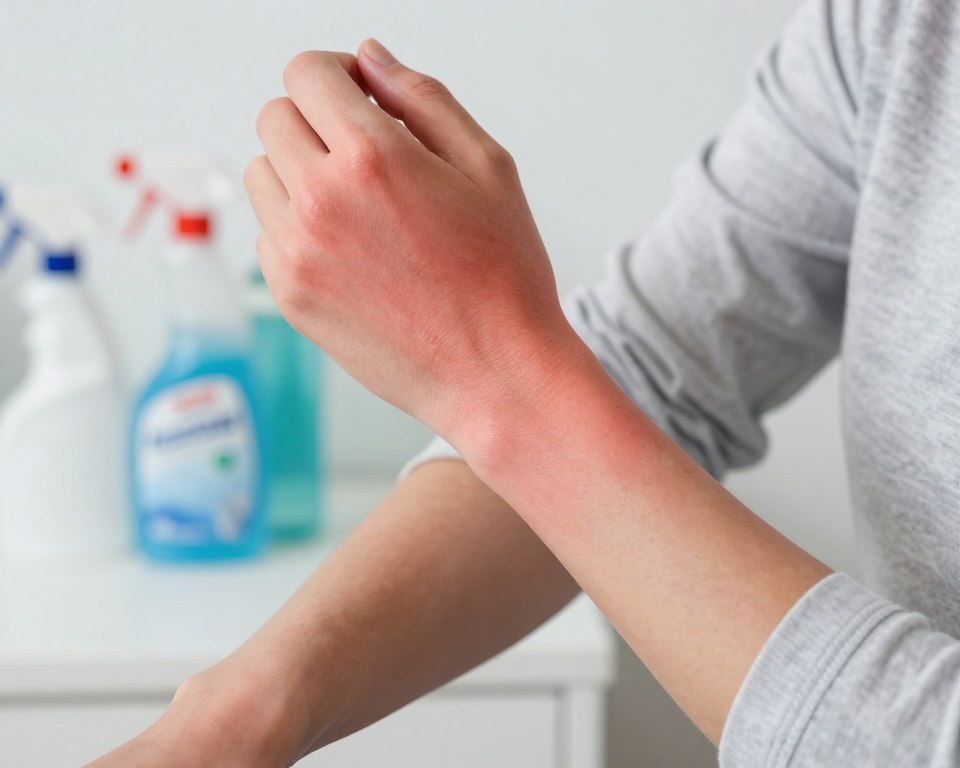
The first sign is redness, or erythema. The skin might feel warm because of increased blood flow. These bleaching effects on skin are the body’s first response to the bleach.
Irritation can feel dry or tight. If you have sensitive skin, you might see this reaction fast. Watch these changes closely to see if the exposure is getting worse.
The Sensation of Burning and Itching
You’ll likely feel a stinging or burning sensation. This is because the bleach is breaking down your skin’s oils and proteins. The strength of this feeling depends on the bleach’s concentration and how long it’s in contact with your skin.
Itching is another symptom you might feel. While it’s hard not to scratch, doing so can harm your skin more. We advise against rubbing the area, as it can push the chemical deeper into your skin.
Blistering and Tissue Necrosis
In severe cases, blisters may form as a defense against the chemical burn. These blisters show the damage has gone deeper. If not treated, the area could lead to tissue necrosis, where skin cells start to die.
Seeing blisters or skin turning white, gray, or black is a sign of serious damage. If you notice these signs, get medical help right away.
| Symptom Level | Physical Manifestation | Severity |
|---|---|---|
| Mild | Redness and mild itching | Low |
| Moderate | Intense burning and irritation | Medium |
| Severe | Blistering and tissue necrosis | High |
Knowing these bleaching effects on skin helps you react fast in an emergency. By spotting symptom progression, you can take steps to lessen harm and protect your health.
Long-Term Risks of Repeated or Prolonged Skin Exposure
It’s important to know how bleach affects your skin over time. Many people worry about burns right away. But, we also need to think about how often using harsh cleaners changes our skin. These skin reactions to bleach can cause long-lasting problems that need doctor’s care.
Development of Contact Dermatitis
Getting exposed to bleach too often can lead to chronic contact dermatitis. This condition causes long-lasting redness, scaling, and itching. Over time, the skin becomes very sensitive to things that didn’t bother it before.
Chronic Skin Sensitivity and Barrier Impairment
Bleach takes away the natural oils and proteins that protect our skin. When this barrier is broken, our skin can’t keep moisture in or fight off irritants. This causes dryness and inflammation, making our skin more open to infections and harm.
Potential for Systemic Absorption Concerns
There’s also a risk of chemicals being absorbed into the body. When the skin barrier is damaged, chemicals can get into the bloodstream. While more studies are needed, this is a big worry for those who work with cleaning chemicals every day without protection.
| Risk Factor | Short-Term Effect | Long-Term Consequence |
|---|---|---|
| Repeated Contact | Mild Irritation | Chronic Dermatitis |
| Barrier Damage | Dryness | Permanent Sensitivity |
| Systemic Exposure | None Visible | Potential Absorption |
Factors That Influence the Severity of a Bleach Burn
Many factors decide how bad a bleach burn is. The chemical itself is very harsh. But, the damage really depends on how it happens. Knowing these details helps you understand your bleach skin sensitivity and when to act fast.
Duration of Contact Time
How long bleach stays on your skin is key. Even a weak solution can cause significant irritation if it sits too long. The longer it stays, the deeper it can get into your skin.
Concentration of the Bleach Solution
Household bleach is too strong for skin. Using a higher concentration means it reacts faster and harder with your skin. Diluting bleach as the maker says is very important to avoid serious burns.
The Role of Skin Integrity and Hydration
Your bleach skin sensitivity also depends on your skin’s health. Dry, cracked, or damaged skin lets bleach in easier. Well-hydrated and healthy skin protects better. But, damaged skin is more vulnerable to deep harm.
Emergency First Aid Procedures for Accidental Skin Contact
Accidents can happen, and when they do with household bleach, acting fast is key. Stay calm and act quickly to lessen the damage. These steps can help prevent serious harm to your skin.
The Importance of Immediate Irrigation
The best way to stop a chemical burn is to flush the affected area with cool, running water. Start this as soon as you see the spill. Keep the water running for 15 to 20 minutes.
Flushing helps dilute the bleach and wash it off your skin. Don’t use high-pressure water as it could push the chemical deeper. A gentle stream is safest.
Removing Contaminated Clothing Safely
Bleach can soak into fabrics, keeping the chemical on your skin. Remove any clothes or jewelry that touched the liquid right away. This stops the chemical from irritating your skin while you rinse.
- Carefully cut away clothing if it is stuck to the skin to avoid further tearing.
- Remove watches, rings, or bracelets near the spill site, as they can trap bleach underneath.
- Place contaminated items in a plastic bag to prevent further accidental contact with others.
Neutralizing the Area Without Further Irritation
Many think using vinegar or other household items can “neutralize” bleach. But mixing chemicals can cause dangerous reactions or heat that makes burns worse. Water is the only safe and recommended substance for first aid.
After rinsing well, gently pat your skin dry with a clean, soft cloth. Don’t rub, as your skin may be fragile. If redness or pain persists, get medical help to ensure proper treatment.
When to Seek Professional Medical Attention for Chemical Burns
If you’ve been exposed to bleach, knowing when to get medical help is key. Minor irritation might clear up with just water. But, serious bleaching effects on skin can cause lasting harm. It’s important to know the difference between a minor issue and a serious problem.
Identifying Second and Third-Degree Burns
Chemical burns are classified by how deep they are. A second-degree burn shows intense redness, swelling, and painful blisters. These signs mean the chemical has reached deeper layers of the skin.
Third-degree burns are more severe, as they destroy all layers of the skin. You might see the skin looking white, charred, or leathery. Seek immediate help if the area feels numb, as this means the chemical has damaged nerve endings.
Signs of Systemic Toxicity or Allergic Reaction
Chemical exposure can affect more than just the skin. Dizziness, nausea, or trouble breathing are signs of systemic toxicity. These symptoms mean your body is reacting to the chemical and needs urgent medical attention.
An allergic reaction can also happen, showing as hives, swelling, or a fast heartbeat. Don’t ignore these signs, as they can get worse quickly. Keeping an eye out for these bleaching effects on skin and body is vital for your safety.
When to Visit an Urgent Care or Emergency Room
Go to the emergency room if the burn is big or in sensitive areas like the eyes or face. Any bleach ingestion is a medical emergency that needs quick help. Don’t wait if you’re unsure about the burn’s severity.
| Burn Degree | Appearance | Sensation | Action Required |
|---|---|---|---|
| First-Degree | Redness | Mild stinging | Home irrigation |
| Second-Degree | Blisters | Intense pain | Urgent care visit |
| Third-Degree | Charred/White | Numbness | Emergency room |
If you’re unsure, always better to check with a healthcare professional. Quick treatment can lessen bleaching effects on skin and speed up recovery.
Debunking Common Myths About Using Bleach for Skin Care
It’s time to clear up myths about using harsh chemicals on our bodies. Online, we see trends that suggest using industrial cleaners for beauty or health. But, using bleach for skin is dangerous and can cause permanent harm.
The Fallacy of Bleach Baths for Eczema
Some online forums say bleach baths help with eczema. But, this is not safe for home use. It can irritate sensitive skin and make eczema worse.
Why Bleach Does Not Lighten Skin Safely
There’s a myth that bleach can lighten skin. But, it destroys pigments without caring for skin cells. Using skin care with bleach can cause burns, scarring, and uneven skin tone.
The Dangers of DIY Skin Treatments
We advise against using industrial cleaners for skin care. Bleach is meant to kill bacteria on surfaces, not on living skin. DIY skin care with bleach ignores the big difference between surfaces and skin.
- Bleach causes rapid protein denaturation in skin cells.
- It strips away the natural lipid barrier, leaving skin vulnerable to infection.
- There are no safe, medically approved ways to use industrial bleach for beauty.
Instead of risking your health, talk to a board-certified dermatologist. They offer safe, evidence-based treatments. Your skin needs products made for it, not harsh cleaners for floors.
The Dangers of Mixing Bleach with Other Household Chemicals
Bleach is a common item in homes, but mixing it with other chemicals is dangerous. Many think mixing cleaning products makes them stronger. But, these mixes can cause serious health problems.
We advise keeping bleach away from other cleaning supplies. Knowing these dangers helps avoid accidents and the risks of bleach on skin and lungs.
Reactions with Ammonia and Toxic Gas Production
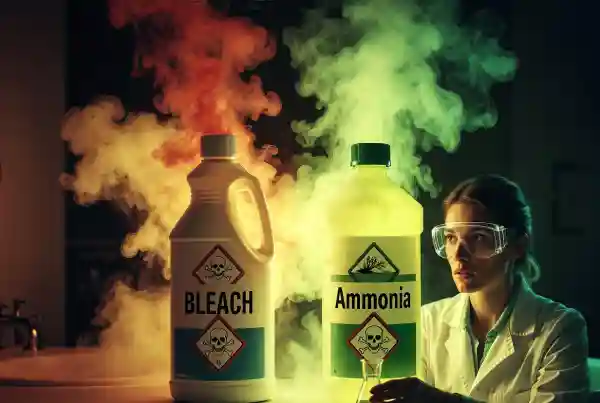
Mixing bleach with ammonia cleaners is very dangerous. It creates chloramine gas, which is toxic when breathed in. This gas can cause breathing problems, coughing, and throat irritation.
The gas can also settle on your skin. This makes skin irritation worse, adding to the risks of bleach on skin during cleaning.
Risks of Combining Bleach with Acids
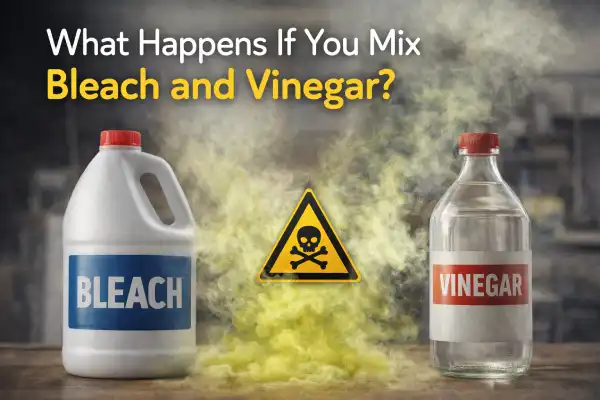
Combining bleach with acidic products, like vinegar, is also risky. This mix releases chlorine gas, a strong irritant. Even a little of this gas can burn your eyes, cause chest pain, and make breathing hard.
In small, poorly ventilated spaces, these gases can build up fast. They can mix with skin moisture, leading to burns or severe skin problems.
Why Inhalation Risks Often Accompany Skin Exposure
When toxic gases are present, skin contact is often not the only risk. Your skin absorbs these irritants along with the fumes. This can weaken your body, making risks of bleach on skin more severe.
Always use one product at a time for safety. If you mix chemicals by mistake, leave the area and get fresh air. Seek medical help if you feel sick.
| Chemical Mixture | Resulting Hazard | Primary Risk |
|---|---|---|
| Bleach + Ammonia | Chloramine Gas | Respiratory/Skin Damage |
| Bleach + Vinegar | Chlorine Gas | Severe Chemical Burns |
| Bleach + Toilet Cleaner | Chlorine Gas | Systemic Toxicity |
| Bleach + Rubbing Alcohol | Chloroform | Dizziness/Nausea |
Protecting Your Skin While Cleaning with Bleach
We think that cleaning your home well means taking care of your skin first. When using sodium hypochlorite, it’s key to follow bleach skin precautions to avoid burns. Getting ready before you start cleaning helps a lot in keeping your skin safe.
Selecting the Right Protective Gloves
Not all gloves are made equal when it comes to protecting against harsh chemicals. We suggest using nitrile or rubber gloves that cover your wrists well. Thin gloves, like latex, can tear and let bleach reach your skin.
Check your gloves for any damage before cleaning. If they’re worn out, change them right away. Choosing the right gloves is a big part of keeping your skin safe.
Using Long Sleeves and Protective Eyewear
Accidental splashes can happen when you’re cleaning. Wear long-sleeved shirts or aprons to protect your arms. This keeps bleach off your skin and prevents irritation.
It’s also important to protect your eyes. Wear safety goggles that fit snugly. This stops bleach from getting in your eyes or on your skin around them.
Ventilation Strategies to Minimize Exposure
Bleach fumes can be as harmful as the liquid itself. Open windows and doors to let fresh air in. If you’re cleaning in a small space, like a bathroom, use an exhaust fan to remove vapors.
Good air flow is key to your bleach skin precautions. It keeps the air clean and reduces chemical stress on your skin and lungs. Always make sure your cleaning area is well-ventilated.
Safe Alternatives to Bleach for Disinfecting and Cleaning
We often seek strong cleaning agents, but safer choices exist. These protect our skin and the environment. Harsh chemicals are not the only way to keep our homes clean.
Choosing gentler options helps avoid risks from using bleach for skin or accidental exposure during cleaning.
Hydrogen Peroxide as a Safer Option
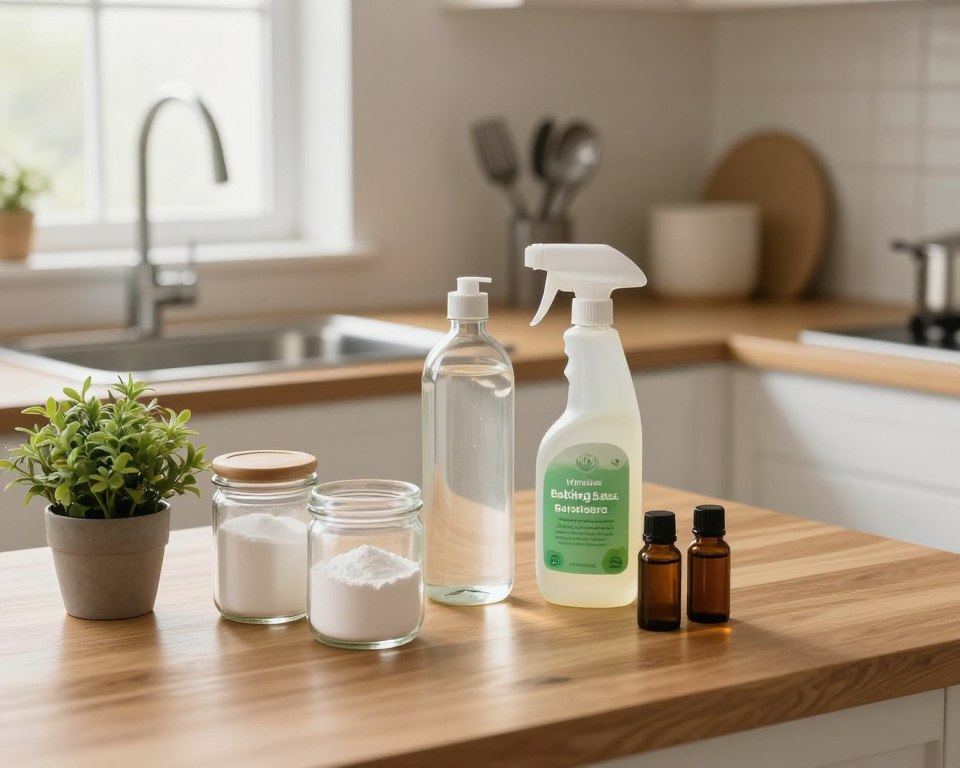
Hydrogen peroxide is a versatile disinfectant that breaks down into water and oxygen. It’s less corrosive than sodium hypochlorite, making it a top choice for many tasks. When used correctly, it fights germs without the harsh irritation of other products.
The Efficacy of Vinegar and Essential Oils
For natural cleaning, white vinegar and essential oils are great. Vinegar dissolves mineral deposits and grime. Oils like tea tree or eucalyptus have natural antibacterial properties. These are environmentally friendly and safer for home use.
- White Vinegar: Excellent for cutting through grease and soap scum.
- Tea Tree Oil: Known for its natural antifungal and antibacterial benefits.
- Lemon Juice: A natural bleaching agent that is far gentler than synthetic chemicals.
Commercial Disinfectants Designed for Skin Safety
Many modern cleaning brands now make products that are less toxic and skin-friendly. These alternatives use plant-based surfactants for effective cleaning without harsh side effects. We should choose these over skin care with bleach to avoid chemical burns and irritation.
Safety should always be the priority when selecting cleaning agents for your home.
Special Considerations for Sensitive Skin and Pre-existing Conditions
Some people are at higher risk when using sodium hypochlorite because of their health. While many can use diluted cleaners safely, not everyone’s skin is the same. Our health history greatly affects how we react to chemicals.
Risks for Individuals with Eczema or Psoriasis
Those with eczema or psoriasis have a weakened skin barrier. This makes it easier for harsh chemicals to get into the skin. Inflammation and dryness are common, and bleach can make these worse.
“Chemical irritants do not discriminate, but they find the path of least resistance on skin that is already struggling to maintain its natural integrity.” — Dermatological Health Advisory
How Broken Skin Increases Absorption Risks
Broken skin, cuts, or scrapes weaken our first line of defense. Chemicals can get past the skin and into the body more easily. This can lead to serious chemical burns and other problems.
Precautions for Children and the Elderly
Children and the elderly have thinner, more sensitive skin. Even a little bleach can cause redness or blisters. It’s important to keep cleaning supplies away from them during cleaning.
| Skin Condition | Risk Level | Primary Concern |
|---|---|---|
| Healthy/Intact | Low | Surface irritation |
| Eczema/Psoriasis | High | Barrier failure |
| Broken/Cut Skin | Critical | Systemic absorption |
| Elderly/Children | Moderate-High | Thinning epidermis |
Conclusion
Cleaning products like Clorox or Lysol are key to keeping our homes clean. It’s important to remember that these products are strong and can harm us. By following bleach skin precautions, we can avoid accidents and keep our skin safe.
When we clean, we must be careful with harsh chemicals. Always wear protective gear and make sure the area is well-ventilated. This way, we can clean without risking our health.
Let’s look for safer, non-toxic cleaners for our daily tasks. Choosing the right products for our homes keeps us safe. Share these safety tips with your family to create a safer environment for everyone.
FAQ
Is bleach safe on skin for quick cleaning or disinfecting hands?
No, bleach is not safe for skin. It can cause irritation and destroy our skin’s natural oils, leading to burns.
What are the most common skin reactions to bleach exposure?
Common reactions include redness, burning, and itching. Prolonged exposure can lead to blisters and swelling.
Is using bleach for skin lightening a safe DIY practice?
No, using bleach for skin lightening is dangerous. It can cause scarring, burns, and permanent skin discoloration.
What should we do to manage bleach skin sensitivity after an accidental splash?
Flush the area with cool water for 15 minutes. Avoid harsh soaps and use a bland moisturizer to protect the skin.
Are the risks of bleach on skin higher if the chemical is undiluted?
Yes, undiluted bleach is more corrosive. Even diluted bleach can cause chronic skin problems if used without protection.
What are the standard bleach skin precautions we should take when cleaning?
Wear non-porous rubber gloves, long sleeves, and eye protection. Ensure good ventilation to avoid skin and respiratory irritation.
Is skin care with bleach ever recommended by medical professionals?
Only in specific, diluted medical “bleach baths” for severe eczema, under a doctor’s strict guidance. Never use household bleach without a professional protocol.
What are the visible bleaching effects on skin that indicate a serious burn?
Serious burns may show white, gray, or leathery skin. Deep tissue necrosis (blackened skin) indicates a severe injury needing immediate medical attention.