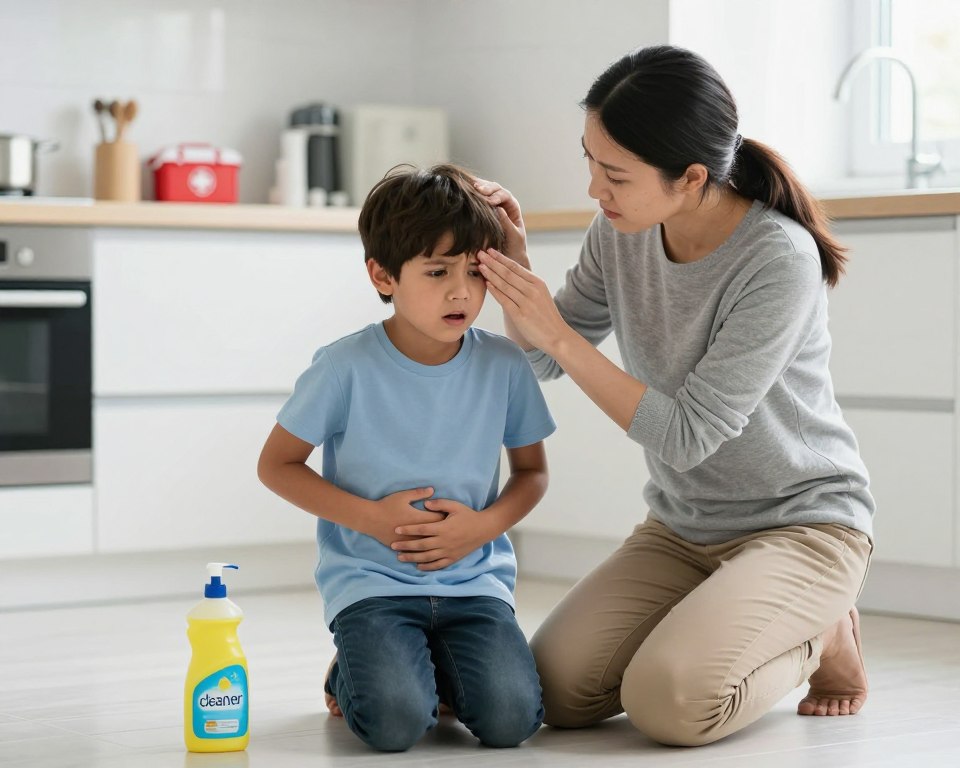
Discovering that your little one has ingested a household chemical is every parent’s worst nightmare. In that frantic moment, your heart races and panic may set in. Please know that you are not alone, and staying composed is the most important step you can take.
We know how scary this situation feels. But, accidents can happen even in the safest homes. Learning what to do if a child swallows cleaner can make a scary situation more manageable. By acting clearly, you can greatly improve the outcome for your family.
Our goal is to give you the knowledge you need to protect your loved ones. Knowing what to do if a child swallows cleaner helps you handle these stressful moments with confidence and speed.
Key Takeaways
- Stay calm to help your little one remain settled during the emergency.
- Never induce vomiting unless a medical professional tells you to.
- Keep the product container nearby to provide accurate information to responders.
- Contact your local Poison Control Center immediately for expert guidance.
- Remove any remaining substance from the mouth gently without causing further harm.
Immediate Steps to Take When Ingestion Occurs
It’s scary when a child swallowed cleaner. We’ve got steps for you to take right away. Keep calm to help your child stay calm too. This way, you can act quickly and safely.
Assessing the Child’s Physical Condition
First, watch your child closely. See if they’re breathing okay or if they’re struggling. Look for any signs of burns or irritation around their mouth and throat.
If your child is not breathing or seems to be in trouble, call for help right away. Don’t wait for things to get worse before you act.
Removing Remaining Substance from the Mouth
See if there’s any leftover cleaner in their mouth. Gently wipe it away with a soft, damp cloth. Never try to make them vomit. This can make things worse.
- Use a clean, wet cloth to clear the mouth.
- Keep the child in an upright position.
- Avoid giving them anything to drink unless a doctor says it’s okay.
Identifying the Product and Ingredients
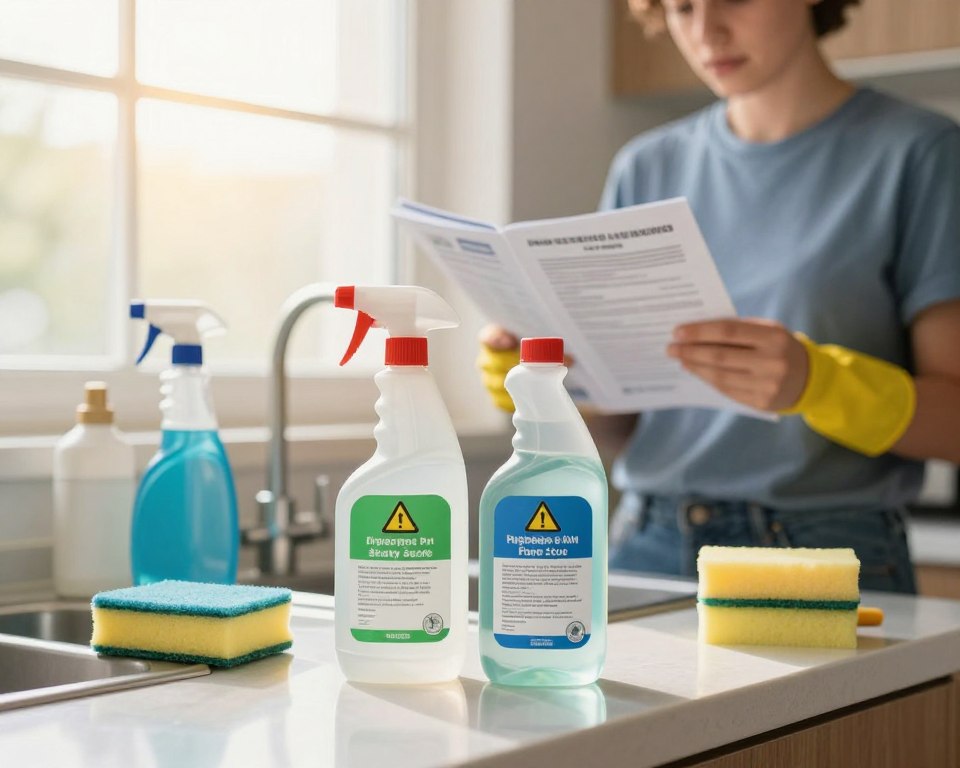
Quickly get the product container to find out what was swallowed. Knowing what’s in it helps doctors treat your child right. Keep the label ready to show the experts when you call for help.
| Action Step | Priority Level | Goal |
|---|---|---|
| Assess Breathing | Critical | Ensure airway safety |
| Clear Mouth | High | Reduce chemical exposure |
| Identify Product | High | Inform medical treatment |
| Stay Calm | Medium | Keep child composed |
Contacting the Poison Control Center
Dealing with a possible chemical ingestion doesn’t have to be scary. Expert help is just a phone call away. If you think someone has ingested a toxic substance, your main goal is to get help fast.
Why Calling 1-800-222-1222 is Your First Priority
Calling the poison control hotline is the best way to get quick, accurate advice. The experts there are ready to handle emergencies with household chemicals. They will guide you with calm and precision.
Don’t rely on product labels for instructions. These labels can be outdated. The experts on the phone have the latest information to keep your child safe.
Information You Need to Have Ready
Have the product container ready before you call. This lets the team know exactly what happened. They can then assess the situation better.
Also, have your child’s health history and any current medications ready. This information helps the poison control hotline staff understand the situation better. Your preparation makes a big difference in the advice you get.
What to Do If a Child Swallows Cleaner Safely
Realizing your child has swallowed a household chemical can be scary. It’s normal to feel worried, but staying calm is key. Knowing what to do if a child swallows cleaner helps you act quickly and safely.
Avoiding Common Mistakes Like Inducing Vomiting
Many parents think making a child vomit is the best solution. But, we advise against it. It can burn the throat again or cause dangerous aspiration into the lungs.
Instead, keep your child in an upright, comfortable position. Focus on keeping them calm while you get ready to call for help. Avoiding these old remedies is a big part of keeping your child safe.
Managing Skin and Eye Exposure Simultaneously
If the cleaner touched your child’s skin or eyes, act fast to prevent burns. Gently flush the area with lukewarm water for at least 15 minutes. Use neither hot nor cold water, as it can cause more harm.
While rinsing, make sure your child doesn’t rub the affected area. This helps dilute the chemical and reduces the risk of injury. Below is a table comparing the right actions with harmful myths.
| Action | Recommended Approach | Dangerous Myth |
|---|---|---|
| Ingestion | Keep child calm and upright | Inducing vomiting |
| Skin Contact | Rinse with lukewarm water | Applying butter or oil |
| Eye Exposure | Flush for 15 minutes | Rubbing the eyes |
| General Care | Call Poison Control | Waiting to see symptoms |
Recognizing Symptoms of Chemical Poisoning
It’s scary when a child gets into cleaning supplies. So, it’s important to watch for symptoms closely. Acting quickly means spotting changes in your child’s health right away. This helps doctors help your child better.
Identifying Respiratory Distress and Difficulty Breathing
Always watch your child’s breathing closely. Respiratory distress is a critical indicator of severe poisoning. Look for wheezing, coughing, or trouble breathing. These signs mean the chemical might have hurt their airways or lungs.
Notice if their breathing is rapid or shallow. Even if they seem calm, any unusual breathing needs your attention. Trust your instincts if something feels off with their breathing.
Monitoring for Gastrointestinal Symptoms and Burns
Gastrointestinal distress is common after ingesting household cleaners. Your child might have sudden stomach pain, nausea, or vomiting. These symptoms show up soon after the substance is swallowed.
Look for redness, swelling, or burns around their mouth and lips. If the skin is irritated or blistered, the substance might have damaged their throat or esophagus. Do not wait for these symptoms to get worse before seeking medical help.
Observing Changes in Consciousness or Behavior
Changes in behavior are big warning signs. Watch for sudden drowsiness, extreme irritability, or unusual jumpiness. If they seem very tired or hard to wake, this is a major red flag.
Confusion or lack of coordination can mean the chemical is affecting their nervous system. Stay calm, but watch closely as you see these changes. Noting these changes will help doctors understand how serious the exposure is.
| Symptom Category | Common Warning Signs | Urgency Level |
|---|---|---|
| Respiratory | Wheezing, rapid breathing | High – Emergency |
| Gastrointestinal | Vomiting, stomach pain | Moderate to High |
| Behavioral | Drowsiness, irritability | High – Emergency |
| Physical | Mouth burns, skin redness | Moderate to High |
When to Seek Emergency Medical Attention
Seeing your child in distress is scary. But knowing when to act is key. Some minor exposures can be handled with guidance. Yet, there are times when medical attention required is a must. Spotting these moments early helps you care for your child the best way.
Recognizing Life-Threatening Warning Signs
Be on the lookout for severe symptoms that mean a serious situation. If your child loses consciousness, has a seizure, or seems very tired, act fast. These signs mean your child needs help from experts right away.
Also, if your child is having trouble breathing or gasping, don’t wait. These emergency actions are critical for survival. If they can’t breathe well or at all, call 911 quickly to get help.
“In moments of crisis, preparation is the bridge between panic and effective action.”
Preparing for a Trip to the Emergency Room
If you know medical attention required is needed, act quickly. Before heading to the hospital, try to get the product container or a clear photo of the label. This info helps doctors figure out the best treatment.
While getting ready to leave, try to keep your child calm. If driving, make sure they are safely in their car seat. This helps medical staff give better care when you arrive at the emergency room.
Understanding the Risks of Different Cleaning Agents
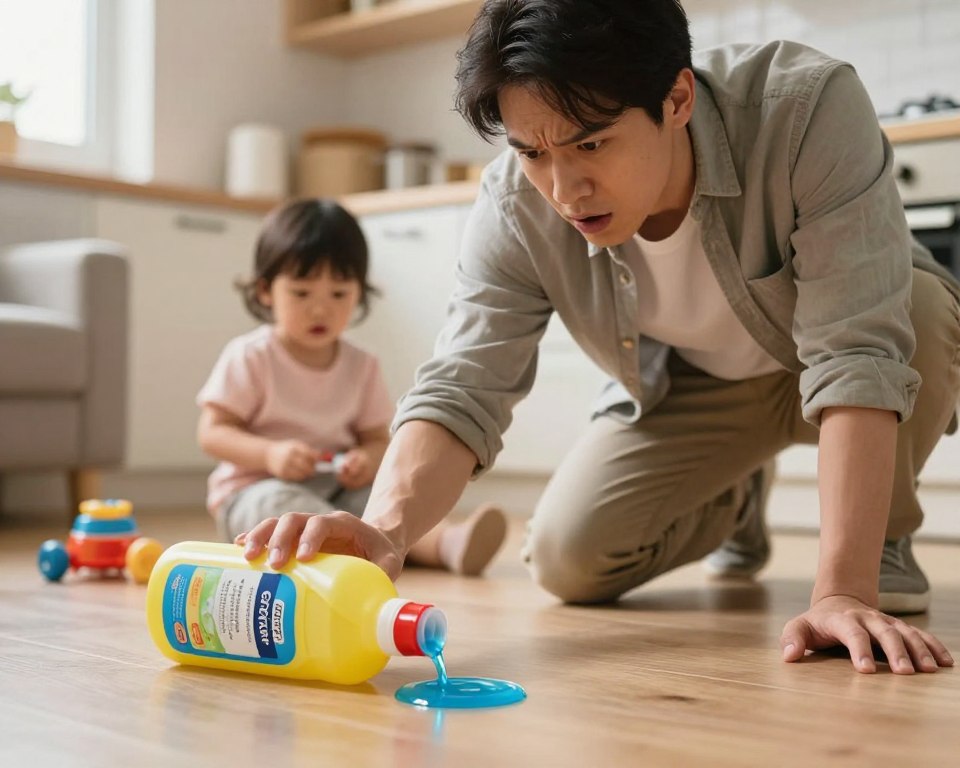
Keeping your kids safe means knowing the dangers of cleaning products. These items are meant to clean our homes but can be harmful if not used right. It’s important to know which household chemicals are most dangerous.
Corrosive Substances and Their Impact on Tissues
Products like strong oven cleaners or drain openers are very dangerous. They’re made to remove tough stains but can harm human tissue. Touching these can cause serious burns in the mouth, throat, and esophagus.
“Corrosive injuries are medical emergencies that require immediate professional evaluation, as the damage can continue long after the initial exposure.”
The Dangers of Bleach and Ammonia Mixtures
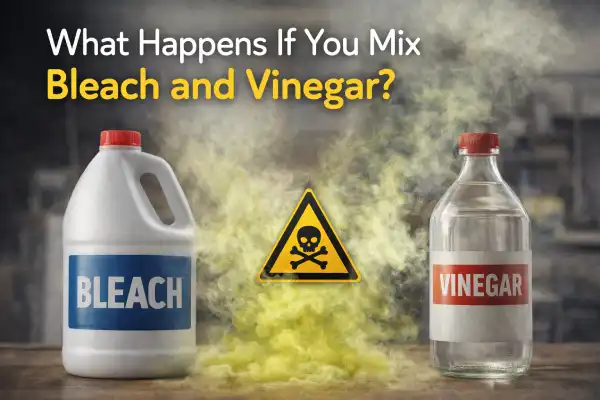
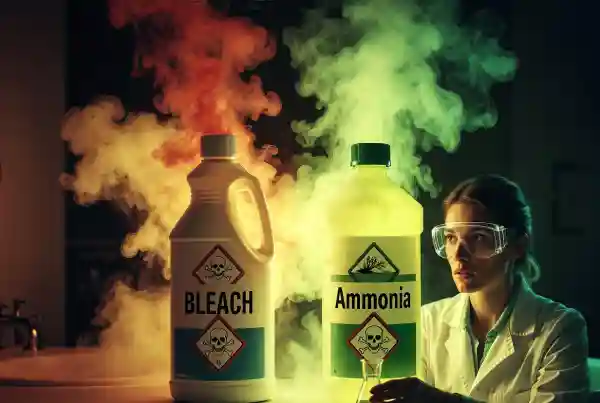
One key rule is never to mix cleaning products. Mixing bleach and ammonia creates toxic chloramine gas. This gas is very bad for your breathing and can make it hard to breathe.
- Always use cleaning products in well-ventilated areas.
- Never transfer chemicals into unlabeled containers.
- Keep all original labels intact to identify ingredients quickly.
Risks Associated with Detergent Pods and Liquids
Laundry and dishwasher pods are very concentrated and dangerous for kids. They look like candy and can be mistaken for it. If swallowed, they can swell the airway quickly.
Store these items in high, locked cabinets to keep them out of reach. Even liquid detergents can upset your stomach if too much is eaten. Watch where you put these items to protect your children.
Providing Accurate Information to Medical Professionals
When a child swallowed cleaner, it’s key to give medical staff the right details. At the hospital, they need specific info to help your child. Clear communication is vital for quick and effective action.
Documenting the Time and Amount Ingested
Write down the exact time the incident happened. Knowing how long the substance has been in the body is important. If you can guess how much was swallowed, tell the doctors right away.
Even a rough guess is better than nothing. This info helps doctors understand how serious the situation is. It makes sure your child gets the right care.
Bringing the Product Container to the Hospital
Bringing the original product container is the best way to help doctors. Labels have important info about the chemical ingredients and emergency steps. Never guess about the contents if you have the bottle.
If the container is too big or risky to carry, take a clear photo of the label. Make sure the ingredients list and the manufacturer’s contact info are visible. This simple action gives doctors the exact info they need to care for your child.
| Information Category | Why It Matters | Action Required |
|---|---|---|
| Time of Ingestion | Determines absorption rate | Check the clock immediately |
| Amount Consumed | Assesses toxicity levels | Provide a rough estimate |
| Product Label | Identifies chemical makeup | Bring container or photo |
| Medical Attention Required | Ensures urgent care | Present all facts clearly |
Managing the Aftermath of a Poisoning Incident
Even if your child seems fine, the time after a poisoning incident is critical. Recovery is a process that goes beyond the first emergency steps. You need to stay alert and help your child fully recover.
Following Up with Your Pediatrician
Make sure to see your pediatrician soon after the incident. This check-up lets your doctor review what happened and look for any long-term issues. Open communication with your doctor is key to catching any hidden problems early.
At the appointment, tell your pediatrician about the substance and the treatment. They can guide you on what to expect during recovery. They might also give you tips on supporting your child’s health in the next few weeks.
Monitoring for Delayed Symptoms
Some chemicals can cause problems that don’t show up right away. Keep a close eye on your child for any changes in behavior, breathing, or digestion. Delayed reactions can happen hours or days after exposure.
If you see anything odd, get professional advice right away. Saving the poison control hotline number in your phone is a good idea. It gives you peace of mind and prepares you for any surprises.
Implementing Effective Childproofing Strategies
Home safety starts with smart barriers to stop accidental ingestion. Childproofing strategies are key to a safe environment for kids. By following these steps, you keep your home safe from poisoning.
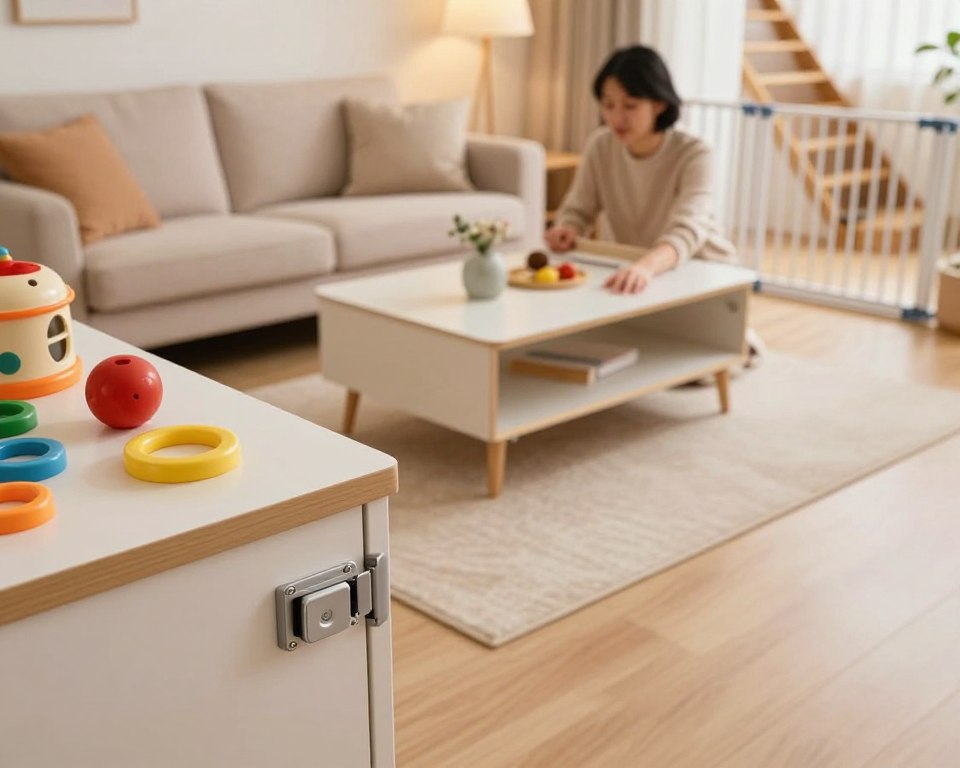
Securing Cabinets with Child-Resistant Latches
High-quality latches on cabinets are a simple yet effective solution. Choose latches that are hard for kids to open but easy for adults. Make sure every cabinet with cleaning agents is locked all the time.
Storing Chemicals in Original Containers
Keep all household products in their original packaging. These containers have important safety warnings and ingredient lists. This helps avoid mistakes that could be dangerous.
Keeping Products Out of Reach and Sight
Store hazardous items in high cabinets or locked closets. Move all detergents, bleaches, and sprays to places kids can’t reach. This way, kids are less likely to find them.
| Storage Method | Safety Level | Accessibility |
|---|---|---|
| Under-sink cabinet | Low | High risk |
| Locked high shelf | High | Safe |
| Original containers | High | Informative |
| Unlabeled bottles | Very Low | Dangerous |
By following these household safety tips, you make your home safer. Regularly check your storage areas to keep your poisoning prevention efforts up to date as your kids grow.
Educating Caregivers and Family Members
Keeping children safe from household dangers is a team effort. When everyone knows the risks, you build a strong defense for your kids. Good household safety tips help ensure that all caregivers follow the same safety rules.
Creating a Household Safety Plan
It’s a good idea to make a safety plan with all caregivers, like grandparents and babysitters. This plan should say where cleaning supplies are kept and what to do in an emergency. Communication is the key to avoiding confusion in stressful times.
Assigning roles to each adult helps. This way, no one forgets to check cabinet locks or watch cleaning supplies. Use the table below to organize these tasks among your family.
| Family Member | Primary Responsibility | Emergency Role |
|---|---|---|
| Parents | Securing all toxic chemicals | Contacting Poison Control |
| Older Siblings | Keeping personal items stored | Alerting adults to hazards |
| Caregivers | Monitoring play areas | Assisting with first aid |
Teaching Children About Household Hazards
Teaching kids about dangers is also key. Explain that some items are “grown-up tools” that they shouldn’t touch. This teaches them to respect these items, not just be curious.
When talking to your kids, use simple and clear language. Use these tips to guide your conversations:
- Explain that cleaning products are not food or drinks.
- Show them the warning labels or symbols that indicate danger.
- Encourage them to tell an adult immediately if they find a loose bottle or spill.
By talking openly, you help your kids make safer choices. Consistency is vital, so remind them often to keep these lessons fresh in their minds.
Creating a Safe Environment for Your Little Ones
Keeping our little ones safe is a journey that never ends. We need to think ahead and use childproofing strategies to prevent accidents. This means being proactive and ready for anything.
By being careful, we can make our homes safe havens. This effort keeps our homes secure as our kids grow and explore.
Conducting a Home Safety Audit
It’s important to check our homes regularly for dangers. Things like laundry pods or floor cleaners can be hidden in low places.
Look at each room from a child’s point of view. Small changes, like moving things up high or adding extra locks, can really help.
Choosing Safer Alternatives for Household Cleaning
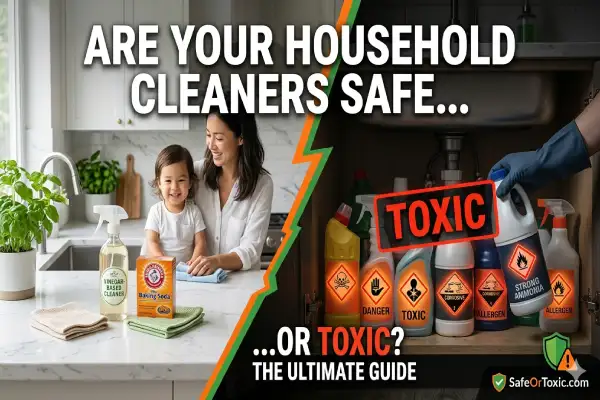
Choosing the right cleaning products is key to poisoning prevention. We can replace harsh chemicals with safer, non-toxic ones. These alternatives work well for cleaning and are safer for our homes.
Using vinegar, baking soda, or plant-based cleaners lowers the risk of poisoning. These simple changes help keep our homes clean and safe for our families.
| Cleaning Habit | Traditional Approach | Safer Alternative |
|---|---|---|
| Surface Scrubbing | Bleach-based sprays | Baking soda and water |
| Glass Cleaning | Ammonia solutions | Vinegar and water |
| Floor Care | Synthetic detergents | Castile soap solutions |
| Storage Method | Under-sink cabinets | High, locked cupboards |
Conclusion
Your dedication to keeping your home safe is key. It lets kids grow and explore safely. We hope this guide helps you feel ready to handle poisoning emergencies.
Staying calm and acting fast is most important in any crisis. Calling the Poison Control Center for help is a smart move. They offer the best advice for your situation.
Using child-resistant latches and keeping products in their original containers helps a lot. These simple steps can prevent accidents.
Your watchfulness is the best protection for your children. By teaching others about these safety tips, you help keep more kids safe.
Make sure to save the emergency number in your phone and post it on your fridge. Being prepared helps you face unexpected situations. It keeps your family safe and healthy.
FAQ
What is the very first thing I should do if my child swallowed cleaner?
First, stay calm and check your child’s mouth. Remove any leftover cleaner to stop more harm. Then, find out what product it is and call the poison control hotline at 1-800-222-1222 for help.
Is professional medical attention required for every ingestion incident?
Not every case needs a doctor. But, call for help right away if your child can’t breathe, is unconscious, or has seizures. Always go to the ER if the cleaner is very harmful or if the hotline says to.
What are the most effective poisoning prevention and household safety tips?
Use a few key steps to keep your home safe. Store cleaners in their original containers and use strong childproofing strategies. Keep all cleaning supplies in locked, high cabinets. These steps greatly lower the risk of accidents.
Why should we avoid inducing vomiting after a child swallowed cleaner?
Don’t make your child vomit because many cleaners are very harsh. It can make burns worse in the throat and esophagus. This is a key part of safely handling a poisoning situation.
What emergency actions should I take if the cleaner gets in my child’s eyes or on their skin?
If cleaner splashes, rinse the affected area with lukewarm water for 15 minutes. This helps remove the chemicals and lessen burns. Wait for more advice from a doctor while doing this.
What information should I have ready when calling the poison control hotline?
Have the cleaner bottle ready when you call the poison control hotline. Be prepared to give your child’s age, weight, health issues, the product name (like Tide or Clorox), and how much was swallowed and when.