
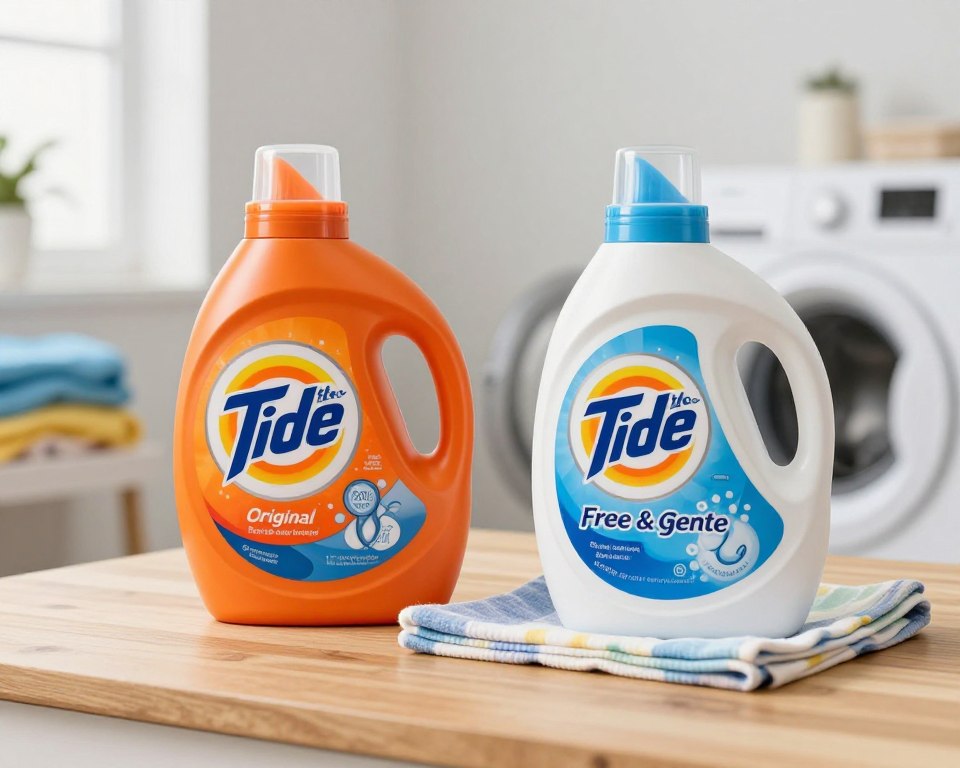
Did you know detergent-related skin irritation is a big problem in the U.S.? Many people think laundry is just a routine, but the chemicals left on clothes can really hurt sensitive skin.
Choosing the right laundry detergent can be tough with so many choices. People often wonder if Tide Original vs. Tide Free & Gentle is better. They want something that cleans well but is also gentle on their skin.
It’s important to know how these detergents affect your skin and clothes. This guide will help you understand the differences. It aims to make your decision easier for your daily laundry needs.
Key Takeaways
- Detergent-related contact dermatitis is a common issue for many Americans.
- Standard detergents often contain fragrances and dyes that may irritate sensitive skin.
- Hypoallergenic options are specially made to reduce allergic reactions.
- Cleaning power is key when choosing gentler laundry options.
- Getting advice from experts can help you read ingredient labels better.
The Science of Laundry Detergent Formulation
To compare laundry detergents, you need to understand the basics of cleaning chemistry. At the core of every good wash cycle are surfactants. These special molecules connect water to the dirt in your clothes.
Surfactants have two parts: one that loves water and another that hates it. When you add detergent, these molecules grab onto dirt. They pull it away from your clothes.
After dirt is lifted, surfactants form micelles around it. These micelles keep the dirt floating in the water. This way, stains don’t stick back to your clothes when you rinse.
While surfactants do the main work, other additives are added to make the product better. These can include fragrances, dyes, and brighteners. But they don’t help with cleaning. Knowing this is key, like if you have sensitive skin and want to avoid extra chemicals.
| Component Type | Primary Function | Impact on Cleaning | Common Additives |
|---|---|---|---|
| Surfactants | Emulsification | High (Essential) | Anionic, Nonionic |
| Builders | Water Softening | Moderate | Citrates, Zeolites |
| Fragrances | Scent Masking | None | Essential Oils, Synthetics |
| Dyes | Visual Appeal | None | Artificial Pigments |
Tide Original: A Deep Dive into the Classic Formula
The Tide Original formula is a key reason it’s loved by so many. It’s made to clean well on many fabrics and dirt levels. It’s the go-to for most homes that don’t need special hypoallergenic cleaners.
Overview of Tide Original
This classic formula works great in most washing machines. It uses special cleaners to get rid of oils and dirt from clothes. Consistency is key, so you can count on good results every time.
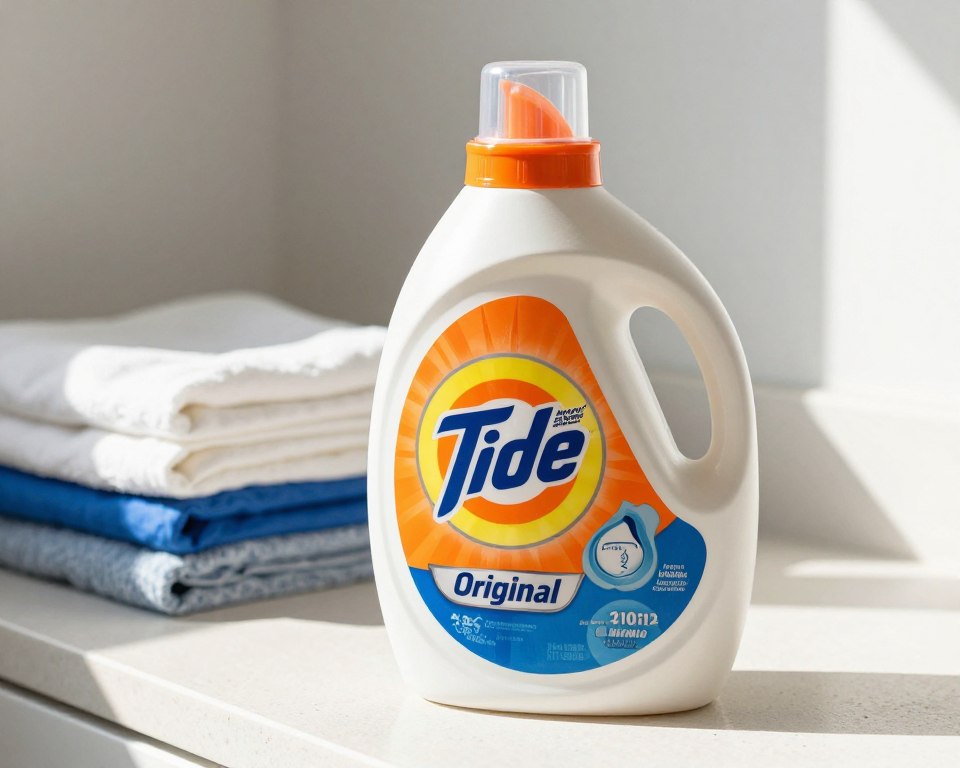
The power of this detergent comes from a mix of cleaning agents. These agents help water get into fabric better. The formula also includes optical brighteners to make whites look whiter and colors more vivid.
“Modern laundry detergents are marvels of chemical engineering, balancing the need for aggressive soil removal with the preservation of fabric integrity.”
The Role of Synthetic Fragrances
Synthetic fragrances add a lot to the user experience. They help get rid of the smell of the cleaners and leave clothes smelling fresh. Even though they don’t help with stains, they’re important for the brand’s feel and customer happiness.
Performance Metrics in Standard Wash Cycles
Tide Original is made for standard wash cycles. It works well in controlled temperatures and movements. Here’s a breakdown of what’s in the formula and what it does.
| Component | Primary Function | Benefit to User |
|---|---|---|
| Surfactants | Soil removal | Effective stain lifting |
| Optical Brighteners | Visual enhancement | Brighter whites/colors |
| Synthetic Fragrances | Sensory appeal | Long-lasting freshness |
| Dyes | Aesthetic identification | Product recognition |
The mix of these parts makes the detergent strong against common stains. It keeps a good balance between cleaning power and nice smells. This way, it meets the needs of most users.
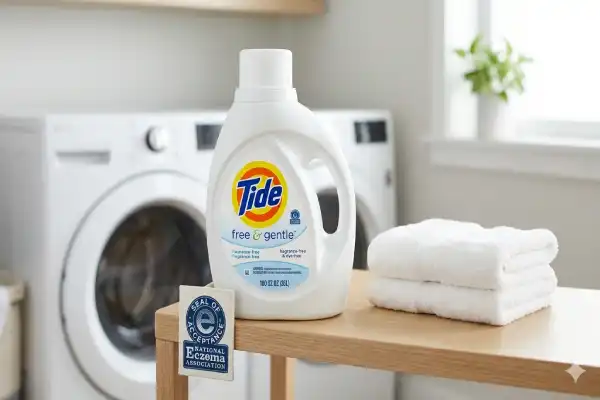
Tide Free & Gentle: Understanding the Hypoallergenic Approach
Choosing the best detergent for sensitive skin means looking at how it balances cleaning and safety. Many people now prefer special formulas that protect skin health while tackling tough stains.
Overview of Tide Free & Gentle
This product line is made to clean well without irritating skin. It removes common chemicals that can cause problems. This makes it a good choice for homes with sensitive skin or contact dermatitis.
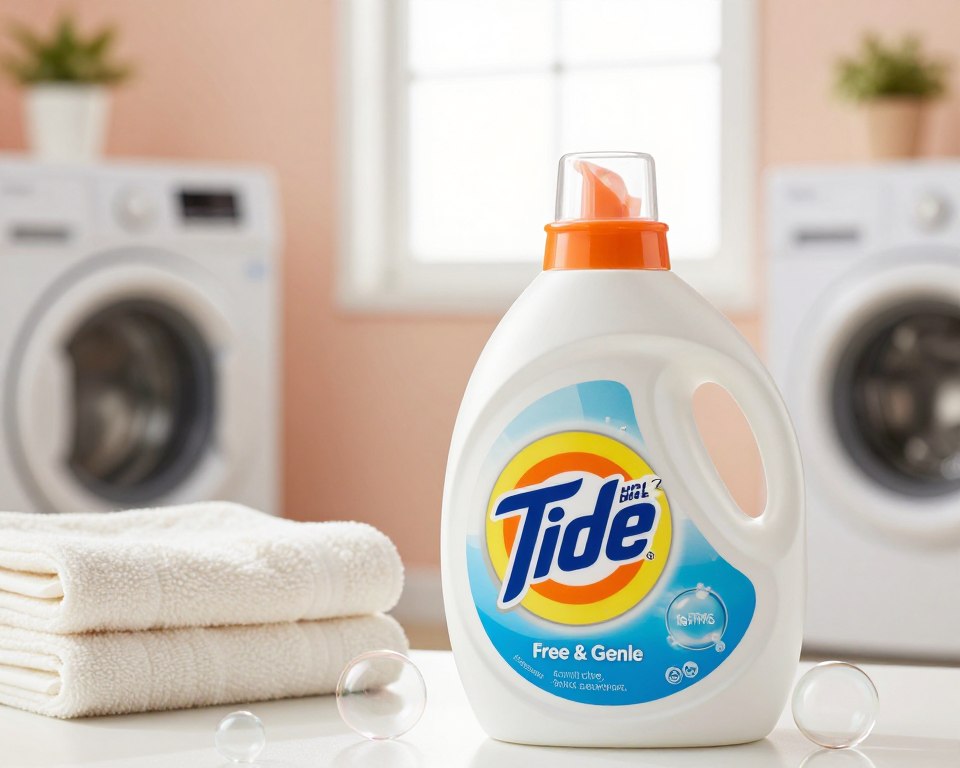
When looking at hypoallergenic laundry options, it’s key to know what’s left out. The focus is on three main things:
- Fragrances: Artificial scents often cause allergic reactions.
- Dyes: Synthetic colors don’t clean and can irritate skin.
- Optical Brighteners: These chemicals stay on fabric and can bother sensitive people.
Dermatologist-Tested Formulation
The clinical testing of this detergent gives users with skin issues peace of mind. Dermatologists check these formulas to make sure they don’t cause problems. This rigorous testing process shows the product is safe for those needing extra protection.
Absence of Dyes and Perfumes
The “Free and Clear” idea is all about removing dyes and perfumes. These are common in many products but add no cleaning power. By taking them out, the formula leaves less chemical residue on your clothes.
Cleaning Efficacy Compared to Standard Detergents
Many think gentler means less cleaning power. But this detergent uses special surfactants and enzymes for cleaning. You can have clean clothes without worrying about skin irritation, thanks to these hypoallergenic laundry options.
Choosing the best detergent for sensitive skin means picking a formula that removes irritants. By focusing on cleaning agents, not looks, you keep clothes clean and skin safe.
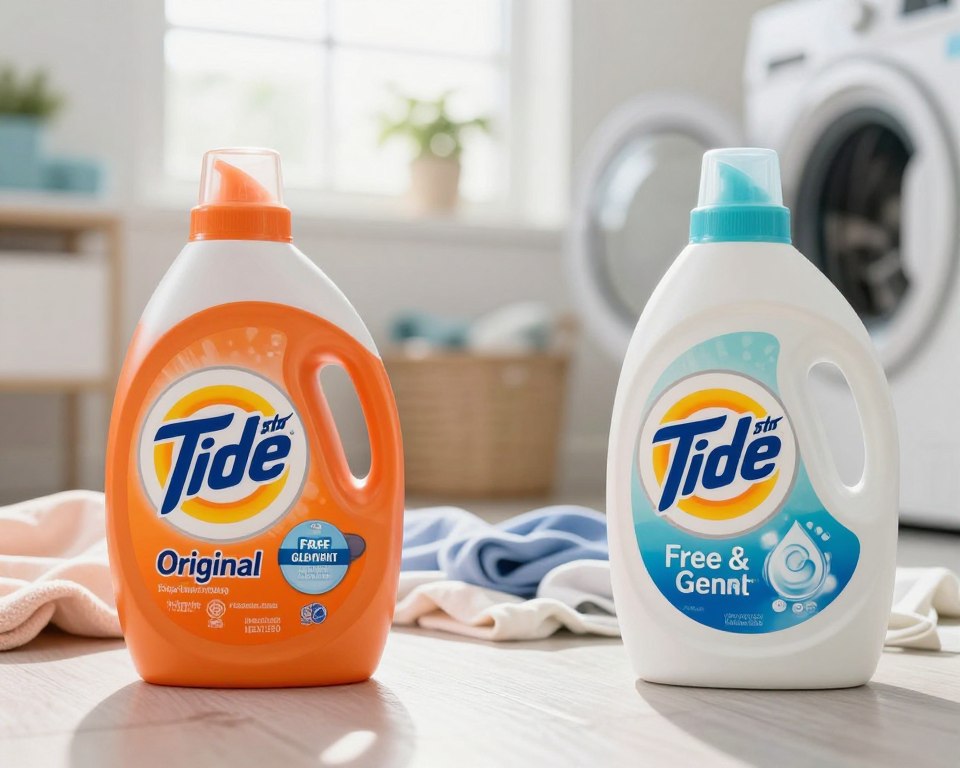
Tide Original vs. Tide Free & Gentle: A Head-to-Head Comparison
A direct laundry detergent comparison shows big differences in stain and sensitivity handling. The choice between these options depends on balancing deep cleaning needs with skin safety.
Chemical Composition and Possible Irritants
Tide Original has a mix of surfactants, enzymes, and brighteners. It also has synthetic fragrances and dyes for a fresh smell.
Tide Free & Gentle, on the other hand, is made without dyes and perfumes. This makes it hypoallergenic and less likely to cause skin reactions.
Fragrance Profiles and Respiratory Sensitivity
Fragrance is a big difference between Tide Original and Tide Free & Gentle. The scent of the original can cause breathing problems in some people.
“For patients with hyper-reactive airways or chronic skin conditions, the elimination of artificial fragrances is often the first step toward symptom management in the home environment.”
The Free & Gentle version has no scent left on clothes after washing. This is good for those who don’t like strong smells.
Stain Removal Capabilities on Different Fabrics
Both detergents use enzymes to tackle tough stains. Tide Original is known for heavy-duty cleaning, but Free & Gentle works well on most fabrics.
The table below shows the main differences between gentle detergent vs. regular detergent for your needs:
| Feature | Tide Original | Tide Free & Gentle |
|---|---|---|
| Fragrance Content | High (Signature Scent) | None |
| Dye Content | Included | None |
| Primary Use Case | General Heavy-Duty | Sensitive Skin/Allergies |
| Stain Efficacy | Excellent | Excellent |
Choosing depends on your family’s needs. Both products work well, but Free & Gentle is safer for sensitive skin and breathing issues.
The Impact of Laundry Detergents on Skin Health
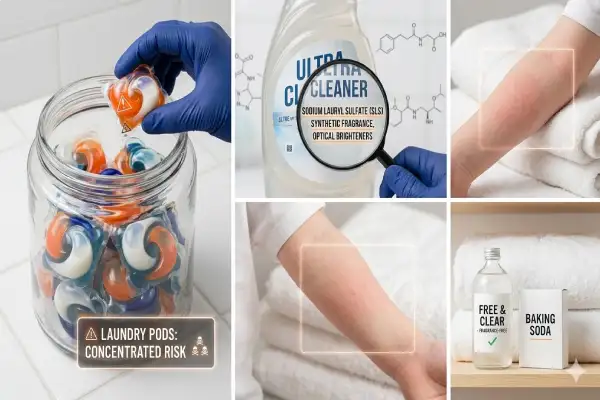
Laundry detergents can harm our skin, even though they’re meant to clean our clothes. When picking sensitive skin laundry care, it’s key to know that detergents have strong chemicals. These chemicals can stay in fabric and touch our skin.
Common Skin Reactions to Detergent Residue
Many people get skin irritation from leftover detergent or fragrances. Finding out what causes it can be hard because the reaction takes time. It can take 24 to 72 hours for skin problems to show up.
This delay makes it hard to figure out what’s causing the problem. It could be a new detergent, a change in fabric softener, or something else. Looking at sensitive skin laundry care options can help reduce these issues.
Understanding Contact Dermatitis and Laundry Soap
Contact dermatitis happens when the skin reacts to outside substances. This can cause inflammation, redness, or itching. Harsh chemicals in laundry can strip the skin of its natural oils, making it more prone to irritation.
It’s also important to think about how other laundry additives affect the skin. Many parents worry about fabric softeners being safe for babies. Reducing chemical exposure by rinsing well and choosing gentle formulas is best for skin health.
Identifying Your Household Needs
Start by looking at your laundry routine to find the best detergent for sensitive skin. Many people unknowingly use products that can irritate their skin. By checking what you need, you can lower the chance of skin problems.
Assessing Family Sensitivity Levels
Everyone’s skin reacts differently to things outside. Watch for signs like redness, itching, or rashes after wearing clean clothes. Consistency is key in noticing these signs, as they might not show up right away.
Keep a log of any skin changes for two weeks. If many people have issues, your detergent might be the problem. This helps you know if you need a best detergent for sensitive skin to make your home more comfortable.
When to Prioritize Hypoallergenic Laundry Options
Some people need hypoallergenic laundry more than others. Babies and young kids have very thin skin that can easily get irritated. Doctors often suggest using products without fragrances or dyes to prevent long-term problems.
Adults with conditions like eczema or allergies should also choose hypoallergenic options. These products are made to avoid common irritants like synthetic smells and harsh cleaners. Picking the best detergent for sensitive skin is not just a choice; it’s a proactive health measure for those with sensitive skin. Doctors often recommend changing to avoid allergens that make skin worse.
Analyzing the Role of Fragrance in Laundry Care
Freshly laundered clothes smell great, but what’s behind that scent? Many think a certain smell means clothes are clean. But, the truth is, these smells are more about marketing than cleanliness.
Why Manufacturers Add Scents to Detergents
Companies add fragrances to laundry products to make us feel good. A nice smell tells us our clothes are clean. This makes us feel happy and want to buy more.
This trick makes us loyal to a brand. It links a certain smell to being fresh. This emotional bond is stronger than just cleaning clothes.
The Link Between Artificial Fragrances and Allergies
For people with allergies, fragrances are a big problem. A single scent can have many chemicals. But, companies don’t have to tell us what’s in these scents.
“The complexity of modern fragrance blends makes it nearly impossible for the average consumer to identify which specific chemical might be triggering a reaction.”
This secrecy is a big worry for those with allergies. Skin can react to these unknown chemicals. This can cause irritation or even skin problems.
For those with skin issues, using fragrance-free laundry soap is best. It removes the risk of allergic reactions. And, it cleans clothes just as well.
Environmental and Health Considerations of Detergent Ingredients
Household cleaners often have effects that go beyond the laundry room. People usually worry about skin reactions, but the bigger impact on our homes and the environment is just as important. It’s key to look at how these chemicals affect our surroundings.

Surfactants and Their Environmental Footprint
Surfactants are the main cleaning agents in detergents. They make water work better to remove dirt and oils from clothes. But, their work doesn’t stop when the wash cycle ends.
Once in wastewater, how surfactants break down is key. Biodegradability is important for their environmental impact. Choosing products that break down quickly helps protect our waterways.
Safety Standards for Household Cleaning Products in the United States
In the U.S., cleaning products are regulated by both the government and industry standards. The Environmental Protection Agency (EPA) sets rules for safer chemicals. This encourages makers to use less harmful ingredients.
Today, labels on products are more important for consumer safety. Many brands share what’s in their products. This lets you choose based on what you know. Knowing these standards helps you pick safer, greener options.
Best Practices for Washing Clothes for Sensitive Skin
For those with reactive skin, a careful laundry approach is key. Choosing a hypoallergenic detergent is a big step. But, how you wash clothes matters too for sensitive skin laundry care. Making small changes can greatly reduce chemical residue on fabrics.
The Importance of Extra Rinse Cycles
Many people find standard wash cycles don’t remove all chemicals from clothes. Adding an extra rinse cycle is a highly recommended step. It helps get rid of irritants that can cause skin flare-ups.
Also, modern tech offers deep cleaning solutions. Ozone sanitization kills bacteria and breaks down fragrances that can irritate sensitive skin. Using these methods makes your clothes cleaner for your skin.
Managing Detergent Dosage for Optimal Results
Using too much detergent is a common mistake. It doesn’t make clothes cleaner and can irritate the skin. Always use the right amount based on your load size and water hardness for sensitive skin laundry care.
If you see suds after washing, you’ve used too much detergent. Cutting back a bit can make a big difference. Paying attention to these details helps keep your skin healthy.
Expert Recommendations for Daily Use
Managing laundry for infants and those with sensitive skin needs a special touch. Protecting the skin barrier is key when picking cleaning agents for clothes and bedding. The right best detergent for sensitive skin can prevent irritations like contact dermatitis.
Selecting the Right Detergent for Infants and Toddlers
Infants have thinner skin than adults, making them more prone to chemical absorption. Pediatric dermatologists suggest avoiding detergents with heavy perfumes or optical brighteners. These can cause rashes or discomfort in young children.
Choosing a hypoallergenic formula is wise. It ensures that fabrics don’t react with the skin. Also, an extra rinse cycle for baby clothes removes surfactants completely. This step adds safety for their delicate skin.
Detergent Choices for Adults with Chronic Skin Conditions
Adults with eczema or psoriasis need consistent laundry habits to avoid flare-ups. The best detergent for sensitive skin should be free from dyes and artificial fragrances. These are common irritants. Reducing chemicals in laundry can improve skin comfort.
Look for labels that say the product is free from common allergens. Keeping a stable, fragrance-free environment is key for managing chronic conditions. Here’s a table with important laundry product considerations.
| User Group | Primary Concern | Recommended Feature |
|---|---|---|
| Infants | Thin skin barrier | Hypoallergenic, dye-free |
| Eczema Patients | Chemical sensitivity | Fragrance-free, dermatologist-tested |
| General Sensitive Skin | Contact dermatitis | Best detergent for sensitive skin |
Addressing Common Myths About Free and Clear Detergents
Many families avoid hypoallergenic laundry products due to misconceptions. They think that removing certain ingredients means the detergent won’t clean well. But, the main cleaning technology stays the same in all products.
Myth: Free and Gentle Detergents Clean Less Effectively
The cleaning power of any good detergent comes from surfactants and enzymes. These break down oils and proteins on fabric. When making a hypoallergenic version, these important parts are not removed.
Instead, dyes and synthetic perfumes that can irritate skin are left out. This doesn’t change how well the detergent removes stains. The cleaning efficacy depends on the active ingredients, not artificial scents.
Myth: Fragrance-Free Means Odorless
Many people get confused about fragrance-free and odorless laundry. A fragrance-free laundry soap doesn’t have added perfumes. But, it might have a faint, neutral smell from its chemical ingredients.
Some think this smell means the detergent isn’t cleaning well. But, it’s just the lack of masking agents. If you want no scent, you might notice a clean smell that goes away when clothes dry.
| Feature | Regular Detergent | Free & Gentle Detergent |
|---|---|---|
| Surfactant Power | High | High |
| Added Fragrance | Yes | No |
| Added Dyes | Yes | No |
| Best For | General Use | Sensitive Skin |
Cost-Benefit Analysis of Tide Product Lines
Choosing the right detergent is about balancing costs now and health savings later. The price of a bottle is what many first notice. But, the real value comes from how well it works over time.
It’s important to consider how much laundry you do and how it affects your skin. Making a smart choice means looking at both these factors.
Value Proposition for Large Households
Big families need a detergent that can handle lots of laundry. Tide Free & Gentle is a great choice because it works for everyone. It means you don’t have to buy different products for different family members.
Buying in bulk can save a lot of money. Larger containers mean you pay less per load. This is perfect for families who want both good cleaning and safety.
Long-Term Savings Through Skin Health Maintenance
Laundry detergent choices can affect your wallet in ways you might not think about. Choosing a gentle formula can save you money on doctor visits and special creams. When you pick a safe product, you’re also saving on hidden costs of skin problems.
Looking after your skin is smart and can save money. Doctor visits and expensive creams can add up fast. Choosing a gentle detergent helps keep your family healthy and your budget balanced.
| Cost Factor | Standard Detergent | Hypoallergenic Detergent |
|---|---|---|
| Initial Purchase Price | Lower | Moderate |
| Potential Medical Costs | High (if reactions occur) | Minimal |
| Long-Term Value | Variable | High |
| Household Efficiency | Moderate | High (All-in-one) |
User Experiences and Real-World Feedback
Many families find out the difference between detergents when they get skin reactions. Clinical data shows safety, but real life shows how ingredients affect skin types.
Common Complaints Regarding Tide Original
Tide Original is great at removing stains but can irritate skin. People often get skin irritation like redness or itching from wearing clothes washed with it.
The strong smell is a big problem for many. This fragrance sensitivity makes families look for other options, like those for eczema or contact dermatitis.
Success Stories with Tide Free & Gentle
Switching to Tide Free & Gentle has helped many. Parents say it solved rashes in their kids, similar to newborn-safe detergents.
Users like that it’s free of dyes and perfumes but cleans well. This makes their skin feel better every day.
| Detergent Type | Primary User Benefit | Common Reported Issue |
|---|---|---|
| Tide Original | Superior Stain Removal | Skin Irritation |
| Tide Free & Gentle | Hypoallergenic Safety | Lack of Fragrance |
| Generic Alternatives | Lower Price Point | Inconsistent Cleaning |
Navigating Laundry Detergent Labels
Looking for hypoallergenic laundry options? Learning to read labels is key. Many people miss the important details on cleaning products. This info is critical for those with sensitive skin.
By knowing what’s in your wash, you can avoid irritants at home.
Decoding Ingredients Lists for Allergy Sufferers
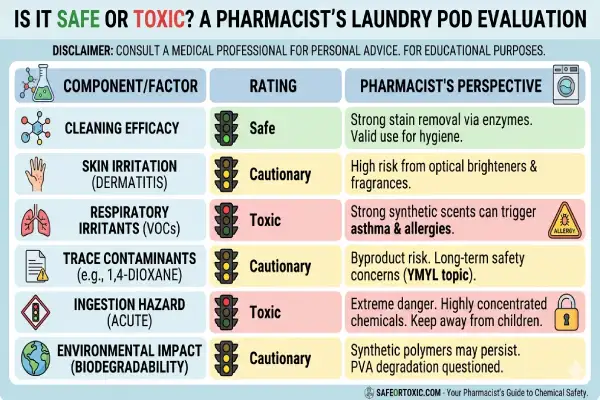
Chemical names on labels can be hard to understand. When picking a laundry detergent for allergies, avoid dyes and strong perfumes. Modern laundry pods are usually safe, made of a water-soluble film.
Here are some common parts to watch for:
- Surfactants: These clean your clothes by lifting dirt.
- Enzymes: They break down stains like proteins or starches.
- Preservatives: These keep the product fresh but can cause reactions.
- Optical Brighteners: They make clothes look whiter but stay on fabric after washing.
Recognizing Certifications and Safety Seals
Third-party certifications add extra safety. These seals mean a product has passed strict tests. When looking for a laundry detergent for allergies, check for labels that show it’s safe for sensitive skin.
Spotting these marks helps you find real hypoallergenic laundry options. Always look at the back for these signs:
- National Eczema Association (NEA) Seal: Shows the product is safe for sensitive skin or eczema.
- EPA Safer Choice Label: Means the ingredients are safe for humans and the environment.
- Fragrance-Free Certification: Guarantees the product doesn’t have scents that can harm your skin or breathing.
Conclusion
Choosing the right laundry detergent is key. It must balance cleaning power with skin health. Tide Original is great for strong stain removal, perfect for those without sensitivities.
Tide Free & Gentle is a good choice for those with allergies or sensitive skin. It’s a reliable option for households with delicate skin conditions.
Start by knowing what’s in your cleaning products. Adjusting the amount you use and adding extra rinse cycles can keep your clothes clean. This works with any detergent you pick.
Think about your family’s needs. See how fabrics and scents make you feel. This approach helps keep your skin healthy over time.
Read labels and pick products that fit your health needs. This choice makes your home safer and more comfortable for everyone.
FAQ
What is the primary difference in a Tide Original vs. Tide Free & Gentle comparison?
The main difference is in what they add to your clothes. Tide Original has synthetic fragrances, dyes, and optical brighteners to make your clothes smell and look better. On the other hand, Tide Free & Gentle is free from these additives. It’s made for people with sensitive skin.
Does Tide Free & Gentle clean as effectively as the regular formula?
Yes, it does. Many think gentle detergent vs. regular detergent means the regular one cleans better. But, Tide Free & Gentle has the same cleaning power as the original. It gets rid of dirt and oils without the dyes or perfumes.
Why is Tide Free & Gentle often cited as the best detergent for sensitive skin?
It’s known for being safe for sensitive skin. It’s been tested and approved by groups like the National Eczema Association. It’s free from fragrances that can cause skin problems.
Can the ingredients in Tide Original trigger respiratory or skin allergies?
For some, yes. Fragrances and brighteners can stay in clothes and cause problems. If you have allergies, switching to a fragrance-free option can help.
Is Tide Free & Gentle safe for washing infant and toddler clothing?
Yes, it’s recommended for babies. Their skin is thin and can easily absorb chemicals. Using hypoallergenic laundry options like Tide Free & Gentle helps prevent skin problems in young children.
How can I minimize detergent residue if I have highly reactive skin?
Choose a gentle detergent and follow good washing practices. Avoid using too much detergent and always do an extra rinse. This removes any leftover detergent that can irritate your skin.
Does “fragrance-free” mean the detergent will have no smell at all?
Not always. Tide Free & Gentle might have a slight scent from its cleaning ingredients. It doesn’t have added perfumes like “unscented” products do.
How do I recognize if a detergent is truly hypoallergenic when reading labels?
Look for specific labels like the “NEA Seal of Acceptance” or “EPA Safer Choice.” These show the product has been tested for safety. They’re good choices for people with allergies.

Simply wish to say your article is as astounding. The clearness in your post is simply
great and i can assume you’re an expert on this subject.
Fine with your permission allow me to grab your RSS feed to keep up to date with forthcoming post.
Thanks a million and please keep up the enjoyable work.
What’s up to every one, the contents existing at this website are actually
amazing for people knowledge, well, keep up the nice work fellows.
Magnificent goods from you, man. I have remember your stuff prior to and you are simply extremely fantastic.
I really like what you have received here, certainly like what you are saying and the way in which by which you assert it.
You make it enjoyable and you continue to take care of to stay it wise.
I can not wait to learn far more from you. This is really a great web site.
When some one searches for his vital thing, therefore
he/she wishes to be available that in detail, therefore that thing is maintained over here.
You actually make it seem so easy with your presentation however I to find
this topic to be really something which I think I would by no means understand.
It kind of feels too complex and extremely vast for me.
I am taking a look ahead for your subsequent submit, I will try to get the hang of it!
Quality content is the crucial to invite the people to pay a visit the website, that’s what
this website is providing.
Tremendous things here. I am very satisfied to peer your article.
Thank you a lot and I am taking a look forward to touch you.
Will you please drop me a e-mail?
It is truly a nice and helpful piece of information. I am satisfied that you shared this helpful information with us.
Please stay us informed like this. Thanks for sharing.
Simply wish to say your article is as astounding. The clarity in your post is simply nice and i can assume
you are an expert on this subject. Fine with your permission allow me to grab your RSS
feed to keep updated with forthcoming post. Thanks a million and please keep up the
rewarding work.
Remarkable issues here. I am very glad to peer your post.
Thanks so much and I’m looking forward to contact you. Will you kindly drop
me a e-mail?
This gives you a clear understanding of the quality and approach you can expect
from our done for you marketing services.
Excellent article. I definitely appreciate this website.
Thanks!
Great article! We are linking to this great content on our website.
Keep up the great writing.
Really no matter if someone doesn’t be aware of after that
its up to other people that they will assist, so here it
occurs.
That is very interesting, You are an overly professional blogger.
I have joined your rss feed and stay up for in the hunt for
extra of your great post. Additionally, I have shared your website in my social
networks
Wow! This blog looks exactly like my old one! It’s on a entirely different subject but it has pretty much the same
layout and design. Great choice of colors!
Hi there, this weekend is good designed for me, since
this occasion i am reading this fantastic educational paragraph here at my residence.
Heya i am for the first time here. I found this board and I find
It truly useful & it helped me out much. I hope to give something
back and help others like you aided me.
Hey very cool website!! Man .. Beautiful .. Amazing ..
I’ll bookmark your web site and take the feeds also?
I am satisfied to find so many helpful info
here within the publish, we’d like develop more strategies on this regard,
thank you for sharing. . . . . .