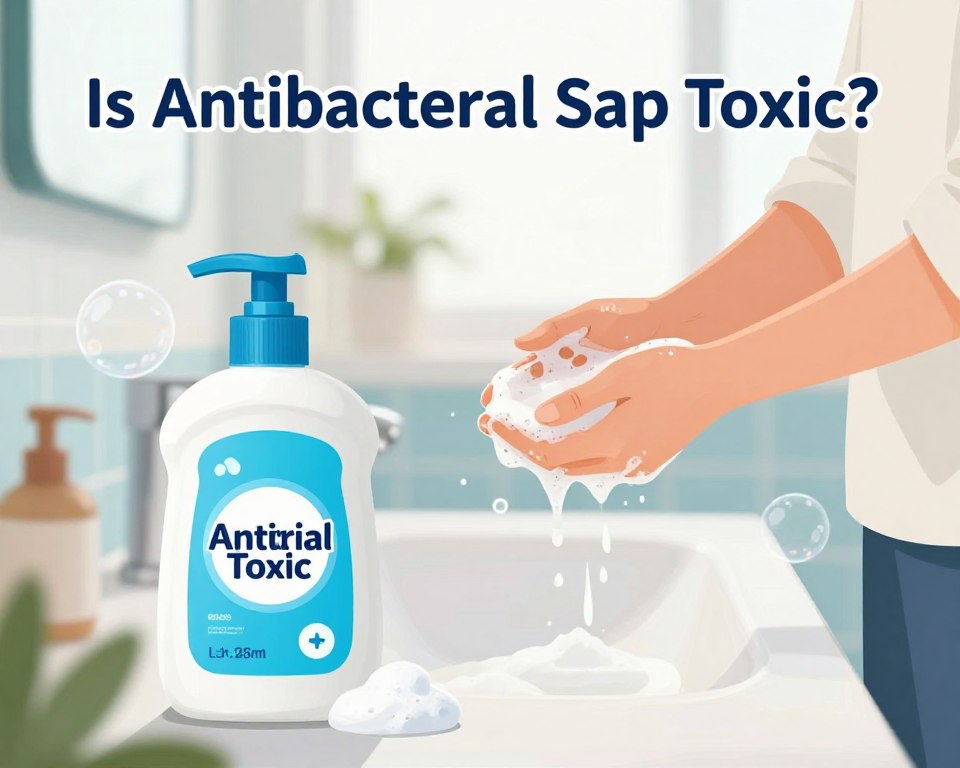
Have you ever thought about if washing your hands daily might actually be bad for you? Many of us use special soaps, thinking they keep us safe from germs. But, the FDA says these soaps don’t really help more than regular soap and water.
We need to look at what’s in these soaps to know if they’re safe. Using strong chemicals for cleaning at home might not be needed. It is time to think about our cleaning habits for the health of everyone.
Key Takeaways
- Washing with plain water and regular soap is the best way to stay clean.
- The FDA found no proof that special antiseptic soaps work better than regular ones.
- Using soaps with lots of chemicals can mess up the natural balance of your skin.
- Health experts say we should stick to simple, proven ways of cleaning, not just what ads say.
- Knowing what’s in your cleaning products helps you choose safer ones for your family.
The Evolution of Hand Hygiene in the United States
In the last century, how we clean ourselves in America has changed a lot. We’ve moved from just using soap and water to wanting sterile environments for health. This change shows how society now sees hygiene practices as key to staying healthy.
Ads have made us think that getting rid of all bacteria is key to safety. So, many homes now use antibacterial soap more than regular soap. This has made the “antibacterial” label seem like a strong shield against germs.
But, focusing too much on getting rid of all bacteria can harm us. Our skin has good bacteria that help fight off bad germs. Using too many harsh chemicals can mess with this balance, making our skin weaker.
It’s important to understand this history to make better choices today. We don’t always need the strongest chemicals for hand hygiene. By choosing wisely, we can keep our skin healthy and clean at the same time.
Is Antibacterial Soap Toxic
When we grab antibacterial soap, we often don’t think about its possible harm. Many wonder, is antibacterial soap toxic, thinking about long-term effects. These soaps are marketed as better cleaners, but the truth is more complex.
Health groups say these soaps are mostly not needed for daily use. The ingredients that kill bacteria harm both bad and good microbes on our skin. This can weaken our skin’s natural defense.
It’s important to see that the benefits of these soaps are often a false sense of security. Using harsh chemicals makes us think we’re safer, but plain soap and water work just as well. An expert said:
“There is no evidence that antibacterial soaps are more effective than plain soap and water for preventing illness in the home.”
Looking into whether is antibacterial soap toxic, we find risks often outweigh benefits. The chemicals in these soaps can stay on our skin and get into our bodies. This is why many experts say to avoid them.
Choosing not to use these products is a healthier choice for many homes. Going back to simple handwashing keeps us clean without the chemical risk. Knowing is antibacterial soap toxic helps us make safer choices for our families.
Common Chemicals in Antibacterial Soap and Their Functions
We often grab antibacterial soaps without thinking about their complex formulas. It’s key to know the chemicals in antibacterial soap for a smart personal care choice. These substances aim to kill bacteria, but their long-term health effects are under close scientific watch.
Triclosan and Triclocarban: The Legacy Ingredients
For years, triclosan and triclocarban were the go-to in many soaps. They were great at cutting down skin bacteria. But, worries about their impact on hormones led to big changes.
Health experts decided the risks of these chemicals were too high. This led to a big change in the soap industry. Now, you won’t find these chemicals in most antibacterial soaps for home use.
Benzalkonium Chloride and Other Active Agents
After the old agents were phased out, new ones like benzalkonium chloride were introduced. These work by breaking down the cell walls of bacteria, stopping them in their tracks. But, scientists are keeping an eye on them to make sure they’re safe.
It’s vital to check the labels to see what’s in your soap. Knowing what’s in your soap helps you make better choices. Always look at the “Active Ingredients” section to know what touches your skin.
The FDA Stance on Antibacterial Products
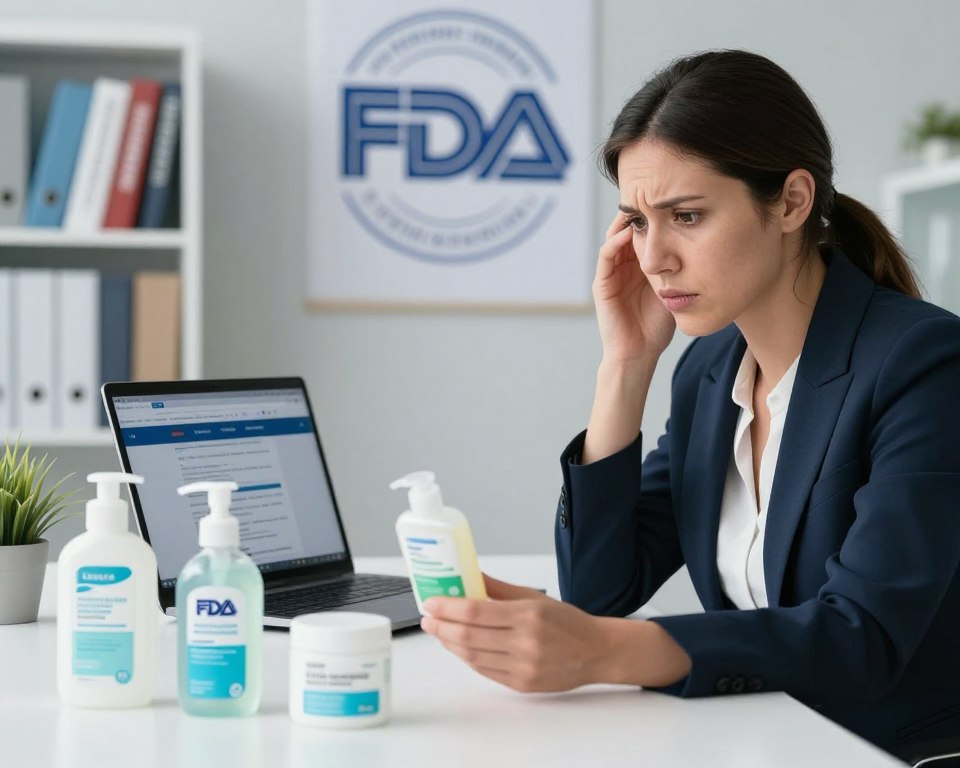
In the last ten years, the rules on antibacterial soaps have changed a lot. We look to the FDA to know if products are safe and work well. This change shows a big push for health standards based on science in the U.S.
Regulatory Changes and the 2016 Ban
In 2016, the FDA made a big rule change. They said that antibacterial soap ingredients weren’t proven safe for daily use. So, they banned the use of nineteen ingredients, like triclosan, in over-the-counter soaps.
This ban only applies to soaps used at home, not in hospitals. Hospitals have their own rules for keeping things clean. This shows the FDA’s focus on keeping homes safe, not hospitals.
Why Plain Soap and Water Remain the Gold Standard
The FDA says plain soap and water are the best for washing hands. Washing hands well is enough for most situations. Using harsh chemicals is not needed and can be harmful.
It’s better to stick with simple, effective ways to stay clean. Here’s a table that shows the difference between plain soap and antibacterial soap.
| Feature | Plain Soap | Antibacterial Soap |
|---|---|---|
| Primary Action | Mechanical Removal | Chemical Inhibition |
| FDA Status | Recommended | Restricted/Banned |
| Health Risk | Minimal | Potential Resistance |
| Daily Efficacy | High | Not Proven Superior |
By following these regulatory guidelines, we can stay clean without risks. Using plain soap is a smart, science-backed choice for daily health.
Health Risks of Antibacterial Soap Exposure
Using antibacterial soaps regularly can harm our health in ways beyond just skin irritation. These products contain chemicals that can affect our bodies in unexpected ways. It’s important to think about the long-term consequences of using them for daily cleaning.
Endocrine Disruption and Hormonal Balance
One big worry about harmful effects of antibacterial soap is endocrine disruption. Some chemicals in these soaps can act like our body’s hormones. This can cause imbalances that affect our metabolism, growth, and reproductive health.
Studies show that these chemicals can change how our endocrine system works. Because they are absorbed through the skin, they can get into our bloodstream. This means we need to be careful when choosing products for our families.
The Link Between Antibacterial Agents and Antibiotic Resistance
Another issue is the rise of antibiotic-resistant bacteria due to these soaps. Daily use of antibacterial agents lets only the strongest germs survive. These “superbugs” are hard to treat with common medicines.
This problem is a big threat to public health. By using these products, we might be helping bacteria become resistant to important medicines. Knowing about these health risks of antibacterial soap helps us make safer choices for our homes.
| Risk Factor | Primary Mechanism | Potential Outcome |
|---|---|---|
| Endocrine Disruption | Hormonal Mimicry | Metabolic Imbalance |
| Antibiotic Resistance | Selective Pressure | Development of Superbugs |
| Skin Barrier Damage | Chemical Irritation | Increased Sensitivity |
We need to think carefully about the benefits and risks of these chemicals. Simple, effective hygiene practices are the best way to stay healthy without using harmful chemicals.
Antibacterial Soap Toxicity Study Findings
Our skin is a first line of defense against the world. But, some soap ingredients can get past it. We need to look closely at the harmful effects of antibacterial soap through solid research.
Analyzing Recent Clinical Research
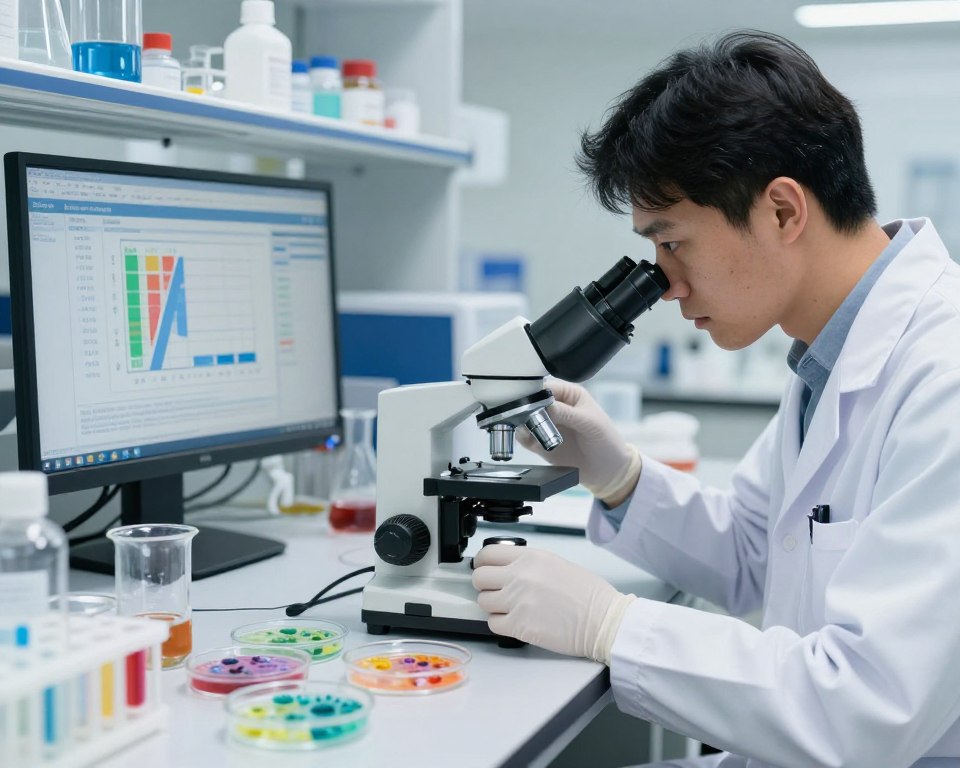
Scientists are now studying how antimicrobial agents affect our skin’s natural bacteria. They found that harsh chemicals can upset the balance of good bacteria on our skin.
This imbalance can make our skin more prone to irritation or harmful bacteria. A recent antibacterial soap toxicity study found:
- Less microbial diversity after regular use.
- More resistant bacteria on the skin.
- Changes in skin pH levels from washing.
Interpreting Data on Skin Absorption
We also need to think about how our bodies handle these chemicals. The skin absorbs many synthetic compounds from soaps.
These chemicals can then spread through our bodies. Researchers have found some worrying trends:
Dermal penetration rates are higher when the skin is already damaged. This means cleaning can actually add more synthetic additives to our bodies. Knowing these long-term implications helps us choose better products for our homes.
Environmental Impact of Antibacterial Chemicals
Many people don’t realize that antibacterial soap dangers affect more than just human health. They also harm our delicate aquatic ecosystems. When we flush these products down the drain, they start a journey into our natural water systems.
This journey creates a ripple effect that impacts biodiversity far beyond our homes.
Bioaccumulation in Aquatic Ecosystems
Once these antimicrobial agents enter our rivers and lakes, they don’t just disappear. Many are lipophilic, meaning they bind to fats and build up in living organisms. This process, called bioaccumulation, allows these chemicals to move up the food chain.
Small organisms eat these toxins, which are then eaten by larger fish and predators. Over time, the concentration of these chemicals grows. This can cause long-term reproductive and developmental issues in aquatic wildlife. The lasting presence of these agents in the environment is a big worry for conservationists.
The Challenge of Wastewater Treatment
Our wastewater treatment plants were made to remove organic waste and pathogens, not complex synthetic chemicals. So, many active ingredients in antibacterial soaps get through these facilities mostly unchanged. This shows one of the biggest antibacterial soap dangers for our public water systems.
These chemicals then reach our waterways, upsetting the natural balance of microbial life. Because they kill bacteria, they might harm beneficial microorganisms too. Protecting our water quality means we need to think twice about using these harsh additives every day.
Antibacterial Soap Ingredients to Avoid
Knowing what’s in your hygiene products is key to better health. It’s easy to get lost in the world of product labels. But, learning to spot chemicals in antibacterial soap is essential for every shopper.
Identifying Labels and Chemical Names
When you check the back of a bottle, look for long, scientific names. These often mean synthetic additives. Parabens and phthalates are common, used as preservatives and to keep fragrances on your skin.
Also, watch out for formaldehyde donors like DMDM hydantoin or quaternium-15. They release formaldehyde, a known irritant. Knowing these names helps you avoid health risks of antibacterial soap by choosing wisely.
“The dose makes the poison, but constant exposure to synthetic chemicals in our daily routine warrants a cautious approach to personal care.”
Hidden Additives in Personal Care Products
Some harmful substances are hidden under terms like “fragrance” or “parfum.” These can hide a mix of undisclosed chemicals. Manufacturers don’t have to list them all.
To find out more, use tools like the EWG Skin Deep database. It lets you search for products and see their safety ratings. Using these tools helps you:
- Find products without endocrine-disrupting chemicals.
- Check if ingredients are safe before buying.
- Support brands that are open and use clean formulas.
By following these steps, you can cut down on unnecessary additives. Being informed is the best way to keep yourself safe in today’s complex world of chemicals.
Safe Alternatives to Antibacterial Soap
You don’t need harsh chemicals to keep your hands clean. Many people are looking for safe alternatives to antibacterial soap. This is to protect their skin and the environment. Learning about basic cleaning can help you choose better for your health.
The Efficacy of Traditional Soap
Traditional soap cleans through a simple process, not chemicals. When you wash your hands, the soap breaks down germs. This makes it easy to wash them away with water.
This method is great for everyday cleaning. Unlike harsh chemicals, traditional soap is gentle on your skin. It keeps your skin’s natural oils while keeping it clean.
Natural Handwashing Options and Essential Oils
There are many natural handwashing options if you avoid synthetic additives. Pure castile soap, made from olive or coconut oil, is good for sensitive skin. It’s also better for the environment than many antibacterial soaps.
Adding plant-based ingredients can also improve your routine. Some like using tea tree or lavender oil for a nice scent. Always choose products with simple, easy-to-read ingredient lists to avoid hidden chemicals.
| Cleaning Method | Primary Mechanism | Skin Impact | Environmental Safety |
|---|---|---|---|
| Traditional Soap | Mechanical Removal | Gentle/Hydrating | High |
| Castile Soap | Surfactant Action | Very Gentle | Excellent |
| Antibacterial Soap | Chemical Sterilization | Can Be Drying | Low |
Best Practices for Effective Hand Hygiene
Keeping our hands clean is the best way to stop germs from spreading. We don’t need harsh chemicals to clean our hands well. Washing hands properly removes germs safely and effectively.
The Proper Technique for Washing Hands
The key to good handwashing is friction and duration, not the soap type. Use plain soap and warm water to make a good lather. Scrub for at least 20 seconds to remove dirt and germs.
“Clean hands are the first line of defense against the spread of many illnesses; washing hands can prevent 1 in 3 diarrheal illnesses and 1 in 5 respiratory infections.”
Here are the key steps for a thorough hand wash:
- Wet your hands with clean, running water.
- Apply soap and lather the backs of your hands, between your fingers, and under your nails.
- Scrub your hands for at least 20 seconds.
- Rinse well under clean, running water.
- Dry your hands using a clean towel or air dry them.
When to Use Alcohol-Based Sanitizers vs. Soap
Soap and water are the best choice, but sometimes you need an alternative. Alcohol-based hand sanitizers are handy when you can’t wash your hands. But, they’re not a full replacement for soap, mainly when your hands are dirty or greasy.
Here’s when to choose each method for the best hygiene:
| Scenario | Recommended Method | Reasoning |
|---|---|---|
| Visible dirt or grease | Soap and Water | Sanitizers cannot remove physical debris. |
| After using the restroom | Soap and Water | Removes bacteria and viruses effectively. |
| Public transit or travel | Hand Sanitizer | Provides quick disinfection without water. |
| Before preparing food | Soap and Water | Ensures maximum safety for food handling. |
Focus on consistent habits over antibacterial products. Simple techniques protect your skin and keep your space clean. Always remember, mechanical removal of germs is better than chemicals.
Conclusion
Modern science shows that simple habits are the best defense against germs. Plain soap and water are the top choices for staying clean in the U.S. They get rid of harmful germs without the dangers of harsh chemicals.
Choosing non-toxic products keeps your family and the environment safe. Antibacterial agents can harm health and the planet over time. Using traditional soaps like Ivory or Dr. Bronner’s cuts down on synthetic chemicals.
It’s smart to clean out your bathroom of products with triclosan or benzalkonium chloride. Stick to safe, proven methods to keep your health in check. Making small changes in what you buy can greatly benefit your home and the Earth.
Be mindful of what you read on labels to protect your health. Choosing natural cleaning methods makes a big difference. We encourage you to spread the word about safer habits for a healthier community.
FAQ
Is antibacterial soap toxic to humans over long-term use?
Many antibacterial soap chemicals are linked to health issues. Long-term use can disrupt hormones and lead to antibiotic resistance, posing serious risks.
What are the primary antibacterial soap dangers I should be aware of?
The main dangers include disrupting our skin’s natural balance, hormonal interference, and environmental harm. These products also give a false sense of security, making us overlook better washing techniques.
Are there specific antibacterial soap ingredients to avoid when shopping?
Yes, avoid benzalkonium chloride, benzethonium chloride, and chloroxylenol. Also, steer clear of triclosan and triclocarban, and synthetic fragrances and parabens in brands like Softsoap or Dial.
What does an antibacterial soap toxicity study typically reveal?
Studies show these soaps are no better than regular soap at preventing illness. They also find that the chemicals are absorbed through the skin and show up in our bodies.
What are the best safe alternatives to antibacterial soap for my family?
Use traditional glycerin soaps or plant-based options like Dr. Bronner’s Castile Soap. These clean effectively without harming our skin’s natural barrier.
Can you suggest some natural handwashing options that actually work?
Great natural options include soaps made with coconut or olive oils. Brands like Mrs. Meyer’s or Seventh Generation are effective and safe. Adding essential oils to plain soap is also a good choice.
How can we minimize the health risks of antibacterial soap in our daily lives?
The best way is to go back to using plain soap and water. Proper washing with friction removes germs without the need for harsh chemicals.