We’ve all felt that sudden, sharp sting in our lungs while cleaning. It starts as a simple task, but inhaling chemical fumes can quickly become scary. When your chest tightens, panic can make it hard to think clearly.
Immediate action is key to avoid respiratory distress. Recognizing warning signs early helps protect us and our loved ones. Knowing what to do if you inhale cleaning product fumes lets us act fast during critical moments.
Key Takeaways
- Move to fresh air immediately to stop exposure.
- Check for symptoms like dizziness, coughing, or throat irritation.
- Contact emergency services or poison control for professional guidance.
- Avoid inducing vomiting unless instructed by a medical expert.
- Keep the original container nearby to identify the specific chemicals involved.
Immediate Actions to Take After Exposure
When you breathe in toxic vapors from cleaning products, act fast. Your goal is to get away from the source quickly. Acting quickly can help lessen the harm.
Moving to Fresh Air
Leave the area right away. Find a spot with plenty of fresh air, like outside or a room with good ventilation. Make sure you’re not putting yourself in danger while helping others.
Stay upright in the safe area to help your lungs breathe better. Avoid hard work, as it can make breathing harder.
Assessing Your Breathing
Check your breathing once you’re in fresh air. Watch for wheezing, coughing, or tightness in your chest. If your breathing is shallow or fast, get medical help right away.
Watch your symptoms closely for a few minutes. If you feel dizzy or your throat hurts, it’s a warning sign. Your comfort and safety are the top priorities right now.
Removing Contaminated Clothing
Chemicals can stay on your skin or clothes, even after you leave. If cleaning agents got on your clothes, take them off carefully. Protecting your skin is as important as your lungs.
Put contaminated clothes in a sealed bag to stop the chemicals from spreading. Wash any skin that got exposed with soap and water. These steps help you handle the situation while you recover.
Identifying Symptoms of Cleaning Product Inhalation
It’s important to watch for signs of cleaning product inhalation in your body. Household chemicals can cause different reactions. This depends on the type and amount of substance you’re exposed to.
Mild Respiratory Irritation
When you first smell harsh fumes, you might feel a bit uncomfortable. You could get a scratchy throat, sneeze a lot, or have watery eyes. These symptoms happen right away when you’re near strong chemicals in sprays or bleach.
If you feel these mild symptoms, it’s a sign to get out of the area and find fresh air. Don’t ignore these early signs. They can get worse if you keep breathing in the contaminated air.
Severe Physical Reactions
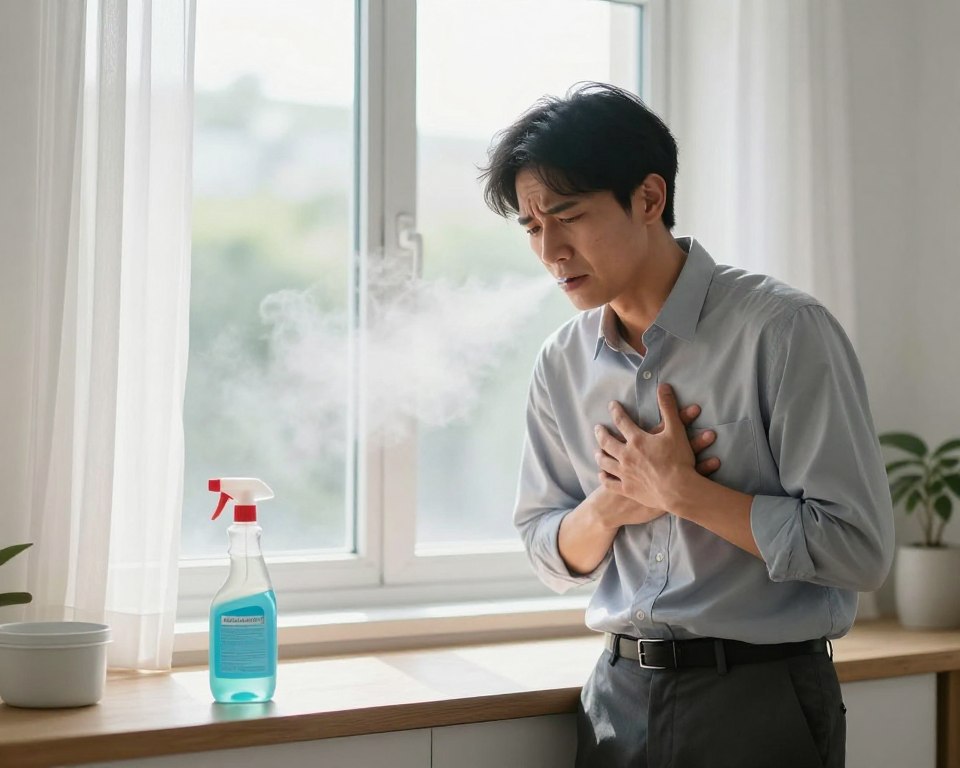
In serious cases, your body might show signs of distress. You could feel your chest tighten, wheeze, or feel dizzy. These signs mean the chemicals have reached your lungs.
“Chemical exposure in the home is often underestimated, yet it remains a leading cause of preventable respiratory distress for many families.”
If you or someone nearby has trouble breathing or a fast heartbeat, it’s a medical emergency. Don’t wait for symptoms to go away on their own.
Delayed Onset Symptoms
Some effects of cleaning product inhalation take time to show up. You might feel okay while cleaning, but then start coughing or have trouble breathing hours later. This is because some chemicals cause slow inflammation in your lungs.
Always watch your health for at least 24 hours after using strong chemicals. If you get new respiratory symptoms from cleaning products hours later, see a doctor right away.
| Symptom Category | Common Indicators | Urgency Level |
|---|---|---|
| Mild | Sneezing, watery eyes, throat tickle | Low – Move to fresh air |
| Moderate | Persistent cough, headache, nausea | Medium – Monitor closely |
| Severe | Chest pain, wheezing, dizziness | High – Seek medical help |
Understanding the Risks of Toxic Fumes
It’s important to know how household cleaners work to keep our homes safe. Many cleaners have ingredients that can release toxic fumes in small spaces. By understanding how these substances affect our bodies, we can stay healthy while cleaning.
Chemical Reactions and Volatile Organic Compounds
Cleaning agents often use Volatile Organic Compounds (VOCs) to dissolve dirt. These compounds turn into gases easily, filling the air with invisible particles. When we inhale chemical fumes, we breathe in these reactive gases.
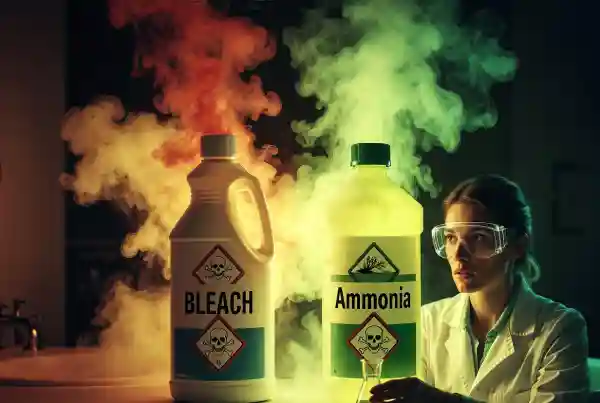
Some products can react badly when mixed. For instance, mixing bleach with ammonia creates chloramine gas, which hurts the lungs. Always check labels to avoid harmful mixes.
How Fumes Affect the Lungs
When we breathe in these chemicals, they reach deep into our lungs. They can cause inflammation and damage to the lung tissue. The heart may also work harder to deal with these substances.
- Immediate irritation of the throat and nasal passages.
- Reduced oxygen exchange efficiency in the alveoli.
- Increased heart rate due to systemic chemical stress.
Vulnerable Populations and Pre-existing Conditions
Some people are more at risk than others. Those with asthma or emphysema are very sensitive to bad air. Even a little chemical exposure can cause big problems for them.
Children and the elderly need extra protection too. Their lungs are more likely to get irritated. We should keep them away from heavy cleaning until the air is clean again. This way, our homes stay safe for everyone.
What to Do If You Inhale Cleaning Product Fumes: A Step-by-Step Guide
If you inhale cleaning product fumes, it’s crucial to know what to do. Keep your cool and follow a plan to stay safe. Acting fast can protect your lungs from harm.
Step One: Stop the Source of Exposure
First, get out of the room where the fumes are. Don’t wait to see if symptoms get better. Move to a place with clean air right away.
Step Two: Establish Proper Ventilation
Once you’re safe, work on clearing the air in the room. Open windows and doors for a cross-breeze. If there’s an exhaust fan, turn it on to remove the chemicals.
Step Three: Monitor Vital Signs
After you’re safe, watch the person closely. Check their breathing and how awake they are often. If they show signs of trouble, call emergency services right away.
| Action Step | Primary Goal | Safety Priority |
|---|---|---|
| Evacuation | Stop exposure | High |
| Ventilation | Clear toxins | Medium |
| Monitoring | Assess health | Critical |
Staying calm is as important as the actions you take. This guide helps you be ready for any accidental exposure. Always put your health first and get help if symptoms don’t go away or get worse.
When to Seek Emergency Medical Attention
Knowing when a small issue turns into a big problem can save lives. Many times, getting out of the room helps. But, responding to cleaning product fume exposure needs careful watching. You must know when it’s too much for you to handle.
Recognizing Signs of Chemical Poisoning
Severe reactions can happen fast after breathing in fumes. Look for persistent chest pain, trouble breathing, or throat tightness. If someone loses consciousness or has seizures, it’s a serious sign.
Other signs include blue lips or fingernails, meaning they might not have enough oxygen. Dizziness, confusion, or sudden, uncontrollable coughing also mean you should act fast. Don’t wait if these symptoms get worse.
When to Call 911 or Poison Control
If you think someone has been poisoned by cleaning fumes, act quickly. Call 911 if they’re having trouble breathing or have fallen down. For less severe but still concerning symptoms, call your local Poison Control center.
Poison Control can give you advice based on the chemical. They’re there 24/7 to help decide if you need to go to the hospital. Always be careful when dealing with unknown chemicals.
Preparing Information for Medical Professionals
When help comes, it’s important to talk clearly. Have the product container ready so doctors can figure out what’s in it. If you can’t find the container, remember the brand and type of cleaner.
Also, tell doctors how long you were exposed and how big the room was. Mention any health issues like asthma. Giving this info helps doctors work faster and better.
| Symptom Severity | Primary Indicators | Recommended Action |
|---|---|---|
| Mild | Watery eyes, slight cough | Fresh air and monitoring |
| Moderate | Persistent wheezing, dizziness | Call Poison Control |
| Severe | Loss of consciousness, blue lips | Call 911 immediately |
First Aid Measures for Chemical Fume Exposure
Acting fast after breathing in harsh chemicals can help a lot. When you’re exposed to cleaning product fume exposure, try to avoid more contact. Also, keep your body stable.
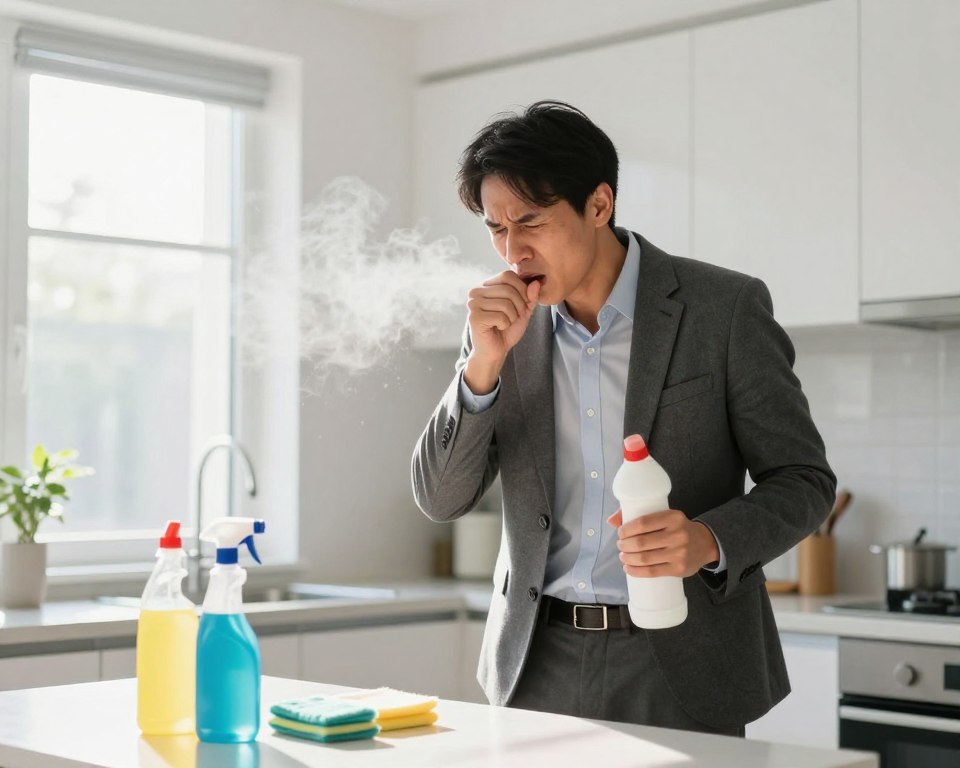
Rinsing Eyes and Skin
If your skin or eyes burn, act fast. Remove the chemical by flushing the area with lukewarm water. Do this for 15 to 20 minutes.
Don’t use strong water pressure. It can hurt your skin more. If you wear contacts, take them out while rinsing to avoid trapped chemicals.
Managing Coughing and Throat Irritation
Coughing a lot is common after inhaling chemicals. Stay in a place with good air and breathe slowly. This helps calm your lungs.
Drinking cool water can ease a sore throat. But, don’t do too much physical activity. It can make your lung irritation worse.
“Immediate irrigation and removal from the source of contamination are the cornerstones of effective chemical safety management.”
Avoiding Common First Aid Mistakes
Some home remedies can make things worse. It’s important to avoid certain actions that can complicate recovery.
- Never induce vomiting if you have inhaled or ingested a chemical.
- Do not apply oils, ointments, or butter to chemical burns on the skin.
- Avoid using neutralizing agents like vinegar or baking soda on your skin, as these can cause exothermic reactions.
| Action | Recommended | Avoid |
|---|---|---|
| Eye Contact | Flush with water | Rubbing eyes |
| Skin Exposure | Remove clothing | Applying creams |
| Respiratory Distress | Fresh air | Forced coughing |
By following these steps for cleaning product inhalation first aid, you can handle cleaning product fume exposure better. Always get medical help if symptoms don’t get better or get worse.
Common Household Chemicals That Cause Respiratory Distress
Our daily cleaning routines might expose us to harmful chemicals. We often keep many supplies under our sinks without thinking about how they mix. Knowing about toxic fumes from cleaning products is key to a safe home.
Dangers of Mixing Bleach and Ammonia
Never mix bleach with ammonia. This mix creates chloramine gas, which hurts our breathing. Inhaling these toxic fumes from cleaning products can cause coughing, chest pain, and trouble breathing.
Always check labels before using different products together. Even a little residue can cause a dangerous reaction. It’s safer to finish one task before starting another with a different chemical.
Risks Associated with Oven Cleaners
Oven cleaners have strong chemicals like sodium hydroxide, or lye. These can damage our lungs. When we spray these cleaners, tiny droplets can become airborne, creating toxic fumes from cleaning products that stay in the kitchen air.
Use these products in well-ventilated spaces. If you feel a burning sensation, leave the room right away. Keep children and pets away until the fumes go away.
Aerosol Sprays and Air Fresheners
Many of us use aerosol sprays without thinking about their health effects. These products release VOCs into the air we breathe. While they may smell nice, they can cause asthma attacks or long-term breathing problems in some people.
| Product Type | Primary Risk | Safety Action |
|---|---|---|
| Bleach & Ammonia | Chloramine Gas | Never mix |
| Oven Cleaners | Caustic Vapors | Ventilate area |
| Aerosol Sprays | VOC Exposure | Use sparingly |
By knowing what’s in our cleaning supplies, we can keep our families safe. We should read labels carefully and choose products with fewer harmful chemicals. Your health is worth the effort of choosing safer options.
How to Properly Ventilate Your Home During Cleaning
Keeping the air fresh is the best way to avoid cleaning product fume poisoning at home. When you clean, harmful chemicals can build up in still air, causing breathing problems. Good airflow makes your home safer for everyone.
Utilizing Windows and Cross-Ventilation
Opening windows in the room you’re cleaning is a simple way to improve air. Try to open windows on opposite sides of the house for a cross-breeze. This air flow helps move fumes out before they become harmful.
Using Exhaust Fans Effectively
Many homes have exhaust fans in kitchens and bathrooms. Always turn them on before using strong cleaners. These fans remove moisture and particles, reducing the risk of cleaning product fume poisoning.
Timing Your Cleaning Sessions
It’s better to clean in smaller parts rather than all at once. This way, you avoid being in one place for too long where fumes can stay. If you feel dizzy or smell something strong, go outside for fresh air right away.
Being careful about your environment helps you avoid cleaning product fume poisoning and keeps your home clean. Consistency in keeping the air moving is key for your health.
Protective Gear and Safety Equipment
Having the right gear can make a dangerous task safe. We often don’t realize how dangerous household chemicals can be. Wearing the correct protective gear is key to avoiding accidents.
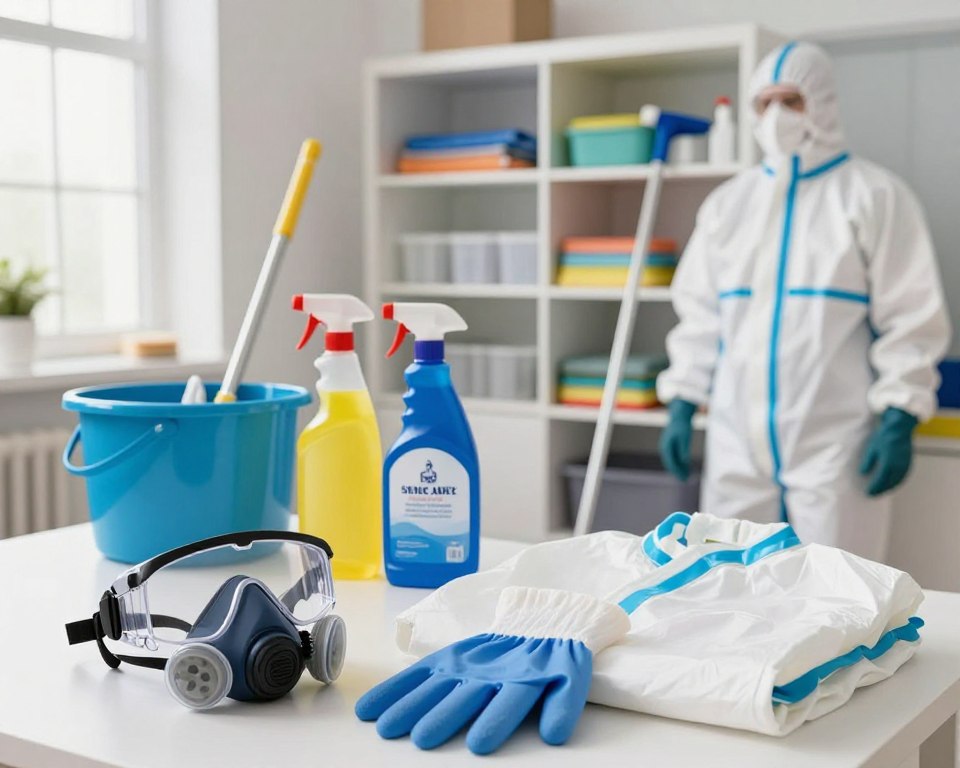
Choosing the Right Respirator Masks
Not all masks protect equally against chemical fumes. A basic dust mask is not enough because it can’t block out harmful gases.
For jobs with strong solvents or heavy-duty cleaners, use a respirator with organic vapor cartridges. Make sure the mask fits well to prevent air leaks. A bad fit means the mask won’t work.
Importance of Gloves and Eye Protection
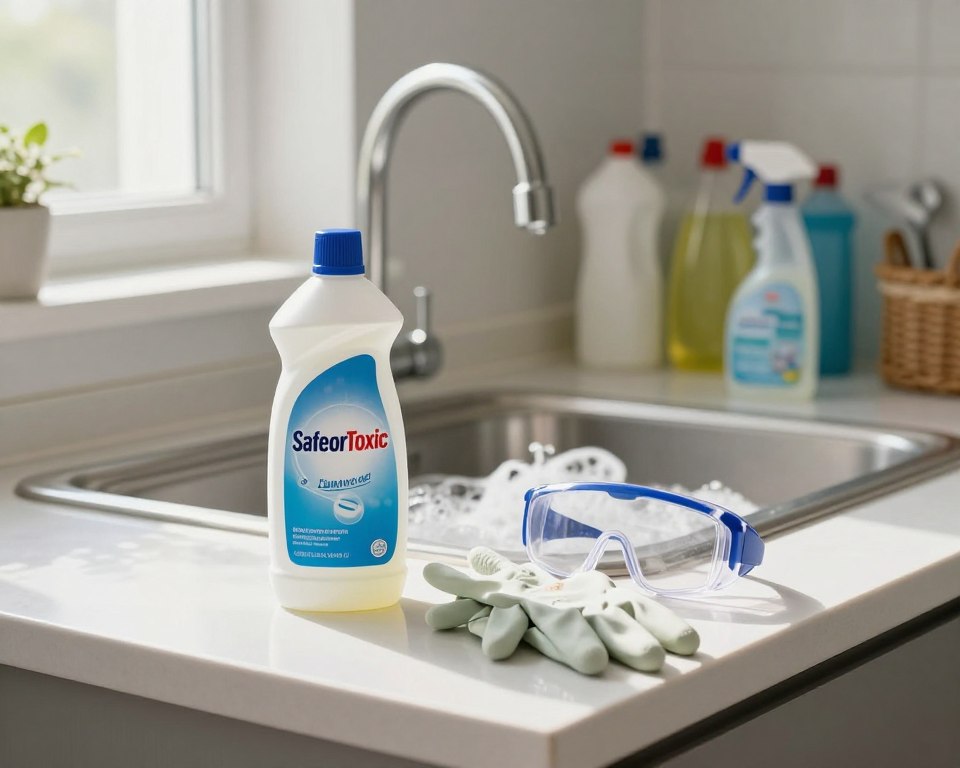
Chemicals can get into your body through your skin or hurt your eyes. Always wear chemical-resistant gloves, like nitrile or neoprene, instead of thin latex ones.
Wearing safety goggles is also crucial. They protect your eyes from splashes or particles in the air.
“Safety is not just a slogan; it is a way of life that protects our most valuable assets: our health and our future.”
When to Use Professional-Grade Equipment
Most cleaning tasks are safe with basic precautions. But, some jobs need more serious gear. For example, when stripping paint, using strong mold removers, or cleaning in small, poorly ventilated areas, you need professional equipment.
- Full-face respirators for high-concentration fume environments.
- Chemical-resistant aprons to prevent clothing contamination.
- Ventilation fans to supplement personal gear during heavy-duty projects.
Knowing when a task is too risky for household supplies helps avoid chemical exposure. Spending on quality gear is worth it for your health.
Long-Term Health Effects of Chronic Exposure
We often underestimate how daily contact with cleaning agents affects our bodies over several years. While many focus on immediate reactions, the cumulative impact of respiratory symptoms from cleaning products can lead to lasting health challenges. It is essential to recognize that your home environment plays a significant role in your overall wellness.
Impact on Lung Function
Repeated inhalation of harsh chemicals can cause permanent changes to your lung tissue. Over time, the delicate lining of your airways may become inflamed or scarred. This damage often results in a measurable decline in how effectively your lungs can process oxygen.
Developing Chemical Sensitivities
Some individuals develop a condition known as Multiple Chemical Sensitivity (MCS) after prolonged exposure. This means your body becomes hyper-reactive to even trace amounts of common household substances. You might find that everyday items like scented candles or laundry detergents trigger severe respiratory symptoms from cleaning products that were previously tolerable.
Chronic Respiratory Conditions
Consistent exposure to volatile organic compounds is linked to the development of chronic illnesses. Conditions such as occupational asthma or chronic obstructive pulmonary disease (COPD) can be exacerbated by years of breathing in cleaning fumes. Protecting your lungs today is a vital step in preventing these debilitating long-term conditions.
| Exposure Type | Primary Impact | Duration | Recovery Potential |
|---|---|---|---|
| Acute | Immediate irritation | Short-term | High |
| Chronic | Structural lung damage | Long-term | Low |
| Sensitization | Heightened immune response | Permanent | Very Low |
Creating a Safer Cleaning Routine
Creating a safer home starts with our cleaning habits. Choosing the right products can greatly reduce cleaning product inhalation. Making small changes can make a big difference in air quality.
Switching to Non-Toxic Alternatives
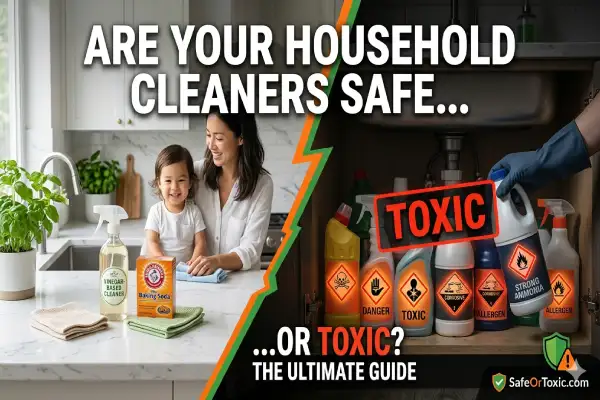
Many cleaners have harsh chemicals that can harm our lungs. We suggest using gentle, plant-based alternatives instead. White vinegar, baking soda, and lemon juice can clean well without toxic fumes.
“The best way to ensure safety is to eliminate the hazard at the source by choosing ingredients you can trust.”
Reading and Understanding Safety Data Sheets
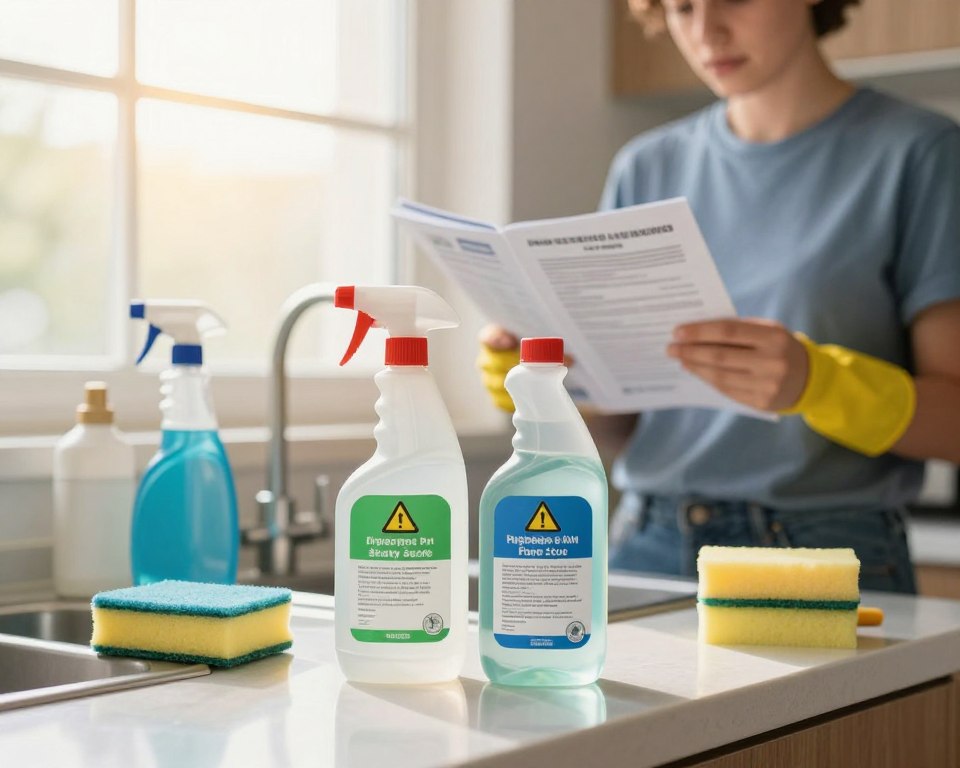
If you need to use strong chemicals, always read the Safety Data Sheet (SDS). These sheets tell you about cleaning product inhalation risks and how much air you need. Knowing this helps us stay safe before we even use the product.
- Check for signal words like “Danger” or “Warning.”
- Identify specific respiratory protection requirements.
- Note the recommended first-aid procedures for accidental exposure.
Proper Storage of Cleaning Supplies
Keeping things organized is key to safety. Store all chemicals in their original containers to avoid mistakes. This stops dangerous cleaning product inhalation accidents at home.
Keep these items in a cool, dry spot that kids and pets can’t reach. A secure storage area makes cleaning safe and healthy.
Conclusion
Keeping our homes safe means watching what we bring inside. We need to keep our families safe from harmful vapors.
Learning how to handle cleaning product inhalation first aid is key. Quick action can stop small problems from getting worse.
Check your cleaning supplies today. Switch to safer, non-toxic options to lower the risk of accidents.
Storing products right and keeping air fresh are our best defenses. Knowing what we use makes our homes safer for all.
Teach these safety tips to your friends and neighbors. Sharing knowledge helps our whole community stay safe and healthy.
FAQ
What are the first signs of cleaning product fume poisoning?
Early signs include dizziness, headaches, nausea, and irritation in the nose and throat. If you feel dizzy while using a product like Mr. Clean, get out of the room right away.
Is there a specific protocol for cleaning product inhalation first aid?
Yes, our first aid plan involves getting out of the bad air, loosening tight clothes, and watching the person’s breathing. Don’t give them anything to drink if they’re coughing a lot or not acting right.
How should I go about responding to cleaning product fume exposure if I am alone?
If you’re alone and exposed, drop what you’re doing and get outside. Once you’re in fresh air, call a friend or neighbor, or call Poison Control if your symptoms get worse.
Can inhaling chemical fumes cause permanent damage?
Yes, inhaling fumes from things like oven cleaners or strong bleach can hurt your lungs for good. That’s why getting out of the area and seeing a doctor is so important.
What should I do if I suspect a child has experienced cleaning product fume exposure?
Kids are more at risk because their airways are smaller. If a child is coughing or seems tired after being near cleaners, get them to fresh air and call their doctor or emergency services right away, even if they seem okay.
Are there specific respiratory symptoms from cleaning products that I should look for after a few hours?
Watch for signs like getting breathless, a rattling sound in the chest, or a fever. These can mean your lungs are reacting to the chemicals hours after you first breathed them in.
Which toxic fumes from cleaning products are the most dangerous in a typical home?
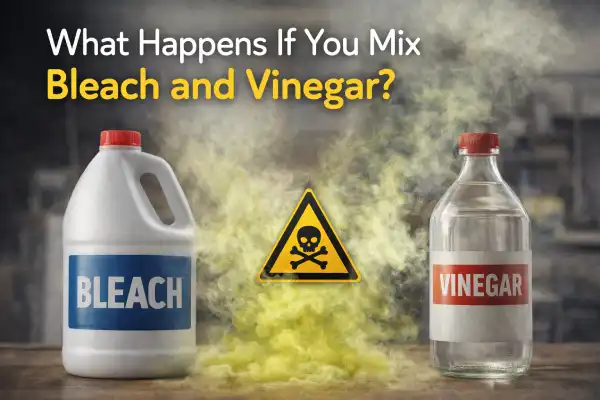
The most dangerous fumes are made when you mix bleach with other cleaners. This creates gases that are very harmful, even in small amounts. Always check the labels to avoid mixing these chemicals.