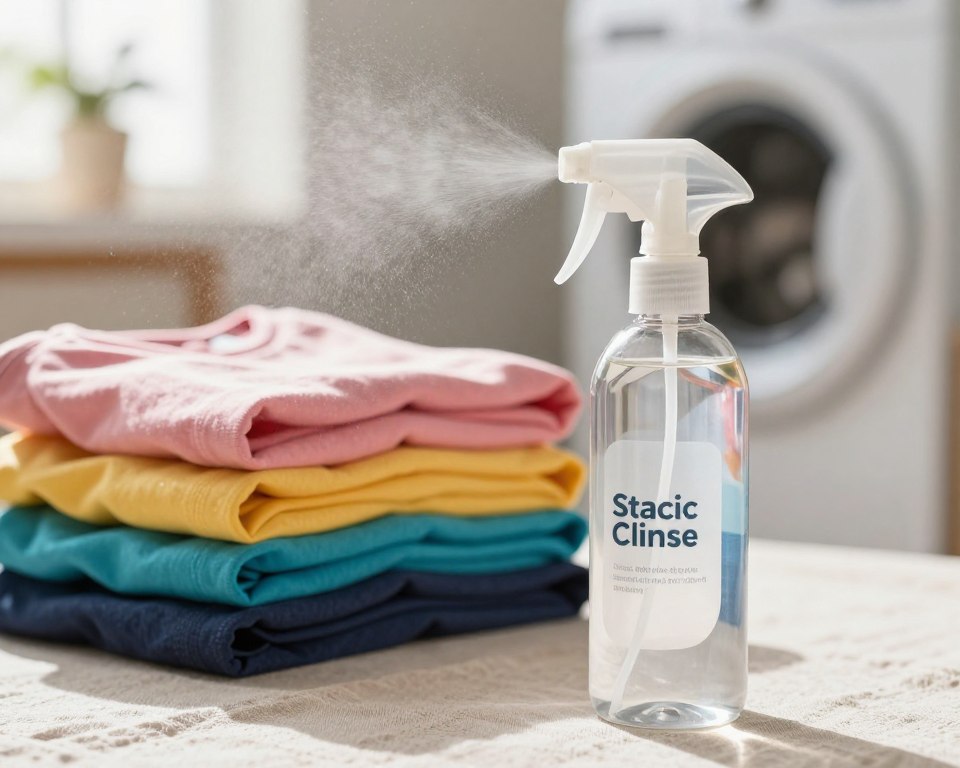
Did you know that nearly 80% of people experience the frustration of static cling at the worst possible moment—right before stepping out the door? This annoying issue can disrupt your day, causing fabric to cling uncomfortably and even leading to embarrassing shocks.
As many consumers reach for static cling spray to solve this problem, a crucial question arises: is it truly safe to use on clothing? Many individuals apply these products without fully understanding their ingredients or potential effects on both fabric and skin.
This article aims to provide a comprehensive guide, focusing on evidence-based safety information rather than mere marketing claims. From the science behind static electricity to practical application techniques, readers will gain actionable insights.
While products like Static Guard and Sprayway are readily available, informed usage requires a solid understanding of ingredient profiles and fabric compatibility. This guide addresses both immediate static emergencies and long-term prevention strategies, catering to health-conscious consumers, parents managing sensory-sensitive children, and professionals aiming for a polished appearance.
Rest assured, effective solutions exist. The following sections will offer clear, clinically precise guidance on the usage of these sprays and more.
Key Takeaways
- Static cling can disrupt your day, especially when you’re in a hurry.
- Understanding the safety of anti-static sprays is crucial for informed use.
- This guide will cover both immediate solutions and long-term strategies.
- Knowledge of ingredient profiles helps in choosing the right product.
- Safe and effective solutions for static cling are available.
Understanding Static Cling: Causes and Effects
Static cling is a common annoyance, especially when it catches you off guard. This phenomenon occurs when fabrics adhere to each other or to your skin due to an imbalance of electrical charges on their surfaces. Unlike the more noticeable shocks associated with static electricity, cling is often a subtle but persistent issue.
When two different fabrics rub against each other, electrons transfer from one material to another. This transfer creates a situation where one fabric becomes positively charged and the other negatively charged. The attraction between these opposite charges leads to the cling we experience. Understanding this process is crucial for managing static cling effectively.
Static electricity and cling exist on a spectrum. When accumulated electrons discharge rapidly, a shock occurs. However, if the charges are weaker, fabrics may simply cling together without any noticeable shock. This is especially true in winter, when conditions exacerbate the problem.
Why Static Cling Happens More in Winter and Dry Conditions
Winter brings cold air that holds significantly less moisture than warm air. Indoor heating systems further reduce humidity levels, creating an environment where static electricity can build up rapidly on clothing and textiles. This lack of moisture means that the natural defenses against static cling are diminished.
Water molecules play a key role in dissipating electrical charges. In humid conditions, a thin layer of moisture forms on fabric surfaces, helping to conduct electrons away. However, dry winter air eliminates this protective layer, leading to increased static cling.
How Fabrics and Dryers Contribute to Static Electricity
The modern dryer contributes significantly to static buildup. The tumbling action forces different fabrics into constant friction, generating electrostatic charges. Additionally, the heated air inside the dryer strips away residual moisture, leaving clothes in a highly charge-susceptible state at the end of the drying cycle.
Synthetic fibers, such as polyester and nylon, are particularly prone to generating static. These materials are hydrophobic, meaning they do not retain moisture well. In contrast, natural fibers like cotton and linen can hold water molecules that help mitigate charge accumulation.
Overdrying clothes in the dryer can exacerbate static cling. The longer fabrics are heated and rubbed together, the more friction occurs, leading to increased static buildup. To reduce this, consider separating laundry by fiber type and avoiding overdrying.
Understanding these mechanisms empowers consumers to make informed choices about prevention and treatment options. By recognizing that static is a predictable physical response to environmental conditions, individuals can adopt evidence-based strategies to manage and control it effectively.
| Factor | Impact on Static Cling |
|---|---|
| Humidity | Low humidity increases static buildup; high humidity reduces it. |
| Fabric Type | Synthetic fibers generate more static; natural fibers help mitigate it. |
| Dryer Conditions | Overdrying and friction increase static charges on fabrics. |
| Temperature | Cold air holds less moisture, leading to higher static levels. |
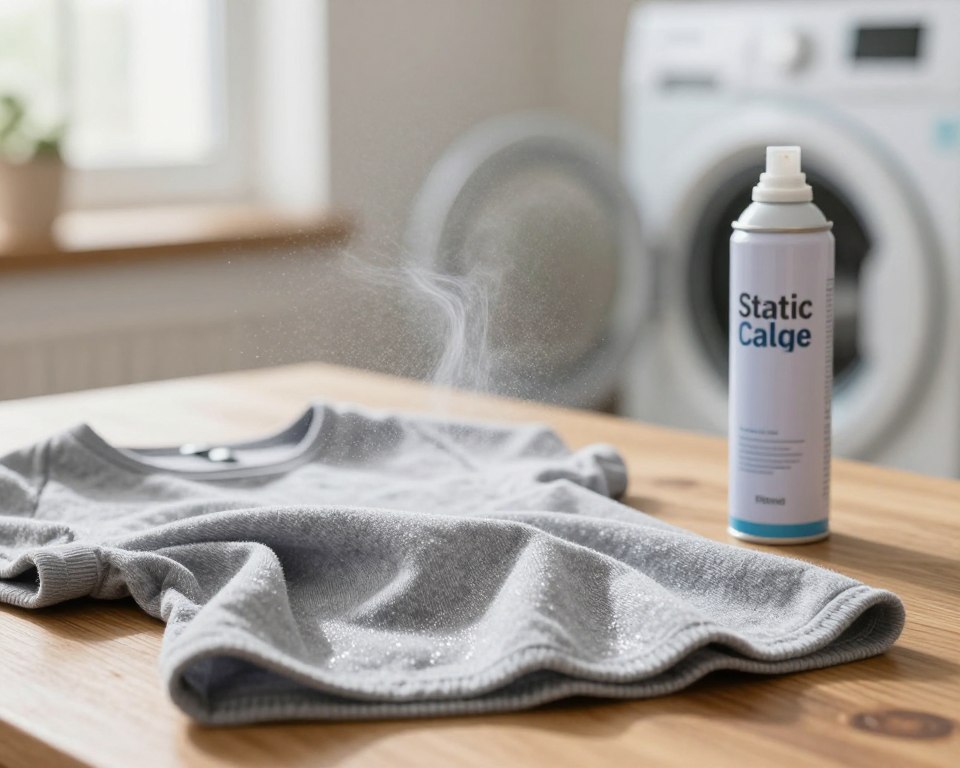
Is Static Cling Spray Safe to Use on Clothes Right Before Wearing?
In the hustle of daily life, the choice to use anti-static products can be a double-edged sword. Understanding the safety and effectiveness of these sprays is essential for making informed decisions. Many consumers rely on products like Static Guard and Sprayway to eliminate cling quickly. But are they truly safe for immediate use on garments?
Most commercial static-reducing sprays contain hygroscopic substances. These compounds attract moisture, helping to neutralize electrical charges on fabrics. This action prevents clothes from sticking to each other or other surfaces. When applied correctly, these sprays are generally safe for use right before wearing.
Common Ingredients in Static Cling Sprays
Static cling sprays often include:
- Hygroscopic agents: These attract moisture to reduce static buildup.
- Fragrance compounds: Added for scent, but may cause irritation for some.
- Alcohol-based carriers: Used to help the product dry quickly.
These ingredients work together to create a barrier that allows static electricity to dissipate, effectively breaking the cling cycle.
Safety Considerations for Skin Contact and Fabric Types
While the active ingredients are typically non-irritating for most adults, individuals with sensitive skin should take precautions. A patch test on an inconspicuous area of the garment is advisable before full application. Most sprays are safe for common fabrics like cotton and polyester, but delicate materials like silk may react unpredictably. Testing on an interior seam can help prevent unwanted reactions.
Expert Opinions and Precautions
Experts recommend allowing sprayed clothes to air-dry for 30 to 60 seconds before wearing. This ensures that any volatile components evaporate. Additionally, it’s important to avoid saturating fabrics and never spray directly onto skin. Keeping sprays away from open flames is also crucial due to potential flammability.
Occasional use of static cling sprays poses minimal risk. However, for those who use these products daily, adequate ventilation during application is important. Consider rotating with non-chemical alternatives for long-term static control.
In conclusion, while static cling sprays are effective tools for managing cling, informed use is essential. Understanding the ingredients, respecting fabric limitations, and following application guidelines will enhance both clothing longevity and personal comfort.
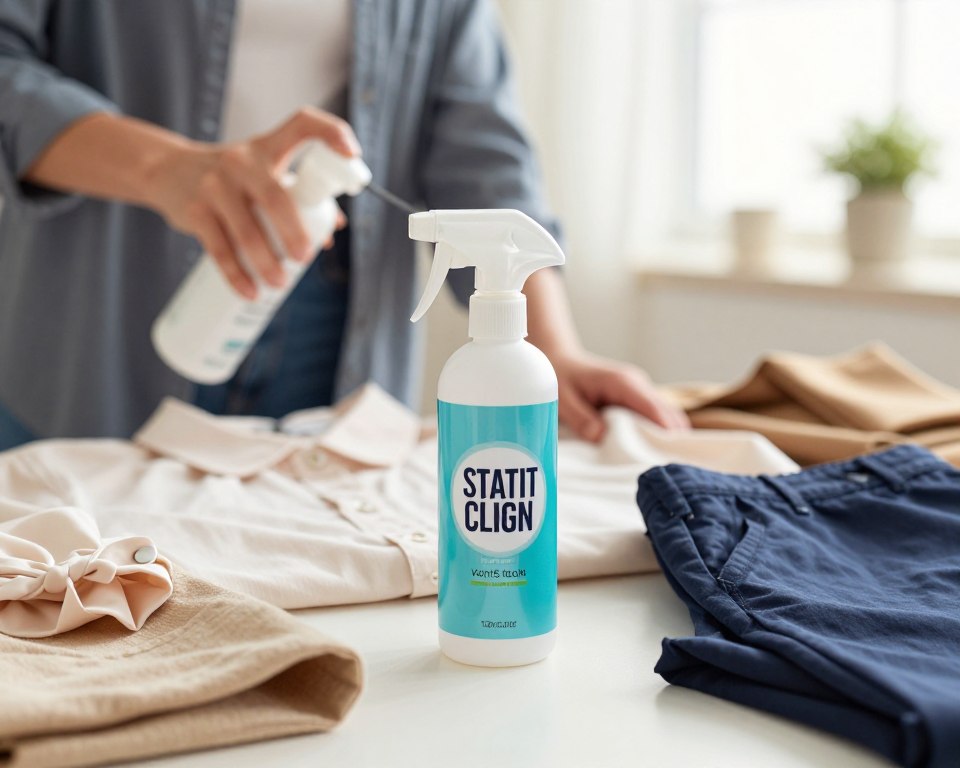
How to Effectively Use Static Cling Spray on Clothes
When dealing with annoying fabric cling, knowing how to use anti-static products effectively can make all the difference. Proper application techniques are essential for achieving the best results while ensuring safety. Here are some steps to follow for effective use.
Steps to Apply Static Cling Spray Safely
To begin, hold the static cling spray bottle 6 to 12 inches away from the garment. This distance allows for an even, light mist that covers the affected area without saturating the fabric. Saturation can lead to water spotting, especially on delicate materials.
Target specific zones where cling is most pronounced. Focus on areas where clothes make direct contact with skin or other garments, such as skirt linings, pant legs, and sleeve interiors. Avoid indiscriminately spraying the entire garment for the best results.
Apply the spray while the garment is on a hanger or laid flat, not while wearing it. This technique ensures uniform coverage and minimizes inhalation of aerosolized particles. After spraying, allow 30 to 60 seconds of drying time before putting the clothes on.
When and Where to Spray for Best Results
This brief waiting period serves two purposes. First, it allows volatile carriers to evaporate completely. Second, it gives the hygroscopic ingredients time to bind with ambient moisture, creating a conductive layer that will reduce static throughout the wear time.
For optimal timing, applying static-reducing spray the night before wearing can enhance effectiveness. However, the product is also designed for last-minute use, making it a reliable way to get rid of static when dressing in a hurry.
Consider spraying the inside of a garment rather than the outside. This approach targets the friction zones directly and minimizes any potential for visible residue, helping to rid static cling at its source.
Travel and On-the-Go Tips for Static Control
Compact, TSA-compliant travel-size anti-static sprays fit easily in purses, briefcases, or glove compartments. This portability offers a convenient solution to get rid of unexpected static cling during business meetings, social events, or while traveling in dry airplane cabins.
Keeping a travel-sized can in the car is also beneficial. Static can build up during the drive due to the combination of car seat friction and climate-controlled air. This proactive measure ensures you are prepared for any cling emergencies.
While static cling spray provides immediate relief, users seeking to reduce static cling long-term should combine spray use with preventive laundry habits. Remember, the spray addresses symptoms rather than the root causes of static electricity generation.
In summary, mastering proper application techniques—distance, coverage, and drying time—can be the difference between a successful static-free day and a wasted product. By following these steps, you can effectively reduce static cling and eliminate the frustration it brings.
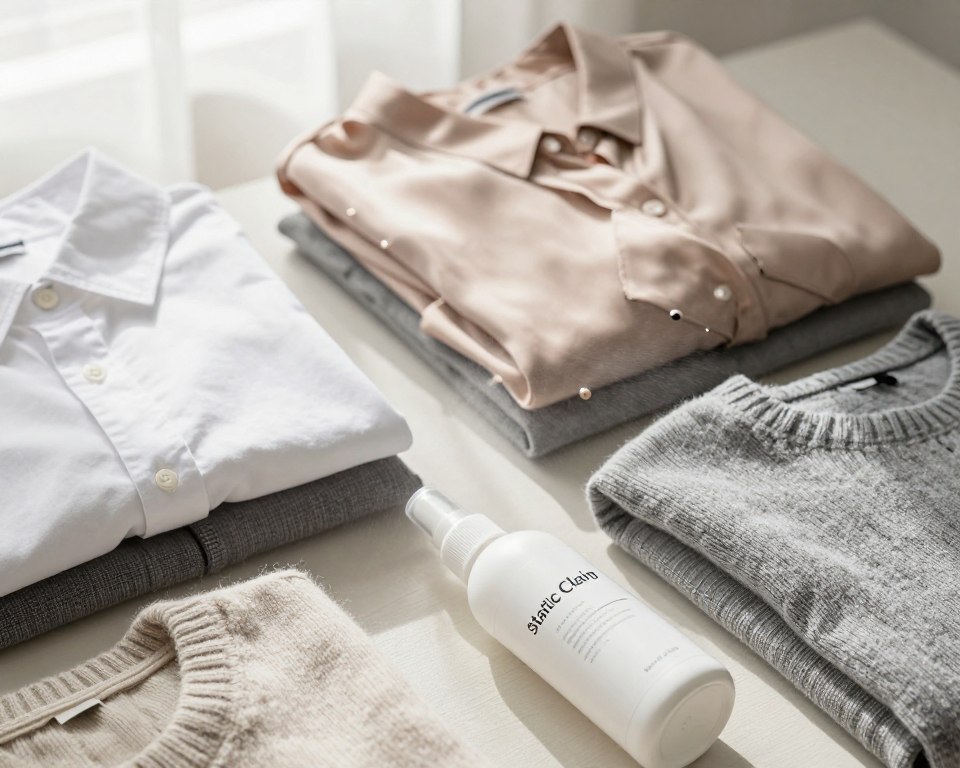
Other Simple Ways to Get Rid of Static Cling While Wearing Clothes
Static cling can be a persistent nuisance, but there are several simple and effective methods to tackle it using common household items. Here are some practical ways to get rid of static cling quickly and easily, ensuring you stay comfortable throughout the day.
Using Hair Spray and Moisturizing Skin
Aerosol hairspray can be a surprising ally against static cling. A light spritz creates a micro-thin film on fabric, effectively disrupting the charges that cause cling. Always test on an inconspicuous area first to avoid any staining or stiffening of delicate fabrics.
Additionally, moisturizing your skin with lotion can significantly help. Dry skin creates a high-friction surface that encourages static electricity. By applying lotion before dressing, you increase the humidity at the skin-fabric interface, which helps reduce static cling and stop it from becoming a problem.
Metal Objects: Wire Hangers, Safety Pins, and More
Metal objects can also be useful for neutralizing static charges. Running a wire hanger along the inside of a clinging garment allows the metal to conduct electricity, absorbing the static charge and instantly neutralizing the cling. If you don’t have a wire hanger handy, crumpled aluminum foil can serve the same purpose.
Another option is to discreetly fasten a safety pin to an interior seam or hem of your clothing. This acts as a continuous static drain throughout the day, helping to keep cling at bay.
Quick Fixes Like Damp Cloths and Fabric Refresher Sprays
For an immediate solution, consider using a damp cloth or paper towel. Lightly wetting your hands and gliding them over the clinging areas introduces just enough moisture to neutralize the electrical imbalance, effectively getting rid of static cling in seconds.
Fabric refresher sprays are another handy alternative. These sprays not only neutralize electrical charges but also infuse your garments with a pleasant fragrance. Hold the spray 6 to 12 inches away and apply evenly for the best results.
Lastly, dryer sheets can be a portable solution. Rubbing a dryer sheet directly on clinging clothes transfers a thin layer of fabric-softening compounds that reduce static and leave a pleasant scent. Keeping a few sheets in a zip-top bag in your purse or glove compartment ensures you’re always prepared for static emergencies.
These alternative methods provide flexibility for various situations—whether at home, in the office, or on the go. Combining these approaches can effectively get rid of static cling, even in the most stubborn cases. While these hacks offer immediate relief, remember that they address symptoms rather than the underlying causes. For long-term reduction, consider implementing preventive laundry strategies discussed in the next section.
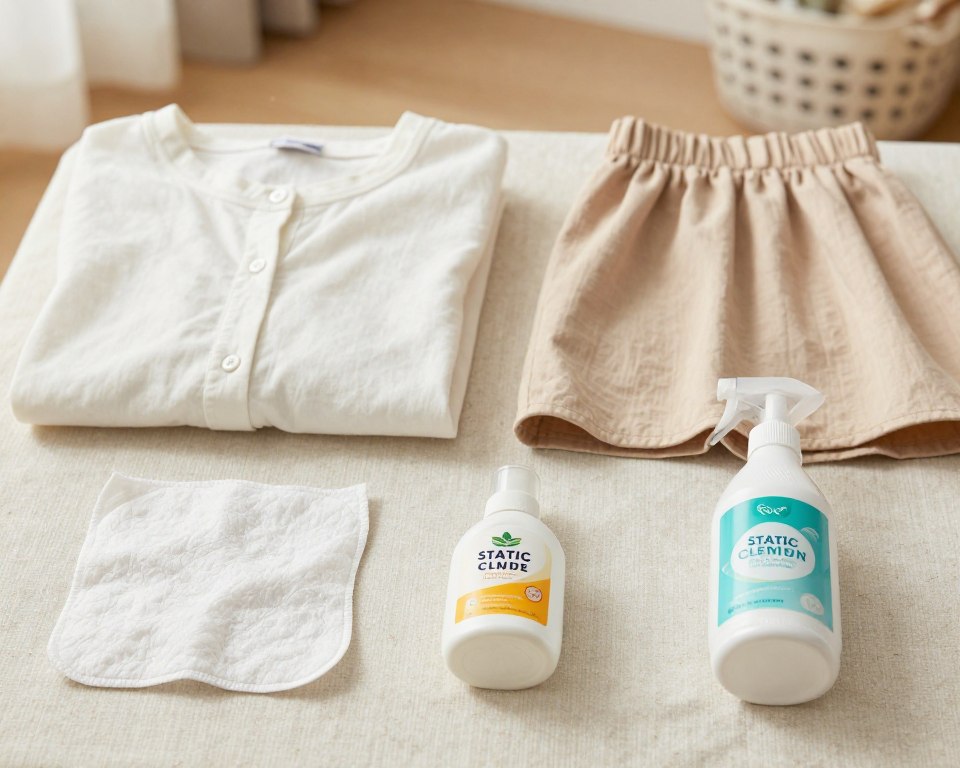
Preventing Static Cling: Tips for Laundry and Dryer Use
To effectively manage and prevent annoying cling, it’s essential to focus on strategies that address the root causes within the laundry process. This proactive approach can significantly reduce static cling before your garments even reach the closet.
Using Dryer Sheets and Wool Dryer Balls
Dryer sheets are a popular solution for minimizing static cling. These sheets are coated with heat-activated fabric softeners that transfer to fabrics during the drying cycle. This coating reduces friction between fibers and neutralizes static electricity charges. Typically, one dryer sheet per standard load is sufficient, and it’s important not to reuse the same sheet across multiple cycles.
Wool dryer balls are another effective option. These natural spheres absorb moisture during the drying cycle, preventing over-drying, which is a common cause of static cling. Using three to six dryer balls per load ensures proper separation of laundry items and consistent moisture distribution. Unlike dryer sheets, wool dryer balls are reusable and chemical-free, making them a sustainable choice.
Separating Fabrics and Avoiding Overdrying
Another key strategy is to separate laundry by fiber type before using the dryer. Synthetic fabrics, such as polyester and fleece, generate significantly more static than natural fibers like cotton and linen. Drying these categories separately can dramatically reduce static and optimize drying time, as synthetics tend to dry faster.
Avoiding over-drying is crucial as well. Remove clothes from the dryer while they still retain a slight amount of dampness—about five to ten minutes before the automatic cycle ends. This practice preserves enough moisture to prevent electron buildup, which leads to static cling, while also reducing wrinkles and energy consumption.
Hang-Drying and Increasing Humidity at Home
Hang-drying or air-drying clothing is one of the most reliable methods to prevent static cling entirely. Air-dried garments retain their natural moisture balance and avoid the friction caused by tumbling in the dryer. Whether using indoor drying racks or outdoor clotheslines, this method effectively eliminates static issues.
Managing humidity levels in your home can also help. Using a humidifier during winter months or in arid climates increases ambient moisture, which neutralizes electrical charges on textiles. Maintaining indoor humidity between 30% and 50% can significantly reduce static incidents across all laundry.
In addition to these methods, liquid fabric softeners can serve as a complementary tool. These products deposit cationic surfactants onto fibers during the rinse cycle, creating a lubricating layer that reduces friction in the dryer and helps to diminish static cling throughout the garment’s wear life.
By adopting a layered prevention approach—combining dryer sheets or wool dryer balls with proper fabric separation, avoiding over-drying, and using a humidifier—you can create an environment where static cling struggles to develop. This not only helps to eliminate static before it starts but also extends the life of your garments and reduces energy costs.
| Prevention Method | Description |
|---|---|
| Dryer Sheets | Coated with fabric softeners that reduce friction and neutralize static. |
| Wool Dryer Balls | Absorb moisture to prevent over-drying; reusable and chemical-free. |
| Fabric Separation | Separating synthetics from natural fibers reduces static generation. |
| Hang-Drying | Eliminates friction and retains natural moisture, preventing static cling. |
| Humidity Management | Using a humidifier raises moisture levels to neutralize electrical charges. |
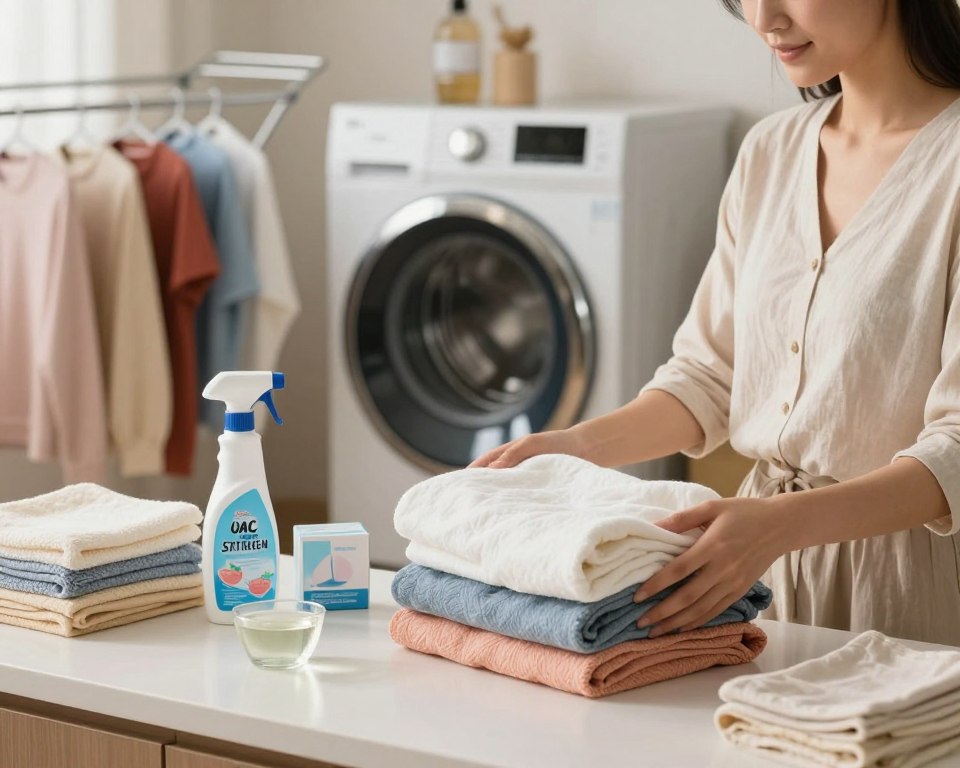
Conclusion
Experiencing the discomfort of garments clinging unexpectedly is a common frustration. Fortunately, using anti-static products correctly makes them safe for immediate application on clothing. This convenience allows individuals to effectively get rid of static during dressing emergencies without risking fabric integrity or skin health.
Understanding the importance of proper application is crucial. By maintaining the correct spray distance and allowing a brief drying time, consumers can confidently incorporate these products into their daily routines. While these sprays tackle the symptoms of cling effectively, combining them with preventive laundry practices is essential for long-term solutions.
Static electricity is a predictable phenomenon, driven by low humidity and fabric friction. By understanding these factors, individuals can better manage cling in various situations. Embracing a multi-layered strategy, such as using dryer modifications and portable solutions, can significantly reduce static issues.
We encourage readers to assess their laundry habits and identify common static triggers. Implementing at least one preventive measure and one immediate fix can help eliminate the frustration of cling and restore comfort to everyday dressing.
FAQ
What Is Static Cling?
Static cling refers to the phenomenon where fabrics stick together due to an imbalance of electric charges. This occurs when electrons are transferred between materials, creating attraction.
Why Does Static Cling Happen More in Winter and Dry Conditions?
Cold air holds less moisture, which increases the likelihood of static electricity buildup. In dry conditions, fabrics are more prone to losing electrons, leading to cling.
How Do Fabrics and Dryers Contribute to Static Electricity?
Certain materials, especially synthetic ones, are more likely to generate static electricity. Dryers can exacerbate this by causing friction between fabrics, leading to charge accumulation.
What Are Common Ingredients in Static Cling Sprays?
Many sprays contain silicone-based compounds, alcohol, or other surfactants designed to reduce friction and neutralize electric charges on fabrics.
What Safety Considerations Should I Keep in Mind for Skin Contact and Fabric Types?
It’s essential to check for skin sensitivity and fabric compatibility. Some sprays may cause irritation or damage delicate materials, so always read labels before use.
What Do Experts Say About Using Static Cling Spray?
Experts recommend using these products sparingly and suggest testing on a small fabric area first. Precautions include avoiding direct skin contact and ensuring good ventilation.
How Can I Effectively Use Static Cling Spray on Clothes?
To apply safely, hold the spray at a distance of about 6-12 inches from the fabric. Lightly mist the clothing and allow it to dry before wearing for best results.
What Are Some Travel Tips for Managing Static Cling?
Carry a travel-sized spray for quick fixes. Additionally, wearing natural fibers can help reduce static buildup while on the go.
What Are Other Simple Ways to Manage Static Cling While Wearing Clothes?
Using hair spray, moisturizing skin, or carrying metal objects like safety pins can help reduce cling. A damp cloth can also serve as a quick fix.
How Can I Prevent Static Cling During Laundry?
Utilizing dryer sheets and wool dryer balls can minimize static. Additionally, separating fabrics and avoiding overdrying can help maintain moisture levels.
What Are Some Effective Tips for Increasing Humidity at Home?
Using a humidifier can help add moisture to the air, reducing static electricity. Alternatively, placing bowls of water near heat sources can also increase humidity levels.