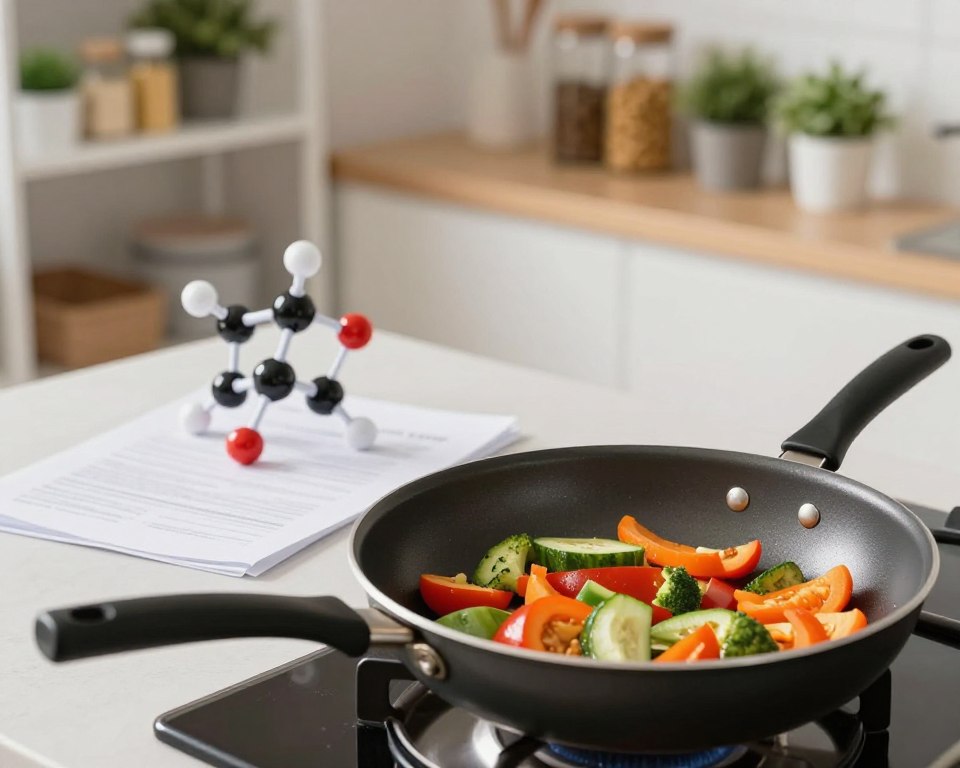
Many home cooks wonder if their favorite nonstick pans are safe. They ask if the ease of use comes with health risks. Understanding the science behind your kitchen tools is key to a safe home.
Polytetrafluoroethylene, or Teflon, is a common coating on nonstick pans. It has been in American kitchens for years. But, there are worries about its safety when heated high.
Evidence-based research helps clear up these concerns. This article looks at the facts to see if Teflon is safe for cooking. We aim to help you choose safe kitchen tools for your family.
Key Takeaways
- Nonstick cookware uses a synthetic polymer called PTFE.
- Safety depends on the temperature during cooking.
- Overheating pans can release harmful fumes.
- Modern standards have made products safer.
- Proper care and heat control are best for safety.
Understanding the Chemistry of Polytetrafluoroethylene
The science behind nonstick surfaces is based on a synthetic fluoropolymer called polytetrafluoroethylene, or PTFE. Known as Teflon, it’s made for lasting durability and chemical resistance. Its unique kitchen performance comes from its complex molecular structure.
At its core, PTFE has strong carbon-fluorine bonds. These bonds are among the strongest in organic chemistry, making the polymer very stable. Because of these bonds, the material stays chemically inert. This means it doesn’t react with food, cleaning agents, or typical cooking temperatures.
The low-friction surface of nonstick cookware comes from the fluorine atoms. They form a protective layer around the carbon backbone, stopping other substances from sticking. This non-reactive nature is why the coating stays stable during cooking.
The table below shows the key chemical characteristics that make this polymer stable and functional in a home setting.
| Property | Description | Benefit for Cooking |
|---|---|---|
| Chemical Inertness | Resists reaction with acids and bases | Prevents flavor transfer to food |
| Low Surface Energy | Repels water and oil molecules | Ensures easy food release |
| Thermal Stability | Maintains structure under heat | Safe for standard stovetop use |
| Bond Strength | High carbon-fluorine energy | Provides long-lasting durability |
The coating’s molecular integrity makes it a reliable surface for cooking. Knowing these basic properties explains why it’s safe within its temperature limits. The stability of the carbon-fluorine bond is the main reason for its use in kitchenware.
Is Teflon Toxic to Humans Under Normal Cooking Conditions
Many people wonder if Is Teflon Toxic when it comes to kitchen safety. Under normal cooking conditions, PTFE is seen as safe and non-reactive. It’s okay to use it every day.
The material stays safe as long as you follow the manufacturer’s instructions. Most cookware is made to work well at temperatures below 500°F.
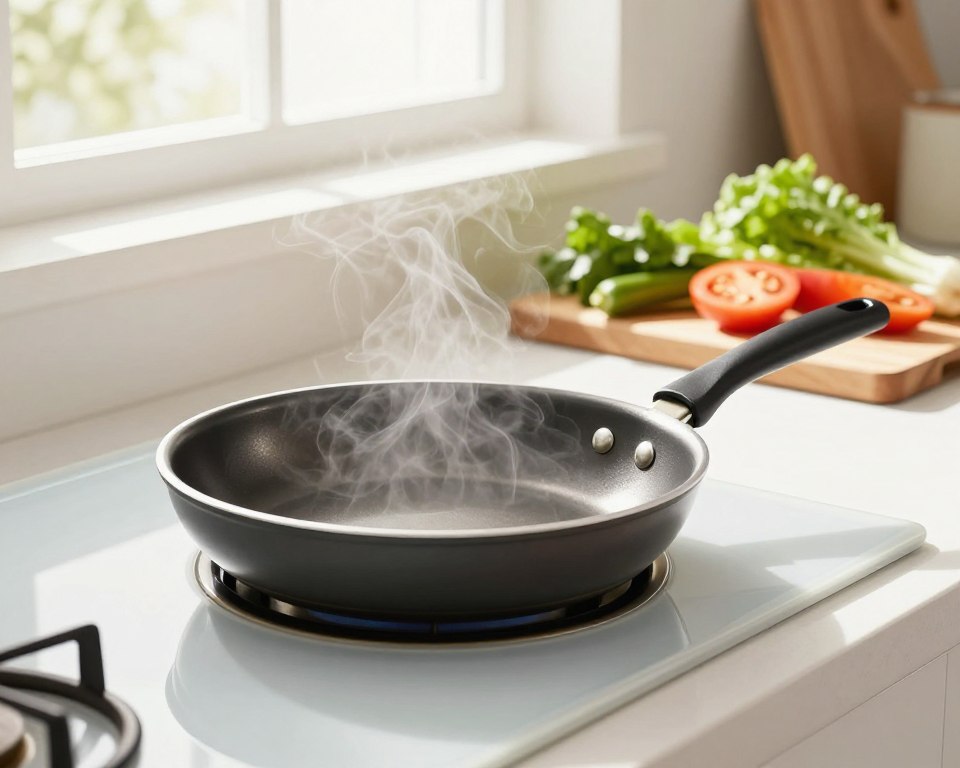
But, there’s a catch. High heat can damage the coating. This can lead to fumes that aren’t good for the air inside your home.
These problems usually happen when you misuse the pan. For example, leaving an empty pan on high heat for too long. Knowing about Teflon health effects helps you understand the main risk. It’s not the coating itself, but how you use it.
To stay safe, keep the heat moderate and avoid overheating. Proper usage is the key to keeping your kitchen tools safe and effective.
The Evolution of Nonstick Coatings and PFOA Elimination
The move away from perfluorooctanoic acid (PFOA) is a big step in making cookware safer. For years, PFOA helped make nonstick coatings stick to metal. This made the nonstick surface work well.
But, studies showed PFOA was bad for the environment and health. By the mid-2010s, big companies in the U.S. stopped using PFOA. This industry-wide transition means today’s nonstick pans are made without PFOA. This makes the making of pans cleaner.
It’s key to know older pans might not be as safe as new ones. Pans bought before 2013-2015 might have PFOA. Modern manufacturing standards now make pans safer for homes.
The table below shows how making nonstick pans has changed:
| Feature | Historical Cookware (Pre-2013) | Modern Cookware (Post-2015) |
|---|---|---|
| PFOA Usage | Used as a processing aid | Completely eliminated |
| Manufacturing Focus | Performance and adhesion | Safety and sustainability |
| Regulatory Status | Limited oversight | Strict industry compliance |
| Chemical Profile | Potential PFOA residue | PFOA-free |
Knowing this history helps people choose safer kitchen tools. Even though the main material is still PTFE, getting rid of PFOA is a big plus. Swapping out old pans for new ones is a smart move for safety.
Temperature Thresholds and the Risk of Thermal Degradation
Keeping heat levels in check is key to avoiding Teflon nonstick coating risks. These surfaces are made for ease but have limits. When these limits are hit, they start to break down at high temperatures.
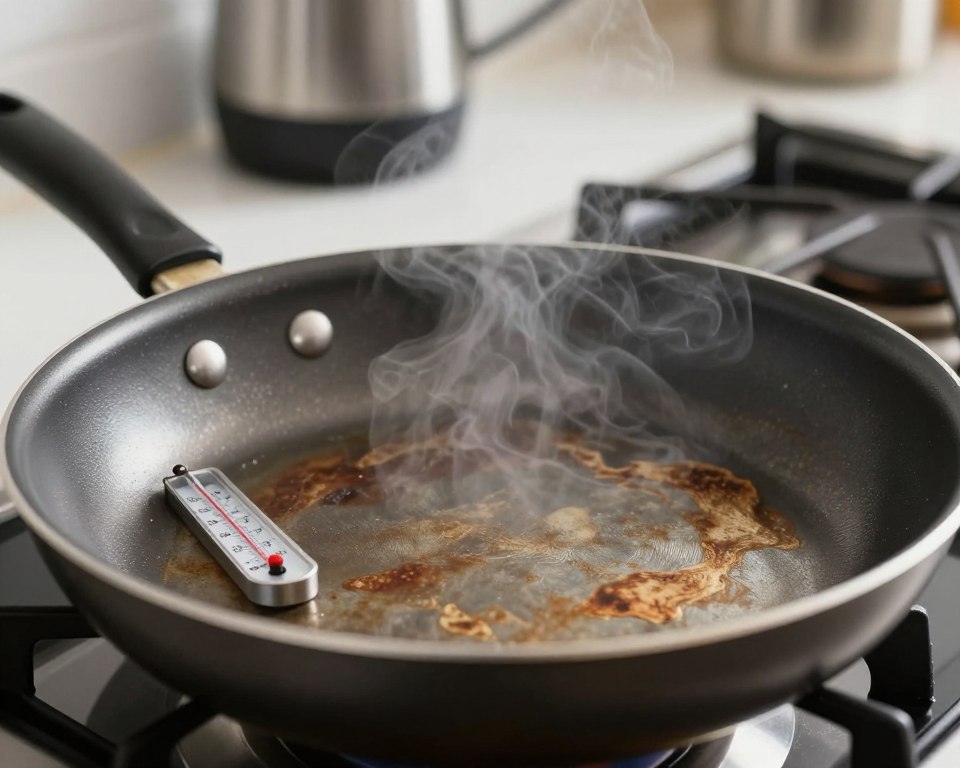
When the pan gets too hot, between 500°F and 570°F, the coating starts to break down. This can cause fumes to release. These fumes might be hard to see but can be harmful if breathed in a lot. It’s important to know these heat levels to keep your cookware and home safe.
To avoid these high temperatures, follow some simple stovetop tips:
- Avoid preheating empty pans on high heat, as they can reach dangerous temperatures in under two minutes.
- Use medium or low heat settings for most cooking tasks, as nonstick surfaces are highly efficient at heat distribution.
- Never leave cookware unattended on a burner, specially when using induction or high-output gas stoves.
- Ensure proper ventilation by using your range hood or opening a window while cooking at higher temperatures.
By following these tips, you can manage Teflon nonstick coating risks well. This keeps your kitchen safe. Also, it helps your nonstick surface last longer for reliable use.
Health Risks of Teflon and Potential Chemical Exposure
When we talk about Teflon dangers, it’s key to know the difference between everyday use and extreme heat. Normal cooking doesn’t cause nonstick surfaces to release harmful gases into the air.
But, if a pan gets too hot, the coating can break down. This can lead to fumes that cause a condition called polymer fume fever.
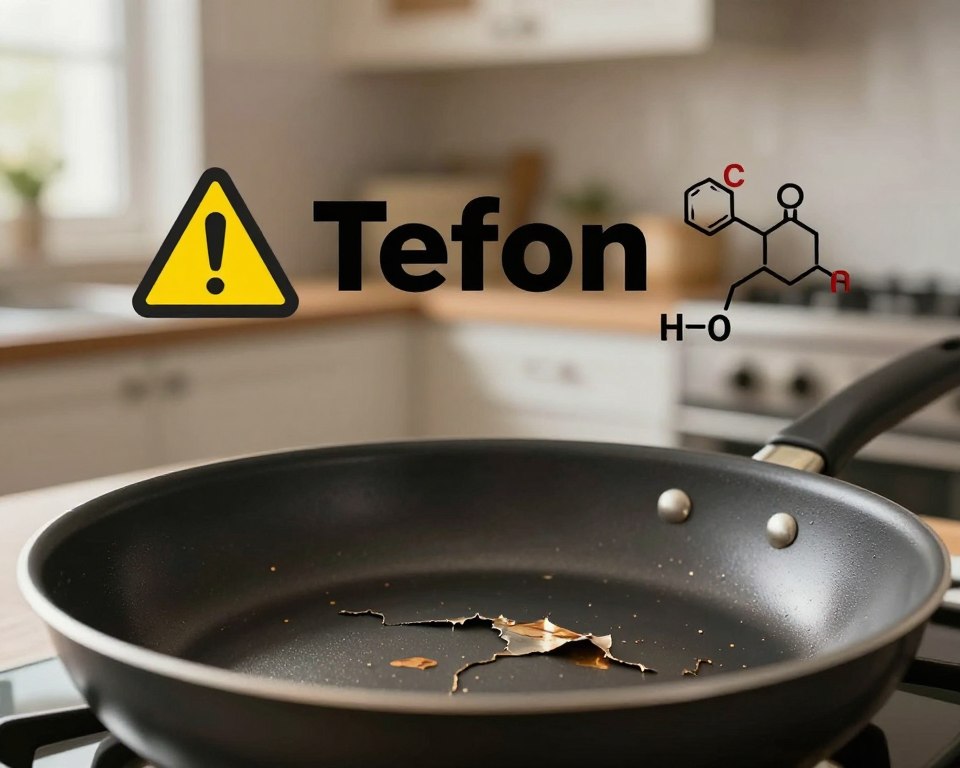
The symptoms of health risks of Teflon are like having the flu. People might feel cold, have a slight fever, and a headache after breathing in these fumes.
These symptoms usually go away in a day or two. They don’t cause lasting harm. It’s mainly when cookware is used way too hot that problems arise, not during regular cooking.
Doctors say these effects are short-term and don’t harm people long-term. To stay safe, just make sure to ventilate well and don’t overheat your pans.
Teflon Safety Concerns for Pet Owners and Avian Sensitivity
It’s important to think about how cookware affects pets in your home. Teflon safety concerns are big for bird owners. Birds are very sensitive to the air around them.

Even when it seems safe for us, nonstick coatings can release harmful gases. These gases are very dangerous for birds and can make them very sick quickly.
Understanding Polymer Fume Fever in Birds
In people, breathing in hot nonstick fumes can cause a mild illness called polymer fume fever. This illness goes away once you’re away from the fumes.
But birds react differently and it’s much more lethal. Birds take in toxins fast because of their efficient breathing. This can lead to serious lung problems.
These problems can cause birds to stop breathing before you even notice something’s wrong.
Why Household Birds Are Particular Vulnerable
Birds are made for flying, with special air sacs that keep air moving through their lungs. This means they quickly take in kitchen air toxins.
To keep birds safe, keep them out of the kitchen. This is the best way to avoid accidents.
If you must use nonstick pans, make sure the kitchen is well-ventilated. Using fans or opening windows helps. Many bird experts suggest using safer materials like stainless steel or cast iron to avoid Teflon safety concerns.
Teflon Toxicity Information and Regulatory Standards
Looking into Teflon toxicity information means checking what national health groups in the U.S. do. The Environmental Protection Agency (EPA) and the Food and Drug Administration (FDA) set high standards for kitchen items. They make sure products in your kitchen are safe before they hit the stores.
The rules cover what’s in the coatings and if it can get into food. Companies must follow strict rules for making nonstick stuff. This helps keep you safe by making sure cookware is made with safety in mind.
There are a few main ways these standards are kept:
- Material Approval: The FDA checks if substances are safe for food before allowing them.
- Labeling Requirements: Companies must tell you how to use and what temperatures to avoid.
- Ongoing Monitoring: Groups keep an eye on Teflon toxicity information and update rules as new science comes in.
Knowing about these steps gives you peace of mind about your kitchenware. By following the maker’s advice and keeping to temperature limits, you can use nonstick items safely. These rules help connect complex science with everyday safety in your home.
Comparing PTFE to Other Nonstick Alternatives
PTFE-based pans are easy to use, but other materials have their own benefits. People choose based on their cooking style, how they like to clean, and safety concerns. Knowing the differences helps pick the right tools for a healthy kitchen.
Ceramic Coated Cookware Characteristics
Ceramic pans use a sol-gel coating made from sand. They don’t have PTFE or PFOA. This makes them great for those who want to cook with less oil.
But, ceramic coatings don’t last as long as some other materials. The surface can get less slick over time. To keep it good, avoid high heat and harsh cleaners.
Cast Iron and Stainless Steel Longevity
Cast iron and stainless steel are very durable. They don’t need chemical coatings, so there’s no worry about toxic fumes. Cast iron gets a nonstick layer when seasoned right.
Stainless steel lasts a long time and doesn’t get damaged easily. It takes some practice to use it right, but it’s very durable. These are good choices for those who want something that lasts.
Best Practices for Maintaining Nonstick Cookware
Keeping your cookware safe from Teflon safety concerns starts with daily care. Taking good care of your pans helps them last longer. This is key to a safe kitchen.
Proper Cleaning Techniques to Prevent Scratches
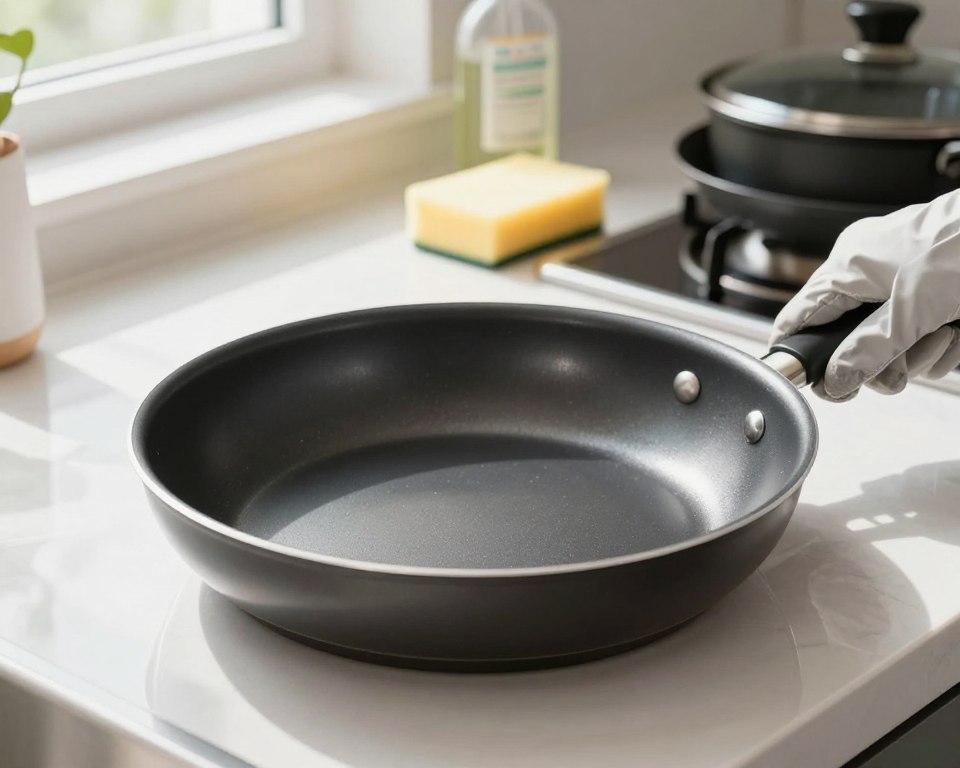
Let your pans cool down before you wash them. Sudden changes in temperature can damage the nonstick layer. This might cause unnecessary wear.
Use a soft sponge or a microfiber cloth with mild dish soap for cleaning. Stay away from abrasive scrubbers, steel wool, or harsh chemicals. They can harm the nonstick finish. For more on safe cleaning, check out is oven cleaner toxic.
Recommended Utensils for Teflon Surfaces
The tools you use are as important as your cleaning routine. Metal utensils can scratch the nonstick coating. This makes cleaning harder and less effective.
Use silicone, wooden, or heat-resistant plastic utensils instead. These won’t damage the pan. Using these tools helps keep your cookware in great shape for years.
Identifying Signs of Damaged Nonstick Coatings
It’s important to know when your cookware needs to be replaced. Even with today’s durable nonstick coatings, they can still wear out. Knowing about Teflon dangers helps you keep your kitchen safe.
Look out for deep scratches, peeling, or big color changes in your pans. If the coating starts to flake off into your food, stop using it right away. Learn more about PFAS in your pan to understand the science behind it.
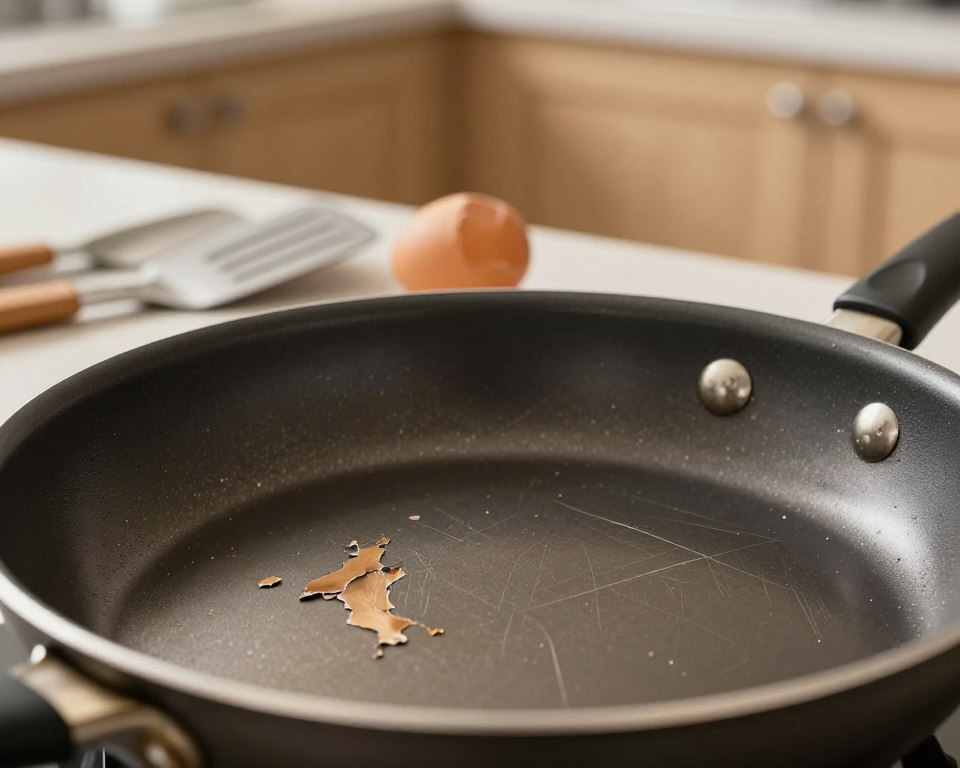
Small scratches from soft tools might not mean you need a new pan. But, if you see deep cuts that show the metal underneath, it’s time to get a new one. Replacing damaged pans early can help avoid chemical risks at home.
Watching your pans for these signs is key to avoiding Teflon nonstick coating risks. If you’re unsure, it’s better to get a new pan than to keep using a worn one. Keeping your cookware in good shape helps keep your cooking safe for everyone.
Teflon Chemical Hazards and Environmental Impact
The world outside the kitchen is affected by Teflon’s production and disposal. We must look at the whole life cycle of these materials. This includes from making them to getting rid of them. These substances last a long time in nature, which is a problem.
The Teflon environmental impact comes from how it’s made. Old methods used hard-to-break-down substances. Now, the industry is changing to be better for the planet. They’re using new ways to manage waste and make things more sustainably.
Companies are now using closed-loop systems to catch byproducts before they harm the environment. These proactive measures help keep water and soil clean. By improving how they make things, companies aim to meet our needs without harming the planet.
Being a responsible shopper means knowing how our choices affect the planet. As the industry gets better, we can support them by picking brands that care about the environment. Understanding the big picture helps us make choices that are good for us and the planet.
| Environmental Factor | Historical Context | Modern Industry Standard |
|---|---|---|
| Chemical Persistence | High environmental longevity | Reduced bioaccumulation |
| Waste Management | Minimal containment | Advanced closed-loop systems |
| Manufacturing Focus | Performance-driven only | Safety and sustainability focus |
| Regulatory Oversight | Limited monitoring | Strict compliance protocols |
Image Disclosure and Educational Illustration Policy
We want to be open about the images we use in this guide. We pick a variety of educational illustrations to make hard topics easier to understand.
Some pictures in this guide might be AI-generated. These tools help make complex info simpler for our readers to grasp.
Remember, these images are meant to help, not replace a vet’s advice. They are for supplementary purposes only.
We make sure our images are accurate to support the text. Here’s a table that shows what our images are for and their limits:
| Visual Tool Type | Primary Purpose | Key Limitation |
|---|---|---|
| Educational Diagrams | Explain chemical structures | Not for clinical diagnosis |
| AI-Generated Graphics | Enhance conceptual clarity | Does not replace expert consultation |
| Safety Infographics | Summarize risk thresholds | Requires professional interpretation |
Pharmacist Perspective on Kitchen Safety and Material Choices
From a clinical view, your kitchenware’s safety depends more on how you cook than the materials. As a pharmacist, I often look into the health risks of Teflon and other household items. My aim is to help families make safer choices, so you can cook with confidence, not fear.
The main worry isn’t the coating itself, but how you use it. Overheating nonstick surfaces can cause them to break down. That’s why knowing how to safely use nonstick cookware is key. I advise patients to use good ventilation and control the heat to avoid problems.
Preventing Teflon chemical hazards is all about prevention. Keeping your stove at low to medium heat helps avoid damage. Sticking to a consistent cooking routine is the best way to keep your home safe.
“Making informed choices about kitchen materials is a practical step toward creating a safer home environment for your family. Knowledge is the best preventative medicine.”
I’ve made a table to help you compare kitchen materials. It shows their heat tolerance and how easy they are to clean. Picking the right tool for the job is a simple way to protect your health.
| Material Type | Heat Tolerance | Safety Profile |
|---|---|---|
| Nonstick (PTFE) | Low to Medium | Safe if not overheated |
| Cast Iron | Very High | Excellent durability |
| Stainless Steel | High | Non-reactive and stable |
| Ceramic | Medium to High | Natural mineral coating |
Conclusion
Choosing the right cookware is key to keeping your home and the planet safe. Today’s kitchen tools are super convenient but need careful use and upkeep. Knowing the truth about Teflon’s safety helps you avoid false worries.
Brands like T-fal and Calphalon make great pans that work well in certain situations. Keeping an eye on heat and replacing worn pans helps a lot. This way, you avoid risks and make your pans last longer.
Think about the big picture when picking new pans. Looking at Teflon’s impact on the environment helps you cook in a green way. Properly getting rid of old pans stops waste and keeps harmful stuff out of nature. Learning about these topics helps you make your kitchen safer and more efficient for your family.
FAQ
Is Teflon toxic when used for everyday cooking?
Teflon, or PTFE, is safe for cooking under normal conditions. Its strong bonds make it inert and safe for food. The FDA says it’s safe as long as it doesn’t get hotter than 500°F (260°C).
What are the primary health risks of Teflon if a pan is overheated?
Overheating Teflon pans can release harmful fumes. These fumes can cause polymer fume fever. It feels like the flu but goes away in a day or two. This mostly happens when pans are left on high heat without food.
Do modern nonstick pans still contain PFOA?
No, modern nonstick pans don’t have PFOA anymore. The EPA’s PFOA Stewardship Program made this change. Brands like Teflon have stopped using PFOA since 2013. So, today’s Teflon pans are safer.
Why does Teflon toxicity information highlight dangers to pet birds?
Birds are very sensitive to air pollution. Even a little heat damage to Teflon can harm them. It’s best to keep birds away from the kitchen when cooking.
Is it dangerous to ingest flakes from a scratched nonstick pan?
Eating Teflon flakes is not harmful. It doesn’t break down in your body. But, a scratched pan is a sign it’s time to replace it. This is because the pan might get too hot or react with food.
What are the best practices to avoid Teflon dangers in the kitchen?
Use silicone, wood, or plastic utensils to avoid scratching pans. Don’t preheat empty pans on high heat. Using an exhaust fan or opening a window helps prevent breathing in harmful fumes.
What is the Teflon environmental impact compared to other cookware?
Teflon doesn’t break down easily in the environment. Making and throwing away Teflon products can pollute water. If you care about the environment, consider ceramic or cast iron pans instead.
How do I know when it is time to replace my nonstick cookware?
Replace your pan if it’s discolored, scratched, or flaking. Replacing it keeps your kitchen safe and your food cooked well.
Are there safer alternatives to PTFE-based coatings?
Yes, there are safer options. Ceramic pans are PTFE-free and safe at high temperatures. Cast iron and carbon steel pans also work well without chemicals. They get nonstick from cooking oil.