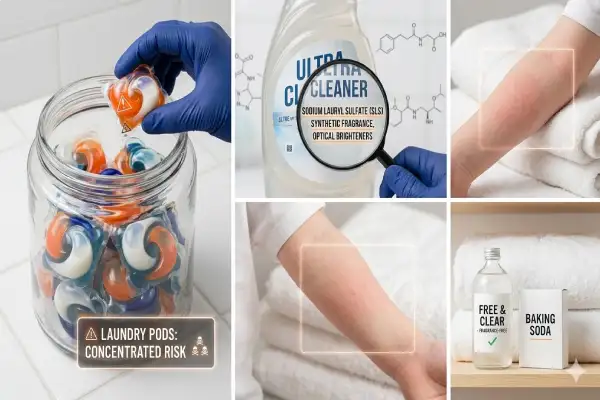
Did you know that the average household washes nearly 400 loads of laundry every year? This huge amount of cleaning leaves chemical residues on your clothes. These residues have a constant, direct impact on your skin health. Choosing the right detergent is now key for your family’s skin health.
When looking at Gain Ultra Flings vs. Tide Pods, you face a choice. You can pick intense fragrances or clinical cleaning. Some brands focus on scent, while others aim to reduce irritants. Knowing the chemical load of common detergents is vital for avoiding skin problems. This review helps you find a balance between fabric care and personal safety.
Key Takeaways
- Laundry detergents often contain synthetic fragrances and preservatives that can trigger skin irritation.
- Tide generally offers formulations that rinse away more cleanly, reducing the risk of residual chemical exposure.
- Gain is frequently noted for its strong scent profile, which may pose challenges for individuals with fragrance sensitivities.
- Optical brighteners and surfactants are primary contributors to possible dermatological reactions in sensitive users.
- Selecting a detergent requires balancing cleaning efficacy with the specific health needs of your household members.
The Evolution of Laundry Detergent Pods
Knowing the history of laundry pods is key for any laundry detergent comparison. The move from liquid and powder to premeasured pods changed how we do laundry in the U.S.
These products have a dissolvable film that releases strong cleaners when water hits it. This makes doing laundry easier and packs more cleaning power into each cycle.
“Innovation in household cleaning is rarely just about the soap; it is about changing the physical interaction between the user and the chemical product.”
The pods work because of a special film. It stays solid until it gets wet, then it breaks down fast. This lets a lot of cleaning agents get into the wash.
As people want things to work better, the market has focused on these small, effective pods. Doing a laundry detergent comparison helps users see the good and bad of these convenient, strong cleaners.
Understanding the Chemical Composition of Gain Ultra Flings
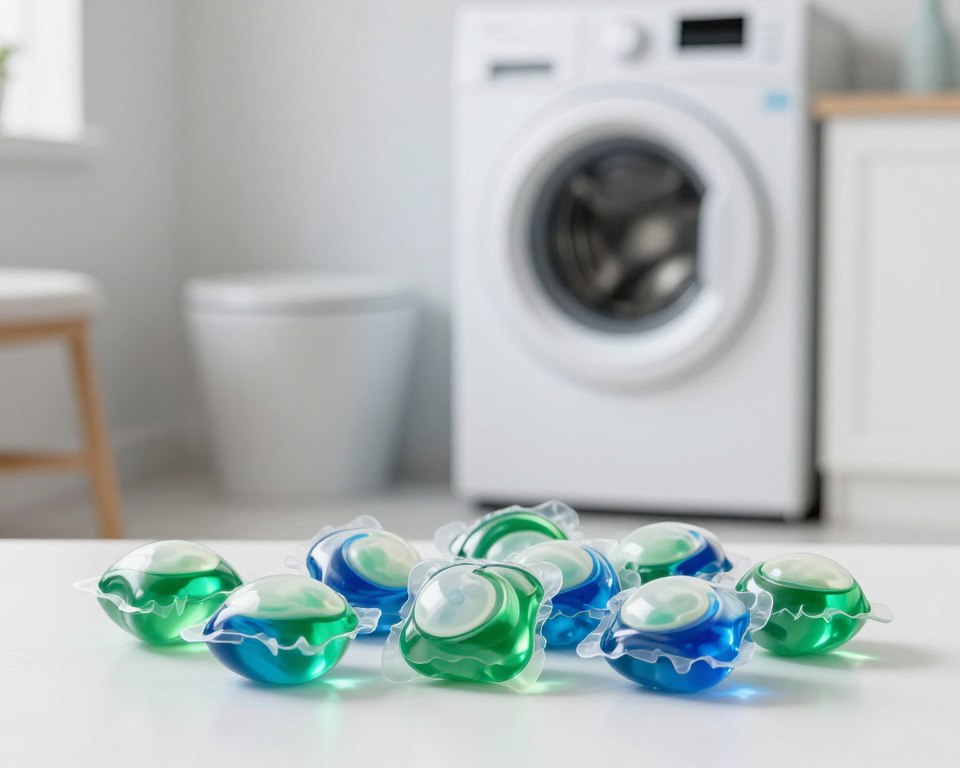
Modern laundry cleaning products like Gain Ultra Flings use advanced chemistry to tackle tough stains. When we review detergent pods, it’s key to look at their chemical makeup. This allows them to work well in different water types.
Surfactants and Cleaning Agents in Gain
The main cleaning power comes from a special mix of surfactants. These molecules have two parts: one that loves water and another that doesn’t. This lets them connect water with oily stains.
By making water’s surface tension lower, these agents get deep into fabric fibers. They pick up dirt, grease, and oils, keeping them in the water. This way, clothes get clean without needing a lot of scrubbing.
Fragrance Profiles and Volatile Organic Compounds
Gain Ultra Flings are also famous for their scents. These fragrances are made of complex chemicals that last a long time on clothes.
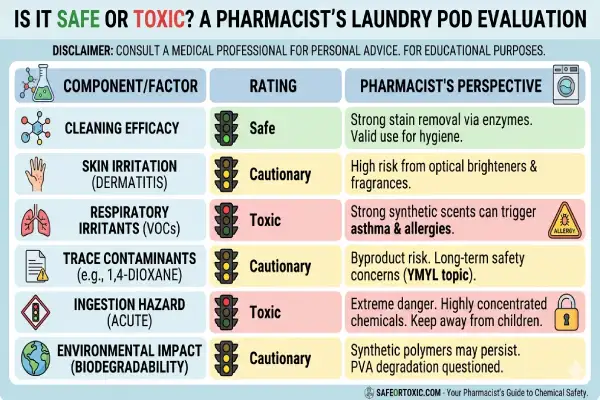
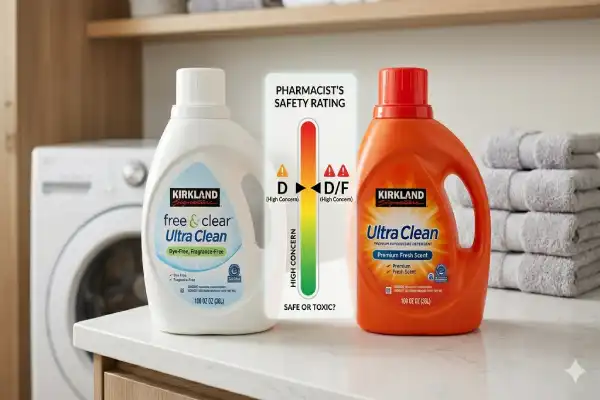
Some of these smells are volatile organic compounds (VOCs). While they make clothes smell fresh, they add to the chemicals in your home. If you’re worried about safety, comparing them to other products, like those in is Tide Pods toxic a pharmacist’s, can help.
| Chemical Category | Primary Function | Impact on Wash |
|---|---|---|
| Anionic Surfactants | Soil removal | High cleaning efficacy |
| Nonionic Surfactants | Oil emulsification | Gentle on synthetic fibers |
| Fragrance Additives | Scent delivery | Adds VOC chemical load |
| Enzyme Stabilizers | Stain breakdown | Enhances protein removal |
Analyzing the Chemical Load of Tide Pods
When looking at the best detergent for stains, we must check the chemicals in Tide PODS. These units have been a top choice for home cleaning ease and effectiveness. They use a special multi-chamber technology to keep the active ingredients separate until they mix in the wash cycle.
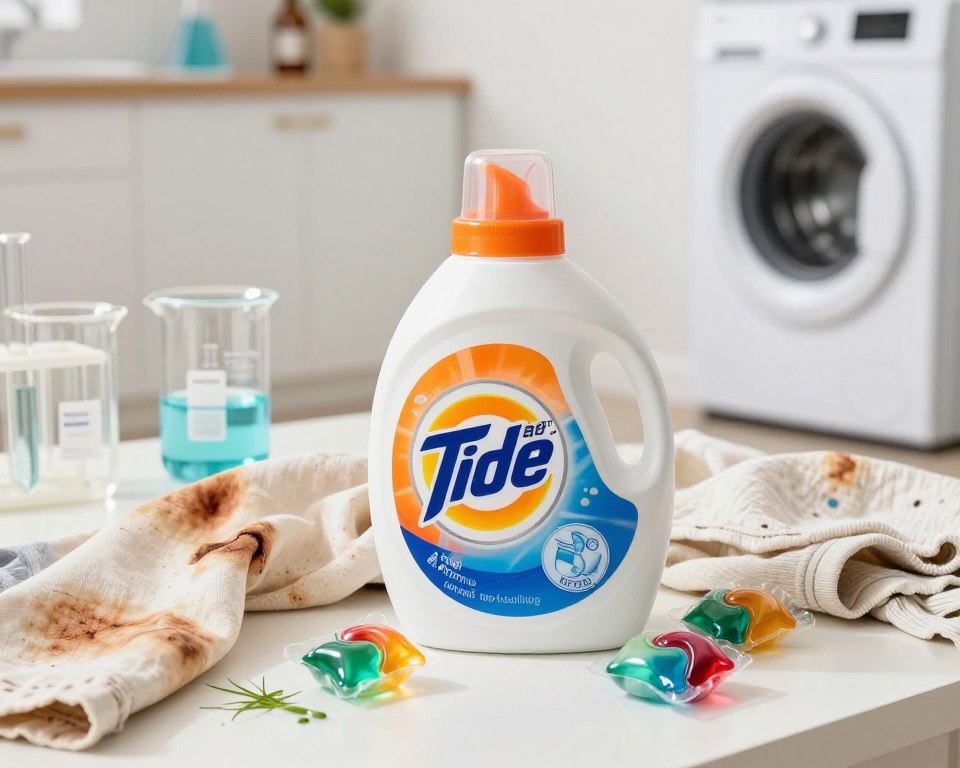
This design keeps the laundry cleaning products stable and strong until they meet water. It stops the chemicals from reacting too early, which could weaken the formula. People often compare laundry pods, powder, and liquid detergents to see how they stack up in everyday use.
Enzyme Technology and Stain Removal Power
The brand’s fame comes from its advanced enzyme technology. These enzymes target specific stains like blood or grass. They break down these stains, making it easier for the surfactants to remove them from fabrics.
Enzymes work fast to break down stains, making the surfactants more effective. This is why many see this as the best detergent for stains. The enzymes stay dormant until the pod dissolves in water, ensuring freshness.
Stabilizers and Solvents Used in Tide Formulations
Keeping a concentrated liquid stable in a thin film is a complex task. Stabilizers are added to prevent the ingredients from separating or losing strength. These components keep the product consistent and effective over time.
Solvents are key in keeping the active ingredients in a liquid state. This makes them dissolve quickly in different water temperatures. Without these solvents, the laundry cleaning products might not work well. The table below shows the main chemical types in these pods and what they do.
| Component Category | Primary Function | Impact on Cleaning |
|---|---|---|
| Enzymes | Biological breakdown | Targets specific stain types |
| Surfactants | Surface tension reduction | Lifts dirt from fabrics |
| Stabilizers | Formula consistency | Prevents ingredient degradation |
| Solvents | Ingredient suspension | Ensures rapid dissolution |
Gain Ultra Flings vs. Tide Pods: A Direct Comparison
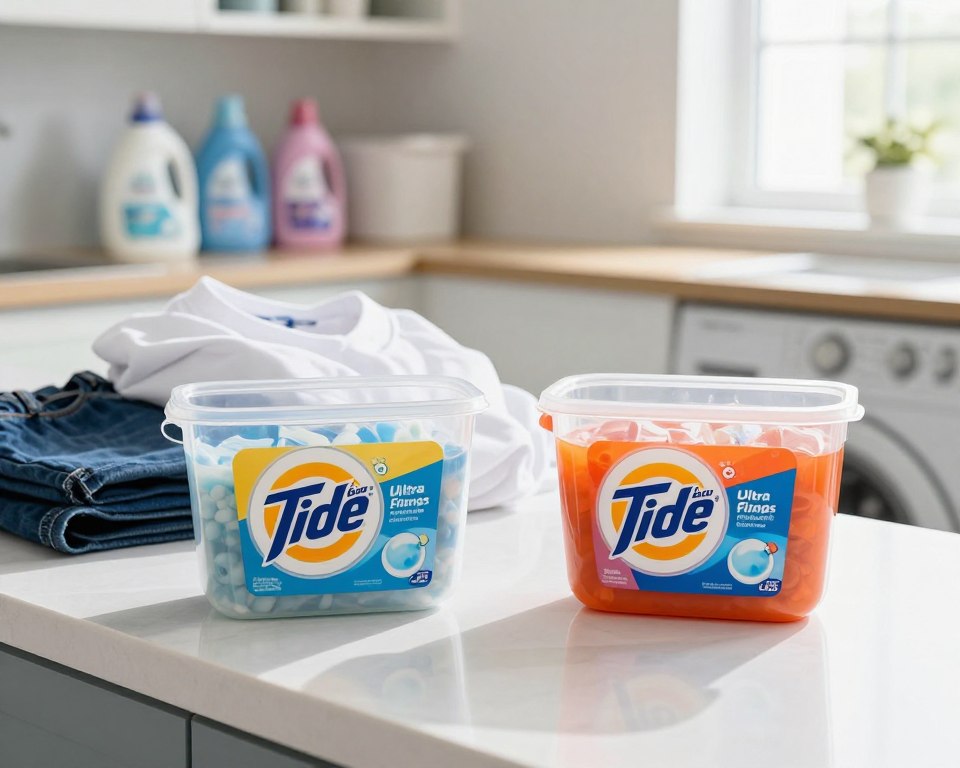
When looking at effective laundry solutions, Gain Ultra Flings and Tide Pods have their differences. They both have concentrated formulas to make washing easier. But, they serve different needs with their unique ingredients.
Cleaning Efficacy on Common Household Stains
Choosing the best detergent for stains depends on the stain type. Tide Pods are known for their enzyme blends. These enzymes are great at tackling tough stains like grass, blood, or food spills.
Gain Ultra Flings focus on scent longevity and cleaning power. They work well on everyday dirt and grime. But, their scent focus might affect their stain-fighting compared to Tide’s enzymes.
Dissolution Rates in Cold and Hot Water Cycles
The film technology in these pods dissolves quickly, but water temperature matters. In hot water, both brands dissolve fast, releasing their cleaning agents fully.
Cold water cycles are tougher for these detergents. Modern formulas have improved, but residue can happen if the machine is too full or the water is very cold. Tide usually dissolves better in cold water thanks to its special agents.
| Feature | Gain Ultra Flings | Tide Pods |
|---|---|---|
| Primary Strength | Scent Intensity | Stain Removal |
| Enzyme Activity | Moderate | High |
| Cold Water Performance | Good | Excellent |
| Best Use Case | Daily Refresh | Heavy Soil |
Skin Sensitivity Risks and Dermatological Considerations
As a pharmacist, I often see people dealing with skin issues from leftover detergent chemicals. These concentrated pods clean well but can be too much for the skin. If not fully rinsed, these chemicals stay in fabric, causing irritation.
The skin acts as a shield against the outside world. Harsh chemicals can break down this barrier, leading to inflammation and discomfort. Knowing how these products affect your skin is key to keeping your skin healthy.
Common Irritants Found in Concentrated Detergents
Concentrated detergents use a mix of chemicals to tackle tough stains. Surfactants are the main cleaning agents but can strip skin of its natural oils if left on clothes. They work by making water penetrate deeper into fabric.
Fragrances are also a common cause of skin problems. These synthetic scents can cause allergic reactions in some people. Also, enzymes used to break down protein stains can irritate the skin if they stay on clothes.
Identifying Symptoms of Contact Dermatitis from Laundry Products
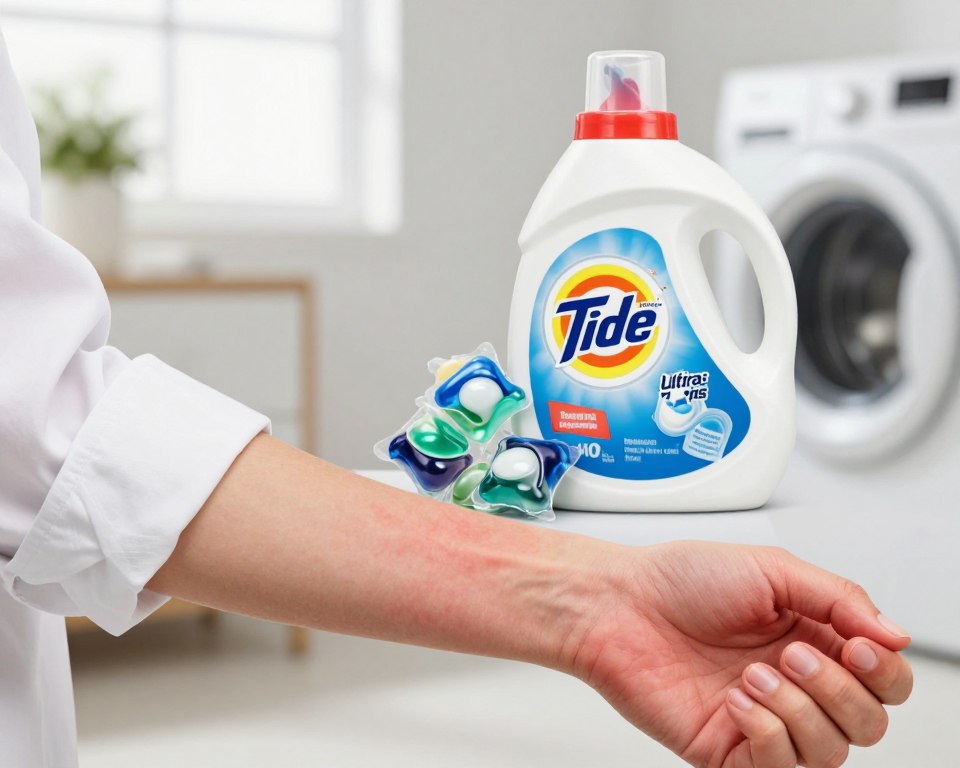
Contact dermatitis is a skin reaction to an outside substance. It often shows up as a red, itchy rash where clothes fit tight. Look for irritation around the waist, underarms, or back of the knees.
Symptoms can start within hours or days of wearing new clothes. Watch for these clinical indicators of a reaction:
- Persistent itching or burning sensations on the skin.
- Visible redness, swelling, or dry, scaly patches.
- Small, fluid-filled blisters in severe cases of contact.
- Increased sensitivity when the skin is exposed to heat or sweat.
If you think your detergent is causing problems, watch your skin closely. Early identification helps you change your laundry habits before irritation gets worse. If symptoms don’t go away, see a dermatologist for help.
Evaluating Gain Ultra Flings for Sensitive Skin
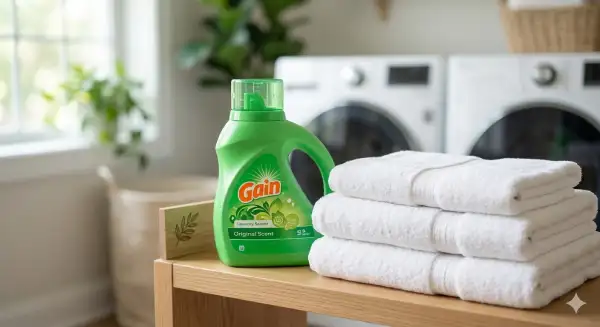
Gain Ultra Flings clean well but might not be safe for everyone. They have strong smells that could bother people with sensitive skin. It’s important to think about how these detergents might affect your skin.
Overview of Skin-Friendly Claims
The makers of Gain Ultra Flings focus on their strong scent and stain-fighting power. They don’t highlight how gentle these pods are for sensitive skin. Dermatological safety isn’t their main goal.
These pods have lots of surfactants and synthetic perfumes. This can cause skin problems like itching and rashes. Remember, a product can clean well but not be gentle on your skin.
Pros and Cons for Allergy-Prone Users
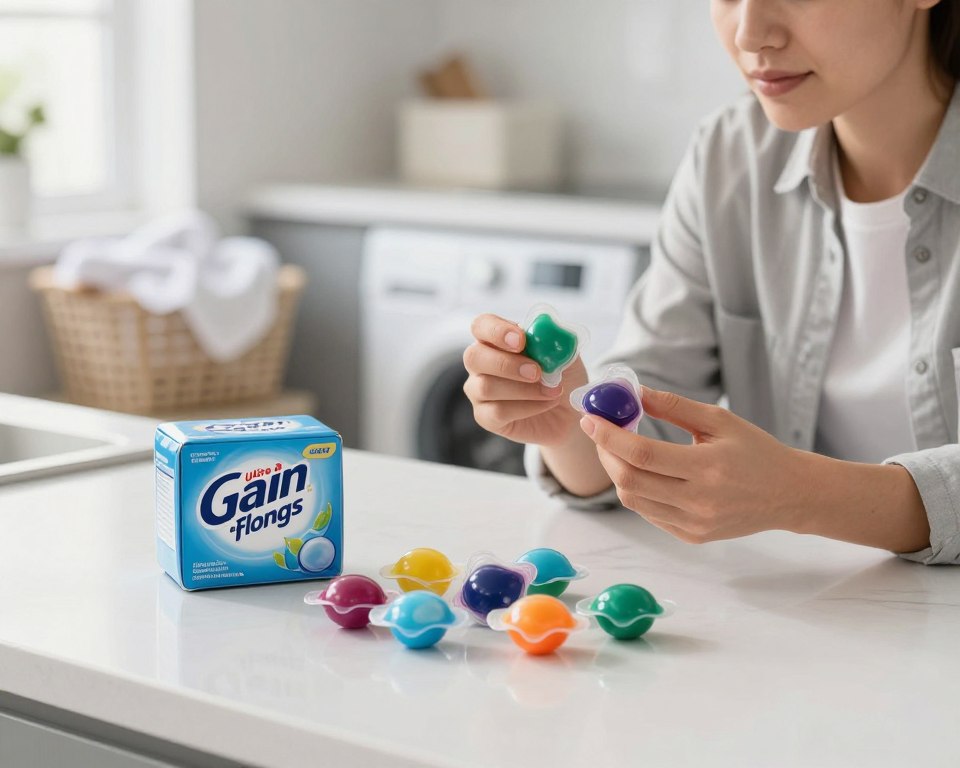
Think about how well these detergents clean and how they might affect your skin. Here are key points for those with skin allergies:
- High Cleaning Power: They remove tough stains well.
- Scent Persistence: The smell lasts a long time, but it might irritate your skin.
- Chemical Load: They have lots of chemicals that might stay on clothes.
- Lack of Hypoallergenic Certification: They’re not made for sensitive skin, so they might cause allergic reactions.
If you or a family member often gets skin irritation, try a patch test. Or, look for fragrance-free options. Prioritizing skin health means choosing products with fewer additives, even if they don’t smell as strong.
Evaluating Tide Pods for Sensitive Skin
For families with sensitive skin, it’s key to check the chemicals in Tide Pods. Many like the convenience of laundry pods. But, those with sensitive skin need to think about how these products affect their skin.
Overview of Dermatological Testing
Tide does thorough dermatological testing on their products. They test on human volunteers to see if there are any bad reactions. This makes sure the products are safe before they hit the market.
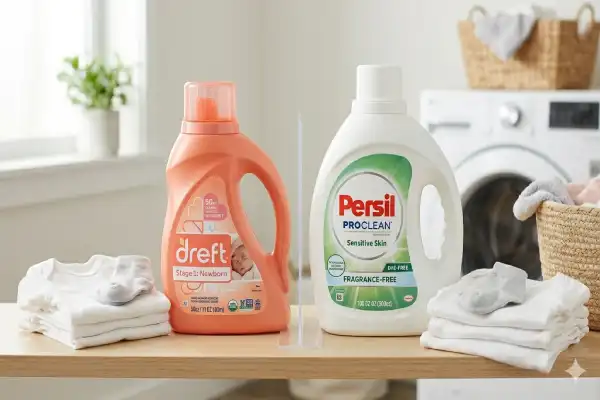
But, “dermatologically tested” doesn’t always mean “hypoallergenic.” Even with testing, everyone’s skin can react differently. Parents looking at options like special detergents for newborns should know the difference.
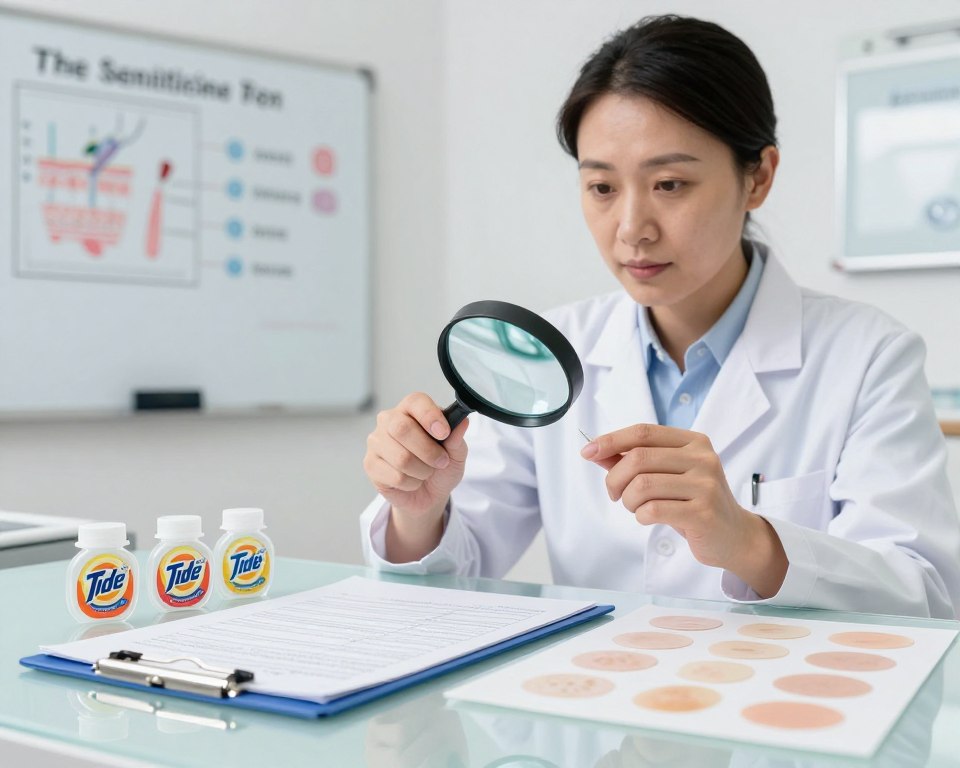
“The skin is our largest organ and acts as a primary barrier against environmental chemicals; choosing laundry products with minimal irritants is a proactive step in dermatological care.”
Pros and Cons for Sensitive Skin Households
When choosing laundry products, balance is key. Tide Pods are great at getting rid of tough stains. But, they can leave residues if the rinse isn’t enough.
| Feature | Benefit for Sensitive Skin | Potential Risk |
|---|---|---|
| Concentrated Formula | High cleaning efficiency | Higher risk of residue |
| Dermatological Testing | Verified safety protocols | Not always hypoallergenic |
| Fragrance Inclusion | Pleasant scent profile | Common trigger for dermatitis |
The main advantage of these products is the right amount of detergent. This helps avoid skin irritation. But, the disadvantage is the synthetic fragrances and enzymes. These can cause problems for very sensitive skin. Watch for signs like redness or itching after trying new products.
Pharmacist-Verified Safety Insights for Laundry Care
Understanding the safety of laundry care products is key. As a pharmacist, I tell patients that “concentrated” doesn’t mean safer or more natural. Higher amounts of surfactants and enzymes can cause skin irritation if not rinsed well.
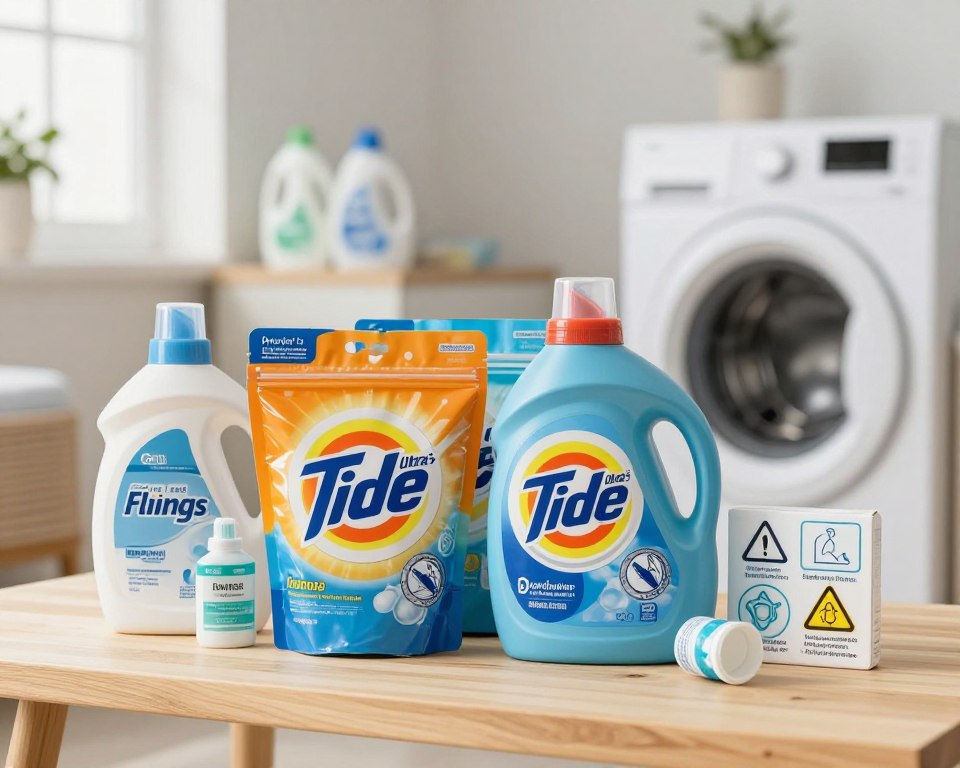
For a safe home, look beyond labels. Even top detergents can cause skin problems in some. Check out the best and worst laundry detergents to see how they stack up in tests.
Here are tips from a pharmacist for safe laundry use:
- Always read the full ingredient list to spot allergens like certain fragrances or preservatives.
- Prioritize an extra rinse cycle if you or your family have sensitive skin or eczema.
- Avoid overfilling the drum to ensure chemicals are fully rinsed away.
- Store all pods securely where kids and pets can’t get them to prevent accidents.
Your aim is to cut down on chemical contact while keeping things clean. Choose laundry care products with fewer harmful chemicals and follow the usage tips. Making smart choices is the best way to keep your home safe.
Best Practices for Reducing Chemical Exposure
Managing laundry care products safely is key to household safety. These products have strong chemicals that can be dangerous if not handled right. Setting up clear routines helps keep everyone safe from harmful chemicals.
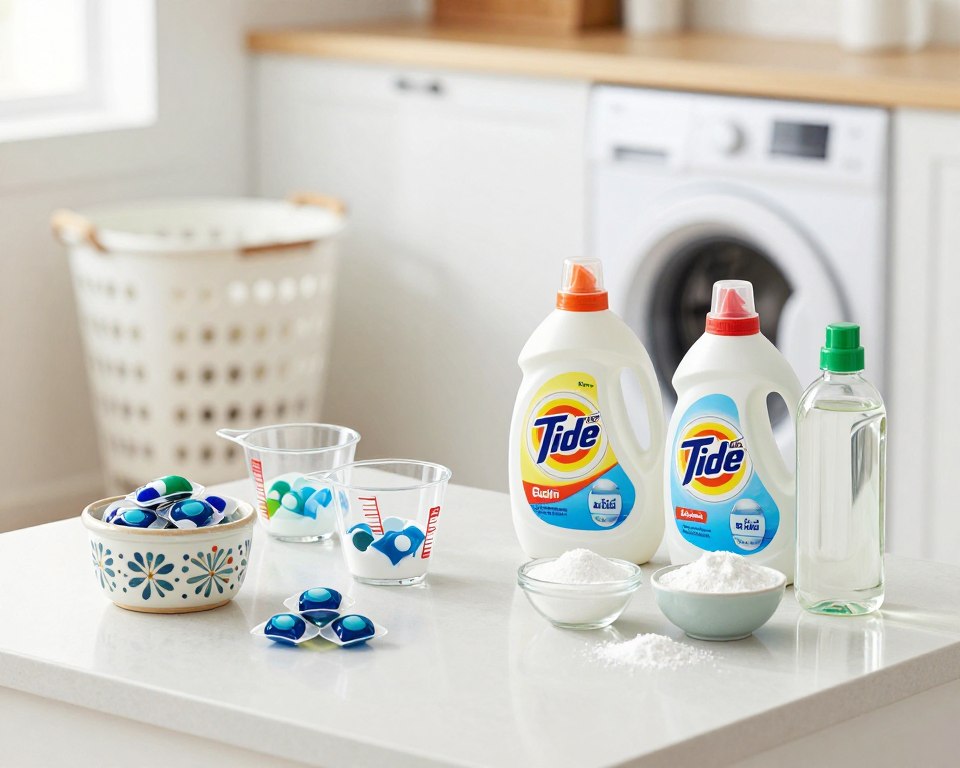
Proper Handling and Storage of Detergent Pods
Modern detergent pods are very concentrated. This means we must follow safety rules closely. In 2012, the U.S. Centers for Disease Control and Prevention warned about 500 kids getting poisoned from laundry pods. This shows how important it is to keep these pods away from kids and pets.
Always keep pods in their child-resistant packaging. Never put them on open shelves or near the floor. If you’re worried about how other things mix with these chemicals, check if fabric softeners are safe for babies to make sure you’re covering all bases.
Rinsing Techniques to Minimize Residue on Fabrics
Even after washing, chemicals can stay in fabric fibers. To lessen this, try an extra rinse cycle, mainly for clothes that touch your skin. This helps dilute the chemicals and fragrances left behind.
Using the right amount of water for your load size also helps. If clothes smell strong or feel stiff, it means the laundry care products didn’t rinse off fully. Keeping your washing machine clean helps clothes come out as clean as they can.
| Safety Practice | Primary Benefit | Implementation Level |
|---|---|---|
| Child-proof storage | Prevents accidental ingestion | High Priority |
| Extra rinse cycle | Reduces skin irritation | Recommended |
| Original packaging | Maintains chemical stability | Essential |
| Load balancing | Improves detergent dissolution | Standard |
Environmental Impact and Sustainability Factors
Sustainability in laundry rooms goes beyond just the detergent. It also includes the materials used in pod formats. As people become more aware of their environmental impact, the industry is under more scrutiny. We need to look at the whole lifecycle, from the chemicals to how they’re packaged.
Biodegradability of Pod Packaging Materials
Most laundry pods have an outer film made of polyvinyl alcohol (PVA or PVOH). This material is designed to dissolve in water, which is good for the environment. It’s important that it dissolves completely to avoid leaving behind harmful microplastics.
Even though PVA can break down, it depends on the wastewater treatment plant. The process involves several steps:
- Dissolution: The film turns into a liquid when it meets water.
- Microbial Action: Bacteria in treatment plants eat the polymer chains.
- Mineralization: The material turns into water and carbon dioxide.
“The environmental safety of water-soluble films relies on the efficiency of local water treatment infrastructure to fully process the dissolved polymers before they reach natural waterways.”
Water Usage and Energy Efficiency in Modern Washers
Today’s washing machines use less water than older ones. Detergents like Gain Ultra Flings and Tide Pods work well in these machines. Using the right amount is key to avoid wasting energy.
Switching to cold-water washing is a big step towards being more eco-friendly. These detergents use enzymes that work at lower temperatures. This saves energy and is better for the planet.
- Lower Utility Bills: Cold water uses less electricity or gas.
- Fabric Longevity: Cold water is gentler on clothes, making them last longer.
- Carbon Footprint Reduction: Using less energy means fewer greenhouse gases.
The impact of laundry pods is a team effort between makers and users. Choosing effective products and using energy-saving wash settings helps. This way, we can keep our clothes clean while being kind to the environment.
Cost-Benefit Analysis of High-Performance Detergents
High-performance detergents often cost more, making it important to look at their value. The ease of using pre-measured pods is a big plus. But, we must also think about how they affect our budget over time.
Price Per Load Comparison
Laundry pods are pricier than liquid or powder detergents. In stores, pods can be 50 percent more expensive per load than bulk options.
This higher cost comes from the complex making of the dissolvable film and the concentrated formula. When looking at effective laundry solutions, it’s key to compare the cost per wash cycle. This helps us decide if the convenience is worth the extra cost.
“True value in home maintenance is found not just in the sticker price, but in the efficiency and reliability of the product over time.”
| Detergent Type | Average Cost Per Load | Convenience Level | Primary Benefit |
|---|---|---|---|
| Liquid Detergent | $0.15 – $0.20 | Moderate | Cost Efficiency |
| Powder Detergent | $0.10 – $0.15 | Low | Budget Friendly |
| Laundry Pods | $0.25 – $0.35 | High | Time Saving |
Value Proposition for Heavy-Duty Cleaning Needs
For families with tough cleaning needs, top-rated laundry detergents can save money. They reduce the need for extra washes. This is great for families with lots of dirty clothes.
The convenience of not having to measure detergent is a big plus. It saves time and avoids spills. This is perfect for busy people or big families. The reliability of pre-measured pods means consistent cleaning without overusing or underusing detergent.
In the end, it’s up to you to decide. Do you want to save money on each load or make your laundry routine more efficient? Choosing the right detergent for your needs helps keep your clothes clean and your budget in check.
User Experience and Consumer Satisfaction Trends
Real-world use is key to judging a cleaning product. A detergent pods review shows how well these formulas work with different water temperatures and load sizes.
People share their thoughts on top-rated laundry detergents online. This helps others know if a product is worth it for their needs.
Common Complaints and Positive Feedback Patterns
Many users say the outer casing of pods doesn’t always dissolve in cold water. This leaves a sticky residue on clothes.
But, others love the intense cleaning power and lasting scent of Gain Ultra Flings and Tide Pods. They say these products tackle tough stains well, often without needing pre-treatment.
Some look for safer options, like oxygen bleach. This choice shows a growing desire for effective cleaning without harsh chemicals.
Reliability Across Different Washing Machine Models
Pods work differently in various washing machines. High-efficiency (HE) machines, which use less water, can struggle with breaking down the film if the drum is too full.
On the other hand, older, top-loading machines with more water do better at dissolving the film. Yet, these machines might not agitate as much as needed to activate the enzymes in top-rated laundry detergents.
In conclusion, a detailed detergent pods review shows success depends on choosing the right product for your machine. Following the manufacturer’s guidelines for load size and water temperature is key for consistent results.
Conclusion
Choosing between Gain Ultra Flings and Tide Pods depends on your household’s needs. Both brands offer strong cleaning for everyday messes. This comparison shows their effectiveness.
Your choice should consider stain removal and skin sensitivity. Different people react differently to fragrances and enzymes. So, it’s important to find what works best for you.
Always keep these products safe from kids and pets. Storing them properly prevents accidents. This way, your laundry stays effective and safe.
If you’re worried about skin irritation, start with a small load. Check how your clothes feel after washing. Your health and fabric care needs should decide your choice.
FAQ
When comparing Gain Ultra Flings vs. Tide Pods, which is more effective for heavy-duty stain removal?
Tide Pods are often the top choice for tough stains. They use advanced technology to break down proteins and fats. Gain Ultra Flings, on the other hand, are great for keeping clothes smelling fresh.
Are laundry detergent pods safe for people with highly sensitive skin?
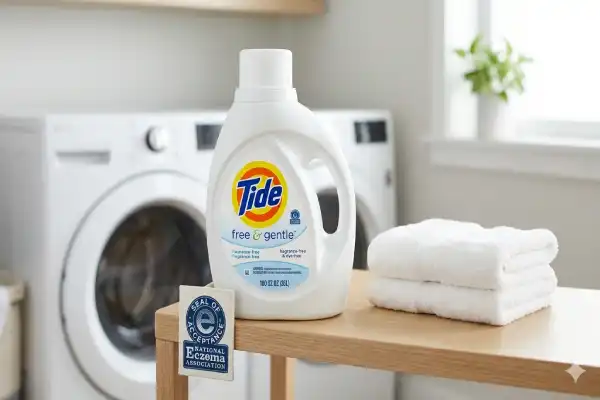
Pods can cause skin irritation in some people. If you have sensitive skin, look for “Free & Gentle” options. These products avoid dyes and perfumes found in regular pods.
Why is it important to follow specific storage protocols for these laundry cleaning products?
Pods are very concentrated and can be dangerous if not handled right. Keep them in their original packaging and out of reach of kids and pets. This is to avoid accidents.
Do Gain Ultra Flings or Tide Pods leave more residue on clothing after a wash?
Both brands are designed to dissolve well. But, residue can happen if the machine is too full or the water is cold. Always put the pod at the bottom of the drum. An extra rinse cycle can also help remove any leftover chemicals.
How does the price per load of pods compare to traditional liquid detergents?
Pods are usually more expensive per load than liquid or powder. But, they save time and are convenient. For those who need strong cleaning, the benefits might be worth it.
Are the films used in these top-rated laundry detergents environmentally friendly?
The outer film of pods is made of PVA, which dissolves in water. But, how fast it breaks down in water treatment plants is debated. Using eco-friendly washing settings can also help.
Can I use Gain Ultra Flings or Tide Pods in high-efficiency (HE) washing machines?
Yes, both are safe for HE machines. They are made to produce low suds, which is good for saving water. Using the wrong detergent can cause problems with your machine.