Did you know that household cleaning products cause over 10% of all toxic exposure calls to poison control centers in the U.S.? Many people think common laundry additives are safe. But, the truth is often different. As a pharmacist, I look at the data to help families make informed safety decisions.
Choosing the right product means knowing how they work with our bodies and surfaces. Whether it’s to protect pets or kids, evidence-based guidance is key for a healthy home. This article looks at the chemical and environmental effects of these two cleaners. It helps you decide which one is best for you.
Key Takeaways
- Understanding the chemical differences between cleaning agents is vital for household safety.
- Chlorine-based products often carry higher risks for respiratory irritation and surface damage.
- Oxygen-based alternatives provide effective cleaning power with a lower environmental footprint.
- Pharmacist-verified data helps prioritize the health of pets and family members.
- Always evaluate the specific toxicity profile of your cleaning supplies before use.
Understanding the Chemical Composition of Bleaching Agents
Cleaning our homes uses special chemicals like sodium hypochlorite and sodium percarbonate. These are key in laundry and cleaning products. Knowing their makeup helps us understand how they work.
Sodium Hypochlorite vs. Sodium Percarbonate
Sodium hypochlorite is in liquid bleach. It quickly breaks down stains with oxidation. It smells strong because it’s unstable in liquid.
Sodium percarbonate is in powdered oxygen bleach. It’s made from sodium carbonate and hydrogen peroxide. It’s more stable and gentle than chlorine bleach.
The Role of Stabilizers and Additives
Stabilizers keep oxygen bleach ingredients fresh for longer. They stop the active parts from breaking down too fast. This is important for keeping the bleach effective.
Chlorine bleach also has additives. They control how it reacts and its pH. Knowing this helps us see why we need to store bleach properly.
| Feature | Sodium Hypochlorite | Sodium Percarbonate |
|---|---|---|
| Primary State | Liquid | Powder |
| Active Mechanism | Chlorine Oxidation | Oxygen Release |
| Stability | Low (Degrades over time) | High (When kept dry) |
| Environmental Impact | Higher potential toxicity | Biodegradable |
How Chlorine Bleach Functions in Household Cleaning
To understand the debate between oxygen bleach vs chlorine bleach, we need to look at how chlorine bleach works on household surfaces. Chlorine bleach, made of sodium hypochlorite, is a strong chemical for quick results.
Oxidation Processes on Surfaces
The main way chlorine bleach works is through rapid oxidation. When it hits a surface, it takes electrons from organic molecules.
This action denatures proteins and messes up the structure of many contaminants. It breaks down these molecules, making stains and biological matter easy to clean up.
Disinfection Capabilities and Pathogen Control
It’s important to know the difference between cleaning and disinfection. Cleaning gets rid of visible dirt, but disinfection kills off biological threats.
Chlorine bleach is great at killing common household germs, like bacteria and viruses. It does this by damaging their cell walls. This is why it’s used in hospitals and homes for deep cleaning.
When choosing between oxygen bleach vs chlorine bleach, think about what you need. Chlorine bleach is strong against germs, but it’s harsh. Oxygen bleach is milder and better for everyday cleaning.
The Mechanism Behind Oxygen Bleach Cleaning
To clean deeply without harsh chemicals, you need to understand how oxygen-based cleaners work. Using oxygen bleach cleaning means you’re using controlled oxidation to break down organic matter. This method is both effective and gentle on most surfaces.
How Hydrogen Peroxide Releases Oxygen
The main part of these cleaners is sodium percarbonate, a stable powder that holds hydrogen peroxide. When it dissolves in water, it breaks down. This releases hydrogen peroxide, which then turns into water and active oxygen molecules.
These active oxygen molecules are key. They attack the chemical bonds of stains, odors, and organic debris at a molecular level. By breaking these bonds, the solution effectively removes dirt from fibers or surfaces. This provides significant oxygen bleach benefits for everyday laundry and home maintenance.
Activation Requirements for Maximum Efficacy
To get the best results, you need to consider the solution’s environment. The chemical reaction is very sensitive to temperature and pH levels. Knowing about these oxygen bleach ingredients helps you improve your cleaning routine.
- Temperature: Warm to hot water is needed to quickly release oxygen.
- pH Balance: A slightly alkaline environment stabilizes the solution and boosts its cleaning power.
- Contact Time: Letting the solution soak ensures the oxygen can deeply penetrate the material.
By keeping these conditions right, you get the most out of your cleaning agents. This way, you can achieve professional-grade results without the dangers of harsh synthetic chemicals. Regular use of these methods ensures you get the best from your eco-friendly cleaning supplies.
Is oxygen bleach safer than chlorine bleach for human health?
Many people wonder if oxygen bleach is safer than chlorine bleach for long-term use. Both are good at removing stains but affect our bodies differently. Knowing these differences helps keep our homes healthy.
Respiratory Irritation and Chlorine Fumes
Chlorine bleach releases gas when used, which can irritate the lungs. This is a big problem in places with little air. People with asthma or lung issues find these fumes very hard to handle.
Oxygen-based cleaners, like sodium percarbonate, don’t release harmful gases. They break down into oxygen, water, and soda ash. This makes them a safer choice for those who are sensitive to smells.
Skin Sensitivity and Dermatological Considerations
Chlorine bleach is very alkaline and can burn the skin. It can cause chemical burns or severe skin reactions. Users often get red, itchy, and dry skin without proper protection.
Oxygen bleach is gentler on the skin but can still cause irritation if left on too long. It doesn’t have the harsh effects of chlorine, making it better for sensitive skin. Always handle these products carefully to avoid skin problems.
Managing accidental exposure
If you accidentally touch either bleach, act fast to avoid injury. For skin, wash the area with cool water for at least 15 minutes. If bleach gets in your eyes, keep flushing them and see a doctor if the irritation doesn’t go away.
| Feature | Chlorine Bleach | Oxygen Bleach |
|---|---|---|
| Respiratory Impact | High (fumes) | Negligible |
| Skin Irritation | High (caustic) | Low (mild) |
| Breakdown Products | Salt/Water | Water/Soda Ash |
| Safety Profile | Requires caution | Generally safer |
Whether oxygen bleach is safer than chlorine bleach depends on your health and how you use them. By using ventilation and wearing gloves, you can lower the risks of both.
Environmental Impact and Biodegradability Comparisons
Choosing an eco-friendly bleach means understanding how it affects our planet. Many products claim to be clean, but their impact doesn’t stop when they’re gone. It’s crucial to look at their environmental effects for a greener home.
Breakdown Products in Wastewater
Chlorine bleach, made of sodium hypochlorite, creates harmful byproducts in water. These, called organochlorines, last a long time in the environment. They don’t break down quickly and can build up in water systems.
Oxygen bleach, on the other hand, uses sodium percarbonate. It breaks down into water, oxygen, and soda ash quickly. This makes it a better choice for those looking for an environmentally friendly bleach. It leaves little to no residue, which is safer for water systems.
Impact on Aquatic Ecosystems
Chlorine-based compounds can harm the balance in water. They are toxic to fish and other water creatures, even in small amounts. Long-term exposure can damage water bodies.
Oxygen-based cleaners are safer for water life. They break down into natural parts, reducing the chemical load on rivers and lakes. Here’s a table showing the main environmental differences between these two cleaners.
| Feature | Chlorine Bleach | Oxygen Bleach |
|---|---|---|
| Primary Breakdown | Organochlorines | Water, Oxygen, Soda Ash |
| Biodegradability | Low/Persistent | High/Rapid |
| Aquatic Toxicity | High | Negligible |
| Environmental Risk | Significant | Minimal |
Material Compatibility and Fabric Safety
Knowing which cleaning agents work best with different fabrics is key. Not all fabrics can handle the strong oxidizing properties in common laundry additives. Choosing the right oxygen bleach for laundry helps keep your clothes looking good and lasting longer.
Preventing Yellowing and Fiber Degradation
Chlorine bleach can make white clothes yellow and weaken natural fibers like cotton or linen. This happens because the chemical reaction is too strong for delicate fabrics. Using oxygen bleach for laundry helps remove stains without harming the fabric.
Oxygen-based cleaners use oxygen bubbles to lift dirt from fabric surfaces. This method is gentle on the fabric while still cleaning deeply. It’s perfect for keeping your clothes looking good and lasting longer.
Colorfastness Testing Procedures
Always do a colorfastness test before washing a full load of laundry. This simple step helps avoid stains or damage to your clothes and upholstery. Here’s how to test if your fabrics are safe for treatment:
- Identify an inconspicuous area: Pick a hidden spot on the garment, like an inside seam or hem.
- Apply the solution: Mix a small amount of your oxygen bleach for laundry with water as the label says.
- Wait and observe: Put the mixture on the test area and wait at least 15 minutes.
- Check for changes: Use a clean white cloth to blot the area. See if any dye has transferred or if the color has faded.
If the fabric doesn’t change color or weaken, it’s safe to clean it. Taking these steps lets you use modern cleaning methods with confidence. Always take care of your fabrics to make them last longer.
Effectiveness in Stain Removal and Sanitization
When we talk about cleaning agents, we look at their chemical makeup and what they can do in real life. Many people want one product to do it all. But, different chemicals are better for different jobs in our homes.
Tackling Organic Stains and Odors
Oxygen bleach benefits include its power to break down tough organic stains. It works by releasing active oxygen that lifts stains from fabrics and surfaces.
It’s great for stains like wine, blood, grass, and berry juice. It also kills bacteria that cause bad smells. This leaves surfaces smelling clean without the strong smell of chlorine.
Using oxygen bleach for stains takes time. It works slower than harsh cleaners. For best results, let it sit on the stain for a while. This lets the oxygen get deep into the fibers.
Limitations in Heavy-Duty Industrial Cleaning
Oxygen-based cleaners are good for many things, but not for everything. In places where we need to kill all germs, like hospitals, we use chlorine-based cleaners.
Oxygen bleach can’t kill all viruses and bacteria right away. It’s great for everyday cleaning and making things look brighter. But, it’s not strong enough for deep sanitizing tasks.
| Feature | Oxygen Bleach | Chlorine Bleach |
|---|---|---|
| Organic Stains | Highly Effective | Effective |
| Pathogen Control | Moderate | High |
| Surface Safety | Gentle | Corrosive |
Knowing what each cleaner can do helps us use them right. Choosing the right cleaner for the job keeps our surfaces safe and our homes clean.
Best Practices for Handling Chlorine Bleach Safely
When you need sodium hypochlorite for cleaning, safety is key. This chemical can cause irritation if not handled right. Staying safe is crucial to avoid harm during cleaning.
Ventilation Requirements
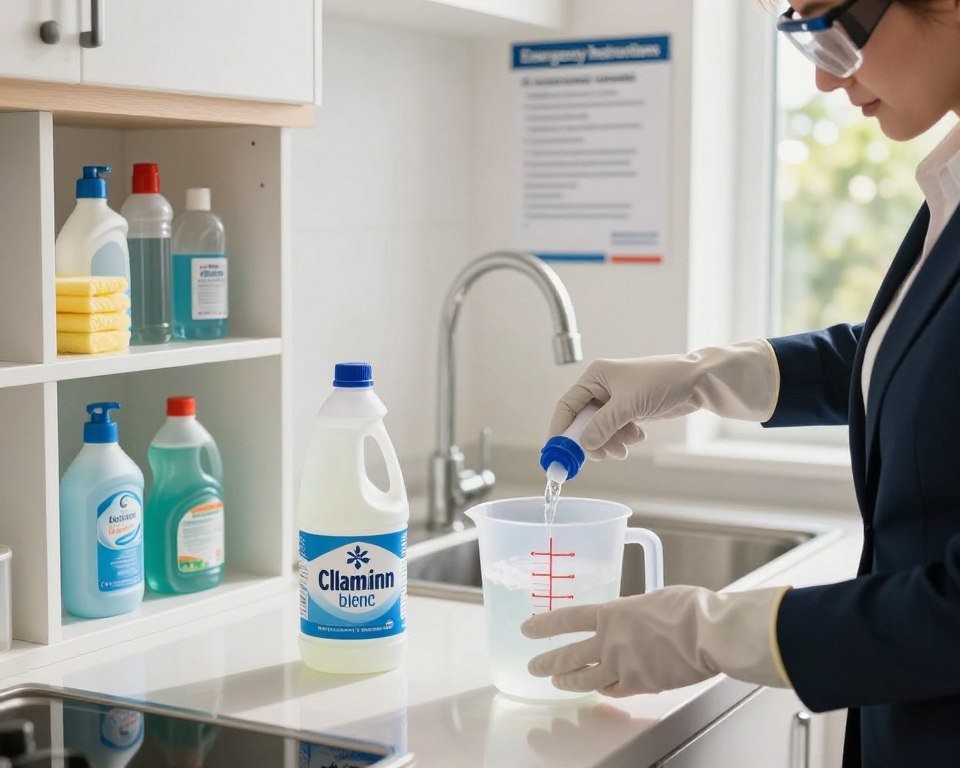
Good airflow helps get rid of fumes from chlorine products. Always open windows and doors to let in fresh air. If you can’t get natural air, use exhaust fans to keep vapors away.
Don’t use bleach in small, closed spaces like tiny bathrooms or closets. If you smell a strong, stinging odor, stop and move to a better-ventilated area. Good air flow is essential for clean air inside.
Protective Gear Recommendations
Direct contact with sodium hypochlorite can burn or irritate your skin. Always wear chemical-resistant gloves to prevent this. Gloves made of nitrile or rubber work best.
Protecting your eyes is also vital. Splashes can hurt your eyes badly. Wear safety goggles that fit snugly to block any liquid or mist. Wearing long sleeves and pants also helps keep more skin covered. These simple steps help you clean safely without risking your health.
Proper Application Techniques for Oxygen Bleach
Getting the most out of oxygen bleach cleaning starts with the right mix and soak time. It’s not just about adding powder to your load. You need a careful plan for how much to use and for how long. This ensures the bleach works well without damaging your stuff.
Soaking Methods for Laundry
For oxygen bleach for laundry, dissolving the powder in warm water first is key. Make sure it’s fully dissolved before adding your clothes. This stops spots and spreads the bleach evenly.
Let your clothes soak for at least one to six hours. This long soak time is crucial for tackling tough stains. Check out more tips for using oxygen bleach to keep your clothes looking new.
Surface Cleaning and Grout Maintenance
Oxygen bleach is also great for oxygen bleach for stains on surfaces like tile grout. Mix the powder with a bit of warm water to make a paste. Spread it on the stained grout and let it sit for 15 to 30 minutes.
This soak time lets the bleach get deep into the grout. After soaking, scrub it gently with a hard brush and rinse well. This keeps your space clean without harsh chemicals.
Risks of Mixing Household Cleaning Chemicals
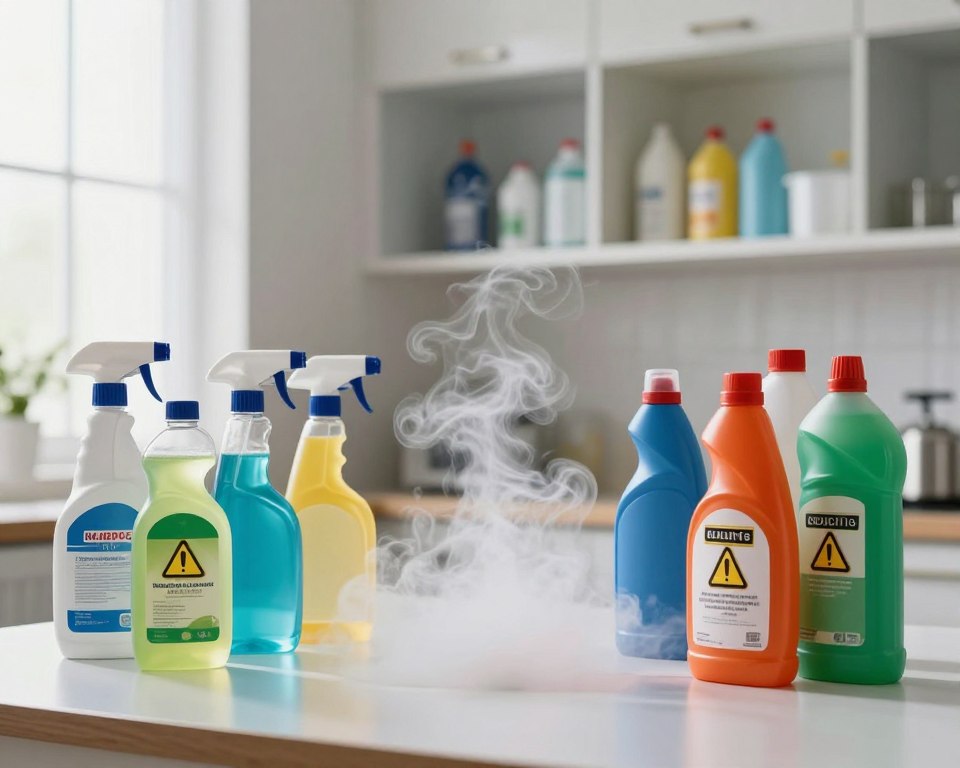
Many accidents happen when people mix the wrong cleaning agents. These products are safe alone but dangerous together. Mixing them can lead to dangerous chemical reactions and toxic exposures.
It’s important to know how these chemicals interact. Mixing them can create harmful gases that can hurt your lungs and breathing.
The Dangers of Combining Bleach with Ammonia
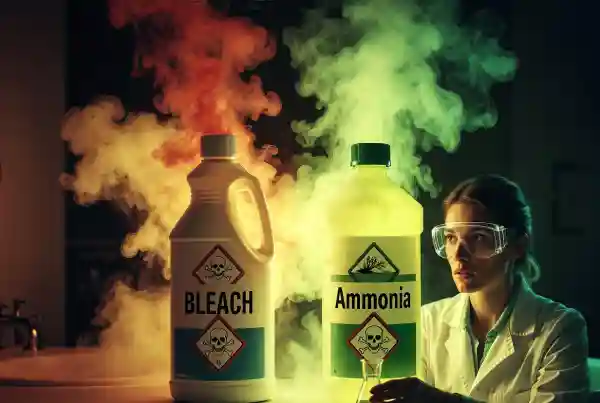
Mixing bleach with ammonia is very dangerous. It creates chloramine gas, which hurts your eyes, nose, and throat. In big amounts, it can badly hurt your lungs.
Many cleaners have ammonia or bleach. Always check the labels before mixing. Don’t think two cleaners are safe just because they clean.
Always follow the rule: never mix cleaners unless the label says it’s okay. Safety is about knowing how chemicals react together.
Avoiding Acidic Reactions
Mixing bleach with acidic cleaners is also risky. It makes chlorine gas, a harmful gas. Even a little can make you cough and hurt your eyes.
Here’s a table of dangerous mixes to avoid:
| Chemical A | Chemical B | Resulting Hazard |
|---|---|---|
| Bleach | Ammonia | Chloramine Gas |
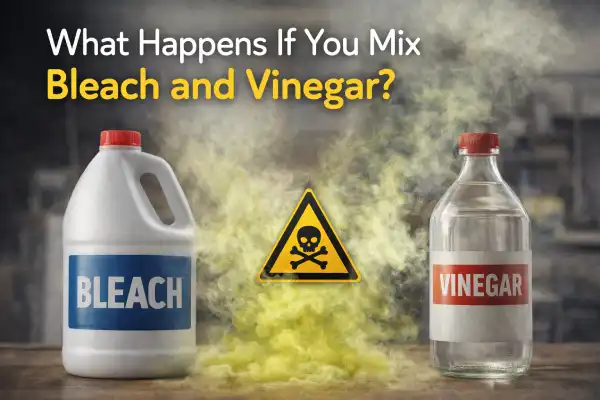
| Bleach | Vinegar/Acid | Chlorine Gas |
| Hydrogen Peroxide | Vinegar | Peracetic Acid |
Peracetic acid is made by mixing hydrogen peroxide and vinegar. It’s very corrosive and can irritate your skin and eyes. Always clean surfaces well before using different cleaners. This keeps you safe and your home in good shape.
Cost-Benefit Analysis of Eco-Friendly Bleach Alternatives
Switching to green cleaning products requires looking at both upfront costs and long-term savings. It’s not just about the price of one bottle. A full financial view looks at the product’s total value. This helps families choose safe and affordable options.
Price Per Load Comparisons
At first glance, traditional bleach might seem cheaper. But, when you look at the cost per load, eco-friendly bleach often wins. This is because eco-friendly options are often more versatile and last longer.
It’s important to compare costs based on how you use the product. Non-toxic bleach alternatives can do many things, like whitening clothes and cleaning grout. This means you might not need as many different cleaners, saving money in the long run.
Long-Term Value of Non-Toxic Cleaning
Choosing a non-toxic bleach is good for more than just your clothes. Harsh chemicals can damage fabrics, making them wear out faster. Eco-friendly options help your clothes last longer, saving you money.
Also, avoiding harsh chemicals can save you money on health costs. Cleaner air and surfaces mean fewer health problems. So, using an eco-friendly bleach is a smart choice for your wallet and your home.
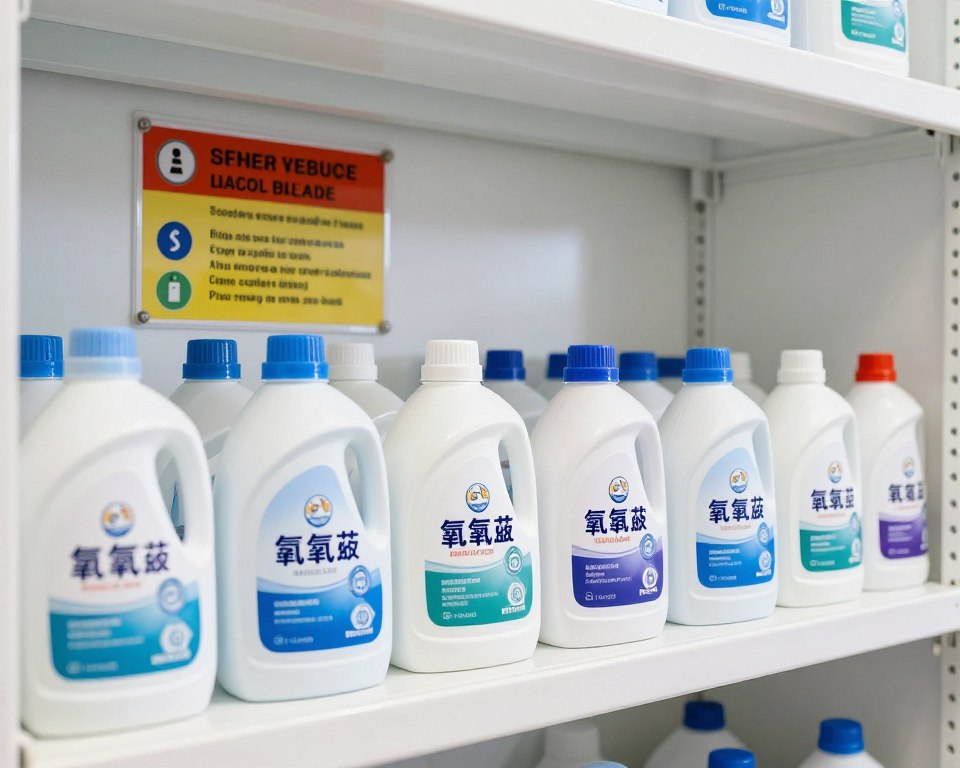
Storage Requirements for Long-Term Stability
Using traditional cleaners or non-toxic bleach requires proper storage. This ensures your cleaning supplies stay effective for a long time. By following environmental guidelines, you keep your products strong until they’re all used up.
Temperature Sensitivity and Shelf Life
Keeping chemicals stable depends on the storage environment. Oxygen-based cleaners, for example, don’t like heat. It can make them break down faster and lose their cleaning power. Store these in a cool, dry spot, away from sunlight and heat sources.
Chlorine bleach has its own issues. UV light can make it degrade quickly. Store it in opaque containers to protect it from light. This keeps the solution effective for cleaning.
Child-Proofing and Secure Storage
Keeping your home safe is crucial, even with cleaning chemicals. Store all products, including non-toxic bleach, in high places or locked areas. This keeps kids and pets safe from harm.
Always check that caps are tight after use. This prevents spills. If you move products to new containers, label them clearly. This helps avoid confusion and keeps your home safe.
| Storage Factor | Oxygen Bleach | Chlorine Bleach |
|---|---|---|
| Ideal Temperature | Below 75°F | Below 70°F |
| Light Exposure | Keep in dark | Keep in opaque bottle |
| Safety Priority | High (Non-toxic bleach) | Critical (Corrosive) |
| Shelf Life | 6-12 months | 6 months |
Image Disclosure and Educational Context
We are committed to giving you accurate safety info. We make sure you know what you’re reading, like when we talk about environmentally friendly bleach for homes.
AI-Generated Content Policy
Some images here are made by AI to show complex ideas, like chemical safety. They help us understand these topics better.
But, these images are not real photos of medical or vet procedures. They are just tools to help you see the info we share.
Purpose of Visual Aids in Cleaning Education
Our main goal is to help you learn by making hard info easy to see. Whether it’s about environmentally friendly bleach or safety tips, these images make it clearer.
“Visual clarity is the bridge between complex data and practical understanding, allowing users to make informed decisions with confidence.”
Remember, these images are for learning only. They should never replace professional vet care, medical advice, or expert advice. We want you to know the limits of the images in this guide.
Conclusion
Choosing the right cleaning agent is key. It must meet your cleaning needs while keeping your home safe. Chlorine bleach is strong for deep cleaning but needs careful handling to avoid harm.
Many people prefer oxygen bleach for everyday cleaning. It’s gentler and better for the environment. It’s great for laundry and keeping surfaces clean.
Knowing what these cleaners can and can’t do is important. Oxygen bleach is best for laundry, not for cleaning surfaces. Always check fabric labels to avoid damage. Make sure to rinse well to avoid chalky residue.
Keeping your home safe means storing cleaners properly. Store them in their original containers and away from other cleaners. This prevents dangerous reactions. By doing this, you create a safe and clean home for everyone.
FAQ
Is oxygen bleach safer than chlorine bleach for household use?
Yes, oxygen bleach is safer than chlorine bleach for homes. Chlorine bleach is very corrosive and can release harmful gases. On the other hand, oxygen bleach breaks down into water, oxygen, and soda ash, posing less risk.
What are the primary oxygen bleach ingredients?
The main ingredient in powdered oxygen bleaches, like OxiClean, is sodium percarbonate. When it dissolves in water, it releases hydrogen peroxide and sodium carbonate. This process gives oxygen bleach its cleaning power without harsh chemicals.
How does oxygen bleach vs chlorine bleach compare regarding environmental impact?
Oxygen bleach is better for the environment. Chlorine bleach can harm aquatic life by forming harmful compounds. Oxygen bleach, being biodegradable, is safer for homes with septic systems or those concerned about water quality.
What are the main oxygen bleach benefits for laundry?
Oxygen bleach is safe for colors and doesn’t damage fabrics. It removes stains without harming the fabric. It also brightens whites and keeps colors vibrant.
Is it effective to use oxygen bleach for stains like blood or grass?
Yes, it works well on organic stains. It breaks down stains like grass and blood without damaging the fabric. For best results, let it soak for 1 to 6 hours.
Why is oxygen bleach cleaning often considered better for pet owners and parents?
Oxygen bleach is safer for homes with pets or kids. It doesn’t release harmful fumes like chlorine bleach. It cleans thoroughly without leaving toxic residue.
Can I mix oxygen bleach with other household cleaners?
No, it’s best not to mix different cleaners. Chlorine bleach and ammonia or acids can create deadly gases. Even though oxygen bleach is safer, mixing it with other chemicals can reduce its effectiveness or cause pressure buildup.
Does oxygen bleach require hot water to work?
Yes, it needs hot water to activate. Use water at least 130°F (55°C) for best results. If washing in cold water, dissolve the powder in hot water first to release the active oxygen.