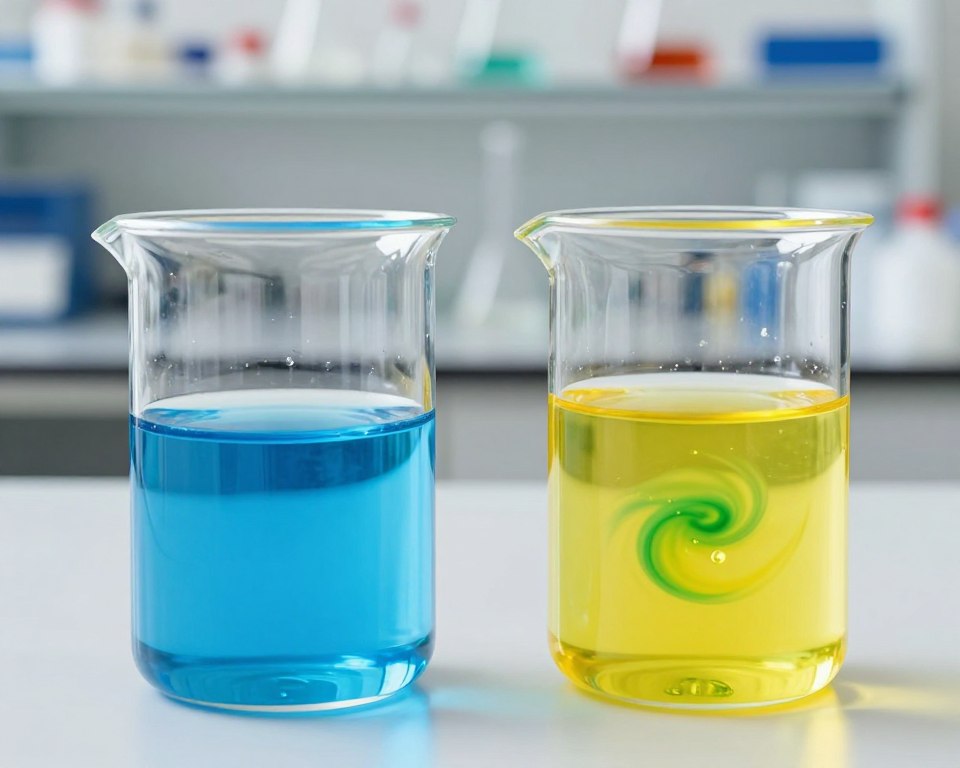
Did you know that chemical residues from common maintenance products can stay on metal surfaces even after they get really hot? Many people think that high heat can get rid of all synthetic compounds. But this is a big mistake. Understanding the chemical composition of your maintenance tools is key to keeping you safe.
We look into the rules for keeping outdoor cooking gear safe near where you prepare food. Our aim is to give you solid advice for a healthier kitchen. Making smart choices about what you use on your equipment is a big step towards a safer kitchen.
Key Takeaways
- Chemical residues often persist on surfaces despite high-heat exposure.
- Always verify the toxicity profile of maintenance agents before application.
- Proper ventilation and rinsing are essential to minimize ingestion risks.
- Choose products specially made for use on food surfaces.
- Regular maintenance stops the need for strong, harsh chemicals.
Understanding the Chemical Composition of Grill Cleaners
Professional grill care starts with knowing the solvents and surfactants in cleaners. When you clean your grates, you start a chemical reaction to remove tough grease. Learning about the science behind the chemicals used helps avoid risks during cleaning.
Common Ingredients in Heavy-Duty Degreasers
Heavy-duty degreasers mix surfactants and alkaline agents to remove grease from metal. Surfactants lower grime’s surface tension, letting the cleaner get deep into carbon buildup. These agents are key in commercial kitchens for emulsifying fats.
Common ingredients include:
- Sodium Hydroxide: A strong caustic agent that breaks down fats.
- Glycol Ethers: Solvents that dissolve grease and oil-based residues.
- Chelating Agents: Compounds that soften water and boost cleaning power.
The Risks of Volatile Organic Compounds
Many strong cleaners have Volatile Organic Compounds (VOCs) that can harm health if breathed in. These chemicals evaporate fast, used in sprays. But, they can easily turn into air during cleaning.
Being exposed to these vapors can irritate your respiratory system or cause headaches if not well-ventilated. It’s crucial to ensure good airflow when using these strong chemicals.
How Residue Interacts with High-Heat Cooking
Grill owners worry about chemical residue on grates when preheating. Igniting the grill can make leftover cleaners decompose, releasing new fumes. If not rinsed well, these chemicals can mix with heat to create harmful compounds.
Complete removal of all cleaning agents is key to keep food safe from chemicals. Always do a thorough burn-off or rinse before cooking.
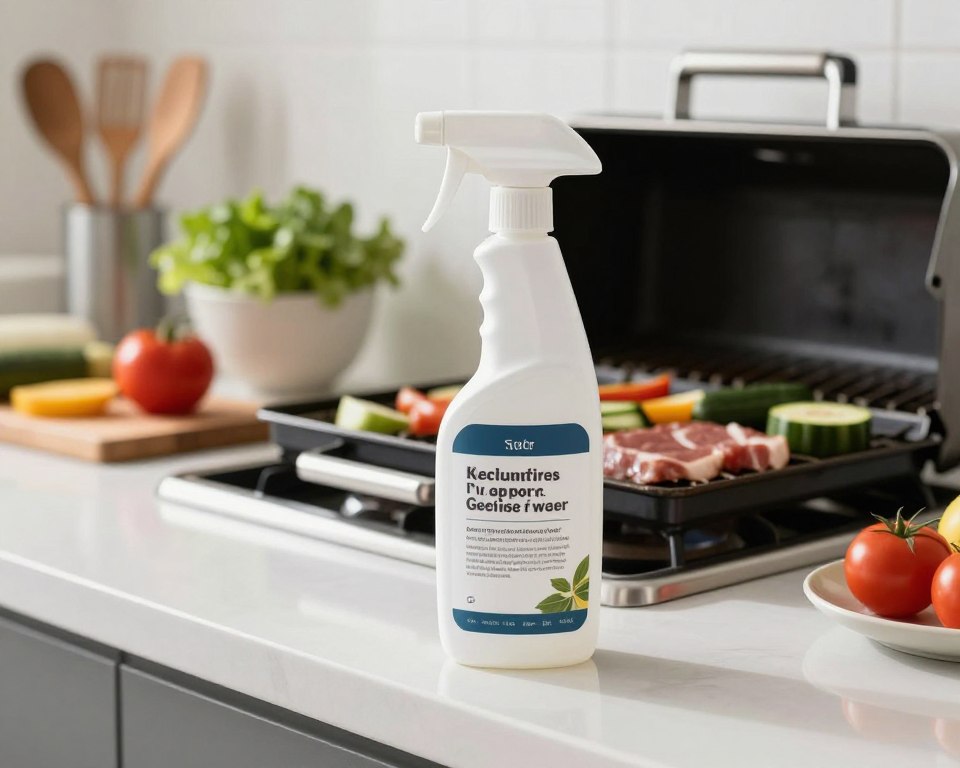
Is Grill Cleaner Spray Safe Food Areas?
Figuring out if a grill cleaner spray is safe for food areas means knowing about surface types. Not every part of your grill is the same when it comes to chemicals. It’s key to know which areas are safe for cooking.
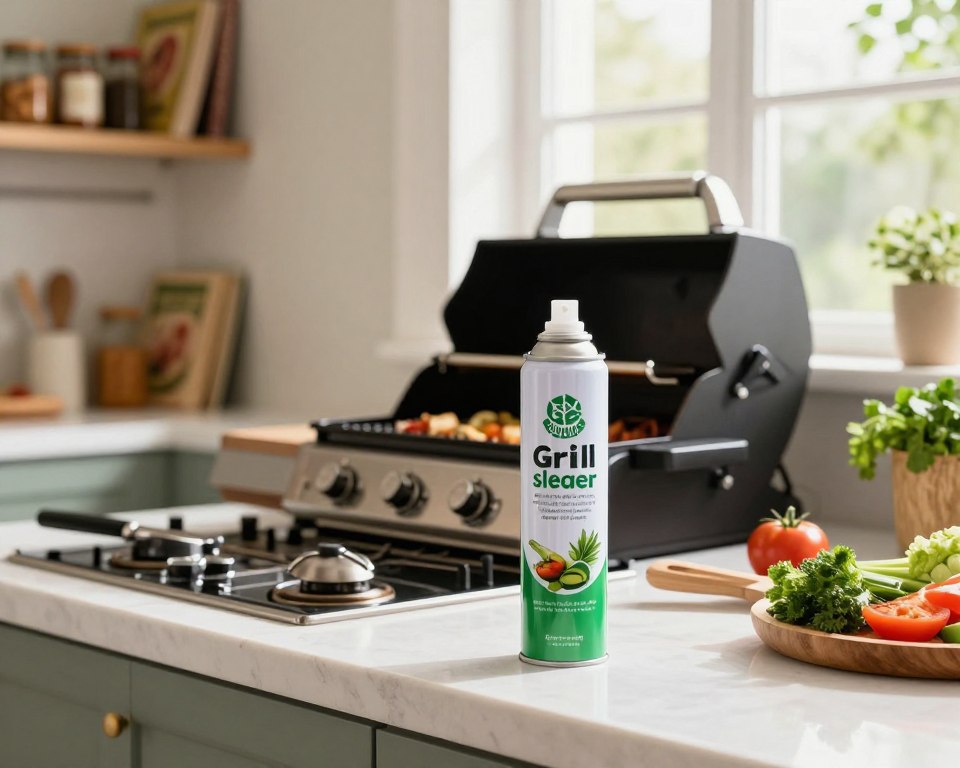
Distinguishing Between Food-Contact and Non-Contact Surfaces
Surfaces that touch food, like grates and racks, need special care. Any leftover cleaner can get into your food. On the other hand, the outside of the grill and shelves are okay for cleaners.
It’s okay to use a strong cleaner on the outside. But, be careful with the grates. Make sure your grill cleaner spray is safe for food areas before using it on grates.
The Dangers of Ingesting Chemical Residues
Getting chemicals in your body can be harmful. Cleaners meant to remove grease can irritate your stomach. Even a little bit can cause problems.
Washing everything well is the best way to avoid these issues. If you think cleaner is still there, heat it up again before cooking. Cleaning well keeps your family safe from chemicals.
Regulatory Standards for Kitchen and Grill Cleaning Agents
The rules for cleaning products are complex. In the U.S., the EPA and FDA set guidelines for food safety. But, many grill cleaners aren’t made for food.
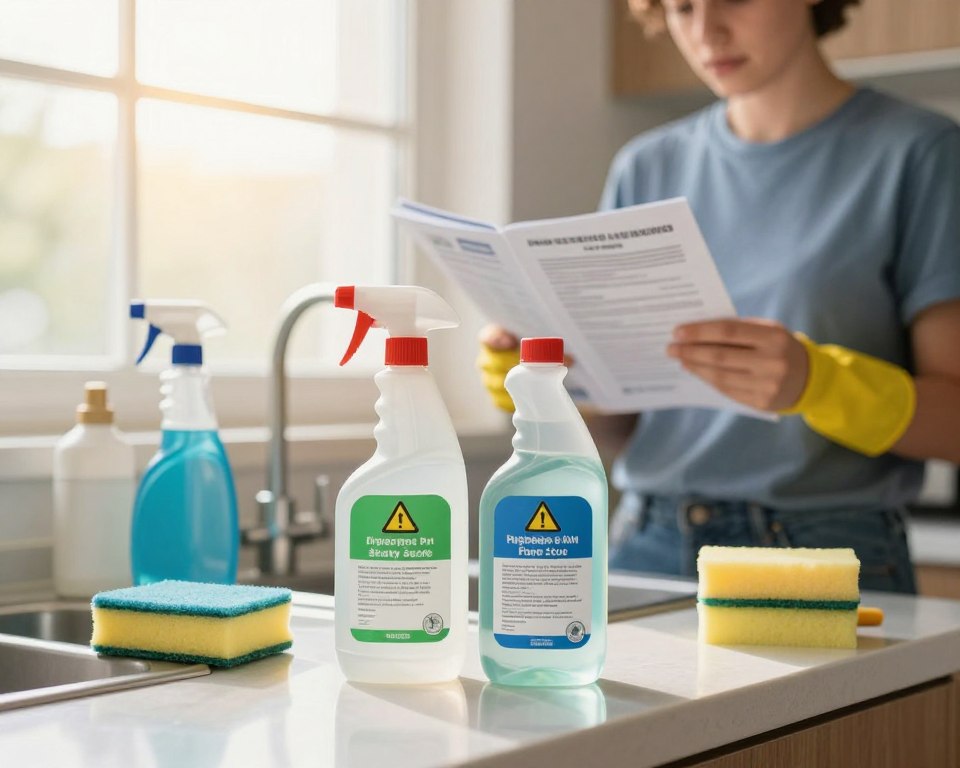
When you buy cleaner, check if it’s safe for food. If it doesn’t say it’s okay for food, don’t use it on grates. Always read the safety info to know what’s in it.
Identifying Non-Toxic Grill Cleaner Spray Alternatives
Switching to a non-toxic grill cleaner spray cuts down on harsh chemicals. Traditional cleaners often leave residues that can harm your food’s taste and safety. Luckily, there are safe and effective alternatives.
Plant-Based Surfactants and Their Efficacy
Plant-based surfactants are great at removing grease from metal. They work by making water penetrate and emulsify fats. These are safer because they come from plants like coconut or corn.
Using a non-toxic grill cleaner spray with these ingredients means a deep clean without toxic fumes. They’re also good for the environment because they break down easily. Plus, they’re gentle on your skin and lungs.
Enzymatic Cleaners for Grease Breakdown
Enzymatic cleaners use special proteins to break down organic matter like charred food and grease. These enzymes keep working as long as they’re in contact with the mess.
Unlike harsh acids, enzymes don’t damage your grill or the area around it. They’re a sustainable solution for keeping your grill in top shape without synthetic additives. This way, your grill stays free of chemical buildup.
The Role of Steam Cleaning as a Chemical-Free Option
Steam cleaning is a physical way to remove debris from grates. It uses hot water vapor to loosen and remove grease without chemicals. This method also sanitizes surfaces with just heat.
Many people find steam cleaning a thorough and reliable way to get their grill ready for the next meal. It’s a chemical-free option that leaves only water behind. This keeps your grill clean and your cooking area free of synthetic substances.
Best Practices for Protecting Food Prep Environments
Keeping your kitchen safe from chemicals starts with a good cleaning routine. A systematic cleaning approach helps maintain high hygiene standards. This way, you avoid risks to your food prep surfaces. By sticking to restaurant sanitizing rules, you make your kitchen safer for every meal.

Proper Ventilation During the Cleaning Process
Cleaning agents can release harmful particles if not ventilated properly. Make sure your outdoor cooking area has adequate airflow before using any chemical cleaner. If cleaning in a semi-enclosed area, open windows or doors for cross-ventilation.
Good air circulation disperses fumes fast, reducing harmful compounds in your air. Never use strong cleaners in still air. Fresh air is key to protecting your lungs.
Creating a Barrier Between Chemicals and Cooking Grates
Overspray can contaminate nearby areas. Use cardboard or plastic sheeting to shield these areas. These barriers act as a protective shield, keeping the cleaner where it belongs.
If your grill parts are removable, wash them away from food prep zones. This reduces the chance of chemical contact with food surfaces. A tidy workspace is crucial for safety and cleanliness.
The Importance of Thorough Rinsing Protocols
The final cleaning step is vital for food safety. You must do a rigorous rinsing protocol to remove all chemical residue from grates. Even small amounts of degreasers can change food flavor or pose health risks.
Flush the grates well with clean water after cleaning. A damp cloth or soft brush can help during rinsing. Clear, odorless water means your grill is safe for use.
Evaluating Food-Safe Grill Cleaner Spray Options
Finding a food-safe grill cleaner spray means looking beyond what’s advertised. Many cleaners claim to be deep cleaning, but they might leave harmful residues. It’s important to choose carefully to keep your grill clean and safe.
What Makes a Product Truly Food-Safe
A product is food-safe if it’s made from non-toxic materials. These cleaners use plant-derived surfactants instead of harsh chemicals. They work well at high grill temperatures without harming your food.
Choosing a food-safe grill cleaner spray means picking ingredients that are safe and natural. These cleaners are effective and don’t introduce harmful chemicals into your food.
Reading Labels for Hidden Toxins
Manufacturers might use vague terms to hide harmful ingredients. Look for clear ingredient lists on the bottle or the company’s website. This way, you can avoid products with unknown or dangerous chemicals.
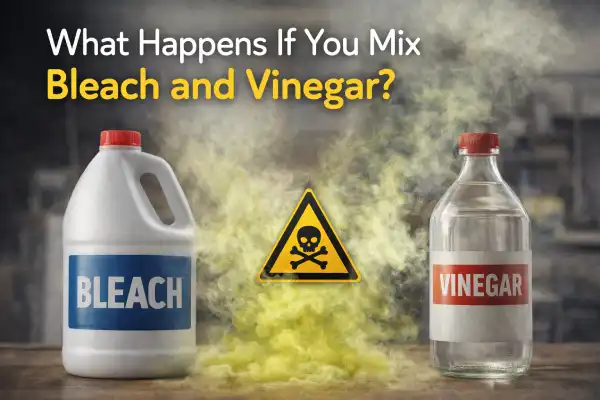
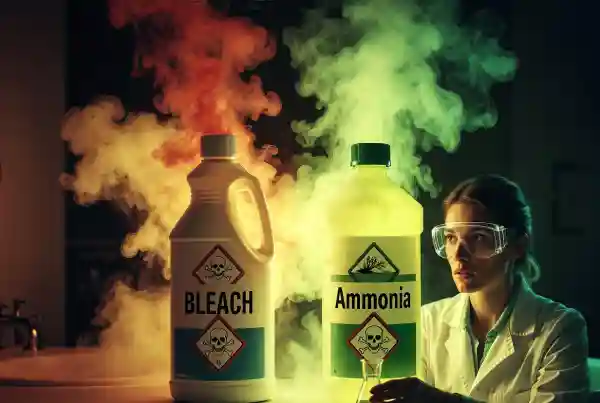
Stay away from cleaners with ammonia or bleach. These can damage your grill and leave harmful residues. Transparency in labeling shows a company cares about your safety.
Certifications to Look for When Shopping
Third-party certifications are a sign of a product’s safety. Look for labels from groups that test for safety and environmental impact. These confirm the food-safe grill cleaner spray is safe for kitchen use.
| Ingredient Type | Common Risk | Safe Alternative |
|---|---|---|
| Synthetic Solvents | High Toxicity | Plant-Based Enzymes |
| Artificial Fragrance | Respiratory Irritant | Essential Oil Extracts |
| Caustic Degreasers | Surface Corrosion | Citrus-Based Surfactants |
| Petroleum Distillates | Chemical Residue | Biodegradable Polymers |
By looking for these signs, you can choose safe products. Spending time on labels and certifications keeps your family safe and your grill in good shape.
Natural Grill Cleaner Methods for Daily Maintenance
Keeping your grill clean doesn’t need harsh chemicals. Many people choose a natural grill cleaner to avoid synthetic residues. These methods use common items to break down grease and clean surfaces.
Using Vinegar and Baking Soda Solutions
White vinegar and baking soda mix up to a fizzy, effective cleaner. The acid in vinegar and the base in baking soda create carbon dioxide gas. This makes a mild abrasive paste safe for most grates.
Apply the paste to cool grates and let it sit for a few minutes. It softens charred food, making it easy to wipe away with a damp cloth. It’s a great natural grill cleaner for regular cleaning.
Lemon Juice and Salt for Natural Abrasive Cleaning
Lemon juice and coarse salt are great for stuck-on food. The lemon’s citric acid cuts through fats, while salt physically removes debris. This combo is perfect for avoiding synthetic cleaners.
Just sprinkle coarse salt on the grates and use a lemon half as a scrubber. The juice will release as you rub, creating a non-toxic, aromatic cleaner. It’s gentle on metal but tough on burnt-on food.
The Effectiveness of Onion for Grate Sanitization
Using an onion to clean grill grates is a simple, traditional method. Rubbing a cut onion on warm metal loosens debris and sanitizes the surface. It’s a practical way to prepare your grill without chemicals.
It’s not a deep clean, but it’s great for daily maintenance. It leaves grates clean and ready for your next meal. Here’s how these natural agents compare for daily cleaning.
| Cleaning Agent | Primary Action | Best For |
|---|---|---|
| Vinegar & Soda | Chemical Degreasing | General Maintenance |
| Lemon & Salt | Mechanical Abrasion | Stubborn Food Bits |
| Onion | Enzymatic Sanitizing | Hot Grate Prep |
Eco-Friendly Grill Cleaner Solutions for the Environment
Choosing an eco-friendly grill cleaner protects your local environment and keeps your grill in top shape. Many regular cleaners have harsh chemicals that can harm the soil and water if they get out. By picking greener options, you help meet your conservation goals.
Biodegradability and Waterway Safety
Biodegradability means a substance can naturally break down. Using an eco-friendly grill cleaner reduces the chance of toxins in the water. These cleaners are made to safely decompose, avoiding chemical buildup in waterways.
Even with safer cleaners, proper disposal is key. Don’t pour a lot of cleaning waste into storm drains. Follow the guidelines for sustainable cleaning to keep your outdoor space clean.
Reducing Your Carbon Footprint While Cleaning
The environmental impact of a product goes beyond its ingredients. It includes the energy used to make it and the emissions from shipping. Brands that focus on local production and efficient energy use have a smaller environmental footprint.
Choosing concentrated cleaners can also help. They need less water and smaller packaging, which cuts down on emissions. This simple change supports a greener supply chain.
Sustainable Packaging and Refillable Systems
Plastic waste is a big problem in cleaning products. Many brands now offer eco-friendly grill cleaner options with refillable bottles or compostable packaging. These systems let you reuse bottles and nozzles, greatly reducing plastic waste.
When you shop, look for brands with recycled containers. Supporting companies that focus on sustainability encourages the industry to reduce plastic use. Making these choices helps keep your grill clean and fights global waste.
Top-Rated Grill Cleaner Spray Brands for Health-Conscious Consumers
Looking for the best grill cleaner for health-conscious consumers means checking the chemicals in each product. You need a cleaner that works well but is safe for your grills. This way, you can pick a cleaner that fits your health needs.
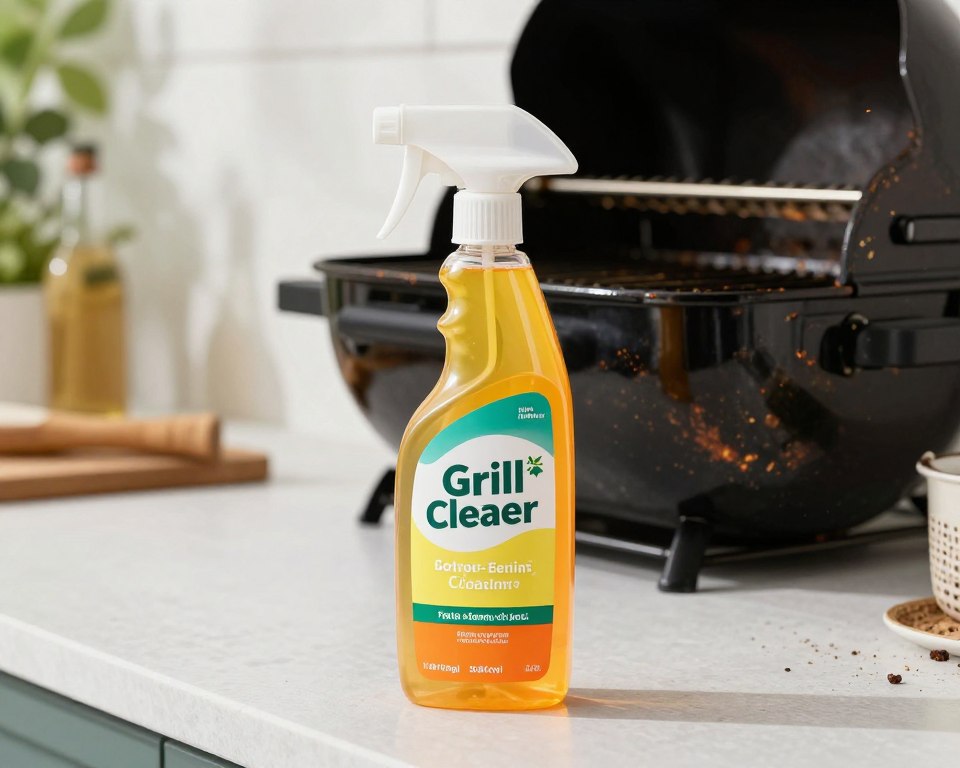
Analysis of Citrusafe Grill Cleaner
Citrusafe is a top-rated grill cleaner spray because it uses citrus solvents, not harsh chemicals. It breaks down grease well and doesn’t release harmful fumes. It’s a good choice for those who worry about chemicals on their grates.
Reviewing Goo Gone Grill and Grate Cleaner
Goo Gone is great for getting rid of tough, carbonized food. But, it’s important to rinse well after using it. This cleaner is best for those who clean their grills thoroughly to avoid chemical buildup.
Comparing Simple Green BBQ Cleaner Performance
Simple Green is eco-friendly because it’s made from biodegradable ingredients. It works well against grease, but you need to mix it well to get the best results. It’s a good choice for those who want a cleaner that’s tough but also good for the planet.
The Science of Heat-Induced Chemical Reactions
It’s important to know how heat changes leftover cleaning residue. Cleaning agents don’t just disappear when heated. They go through complex thermal transformations that change their molecular structure.
These changes are not always visible, but they are crucial for kitchen safety. Understanding these processes helps you manage cleaning better. This way, you can avoid harmful substances from affecting your food.
What Happens When Residue Meets Open Flame
When chemicals meet an open flame, they decompose quickly. This process breaks them down into volatile byproducts that weren’t there before.
The heat from a grill can make these residues vaporize or char. This can release gases that might irritate or be toxic if inhaled in a small space.
The Risk of Toxic Fumes During Preheating
The preheating phase is when you’re most at risk of chemical exposure. As the metal grates get hot, any trapped moisture or chemicals start to evaporate fast.
Without adequate ventilation, these fumes can build up quickly around the grill. It’s crucial to keep the lid open during the initial burn-off. This lets the vapors safely escape into the air.
Long-Term Health Implications of Chemical Exposure
Exposure to chemical vapors, even at low levels, is something to think about for long-term health. While a single time of inhaling might just cause minor irritation, repeated exposure to some synthetic compounds can cause more serious health issues.
Using thorough rinsing protocols can greatly reduce these risks. By making sure no chemical film stays on the cooking surface, you protect your health and keep your food preparation safe.
Safe for Food Surfaces Grill Cleaner Application Techniques
The right safe for food surfaces grill cleaner is key. But how you use it matters a lot. Cleaning your grill right means no harmful stuff stays on your grates.
Applying Cleaners to Cold Versus Warm Grates
Many think heat makes cleaners work better. But hot surfaces can make cleaners evaporate too fast. This can release harmful fumes into the air.
Always clean your grates when they’re cold. This way, the cleaner works well without turning into vapors. It keeps your food safe and the cleaner where it belongs.
Using Brushes and Scrapers to Minimize Chemical Use
Using brushes and scrapers is your best defense against grime. They help remove most of the charred bits before you use cleaner. This is a key part of cleaning grill grates well.
By removing debris first, you need less cleaner. This means less chance of leftover buildup. Keep these tools handy for cleaning:
- Stainless steel scrapers for thick, hardened carbon deposits.
- Nylon-bristled brushes for delicate grate coatings.
- Heavy-duty scouring pads for final surface refinement.
The Final Burn-Off Step for Safety Assurance
The final step is crucial for a clean grill. After cleaning and rinsing, heat the grill to max for 15 minutes. This high heat gets rid of any leftover cleaner.
This step makes sure your grill is ready for food. Always do this after deep cleaning. It keeps your grill safe for your next meal.
Image Disclosure and Educational Context
We value transparency in sharing safety information. We use images to make our guide clearer. Some images are made by artificial intelligence to show how to keep grills safe and handle chemicals.
Understanding the Use of AI-Generated Visuals
AI images help us show hard-to-picture scenarios in kitchens. These images are strictly for learning. They show ideas, not real product use or chemical reactions.
These tools help readers understand safety ideas better. But, they should not replace expert advice or product manuals. Always follow the makers’ instructions for cleaning products.
Purpose of Educational Illustrations in Safety Guides
We want to give people the knowledge to protect their homes. Pictures help connect safety data to real use. They make evidence-based safety protocols easier to understand.
Graphics show important safety steps, like using ventilation or cleaning solutions right. They help explain our written instructions. Use these pictures to help, not replace, the text in this guide.
Limitations of Visual Representations in Chemical Safety
Visuals can’t fully show chemical safety details. A still image can’t show chemical reactions or risks. So, the written text is the main truth for safety advice.
Always check the text for detailed safety tips and warnings. Pictures help, but can’t cover every kitchen situation. See the table below for how to use different types of information.
| Information Type | Primary Function | Best Use Case |
|---|---|---|
| Written Text | Detailed safety protocols | Critical decision making |
| AI Illustrations | Conceptual visualization | Understanding general processes |
| Manufacturer Labels | Specific product data | Handling and storage instructions |
Common Myths About Grill Cleaning Safety
Cleaning your grill safely means debunking old myths. Many people follow outdated advice that’s not safe today. By looking at these myths with facts, you can make your grill area safer for your next meal outside.
Debunking the Myth That All Cleaners Burn Off
Many think that any chemical left on grates will just burn off when you heat them up. But this is dangerously wrong. High heat might vaporize some stuff, but strong cleaners leave behind films that don’t burn off completely.
These films can change into harmful compounds when they hit flames. So, just heating up your grill isn’t enough to clean it properly. You need to rinse and scrub it well.
Why Water Alone Is Often Insufficient
Some think water is enough to keep your grill clean. But water can’t break down carbonized grease and fats. These tough layers are where bacteria and old food particles hide.
Water can’t dissolve these hard deposits well. You need the right cleaners or scrubbing to get rid of them. Without it, you’re just scraping off the top layer, leaving the bad stuff underneath.
The Truth About Wire Brush Bristle Hazards
Wire brushes for grill cleaning are not as safe as you might think. Many believe they’re okay if used carefully. But, metal bristles can break off and stick to your grates.
If these bristles get into your food, they’re a serious risk. They can hurt your throat or stomach if swallowed. It’s important to check your brushes for damage and use safer options to avoid harm.
Conclusion
Keeping your grill clean and safe is key to good outdoor cooking. You need to pick the right products and cleaning methods for your gear.
Choosing non-toxic cleaners helps keep your food area safe from harmful chemicals. Make sure to use these cleaners correctly to avoid leaving harmful residues. Knowing the dangers of different cleaners helps you make better choices for your health.
Regular, proven maintenance is the best way to keep your grill safe for cooking. By following these tips, you make your outdoor kitchen a healthier place for meals with loved ones. Use this guide to improve your cleaning routine and enjoy cooking outdoors with confidence.
FAQ
Is a standard grill cleaner spray safe food areas and preparation surfaces?
Most heavy-duty degreasers are not safe for food areas. They have strong chemicals that aren’t meant for eating. To keep your grill clean and safe, make sure to use a cleaner only on the outside and not on the grates.
Chemicals left on food surfaces can react with heat. This might release harmful fumes or toxins into your food. Always check if a cleaner is safe for food surfaces before using it.
What is the best grill cleaner for health-conscious consumers seeking non-toxic options?
Health-conscious people should look for cleaners made from natural ingredients. Citrusafe Grill Cleaner is a good choice because it uses citrus oils to clean safely. Simple Green BBQ Cleaner is also great, as it’s biodegradable and safe for kids and pets.
How can I tell if a product is truly a food-safe grill cleaner spray?
To find a food-safe grill cleaner, read the label carefully. Look for certifications like the EPA Safer Choice label. Avoid cleaners with vague terms like “fragrance,” as they might hide harmful chemicals.
A safe product will tell you how to rinse it off completely. This ensures no chemicals are left on your food surface.
Does the "burn-off" method eliminate the need for a non-toxic grill cleaner spray?
High heat can’t destroy all chemicals. Some cleaners can break down into harmful fumes when heated. Using a non-toxic cleaner first, then rinsing well and burning off is safer.
Are there natural grill cleaner alternatives that are effective for daily maintenance?
Yes, there are natural ways to clean your grill. A mix of vinegar and baking soda works well. For tough spots, lemon juice and salt are great. Rubbing a halved onion on hot grates is also a natural way to clean.
Why should I choose an eco-friendly grill cleaner over traditional degreasers?
Eco-friendly cleaners protect our environment. Traditional cleaners can harm waterways if not disposed of properly. Goo Gone Grill and Grate Cleaner are good choices because they’re biodegradable. They also come in sustainable packaging.
What application techniques ensure a safe for food surfaces grill cleaner remains effective?
To keep your grill cleaner safe, apply it to cold grates. This prevents harmful fumes. Use tools to remove debris first, then rinse well with water. This removes grease and any leftover cleaner.
Which top-rated grill cleaner spray brands offer the best balance of safety and power?
Top brands for safety include Citrusafe, Simple Green, and Carbona 2-in-1 Oven & Grill. They avoid harsh chemicals, making them safe for home use.
Are the images in this guide meant to be literal representations of chemical safety?
Some images in this guide are AI-generated for educational purposes. They are meant to help explain safety and maintenance. Always follow the safety instructions from the product manufacturer for the best guidance.