Did you know that nearly 30% of adults report skin irritation from cleaning products? Choosing the right soap is key to protecting your family’s skin. Finding a reliable laundry detergent comparison is vital for those with sensitivities.
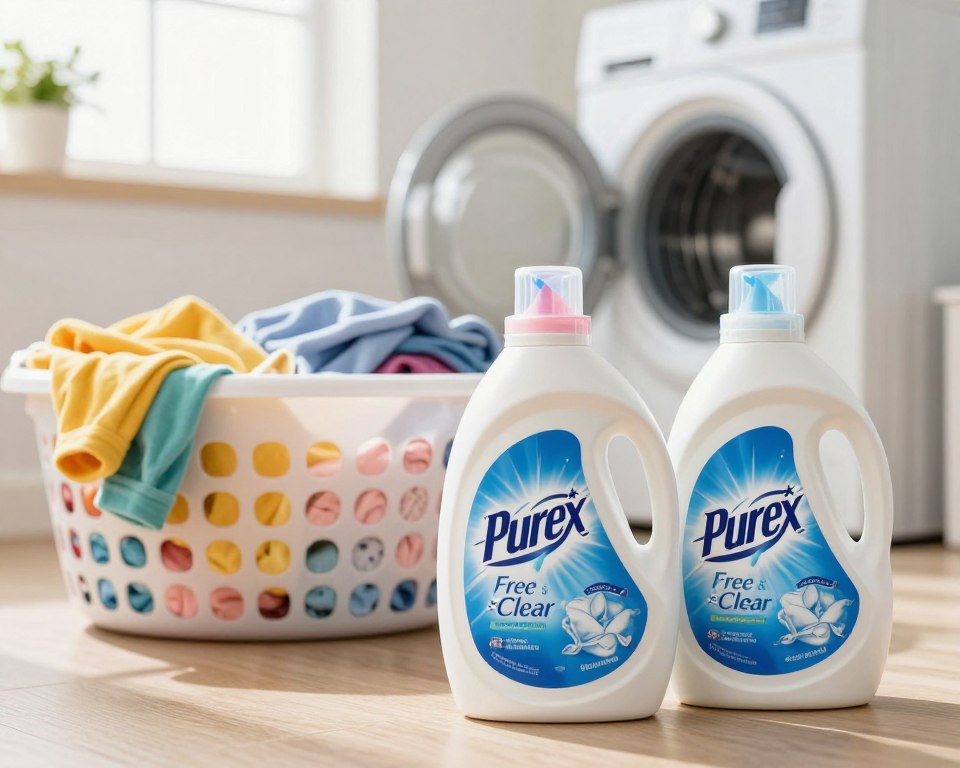
This guide compares two popular, budget-friendly options: Purex Free & Clear and All Free Clear. We look at their chemical makeup, cleaning power, and safety. By using clinical standards and real-world tests, we help you choose safely without losing cleaning strength.
Key Takeaways
- Skin sensitivity affects a significant portion of the population, making ingredient transparency critical.
- Both products are made to reduce irritants for sensitive skin users.
- Clinical testing is the best way to check cleaning power and safety.
- Budget-friendly options can match the quality of more expensive brands.
- Expert analysis helps balance cost with skin safety.
The Importance of Hypoallergenic Laundry Detergents
A hypoallergenic laundry detergent is key in fighting off common skin irritants found in regular cleaners. These special formulas aim to cut down on chemical triggers that often lead to skin reactions. They make your skin and clothes safer by avoiding harsh additives.
These detergents are made without synthetic dyes and perfumes, which are big causes of skin problems. For families with ongoing skin issues, picking the right detergent is critical for comfort. You can learn more about safe laundry detergent options to see how they help skin health.
Knowing about hypoallergenic laundry detergent is important for homes with chemical sensitivities. It’s not just about keeping things clean; it’s about reducing toxins on your skin all day. For more on this, check out is baby safe laundry detergent really safer? to understand why dermatologists often suggest these products.
Understanding Sensitive Skin and Laundry Triggers
For people with chronic skin conditions, picking the right laundry detergent is key. The skin protects us from the outside world. But, chemicals left on clothes can break this barrier.
Those with eczema or psoriasis are more sensitive to laundry additives. These chemicals can make skin inflamed, itchy, and uncomfortable. Choosing a sensitive skin detergent helps keep skin healthy and prevents outbreaks.
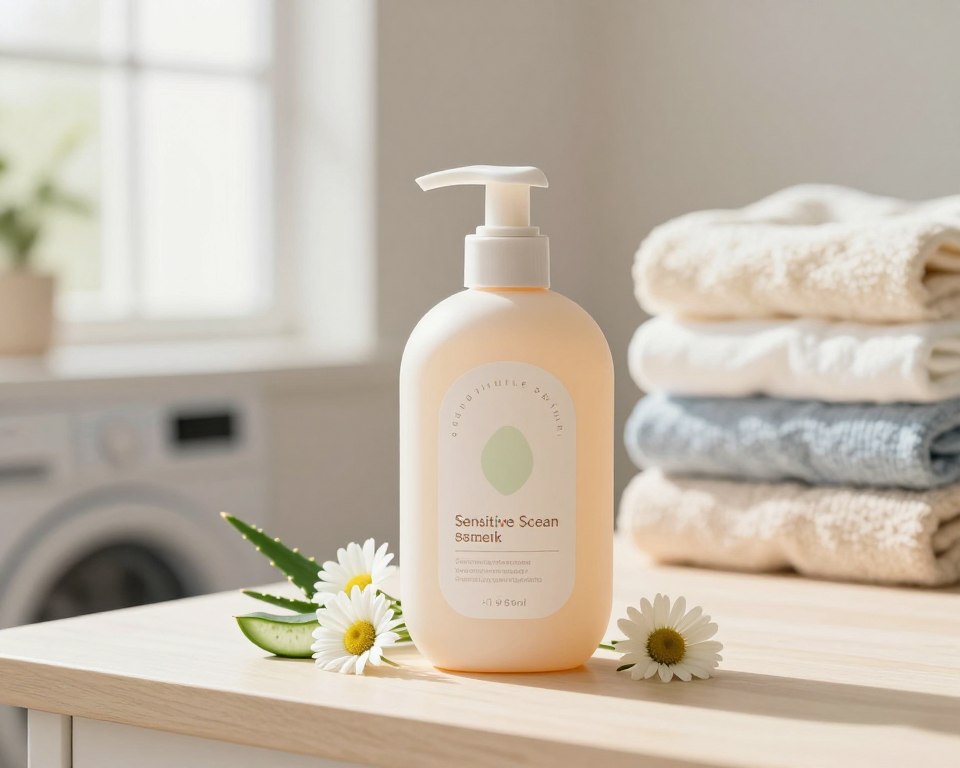
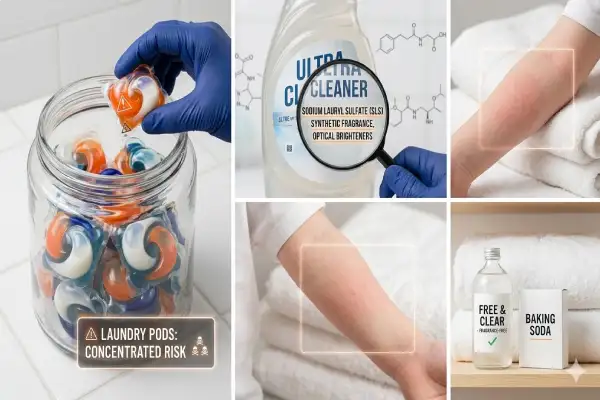
Laundry triggers include synthetic fragrances, artificial dyes, harsh sulfates, and optical brighteners. These add-ons make clothes smell good or look brighter. But, they can irritate the skin. Also, fabric softeners can pose risks for sensitive skin.
“The skin is a complex organ that reacts to the microscopic residues left behind by our daily cleaning habits. Choosing the right products is the first line of defense for those with compromised skin barriers.”
To avoid irritation, experts suggest using pure and clear products. A gentle detergent for sensitive skin avoids irritants like:
- Synthetic fragrances that can cause contact dermatitis.
- Artificial dyes which serve no cleaning purpose but often trigger allergies.
- Harsh sulfates that strip the skin of natural oils.
- Chlorine bleach, which is highly caustic to sensitive tissue.
By avoiding these triggers, you make your skin safer. Using hypoallergenic formulas helps keep your skin barrier strong. This way, your skin can protect you without constant chemical threats.
Purex Free & Clear: A Deep Dive into the Brand
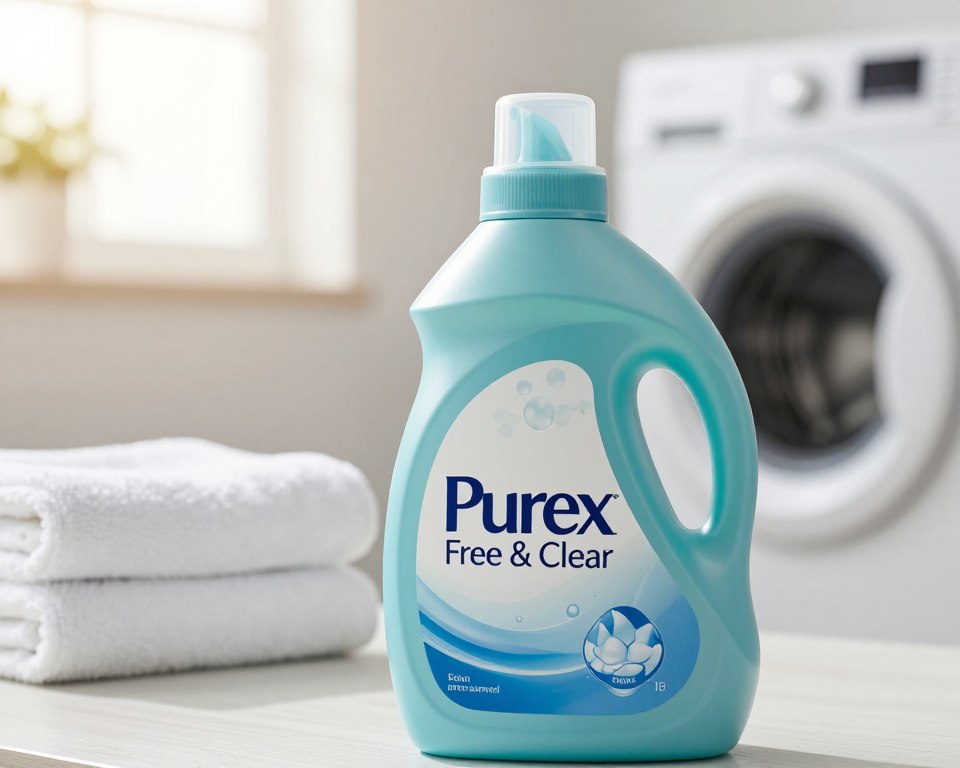
Purex Free & Clear is a top pick for families on a budget. It offers a simple cleaning solution without the usual irritants found in scented detergents.
Core Features of Purex Free & Clear
Formula Composition
This detergent is made to be hypoallergenic. It’s free from dyes and perfumes, common causes of skin irritation. It also works well in both standard and high-efficiency washing machines, making it versatile for any home.
Target Audience
It’s made for parents and those with asthma or sensitive skin. By avoiding extra chemicals, it’s a cost-effective solution for big laundry loads. It’s a safe, affordable choice for those who value safety without the high cost of specialty products.
Pros and Cons of Purex Free & Clear
Knowing the good and bad of any cleaning product is key to a smart buy. Here’s a table that shows the main benefits and drawbacks of using this detergent at home.
| Feature | Benefit | Limitation |
|---|---|---|
| Pricing | Highly budget-friendly | May require more product for heavy stains |
| Compatibility | Works in HE and standard machines | Limited specialized fabric care |
| Safety | Dye and perfume-free | Lacks advanced enzyme boosters |
| Availability | Widely stocked in major retailers | Basic packaging design |
All Free Clear: Analyzing the Market Leader
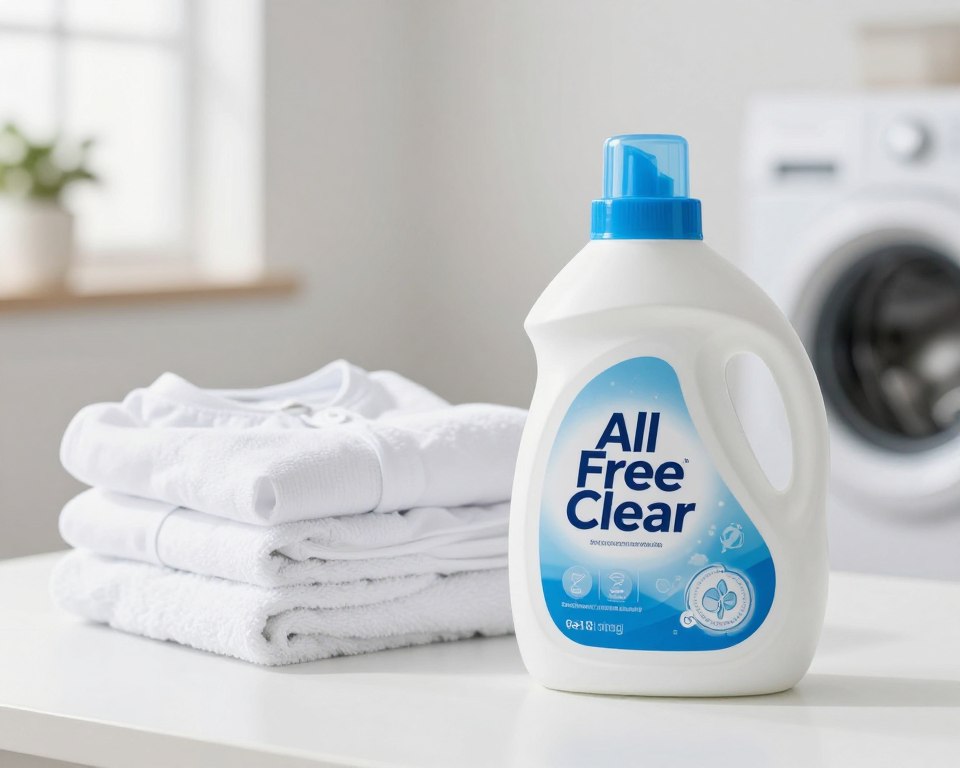
All Free Clear is a top pick for homes with chemical sensitivities. It has a hypoallergenic formula that avoids common irritants. It’s often listed as one of the best laundry detergents because it works well and is easy to find.
Core Features of All Free Clear
Formula Composition
The secret to its success is its meticulous formulation strategy. It doesn’t have dyes, perfumes, or optical brighteners, which can cause skin problems. Instead, it uses surfactants to clean without leaving behind harmful residues.
Target Audience
This detergent is made for people with sensitive skin, like babies, kids, and adults with eczema or allergies. It’s for those who care more about health than scent. It’s easy to find in stores, making it a go-to for families needing gentle cleaning.
“True cleanliness is not defined by the presence of a fragrance, but by the absence of unnecessary chemical irritants that compromise skin health.”
Pros and Cons of All Free Clear
The big plus of All Free Clear is its success in clinical tests. People like that it cleans well without being harsh. But, it might not tackle tough stains as well as some other detergents.
- Pros: Great for sensitive skin, easy to find, and tested by dermatologists.
- Cons: May need extra effort for tough stains and doesn’t have a natural scent.
In conclusion, All Free Clear stays on top by being a reliable, evidence-based solution for those who can’t use regular detergents. It’s safe and effective, making it essential for homes with allergies.
Purex Free & Clear vs. All Free Clear: A Head-to-Head Comparison
A laundry detergent comparison shows Purex Free & Clear and All Free Clear are different. Both are good for people with sensitive skin. But they have different benefits because of how they are made.
Purex Free & Clear is great for those who want to save money but need a good cleaner. It works well for everyday clothes without dyes or perfumes. It’s all about being efficient and getting the job done.
All Free Clear, on the other hand, is seen as a top choice for sensitive skin. It’s known for fighting tough stains gently. Its strong formula is good for getting rid of hard-to-clean spots.
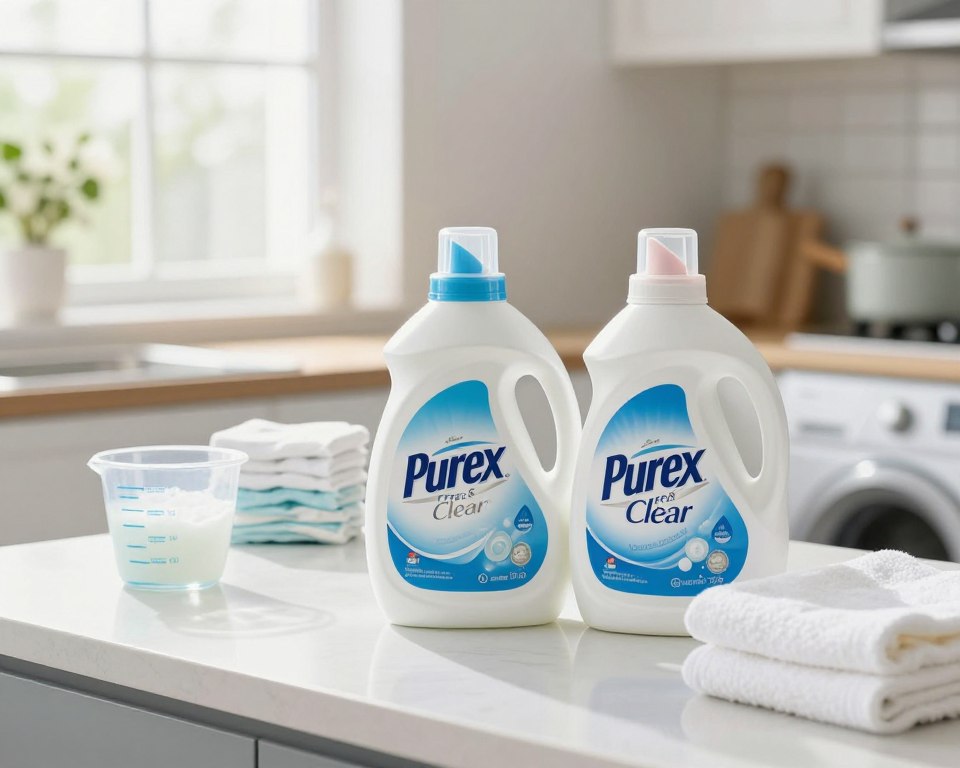
When choosing between these two, think about your laundry needs and budget. Both remove common stains well. But they offer different values based on how much you get for your money. Here’s a table to help you decide.
| Feature | Purex Free & Clear | All Free Clear |
|---|---|---|
| Primary Market | Budget-Friendly | Premium Hypoallergenic |
| Stain Removal | Standard Daily Soils | Enhanced Tough Stains |
| Skin Sensitivity | Dermatologist Tested | #1 Recommended Brand |
| Value Proposition | High Cost-Efficiency | High Performance Reliability |
Ingredient Analysis: What Goes Into Your Wash
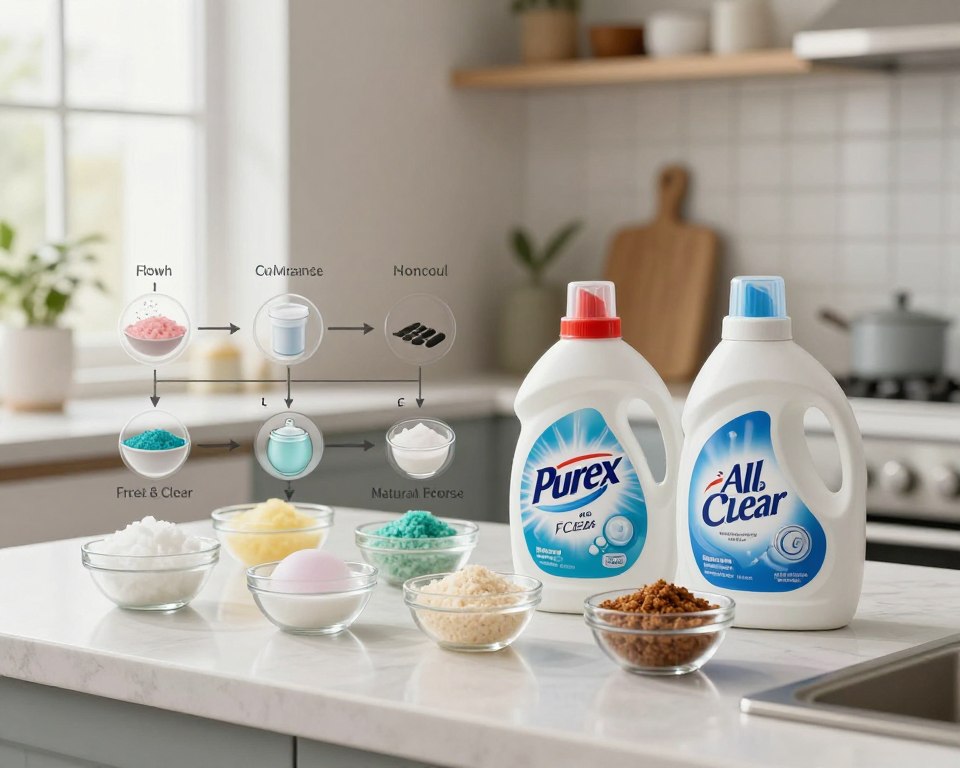
Understanding the chemicals in your laundry detergent is key to managing skin sensitivity. Knowing what interacts with your clothes helps spot possible irritants. Transparency is often lacking, so it’s important to choose products that limit chemical exposure.
Surfactants and Cleaning Agents
Surfactants are the main cleaning agents in detergents. They make water penetrate fabric fibers, lifting oils and dirt. This is how they clean your clothes.
In “free and clear” formulas, surfactants are chosen for their cleaning power without harsh residues. Choosing the right surfactant is critical for those with sensitive skin. Some surfactants can stay in fibers, so these special detergents aim to remove them fully.
Preservatives and Additives
Preservatives keep detergents stable and prevent growth of harmful microbes. Without them, detergents would spoil or get contaminated. But, they must be used carefully to avoid causing skin reactions.
There’s a big problem with not knowing what’s in fragrances. Manufacturers don’t have to list the chemicals in scents. Choosing fragrance-free options is a smart move to avoid these unknown irritants.
| Ingredient Category | Primary Function | Impact on Sensitive Skin |
|---|---|---|
| Surfactants | Lifts dirt and oils | Low if rinsed properly |
| Preservatives | Prevents microbial growth | Can be a possible trigger |
| Fragrance Agents | Provides scent | High risk of irritation |
| Stabilizers | Maintains formula texture | Generally neutral |
Cleaning Performance on Common Household Stains
Cleaning well is key for families picking laundry products for sensitive skin. Hypoallergenic formulas avoid dyes and perfumes but must remove stains well. People ask if these special detergents work as well as regular ones on everyday messes.
Effectiveness on Organic Stains
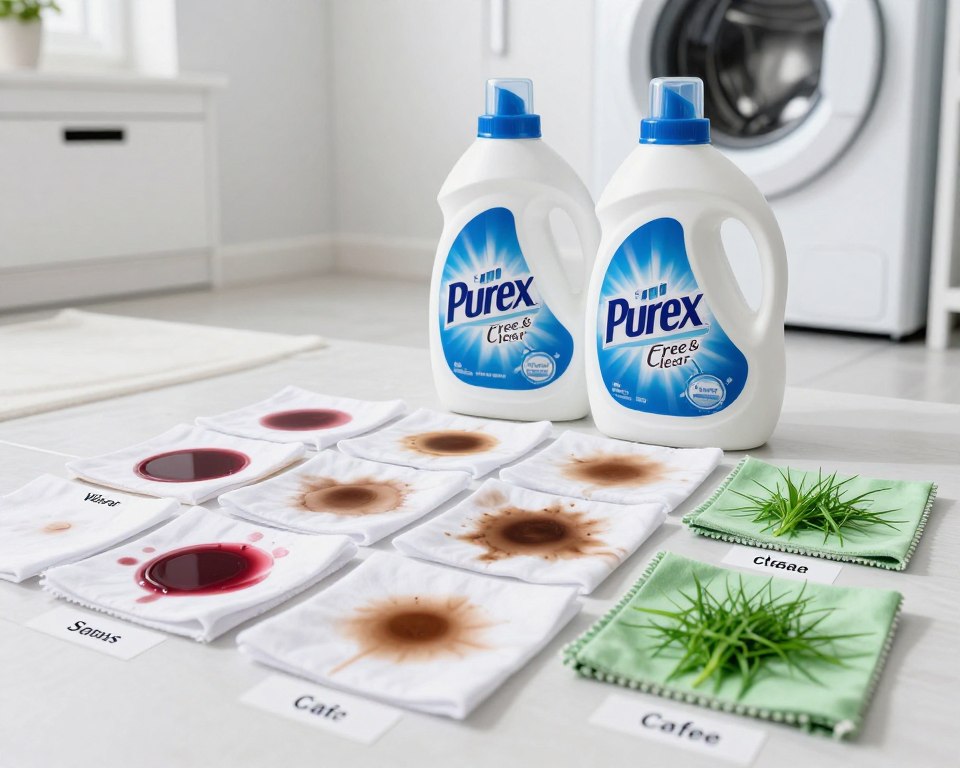
Stains like grass, blood, and oils are tough because they need special enzymes to break down. Purex Free & Clear and All Free Clear have surfactants to lift these stains from clothes. Consistency is key when tackling these stains, as pre-treating works better than just washing.
For tough stains, some add a safer cleaner to help. Learning that oxygen bleach is safer than chlorine can help brighten clothes and remove stains without harming skin.
Performance in Cold Water Cycles
Using cold water to save energy and protect clothes is common now. But, how well detergents work can change with water temperature and mineral content. Hard water can mess with detergent surfactants, making it harder to clean.
In areas with hard water, you might need more detergent to clean clothes well. Watching how your clothes turn out is important. Mineral buildup can feel like clothes aren’t rinsed right. Adjusting your load size or using a water softener can help keep clothes clean, no matter your water quality.
Fragrance-Free vs. Unscented: Clarifying the Terminology
The terms “fragrance-free” and “unscented” are often mixed up, but they mean different things in laundry. For people with sensitive skin, knowing the difference is critical to avoid bad reactions. Using vague labels can lead to hidden chemical exposure.
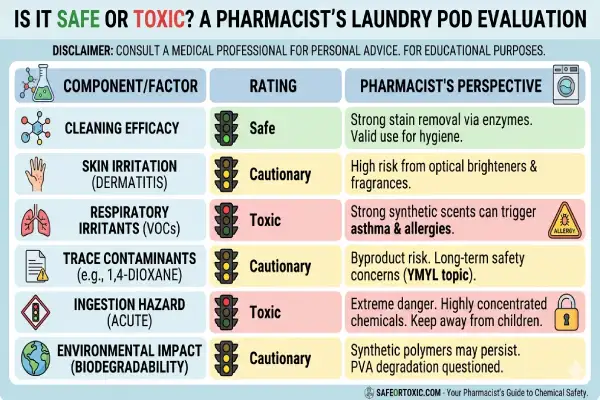
A fragrance-free detergent has no added scents or agents to mask smells. It’s made to avoid volatile organic compounds that give a nice smell. Choosing fragrance-free means you’re picking a formula that lowers the risk of skin and breathing problems.
On the other hand, “unscented” products might have chemicals to hide their own smell. These fragrances can be just as bad as the ones they’re covering up. Even if it smells neutral, it’s not a true fragrance-free laundry soap.
Always check the ingredient list, not just the front label. If you see “parfum,” “fragrance,” or “masking agent,” it’s likely unscented. Going for a verified fragrance-free laundry soap is safest for those with severe allergies.
| Feature | Fragrance-Free | Unscented |
|---|---|---|
| Added Scents | None | None (typically) |
| Masking Agents | No | Yes |
| Allergy Risk | Low | Moderate to High |
| Best For | Sensitive Skin | General Use |
Dermatologist Recommendations and Safety Standards
Certifications on a bottle are key for safe use. Dermatologists suggest looking for specific seals. These show a product has been thoroughly tested. Choosing a gentle detergent for sensitive skin helps avoid skin problems.
National Eczema Association Recognition
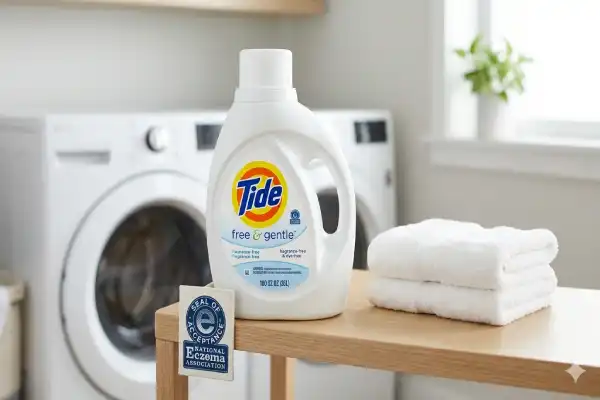
The National Eczema Association (NEA) gives a seal of acceptance. This seal means a product has been checked by experts. It shows the hypoallergenic laundry detergent won’t cause eczema or skin sensitivity.
For families with skin issues, this seal is reassuring. It means the detergent doesn’t have dyes or perfumes. This helps avoid trying out products that might irritate skin.
Clinical Testing Protocols
The EPA’s Safer Choice seal is also important. It shows a product is safe for people and the planet. Brands like all free clear follow these standards.
Products go through tests on human skin to check for reactions. A good sensitive skin detergent will have passed these tests. Using such products helps keep your skin healthy.
Tests and third-party checks make a sensitive skin detergent reliable. These standards help you choose wisely. Always look for these labels to pick a gentle detergent for sensitive skin.
Cost-Effectiveness and Value for Families
Managing a household budget is all about finding the right balance. It’s about getting quality without spending too much. Families often forget about the extra cost of using too much detergent. Following the guidelines can save money and prevent damage to your washing machine.
Price Per Load Analysis
The real value of detergent isn’t just its price. It’s how much it costs per wash. Many think cheaper means better savings, but it’s not always true. Using too much detergent can lead to buildup and expensive repairs.
“Efficiency in the laundry room is measured by the precision of your dose. Over-using product is a primary driver of both fabric wear and mechanical failure in modern high-efficiency appliances.”
To figure out the real cost, divide the total price by the number of loads. Often, a more expensive, concentrated detergent is cheaper per load than a cheaper one. This simple math helps keep your laundry budget in check and your machine running well.
Bulk Purchasing Options
Buying laundry detergent in bulk can save money over time. Big containers usually cost less per ounce than smaller ones. Before buying in bulk, think about a few things to get the most value:
- Storage Space: Make sure you have a cool, dry spot for the big containers.
- Usage Frequency: Bulk buying works best for families that do laundry often.
- Dispensing Convenience: Big bottles often have easy-to-use spigots to avoid spills.
Using bulk options can help keep your monthly spending steady. Make sure the bulk version is the same as the smaller bottles for your skin’s sake. Using these products correctly is key to keeping your clothes and appliances in good shape.
Environmental Impact and Sustainability Considerations
When choosing laundry detergent, think about more than just skin safety. Today’s shoppers want products that are good for the planet and clean clothes. It’s important to look at how a detergent is made and what waste it creates.
Biodegradability of Ingredients
Biodegradability means a substance can break down naturally. Most liquid detergents use surfactants that break down fast in water. This stops harmful chemicals from building up in our water.
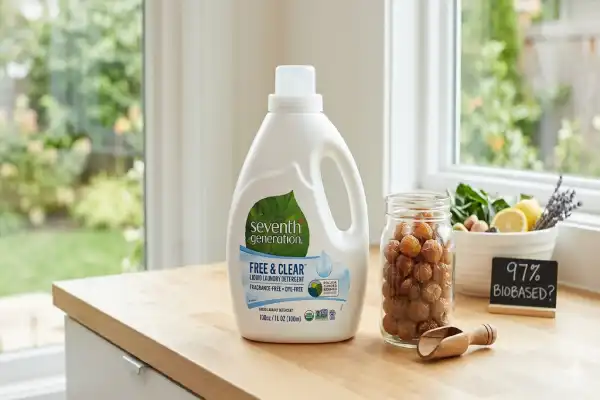
Choose detergents with plant-based surfactants. They clean well and are better for the environment. These ingredients help protect our water and planet, making your laundry routine kinder to the earth.
Packaging and Plastic Waste
The packaging of your detergent is a big part of its environmental impact. Big plastic jugs can end up in landfills if not recycled. Many brands are now using concentrated formulas in smaller packages. This cuts down on waste and carbon emissions.
Buy bigger containers to use less plastic or choose brands that use recycled materials. Check the resin code on your bottle to see if it’s recyclable. Making small changes can make a big difference in reducing waste.
Ease of Use and Packaging Design
The design of your laundry detergent bottle is key to your daily routine. It’s not just about the formula; the bottle’s shape and how you measure it affect your clothes’ cleanliness. Thoughtful design ensures you use just the right amount every time.
Bottle Ergonomics and Pouring
Today’s detergent bottles have handles and spouts to prevent spills and strain. A good cap also acts as a measuring tool, helping your clothes last longer. For a standard load, never fill the cap more than a third.
This habit saves product and makes sure your clothes get clean. Look for bottles with easy-to-read caps and balanced designs for a smoother experience. A steady pour is also important to avoid drips on the floor.
Compatibility with High-Efficiency Machines
High-efficiency (HE) machines need specific detergent levels to work right. They use sensors to check for suds. Too much detergent can trigger a safety feature.
This might end the wash cycle early or add extra rinse cycles. This wastes water and time. Sticking to the recommended amount keeps your machine and clothes in top shape.
| Feature | Standard Machine | HE Machine |
|---|---|---|
| Dosing Requirement | Flexible | Strictly Controlled |
| Sudsing Level | High tolerance | Low tolerance |
| Cap Measurement | Up to 1/2 full | 1/3 full maximum |
| Sensor Impact | Minimal | High risk of error |
User Experiences and Real-World Feedback
Families’ real-life experiences offer the most genuine feedback on laundry products. While lab tests show safety, everyday use shows how these products fit into a busy home. It’s easier to understand the safety of laundry detergent chemicals when we look at both lab results and user feedback.
Common User Complaints
Even the best detergent for allergies gets some criticism. People often complain about the packaging and how it feels. A big issue is the bottle design, as it can leak during shipping or storage.
Users also mention that the product can change over time. Liquid fragrance-free detergent can evaporate if it’s hot or if the cap isn’t tight. This can leave a sticky mess that makes it hard to measure for the next load.
Positive Testimonials from Allergy Sufferers
Despite some packaging issues, many families see big improvements in skin health. Parents of kids with eczema often say that the lack of irritation is a huge plus. They say that the product cleans well without causing any reactions.
Users like that these brands are open about what’s in their products. They say not having dyes and perfumes makes a big difference in their comfort. For those looking for the best detergent for allergies, many agree that the simple formula is worth it. Choosing a good fragrance-free laundry soap is key for managing sensitive skin at home.
| Category | Common User Feedback | Impact Level |
|---|---|---|
| Packaging | Occasional cap leakage | Moderate |
| Consistency | Risk of clumping if stored poorly | Low |
| Skin Health | High satisfaction for eczema | Very High |
| Cleaning | Effective for daily soil | High |
Choosing the Right Detergent for Your Specific Needs
Finding the best detergent for allergies means balancing your budget, family skin sensitivity, and washing machine type. Both leading brands clean well without harsh dyes or perfumes. But, they focus on different needs.
When to Choose Purex Free & Clear
Purex Free & Clear is great for those watching their budget but avoiding skin irritants. It’s perfect for families needing a reliable, affordable cleaner.
It works well in both standard and high-efficiency machines. This makes it a good choice for everyday laundry. It’s a cost-effective way to manage mild skin sensitivities without losing cleaning power.
When to Choose All Free Clear
All Free Clear is best for families with severe eczema or chronic skin conditions. It has the National Eczema Association Seal of Acceptance. Dermatologists often recommend it for its clinical assurance.
When choosing for your kids, consider how these products compare to others. Like our guide on Dreft vs Persil for newborns. This brand offers peace of mind with its rigorous testing and proven safety.
| Feature | Purex Free & Clear | All Free Clear |
|---|---|---|
| Primary Benefit | Budget-friendly value | Clinical safety standards |
| Best For | General sensitive skin | Severe eczema/allergies |
| Market Position | Economy choice | Premium hypoallergenic |
| Machine Type | HE & Standard | HE & Standard |
Conclusion
Choosing between Purex Free & Clear and All Free Clear depends on your budget and skin health needs. Both brands offer strong, hypoallergenic cleaning without common irritants. This helps keep your family safe from harmful chemicals.
Good laundry care is more than just the detergent. Adding a laundry sanitizer can be key for keeping things clean, like gym clothes and pet beds. These products fill the gap that regular detergents can’t.
Adjust your laundry routine to fit your family’s needs. Choose fragrance-free for sensitive skin and use sanitizers for tough cleaning jobs. This way, your clothes stay clean and gentle.
Sticking to good laundry habits is important for your clothes and health. Check if your detergent is up to the task regularly. Making smart choices about cleaning products keeps your home safe for everyone.
FAQ
Is All Free Clear better than Purex Free & Clear for eczema sufferers?
Both are great for sensitive skin. But All Free Clear is often chosen by doctors because it has the National Eczema Association Seal. This means it’s safe for people with skin problems.
What makes a laundry detergent comparison between these two brands relevant for budget-conscious families?
Purex Free & Clear is cheaper but just as good for allergies. All Free Clear is a bit pricier but doctors recommend it for severe allergies. Both are good choices for families watching their budget.
Can I use fragrance-free laundry soap in high-efficiency (HE) washing machines?
Yes. Both Purex Free & Clear and All Free Clear work well in HE machines. Just use the right amount to avoid too many suds.
What is the difference between “unscented” and “fragrance-free detergent”?
“Fragrance-free” means no scent chemicals are used. “Unscented” might have fragrances to hide other smells. Purex and All are truly fragrance-free.
How do these detergents perform on tough organic stains like grass or blood?
They might need a pre-treatment for tough stains. But they’re good at removing everyday dirt and oils. Warm water helps them work better.
Are these products safe for septic systems and the environment?
Yes. They’re safe for septic systems and the environment. Look for the EPA’s Safer Choice seal to be sure.