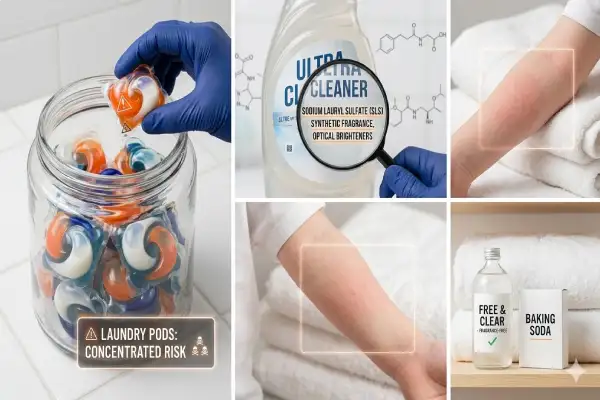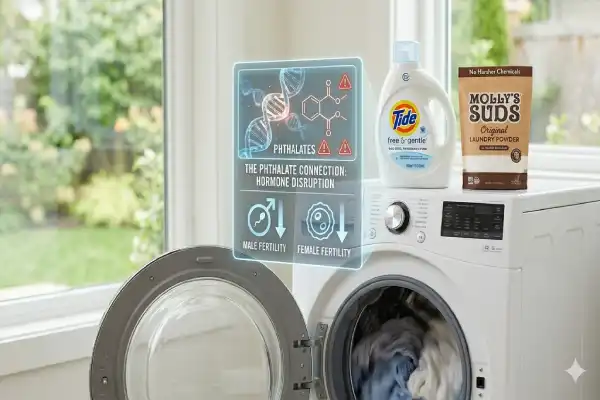
Did you know that the average household washes nearly 400 loads of clothing every year? Most people don’t think about the chemicals left on their clothes. These chemicals, like synthetic fragrances and preservatives, stay on your skin for hours.
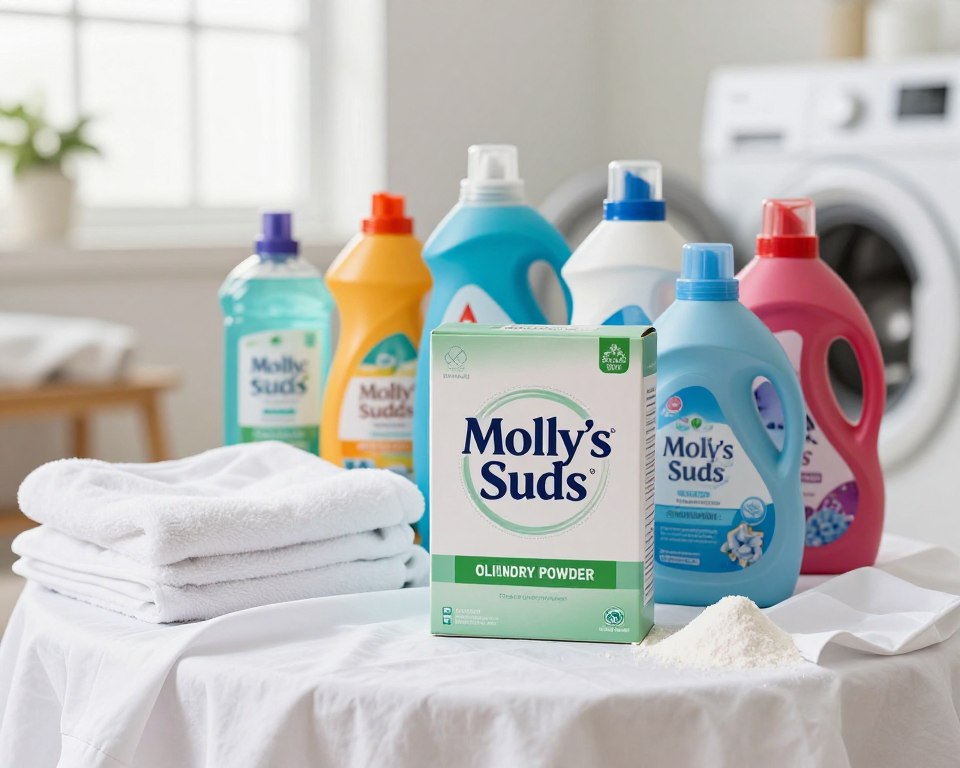
Choosing the right laundry detergent is important for families, pet owners, and those with sensitive skin. Our analysis looks at the chemicals in different formulas. We compare Molly’s Suds Original Laundry Powder vs. Liquid Detergents to help you choose.
This guide uses safe data to reduce toxic exposure at home. We focus on clinical precision to show you what touches your skin every day.
Key Takeaways
- Most household cleaning products leave behind chemical residues that stay in contact with skin.
- Pharmacist-verified data helps consumers identify safer alternatives for sensitive skin.
- Understanding ingredient labels is essential for reducing toxic exposure in the home.
- The choice between dry and wet cleaning formulas impacts both fabric health and personal safety.
- Evidence-based guidance empowers parents and pet owners to make informed purchasing decisions.
The Evolution of Laundry Detergents in the American Household
Laundry care in the United States has changed a lot. It has moved from simple, natural soaps to complex chemical mixes. Over the years, the laundry aisle has changed a lot. This change shows a shift towards synthetic convenience.
Earlier, people used basic surfactants to clean their clothes. Now, making clothes cleaner is faster and easier. This change has brought in new products like concentrated formulas and liquid pods.
These new products dissolve quickly and work well. But, they have a hidden cost in their chemical makeup. The ease of using a pre-measured pod hides the complex additives needed to keep it stable.
“The history of domestic technology is often a story of trading simplicity for efficiency, sometimes at the expense of our long-term health and environmental well-being.”
Now, people are starting to think about the chemicals in their homes. This is making them look back at simpler, powder-based cleaning solutions. By choosing these, homes can clean well without the heavy chemicals of recent years.
Understanding the Chemical Composition of Conventional Liquid Detergents
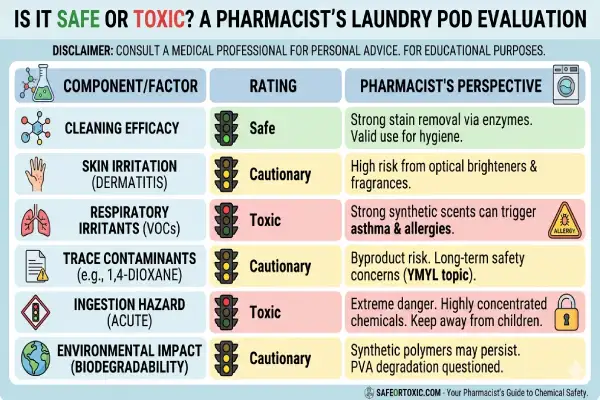
As a pharmacist, I often check the chemicals in cleaning products for skin safety. Many people use liquid detergents without knowing the complex chemical reactions in their wash cycles. It’s important to focus on laundry detergent safety and the synthetic additives that clean but might also be risky.
Common Surfactants and Their Potential Health Impacts
Surfactants are the main cleaning agents in liquid detergents, lifting dirt and oils from fabrics. But, substances like sodium laureth sulfate can cause skin irritation. They can remove the skin’s natural protective layer, making it more sensitive.
It’s crucial to look at these ingredients for their cleaning power and health risks. These agents can stay on clothes, touching your skin and causing irritation over time. For more on the dangers, check out liquid laundry detergent safety resources.
The Role of Optical Brighteners and Synthetic Fragrances
Optical brighteners make fabrics look cleaner and whiter. They absorb UV light and emit blue light, hiding yellowing. But, these chemicals stay on fabrics, touching your skin all day.
Synthetic fragrances are also a big worry. They’re made of many unknown chemicals and can cause breathing problems and allergies. Transparency in labeling is often missing, making it hard to know what’s in your favorite scents.
Preservatives and Stabilizers in Liquid Formulas
Liquid detergents need preservatives and stabilizers to last long and prevent germs. These additives keep the product consistent and effective. But, they also add more synthetic chemicals to your home. Common preservatives like methylisothiazolinone can cause skin reactions.
Knowing how these chemicals work helps us make better choices for laundry. Cutting down on these synthetic additives is a good step for better laundry detergent health impacts. Opting for products with simpler, clearer ingredient lists is a smart way to reduce risks.
Molly’s Suds Original Laundry Powder: A Deep Dive into Ingredients
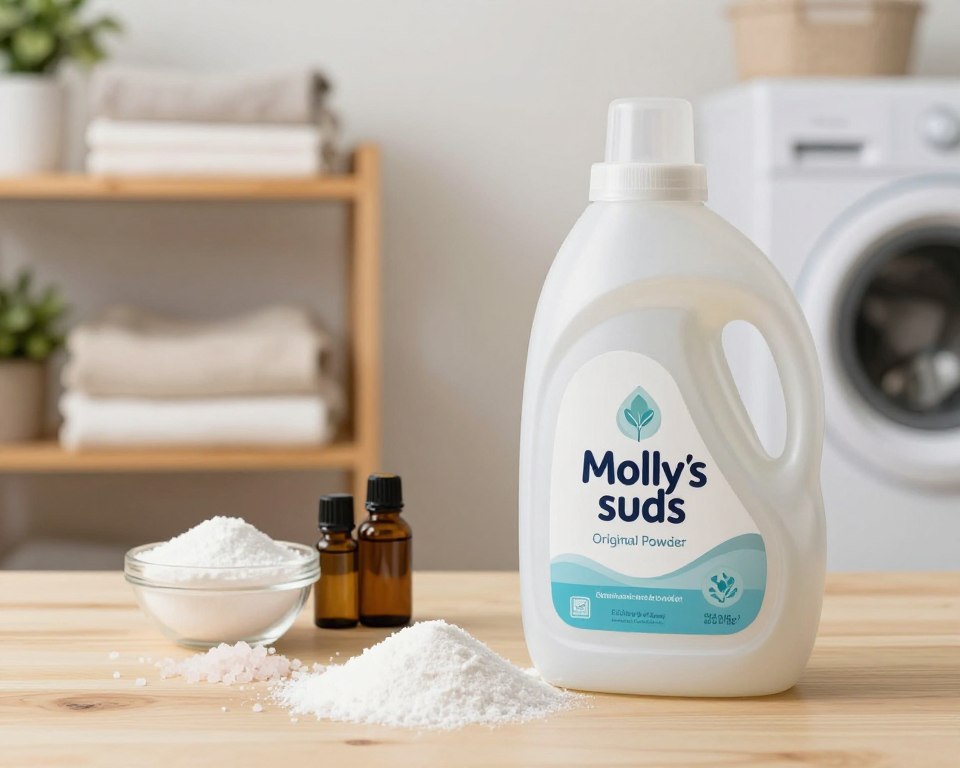
Choosing a natural laundry detergent means looking closely at what’s inside. Molly’s Suds Original Laundry Powder has a simple list of ingredients. It focuses on safe, natural substances that clean well without extra additives.
Sodium Carbonate and Its Cleaning Efficacy
Sodium carbonate, or washing soda, is key to this detergent. It softens water, making the detergent work better in hard water. It also changes the water’s pH to better remove dirt and oils from clothes.
Sodium Percarbonate as a Natural Whitening Agent
Sodium percarbonate brightens clothes without harming them. It’s a safer bleach that breaks down into safe parts. This makes it a top pick for those wanting a natural laundry detergent that’s gentle.
“The shift toward mineral-based cleaning agents represents a significant advancement in household safety, reducing the chemical burden on our skin and water systems.”
The Role of Pure Peppermint Essential Oil
Molly’s Suds uses real peppermint oil for its scent. This avoids the dangers of artificial fragrances. Peppermint oil also fights off germs, making clothes smell fresh.
| Ingredient | Primary Function | Safety Profile |
|---|---|---|
| Sodium Carbonate | Water Softening | High |
| Sodium Percarbonate | Whitening/Stain Removal | High |
| Peppermint Oil | Natural Fragrance | High |
Molly’s Suds Original Laundry Powder vs. Liquid Detergents: A Comparative Analysis
Choosing between powder and liquid laundry detergents is a big decision. It’s about how well they clean and if they’re safe for your family. Molly’s Suds Original Laundry Powder vs. Liquid Detergents are two popular options. Knowing the differences helps keep your clothes looking good and your family healthy.
Comparing Cleaning Power on Tough Stains
How well a detergent works depends on its ability to tackle tough stains. Liquid detergents are great at tackling oil-based stains because they break down grease quickly. But, powders like Molly’s Suds are better at removing protein-based stains, like blood or sweat.
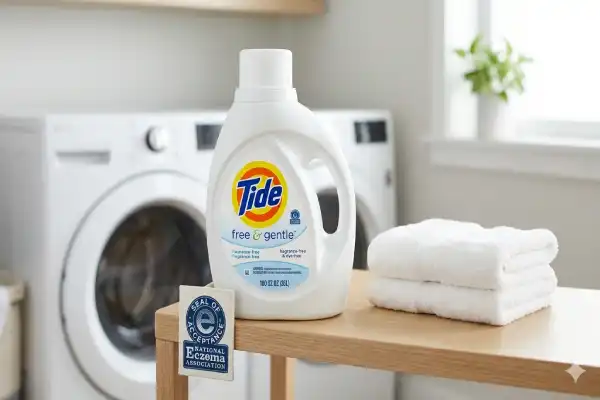
Powders work well because they use minerals that help lift stains during washing. This is different from liquids. For more info, check out a Tide Original vs. Tide Free Gentle comparison to see how surfactants compare.
Solubility and Residue Concerns in Different Water Temperatures
One problem with powders is they might not dissolve fully in cold water. If they don’t, they can leave residue on clothes. This residue isn’t just a cosmetic issue; it can also harbor bacteria and cause skin irritation.
Liquid detergents dissolve better in cold water because they’re already in a liquid form. To avoid residue with powders, use warmer water or add the powder directly to the washing machine drum. This way, you can prevent particles from getting stuck in your clothes.
Environmental Impact and Packaging Sustainability
The environmental impact of laundry products goes beyond their ingredients. Liquid detergents come in heavy plastic jugs that use a lot of energy to transport. On the other hand, powdered detergents are lighter and often come in recyclable cardboard, which is better for the planet.
Choosing concentrated powders helps reduce plastic waste. Here’s a table that shows the main differences between powders and liquids:
| Feature | Powdered Detergent | Liquid Detergent |
|---|---|---|
| Stain Type | Best for Protein/Mud | Best for Oil/Grease |
| Solubility | Requires warm water | Excellent in cold water |
| Packaging | Recyclable Cardboard | Plastic Jugs |
| Shelf Life | Longer stability | Prone to separation |
Pharmacist Perspective on Skin Sensitivity and Allergic Reactions
As a pharmacist, I often tell patients to check their laundry for skin issues. Many people with skin sensitivity don’t know their clothes can cause problems. Chemicals on fabric can break the skin’s barrier and cause reactions.
Identifying Common Irritants in Mass-Market Detergents
Most detergents focus on smell and color, not skin safety. They have many chemicals that are hard to wash off. Here are some common irritants:
- Synthetic Fragrances: These mixes often include phthalates, which can cause skin allergies.
- Optical Brighteners: These chemicals make clothes look brighter but can irritate skin.
- Preservatives: Things like methylisothiazolinone stop germs but can cause allergic reactions.
Why Powdered Formulas May Be Gentler for Eczema-Prone Skin
For eczema-friendly laundry, simple is best. Powdered detergents like Molly’s Suds use fewer ingredients. This means less chance of an allergic reaction.
Also, powders rinse cleaner in many water types. They don’t have as many additives as liquids. This means less chance of chemical buildup on clothes. For those with chronic skin issues, this is key to comfort.
The Hidden Dangers of Synthetic Fragrances in Laundry Care
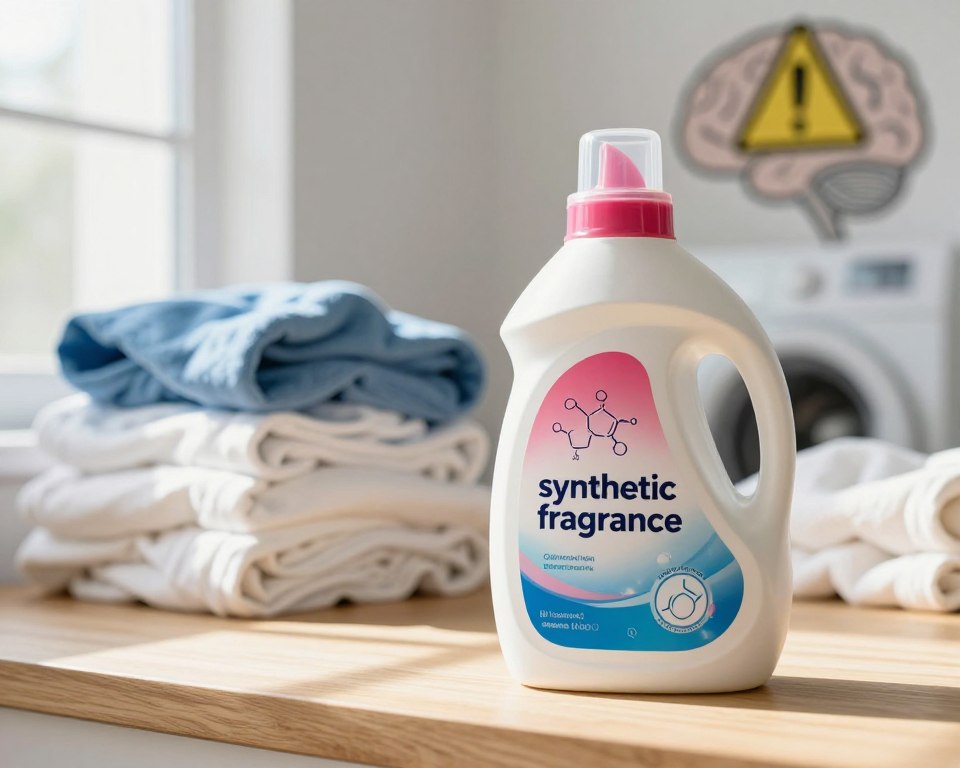
Synthetic fragrances often cause skin irritation and breathing problems at home. People think a strong smell means things are clean. But these additives stick to fabrics for a long time. This means synthetic fragrance risks are always around you.
These chemicals stay on your clothes, causing laundry detergent residue that touches your skin all day. This can harm your health, more so if you’re already sensitive. The harm from these chemicals is often overlooked in our daily lives.
Endocrine Disruptors and Respiratory Sensitivities
Many scents have phthalates, which mess with hormones. This is a big risk for kids and those with weak immune systems. Respiratory sensitivities also happen because the chemicals in fragrances can irritate your airways when you breathe them in.
Our clothes can carry these chemicals, making them a source of irritation. By picking products without these additives, you can cut down on chemicals. It’s important to remember that a strong smell doesn’t mean something is cleaner.
How Essential Oils Differ from Synthetic Scents
Essential oils come from plants and are different from synthetic scents. They don’t last as long because they evaporate faster. This means they don’t leave a bad laundry detergent residue on your clothes.
Using essential oils like peppermint oil gives a nice smell without the harmful chemicals. This way, you avoid synthetic fragrance risks and still enjoy a pleasant scent. Choosing natural ingredients helps keep your clothes and body healthy.
Evaluating Optical Brighteners and Their Safety Profile
Many people think bright white laundry means it’s clean. But, this look often comes from chemicals. These are called optical brighteners. They don’t clean clothes but make them look brighter.
How Optical Brighteners Work on Fabric Fibers
These chemicals are like fluorescent dyes that stick to clothes after washing. They absorb UV light and shine back as blue light. This makes clothes seem whiter and brighter.
Since they stay on clothes, these chemicals don’t wash away. This is why many products use them. You can learn more about them in this guide to the best and worst laundry detergents. Optical brighteners keep clothes looking bright until the next wash.
Potential Risks of Skin Absorption and Environmental Toxicity
The big worry is how these chemicals touch our skin. They stick to clothes and can move to skin through touch or sweat. This can cause problems for people with sensitive skin or allergies.
There’s also a big worry about how they affect the environment. These chemicals don’t break down easily and can get into our water. Once there, optical brighteners can harm fish and other sea life. Many people choose to avoid them to protect themselves and the planet.
The Role of Surfactants in Cleaning Performance
Surfactants are tiny heroes that help water get rid of tough stains on clothes. They work by making water less sticky, so it can get into fabric better. When you look at laundry detergent surfactants, you’re seeing what makes dirt leave your clothes.
Anionic vs. Non-Ionic Surfactants in Laundry
Detergents mix different surfactants to clean well and be safe for skin. Anionic surfactants are good at getting rid of dirt and clay. But, they can be too harsh for some skin.
Non-ionic surfactants don’t have an electric charge. They’re great for oily stains and are kinder to skin. Mixing these two kinds makes a detergent that’s tough on dirt but gentle on you.
Plant-Derived Cleaning Agents vs. Petroleum-Based Alternatives
Nowadays, people want cleaners made from plants because they’re better for the planet. Old cleaners use oil-based stuff, which works well but isn’t good for the earth. Plant cleaners, like those from coconut or corn, clean well and are better for the environment.
For those who are sensitive to chemicals, picking the right surfactant is key. Below is a table that shows the main differences between these cleaners. It helps you choose the best one for your home.
| Surfactant Type | Primary Function | Source Origin | Skin Sensitivity |
|---|---|---|---|
| Anionic | Particulate Removal | Petroleum/Synthetic | Moderate to High |
| Non-Ionic | Oil/Grease Removal | Plant/Synthetic | Low |
| Plant-Derived | General Cleaning | Renewable Plants | Very Low |
| Petroleum-Based | Heavy Duty Cleaning | Crude Oil | Moderate |
Cost-Effectiveness and Longevity of Powdered Detergents
Many people don’t see the long-term savings of powdered detergents over liquids. Liquid soaps seem cheaper but have lots of water and additives. This makes them less effective, as you’re mostly paying for water and additives.
Calculating Cost Per Load for Molly’s Suds
When looking at cleaning supplies, focus on the laundry detergent cost per load, not the container price. Molly’s Suds Original Laundry Powder is very concentrated. This means a little goes a long way, saving you money.
Users find one bag lasts dozens of washes, cutting down the cost per cycle. Efficiency is the key to this savings. The savings from not shipping heavy liquids are passed on to you.
Storage Considerations and Shelf Life Comparison
Proper laundry detergent storage is crucial for keeping your products fresh. Powdered detergents stay good for longer than liquids, which can lose potency. This makes them great for buying in bulk.
To avoid clumps, store your powder in a cool, dry place. Moisture can cause the ingredients to stick together too soon. Sealing the container tightly after each use keeps it effective until the last scoop.
User Experience and Practical Application Tips
Using powdered detergents in high-efficiency appliances helps avoid detergent residue. It also makes your wash cycle more effective. Switching from liquid to a concentrated laundry powder needs a few tweaks for the best results.
Best Practices for Using Powdered Detergent in High-Efficiency Machines
To get the best results in high-efficiency machines, put the powder in the drum before adding clothes. This way, the detergent meets water right away, dissolving faster.
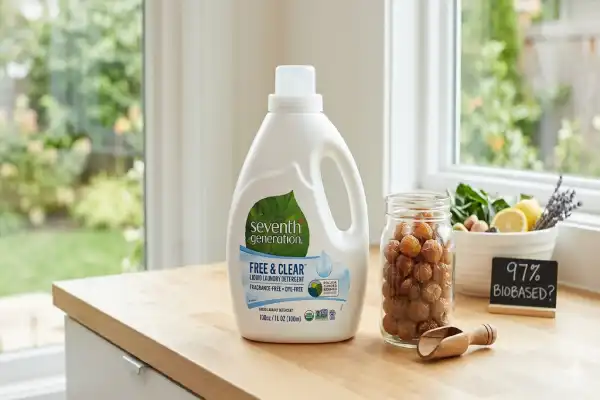
If your machine has a special drawer for detergent, powder might clump because of moisture. Putting the product directly in the drum avoids this problem. When comparing options like all free clear vs seventh generation free, knowing how your machine handles different products is key for keeping clothes looking good.
Troubleshooting Common Issues with Laundry Powders
White streaks on dark clothes are a common problem. It often means the machine is too full or the water is too cold. Reducing your load size or choosing a warmer wash setting usually fixes it.
Hard water can also affect how well natural powders work. If you live in an area with lots of minerals, try using a bit less detergent. Or, add a natural water softener to the cycle. These small changes help keep your clothes clean and free of residue.
Regulatory Standards and Labeling Transparency
Shopping for laundry detergent can feel like trying to crack a code. Unlike food and cosmetics, the makers of cleaning products don’t have to list all chemicals on their labels. This lack of transparency makes it hard for people to know what’s in their laundry detergent.
Decoding Ingredient Lists on Household Cleaning Products
When you look at a detergent bottle, you might see “surfactants” or “fragrance” instead of real chemical names. These terms can hide many chemicals, some of which might cause health problems. To stay safe, choose brands that list all ingredients on their website or label.
Transparency is the hallmark of a responsible manufacturer. If a company won’t tell you what’s in their product, it might not be safe. Always pick products that explain each ingredient clearly.
“True transparency in the cleaning industry is not just about listing ingredients; it is about providing the consumer with the context needed to make an informed health decision for their family.”
The Importance of Third-Party Certifications
Third-party certifications are key because government rules are not enough. The EPA Safer Choice label checks if a product meets strict health and environmental standards. These groups do the hard work so you don’t have to.
Using these labels means you can shop with confidence. The table below shows how different certifications help you find safer laundry products.
| Certification | Primary Focus | Safety Standard |
|---|---|---|
| EPA Safer Choice | Human & Environmental Health | Strict chemical vetting |
| Leaping Bunny | Animal Welfare | No animal testing |
| USDA Biobased | Renewable Content | Plant-derived ingredients |
Choosing products with these labels supports companies that care more about safety than profit. These labels help you find products that match your health and environmental values. Always look for these logos to know you’re getting a quality product.
Navigating the Transition to Safer Laundry Practices
Switching to a natural laundry detergent is more than a simple change. It’s a step towards better health and a safer home. It means choosing safer products and changing how you clean.
Steps to Detox Your Laundry Routine
Start by checking what you use now. Many products have hidden irritants like synthetic fragrances and liquid fabric softener. These can stay on clothes long after washing.
- Clear the clutter: Get rid of products with hard-to-read ingredient lists.
- Pre-treat naturally: Use baking soda or vinegar to tackle tough stains before washing.
- Clean your machine: Run a hot cycle with white vinegar to get rid of old detergent residue.
Managing Expectations When Switching to Natural Ingredients
Using a natural laundry detergent is different from regular detergents. They don’t have harsh chemicals, so they might need special care for tough stains or dirty clothes.
Be patient when you start. Your clothes might feel different without the chemical coating. But this means they’re cleaner. Over time, they’ll get back to feeling natural and breathable.
| Feature | Conventional Detergent | Natural Laundry Detergent |
|---|---|---|
| Fragrance Source | Synthetic Chemicals | Essential Oils |
| Stain Removal | Aggressive Enzymes | Mineral-Based Agents |
| Residue | High (Coating) | Low (Rinses Clean) |
| Skin Impact | Potential Irritant | Generally Gentle |
Conclusion
Choosing the right laundry detergent is key to a healthy home. It’s important to know what’s in your detergent. This helps keep your family safe from harmful chemicals.
Molly’s Suds Original Laundry Powder is a great choice. It’s different from the usual liquid detergents. It means you can avoid harsh chemicals and fragrances that can irritate your skin.
You don’t have to choose between clean clothes and safety. There are ways to get rid of stains without harming your health. Use what you’ve learned to check your laundry supplies.
Changing your laundry habits can make a big difference. Tell others about using natural cleaners. Your efforts can make your home a healthier place for everyone.
FAQ
Why should I choose Molly’s Suds Original Laundry Powder over conventional liquid detergents?
Liquid detergents often have many additives that can cause skin problems. Molly’s Suds uses fewer ingredients, focusing on safety. It uses sodium carbonate to clean clothes without the harmful effects of other chemicals.
Is this powder considered an eczema-friendly laundry product?
Yes. It’s good for people with eczema because it doesn’t leave residue on clothes. Unlike regular detergents, it doesn’t have additives that can irritate the skin.
How does Molly’s Suds perform on protein-based stains compared to liquid brands?
Molly’s Suds is great at removing stains like blood or grass. It has a special ingredient that safely bleaches stains without harming colors. For tough stains, a quick pre-treatment helps the natural cleaners work better.
What are the health concerns associated with synthetic fragrances and optical brighteners?
Synthetic fragrances and optical brighteners can harm your skin and health. They stay on clothes for a long time. Molly’s Suds uses peppermint oil for a scent that doesn’t linger.
Will using a powdered detergent cause buildup or residue in my washing machine?
Some worry about residue, but it’s usually from too much detergent or low-quality products. Molly’s Suds is made to dissolve well. Just use the right amount and store it right to avoid clumps.
How can I verify the safety of the surfactants used in my detergent?
Look for third-party certifications like the EPA Safer Choice label. This ensures the surfactants are safe for humans and the environment. Molly’s Suds uses plant-based cleaners instead of petroleum-based ones.
Is powdered laundry detergent more cost-effective than liquid?
Yes, from a cost perspective, powders are often better. They have more active ingredients than liquids, which means they clean better. Plus, they last longer, saving you money in the long run.
What is the best way to transition to a natural laundry routine?
Start by cleaning your washing machine to get rid of old detergent residue. Then, use natural detergent. Remember, natural detergents might not suds as much, but they still clean well.