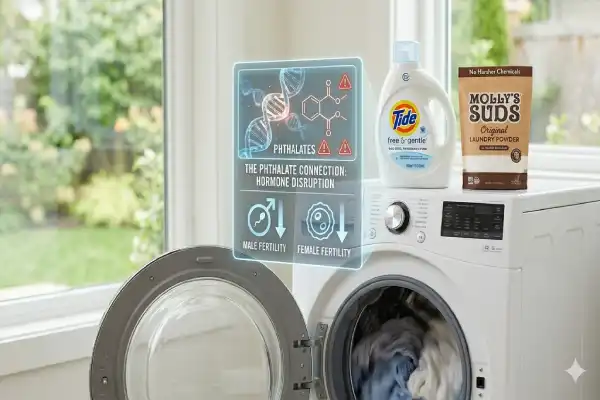
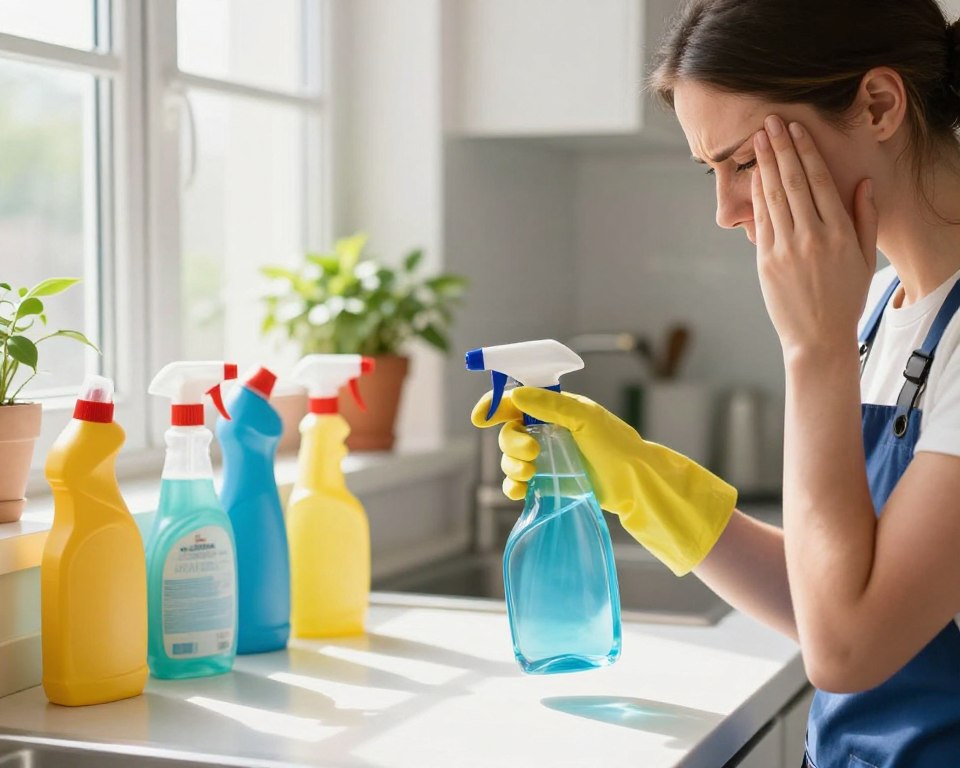
Did you know indoor air is often two to five times more polluted than outside air? Many people unknowingly bring harsh toxins into their homes with common sprays and detergents. These toxins stay in the air long after cleaning is done.
You might wonder: Can Cleaning Products Cause a Headache After Use? The answer often lies in the volatile organic compounds (VOCs) in these bottles. These chemicals often cause physical discomfort, making your home a source of daily stress.
Identifying these hidden triggers is the first step to a healthier home. By choosing safer, more natural alternatives, you can breathe easier and enjoy a truly refreshed home.
Key Takeaways
- Indoor air quality is often significantly worse than outdoor air due to household chemicals.
- Volatile organic compounds (VOCs) are primary culprits behind tension-related discomfort.
- Recognizing specific ingredient labels helps you avoid problematic items.
- Transitioning to natural alternatives reduces your exposure to harmful synthetic fragrances.
- Small changes in your routine lead to a healthier, more comfortable living space.
Understanding the Link Between Household Chemicals and Headaches
Ever wondered why your head hurts after cleaning the kitchen? Many household items have strong chemicals that can bother your eyes, throat, and sinuses. This can lead to a cleaning product headache, making a simple task painful.
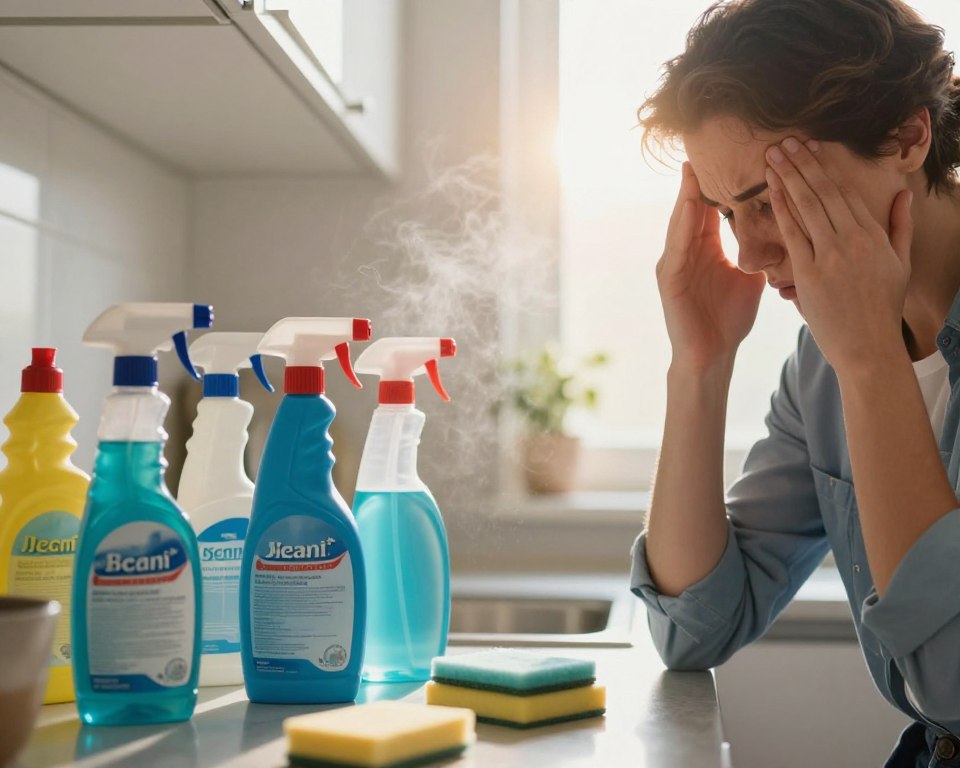
The Science of Chemical Exposure
Using strong cleaners or sprays means you’re breathing in harmful gases. These gases can get into your blood through your lungs. Your body sees these as threats, causing inflammation in your nose and head pain.
“Indoor air quality is often significantly worse than outdoor air, largely due to the accumulation of chemicals from common household products.”
Not everyone reacts the same to chemicals. Some people are more sensitive to certain smells and cleaners. If you get a cleaning product headache after starting to clean, it’s your body’s way of saying it’s had enough.
Why Your Brain Reacts to Cleaning Agents
Your brain is very sensitive to changes in the air you breathe. When you inhale strong fumes, your brain might think it’s under attack. This can lead to a tension-style headache.
Knowing what triggers your headaches can help you control your environment better. Here’s a table showing how different chemicals can affect you:
| Chemical Category | Common Source | Primary Effect |
|---|---|---|
| Volatile Solvents | Glass Cleaners | Sinus Irritation |
| Ammonia | Multi-surface Sprays | Throat Constriction |
| Synthetic Fragrances | Air Fresheners | Neurological Trigger |
| Chlorine | Bleach Products | Respiratory Distress |
By knowing these patterns, you can take steps to reduce your risk. Spotting the signs of a cleaning product headache early lets you improve air flow or choose safer options before the pain gets worse.
Can Cleaning Products Cause a Headache After Use?
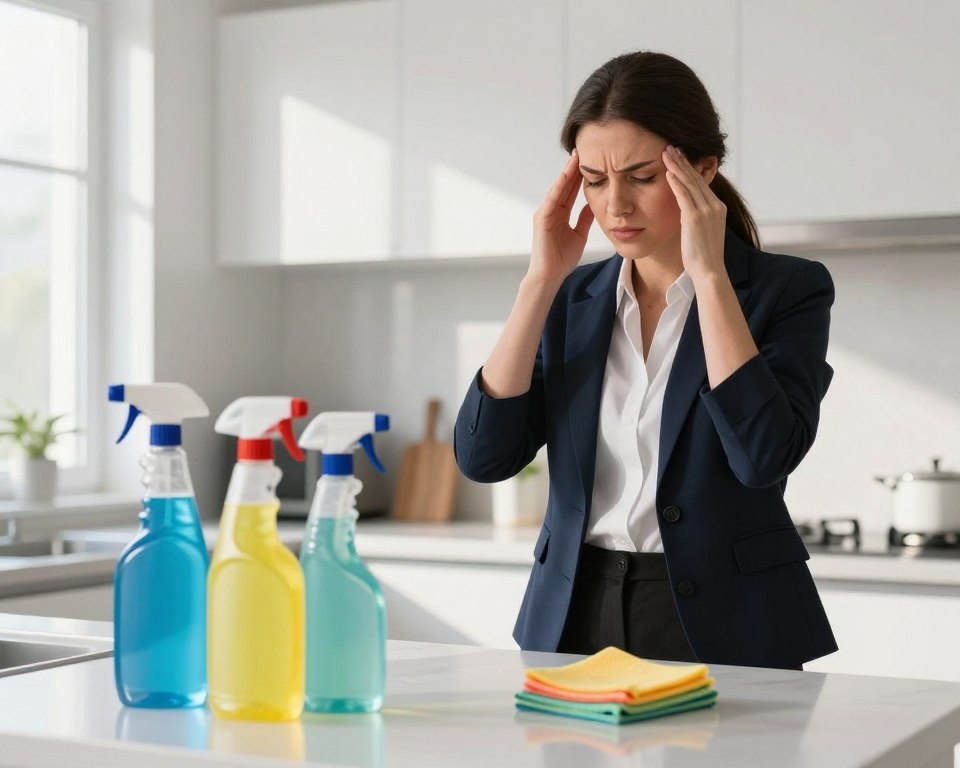
Ever wondered: can cleaning products cause a headache after use? Many people are confused when they feel fine while cleaning, but then get a headache later. It’s hard to know what’s causing the pain because it happens hours after cleaning.
Immediate Reactions vs Delayed Onset
It’s key to know the difference between quick reactions and delayed pain. Some feel sharp pain in their nose or throat right away when they smell strong chemicals. This is a quick reaction to the chemicals.
Others get a delayed tension headache hours after cleaning. This happens because it takes time for the body to react to the chemicals. Knowing how to clean without headaches can help manage these symptoms.
The Connection Between Inhalation and Pain
Inhalation is how household chemicals get into your blood. Once inhaled, they can cause inflammation in your body. This is why indoor air pollution can lead to, even without touching the chemicals.
When these chemicals reach your brain, they can mess with your brain’s function. This is why you might feel pain later. Knowing that inhalation is a silent trigger is crucial for a healthier home. This helps you figure out which products might be causing your headaches.
Common Chemical Culprits in Your Cleaning Cabinet
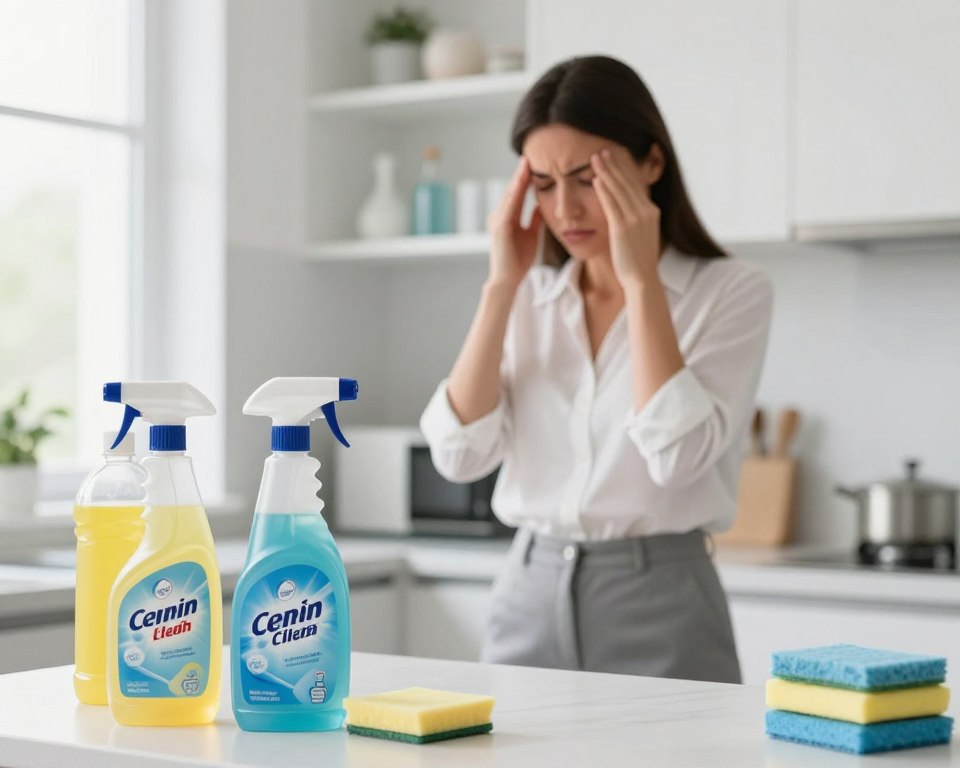
Your cleaning cabinet might be hiding several chemical culprits responsible for your recurring headaches. Many standard products contain volatile ingredients that can irritate your senses and lead to a persistent cleaning product headache. Understanding what is inside your bottles is the best way to protect your health.
Ammonia and Its Irritating Properties
Ammonia is a powerful cleaner, but it is also a potent respiratory irritant. When you inhale its sharp, pungent fumes, your body may react with immediate discomfort. Never mix ammonia with bleach, as this combination creates toxic chloramine gas that is extremely dangerous to breathe.
Bleach and Chlorine-Based Cleaners
Chlorine-based cleaners are staples in many homes for their whitening and disinfecting power. The strong odor of bleach can trigger a cleaning product headache in sensitive individuals. Prolonged exposure to these fumes often leads to dizziness or eye irritation, making it essential to use them only in well-ventilated areas.
Phthalates in Household Sprays
Phthalates are often used to help fragrances linger in the air after you spray a cleaner. These chemicals are common in air fresheners and multi-surface sprays. Because they are designed to stay airborne, they are easily inhaled, which can contribute to a lingering cleaning product headache for those with chemical sensitivities.
Formaldehyde Releasers in Detergents
Some laundry detergents and dish soaps contain preservatives that slowly release formaldehyde over time. This process, known as off-gassing, can degrade your indoor air quality significantly. If you notice a dull ache after doing chores, these hidden ingredients might be the underlying cause.
| Chemical Agent | Common Use | Primary Health Risk |
|---|---|---|
| Ammonia | Glass and surface cleaning | Respiratory irritation |
| Chlorine Bleach | Disinfecting and whitening | Headaches and eye strain |
| Phthalates | Fragrance stabilization | Neurological sensitivity |
| Formaldehyde | Preservative in detergents | Air quality degradation |
How Volatile Organic Compounds Affect Your Nervous System
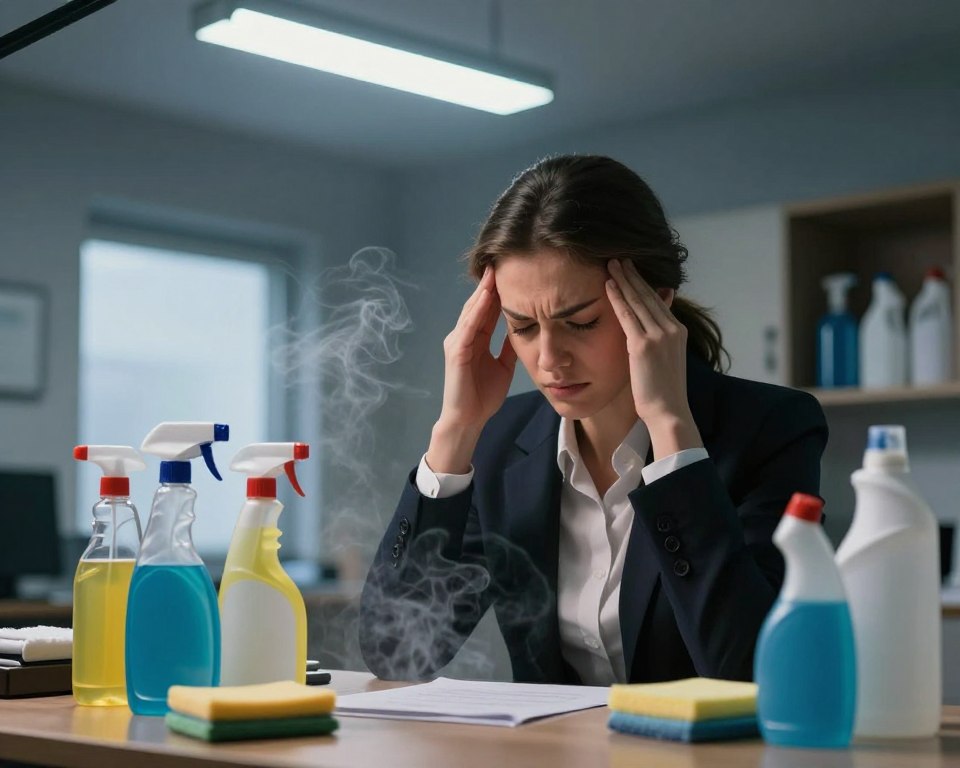
If you often get a headache from cleaning products, it might be due to the chemicals in them. Many household items release gases that stay in your home long after cleaning. These gases are called Volatile Organic Compounds, or VOCs.
Defining VOCs in Everyday Products
VOCs are chemicals that turn into gas easily at room temperature. This makes them a big part of your indoor air. They come from many common items.
Things like glass cleaners, floor waxes, and air fresheners often have VOCs. Even “natural” products can sometimes release these gases.
The Mechanism of Neurotoxicity
When you breathe in these gases, they go straight to your nervous system. This can cause a headache from cleaning products by irritating your nerves. Your body might feel stressed, leading to dizziness or lightheadedness.
“Indoor air quality is a critical component of public health, yet it is often overlooked in favor of outdoor environmental concerns.”
The table below shows how different VOC sources affect your body:
| Source | Common VOC | Primary Effect |
|---|---|---|
| Aerosol Sprays | Propellants | Dizziness |
| Floor Cleaners | Glycol Ethers | Headache |
| Disinfectants | Phenols | Nerve Irritation |
Long-term Exposure Risks
While a single exposure might cause temporary discomfort, long-term exposure is riskier. Constant exposure to VOCs can lead to neurological fatigue. Your body might become more sensitive to these chemicals, making headaches more common.
To protect your neurological health, reduce your chemical exposure. Choose products with lower VOC emissions. Small changes in your cleaning routine can lead to significant improvements in your daily well-being.
Identifying Symptoms Beyond the Typical Headache
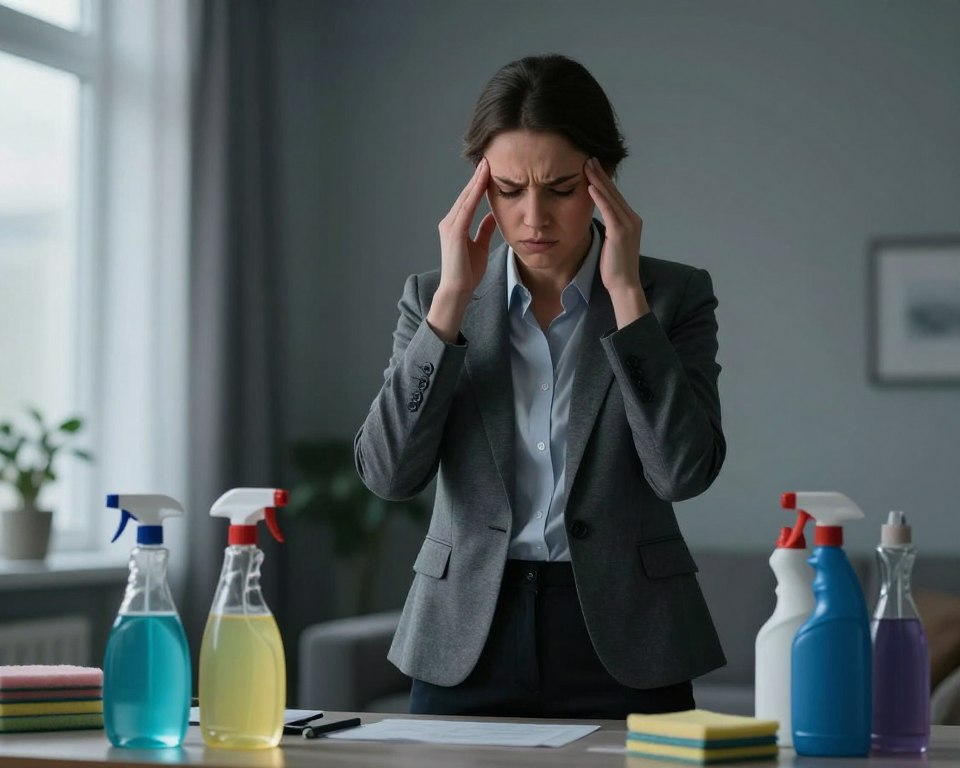
Cleaning your home should feel refreshing, but sometimes it triggers a cascade of physical reactions. These reactions go far beyond a simple headache from cleaning products. While the pain in your head is often the most noticeable sign, your body may be sending other urgent signals. These signals indicate that you are being exposed to harmful chemicals.
Dizziness and Lightheadedness
When you inhale strong fumes, your nervous system can react almost immediately. Many people report feeling dizzy or lightheaded shortly after using concentrated sprays or aerosol cleaners. This sensation often occurs because the volatile compounds interfere with oxygen intake or directly affect your brain’s equilibrium.
Respiratory Irritation and Coughing
Your lungs are often the first line of defense against airborne toxins. If you notice a persistent cough, throat tightness, or a burning sensation in your chest, it is a clear indicator of poor air quality. These symptoms frequently accompany a headache from cleaning products, signaling that the chemicals are irritating your delicate respiratory lining.
Nausea and Digestive Discomfort
Chemical exposure does not just affect your head and lungs; it can also trigger your digestive system. Many individuals experience sudden nausea or a general feeling of unease in their stomach after deep cleaning. This digestive discomfort is a common, yet often overlooked, side effect of inhaling synthetic fragrances or harsh cleaning agents.
| Symptom Category | Common Physical Sign | Potential Trigger |
|---|---|---|
| Neurological | Dizziness | Aerosolized VOCs |
| Respiratory | Throat Irritation | Ammonia or Bleach |
| Digestive | Nausea | Synthetic Fragrances |
| Systemic | Fatigue | Chemical Overload |
By tracking these symptoms, you can better understand how your body responds to different supplies. If you frequently experience a headache from cleaning products along with these secondary signs, it may be time to re-evaluate the items in your cabinet.
The Role of Fragrances and Synthetic Scents
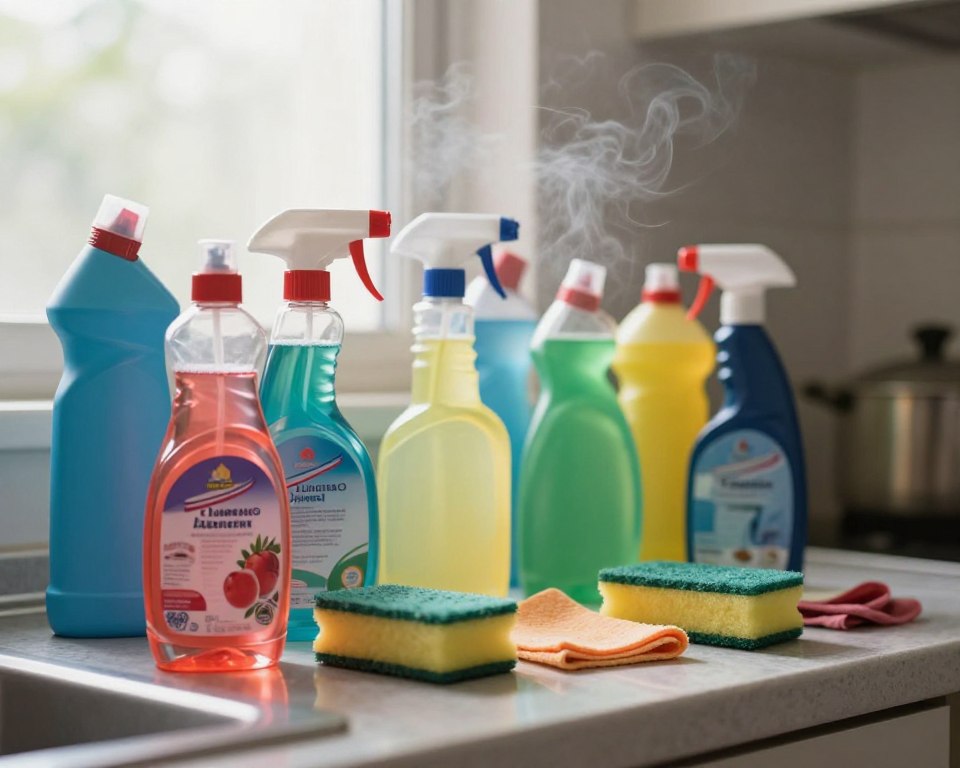
Your favorite cleaning spray might be causing your household chemicals headaches. People often think “fresh” or “floral” scents mean a clean home. But these synthetic fragrances can trigger migraines. They can overwhelm your sense of smell, causing physical pain.
Why Fresh Scents Trigger Migraines
Natural-sounding scents are not always safe. Even natural fragrances like citrus oils can create harmful pollutants indoors. These pollutants can lead to severe headaches.
The Hidden Ingredients in Fragrance Labels
Companies hide many chemicals behind “fragrance” on labels. This lets them keep their secrets while you breathe in unknown substances. You might be exposed to dozens of chemicals without knowing what they are.
Sensitivity to Artificial Musks
Modern cleaners often use artificial musks for lasting scents. These musks can irritate your respiratory system and cause household chemicals headaches. Choosing fragrance-free products can lower your chemical exposure.
| Scent Category | Common Source | Headache Risk Level |
|---|---|---|
| Synthetic Floral | Phthalates | High |
| Citrus/Lemon | Limonene | Moderate |
| Artificial Musk | Nitro-musks | Very High |
| Fragrance-Free | None | Low |
Environmental Factors That Exacerbate Chemical Sensitivity
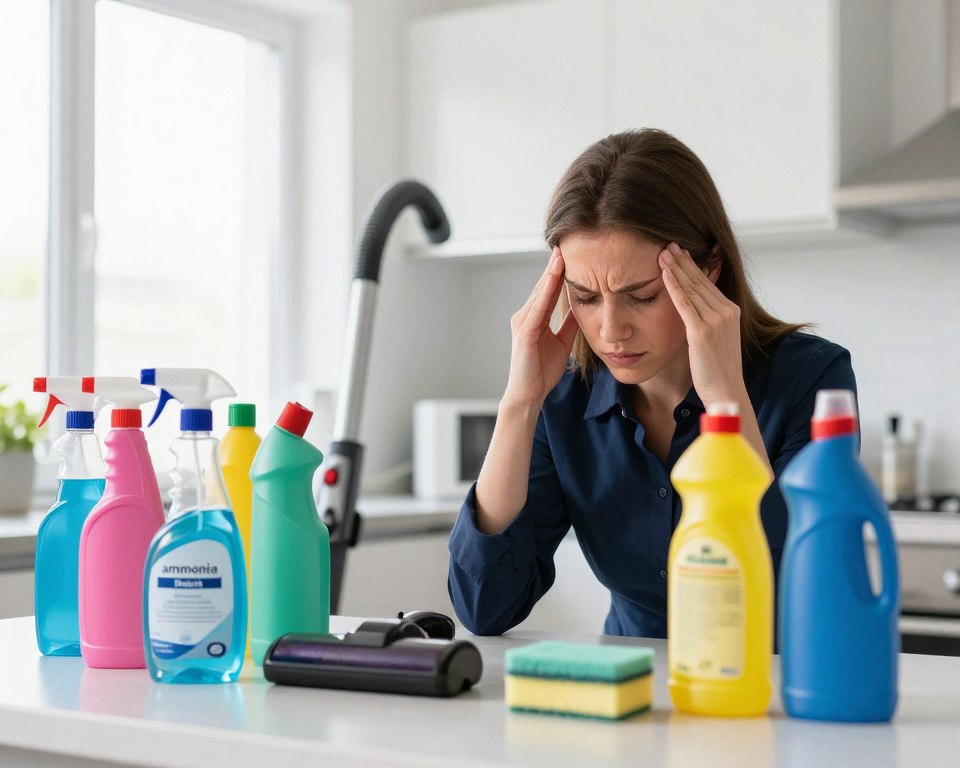
Environmental conditions often trigger household chemicals headaches without us realizing it. It’s not just about the ingredients in your cleaning products. The space where you clean is also crucial. Knowing these factors helps improve your indoor air quality.
The Impact of Poor Air Circulation
Cleaning in a room with no airflow traps airborne particles. This means volatile compounds stay in the air long after cleaning. Proper ventilation is your first line of defense against these irritants.
Without airflow, fume concentration increases quickly. This is why many people feel uncomfortable during cleaning. Opening a window or door can greatly reduce harmful vapors.
Temperature and Humidity Effects on Chemical Off-gassing
Chemicals react to their surroundings in ways we don’t always see. Higher temperatures speed up gas release into the air. This is known as off-gassing and is more intense in warm, humid places like bathrooms or kitchens.
“Indoor air quality is a complex puzzle where temperature and moisture act as catalysts for chemical reactions that affect our daily comfort.” — Environmental Health Specialist
High humidity traps gases, making them harder to clear. Moist air feels heavier and holds onto chemical particles longer. Keeping your home cool and dry can reduce these risks.
Small Spaces and Concentration Levels
Cleaning small, enclosed spaces like showers or utility closets is challenging. In these tight areas, fume concentration becomes dangerous quickly. This rapid buildup is a common cause of household chemicals headaches.
| Environmental Factor | Impact on Air Quality | Risk Level |
|---|---|---|
| Poor Ventilation | Traps fumes | High |
| High Temperature | Increases off-gassing | Moderate |
| High Humidity | Holds particles | Moderate |
| Small Enclosure | Concentrates vapors | Very High |
Always prioritize airflow in confined areas. If you can’t open a window, use a portable fan. These simple steps make cleaning safe and comfortable for everyone at home.
Vulnerable Populations and Increased Risk Factors
It’s important to know who is most at risk from cleaning product side effects. Some people are more likely to have bad reactions to household chemicals. This is because of their biology.
Children and Developing Respiratory Systems
Children are often the most vulnerable to chemical exposure in homes. Their lungs are still growing and are very sensitive to pollutants in cleaners.
Children breathe more than adults, so they take in more pollutants. This can cause irritation or health problems if the air isn’t clean.
“The impact of indoor air quality on children’s health is profound, as their developing lungs are uniquely susceptible to environmental toxins.”
Individuals with Pre-existing Migraine Conditions
People with chronic migraines can be very sensitive to cleaning chemicals. Even small smells or chemicals can start a migraine.
Studies show that those with migraines should be careful about what they use at home. Choosing fragrance-free products can help avoid headaches.
Pets and Their Unique Sensitivity
Pets are often forgotten when we think about cleaning product side effects. They spend a lot of time on floors and surfaces where chemicals can build up.
Pets may get these chemicals on their fur or paws and then eat them. Always check if your multi-surface sprays are toxic to animals before using them. Protecting your pets means being careful about what you use on floors and carpets.
Proper Ventilation Techniques for Safer Cleaning
Keeping your indoor air clean is key to avoiding cleaning product side effects. When you clean, chemicals can stay in the air for a while. Knowing how long cleaning product fumes last helps you clean safely.
Opening Windows and Using Exhaust Fans
Improving air quality is easy. Open windows on opposite sides to let fresh air in. In bathrooms and kitchens, always use the exhaust fan to remove fumes.
Never underestimate the power of a box fan. Pointing it outward helps remove contaminated air. This method is great for reducing harmful compounds.
Timing Your Cleaning for Maximum Airflow
Planning your cleaning is important. Clean on days when you can open windows. If it’s too cold or humid, clean in short bursts.
Breaking your cleaning into smaller tasks helps avoid airborne irritants. This reduces the risk of cleaning product side effects. Make sure the area is well-ventilated until the smell goes away.
Using Air Purifiers with HEPA and Carbon Filters
An air purifier is a good backup. Choose one with a HEPA filter for particles and an activated carbon filter for gases. The carbon filter absorbs chemical vapors and odors.
Use your purifier in the room you’re cleaning to catch fumes at the source. This technology keeps your air clean. Regular use keeps your home safe for everyone.
| Ventilation Method | Primary Benefit | Best Use Case |
|---|---|---|
| Cross-Ventilation | High Air Exchange | General house cleaning |
| Exhaust Fans | Targeted Removal | Bathrooms and kitchens |
| Air Purifiers | Chemical Absorption | Small or enclosed spaces |
Protective Gear and Best Practices for Handling Chemicals
By following a few simple safety tips, you can greatly reduce the risks of cleaning products and health effects. Preparing before you start cleaning keeps your home safe and healthy. Making a few changes to your cleaning routine can greatly improve your health over time.
When to Use Gloves and Masks
Wearing the right protective gear is crucial. Always use chemical-resistant gloves with strong cleaners to avoid skin contact. If you’re in a small, poorly ventilated area, a good mask can block harmful fumes that might cause headaches.
Avoiding the Mixing of Cleaning Agents
Mixing different cleaning products is a big mistake. Never mix bleach or any bleach products with ammonia-based cleaners. This mix creates toxic gas that can harm your lungs. Always check the labels to know what’s in your cleaners and avoid dangerous combinations.
Proper Storage to Prevent Fumes
Even when not in use, cleaning supplies can affect your air quality. Keep all containers sealed and in a cool, dry place out of sunlight. This stops harmful chemicals from spreading in your home. Keeping things organized and secure makes your home safer for everyone.
Transitioning to Natural Cleaning Products for Headache Prevention
Switching to natural cleaning products helps get rid of headache triggers at home. Many common cleaners have chemicals that stay in the air long after use. Choosing safer options can help manage the impact of cleaning products and health effects in your home.
Reading Labels for Safer Alternatives
Shopping for groceries can be tricky because “green” labels aren’t always true. Companies often use terms like “natural” or “eco-friendly” without listing all ingredients. Always take a moment to flip the bottle over and check the ingredients list.
If a label just says “surfactants” or “fragrance” without details, it’s best to avoid it. Transparency is key for safe cleaners. Knowing what you’re using on your surfaces helps control your indoor air quality.
Certifications to Look For
Look for third-party certifications to find safe products. The U.S. Environmental Protection Agency has a list of Safer Choice products. These have been tested to ensure they don’t harm your health.
Other good labels include Green Seal or EcoLogo. They show a product meets high environmental and health standards. Using these labels makes shopping easier and keeps your home safe.
Plant-Based Surfactants vs Synthetic Chemicals
Most cleaners use synthetic surfactants from petroleum to clean. These can cause breathing problems and headaches. Plant-based surfactants, like coconut or corn, clean without toxic fumes.
Choosing plant-based cleaners is a gentle way to keep your home clean and safe. Your home will feel fresher and lighter. Using plant-based ingredients is a simple way to improve your health.
DIY Cleaning Solutions Using Household Staples
Many people find that making simple cleaning mixtures helps them avoid headache after using cleaning products. By choosing what goes into your cleaning, you can lower your exposure to harmful chemicals. These natural options are better for your health and the planet.
The Power of White Vinegar
White vinegar is a strong cleaner that cuts through grease and grime without toxic fumes. Its acidity makes it great for disinfecting countertops, glass, and bathroom surfaces. Always remember to dilute it with water to keep it gentle on surfaces while still cleaning deeply.
“The simplest solutions are often the most effective when it comes to maintaining a healthy and clean living space.”
Baking Soda for Scrubbing
Baking soda is perfect for tackling tough stains. It’s a mild abrasive that lifts dirt from sinks, tubs, and ovens without harsh chemicals. Mix it with a bit of water to make a paste and avoid headache after using cleaning products filled with synthetic chemicals.
- Safe for families: Nontoxic ingredients mean no worries about chemical residue.
- Cost-effective: Pantry staples are significantly cheaper than specialized cleaners.
- Eco-friendly: These ingredients break down safely without polluting water systems.
Lemon and Essential Oil Alternatives
If you miss the scent of commercial cleaners, natural extracts can help. Lemon juice adds a bright, clean smell and antibacterial properties. Adding a few drops of essential oils, like lavender or eucalyptus, makes cleaning a pleasant experience instead of a headache after using cleaning products.
When to Seek Medical Attention for Persistent Headaches
If you often get a headache after using cleaning products, it’s time to think differently. Many household tasks cause minor, short-term pain. But, if the pain lasts, it might mean your body is reacting to harmful substances. Knowing the difference between a mild reaction and a serious health problem is key to staying safe.
Recognizing Signs of Chemical Poisoning
It’s crucial to watch how your body reacts to different substances. You should find out if your cleaning supplies are to use. If you have any of these symptoms, get medical help right away:
- Difficulty breathing or shortness of breath.
- Severe dizziness, confusion, or loss of coordination.
- Persistent nausea or vomiting after cleaning.
- Burning sensations in the eyes, throat, or skin.
- Sudden, intense chest pain or rapid heartbeat.
When to Consult a Neurologist
If you get a headache after using cleaning products often, see a neurologist. Migraines that keep coming back and happen when you clean are not normal. A neurologist can figure out if you’re sensitive to chemicals or if something in your environment is causing problems.
Documenting Your Cleaning Routine for Doctors
To help your doctor, start a detailed log of your cleaning activities. This helps find out what might be causing your headaches. When you get a headache after using cleaning products, write down these details:
- The specific time and duration of your cleaning session.
- The names of the products used and their active ingredients.
- The level of ventilation in the room, such as whether windows were open.
- The severity and duration of the resulting headache.
By taking these steps, you help your doctor diagnose you correctly. Your health is important, and finding these patterns is the first step to a safer, pain-free home.
Creating a Healthier Indoor Air Quality Strategy
Keeping your home clean is key to avoiding toxic cleaning products headache. It’s not just about using safer products. You need a plan to stop pollutants from building up in your home.
Reducing Overall Chemical Load in the Home
Be careful with the chemicals you use every day. Using too many can lead to a toxic cleaning products headache. Aerosol sprays and artificial air fresheners are big culprits.
Here are some easy ways to reduce chemicals:
- Use natural ventilation or essential oil diffusers instead of synthetic sprays.
- Don’t mix different chemicals, like ammonia-based cleaners, as they can release harmful fumes.
- Opt for fragrance-free products to cut down on volatile organic compounds.
The Importance of Regular Dusting
Dust is not just a nuisance; it soaks up chemicals and allergens. When you clean, these particles can become airborne, causing irritation or headaches.
Use a damp microfiber cloth instead of a feather duster. It catches particles better, keeping them from spreading in the air. Regular cleaning stops toxins from building up on your furniture and floors.
Maintaining HVAC Systems
Your HVAC system is like your home’s lungs. If the filters are dirty, it can’t remove chemicals and dust well.
Proactive maintenance is crucial for good air quality:
- Change your HVAC filters every three months, or more if you have pets.
- Make sure your system has high-quality filters that catch small particles.
- Get professional duct inspections to keep them mold-free and clean.
Conclusion
Your home should be a place where you feel your best. Improving indoor air quality starts with smart choices in the cleaning aisle. By avoiding toxic products, you can create a healthier home.
Small actions like opening windows or using vinegar and baking soda can make a big difference. Choosing natural cleaning products helps keep your space clean without harming your health. You deserve a home that supports your well-being every day.
Making small, consistent changes can greatly improve your health. Begin by checking your cleaning supplies and switching to gentler options. Your body will thank you for a cleaner, fresher home. Share these tips with your family to make your home safer and more comfortable for everyone.
FAQ
Can cleaning products cause a headache after use?
Yes, many cleaning products can cause headaches. This is because they have strong irritants. Products like Clorox Bleach and Windex can make your body react with sharp pain.
What specific household chemicals headaches are most common?
Ammonia, chlorine bleach, and synthetic fragrances often cause headaches. They release harmful VOCs that can irritate your nervous system. Even products like Febreze or Glade can trigger migraines with their strong smells.
Why do I feel dizzy or nauseated after cleaning the bathroom?
Poor ventilation in small spaces can cause dizziness and nausea. Products like Lysol or degreasers can irritate your respiratory system. Without an exhaust fan, fumes can quickly make you feel sick and give you a headache.
Is it safe to mix different cleaning agents like bleach and ammonia?
No, mixing cleaning agents is dangerous. Bleach and ammonia together create toxic chloramine gas. This gas is deadly and can cause lung damage and severe neurological problems. Always use one product at a time and rinse well before using another.
How can I find natural cleaning products for headache prevention?
Look for natural cleaning products to avoid headaches. Brands like Seventh Generation and Mrs. Meyer’s Clean Day are good choices. Check for the EPA Safer Choice certification to ensure the products are safe for humans and the environment.
Can I make my own nontoxic cleaning solutions at home?
Yes, you can make your own cleaners at home. Mix Heinz White Vinegar and water for a glass cleaner. Use Arm & Hammer Baking Soda for scrubbing. Add organic essential oils for a safe scent instead of synthetic fragrances.
What is the best way to improve indoor air quality while cleaning?
Ventilation is key. Always open windows and use exhaust fans during and after cleaning. A high-quality air purifier, like a Dyson Purifier Cool, can also help remove VOCs and particles that cause headaches.
When should I consult a doctor about headaches caused by cleaning?
If you have persistent headaches or signs of chemical poisoning, see a doctor right away. Keep a record of your cleaning routine and the products you use. This can help a neurologist figure out if you have a chemical sensitivity or a more serious issue.