
Did you know you spend almost 90% of your time indoors? This is where pollutants are often two to five times worse than outside. Many people ignore the air in their homes, but it might be causing your headaches. Can indoor air pollution cause headaches? Yes, studies show a clear link between bad air and headaches.
As a pharmacist, I see many patients with chronic pain. They often don’t think about their surroundings. Environmental triggers like chemicals, dust, and fumes can cause headaches. Knowing what’s causing your pain is the first step to feeling better.
By finding out what’s in your home, you can take steps to feel better. This can help reduce your headaches.
Key Takeaways
- Most people spend the vast majority of their time in enclosed spaces where contaminant levels can exceed outdoor standards.
- Chemical irritants and particulate matter are frequent, overlooked triggers for chronic neurological pain.
- Pharmacists often identify environmental factors as critical components in managing recurring patient discomfort.
- Volatile organic compounds (VOCs) from household products are common culprits that affect nervous system health.
- Proactive mitigation of home triggers is a scientifically supported method for reducing symptom severity.
The Hidden Connection Between Your Home Environment and Head Pain
Your home should be a safe haven, but poor indoor air quality can make it a headache source. Many of us spend most of our time indoors. Yet, we often ignore how the air inside affects our brains.
Outdoor smog gets a lot of attention, but indoor air is often worse. It’s filled with more irritants because it’s trapped.
Studies show air pollution is a big deal indoors, too. It’s a problem when homes don’t get enough fresh air. Household items like cleaning supplies and nail polish remover can release harmful chemicals. Spotting these issues is the first step to feeling better.
Knowing what’s in our home air helps us figure out why we get headaches. The table below shows common things that can make our air bad and hurt our bodies.
| Pollutant Source | Potential Impact | Risk Level |
|---|---|---|
| Household Cleaners | Sinus irritation | Moderate |
| Poor Ventilation | CO2 accumulation | High |
| Synthetic Fragrances | Neurological stress | Moderate |
| Dust and Dander | Allergic response | Low |
This info shows our homes can be a big health risk. To keep our living spaces healthy, we need to watch what we breathe. By focusing on indoor air quality, we can cut down on headaches caused by our environment.
Can Indoor Air Pollution Cause Headaches and Why It Happens

Can indoor air pollution cause headaches? Yes, it can. Your body reacts to invisible airborne contaminants in your home. Many people think head pain comes from stress or tiredness. But, the quality of your indoor environment is often a hidden cause.
Studies show a strong link between household pollutants and headaches. These pollutants are not just bad for your lungs. They can directly affect your nervous system. When you breathe in contaminated air, your body responds in ways that can lead to pain.
How these pollutants reach the brain is complex. Some chemicals go straight to the brain through the olfactory tract. Others enter the blood and cause inflammation in the brain, leading to headaches.
While some studies have mixed results, most agree that bad air quality can cause headaches. It’s important to remember that your home is a place where chemicals mix all the time. Knowing that can indoor air pollution cause headaches is the first step to making your home healthier.
Common Indoor Pollutants That Trigger Neurological Symptoms
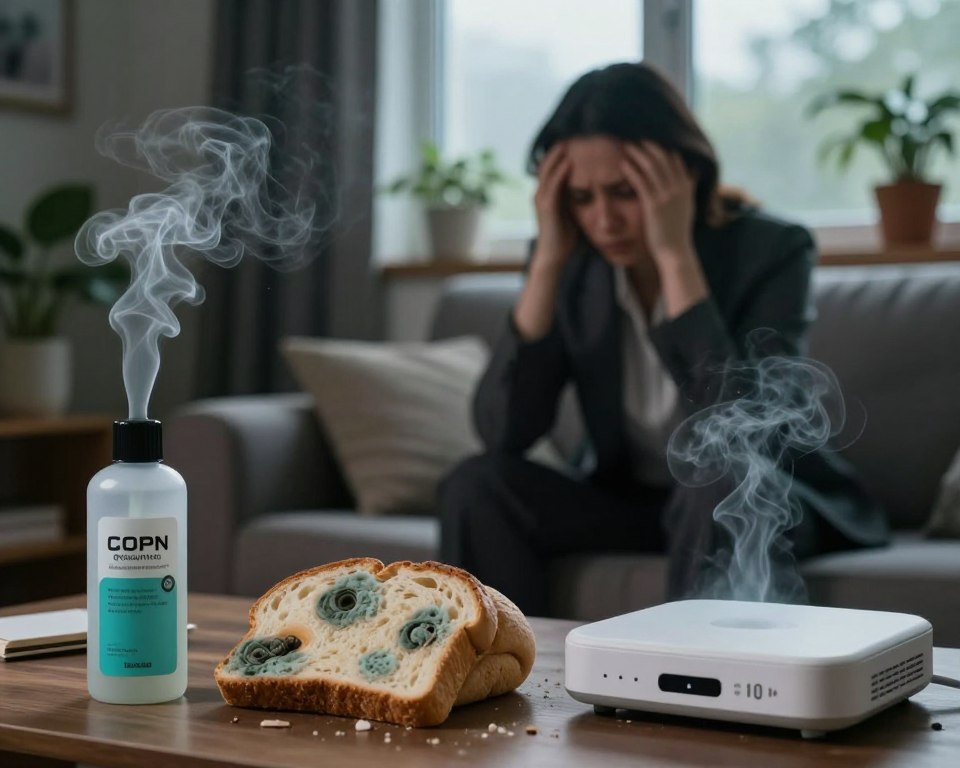
Finding out what indoor pollutants are in your home is key to managing headaches and other neurological issues. Many people overlook the air inside their homes. This air often has more pollutants than outdoor air because of poor ventilation and items that release chemicals.
Volatile Organic Compounds from Household Products
Volatile Organic Compounds, or VOCs, are chemicals that turn into gas at room temperature. You find them in paints, varnishes, adhesives, and cleaning products. When you breathe them in, they can make your eyes, nose, and throat hurt. This is a big reason why some people get headaches.
“The cumulative effect of low-level chemical exposure in modern homes is a frequently overlooked factor in chronic head pain and respiratory distress.”
Particulate Matter and Combustion Byproducts
Particulate matter, like PM2.5, is very dangerous because it’s small enough to get deep into your lungs. These indoor pollutants come from things like gas stoves, fireplaces, candles, and smoking. They can cause inflammation in your body, leading to headaches and other discomfort.
| Pollutant Type | Common Source | Primary Effect |
|---|---|---|
| VOCs | Cleaning Agents | Mucous membrane irritation |
| PM2.5 | Gas Stoves | Systemic inflammation |
| Formaldehyde | Pressed Wood | Neurological sensitivity |
Knowing where these pollutants come from helps you take steps to make your home healthier. By using fewer products with VOCs and making sure you have good air flow, you can cut down on these headache triggers.
The Physiological Mechanism of Pollution-Induced Headaches

When we breathe in pollutants, our bodies react with headaches. These air pollution health effects are not just random. They come from complex biological pathways triggered by irritants. Knowing how this works helps us understand why some places make us feel so bad.
Inflammatory Responses in the Sinus Cavity
The irritation often starts in the nasal and sinus passages. Airborne particles or chemicals can irritate these areas. They bind to specific receptors, like the TRPA1 pathway.
This binding starts a process called neurogenic inflammation. The body releases inflammatory mediators to fight off the threat.
This inflammation can cause a lot of pressure and pain. It’s often mistaken for a sinus infection. Knowing about these air pollution health effects helps us tell the difference. The body’s defense can actually cause the symptoms we try to avoid.
Systemic Effects of Poor Air Quality on Blood Vessels
Pollutants can also affect the trigeminovascular system, which is key to headaches. When irritants get into the blood or stimulate nerves, they can cause dural vasodilation. This is when blood vessels around the brain get wider.
This reaction is a big part of many headaches. It shows how small irritants can cause big pain in some people. These air pollution health effects show that poor air quality does more than just irritate the lungs. It can also affect blood vessels and cause lasting neurological symptoms.
Identifying the Signs of Environmentally Triggered Migraines
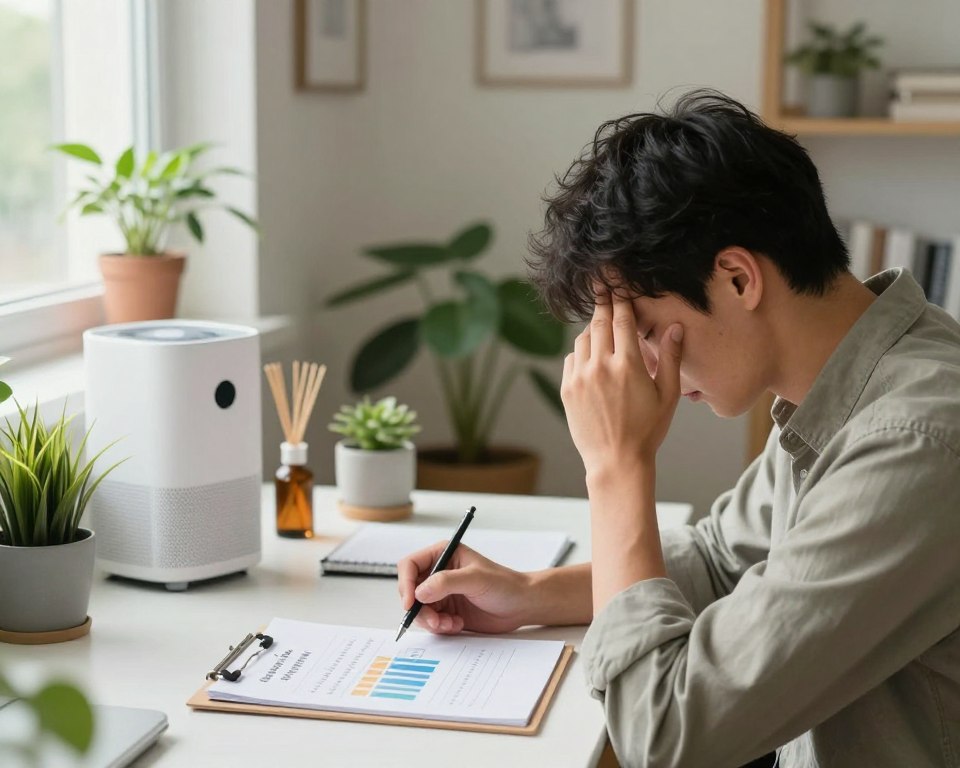
Many of us don’t notice the headache triggers around us. We often blame stress or tiredness for our headaches. But, the air we breathe indoors might be the real cause. Knowing this can help us feel better.
Distinguishing Between Tension Headaches and Environmental Triggers
It’s important to tell the difference between regular tension headaches and headaches caused by bad air. Tension headaches feel like a tight band around your forehead. But, headaches from poor air quality happen when you do certain things, like cleaning with strong chemicals.
For example, if you use bleach and get headaches, it might be the bleach. Knowing this can help you avoid future headaches.
| Feature | Tension Headache | Environmental Trigger |
|---|---|---|
| Onset | Gradual, stress-related | Rapid, exposure-related |
| Location | Forehead/Scalp | Sinus/Temple area |
| Primary Cause | Muscle tightness | Airborne irritants |
| Relief Method | Rest/Massage | Fresh air/Ventilation |
Tracking Symptoms in Relation to Indoor Air Quality
Keeping a symptom journal helps you connect your health to your environment. Write down when, how long, and how bad your headaches are. Also, note what you were doing. This helps you find headache triggers.
Consistency is key when tracking these things for a few weeks.
“The patient who tracks their environment gains the power to control their recovery.”
Today’s technology also helps. Use air quality monitors with your journal. This gives you solid data to see if your symptoms match bad air quality. This way, you can find out what headache triggers are affecting you.
The Role of Ventilation in Mitigating Headache Risks
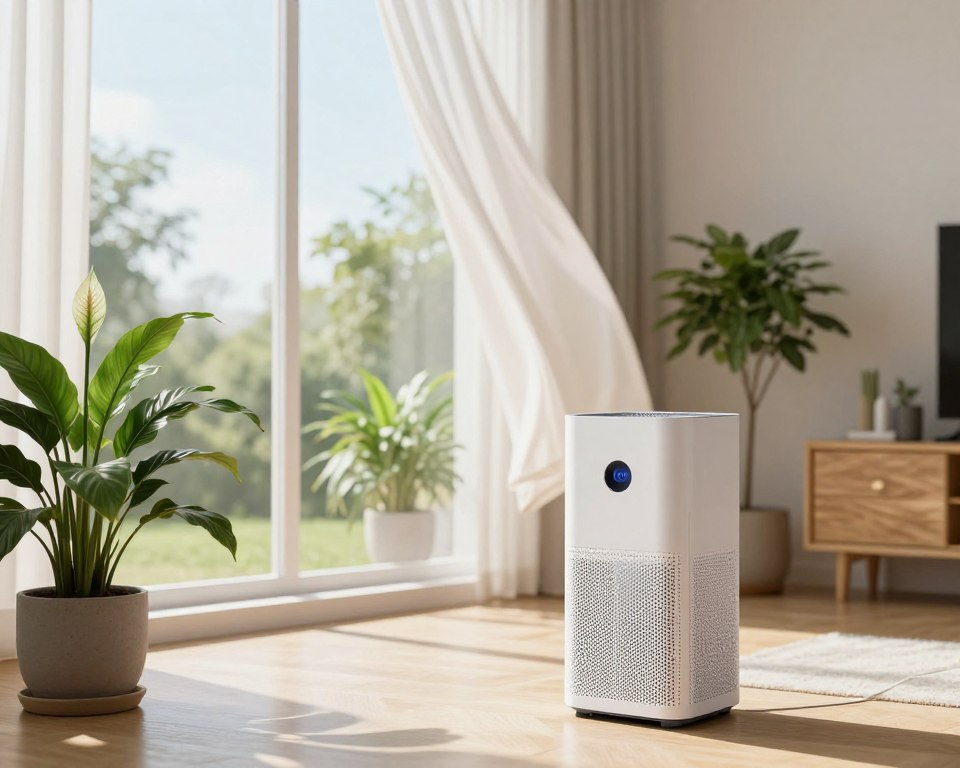
Good ventilation is key to keeping airborne irritants away from your head. It helps to spread out chemicals and particles in the air. This is crucial for keeping your indoor air quality clean and preventing headaches.
Natural Airflow Strategies for Modern Homes
Using natural ventilation is easy and effective. Open windows on opposite sides to create a cross-breeze. This helps to remove stale air and pollutants from your home.
But, natural airflow has its limits in modern, sealed homes. It might not work well in extreme weather or smoggy cities. Try opening windows early in the morning to improve indoor air quality without losing comfort.
Mechanical Ventilation Systems and Their Limitations
When natural methods don’t cut it, mechanical systems are a better choice. Energy Recovery Ventilators (ERVs) and Heat Recovery Ventilators (HRVs) exchange air while saving energy. They keep your indoor air quality good all year, no matter the weather.
But, these systems need regular care to work right. Clean or replace filters often to avoid dust buildup. If you ignore this, they can spread pollutants around, making headaches worse.
Chemical Sensitivities and Their Impact on Headache Frequency
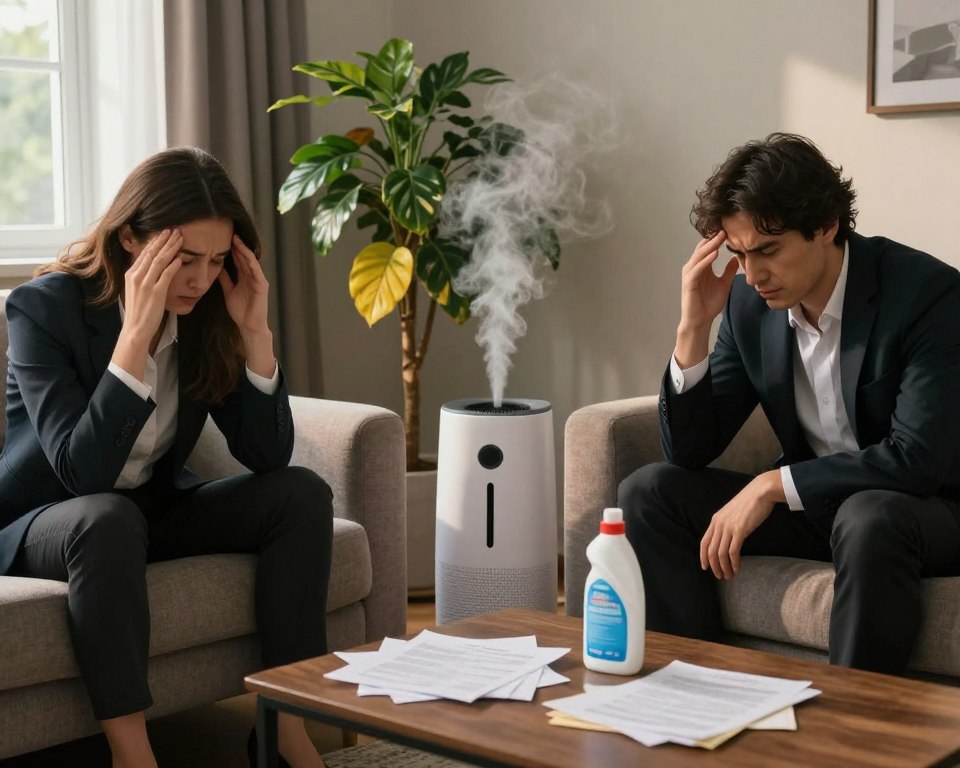
Multiple Chemical Sensitivity is a complex challenge that affects many people’s headaches. Those with this condition react strongly to common substances, even in small amounts. This can lead to severe headaches that greatly reduce their quality of life.
Understanding Multiple Chemical Sensitivity
This condition causes a long-term, multi-system reaction to chemicals. Studies on indoor pollutants show that the body’s inflammatory pathways can become too active. When someone with this sensitivity is in a polluted space, their nervous system sees it as a danger, causing pain.
To manage this condition, it’s important to keep your home clean. By finding and avoiding specific triggers, you can make your living space safer. Keeping an eye on the air quality is key to feeling better over time.
How Fragrances and Cleaning Agents Exacerbate Pain
Synthetic fragrances in air fresheners, laundry detergents, and candles often harm those with chemical sensitivities. These products release harmful compounds that stay in the air. Even a little bit can cause blood vessels to narrow or irritate the sinuses, leading to headaches.
The table below shows common household items that can trigger pain in sensitive people:
| Trigger Source | Common Chemical Component | Primary Symptom |
|---|---|---|
| Scented Candles | Phthalates | Migraine onset |
| Aerosol Cleaners | Ammonia/Bleach | Sinus pressure |
| Fabric Softeners | Synthetic Musks | Tension headache |
| Paint/Solvents | VOCs | Neurological fatigue |
Reducing your use of these items can help manage symptoms. Choosing fragrance-free products and improving air flow can greatly reduce harmful particles in your home.
Advanced Air Quality Control Technologies for the Home
Advanced air purification technologies fight against invisible pollutants that cause headaches. They are key when natural methods fail. For those who are sensitive, air quality control is crucial.
High-Efficiency Particulate Air Filtration Systems
HEPA filters are top-notch for catching tiny particles. They trap at least 99.97% of particles 0.3 microns or smaller. This means less dust, pollen, and smoke, which can cause headaches.
“The quality of the air we breathe indoors is a fundamental pillar of our long-term neurological health and comfort.”
Activated Carbon Filters for Gas and Odor Removal
HEPA filters are great for solids but not gases. Gases from cleaners or fragrances need special filters. Many products, like those in our guide on air fresheners for babies, release harmful chemicals.
Activated carbon filters adsorb these chemicals, trapping them in its pores. This is essential for air quality control against smells and chemicals. Using both HEPA and carbon filters protects against all types of indoor pollutants.
Practical Headache Prevention Strategies for Health-Conscious Consumers
Managing your home environment is key to avoiding headaches. Spotting headache triggers early helps make your home a place of comfort, not pain.
Reducing Source Emissions in Living Spaces
Modern homes often have chemicals from cleaning products, paints, and fragrances. Knowing how long cleaning product fumes last helps control your exposure. Choosing low-VOC products is a big step in cutting down on these harmful emissions.
Consistency is key when checking your household items. Replacing harsh chemicals with natural or fragrance-free ones reduces toxins. These changes are great migraine relief tips for those who are sensitive to synthetic smells.
Optimizing Humidity Levels to Prevent Mold Growth
Mold thrives in damp environments, causing respiratory and neurological problems. Keeping humidity between 30% and 50% is crucial for headache prevention strategies. Use dehumidifiers in moist spots and ensure good ventilation in kitchens and bathrooms.
| Pollutant Source | Primary Risk | Mitigation Strategy |
|---|---|---|
| Synthetic Cleaners | Chemical Fumes | Switch to Low-VOC |
| High Humidity | Mold Spores | Use Dehumidifiers |
| Gas Stoves | Combustion Byproducts | Increase Ventilation |
| Scented Candles | Particulate Matter | Use Beeswax Alternatives |
The Impact of Indoor Air Quality on Vulnerable Populations
Keeping the air inside homes clean is very important for families with kids or people with ongoing health issues. Some groups are more at risk from common indoor pollutants. Knowing who is most vulnerable helps make homes safer.
Pediatric Sensitivity to Airborne Irritants
Children are more sensitive to bad air because their bodies are still growing. They breathe more air than adults, so they get more pollutants. This can cause big problems in their young bodies.
Parents need to watch out for chemicals, dust, and smoke in the house. Early exposure to these can lead to breathing problems later. Keeping the air clean is key to keeping kids healthy.
Managing Chronic Conditions in Polluted Indoor Environments
People with asthma, COPD, or sensitivities to chemicals need a very clean home. Pollutants can make their symptoms worse, like headaches and trouble breathing.
Managing this means finding and removing things that cause problems. Consistent monitoring of air quality helps. This way, people with chronic conditions can feel better and live better lives.
Professional Assessment and Air Quality Testing
Finding the cause of headaches often needs more than just looking. Sometimes, hidden pollutants are the problem. If simple fixes don’t work, getting help from a pro can clear things up.
When to Hire an Indoor Environmental Professional
If you think there’s more to your problem than dust or dander, get a pro. They have the tools to find things like radon, mold, or chemicals in your home.
Testing is key if you’ve recently fixed up your place or headaches get worse in certain spots. Experts give detailed reports. This helps you target air quality control efforts.
Interpreting Air Quality Monitor Data
For everyday use, air quality sensors are a must-have. They track things like dust, chemicals, and moisture. By tracking these with your headaches, you can spot patterns.
Remember, not all sensors are the same. Choose ones that give detailed info. If VOCs are high, it might be your cleaners. Some multi-surface sprays are toxic and can hurt your health. Regular data helps you keep your home safe and pain-free.
Image Disclosure and Educational Context
Some images in this resource are made by artificial intelligence to make learning easier. These pictures help explain tough topics like air quality and brain health in a visually accessible way.
Remember, these images are just educational aids. They should not take the place of a real doctor or vet check-up. Using pictures alone can lead to wrong conclusions about your health.
Always talk to a qualified healthcare provider or vet for health worries. Professional clinical assessment is the best way to figure out health issues linked to indoor air or other environmental factors.
| Feature | Educational Illustration | Professional Diagnosis |
|---|---|---|
| Primary Purpose | Conceptual understanding | Clinical identification |
| Basis of Data | General scientific principles | Individual patient history |
| Reliability | Informational guidance | Medical standard of care |
| Action Required | Review for learning | Consult a licensed expert |
Integrating Lifestyle Changes for Long-Term Relief
Changing your daily habits and living space is key to lasting comfort. Good headache prevention strategies mix internal health with external factors.
Dietary and Hydration Considerations
Your body needs steady fuel to fight off airborne irritants. Drinking enough water is crucial. Even a little dehydration can make you more sensitive to pain and triggers.
Eating anti-inflammatory foods can help a lot. Foods high in magnesium and omega-3s keep your nervous system stable. These migraine relief tips show that what you eat affects how your body reacts to bad air.
Stress Management and Environmental Control
Stress can make it harder for your body to fight off pollutants. Using mindfulness or relaxation can lower stress hormones. This makes you more resilient against environmental stress.
Having a “safe zone” at home is also important. A clean, calm space lets your nervous system recover from irritants.
| Lifestyle Category | Primary Action | Expected Benefit |
|---|---|---|
| Hydration | Increase water intake | Reduces systemic inflammation |
| Nutrition | Magnesium-rich foods | Stabilizes nerve function |
| Stress Relief | Daily mindfulness | Lowers pain sensitivity |
| Environment | Create clean zones | Minimizes trigger exposure |
Conclusion
Keeping your home clean is key to avoiding headaches. The air inside your home is very important. Knowing how air pollution affects your health helps you make better choices.
You can fight against these problems by making small changes. For example, pick paints that don’t release harmful fumes. Using top-notch HEPA filters can also help. These steps lower your risk of getting sick from bad air.
There are proven ways to stay healthy. Watch how your symptoms change with the air you breathe. By focusing on clean air, you help your brain and live better. Begin by checking how well your home breathes and filters.
FAQ
Volatile Organic Compounds from Household Products
VOCs are chemicals that vaporize at room temperature. They’re in paints, stains, and cleaning wipes. These chemicals can get into the brain, causing immediate symptoms in some people.
Particulate Matter and Combustion Byproducts
PM2.5 comes from burning things like gas stoves and candles. These small particles can get into the blood, causing inflammation in the brain.
Inflammatory Responses in the Sinus Cavity
Headaches often start with the trigeminovascular system. Pollutants can make this system inflamed, leading to pain. This is why even small irritants can cause big headaches.
Systemic Effects of Poor Air Quality on Blood Vessels
Poor air quality affects more than just the lungs. It can make blood vessels in the brain constrict or dilate. This is a big factor in headaches and migraines.
Distinguishing Between Tension Headaches and Environmental Triggers
Telling a regular headache from one caused by the environment takes careful watching. Environmental headaches often come with itchy eyes or a scratchy throat. People with migraines often say their symptoms get worse when the air is bad.
Tracking Symptoms in Relation to Indoor Air Quality
Keeping a symptom journal and tracking air quality with a device like Airthings can help. This way, you can find out what’s causing your headaches.
Natural Airflow Strategies for Modern Homes
Good ventilation is key to reducing indoor pollutants. Opening windows helps, but it might not be enough in polluted areas. The goal is to keep the air fresh by exchanging it often.
Mechanical Ventilation Systems and Their Limitations
Mechanical systems like ERVs from Broan-NuTone are a controlled solution. But, they need regular upkeep to avoid becoming a source of pollution themselves.
Understanding Multiple Chemical Sensitivity
Some people react strongly to chemicals, a condition known as Multiple Chemical Sensitivity (MCS). Even small amounts of synthetic materials can cause severe headaches in these individuals.
How Fragrances and Cleaning Agents Exacerbate Pain
Synthetic fragrances in products like Tide or Febreze often contain phthalates. For those with MCS, these can be potent headache triggers. Avoiding them is crucial for long-term relief.
High-Efficiency Particulate Air Filtration Systems
When controlling sources isn’t enough, HEPA filters are the best choice. Purifiers from Blueair or IQAir can catch 99.97% of fine particles, reducing inflammation.
Activated Carbon Filters for Gas and Odor Removal
Activated carbon filters are needed for gases like VOCs. Unlike HEPA filters, these adsorb chemicals, offering a layer of protection against headaches.
Reducing Source Emissions in Living Spaces
Prevention is better than cure. Switching to eco-friendly products like Ecos or Seventh Generation can lower chemical exposure. Choosing “GREENGUARD Gold” certified furniture also reduces formaldehyde off-gassing.
Optimizing Humidity Levels to Prevent Mold Growth
Keeping humidity between 30% and 50% with a Honeywell dehumidifier is crucial. This range stops mold growth, which irritates the lungs and brain, leading to migraines.
Pediatric Sensitivity to Airborne Irritants
Children are more affected by poor air quality because their bodies are still growing. Parents should focus on keeping the air clean to prevent sensitivities early on.
Managing Chronic Conditions in Polluted Indoor Environments
People with conditions like asthma or migraines are more sensitive to pollutants. Keeping the air clean is essential for managing their health.
When to Hire an Indoor Environmental Professional
Sometimes, pollution is hidden, like mold behind walls. A professional certified by the IAQA can find these issues that DIY tools can’t.
Interpreting Air Quality Monitor Data
Consumer-grade sensors give daily data. Knowing the difference between TVOC and PM2.5 levels helps decide when to open windows or turn on air purifiers.
Dietary and Hydration Considerations
A holistic approach includes controlling the environment and lifestyle changes. Drinking enough water and eating antioxidants helps the body handle pollution stress.
Stress Management and Environmental Control
Stress can make migraines worse. Combining stress reduction with clean air creates a “safety buffer.” This reduces headache frequency and severity over time.
Can indoor air pollution cause headaches immediately after exposure?
Yes. High levels of VOCs from products like Minwax stains can cause immediate headaches. This happens through the trigeminovascular system, leading to quick pain in sensitive people.
What are the most common indoor pollutants I should monitor?
Watch for PM2.5 and VOCs. Sources include gas stoves, synthetic fragrances, and off-gassing furniture. Using a device like the Airthings View Plus helps keep the air clean.
How do air pollution health effects differ from seasonal allergies?
Air pollution can cause more severe inflammation. Pollution-induced headaches are often worse and don’t respond to antihistamines. This is because the trigger is chemical or particulate irritation, not an allergen like pollen.
Can a HEPA filter help with migraine relief tips?
Absolutely. Using a Blueair or Coway air purifier is a top migraine relief tip. These devices remove particles that trigger inflammation. But, you also need an activated carbon filter to remove gases and odors that cause headaches.
What are some effective headache prevention strategies for the office?
Effective strategies include using MERV 13 filters in the HVAC system and keeping workspaces scent-free. A small desktop air purifier can also help if the air quality is bad.
Why are some people more susceptible to headache triggers in the air?
Some people are more sensitive due to genetics or health conditions. Those with Multiple Chemical Sensitivity (MCS) or migraines have a hyper-reactive nervous system. Even small amounts of pollutants can trigger severe pain in these individuals.
Does humidity affect indoor air quality and headaches?
Yes. High humidity can lead to mold growth, releasing spores and mycotoxins that trigger headaches. Dry air can also irritate the sinuses. Keeping humidity between 30-50% with a Honeywell humidifier/dehumidifier is important for air quality.