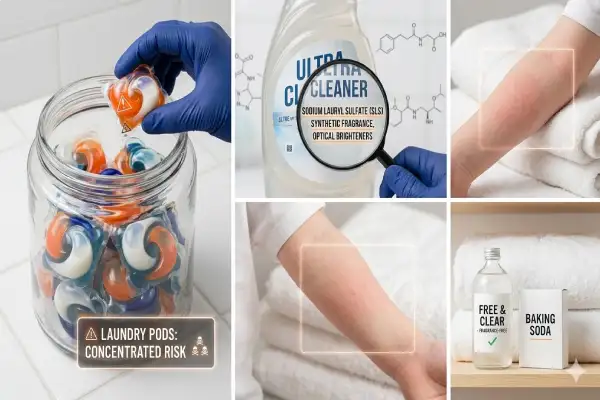
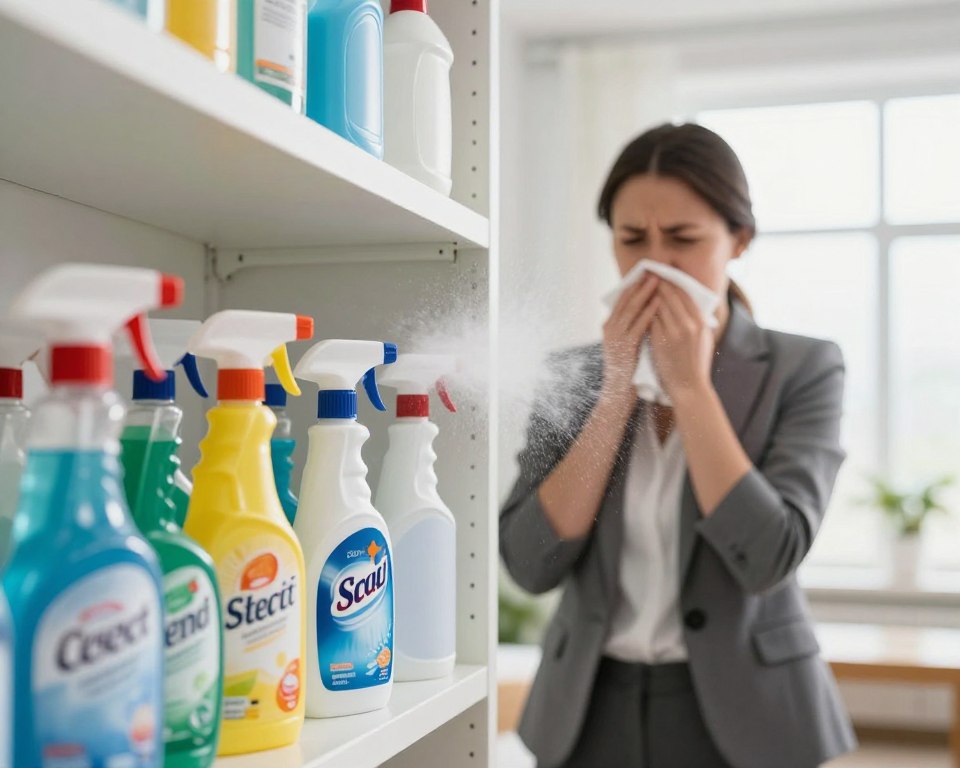
Did you know indoor air is often more polluted than outside air? Many people unknowingly bring invisible irritants into their homes when cleaning. This happens when they scrub counters or mop floors.
Household maintenance should make your home better, but some chemicals can cause unexpected breathing problems. You might feel irritation or coughing after doing simple chores.
Identifying these hidden triggers is key to keeping your family safe. We’ll look into how common cleaning supplies affect your lungs. We’ll also share tips to make your home a healthier place to breathe.
Key Takeaways
- Indoor air pollution levels frequently exceed outdoor measurements due to household chemicals.
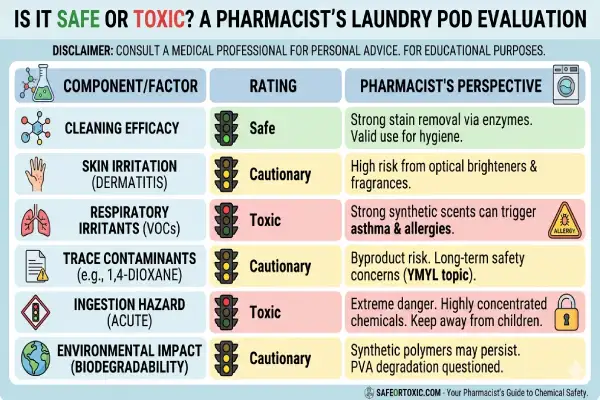
- Volatile organic compounds found in common supplies often irritate sensitive respiratory tissues.
- Persistent airway discomfort may stem from improper ventilation during routine chores.
- Switching to natural alternatives helps reduce the risk of breathing-related issues.
- Proper airflow remains the most effective defense against chemical inhalation in the home.
Understanding the Link Between Household Chemicals and Respiratory Health
Ever felt your throat scratchy or chest tight after cleaning? We often ignore the air particles left behind. Many household cleaners respiratory issues come from chemical vapors that stay in the air long after cleaning.
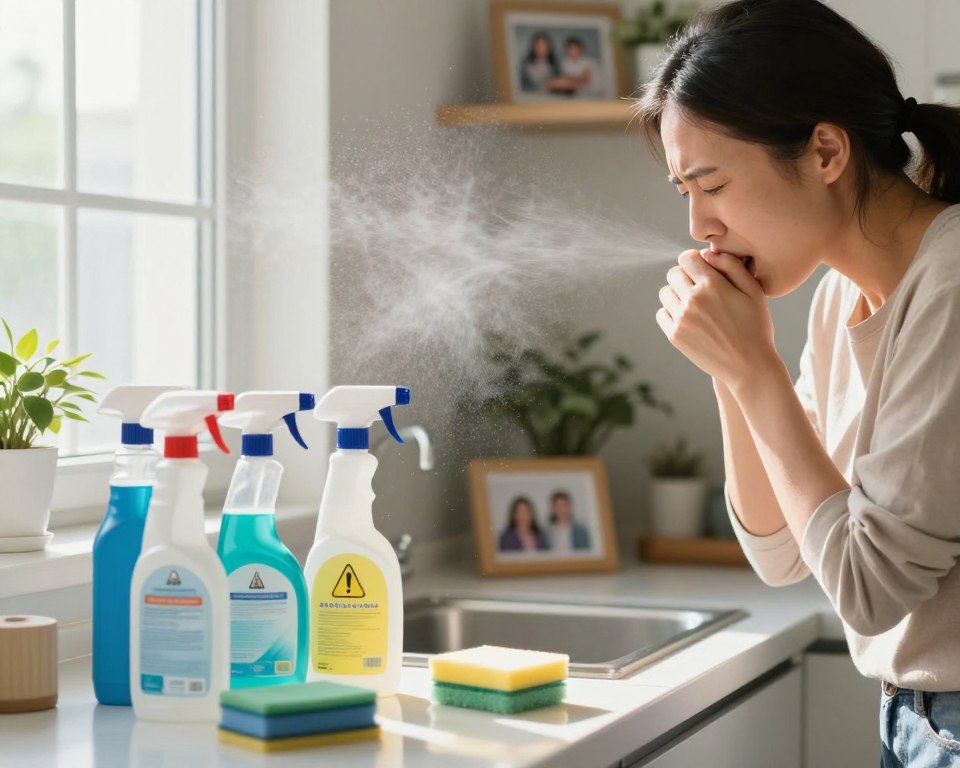
Volatile Organic Compounds, or VOCs, are the main culprits. These chemicals turn into gases easily at room temperature. When you use sprays or detergents, they fill your space, lowering air quality.
Being exposed to these fumes can cause discomfort. If you cough or have a sore throat, check your cleaning products. Signs of health issues include:
- Persistent throat irritation during or after cleaning.
- Frequent headaches that seem to start while tidying up.
- A noticeable chemical smell that lingers for hours.
- Shortness of breath or wheezing in enclosed spaces.
By spotting these dangers, you can choose better products. Cutting down on harsh chemicals helps protect your lungs. Knowing about household cleaners respiratory issues lets you keep your family safe while keeping your home clean.
Can Cleaning Products Cause a Sore Throat and Cough?
Ever felt a tickle in your throat or coughed while cleaning? It’s a worry if cleaning products harm us. Many wonder: Can Cleaning Products Cause a Sore Throat and Cough when we clean?
Studies show that some cleaners can irritate your throat and make you cough. This happens because many cleaners have chemicals that release fumes. When you breathe in these fumes, they can hurt your respiratory tract, causing immediate discomfort.
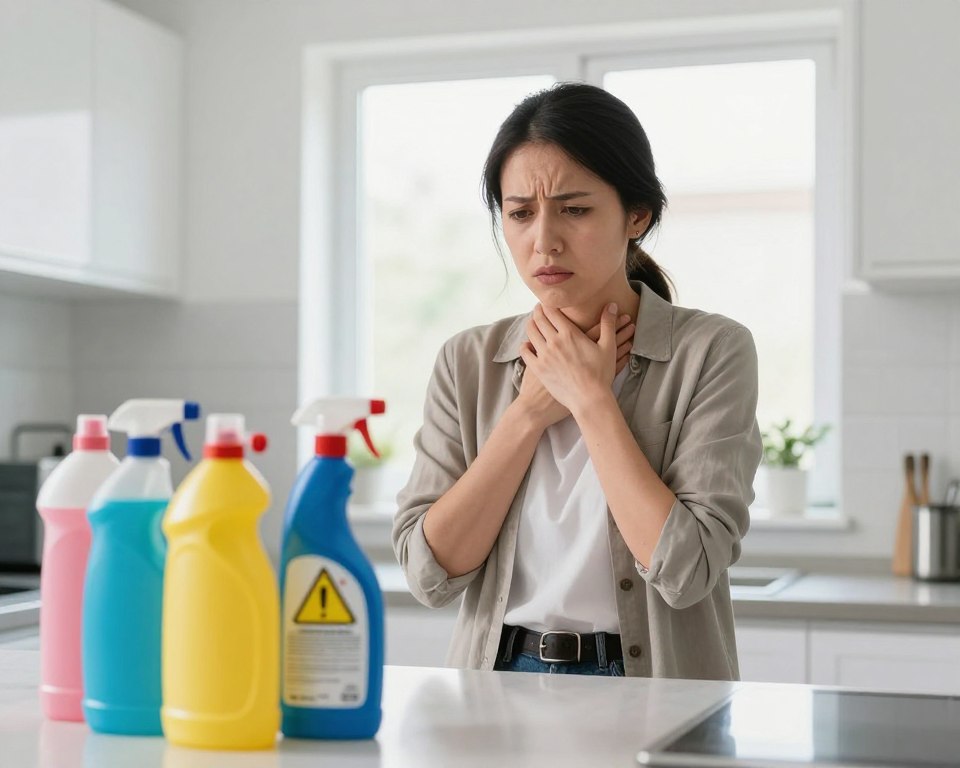
It’s important to know what’s in your cleaning supplies. If you’re expecting, learning about are cleaning products safe during pregnancy is crucial. Knowing these risks helps protect your lungs.
Realizing Can Cleaning Products Cause a Sore Throat and Cough is key to safer cleaning. Choose products with fewer harsh chemicals. This way, you can keep your home clean without harming your health. Your well-being should always come first when picking cleaning supplies.
Common Ingredients That Trigger Throat Irritation
It might shock you to find out that cleaning products can irritate your throat. Household items often have strong chemicals that can hurt your throat and lungs when breathed in. Knowing which ones to avoid is key to keeping your home healthy.
Volatile Organic Compounds in Sprays
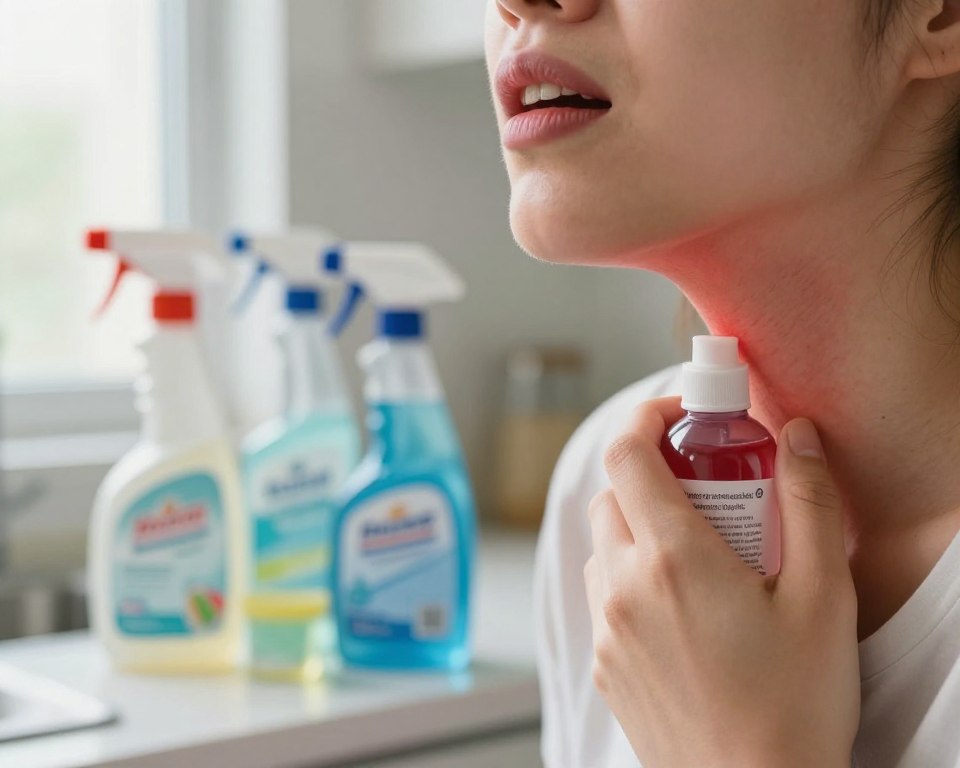
Many sprays release Volatile Organic Compounds (VOCs) into the air. These chemicals evaporate fast, creating fumes that can irritate your airways. Using a multi-surface cleaning spray can leave these fumes in the air for a while.
The Impact of Ammonia and Bleach Mixtures
Mixing the wrong cleaning products is a big mistake. Never mix bleach or any bleach-containing product with any cleaner containing ammonia. This mix creates toxic gas that can hurt your breathing and throat.
Fragrance Chemicals and Sensitization
Cleaning products often have added fragrances to hide their smell. But these fragrances can cause allergies and make your airways sensitive. Even if a product smells nice, it can still irritate your throat or make you cough.
| Ingredient Type | Common Source | Primary Effect |
|---|---|---|
| VOCs | Aerosol Sprays | Airway Inflammation |
| Ammonia | Glass Cleaners | Mucosal Burning |
| Bleach | Disinfectants | Respiratory Distress |
| Fragrances | All-Purpose Cleaners | Allergic Sensitivity |
Knowing about these risks helps you choose safer cleaning products. By avoiding these ingredients, you can lower the chance of throat irritation while cleaning.
How Inhaling Cleaning Fumes Affects Your Airways
Spray cleaners seem convenient but can harm your airways. When you spray, you release a mist of chemicals. These particles can be inhaled, causing harmful effects of cleaning products in your home.
The Mechanism of Mucosal Irritation
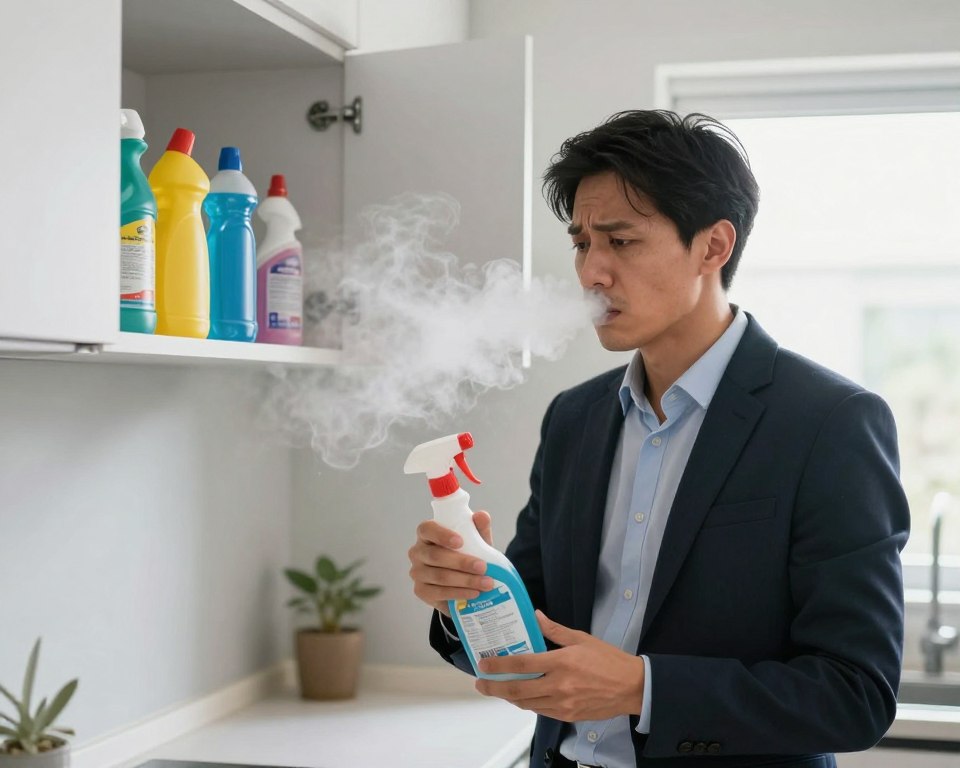
Chemical aerosols can irritate your mucosal membranes when inhaled. These tissues protect you but are sensitive to harsh chemicals. Exposure can dry, inflame, or irritate them.
This irritation is a sign your cleaning routine might harm your health. Persistent dryness or a scratchy sensation in the throat often follows. Aerosol sprays are more likely to be inhaled than liquid cleaners.
Inflammatory Responses in the Throat and Lungs
If irritation persists, your body may react with inflammation. This is your immune system’s way of trying to protect you. You might see swelling in the throat or more mucus in the lungs.
This can cause a dry cough or chest tightness. Knowing the harmful effects of cleaning products helps keep your environment safe. Using methods that reduce aerosolization can lower respiratory risks.
| Cleaning Method | Aerosol Risk | Respiratory Impact |
|---|---|---|
| Aerosol Sprays | High | Significant irritation |
| Trigger Sprayers | Moderate | Potential for sensitivity |
| Liquid/Pourable | Low | Minimal inhalation risk |
| Wipes/Cloths | Very Low | Negligible |
Identifying Symptoms of Chemical-Induced Respiratory Distress
Knowing the signs of chemical distress can help avoid serious health issues. Household products can cause reactions that feel like other illnesses. It’s crucial to watch how your surroundings affect your health.
Distinguishing Between Irritation and Infection
Many confuse symptoms of a cold with reactions from household products. A cold takes days to develop, but chemical-induced symptoms show up fast after exposure. If you feel cleaning chemicals throat irritation, think about recent use of strong sprays or bleach.
Unlike a cold, which can include fever or body aches, chemical exposure usually causes irritation in one area. You might have a dry, scratchy throat that gets better in fresh air. Watching when your symptoms start helps figure out the cause.
Recognizing Acute Exposure Signs
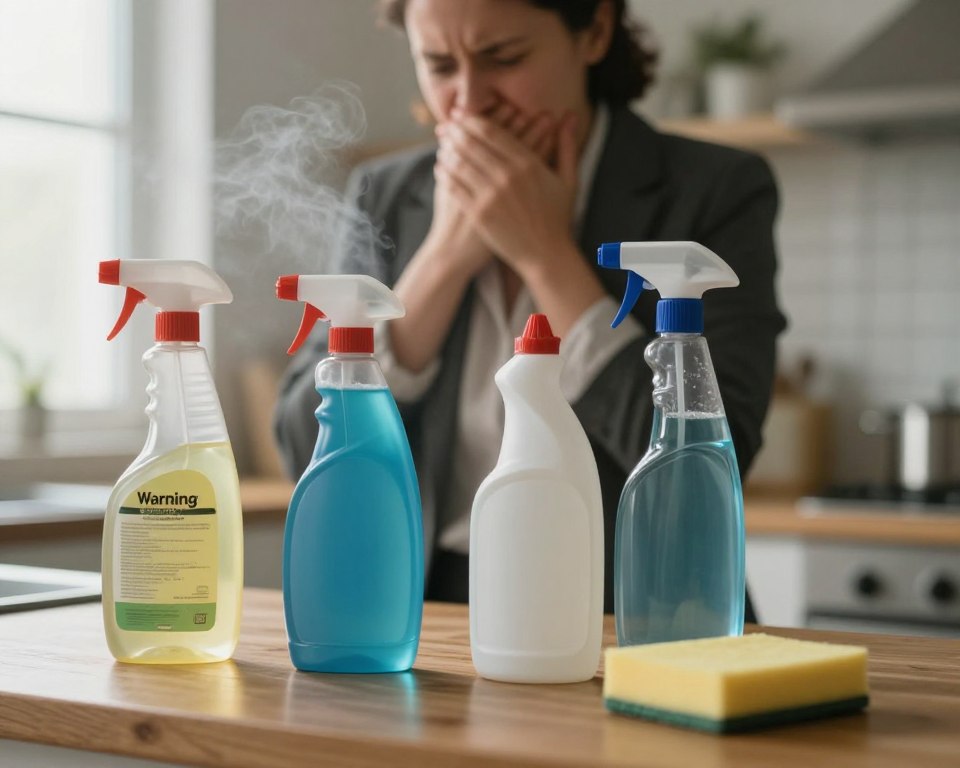
Being exposed to harsh chemicals can show clear signs. You might see tearing, redness, and a burning feeling in your eyes. You could also have a runny nose or trouble breathing as your body tries to filter out the irritants.
If you notice these signs, get away from the cleaning area right away. Fresh air can help ease the discomfort from volatile compounds. The table below shows the main differences between chemical reactions and viral infections to help you understand better.
| Symptom Type | Chemical Exposure | Viral Infection |
|---|---|---|
| Onset Speed | Immediate | Gradual |
| Primary Signs | Burning eyes, throat irritation | Fever, body aches |
| Duration | Short-term (with fresh air) | Several days |
| Systemic Impact | Localized to airways/eyes | Full body fatigue |
High-Risk Cleaning Agents to Watch Out For
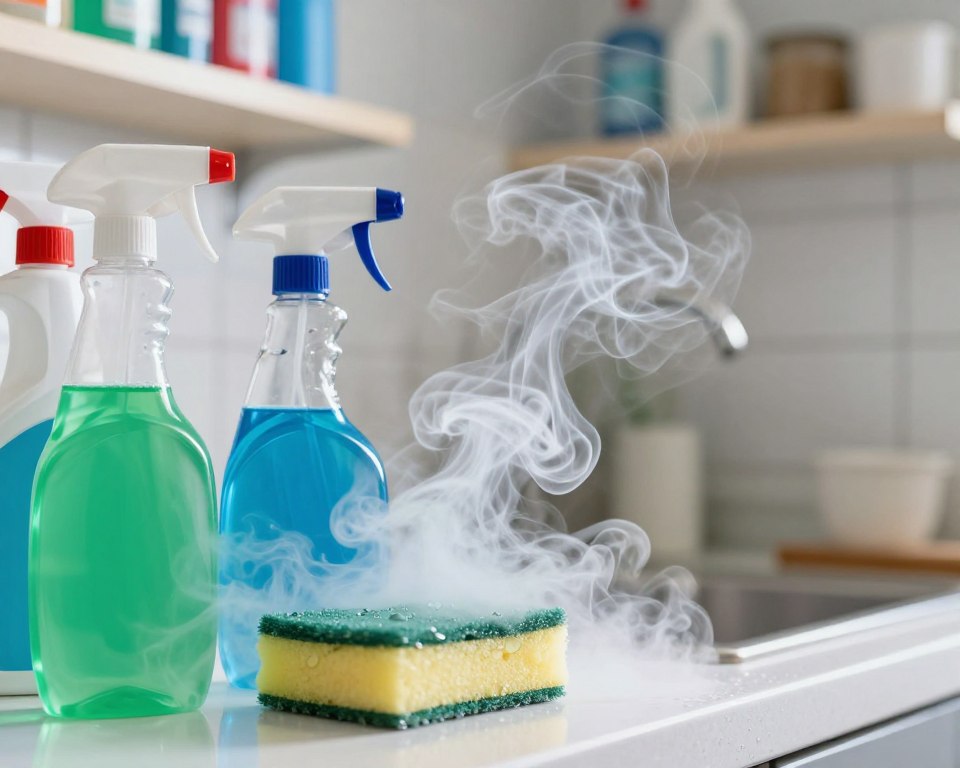
Keeping your home clean is key, but beware of dangerous agents in your cabinets. Some products are more risky because of their chemicals. They can release irritating fumes from cleaning agents that harm your breathing. It’s crucial to know are household cleaning products safe before cleaning.
Oven Cleaners and Caustic Substances
Oven cleaners are very strong. They often have caustic lye or sodium hydroxide to tackle tough grease. When sprayed, these can easily become airborne, causing throat irritation and coughing.
Toilet Bowl Cleaners and Acidic Fumes
Toilet cleaners use strong acids to remove mineral deposits or rust. These acids are effective but release irritating fumes from cleaning agents that can sting your eyes and nose. Make sure your bathroom is well-ventilated to avoid inhaling these fumes.
Glass Cleaners and Solvent-Based Products
Glass cleaners use solvents like ammonia or glycol ethers for a streak-free shine. These ingredients evaporate fast but can still cause breathing problems in small spaces. Always prioritize airflow to reduce your exposure to these vapors.
| Cleaning Product Type | Primary Hazard | Respiratory Risk |
|---|---|---|
| Oven Cleaners | Caustic/Lye | High |
| Toilet Cleaners | Strong Acids | Moderate to High |
| Glass Cleaners | Solvents | Low to Moderate |
The Role of Allergic Reactions in Cleaning Product Sensitivity
It’s important to know the difference between a chemical sensitivity and a true allergy. Many people feel uncomfortable after using household items. But, they often don’t know why.
While cleaning products allergic reactions get a lot of talk, many symptoms are just irritation. They’re not a real allergic response.
Chemical Sensitivities vs. True Allergies
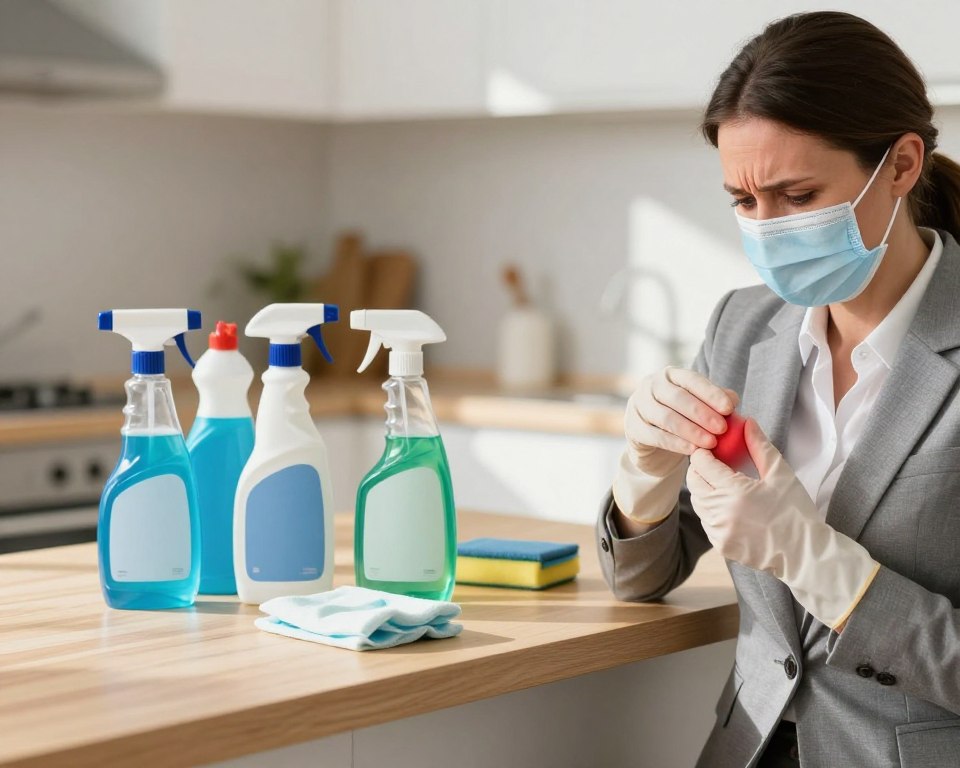
An allergy happens when your body thinks a substance is harmful and fights it. On the other hand, chemical sensitivity is a non-allergic reaction. It’s when your body reacts to a substance’s harsh properties.
This can cause a sore throat, watery eyes, or a cough. Knowing the difference helps you take better care of your home.
If you have cleaning products allergic reactions, you might see hives or swelling. These are signs of an immune system reaction. But, if you just feel irritation in your airways, it’s likely a chemical sensitivity.
“Indoor air quality is often significantly worse than outdoor air, largely due to the accumulation of volatile compounds from everyday household products.”
How Fragrances Trigger Immune Responses
Fragrances are a big problem for breathing problems at home. They can irritate your airways, whether they’re synthetic or natural. Even natural fragrances can be harmful.
These pollutants stay in your home long after cleaning. For those with cleaning products allergic reactions, these scents can really set off their immune system. To stay safe, follow these tips:
- Choose fragrance-free or unscented cleaners.
- Make sure to ventilate by opening windows.
- Look for products with low VOCs.
By picking products without strong smells, you can lower your risk of cleaning products allergic reactions. Keeping your airways healthy starts with knowing what’s in your cleaning supplies.
Vulnerable Populations and Increased Sensitivity
Some people are more at risk of breathing problems from common cleaners. While many use these items safely, others may have cleaning products allergic reactions. These can range from mild to severe breathing issues. It’s key to know these sensitivities to keep homes safe for everyone.
Risks for Individuals with Asthma
For those with asthma, keeping the air clean at home is crucial. Harsh chemicals in sprays can trigger asthma attacks. Even small smells can cause problems, making it hard to breathe.
Watch how your body reacts to certain products. If you feel a tight chest or wheezing, it might be an allergic reaction. Using products with no scent or low VOCs can help reduce these risks.
Protecting Children and Pets in the Home
Children and pets are often the most vulnerable. Kids breathe faster, so they take in more air particles. This makes them more likely to react to chemicals on surfaces.
Pets, like cats and dogs, are also at risk. They may groom themselves, ingesting chemicals on their fur or paws. To keep them safe, make sure surfaces are clean and rooms are well-ventilated before letting them back in.
| Vulnerable Group | Primary Risk Factor | Recommended Action |
|---|---|---|
| Asthmatic Individuals | Chemical triggers | Use fragrance-free products |
| Young Children | Rapid breathing rate | Keep areas well-ventilated |
| Household Pets | Floor-level exposure | Rinse surfaces thoroughly |
Best Practices for Safe Cleaning and Ventilation
Keeping your home clean doesn’t have to hurt your breathing. When you clean, you might release irritating fumes from cleaning agents into your air. Taking steps to control these vapors makes cleaning safe for your health.
The Importance of Airflow and Open Windows
Opening windows and doors is key to reducing airborne chemicals. This simple step helps spread out irritating fumes from cleaning agents before they harm your lungs.
In small, closed areas like bathrooms, use a fan to move air to an open window. Learn more about is disinfectant spray toxic to breathe and why good airflow is crucial.
“Effective ventilation is not just a suggestion; it is a fundamental requirement for maintaining indoor air quality when using concentrated cleaning solutions.”
Using Personal Protective Equipment
Even with good ventilation, you might still need protection from irritating fumes from cleaning agents. Wearing gloves, safety glasses, and masks helps block harmful chemicals.
| Safety Method | Primary Benefit | Best For |
|---|---|---|
| Cross-Ventilation | Reduces chemical concentration | General surface cleaning |
| N95 Respirator | Filters out fine particles | Heavy-duty scrubbing |
| Nitrile Gloves | Prevents skin absorption | Handling caustic liquids |
| Safety Goggles | Protects sensitive eye tissue | Spray-based applications |
Choose the right tools for cleaning to protect your health. With good airflow and protective gear, you can safely manage irritating fumes from cleaning agents and keep your home safe.
Natural Alternatives to Harsh Chemical Cleaners
If you’re concerned about cleaning supplies throat discomfort, natural options are a gentle choice. Many are switching to avoid harsh chemicals for better air quality. You can make your home shine with simple, safe ingredients from your kitchen.
It’s a question of balance to decide if household cleaning products are healthier. Sometimes, the best tool is just elbow grease. Wiping surfaces physically removes bacteria and dirt without harsh chemicals.
Benefits of Vinegar and Baking Soda
Vinegar and baking soda are top picks for eco-friendly cleaning. Vinegar cuts through mineral deposits and soap scum. Baking soda gently scrubs away stains without scratching surfaces.
These items are safer than bleach or ammonia for your throat. They don’t release harmful volatile organic compounds. Always clean in well-ventilated areas for better respiratory health.
Essential Oils and Their Respiratory Risks
Essential oils can make cleaning smell nice, but they’re not always safe. Some oils can cause sensitization or allergic reactions. If you experience cleaning supplies throat discomfort, try fragrance-free cleaners.
Natural substances can be harmful if inhaled too much. Always dilute essential oils and avoid spraying them in the air. Keeping your home balanced helps keep airways clear.
| Cleaning Agent | Primary Benefit | Safety Level |
|---|---|---|
| White Vinegar | Dissolves mineral buildup | High |
| Baking Soda | Natural abrasive scrubbing | High |
| Essential Oils | Provides natural fragrance | Moderate |
| Synthetic Bleach | Strong disinfectant | Low |
When to Seek Medical Attention for Respiratory Issues
Be careful if you feel cleaning supplies throat discomfort while cleaning. Minor irritation might go away with fresh air. But, some reactions need a doctor’s check to keep you safe.
Warning Signs of Severe Chemical Inhalation
Watch how your body reacts to strong household cleaners. Severe distress can show as constant wheezing, a tight chest, or trouble breathing.
A cough that won’t stop or a burning throat that gets worse is a sign of chemical injury. These symptoms mean your airways might be harmed by toxic fumes. Don’t ignore them.
When to Visit an Urgent Care Facility
If your symptoms are too much or don’t get better in fresh air, get help. Going to an urgent care is a smart precaution if you think you’ve inhaled harmful chemicals.
If you’re not sure how serious your symptoms are, call your local poison center at 1-800-222-1222. They can tell you if you need the emergency room or if you can stay home. Your well-being is the top priority. Always seek help when you worry about your breathing.
Proper Storage and Handling of Household Supplies
Organizing your household cleaners does more than just tidy up your cabinets. It also protects your respiratory system. When products are stored haphazardly, you increase the risk of accidental exposure. This can lead to a chemical-induced sore throat and cough.
By establishing a clear system, you ensure that your living space remains a safe haven for everyone in your family.
Preventing Accidental Mixing of Chemicals
One of the most dangerous mistakes in home maintenance is storing incompatible cleaning agents near each other. If these substances leak or spill, they can create toxic fumes. These fumes can trigger a chemical-induced sore throat and cough upon inhalation.
You should always store acids, such as toilet bowl cleaners, far away from bleach-based products. This prevents hazardous reactions.
Consider using separate bins or high shelves to keep these items isolated. This simple physical barrier prevents accidental contact and keeps your air quality stable. Research on respiratory health and chemical exposure shows that even minor accidental mixing can cause significant irritation to your airways.
Maintaining Original Containers and Labels
It is tempting to transfer cleaners into decorative bottles, but this practice is highly discouraged. You must keep all cleaning products in their original containers. This ensures that safety instructions and ingredient lists remain accessible.
If an emergency occurs, having the original label allows you to quickly identify the chemical. This provides accurate information to medical professionals.
Labels often contain vital warnings about ventilation and protective gear. Keeping these instructions intact helps you avoid common triggers. Always check that caps are tightened securely to prevent leaks that could contaminate your storage area.
| Storage Practice | Safety Benefit | Risk Level |
|---|---|---|
| Original Containers | Clear safety instructions | Low |
| Separate Storage | Prevents toxic reactions | Low |
| Unlabeled Bottles | High risk of misuse | High |
| Mixed Chemicals | Dangerous fume release | Critical |
Long-Term Health Implications of Chronic Exposure
It’s important to think about the long-term effects of cleaning products on your lungs. Using household cleaners respiratory issues often can harm your lungs over time. You might not notice problems right away, but it’s crucial to understand the long-term risks.
Developing Occupational Asthma
Studies show that using cleaning sprays regularly can increase your risk of occupational asthma. This condition happens when you’re exposed to strong chemicals every day. To learn more, check out guidelines on indoor air pollutants and cleaning supplies to keep your home safe.
Repeated irritation can make your airways very sensitive. This chronic inflammation can cause breathing problems that feel like asthma. If you’ve had a chemical-induced sore throat and cough, watch your lung health closely in the years ahead.
Cumulative Effects on Lung Function
Long-term exposure to harsh chemicals can weaken your lungs. Inhaling tiny particles and fumes can harm the deep tissues in your lungs. This can make it harder to breathe, even when you’re not active.
| Exposure Type | Primary Symptom | Long-Term Risk |
|---|---|---|
| Acute | Immediate irritation | Chemical burns |
| Chronic | Persistent cough | Occupational asthma |
| Cumulative | Reduced capacity | Permanent lung damage |
To protect your lungs, take steps to reduce your use of volatile sprays. Make sure your home is well-ventilated. By doing this, you can lower your risk of serious health problems. Protecting your lung health now means a safer, more comfortable future.
Conclusion
Keeping your home clean is important, but not at the cost of your health. Learning about the harmful effects of cleaning products helps you choose better. This way, you can keep your lungs healthy and your home safe.
Making small changes in your daily routine can greatly improve your health. Switching to natural cleaners like baking soda or vinegar cuts down on harmful fumes. Always make sure to ventilate well by opening windows or using fans.
Check the labels on your cleaning products to know what you’re using. This helps keep the air in your home clean. By choosing safer cleaning options, you create a healthier space for everyone. You’ll be able to breathe easily every day.
FAQ
Can Cleaning Products Cause a Sore Throat and Cough?
Yes, they can. Many household items release harmful fumes. These fumes can irritate your throat and cause coughing. Products like Clorox Bleach or Lysol Sprays are common culprits if used in poorly ventilated areas.
What are the most common household cleaners respiratory issues?
Harsh chemicals can cause throat discomfort, shortness of breath, and eye or nose burning. Unlike a cold, these symptoms appear quickly after using a product. They often go away when you move to a well-ventilated area.
Why do aerosol sprays cause more cleaning chemicals throat irritation than liquids?
Aerosol sprays, like Windex or Pledge, release tiny particles into the air. These particles can easily be inhaled deep into your lungs. This is why experts suggest using liquid cleaners or damp cloths instead of sprays.
Which ingredients are notorious for causing respiratory distress?
Ammonia and bleach are very harsh on the airways. Mixing them creates toxic gases. Fragrance chemicals in products like Mrs. Meyer’s can also cause allergic reactions or sensitivities.
Are certain people more at risk for cleaning supplies throat discomfort?
Yes, children, pets, and people with asthma or COPD are more at risk. Children breathe in more fumes because of their fast breathing rate. Using strong products around them requires caution and good ventilation.
How can I prevent a chemical-induced sore throat and cough while cleaning?
The best way is to ensure good ventilation. Open windows and doors for a cross-breeze. Wear a mask or gloves when handling harsh chemicals. Natural alternatives like Arm & Hammer Baking Soda or white vinegar can also help.
Can "natural" cleaners still cause cleaning chemicals throat irritation?
Yes, even natural cleaners can be risky. Some natural products use essential oils that can irritate the airways. Always test a small amount first to see how you react.
What are the long-term harmful effects of cleaning products?
Long-term use of cleaning chemicals can harm your health. It can lead to lung function decline and occupational asthma. Using safer, simpler cleaning methods is key to protecting your health.
When should I see a doctor for respiratory issues caused by cleaners?
See a doctor if you have severe respiratory distress, persistent wheezing, or a cough that doesn’t get better. If you think you’ve inhaled dangerous fumes, contact Poison Control or go to urgent care right away.