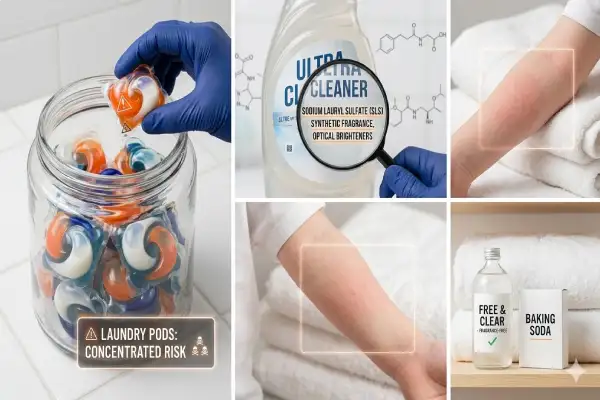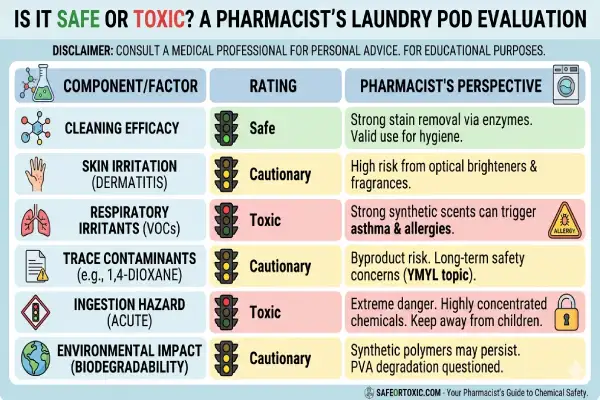
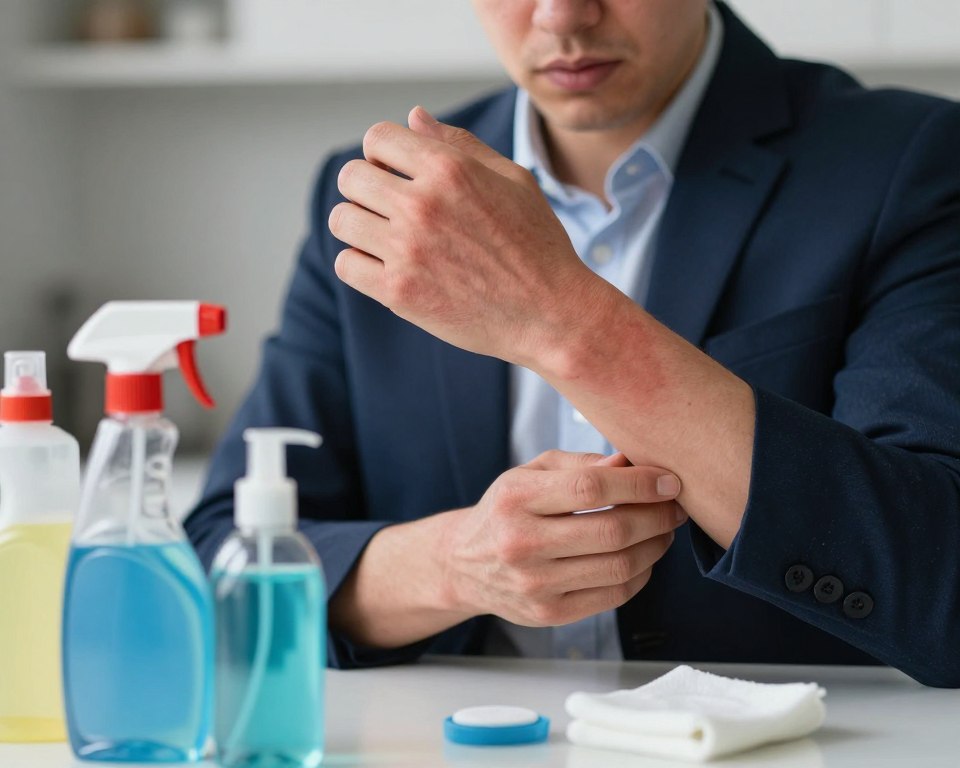
Did you know that nearly 70% of households use strong chemicals for cleaning? Many think that if a cleaner makes their home shine, it’s safe to touch. But, your body might tell a different story through skin irritation.
It’s important to know how everyday supplies affect your body. Using harsh chemicals often leads to skin problems. By finding out what irritates your skin, you can keep it healthy.
Choosing wisely what you use at home is key. Whether you’re worried about safety during pregnancy or just want to feel good, knowing is power. Choosing gentle products makes your home a safe haven, not a source of stress.
Key Takeaways
- Identify common chemical irritants found in standard household supplies.
- Learn how to protect your body by using proper safety gear like gloves.
- Discover the benefits of switching to fragrance-free or plant-based options.
- Understand the importance of ventilation when using strong chemical agents.
- Recognize when it is time to seek professional medical advice for persistent irritation.
Can Cleaning Products Cause a Skin Rash or Contact Dermatitis
Many think every skin reaction to cleaners is an allergy. They believe red or itchy hands mean they’re allergic to something. But, most skin irritation from cleaning chemicals is actually irritant contact dermatitis, not a true allergy.
This condition happens when harsh cleaners remove the skin’s natural oils. Without these oils, the skin gets dry and inflamed. For more on this, check out the NHS guide on contact dermatitis.
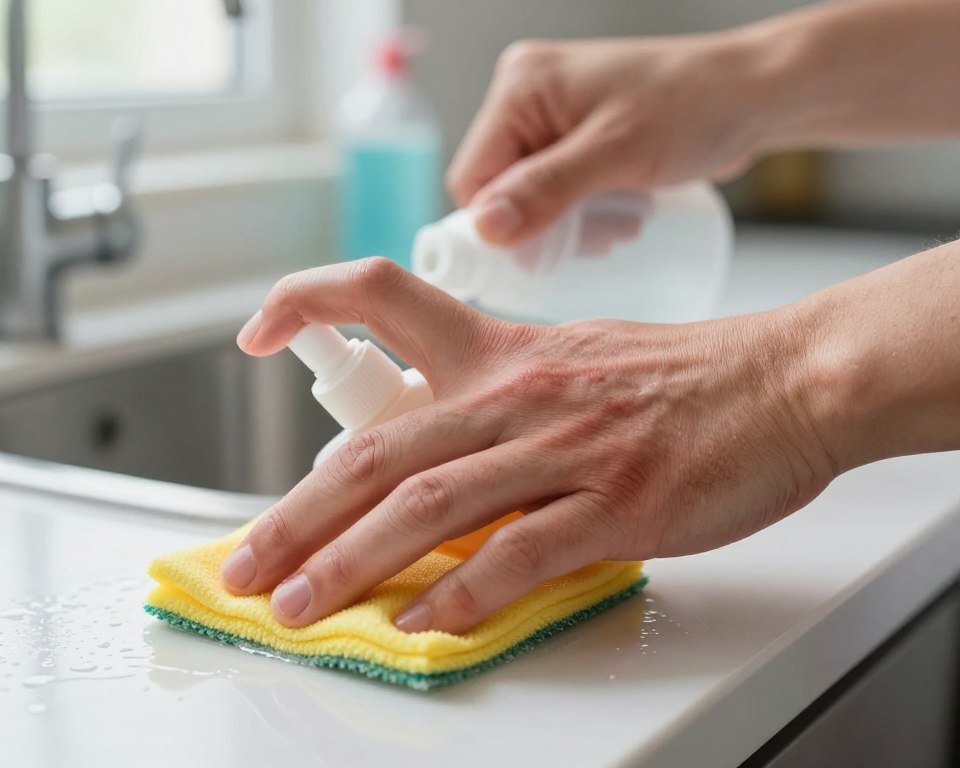
Many household items, like those in is Mr. Clean toxic, have harsh ingredients. Consistency is key in protecting your skin. Even mild products can be harmful if used too often without protection.
“The skin is the body’s largest organ, and it acts as a vital shield against the chemical world we navigate every day.”
To understand the difference between irritant and allergic dermatitis, see the table below. Knowing these differences helps you take care of your skin better.
| Feature | Irritant Dermatitis | Allergic Dermatitis |
|---|---|---|
| Primary Cause | Chemical damage to skin | Immune system reaction |
| Onset Speed | Usually immediate | Delayed (24-48 hours) |
| Frequency | Very common | Less common |
| Symptoms | Burning, dryness, cracks | Itching, blisters, swelling |
Knowing if your discomfort is from irritation or sensitivity helps you protect yourself better. Always use gentle care and safety gear to keep your cleaning routine healthy.
The Science of Contact Dermatitis
Your skin is a complex organ that protects you from harm. It keeps out bacteria, viruses, and toxins. But, it can get overwhelmed by harsh substances.
When your skin is damaged, you might see a skin rash from cleaning products after cleaning. This shows your skin’s protective layer has been broken. Now, the skin underneath is open to inflammation and dryness.
How the Skin Barrier Functions
The outer layer of your skin, called the epidermis, is the main barrier. It’s made of cells held together by lipids. These lipids keep moisture in and harmful agents out. Maintaining this structure is essential for your health.
Using harsh cleaning agents can remove these lipids. Without them, your skin can’t hold water well. This makes your skin more sensitive and open to deeper irritation.
The Impact of pH Levels on Skin Health
Healthy skin has a slightly acidic pH, known as the “acid mantle.” This thin film fights off alkaline threats and helps good bacteria grow. Using products that upset this balance can cause skin irritation from cleaning chemicals.
Many household cleaners are alkaline, which can change your skin’s pH. This change weakens the acid mantle. Your skin becomes far more susceptible to damage. Keeping your skin’s pH balanced is key to preventing discomfort and maintaining a strong barrier.
Common Chemical Culprits in Household Cleaners
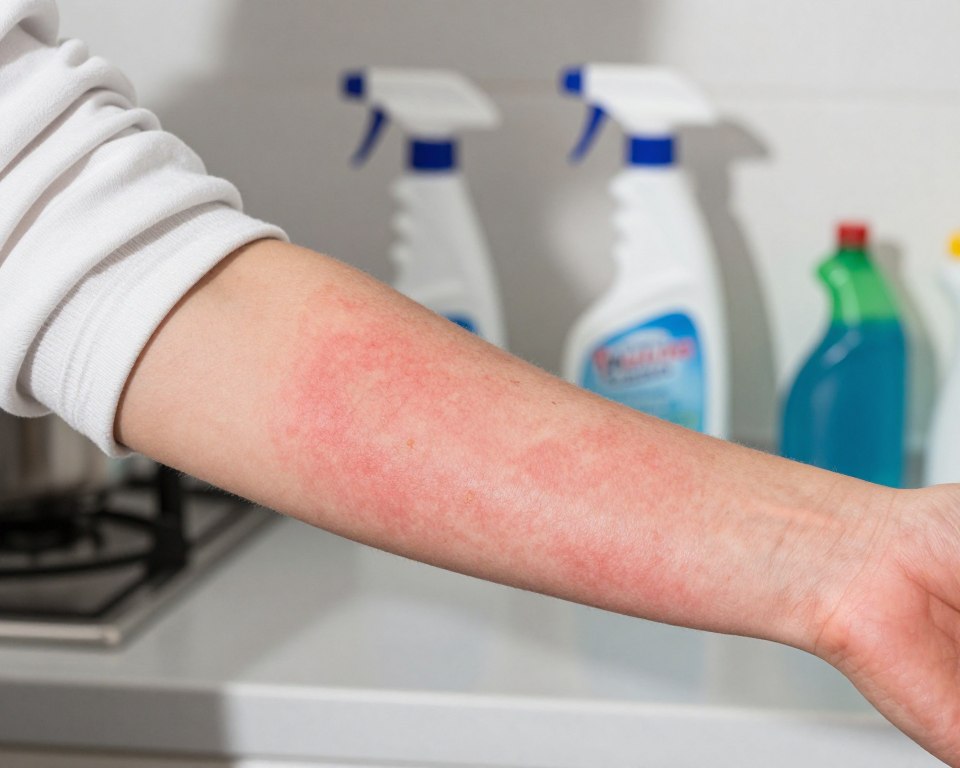
It might shock you to find out that cleaning products can cause skin rashes. These products are meant to clean tough spots but can harm your skin. Knowing what’s in your cleaning supplies is key to keeping your skin safe.
Surfactants and Their Effects
Surfactants are in soaps and detergents. They remove dirt but also take away your skin’s natural oils. This can dry out and irritate your skin.
Without the lipid layer, your skin is more prone to irritation. It’s crucial to check if your cleaning products are safe before cleaning. These surfactants often cause contact dermatitis.
Solvents and Degreasers
Solvents and degreasers dissolve tough stains and oils. They are strong and can harm human skin. They can quickly get into your skin, causing redness or burning.
These chemicals can also irritate your lungs. Make sure your area is well-ventilated when using them.
Bleach and Ammonia Risks
Bleach and ammonia are common in cleaning kits but are risky for sensitive skin. They are very alkaline and can burn your skin. Even diluted, they can cause a skin rash from cleaning products if not handled carefully.
Never mix bleach and ammonia as it creates harmful fumes. If you feel stinging or itching, rinse with cool water right away.
Identifying Symptoms of Skin Irritation
It’s important to know the early signs of skin irritation when cleaning. Your body might react to chemicals in ways you don’t see right away. Spotting these signs early can help avoid contact dermatitis from household cleaners before it gets worse.
Visual Signs of a Rash
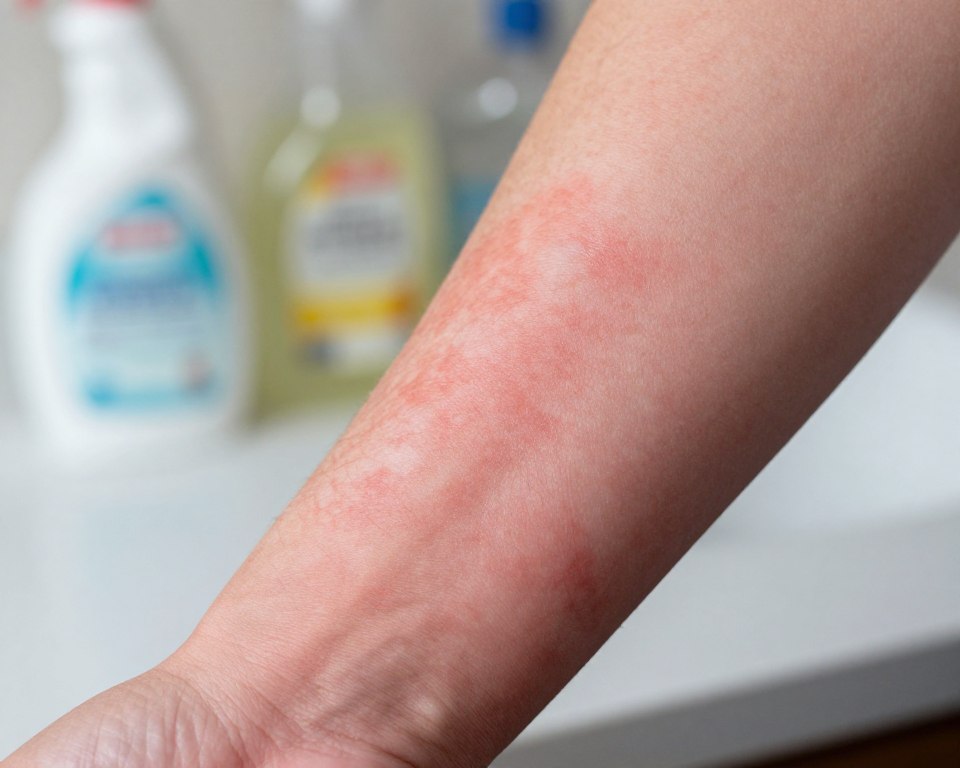
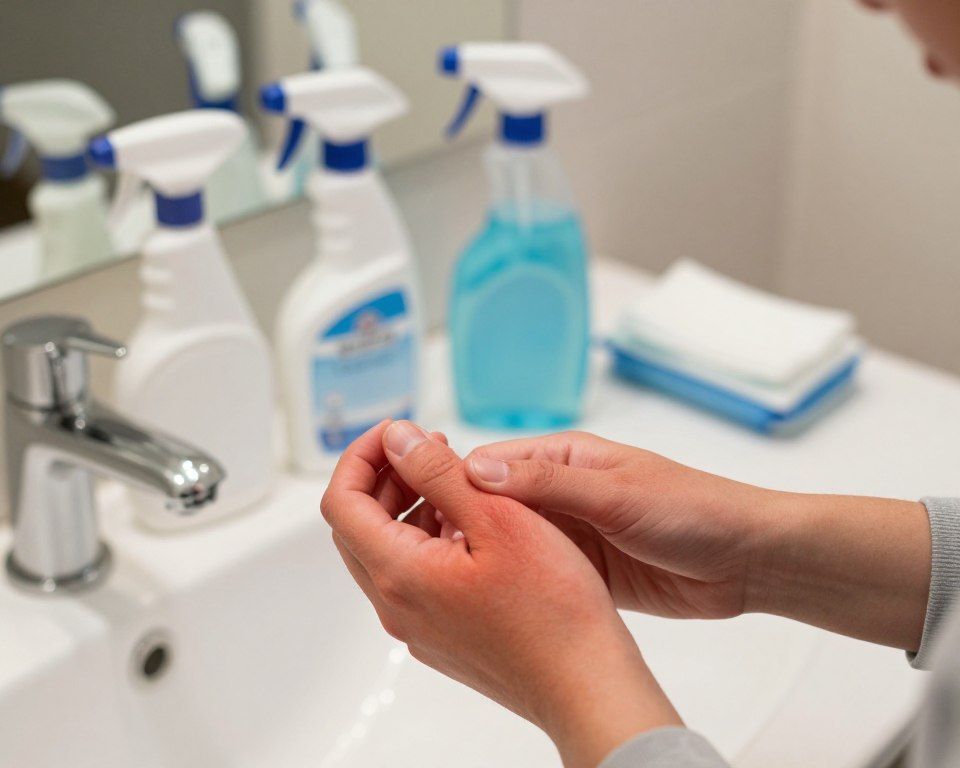
Common signs show up a few hours or days after exposure. You might see redness or swelling where you touched the product. In bad cases, the skin can get dry, scaly, or even have blisters.
“The skin is a complex organ that reacts quickly to environmental stressors, often serving as the first indicator of chemical sensitivity.”
Seeing your skin change texture or color means it’s time to stop using the product. Watching for these signs helps you protect your skin fast.
Sensory Indicators Like Burning and Itching
Your skin also sends signals when something’s off. Many feel an intense itching that makes it hard to focus. Others might feel sharp, stinging, or burning, even after washing.
These feelings are your body’s way of saying something’s wrong. Don’t ignore them. Listening to these early signs can prevent a lot of pain and skin damage later on.
Irritant vs. Allergic Contact Dermatitis
When you get contact dermatitis from household cleaners, it’s key to know if it’s an allergy or just irritation. Knowing the difference is the first step to better skin health.
Understanding Irritant Contact Dermatitis
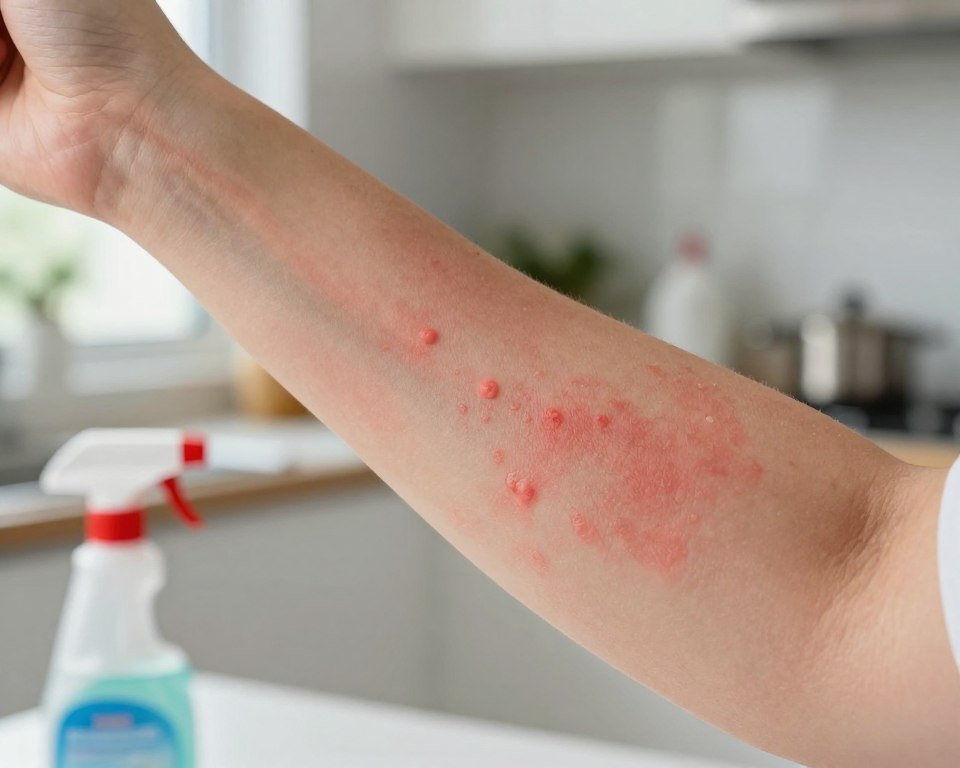
Irritant contact dermatitis is the most common skin reaction. It happens when harsh substances, like strong cleaners, damage your skin’s outer layer. This is a direct chemical reaction, not an immune response.
You might see redness, dryness, or cracks soon after using a product. The damage is physical, so how bad it is depends on the chemical’s strength and how long it’s on your skin.
Understanding Allergic Contact Dermatitis
Allergic contact dermatitis is different. It involves a delayed immune response. Even a small amount of a specific ingredient can cause a reaction in someone who’s sensitized. Finding the specific allergen, like a fragrance or preservative, is key when dealing with contact dermatitis from household cleaners.
The Role of the Immune System
Your immune system is central to this process. When you first meet an allergen, your body sees it as a threat. On future exposures, your immune system attacks, causing inflammation, itching, and rashes.
This is why you might use a product for years without problems, then suddenly get sensitive. Once sensitized, your immune system will react every time you’re exposed to that substance.
High-Risk Cleaning Tasks and Environments
Not all household chores are the same when it comes to your skin. Some environments and cleaning habits can lead to cleaning product skin irritation. Professional cleaners face a higher risk, with a 28% rate of dermatitis compared to 18% in the general public.
Working in Enclosed Spaces
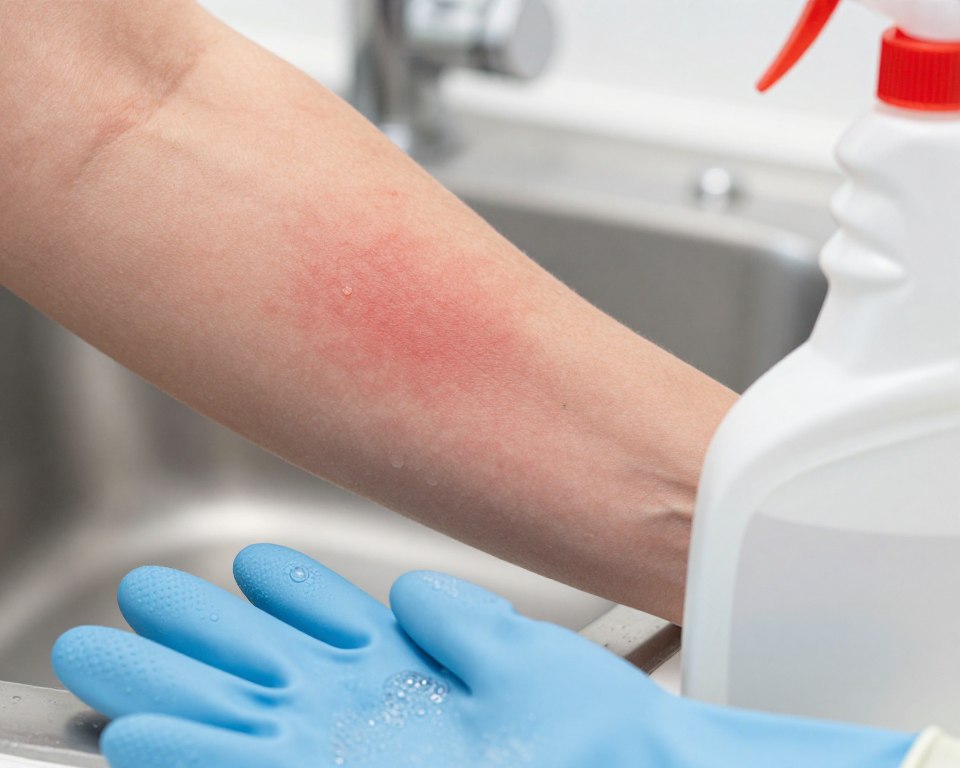
Cleaning small, poorly ventilated areas like bathrooms or utility closets is risky for your skin. Strong chemicals in these tight spots can trap vapors on your skin. This can cause unseen irritation over time.
To reduce risk, ensure good airflow before starting. Open a window or run an exhaust fan to clear chemical fumes. If you can’t improve ventilation, try these safety tips:
- Keep the door open while you work.
- Use a portable fan to circulate fresh air.
- Limit the time you spend inside the small space.
Prolonged Exposure During Deep Cleaning
Deep cleaning involves “wet work,” which can lead to cleaning product skin irritation. Wet hands or skin covered in cleaning solutions for long periods can damage your skin’s barrier. This makes it easier for harsh chemicals to penetrate and cause inflammation.
Scrubbing, rinsing, and chemical exposure during deep cleaning can be tough on your skin. Be careful about how long your skin is in contact with these substances. Dry your hands often and apply moisturizer to keep your skin healthy. Even mild products can cause significant discomfort if your skin is exposed for hours.
How to Perform a Patch Test for New Products
Preventing cleaning product skin irritation is easy with a simple test. This test shows how your skin reacts to new chemicals. It’s a small step to keep your skin safe and healthy.
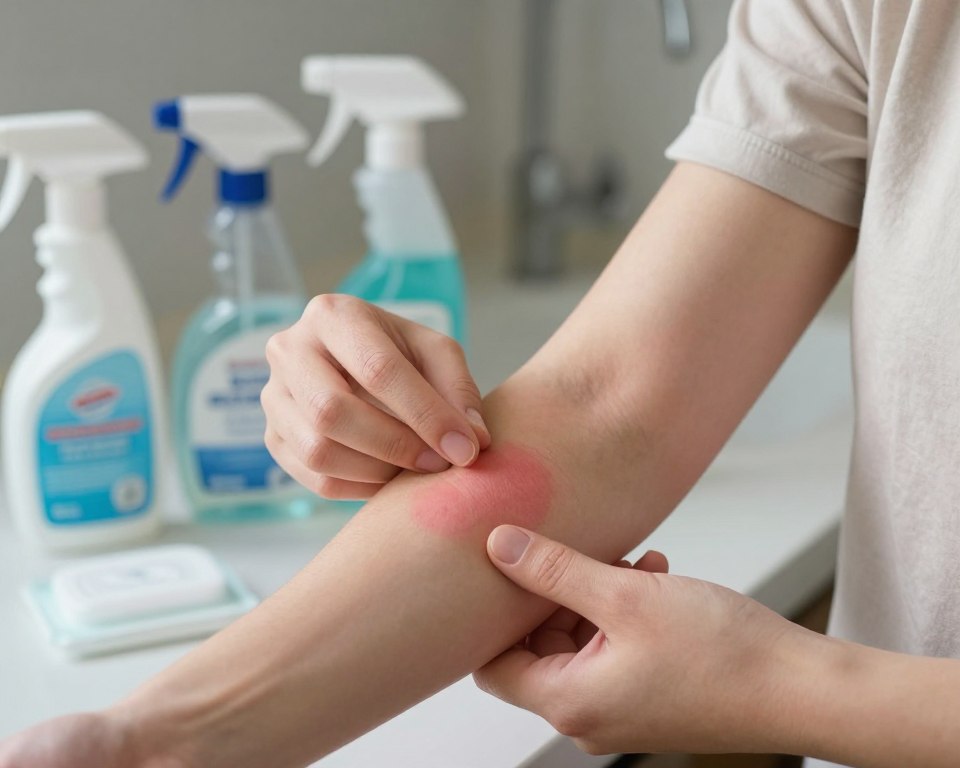
Step-by-Step Patch Testing Procedure
Start by picking a small, hidden spot like your forearm’s inside or behind your ear. Make sure it’s clean and dry before applying a tiny bit of the product. You might also want to check if fabric softeners are safe for babies to protect your whole family.
Here’s how to do it right:
- Put a small amount of cleaner on the spot.
- Use a breathable bandage to keep it in place if needed.
- Wait 24 to 48 hours to see if there’s a reaction.
- Don’t wash the area during this time.
Interpreting Your Results
After waiting, remove the bandage and check your skin. If it’s red, swollen, itchy, or burns, it might be a sign of trouble. Wash it with cool water and mild soap to get rid of any leftover product.
If your skin looks and feels fine, the product is probably okay for you. But always listen to your body. If you feel any discomfort, take off the product right away. Your safety is the most important thing when using household chemicals.
Protective Measures While Cleaning
Keeping your skin safe while cleaning is key to avoiding allergic reactions to cleaning products. Household chemicals can remove your skin’s natural oils. This makes your skin more vulnerable to irritation.
Selecting the Right Gloves
Not all gloves protect equally against harsh chemicals. Nitrile gloves are top picks because they’re tough and protect against many substances. When using a pressure washer cleaning solution toxic to the skin, make sure your gloves are thick enough.
Don’t use thin, disposable latex gloves for a long time. They can wear down when exposed to strong solvents. Always check for any tears before starting. If your hands sweat inside the gloves, wear a thin cotton liner to keep them dry and prevent irritation.
| Glove Material | Best Use Case | Chemical Resistance |
|---|---|---|
| Nitrile | General Cleaning | High |
| Latex | Light Dusting | Low |
| Neoprene | Heavy Duty | Very High |
Protective Clothing and Ventilation
Protecting your arms and body from splashes is crucial. Wearing long-sleeved shirts and pants helps shield you from chemical mist. In small, enclosed areas, proper ventilation is vital to avoid allergic reactions.
Open windows or use fans to keep air moving while cleaning. If the fumes are strong, wear a mask to protect your lungs. These steps help keep your cleaning routine safe and effective for your skin’s health.
Choosing Skin-Friendly Cleaning Alternatives
You don’t have to give up a clean home to protect your skin. If common household items make you uncomfortable, it’s time for gentler options. Switching can prevent painful allergic reactions to cleaning products caused by synthetic fragrances and harsh preservatives.
Natural and Plant-Based Ingredients
Many brands now use plant-based surfactants from coconut or corn. These ingredients clean well without drying out your skin. Choosing products with clear ingredient lists helps avoid known irritants like methylisothiazolinone.
Opt for products with essential oils instead of synthetic fragrances. Natural oils are safer, but still use caution. Always choose hypoallergenic or fragrance-free products to protect your skin.
DIY Cleaning Solutions
Making your own cleaners lets you control what touches your skin. White vinegar, baking soda, and lemon juice work well on most surfaces. These are naturally biodegradable and rarely cause allergic reactions.
For a basic spray, mix equal parts water and white vinegar in a glass bottle. Add a few drops of tea tree oil for its antimicrobial benefits. Controlling your cleaning routine keeps your home clean and your skin healthy.
Reading Labels to Avoid Harmful Ingredients
If you have chemical sensitivity from cleaning supplies, reading labels is key. Many products hide bad chemicals in hard-to-pronounce names. Knowing these names can stop skin problems before they start.
Decoding Ingredient Lists
Don’t just look at the front of the bottle. The important stuff is on the back. Look for surfactants, which can cause skin irritation, as they make foam and clean surfaces.
Watch out for “-eth” or “-sulfate” at the end of words. These usually mean strong cleaners that take away your skin’s natural oils. If a list of ingredients is long and full of unknowns, it’s safer to pick a simpler product.
Identifying Hidden Allergens
Even “natural” products can have hidden allergens that cause chemical sensitivity from cleaning supplies. Fragrances, often just listed as “parfum” or “fragrance,” can be big trouble. They’re known to cause skin reactions in people who are sensitive.
Preservatives like methylisothiazolinone can also cause problems. Choosing fragrance-free or hypoallergenic products lowers your risk. Always go for products that list everything on the label.
| Ingredient Type | Common Name to Avoid | Safer Alternative |
|---|---|---|
| Surfactants | Sodium Lauryl Sulfate | Decyl Glucoside |
| Fragrances | Synthetic Parfum | Essential Oils (if tolerated) |
| Preservatives | Methylisothiazolinone | Citric Acid |
| Solvents | Ammonia | White Vinegar |
Immediate First Aid for Chemical Exposure
When a cleaning product causes an unexpected reaction, your first few minutes are crucial. Quick action can greatly reduce the risk of long-term damage or chemical sensitivity from cleaning supplies. Staying calm helps you address the situation effectively and protect your skin.
Rinsing and Neutralizing
The best way to stop a reaction is to remove the substance from your skin right away. Rinse the affected area with lukewarm water for at least fifteen minutes. Don’t use hot water, as it can let chemicals get deeper into your skin.
If the chemical was on your clothes, take them off carefully to avoid spreading it. After rinsing and drying, apply a gentle, fragrance-free emollient. This helps your skin’s natural moisture barrier and soothes irritation from chemical sensitivity from cleaning supplies.
“The best defense against accidental exposure is immediate, thorough irrigation of the skin to dilute and remove the offending agent.”
When to Seek Emergency Care
While most minor irritations can be handled at home, some need professional help. Seek emergency care if you have trouble breathing, swelling of the face or throat, or if the rash is large. These signs may mean a severe allergic reaction.
Don’t wait if the pain is too much or if you see blisters and open sores. Quick medical help is key to prevent complications and manage chemical sensitivity from cleaning supplies. Always have the product label or a list of ingredients ready, as this helps doctors treat you right away.
When to See a Dermatologist
It’s important to know when to stop treating yourself and see a doctor. Many minor irritations can be handled at home. But, cleaning product contact dermatitis can sometimes get serious. If your symptoms don’t go away, keep coming back, or are really bad, you need to see a doctor. Check our medical disclaimer to learn why getting help from a healthcare expert is key.
Signs of Secondary Infection
When your skin is really damaged, bacteria can get in. Look out for warning signs of a secondary infection. If you see these, it’s time to go to the clinic:
- Increased redness, swelling, or warmth around the rash.
- The presence of pus, yellow crusting, or weeping sores.
- Fever or chills with the skin reaction.
- Pain that gets worse instead of better.
Don’t ignore these signs. They often need stronger treatments. A dermatologist can check how bad your cleaning product contact dermatitis is and give you the right medicine to avoid more problems.
Diagnostic Testing for Allergies
If your skin keeps reacting, you might have an allergy. A dermatologist can do tests to find out what’s causing your skin issues. Patch testing is the best way to figure out allergic contact dermatitis.
In this test, the doctor puts small amounts of common allergens on your skin. This helps find out which cleaners are causing the problem. Knowing what triggers your skin issues is a crucial step in keeping your skin healthy and preventing more cleaning product contact dermatitis.
Managing Chronic Skin Sensitivity
Dealing with chronic skin sensitivity means more than just avoiding harsh chemicals. It’s about creating a full care plan. When your skin easily gets irritated, even small exposures can cause cleaning product contact dermatitis. The best way to stay comfortable and avoid long-term harm is to stick to a routine.
Moisturizing and Barrier Repair
Your skin’s barrier is your first line of defense against irritants. If it’s weak, you’re more likely to react to common household items. Keeping your skin hydrated is key to fixing this barrier.
Choose moisturizers with ceramides, fatty acids, and cholesterol. These help your skin stay moist and healthy. Using a thick, fragrance-free cream right after washing your hands can help prevent cleaning product contact dermatitis.
Lifestyle Adjustments for Sensitive Skin
Making small changes in your daily life can greatly improve your skin’s health. One great tip is to limit your exposure during deep cleaning. Breaking tasks into smaller parts helps your skin avoid too much chemical exposure.
Here are some tips to protect your skin:
- Always wear nitrile or cotton-lined gloves to create a barrier.
- Make sure your workspace is well-ventilated by opening windows or using fans.
- Rinse your skin well with lukewarm water after cleaning to remove chemicals.
By being consistent and proactive, you can manage your sensitivity. Sticking to a routine helps your skin stay strong against the needs of a clean home.
The Role of Fragrances and Preservatives
Many people don’t think about the hidden ingredients in their favorite cleaners. These products aim to make your home shine, but they can also cause skin rash after using cleaning products. It’s key to know what’s in them to keep your skin healthy while cleaning.
Why Fragrances Trigger Reactions
Fragrances are a big problem in today’s cleaners. They’re often a mix of many chemicals that smell nice. But, these synthetic scents can cause allergic reactions.
When you breathe in or touch these cleaners, your body might see them as threats. This can lead to redness, itching, or a skin rash after using cleaning products. Since companies don’t always list all the chemicals in fragrances, it’s hard to know which one is causing the issue.
Preservatives and Contact Dermatitis
Preservatives keep cleaners from growing bacteria and mold. But, they can also irritate your skin. Ingredients like methylisothiazolinone are known to cause allergic reactions.
If you get a skin rash after using cleaning products, it might be the preservatives. These chemicals stay on surfaces, causing prolonged exposure. Opting for “fragrance-free” or “preservative-free” products can help avoid skin problems.
Myths and Misconceptions About Cleaning Safety
Many think “green” products mean no skin rash after using cleaning products. But, marketing labels can be misleading. It’s key to look beyond the buzzwords to know what you’re bringing home.
People who get skin problems in professional cleaners or at home often fall for these traps. Relying only on what’s on the package can harm your skin.
Natural Does Not Always Mean Safe
“Natural” often means gentle or non-toxic. But, natural does not automatically mean safe for your skin. Essential oils like citrus or tea tree oil can be strong allergens.
Even organic ingredients can cause a skin rash after using cleaning products if too concentrated. Your skin doesn’t care if it’s synthetic or natural; it reacts to what it touches. Always check the full ingredient list, not just the “natural” label.
The Truth About Hypoallergenic Labels
“Hypoallergenic” labels are often misunderstood. Many think they mean no irritants. But, there’s no strict definition for this term in cleaning.
A product labeled hypoallergenic might still have irritants like preservatives or fragrances. It’s essential to do a patch test, even with these labels. Relying on them without caution can cause unexpected discomfort.
| Marketing Term | Common Assumption | The Reality |
|---|---|---|
| Natural | Safe and gentle | Can contain potent plant allergens |
| Hypoallergenic | No risk of reaction | Not regulated; may still irritate |
| Fragrance-Free | No scent added | May use masking agents |
| Eco-Friendly | Safe for humans | Refers to environmental impact |
Conclusion
Keeping your home clean shouldn’t hurt your skin. You can make your cleaning safer by knowing what’s in your cleaning products.
Knowing about cleaning product skin allergies helps you make better choices. Simple steps like wearing gloves or picking plant-based cleaners can help a lot. Learning why mixing two cleaning sprays is dangerous and sticking to one product can prevent irritation.
Being consistent is key for your health. Read labels and choose products that are clear about what’s inside. This way, you protect your skin from harsh chemicals. Your home will feel safer and more welcoming.
Start making your cleaning habits safer today to avoid future problems. If you have ongoing symptoms or severe reactions, see a doctor. Your efforts to use safer products will make your home healthier for everyone.
FAQ
Can cleaning products cause a skin rash or contact dermatitis?
Yes, they can. Many household items have harsh chemicals that can cause a skin rash. Contact dermatitis from cleaners is common, happening when your skin’s outer layer is damaged by cleaning ingredients.
Why does my skin react poorly to certain brands like Clorox or Lysol?
Products like Clorox bleach or Lysol disinfectants are strong to kill germs. But, they can also strip your skin of its natural oils. This can make your skin dry, tight, or inflamed.
What are the main chemicals responsible for cleaning product skin irritation?
The main culprits are surfactants, solvents, and strong disinfectants. These ingredients are tough on human skin and often cause irritation or allergic reactions.
How can I tell if I am having an allergic reaction to cleaning products versus standard irritation?
Irritant dermatitis happens right away after touching harsh substances. But, an allergic reaction to cleaning products takes a day or two to show up. If a rash spreads beyond where you touched the product, it might be an allergy.
What are the visual signs that I have developed a skin rash from cleaning products?
Look for redness, scaling, or small blisters. Burning, stinging, or intense itching are also warning signs. If you see these after using a product like Mr. Clean, your skin is reacting to the chemicals.
Who is most at risk for developing contact dermatitis from household cleaners?
Anyone can get affected, but professional cleaners and those who do a lot of “wet work” are at higher risk. Long exposure to chemicals during deep cleaning increases the chance of developing sensitivity.
Is there a way to test a new cleaner before using it throughout my home?
Yes! Do a patch test. Apply a small amount of diluted cleaner to your skin, like the inside of your forearm. Wait 24 to 48 hours. If no reaction, it’s likely safe for your skin.
What protective gear should I use to prevent a skin rash after using cleaning products?
Wear high-quality nitrile or rubber gloves. Also, make sure you have good ventilation and wear long sleeves when using heavy-duty sprayers like Easy-Off. This can help prevent skin irritation.
Are “natural” brands like Seventh Generation or Method better for sensitive skin?
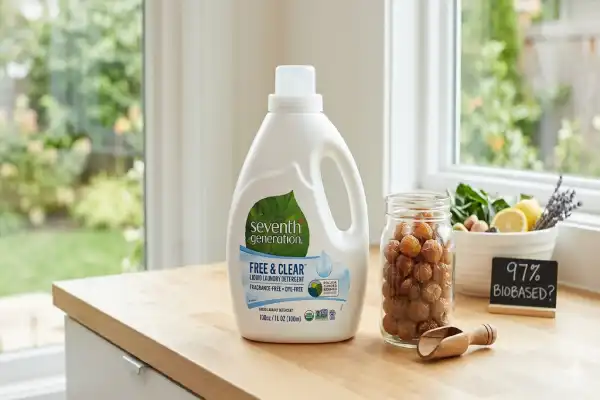
Yes, they usually are. Switching to plant-based ingredients or making your own cleaners can reduce toxin exposure. Brands like Seventh Generation and Method often avoid harsh surfactants that cause irritation. Still, check for botanical allergens.
How do I decode a label to avoid a cleaning product skin allergy?
Look for specific preservatives like methylisothiazolinone or heavy fragrances, which are common allergens. Even if a label says “hypoallergenic,” always read the full ingredient list. These terms aren’t strictly regulated by the FDA or EPA for skin safety.
What should I do as immediate first aid if my skin starts burning?
Rinse the area with cool to lukewarm water for at least 15 minutes to neutralize the chemical. Then, apply a fragrance-free emollient or moisturizer like CeraVe to help restore your skin barrier. If the burn is severe, seek medical care immediately.
When is it time to see a dermatologist for my skin rash?
See a dermatologist if your rash is persistent, painful, or shows signs of infection like pus or extreme swelling. A dermatologist can do diagnostic patch testing to find out which chemical in your Tide detergent or Pine-Sol is causing the reaction.
Why are fragrances in products like Gain or Febreze so irritating?
Fragrances are complex mixtures of dozens of chemicals. They are among the most common triggers for allergic reactions to cleaning products. Even if they smell fresh, these additives can easily penetrate a weak skin barrier and cause chronic sensitivity.