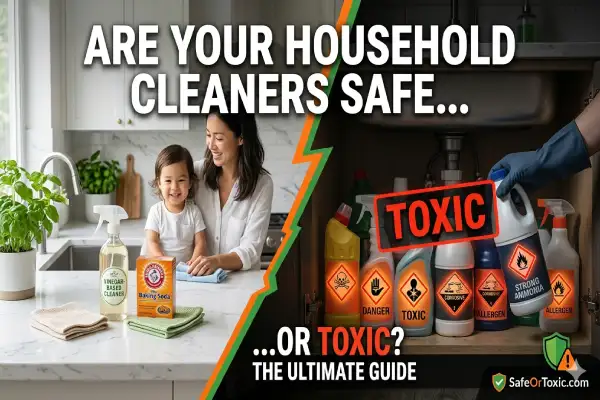
Poison control centers get thousands of calls every year about accidental chemical exposures at home—many caused when people mix everyday cleaning products hoping for a stronger clean. As a pharmacist, I’ve seen respiratory and skin injuries that could have been prevented by simple precautions.
Understanding the chemistry of your household supplies is essential for keeping your home healthy and safe. Mixing two cleaning sprays dangerous—especially when bleach, ammonia, or acids are involved—because those combinations can produce toxic gases like chloramine or chlorine. If you’re ever unsure about a mix, don’t use it: read the label, ventilate the area, and prioritize safety for your household’s health.
Key Takeaways
- Chemical reactions between common household agents can produce toxic gases.
- Respiratory irritation is a frequent clinical outcome of improper product combination.
- Always read product labels to identify active ingredients before use.
- Never combine bleach with ammonia or acidic substances.
- Proper ventilation is a critical safety measure when using any chemical agent.
Understanding Cleaning Sprays and Their Ingredients
Keeping your home safe starts with a basic understanding of how common cleaning agents work and how they interact. Commercial cleaning products are formulated with specific chemical profiles to tackle organic soils, mineral deposits, or microbes. When you start mixing cleaning sprays, you’re essentially running an uncontrolled chemistry experiment on your countertops.
Common Chemicals in Household Cleaners
Most household cleaners use a combination of surfactants, solvents, acids, and alkalis. Surfactants lower water’s surface tension so it can lift dirt and grime. Solvents dissolve grease and oily residues that plain water won’t remove. Acids (for example, white vinegar = acetic acid or citric acid in some limescale removers) tackle mineral deposits, while alkalis break down organic proteins and fats.
Because manufacturers balance these products for particular tasks, it’s rarely safe to combine cleaning sprays without knowing exactly which chemicals each bottle contains. The table below summarizes the primary roles of common components:
| Chemical TypePrimary FunctionTypical Target | ||
| Surfactants | Emulsification | Dirt and grime |
| Solvents | Dissolving | Grease and oil |
| Acids | Descaling | Mineral deposits |
| Alkalis | Saponification | Organic proteins |
The Purpose of pH Levels in Cleaning Products
pH (how acidic or alkaline a product is) strongly influences what it will remove and how it behaves chemically. Neutral, acidic, and alkaline cleaners each target different stains and soils; that’s why manufacturers formulate cleaning products to a specific pH.
If you alter that pH by mixing two chemicals, you can neutralize their cleaning power or create hazardous byproducts. Always check the label for active ingredients and, when in doubt, consult the product’s Safety Data Sheet (SDS) before combining or reusing a solution.
“Chemical reactions in household products are not always visible, but they can be immediate and dangerous when incompatible substances meet.”
Practical tip: look for ingredient lists or guidance like “do not mix with other household chemicals” on the label. When using concentrated formulations, follow the manufacturer’s dilution instructions and avoid creating improvised solutions in unmarked containers.
Why Mixing Cleaning Sprays Can Be Dangerous
The primary hazards of mixing cleaning products come from basic chemical incompatibility: two formulas designed for different pH ranges or targets can react to form new, hazardous substances. Many people assume combining sprays will boost performance, but in practice it can produce unpredictable outcomes—from corrosive solutions to toxic gases—so think of every home cleaning mix as an uncontrolled chemistry experiment.
Chemical Reactions to Watch For
When incompatible agents meet, they can trigger rapid exothermic reactions (release heat) or form volatile compounds that escape into the air. These chemical reactions from mixing cleaners happen because manufacturers tune each cleaning product to work at a particular pH and formulation; altering that balance can create entirely different chemicals with new hazards.
“Mixing household chemicals is a common cause of preventable injury in the home. Always use products exactly as directed by the manufacturer to avoid dangerous interactions.”
— Public Health Safety Guidelines
Potential Toxic Gases Released
One of the most serious outcomes of mixing cleaning sprays is the release of toxic gases and fumes. Two common examples:
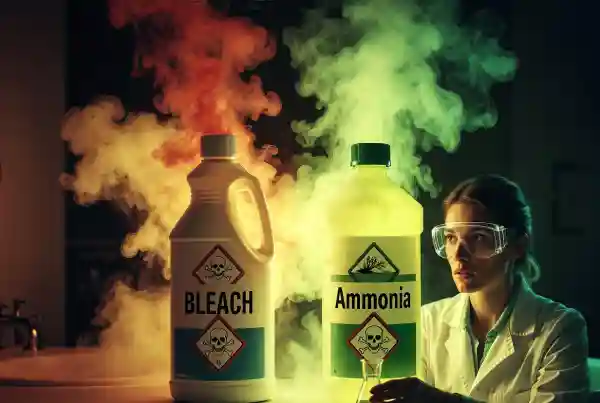
- Bleach + Ammonia → chloramine gases: Chloramines are a family of compounds (not a single gas) that can cause immediate coughing, shortness of breath, chest pain, and eye and throat irritation. If exposure is significant, people can develop more severe breathing problems and require urgent medical care.
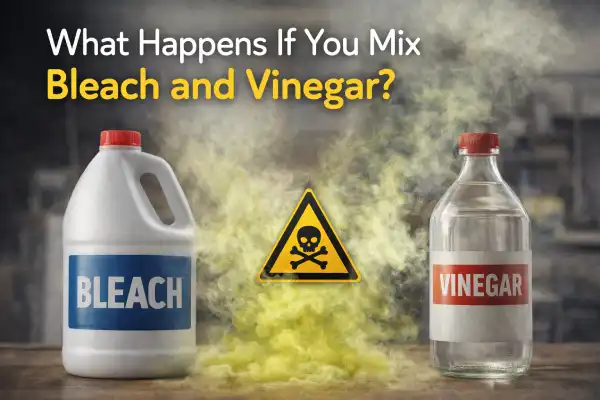
- Bleach + Vinegar (acid) → chlorine gas: Chlorine gas has a characteristic bleach‑like odor and can irritate the eyes, nose, and lungs; at higher concentrations it can cause severe respiratory distress and long‑term damage.
These two gases are chemically distinct—chloramines are typically formed when hypochlorite (from bleach) reacts with nitrogen‑containing compounds like ammonia, while chlorine gas forms when hypochlorite reacts with acids. Both are hazardous even in small, poorly ventilated spaces. For further details see state and public health guidance on bleach mixing dangers.
Risk of Corrosive Effects on Surfaces
Beyond immediate health risks, accidental mixes can produce very acidic or very alkaline solutions that damage surfaces. Examples include chemical etching of natural stone from acid exposure or accelerated corrosion of metal fixtures after contact with strong alkaline or oxidative mixtures. That damage can be permanent and costly to repair.
| Mixture TypePrimary RiskSurface Impact | ||
| Bleach + Ammonia | Toxic Chloramine Gas | Corrosive to Metals |
| Bleach + Vinegar | Chlorine Gas | Etching on Stone |
| Acid + Base | Exothermic Heat | Damage to Finishes |
Understanding these risks is the first step in a safer cleaning routine: prioritize ventilation, never mix products unless the label explicitly says it’s safe, and treat every unfamiliar combination as potentially harmful to people and surfaces.
Common Misconceptions About Cleaning Products
Many people assume that eco-friendly or “natural” labels mean a product is harmless — but marketing doesn’t change chemistry. Plant-derived ingredients and household staples remain chemically active and can react with other agents, producing fumes or corrosive mixtures just like conventional cleaners.
"Natural" Cleaners Are Always Safe
Common household acids — for example, white vinegar (acetic acid) or citric acid — work well for descaling and spot cleaning, but they are not universally safe. If you mix these acids with bleach or peroxide, you can create hazardous byproducts; never assume “natural” equals inert.
“Chemical safety is not determined by the origin of an ingredient, but by its molecular behavior when it encounters other substances.”
Understanding the real hazards of mixing cleaning products helps you avoid preventable accidents. Read labels for active ingredients and heed warnings like “do not mix with other household chemicals.” When in doubt, consult the product’s Safety Data Sheet (SDS) or Poison Control.
Mix-It-Yourself Cleaning Solutions
DIY cleaning is popular, but homemade blends lack laboratory testing and stability checks — which raises the risks of mixing different cleaning solutions. That said, some DIY approaches are safe if you stick to simple, non-reactive formulas.
Safe DIY example: mild dish soap + warm water for everyday surface cleaning. Unsafe DIY example: vinegar + peroxide (can form peracetic acid) or vinegar + bleach (creates chlorine gas) — labeled clearly as never mix.
When creating or using any mixture at home, remember these common problems: unintended gas release, corrosive byproducts that damage surfaces, or neutralization that reduces cleaning effectiveness. Use manufacturer-recommended products when you need disinfection, and keep DIYs simple and predictable.
Popular Cleaning Spray Combinations People Use
Blending different products is a common shortcut that often causes preventable accidents. Many people combine cleaning sprays to try to boost performance, but these improvised mixes can create dangerous gases, corrosive mixtures, or simply ruin surfaces. Understanding the most frequent risky pairings helps you protect your family and your home.
Mixing Bleach and Ammonia
Bleach + ammonia (often called bleach ammonia incidents) is one of the most hazardous combinations. When hypochlorite in bleach reacts with ammonia, it forms chloramine compounds that release into the air as irritating vapors.
- What forms: chloramines (a group of related compounds, not a single gas).
- Common symptoms: coughing, chest tightness, difficulty breathing, throat and eye irritation, and in severe cases chest pain or pulmonary problems.
- Immediate actions: leave the area, get fresh air, remove contaminated clothing, and seek medical help if symptoms persist—call Poison Control or 911 for severe breathing trouble.
“Mixing bleach with ammonia creates chloramine gas, which is highly toxic and can lead to immediate respiratory damage if inhaled in confined spaces.”
Combining Vinegar and Baking Soda
Vinegar + baking soda is a popular DIY trick because it fizzes dramatically, but chemically it largely neutralizes both ingredients—producing mostly water and sodium acetate. The reaction is safe from a toxic‑gas standpoint, but it leaves you with a less effective cleaner and a transient fizzy mess.
- Vinegar is an acid useful on mineral deposits.
- Baking soda is a mild abrasive and a weak base.
- When combined, they cancel each other out—use them separately for best results.
Other Risky Pairings
Beyond these, other mixing mistakes are common and dangerous. Never combine cleaning sprays that contain bleach with acidic products (toilet bowl cleaners, rust removers) — that pairing releases chlorine gas, which can cause severe respiratory distress even at low exposures. Likewise, never mix bleach with any product labeled as containing ammonia or ammonium compounds.
Safe alternative: use one product at a time, rinse the surface thoroughly with water, allow it to dry, then use the second product if needed. When you suspect harmful exposure, contact Poison Control or seek medical attention—do not try to self‑treat serious symptoms.
Signs of a Dangerous Chemical Reaction
Mixing household cleaning agents can trigger hazardous chemical reactions from mixing cleaners. Spotting warning signs early is the fastest way to protect yourself and others from exposure to harmful fumes or gases.
Unusual Smells to Watch For
The most common early clue is a sudden, strong odor. Examples to recognize:
- Bleach + vinegar (acid) — a sharp, chlorine‑like scent (chlorine gas).
- Bleach + ammonia — a pungent, irritating smell often associated with chloramine vapors.
If you notice a bleach‑like or acrid stinging odor, or a burning sensation in your nose or throat, stop immediately. These symptoms mean volatile compounds are likely in the air and you should leave the area at once.
Do not lean in to “identify” the smell. Instead, evacuate, get fresh air, and avoid breathing the contaminated atmosphere.
Visual Signs of Chemical Change
Not all dangerous reactions only smell bad. Watch for sudden physical changes in the mixture or on surfaces, including:
- Unexpected bubbling or vigorous fizzing.
- Dense, colored vapors or smoke.
- Rapid color changes in liquids or foaming where none was expected.
These visual cues can indicate a new, possibly corrosive or toxic mixture has formed. If you see any of them, stop work immediately, isolate the area, and get to fresh air.
Quick “If You Notice…” Checklist
- Leave the room and get fresh air—do not try to neutralize the chemicals yourself.
- If it’s safe, open windows or turn on exhaust fans to ventilate the area.
- Remove contaminated clothing and avoid touching your face; wash exposed skin with running water.
- If eyes were exposed, flush with clean water for at least 15 minutes and seek medical attention if irritation persists.
- Call Poison Control for guidance or 911 if someone has severe breathing difficulty or loss of consciousness.
Prioritize safety: treat sudden odors, eye irritation, or breathing problems as serious, and get help rather than attempting improvised fixes.
First Aid for Chemical Exposure at Home
Quick action can prevent a minor exposure from becoming an emergency. Below is a concise Do / Don’t guide, followed by step‑by‑step instructions you can use if you or someone else is exposed.
- Do: Leave the area, get fresh air, flush affected skin or eyes with running water, and call Poison Control for guidance.
- Don’t: Try to neutralize chemicals yourself, mix remedies, or re‑enter the contaminated area until it’s declared safe.
Steps to Take If Exposed to Harmful Fumes
If you suspect you’ve produced a toxic gas, immediately leave the room and move to a place with fresh, circulating air. Avoid staying to clean up or to retrieve items—your health comes first.
Once in a safe area, remove any clothing that may have been splashed or contaminated. Rinse exposed skin thoroughly with cool, running water for several minutes. If clothing is stuck to the skin, do not pull it off—seek medical help.
If eyes were exposed, hold the eyelids open and flush the eye with clean running water for at least 15 minutes. Continue flushing while someone calls for help or while you travel to urgent care.
When to Seek Medical Attention
Seek emergency care right away if the person has severe signs such as difficulty breathing — call 911. Contact Poison Control for expert advice at 1‑800‑222‑1222 (US) or use their online resources if available in your area.
Get professional evaluation if any of these persist after fresh air: ongoing cough, chest pain, dizziness, severe skin irritation, chemical burns, eye pain, blurred vision, or persistent nausea. Even if symptoms improve, monitor your health closely for several hours because some inhalation injuries (like pulmonary edema) can have delayed onset.
If you are uncertain about severity or appropriate next steps, call Poison Control or seek medical attention—better safe than sorry. For workplace exposures or large spills, follow institutional emergency protocols and notify emergency services.
Safety Tips for Using Cleaning Sprays
Keeping your home safe means handling chemical cleaners with a consistent, cautious approach. Clear safety habits for cleaning products protect your family’s health and prevent damage to surfaces—follow these practical rules every time you clean.
Always Read Labels Carefully
The manufacturer label is the single best source of information about a product’s ingredients, intended uses, and warnings. Before you use any cleaner or disinfectant, read the precautionary statements and the ingredient list. If the label doesn’t explicitly say a product is safe to combine with others, assume you should not mix cleaning products.
Labels may also include dilution instructions or surface restrictions—these are there for a reason. When in doubt, consult the product’s Safety Data Sheet (SDS) for full chemical details.
Recommended Uses and Diluents
Many household cleaners are concentrated and need to be diluted to work safely and effectively. Adding more product won’t necessarily give you a deeper clean and can create hazardous solutions or leave residues that clog drains.
Quick checklist for safe product use:
- Measure accurately: use the cap or a measuring cup to follow the label’s dilution ratio rather than “eyeballing” it.
- Use clean containers: don’t combine different chemicals in the same spray bottle—even after rinsing, small residues can trigger reactions.
- Ventilate: open windows or run exhaust fans when using concentrated cleaners or disinfectants.
- Follow order of operations: use one product, rinse thoroughly with water, let the surface dry, then apply a different product if needed.
Additional practical tips: avoid pouring cleaners down the drain unless the label says it’s safe, store products in their original containers with labels intact, and keep cleaners out of reach of children and pets. When you stick to simple, manufacturer‑recommended methods, you reduce the chance of accidental reactions and keep your household safer.
Alternatives to Mixing Cleaning Products
Choosing ready‑made, professionally formulated products is the simplest way to avoid the risks of mixing different cleaning solutions. Manufacturers test cleaning products and cleaners for stability and compatibility; when you mix cleaning products at home you bypass those safety checks and may create hazardous byproducts that threaten your family’s health.
Using Multi-Purpose Cleaners
Multi‑purpose sprays and concentrates are engineered to handle a variety of tasks without added ingredients. A single, well‑formulated product (for example a labeled multi‑surface cleaner or disinfectant) gives consistent performance because its pH, surfactants, and solvents are balanced to work together safely.
When you use a tested multi‑purpose cleaner, you avoid the guesswork of DIY mixes and reduce the chance of creating toxic fumes or corrosive residues that can damage surfaces or air quality.
DIY Cleaning Solutions That Are Safe
If you prefer homemade options, stick to simple, non‑reactive recipes and clear labeling. Two safe, effective examples:
- All‑purpose spray: 1 teaspoon mild dish soap + 1 quart (≈1 L) warm water in a clean spray bottle. Use for daily wipe‑downs of counters and painted surfaces.
- Scouring paste: Baking soda mixed with enough water to form a paste for stubborn spots on sinks or stovetops; rinse thoroughly after use.
Warning: do not combine vinegar, peroxide, bleach, or ammonia in DIY recipes unless a product label explicitly allows it—those mixes can produce chlorine, chloramine, or peracetic acid, all of which are hazardous.
“The safest cleaning strategy is to use products as intended by the manufacturer, avoiding the temptation to combine substances that were never meant to interact.”
When to prefer a professional product over a DIY solution:
- If you need true disinfection (use an EPA‑registered disinfectant and follow label directions).
- If you’re cleaning porous or natural stone—specialized products are safer for those surfaces.
- If you need streak‑free glass or electronics cleaning—use products designed for those jobs rather than homemade mixtures.
Bottom line: use tested cleaning products for sanitation or high‑risk jobs, and save simple DIY recipes for routine cleaning. That approach keeps your home clean and minimizes the chance of accidental chemical exposure.
Eco-Friendly Cleaning Options
Choosing safer, eco-friendly products can protect your family’s health and reduce environmental harm without sacrificing cleanliness. Many households are shifting away from harsh, reactive formulas toward plant‑based or mineral‑derived cleaning products that are formulated to be effective while minimizing risky byproducts.
Benefits of Using Non-Toxic Cleaners
One major benefit of non‑toxic cleaners is improved indoor air quality: conventional cleaners can emit volatile organic compounds (VOCs) that irritate the lungs and worsen allergies. Choosing gentler options—such as those that rely on simple acids like diluted vinegar (used appropriately) or alcohol‑based solutions where indicated—can lower airborne irritants.
Other household advantages include:
- Reduced toxicity: lower risk of accidental poisoning or chemical burns if products are mishandled.
- Environmental safety: biodegradable ingredients are less likely to harm waterways when they go down the drain.
- Skin health: many non‑toxic formulas are gentler on the skin, reducing contact dermatitis risk.
Brands That Prioritize Safety
Marketing terms like “green” or “natural” don’t guarantee safety. Look for brands that show ingredient transparency and back claims with third‑party verification. Certifications such as EPA Safer Choice, Green Seal, or EcoLogo indicate a product has met independent health and environmental standards.
Quick buying tips:
- Green flags: full ingredient lists, third‑party certifications, clear dilution/disposal instructions, and reuse/recycling commitments.
- Red flags: vague terms like “fragrance” without disclosure, no safety information, or strong chemical odors on first use.
When selecting an eco‑friendly product, prioritize transparency and verified safety standards over buzzwords. That way you keep your home clean while minimizing the chance of harmful reactions or health problems from aggressive chemistries.
The Importance of Proper Storage
Proper storage is your first line of defense against accidental reactions between household chemicals. Organizing cleaning supplies reduces the dangers of mixing household cleaners and keeps potentially incompatible products physically separated so they can’t interact.
Storing Cleaning Products Safely
Store cleaners in a cool, dry, well‑ventilated area, out of direct sunlight and away from heat sources. Keep hazardous items on lower shelves or in a locked cabinet to limit access by children and pets. Whenever possible, group products by chemical type (for example, acids separate from alkalis and bleach away from ammonia‑containing products).
Do not store cleaning supplies near food, medications, or drinkware, and avoid placing them close to furnaces, hot water heaters, or electrical panels. Maintain a simple inventory so you know what you have and can discard expired or redundant items safely.
Avoiding Contamination of Cleaner Bottles
Cross‑contamination is a frequent cause of dangerous household incidents. Never swap spray nozzles between bottles, and avoid decanting cleaners into unlabeled or repurposed food containers—small residues from a previous product can trigger a hazardous reaction if mixed later.
Keep cleaners in their original containers with labels intact so you always have access to ingredient information and manufacturer instructions. A good label checklist to retain: active ingredient name(s), concentration, hazard warnings, first‑aid steps, and disposal guidance. If you must transfer a solution, clearly label the new container with that same information and the date.
Practical sample layout for a cleaning cupboard:
- Top shelf: non‑reactive, everyday sprays and sealed packages (glass cleaners, multi‑surface sprays).
- Middle shelf: concentrated detergents and gentle products used frequently.
- Bottom shelf/locked: corrosives, strong acids, bleaches, and other higher‑risk items.
Following these storage habits prevents accidental contact between incompatible cleaners, reduces the chance of harmful exposure, and supports safe, long‑term household use of cleaning products.
Conclusion: Stay Safe While Cleaning
Keeping a clean home takes more than grabbing a bottle of Clorox or Lysol — it requires understanding what those cleaning products actually do and how they interact. That knowledge protects your family’s health and your home’s surfaces.
You now know why mixing two cleaning sprays dangerous outcomes can occur: incompatible chemistries can form toxic gases or corrosive mixtures without warning. Recognizing the risks helps you avoid accidental exposure to harmful vapors and surface damage.
Understanding Chemical Risks
Chemical reactions can happen instantly when incompatible substances meet. Toxic gases such as chloramine or chlorine gas can form in small, poorly ventilated spaces and cause immediate symptoms like coughing, eye irritation, and breathing problems.
Education and caution are your best defenses against these invisible hazards. When you store and use products thoughtfully, you reduce the chance of a dangerous incident in your household.
Responsible Product Usage
Adopt simple, consistent habits: always read and follow label instructions, use single‑purpose or trusted multi‑purpose formulas, and follow recommended dilution and application guidance. When in doubt, don’t mix — ventilate the area, rinse surfaces with clean water, and seek help if someone is exposed.
If you or someone else has been exposed and you’re unsure what to do, call Poison Control at 1‑800‑222‑1222 (US) for immediate advice, and consult the product’s Safety Data Sheet (SDS) for specific first‑aid and handling information.