Did you know indoor air is often more polluted than outside air? Many people clean their homes without realizing the dangers. The cleaning products they use can release harmful chemicals into the air.
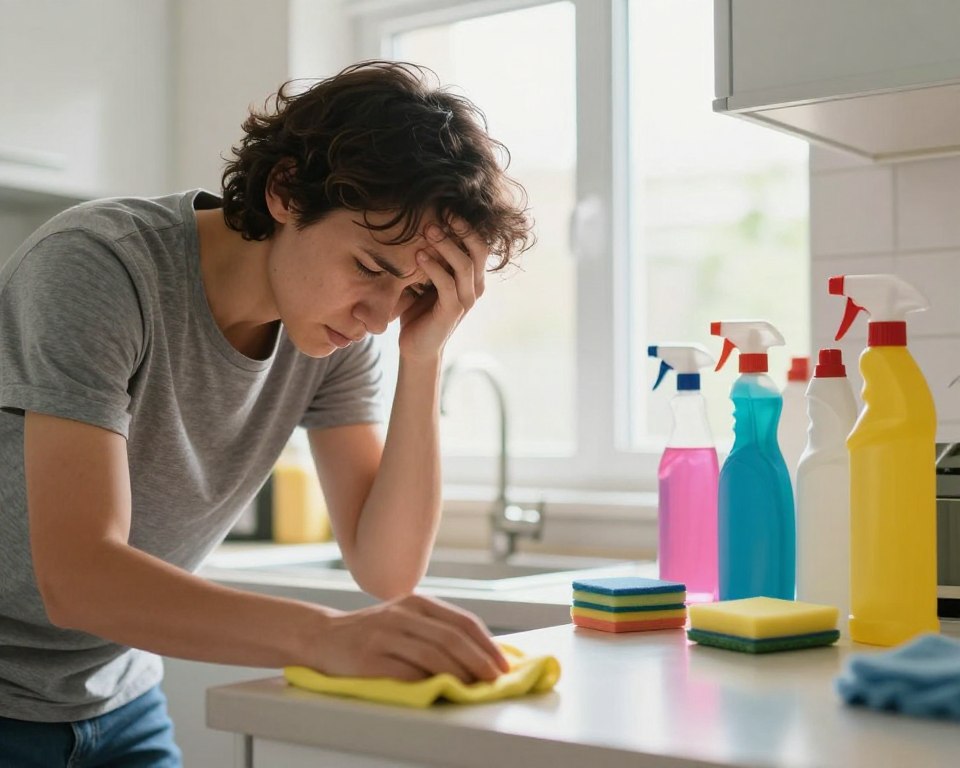
If you’ve ever felt dizzy or had a sudden headache while cleaning, you’re not alone. Understanding the hidden risks of these chemicals is key to a healthier life. Many families are now choosing to detox their homes and avoid harmful cleaning products. Prioritizing your indoor air quality is crucial for your health and comfort.
Key Takeaways
- Indoor air quality is frequently worse than outdoor air due to trapped chemical vapors.
- Common household supplies often contain volatile organic compounds that trigger headaches or respiratory irritation.
- Many manufacturers are not required to list all ingredients on their labels, making it hard to identify toxins.
- Proper ventilation, such as opening windows, significantly reduces your exposure to airborne irritants.
- Switching to EPA Safer Choice certified items helps minimize the risk of inhaling dangerous substances.
Understanding the Link Between Household Chemicals and Dizziness
Ever felt dizzy while cleaning your kitchen? Many people are shocked to find their indoor air is much worse than outside. Studies reveal indoor air can be two to five times more polluted than outdoor air.
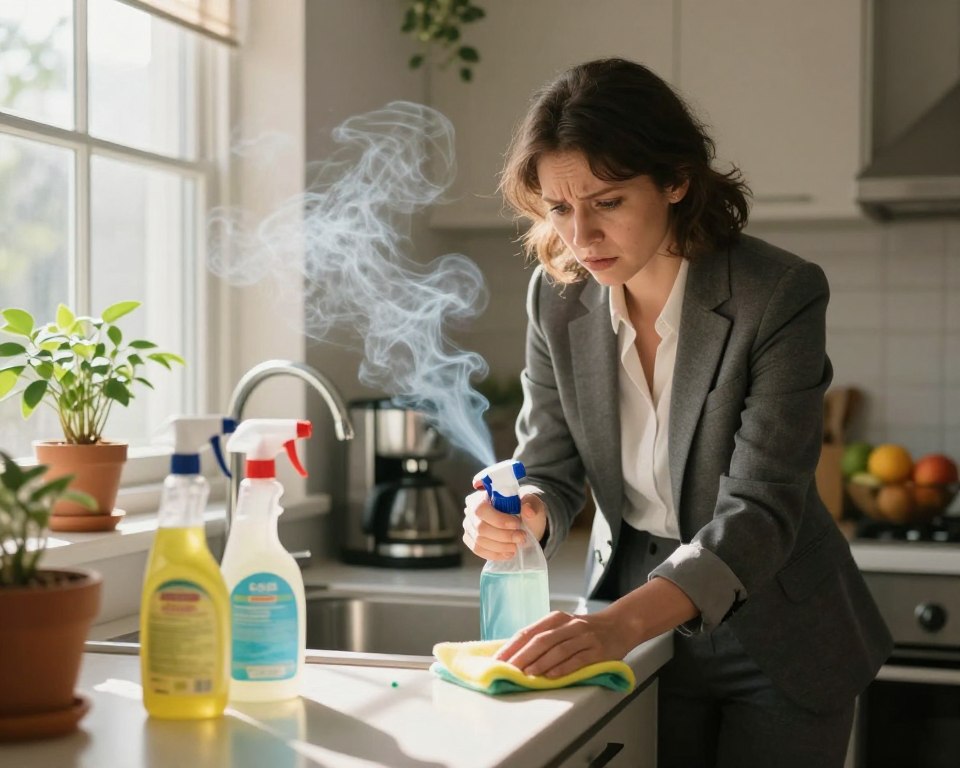
These pollutants often come from cleaning products. When you use sprays and soaps, they release harmful chemicals into the air. Breathing in these fumes can make you feel dizzy or faint while cleaning.
Your home can trap these fumes, making it hard to breathe. Cleaning releases particles that stay in the air, creating a chemical cloud. Knowing why this happens helps protect your health. Here are common reasons for your symptoms:
- Lack of ventilation: Cleaning in small, enclosed spaces traps fumes.
- Chemical concentration: Stronger formulas release higher levels of VOCs.
- Individual sensitivity: Some people react more quickly to synthetic fragrances and solvents.
Realizing dizziness from cleaning products is a real reaction to chemicals helps you control your space. Your body is responding to pollutants in your home. Changing how you clean can make a big difference in your comfort and safety.
Common Cleaning Ingredients That Trigger Respiratory Distress
Your daily cleaning routine might be causing your breathing problems. Many people unknowingly breathe in cleaning product fumes that irritate their lungs. Knowing which ingredients to avoid can help improve your air quality and ease your breathing.
Volatile Organic Compounds and Their Impact
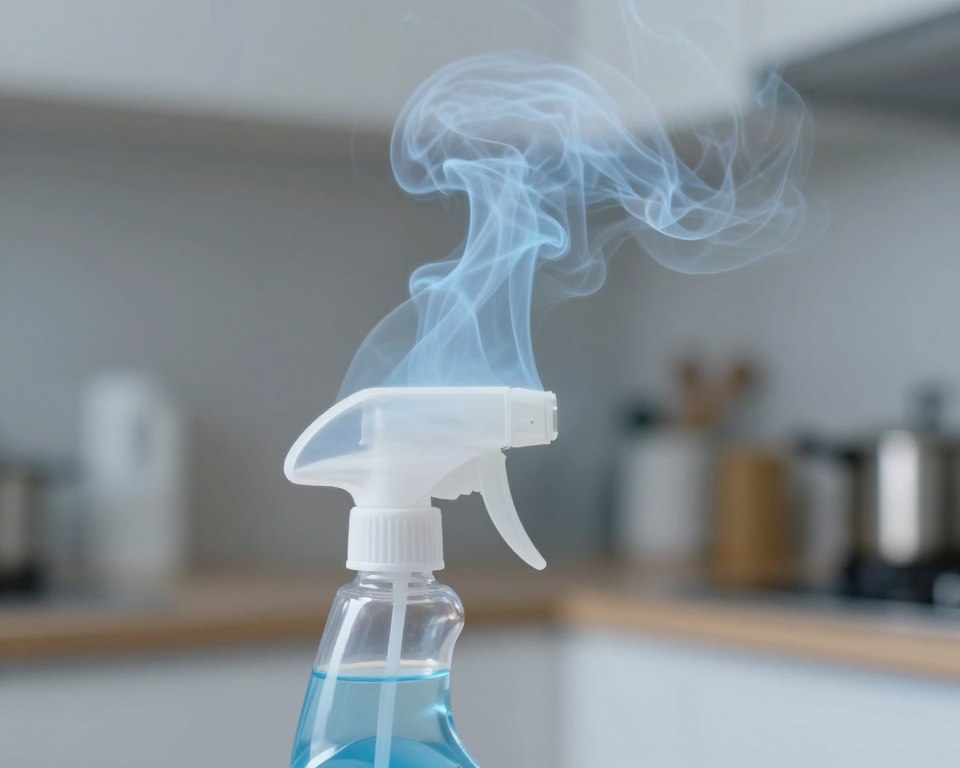
Household cleaners often have Volatile Organic Compounds (VOCs). These chemicals turn into gases at room temperature. When you breathe them in, they can irritate your nose, throat, and lungs.
“Indoor air quality is often overlooked, yet it plays a critical role in our overall respiratory health and well-being.”
Using toxic cleaning products in small spaces is a big concern. Long-term exposure to these gases can cause more than just temporary discomfort.
The Role of Ammonia and Bleach Combinations
Mixing incompatible chemicals is dangerous. Ammonia, for example, can irritate your nose and throat, leading to coughing. Learn more about the risks of ammonia-based cleaners to protect your home.
When you mix ammonia with bleach, it creates harmful chloramine vapors. These vapors are very dangerous and can cause serious breathing problems. Always check your labels to avoid dangerous chemical reactions at home.
Fragrance Chemicals and Sensitivity Reactions
Even “natural” products can cause problems due to added fragrances. These scents can be strong irritants for people with sensitive lungs. The American Lung Association says these additives are a major indoor pollutant.
If you experience symptoms like wheezing or chest tightness after cleaning, consider these factors:
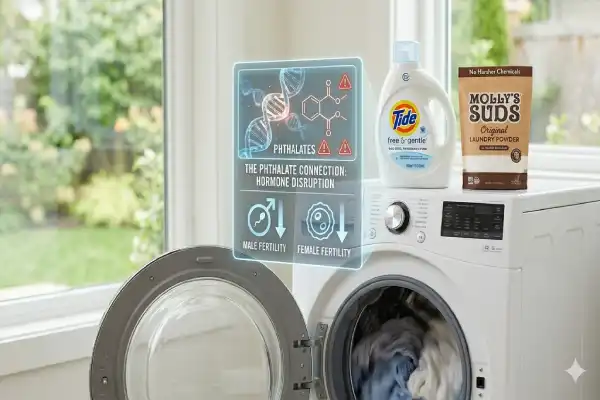
- Synthetic Fragrances: Often contain phthalates that linger in the air.
- Aerosol Sprays: These distribute fine particles deep into your lungs.
- Concentrated Formulas: Higher potency increases the risk of inhaling harmful cleaning product fumes.
Can Cleaning Product Fumes Make You Dizzy
Ever wondered if cleaning products could make you dizzy? It’s common to feel off after using strong cleaners. We focus on cleaning our homes but forget how these products affect us.
How Inhaling Chemicals Affects the Nervous System
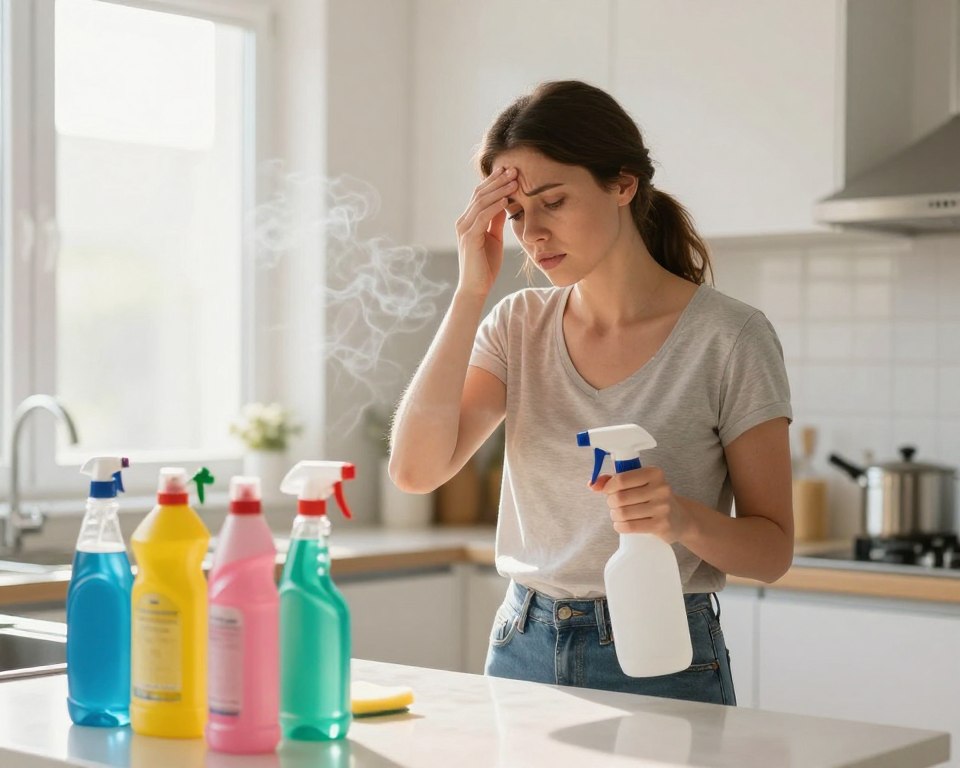
Household cleaners often have Volatile Organic Compounds, or VOCs. These chemicals can evaporate and enter your body when you breathe them in. They can then reach your brain and affect your nervous system.
This can cause headaches, confusion, or a feeling of spinning. Protecting your neurological health means knowing these vapors are harmful. Your brain is very sensitive to these pollutants, which is why you might feel dizzy after cleaning.
The Connection Between Oxygen Deprivation and Lightheadedness
Cleaning in a small, closed space can quickly increase fume levels. This can reduce the oxygen you need to breathe. When oxygen levels drop, you might feel dizzy or tired.
“The air we breathe indoors is often more polluted than the air outside, largely due to the products we choose to bring into our living spaces.”
Lack of oxygen is a big reason for feeling faint while cleaning. It’s important to keep windows open for fresh air. Without enough air, even mild cleaners can make you feel very tired.
Individual Susceptibility and Chemical Sensitivities
Not everyone reacts the same to cleaning products. Some people are more sensitive and react faster. They might notice symptoms even with products others find okay.
Your body’s unique makeup affects how you process these substances. If you often feel bad, listen to your body. Listening to your health helps keep your home safe and comfortable for everyone.
Recognizing the Early Warning Signs of Chemical Exposure
It’s crucial to spot the early signs of chemical exposure to keep your home clean and safe. Your body can react to harmful substances before you even notice. By noticing these signs early, you can act fast to protect yourself.
Physical Symptoms Beyond Dizziness
Many people overlook skin reactions when it comes to chemical exposure. If a product makes your skin burn, itch, or rash, it’s a sign. Your skin is trying to tell you that the chemicals are too strong.
Watch these signs closely because they can get worse. Look out for:
- Redness or inflammation on the hands and arms.
- Dry, cracked, or peeling skin after cleaning.
- A persistent stinging sensation that does not fade after washing.
- Development of hives or localized swelling.
Neurological Indicators of Overexposure
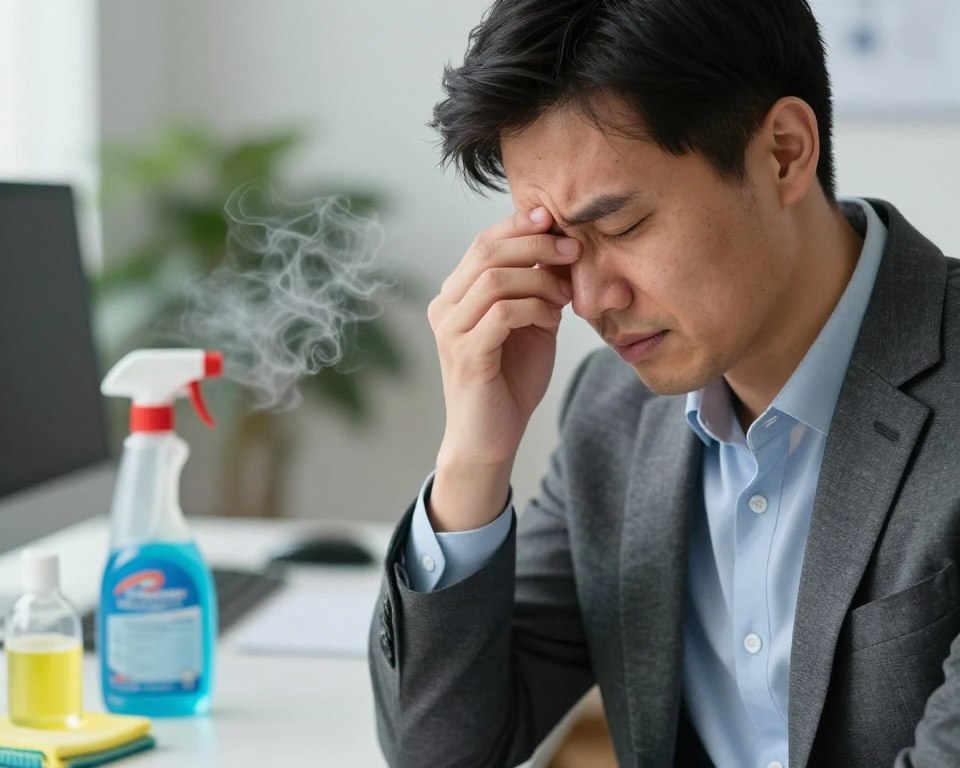
Your nervous system can also react to chemicals in the air. These signs might start off small but can get worse fast. You might get a headache or feel mentally foggy.
Pay close attention to how you feel in small spaces. Feeling tired, confused, or losing coordination are big red flags. If you notice these, get out of the room and find fresh air right away.
High-Risk Areas in Your Home for Fume Accumulation
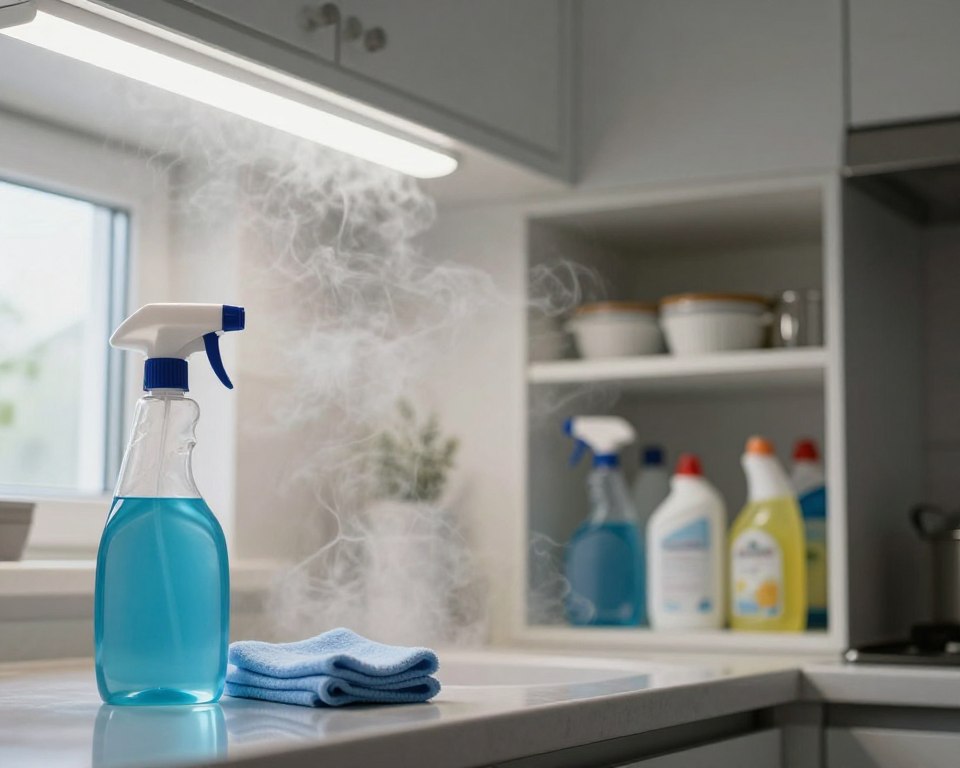
Knowing where household toxins stay longest is key to a clean home. The layout of your home affects how long cleaning product fumes stay in the air. Rooms with little air flow trap chemicals, leading to dizziness or breathing problems.
Poorly Ventilated Bathrooms and Small Spaces
Bathrooms are the most hazardous rooms in your home. They are small and often have no windows. This means vapors from cleaners and disinfectants have nowhere to go. When you spray these products, the air quickly fills with chemicals, making it hard to breathe.
Kitchens and the Impact of Concentrated Degreasers
Kitchens are a special challenge because of the strong degreasers and oven cleaners used. These products are very potent and can linger near where you prepare food. Without good ventilation, these household toxins can stay close to your food.
Basements and Utility Rooms with Limited Airflow
Utility rooms and basements are where you store cleaning supplies. Remember, chemicals can still release fumes even when stored away. These areas, often closed off and not well-ventilated, can become hidden sources of cleaning product fumes that slowly spread into your living space.
| Room Type | Primary Risk Factor | Recommended Action |
|---|---|---|
| Bathroom | Small, enclosed space | Run exhaust fan |
| Kitchen | Potent degreasers | Open nearby windows |
| Basement | Chemical off-gassing | Improve air circulation |
| Utility Closet | Stored concentrated agents | Seal containers tightly |
The Dangers of Mixing Household Cleaning Agents
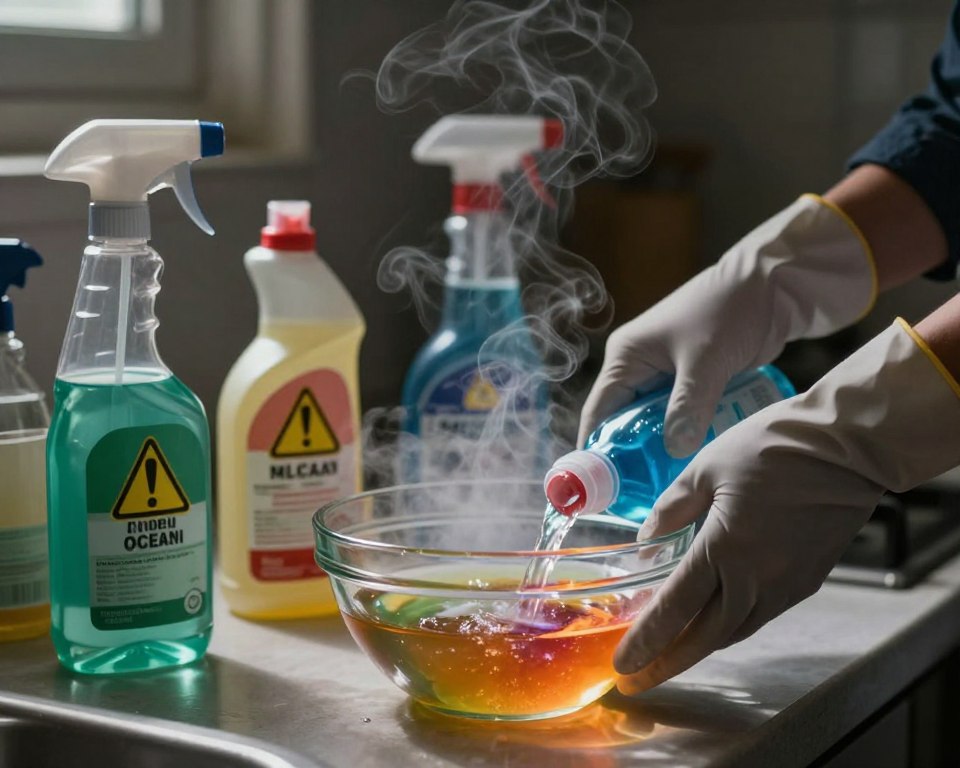
Mixing different cleaning agents might seem like a time-saver, but it’s incredibly dangerous. Many think that combining two products will double their effectiveness. But, you’re actually creating a dangerous mix that can release harmful fumes.
Before starting any cleaning, always read the labels. Knowing which chemicals go together is key to keeping your family safe. If you’re wondering why mixing cleaning sprays is risky, learn more at this link.
Chlorine Bleach and Acidic Cleaners
Never mix chlorine bleach with acidic cleaners like vinegar or lemon juice. Doing so releases chlorine gas. This gas can severely irritate your eyes, throat, and lungs, and may cause breathing problems.
“The safety of your home environment depends entirely on your awareness of the products you use every day.”
Bleach and Ammonia Hazards
One major rule is to never mix bleach with ammonia. This mix creates chloramine vapors, which are very toxic. Breathing in these fumes can cause long-term breathing issues and, in extreme cases, can be deadly.
Many glass cleaners and multi-purpose sprays have ammonia. Always check the ingredients before using them near bleach. If you’ve used bleach, make sure the surface is rinsed and dry before applying another cleaner.
The Hidden Risks of Combining Natural and Synthetic Cleaners
Mixing natural ingredients with synthetic chemicals can be risky. For example, vinegar and hydrogen peroxide create peracetic acid, which is corrosive. It can irritate your skin and lungs. It’s safer to use one product at a time and rinse well between uses.
Your goal is to keep your home clean without risking your health. Using one product at a time avoids chemical reactions. Safety should always come first when cleaning your home.
Assessing Your Indoor Air Quality
Improving your indoor air quality begins with noticing signs of poor air. Trapped air in rooms can fill with pollutants that harm your health and comfort.
If you feel dizzy or smell odors after cleaning, learn what to do if you inhale cleaning product fumes. Being proactive helps you spot dangers before they harm your breathing.
Signs That Your Home Air Is Stagnant
Stagnant air often leaves signs that are easy to spot. Your home might feel stuffy, or dust might settle more on surfaces.
Look out for these signs of poor airflow:
- A lingering, chemical-like smell that doesn’t go away after cleaning.
- Increased humidity or condensation on windows.
- A feeling of heavy or “thick” air in small, closed rooms.
- Visible mold in corners or near vents.
Tools for Monitoring Indoor Air Pollutants
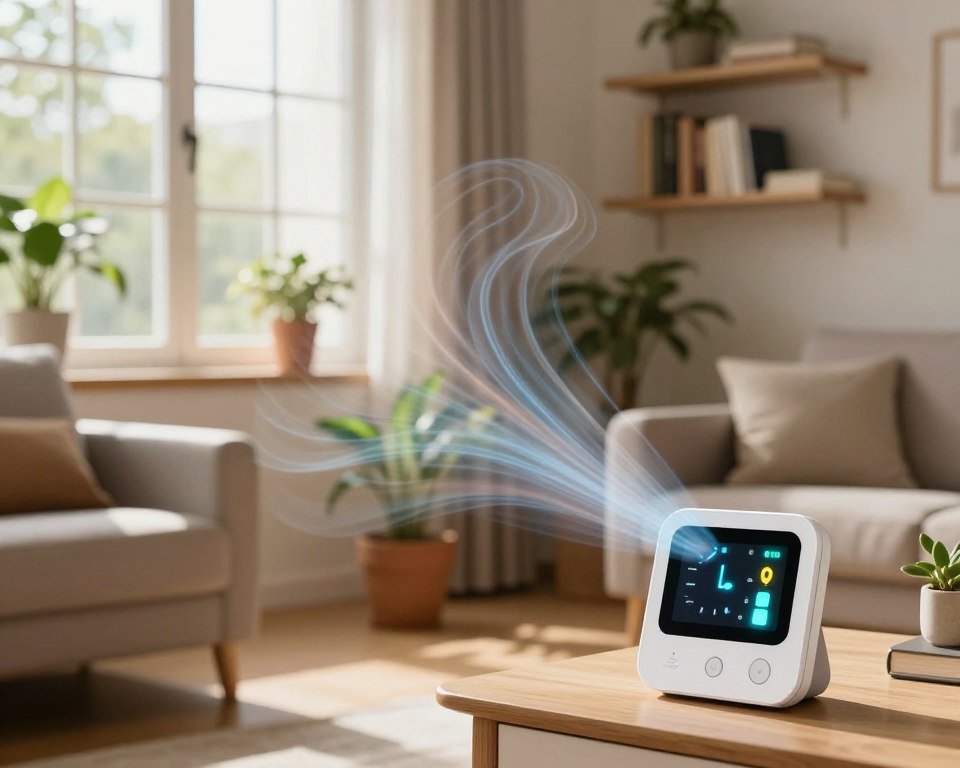
Modern tech makes it easy to check your living space’s safety. While pros use special pumps, you can use devices at home to keep your indoor air quality good.
Many people use smart air monitors to track VOCs and particles. These devices alert you when pollutant levels get high, so you can open a window or turn on an air purifier.
Consistency is key in monitoring your space. Regular tracking helps you spot patterns and change your cleaning ways to keep your home safe and fresh for everyone.
Best Practices for Proper Ventilation While Cleaning
Good airflow helps fight off harsh cleaning fumes. By focusing on indoor air quality, you can cut down on harmful chemicals in the air. This can prevent dizziness or breathing problems.
Using Exhaust Fans and Opening Windows
Clearing the air is easy with a direct escape path for fumes. Always switch on your kitchen or bathroom exhaust fans before cleaning.
When it’s nice outside, open windows to let in fresh air. This simple step helps spread out vapors instead of trapping them inside.
Creating Cross-Ventilation Patterns
For better air flow, aim for cross-ventilation. Open windows or doors on opposite sides of a room or house. This creates a steady breeze.
- Place a box fan in a window facing outward to pull stale air out of the room.
- Open a window on the opposite side to allow fresh air to flow in.
- Keep interior doors open to ensure air circulates freely throughout the entire home.
When to Use Portable Air Purifiers
Sometimes, opening windows isn’t enough, like in cold weather or windowless rooms. A good portable air purifier with a HEPA filter can help. It catches fine particles and some chemical vapors.
While purifiers are useful, they shouldn’t replace fresh air. For the best results, use both mechanical filtration and safe habits. Choose products from the U.S. EPA Safer Choice program. Using the right ventilation and cleaning products keeps your home safe and fresh.
Safe Alternatives to Harsh Chemical Cleaners
Keeping your family safe from household toxins starts with the products you use. Many cleaners have volatile compounds that stay in the air long after cleaning. Choosing safer options can greatly reduce chemicals in your home.
The Efficacy of Vinegar and Baking Soda
You don’t need harsh chemicals to keep your home clean. Simple items like baking soda can clean as well as store-bought cleaners. Baking soda is great for scrubbing sinks and tubs.
For cleaning glass or mirrors, mix white vinegar and water. This combo removes grime without harsh fumes. It’s a budget-friendly way to keep your home clean and air quality high.
Plant-Based Cleaning Solutions
Prefer ready-made cleaners? Choose plant-based ones. These use coconut, corn, or essential oils instead of synthetic chemicals. They clean well without harming your breathing.
Switching to these options avoids hidden household toxins in regular sprays. Many brands now offer clear, eco-friendly options. These cleaners have a natural scent, not a strong chemical smell.
Reading Labels for Safer Ingredients
Always check the label before buying a cleaner. Steer clear of products with “fragrance” listed, as it can mean many unknown chemicals. Look for full ingredient lists to avoid toxic cleaning products at home.
| Feature | Traditional Cleaners | Natural Alternatives |
|---|---|---|
| Primary Ingredients | Synthetic Chemicals | Plant-Based/Minerals |
| Air Quality Impact | High Fume Potential | Low/No Fumes |
| Skin Sensitivity | Often Irritating | Generally Gentle |
| Cost Efficiency | Moderate | High |
Protective Measures for Sensitive Individuals
If you have chemical sensitivities, you know that regular cleaning products can cause problems. A CDC survey found that 1 in 3 people use chemicals and disinfectants in unsafe ways. This shows we all need to be more careful to stay healthy and comfortable at home.
Using Personal Protective Equipment
When you need to use strong cleaning products, wearing the right gear is crucial. You don’t need fancy equipment to protect yourself. Simple items can greatly reduce your exposure to harmful chemicals.
- N95 Respirator Masks: These filter out airborne particles and some chemical vapors.
- Nitrile Gloves: They offer a strong barrier for your skin, stopping harsh liquids from getting in.
- Protective Eyewear: Safety goggles protect your eyes from splashes and reduce irritation from fumes.
“The best defense against indoor air pollution is to minimize contact with irritants through physical barriers and smart habits.”
Timing Your Cleaning Routine for Maximum Safety
Planning your cleaning schedule is a smart way to handle chemical sensitivities. Picking the right time to clean lets your home air out before you spend time in those rooms. Always clean when you’re most energetic and when you can open windows.
Here are some tips for a safer cleaning schedule:
- Clean during off-peak hours: Do deep cleaning when others are away.
- Prioritize ventilation: Open windows at least thirty minutes before and after cleaning.
- Rotate tasks: Break cleaning into smaller tasks to avoid long exposure to one product.
By changing how you clean, you can keep your home clean without harming your health. Remember, consistency is key in managing your environment. Making small changes in how you use products can make a big difference in your living space.
When to Seek Medical Attention for Chemical Exposure
Knowing the signs of too much chemical exposure can stop a small mistake from turning into a big problem. If you feel unusual while using cleaning products, act fast. First, get away from the chemicals to breathe fresh air. Tell your family or coworkers about the issue so they can help or stay away.
Identifying Severe Allergic Reactions
Some people might have strong reactions that are more than just feeling dizzy. Look out for severe allergic reactions like hives, swelling, and sudden rashes. These symptoms of chemical exposure mean you need to see a doctor right away.
If you’re having trouble breathing or your throat feels tight, don’t wait. These signs mean your body is reacting badly to the chemicals. Getting help quickly is the best thing to do.
Persistent Symptoms After Leaving the Area
Feeling better after leaving a room or area is normal. But if you still have symptoms of chemical exposure after leaving, call a doctor. Symptoms like a cough, tight chest, or feeling dizzy suggest deeper problems.
Don’t ignore these signs. They might mean your lungs or nervous system need help. Your health is the top priority. A quick doctor’s visit can give you peace of mind. Always be careful with the effects of cleaning products.
Long-Term Health Implications of Chronic Exposure
While we often focus on immediate reactions to cleaning, the health effects of cleaning chemicals deserve equal attention. Many people assume that if they do not feel sick right away, their cleaning routine is perfectly safe. But, consistent exposure to volatile compounds can cause subtle, lasting changes in your body over time.
Respiratory Health and Cumulative Effects
Scientific studies have linked regular exposure to certain cleaning supplies to the development of occupational asthma and other chronic respiratory conditions. When you inhale these substances daily, your lungs may experience cumulative irritation that weakens your natural defenses. Over several years, this can result in a permanent reduction in lung function.
It is important to consider whether your current disinfectant spray is toxic to breathe during frequent use. Even low levels of chemical vapors can trigger inflammation in the airways. By reducing your reliance on harsh sprays, you protect your respiratory system from long-term damage.
Neurological Considerations for Frequent Cleaners
Beyond the lungs, the health effects of cleaning chemicals extend to your nervous system. Frequent cleaners who work in poorly ventilated spaces may face higher risks of neurological strain. Chronic exposure to specific solvents and synthetic fragrances can lead to persistent headaches or cognitive fatigue.
Your body works hard to process these toxins, but constant exposure can overwhelm your system. Prioritizing safety today is the best way to ensure your neurological well-being remains intact for years to come. Always choose products with safer ingredients to minimize your overall toxic burden and maintain a healthier home environment.
Creating a Safer Cleaning Routine for Your Household
Changing your cleaning routine can greatly improve your home’s air quality. By choosing health over convenience, you can lower your exposure to harmful substances. Switching to safer products is a key step in keeping your home free from cleaning product fumes.
Establishing Habits That Minimize Fume Inhalation
Being consistent is crucial for a healthy home. Always focus on proper ventilation and cleaning products to ensure air flows well. Open windows or use exhaust fans to reduce airborne particles.
Here are key habits for clean air:
- Store chemicals properly: Keep all cleaning agents in their original containers with lids tightly sealed.
- Use less product: Often, a smaller amount of cleaner is just as effective as a large dose.
- Prioritize natural swaps: Replace harsh synthetic chemicals with vinegar, baking soda, or plant-based solutions whenever possible.
- Time your cleaning: Clean when the house is empty or when you can leave windows open for an extended period.
Educating Family Members on Chemical Safety
A safe home needs everyone to understand chemical risks. When family members know about cleaning product fumes, they’re more likely to follow safety rules. Open talks help everyone know how to handle supplies right.
Here’s how to educate your household:
- Teach children that cleaning supplies are not toys and should never be touched without supervision.
- Explain the importance of ventilation and cleaning products to teenagers or roommates who help with chores.
- Create a simple, visible list of “safe” versus “avoid” products for anyone helping with household maintenance.
- Encourage family members to report any dizziness or respiratory discomfort immediately after cleaning.
By promoting safety, you make cleaning a team effort, not a hidden danger. These small changes can make your home fresher and healthier for everyone.
Conclusion
Keeping your home clean shouldn’t hurt your health. You can make your cleaning safer by choosing the right products and methods.
Knowing about the health effects of cleaning chemicals helps you make better choices for your family. Simple changes like using natural ingredients or improving air flow can greatly reduce harmful fumes.
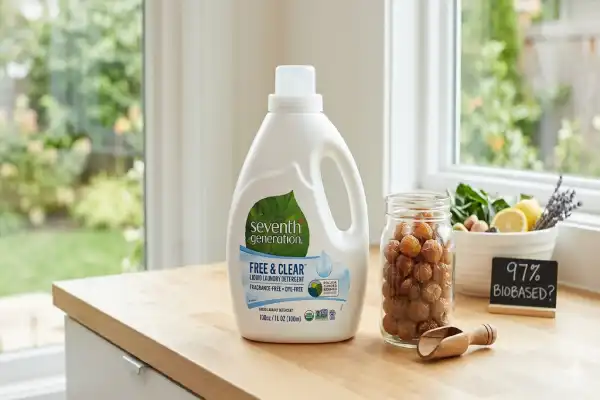
Think about using plant-based brands like Seventh Generation or Mrs. Meyer’s to cut down on indoor pollutants. These small changes can make a big difference in your health and comfort over time.
Check your cleaning supplies and swap out harsh chemicals for gentler, effective ones. Choosing a non-toxic home makes it safer for everyone. Stay on top of your indoor air quality to keep your home a healthy haven.
Can cleaning product fumes cause long-term health effects?
Yes, chronic exposure to toxic cleaning products can lead to the development of respiratory issues like asthma and may have cumulative health effects of cleaning chemicals on the nervous system over time.
How can I tell if I have chemical sensitivities?
If you consistently experience symptoms of chemical exposure such as headaches, nausea, or dizziness from cleaning products even when using them in small amounts, you likely have a heightened sensitivity to synthetic fragrances or VOCs.
What is the best way to improve indoor air quality after cleaning?
The most effective method is maximizing ventilation and cleaning products safety by creating cross-ventilation with open windows and using a high-quality air purifier, like a Dyson, to filter out lingering household toxins.
Why do I feel lightheaded even when using “natural” cleaners?
Some natural ingredients, such as limonene found in citrus cleaners, can still release VOCs or react with trace amounts of ozone in the air to create secondary pollutants that cause dizziness from cleaning products.
Is it safe to use bleach and vinegar together?
Absolutely not. Mixing bleach with any acidic substance like vinegar creates toxic chlorine gas, which can cause immediate respiratory distress and severe symptoms of chemical exposure.
Which cleaning ingredients are the most dangerous to breathe?
Ammonia, bleach, phthalates, and formaldehyde are among the most concerning household toxins. These chemicals are primary contributors to poor indoor air quality and can lead to acute dizziness.