Did you know Bar Keepers Friend has been fighting tough stains since 1882? Millions of Americans use it to make dull surfaces shine again.
Many wonder: Is Bar Keepers Friend Toxic or Safe for Household Cleaning? It’s normal to be careful with strong cleaning products at home.
The good news is that Bar Keepers Friend is perfectly manageable with some basic precautions. By following simple steps, you can keep your home clean and safe for your family. Let’s look at how to use it wisely.
Key Takeaways
- This product has a long history of effective performance on tough stains.
- Proper ventilation is essential when applying the powder to surfaces.
- Always wear gloves to protect your skin from potential irritation.
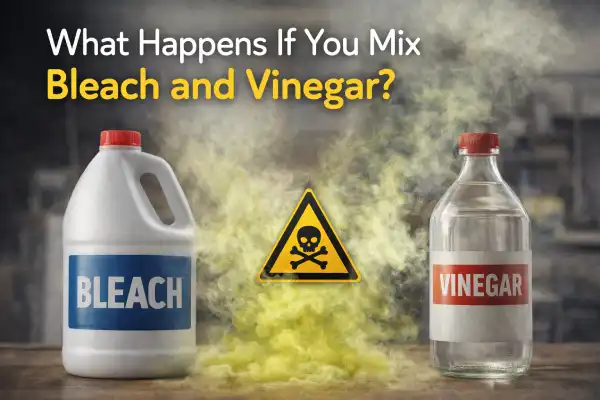
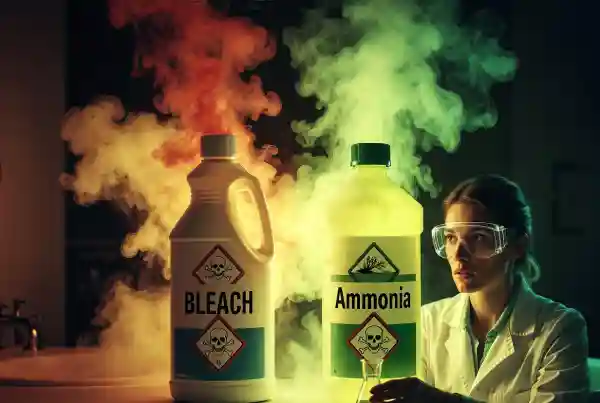
- Avoid mixing this agent with other chemicals like bleach.
- Store the container in a cool, dry place away from children.
Understanding the Chemical Composition of Bar Keepers Friend
The secret to Bar Keepers Friend’s cleaning power is in its unique mix of chemicals. Looking at the Bar Keepers Friend ingredients, you see a formula that has stayed the same for years. This classic cleaning agent has a special mix that gets rid of tough grime that other soaps can’t.
The Role of Oxalic Acid in Cleaning
Oxalic acid is at the core of the formula. It’s a strong organic compound found in plants like rhubarb and spinach. It works as a chelating agent, grabbing onto metal ions in rust and mineral deposits and lifting them off surfaces.
Being an acid, it’s great at removing tarnish from stainless steel and chrome. It changes the chemical bond between the stain and the surface. This makes it a highly efficient choice for making kitchen sinks and bathroom fixtures shine without too much scrubbing.
“Understanding the chemistry of your cleaning supplies is essential for maintaining both the longevity of your home surfaces and the safety of your living environment.”
Comparing Synthetic Ingredients to Natural Alternatives
Many cleaners today use harsh synthetic surfactants or heavy bleaches that can harm delicate finishes. But Bar Keepers Friend takes a mineral-based abrasive approach. It’s not all-natural, but it avoids the harsh chemicals found in many industrial cleaners.
The table below shows how Bar Keepers Friend compares to other common cleaners in terms of what they do and what they’re made of:
| Cleaning Agent | Primary Active Ingredient | Best Use Case |
|---|---|---|
| Bar Keepers Friend | Oxalic Acid | Rust, Tarnish, Mineral Deposits |
| White Vinegar | Acetic Acid | Light Limescale, Glass |
| Baking Soda | Sodium Bicarbonate | Mild Abrasive Scrubbing |
| Chlorine Bleach | Sodium Hypochlorite | Disinfecting, Whitening |
Choosing the right cleaner is key. By knowing what’s in Bar Keepers Friend, you can use it to keep your home in top shape while understanding how it works with your surfaces.
Is Bar Keepers Friend Toxic or Safe for Household Cleaning
Looking at a cleaner’s label, you might wonder if Bar Keepers Friend is safe. Many are scared by the long chemical names in Bar Keepers Friend ingredients. But knowing the difference between harmful substances and effective cleaners can help.
Defining Toxicity in Household Cleaning Agents
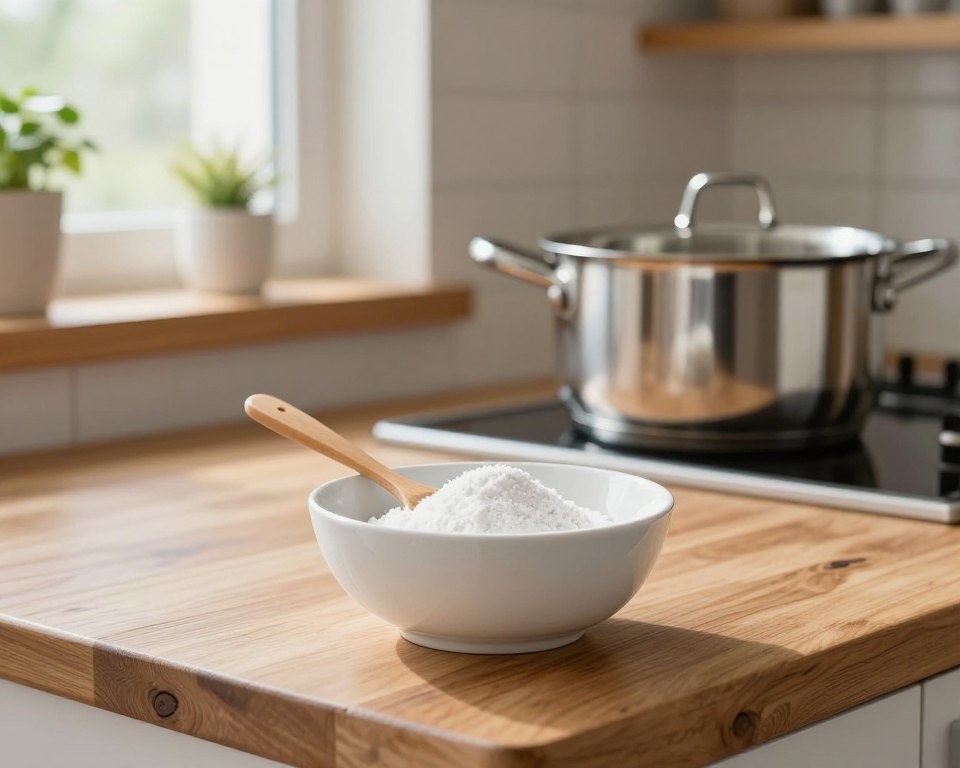
Toxicity means how much a substance can harm an organism. Many household items are labeled hazardous because they have volatile compounds. It is important to note that a product isn’t dangerous just because it has cleaning agents.
The acidic nature of Bar Keepers Friend is what worries people. It’s needed to remove rust and mineral deposits. But, when used right, it’s not as risky as industrial chemicals. It’s a Bar Keepers Friend non-toxic option for tough stains with basic care.
Evaluating the Safety Profile for Daily Use
When checking Bar Keepers Friend safety, following the instructions is key. The product is safe if you use it as directed. To keep your home safe, follow these tips:
- Always rinse surfaces well after cleaning to remove any leftover powder.
- Use the product in areas with good air flow to avoid breathing in dust.
- Wear gloves if your skin is sensitive to prevent irritation.
- Keep the container in a cool, dry spot out of children’s and pets’ reach.
By understanding the cleaner’s chemical makeup, you can have a clean home without worry. Consistency and caution are the secrets to safely using any cleaning product every day.
Health Precautions and Potential Risks
Keeping your home clean and safe is key. Knowing how to handle cleaning products is crucial. By following Bar Keepers Friend safety guidelines, you keep your home safe for everyone.
Respiratory Sensitivity and Dust Inhalation
The powder formula works well but can make dust. This dust can irritate your breathing, cause coughing, or shortness of breath if you’re sensitive.
To avoid these problems, clean in areas with good air flow. Don’t shake the container near your face. This helps prevent dust from getting inhaled.
Skin Irritation and Protective Measures
It’s important to follow Bar Keepers Friend precautions to avoid skin irritation. The formula has acidic ingredients that can dry out or irritate your skin if it touches for too long.
Always wear rubber or nitrile gloves when cleaning. If the product touches your skin, wash the area well with water. This helps prevent irritation.
Accidental Ingestion and First Aid Protocols
This cleaner is for surfaces, not for eating. Keep it out of reach of kids and pets to avoid accidental ingestion.
If someone eats it by mistake, don’t make them vomit unless a doctor tells you to. Instead, have them drink water or milk and call a poison control center for expert advice. If it gets in your eyes, rinse them with lukewarm water for 15 minutes. See a doctor if it still hurts.
Bar Keepers Friend and Indoor Air Quality
Keeping your home healthy is more than just cleaning surfaces. It’s also about the air you breathe while cleaning. Many cleaners release harsh fumes that stay long after cleaning. But, the right products can clean deeply without harming your air quality.
Volatile Organic Compounds and Chemical Off-gassing
Homeowners worry about Volatile Organic Compounds, or VOCs. These chemicals can make the air bad and hurt your breathing. Bar Keepers Friend is VOC-free, so it doesn’t harm the air.
This product doesn’t use harmful solvents that release gases. You can use it safely in small spaces like bathrooms or kitchens. Peace of mind is essential when keeping your home clean and safe for your family.
“The air we breathe inside our homes is just as important as the cleanliness of the surfaces we touch every day.”
Ventilation Best Practices During Deep Cleaning
Even with safe products, good airflow is key for cleaning. Open windows to let out dust and dirt. If you can’t open windows, using a portable fan helps move air around.
Make sure your cleaning area has good air flow to avoid dust buildup. Using a non-toxic cleaner and good ventilation keeps your home fresh and healthy. These steps make your home sparkle and clean, breathable air a reality.
Surface Compatibility and Material Safety
Knowing which cleaners work best on your surfaces is key. Understanding Bar Keepers Friend uses helps avoid damage to your home.
Using the Product on Stainless Steel and Chrome
This cleaner is great for making metal surfaces shine. It works well on stainless steel sinks and chrome fixtures.
It removes mineral deposits and rust. This leaves a brilliant, streak-free finish on your kitchen and bathroom.
Risks of Etching on Natural Stone and Marble
Be careful with this cleaner on porous materials. Natural stone like marble can be damaged by acidic cleaners.
The powder can cause permanent etching or dulling on these surfaces. Avoid using it on natural stone to keep its shine.
Testing Surfaces Before Full Application
Always test a small area before cleaning. This is a crucial Bar Keepers Friend use for protecting your surfaces.
Apply a small amount to a hidden spot and wait. If it doesn’t harm the surface, you can clean with it. Always rinse thoroughly to remove any leftover paste.
Environmental Impact and Eco-Friendly Considerations
Keeping your home clean doesn’t have to harm the planet. Many people now look for products that are good for the environment. Using Bar Keepers Friend eco-friendly products lets you keep your home clean while caring for the Earth.
Biodegradability of Active Ingredients
This cleaner’s strength comes from its careful mix. Its active parts are biodegradable, breaking down naturally. This makes it a safer choice for those worried about their environmental impact.
It’s also safe for homes with septic systems. Unlike some cleaners, it doesn’t harm your plumbing. This makes it a reliable choice for those looking for a Bar Keepers Friend eco-friendly option.
Waterway Safety and Aquatic Toxicity
Water from our sinks and tubs ends up in our waterways. It’s crucial to use cleaners that don’t harm aquatic life. This cleaner avoids harmful chemicals, reducing water pollution.
Here’s why many choose this cleaner over others:
| Cleaning Agent | Biodegradable | Septic Safe | Eco-Friendly Rating |
|---|---|---|---|
| Bar Keepers Friend | Yes | Yes | High |
| Traditional Bleach | No | No | Low |
| Synthetic Degreasers | Partial | Variable | Moderate |
Choosing Bar Keepers Friend eco-friendly products is a simple way to help the environment. By picking cleaners that are biodegradable and safe for waterways, you help create a cleaner future for all.
Comparing Bar Keepers Friend to Traditional Bleach
Choosing the right cleaning agent is all about understanding the chemistry behind it. Many people think all heavy-duty cleaners work the same way. But, the truth is different. Knowing these differences is key to keeping your home safe and clean.
Chemical Differences and Reactivity
Bar Keepers Friend is an acidic cleaner. It’s great at removing rust, mineral deposits, and hard water stains. On the other hand, traditional bleach is alkaline. It’s mainly used for disinfecting and whitening surfaces.
Because they are on opposite sides of the pH scale, they react differently with grime. Never mix these products. Mixing an acidic cleaner with bleach can create toxic chlorine gas. This is very dangerous for your breathing.
“The golden rule of household cleaning is to never mix chemicals, as the resulting reaction can be life-threatening.”
Safety Profiles in Multi-Purpose Cleaning
Think about what you need to clean before choosing a product. For tough rust or soap scum, go with an acidic cleaner. For sanitizing or removing organic stains, bleach is better.
Always make sure you have proper ventilation when using these strong cleaners. Even alone, they can be harsh on skin and lungs. Keep them in separate places to avoid accidents and keep your home safe.
Proper Storage and Handling for Household Safety
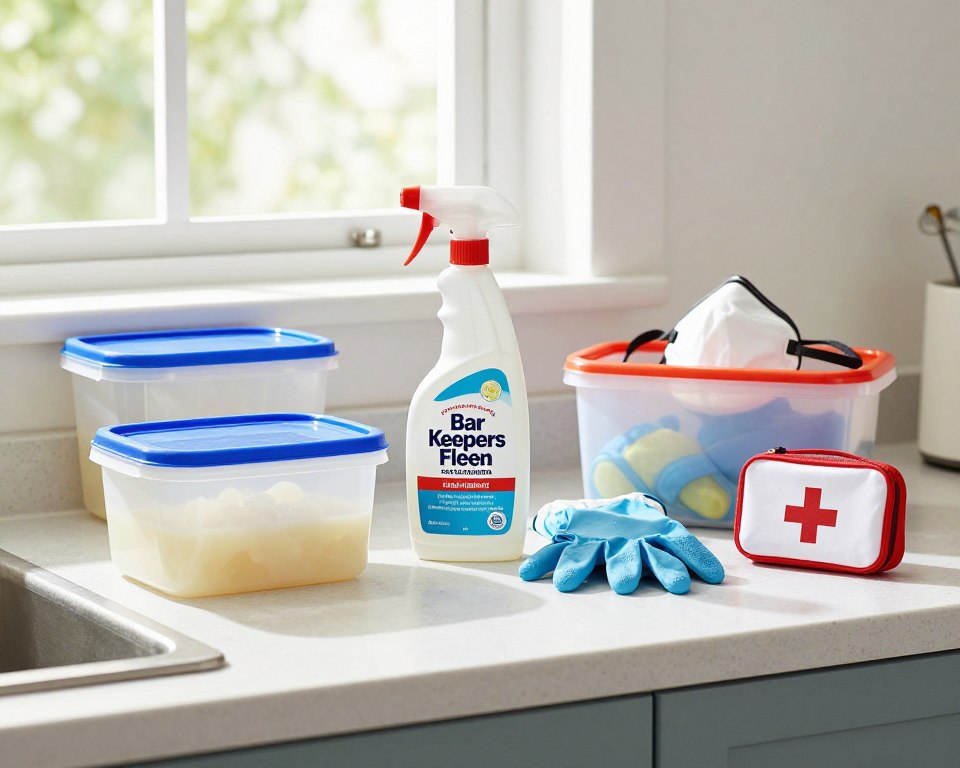
When you bring strong cleaning agents into your home, it’s crucial to think about how they are stored and handled. Following specific Bar Keepers Friend precautions keeps your cleaning supplies effective and your home safe. Keeping things organized prevents spills and keeps the product working well over time.
Preventing Chemical Contamination in Storage
Always store the container in a cool, dry place to keep your cleaner strong. Moisture harms powder-based formulas, causing clumps and losing effectiveness. If the powder gets damp, cleaning becomes much harder.
It’s also key to keep cleaning supplies away from food areas. This prevents particles from getting near pantry items or kitchen tools. Storing them in a dedicated, high-up cabinet reduces the chance of accidents. If you’re curious, you might wonder is mold remover spray toxic compared to kitchen cleaners.
Childproofing and Pet Safety Guidelines
Your home should be a safe space, away from harmful substances. Keep containers in locked cabinets or on high shelves to avoid curious hands and paws. Safety should never be an afterthought when dealing with household chemicals.
How you use the product is just as important as where you store it. To protect your family, follow these key steps:
- Thoroughly rinse all surfaces after cleaning to ensure no abrasive residue remains.
- Keep pets out of the immediate area until the surface is completely dry and wiped clean.
- Always close the lid tightly after every use to prevent accidental spills.
- Store the product in its original packaging to ensure you always have access to the safety instructions.
By following these Bar Keepers Friend precautions, you make your home safer for everyone. Regular habits make a potentially dangerous task a simple part of home care.
Effective Cleaning Tips for Optimal Results
To get a professional shine at home, you need more than the right product. You also need the right technique. Follow these Bar Keepers Friend cleaning tips to keep your surfaces clean and avoid streaks or damage.
Creating the Perfect Cleaning Paste Consistency
The key to success is in how you prepare the product. Mix the powder with a bit of water to make a smooth, spreadable paste.
This paste helps you control where the cleaner goes. It also makes sure the active ingredients cover the surface evenly. This is crucial for effective Bar Keepers Friend cleaning tips. It’s safer and more precise than other abrasive cleaners, like those in our guide on whether Comet cleaner is toxic.
Dwell Time and Its Impact on Cleaning Efficiency
Many people leave cleaners on surfaces for too long. While it’s needed to break down grime, too much time can etch or dull surfaces.
Apply the paste and work it in right away. This is key for protecting finishes like stainless steel or chrome. Efficiency is about action, not just waiting for the chemicals to work.
Rinsing Techniques to Prevent Residue Buildup
Proper rinsing is crucial for a streak-free finish. After scrubbing, use a clean, damp cloth to remove all product residue.
Then, rinse the surface with fresh water to get rid of any remaining particles. Thorough rinsing stops white, powdery residue from showing up when the surface dries. Learning these Bar Keepers Friend cleaning tips will make your kitchen and bathroom fixtures look new every time.
Common Misconceptions About Bar Keepers Friend
It’s time to set the record straight about Bar Keepers Friend. Many think it’s too harsh for their home. But, when you look at the Bar Keepers Friend ingredients, you see it’s made for cleaning, not damage.
Debunking Myths Regarding Corrosiveness
Some believe Bar Keepers Friend is corrosive to all surfaces. But, it’s not inherently corrosive when used right. It has an acidic part, but it’s made to remove stains and rust without harming durable materials.
The secret to safe use is in the right amount of time and rinsing. If you leave it on too long, you might get etching. But, this is from misuse, not the product itself. Always test it on a small area first to make sure it’s safe.
Clarifying the Difference Between Powder and Liquid Formulas
Many wonder if the powder and liquid versions are the same. They both clean well, but in different ways. The powder is great for tough scrubbing, while the liquid is better for vertical surfaces.
Which one you choose depends on the mess you’re facing. The table below shows the main differences to help you clean better.
| Feature | Powder Formula | Liquid Formula |
|---|---|---|
| Best For | Deep, stubborn stains | Daily maintenance |
| Application | Requires water paste | Ready to use |
| Surface Type | Flat, durable surfaces | Vertical or delicate |
| Control | High abrasive power | Precision cleaning |
Knowing these differences lets you use Bar Keepers Friend in more ways around the house. Whether you pick the powder or the liquid, you’ll get a clean, shiny finish.
Bar Keepers Friend Reviews and User Experiences
Looking into Bar Keepers Friend reviews shows a split between fans and newcomers. Many say it’s a must-have for keeping their homes clean once they get the hang of it.
Analyzing Long-term User Satisfaction
Long-time users love how it makes old cookware look new again. They often share stories of using it for years to clean stainless steel sinks and get rid of tough rust.
This loyalty comes from its ability to tackle tough jobs that other cleaners can’t. For more insights, check out this product review of Bar Keepers Friend to see why it’s a favorite among pros and homeowners.
Common Complaints and How to Address Them
Some new users mention a problem with white residue after cleaning. This usually happens when too much product is used or not rinsing well enough.
To fix this, experts recommend using less powder and making sure to wipe the area clean with a damp cloth. Fixing these small mistakes can turn a bad experience into a great one.
| User Experience | Common Cause | Recommended Solution |
|---|---|---|
| White residue left on surface | Excessive product usage | Rinse thoroughly with water |
| Surface feels gritty | Incomplete wiping | Use a clean, damp microfiber cloth |
| Difficulty removing stains | Insufficient dwell time | Let the paste sit for one minute |
| Skin sensitivity | Direct contact with powder | Wear protective gloves |
Professional Cleaning Industry Perspectives
When you enter a fancy restaurant or a luxury hotel, you see shiny surfaces. This is thanks to top-notch cleaning agents. In the commercial cleaning world, experts focus on getting the job done fast and well. They often use Bar Keepers Friend in their daily cleaning tasks.
Why Professional Cleaners Rely on Oxalic Acid
Experts choose oxalic acid because it can handle mineral scale and rust. Regular soaps can’t do this. Oxalic acid breaks down these tough deposits, giving a deep clean without hard scrubbing.
In the fast-paced commercial world, cleaners need quick results. They use oxalic acid to make stainless steel and porcelain look new again. This is what high-quality service is all about.
“The mark of a true professional is not just the effort put into a job, but the intelligence applied to choosing the right tool for the specific surface.”
Industry Standards for Handling Abrasive Cleaners
Even though these cleaners work well, there are strict safety rules. Cleaners wear gloves to protect their skin from irritation.
They also learn how to apply these cleaners carefully to avoid damage. Before using it on a big area, they test it on a small spot. This makes sure the cleaner won’t harm the surface. By following these rules, commercial teams get the most out of Bar Keepers Friend safely.
Safe Alternatives for Sensitive Households
Finding the right cleaning balance is key for a healthy home. Many people use strong products, but gentler options are also good. Even with Bar Keepers Friend non-toxic products, adding milder solutions can make cleaning easier.
When to Choose Vinegar or Baking Soda
For everyday cleaning, pantry items work well. White vinegar is great for countertops and glass. Baking soda is a gentle abrasive for scrubbing without scratching.
These natural cleaners are safe for homes with pets or kids. They help keep your home clean without harsh chemicals. This way, you use strong cleaners less often.
Identifying When a Heavy-Duty Cleaner is Necessary
Sometimes, mild cleaners can’t handle tough jobs. For deep rust, heavy deposits, or burnt food, you need a stronger cleaner. Even then, choose a Bar Keepers Friend non-toxic formula to avoid harm.
“The secret to a truly clean home is knowing exactly when to use a gentle touch and when to bring in the heavy artillery for those stubborn, deep-set stains.”
Here’s a guide to help you choose the right cleaner:
| Cleaning Task | Recommended Solution | Primary Benefit |
|---|---|---|
| Daily Countertop Wipe | White Vinegar | Safe and streak-free |
| Light Sink Scrub | Baking Soda | Non-scratching abrasive |
| Heavy Rust or Lime | Bar Keepers Friend | High-performance removal |
| Burnt-on Oven Grime | Heavy-Duty Cleaner | Deep chemical breakdown |
Use the mildest product that works for the job. With Bar Keepers Friend non-toxic and natural cleaners, your home stays clean and safe.
Regulatory Standards and Safety Certifications
When you bring a cleaning product into your home, you deserve to know its safety. Industry regulations ensure manufacturers follow high standards for consumer protection. Looking into Bar Keepers Friend safety means understanding the testing behind it.
Understanding SDS Documentation
Every cleaning agent comes with a Safety Data Sheet, or SDS. This document gives essential information about the product’s chemical properties and hazards. It helps you store and use cleaners safely.
The SDS makes complex chemical data easy to read. It covers first aid and spill cleanup. Knowing this is a step toward Bar Keepers Friend safety in your daily life.
Compliance with Consumer Product Safety Regulations
Manufacturers must follow strict safety rules. All Bar Keepers Friend products are registered with the NSF. This shows they meet food safety standards for surfaces that touch your food.
This registration gives you peace of mind. You can use these products on kitchen surfaces, knowing they’re safe. Keeping Bar Keepers Friend safety high ensures your home stays clean and healthy.
Best Practices for Cleaning Kitchen and Bathroom Fixtures
To get your faucets and sinks to shine like new, you need the right tools and methods. By sticking to Bar Keepers Friend cleaning tips, you can keep your home looking great. These steps help remove daily dirt without harming your fixtures.
Restoring Shine to Sinks and Faucets
To make stainless steel or chrome shine, mix the powder with a bit of water to create a smooth, creamy paste. Use a soft cloth or sponge to apply it gently. Avoid steel wool, as it can scratch.
Let the paste work for about a minute to remove soap scum and mineral deposits. Then, rinse well with clean water and dry with a microfiber cloth. This easy method is a top Bar Keepers Friend cleaning tip for a kitchen sink that looks new.
Removing Hard Water Stains Safely
Hard water can leave white spots on glass shower doors and metal faucets. These spots are tough but can be tackled with this cleaner’s acidic properties. Just apply the paste and scrub gently in circles.
For shower doors, use a damp sponge to spread the product evenly. Make sure to rinse off all residue to avoid streaks. By following these Bar Keepers Friend cleaning tips weekly, your bathroom will stay clean and inviting.
Conclusion
Bar Keepers Friend is a trusted ally for keeping your home spotless. It works wonders, but remember to handle it with care and follow safety rules.
With a little effort, you can make any surface shine. Regular cleaning and thorough rinsing keep your home looking great and safe for everyone.
Developing good cleaning habits can greatly improve your daily life. Share your experiences with Bar Keepers Friend on social media. Your stories can help others get the best results and keep their homes healthy.
Start tackling your cleaning tasks with confidence. A clean home is just a few scrubs away when you use Bar Keepers Friend correctly.
FAQ
The Role of Oxalic Acid in Cleaning
Bar Keepers Friend works thanks to oxalic acid, a natural compound found in plants. It’s a powerful cleaner that breaks down tough stains. Unlike other cleaners, it doesn’t need harsh scrubbing.
Comparing Synthetic Ingredients to Natural Alternatives
The formula includes a mineral abrasive and surfactants. Yet, it’s still a favorite for its balance. It’s more effective than DIY cleaners like lemon juice for tough stains.
Defining Toxicity in Household Cleaning Agents
Bar Keepers Friend is not toxic but is a strong acid. It’s safe for home use if you follow the Bar Keepers Friend safety guidelines.
Evaluating the Safety Profile for Daily Use
The product is safe for daily use. It avoids harsh chemicals like bleaches or ammonia. Its safety is often questioned, but it’s reliable when used correctly.
Respiratory Sensitivity and Dust Inhalation
Be careful with the powder formula. Avoid creating dust. Wet the surface first or use a damp cloth to prevent dust.
Skin Irritation and Protective Measures
The formula can cause skin irritation. Wear protective gloves to avoid this, even if you have sensitive skin.
Accidental Ingestion and First Aid Protocols
If you accidentally ingest it, drink milk or water and seek medical help. If it gets in your eyes, flush them with cool water for 15 minutes. Always have the Safety Data Sheet (SDS) ready.
Volatile Organic Compounds and Chemical Off-gassing
Bar Keepers Friend is VOC-free. It doesn’t release harmful chemicals into the air, unlike many aerosol cleaners.
Ventilation Best Practices During Deep Cleaning
Even though it’s VOC-free, good airflow is important. Open a window or use a fan to keep the air fresh.
Using the Product on Stainless Steel and Chrome
This cleaner is great for stainless steel and chrome. It removes stains and restores shine by stripping away old layers.
Risks of Etching on Natural Stone and Marble
Avoid using it on porous surfaces like marble. The acid can etch the stone. Use pH-neutral cleaners for these materials.
Testing Surfaces Before Full Application
Always test it on a small area first. This ensures it won’t damage the surface before using it on the whole area.
Biodegradability of Active Ingredients
Bar Keepers Friend is eco-friendly. Its active ingredient, oxalic acid, is biodegradable. It breaks down into harmless substances.
Waterway Safety and Aquatic Toxicity
The formula is safe for waterways. It’s free of phosphates and chlorine bleach. This makes it a better choice for the environment.
Chemical Differences and Reactivity
Bleach is alkaline, while Bar Keepers Friend is acidic. They work differently. Bleach disinfects and whitens, while oxalic acid removes stains.
Safety Profiles in Multi-Purpose Cleaning
NEVER mix Bar Keepers Friend with bleach. Mixing them can create dangerous chlorine gas. Knowing this is key to using it safely.
Preventing Chemical Contamination in Storage
Store it in a cool, dry place. Keep the lid tight to prevent moisture and keep the formula effective.
Childproofing and Pet Safety Guidelines
Keep it out of reach of children and pets. When cleaning, rinse the area well to remove residue that pets or children might touch.
Creating the Perfect Cleaning Paste Consistency
Make a thick paste for best results. Mix a small amount of water with the powder until it’s like toothpaste. This helps it cling to surfaces.
Dwell Time and Its Impact on Cleaning Efficiency
Don’t let it sit for more than one minute. It’s powerful and doesn’t need long to work. Leaving it on too long can damage some surfaces.
Rinsing Techniques to Prevent Residue Buildup
Use warm water and a dry microfiber cloth to rinse and wipe down surfaces. This prevents a white film from forming.
Debunking Myths Regarding Corrosiveness
It’s not true that it will eat through metal. It’s designed to be non-corrosive to high-quality stainless steel and copper when used correctly.
Clarifying the Difference Between Powder and Liquid Formulas
The powder is more concentrated for tough stains. The MORE Spray + Foam or liquid is gentler for routine cleaning. Choose based on your cleaning needs.
Analyzing Long-term User Satisfaction
Users love it for kitchen restoration. It makes old pans look new. Its reliability over years is praised.
Common Complaints and How to Address Them
Most complaints are about a white residue. This is usually from not rinsing well. Thorough rinsing and using gloves solve this issue.
Why Professional Cleaners Rely on Oxalic Acid
Pros use it because it saves time. It quickly removes hard water stains and rust, impressing clients.
Industry Standards for Handling Abrasive Cleaners
Pros start with the least aggressive method. They use Bar Keepers Friend when soap and water fail. This protects the client’s home.
When to Choose Vinegar or Baking Soda
For daily cleaning, vinegar or baking soda are good alternatives. They’re non-toxic and work well for light cleaning.
Identifying When a Heavy-Duty Cleaner is Necessary
If you see rust rings, tarnish, or mineral buildup, natural cleaners won’t work. That’s when Bar Keepers Friend is needed.
Understanding SDS Documentation
The Safety Data Sheet (SDS) confirms it’s non-carcinogenic. Reading this helps see the actual safety data from SerVaas Laboratories.
Compliance with Consumer Product Safety Regulations
The product is NSF certified. It’s safe for food preparation surfaces if rinsed properly. This certification gives families peace of mind.
Restoring Shine to Sinks and Faucets
To restore shine, apply the paste, rub gently, and rinse. This simple step can transform your kitchen in minutes.
Removing Hard Water Stains Safely
For glass shower door stains, use the liquid formula. It cuts through buildup without scratching the glass, keeping your bathroom clean.
Is Bar Keepers Friend Toxic or Safe for Household Cleaning?
Bar Keepers Friend is safe for household cleaning when used as directed. It contains oxalic acid, but it’s not toxic for casual contact. Still, safety precautions like gloves and ventilation are recommended.
What are the main Bar Keepers Friend ingredients?
The main ingredient is oxalic acid, a natural acid found in plants. It also has a mineral abrasive (feldspar) and surfactants to lift grease and grime.
Are there any specific Bar Keepers Friend precautions I should take?
Yes. Avoid mixing it with bleach, wear gloves to prevent skin irritation, and avoid breathing in the powder dust. Always rinse surfaces thoroughly after use.
Can I use Bar Keepers Friend on all surfaces?
No. It’s great for stainless steel, copper, and chrome, but avoid using it on porous surfaces like marble, granite, or polished wood, as the acid can etch the material.
Is Bar Keepers Friend eco-friendly and biodegradable?
Yes, it is eco-friendly. The formula is biodegradable, phosphate-free, and chlorine-free, making it safer for the environment and waterways.
Is Bar Keepers Friend non-toxic for food preparation surfaces?
Bar Keepers Friend is NSF certified. It’s safe for use on cookware and sinks that touch food, provided you rinse the surface completely to remove any residue.
Why do Bar Keepers Friend reviews mention a white residue?
A white film usually occurs if the product was not rinsed off thoroughly. To avoid this, rinse with warm water and dry the surface with a clean cloth immediately after scrubbing.
What are the most common Bar Keepers Friend uses in the kitchen?
It’s most commonly used for cleaning stainless steel sinks, removing burnt-on food from Pyrex or enamel cookware, and polishing copper bottom pots.
How should I store the product for safety?
Store it in a dry place, away from children and pets. Ensure the container is closed to prevent moisture from getting into the powder and to avoid accidental spills.