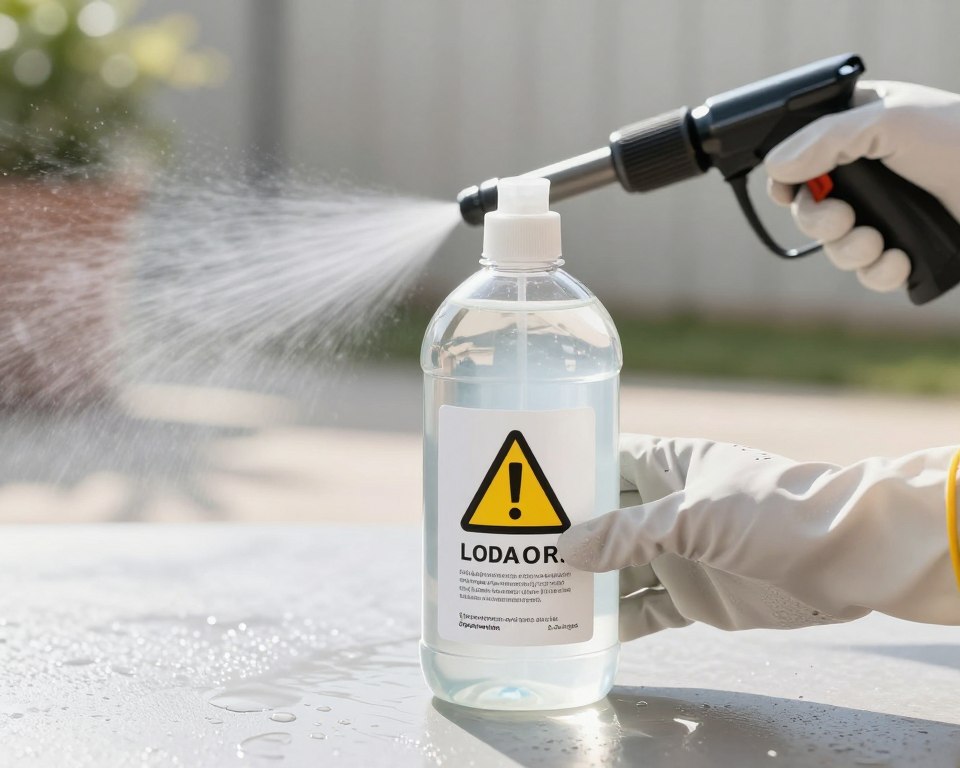
Did you know high-velocity water can go through heavy-duty boots and skin? Consumer Reports tested this and found it’s more powerful than people think. The danger isn’t just from the water; the chemicals used are risky too.
Many think any cleaning liquid is safe for skin. But, a pressure washer cleaning solution can be toxic if not used right. Knowing what’s in these cleaners is key to staying safe.
Being cautious is the first step to safety. This guide will teach you how to handle these cleaners safely.
Key Takeaways
- High-velocity water streams pose a significant risk of deep tissue injury.
- Chemical detergents are not always benign and can cause skin irritation or chemical burns.
- Always wear appropriate personal protective equipment when operating heavy-duty equipment.
- Read product labels carefully to identify potential hazards before starting your project.
- Proper handling and storage of chemical agents are critical for household safety.
The Chemical Reality of Pressure Washer Cleaning Solution Toxic Risks
Knowing about pressure washer cleaning solution toxic risks is key for homeowners. These tools are great for upkeep, but their high-pressure and chemical mix pose a unique danger. When a solution is pressurized, it can go through protective gear and even human skin.
The main risk is the stream’s physical force. Holding a nozzle too close to skin can push cleaning agents deep into tissue. This can cause serious damage, much worse than just a splash.
Many think eco-friendly pressure washing chemicals are safe. But, even these can irritate or burn skin when under high pressure. The chemicals in detergents are made to break down dirt, which means they can react with skin.
“Safety in high-pressure cleaning is not just about the equipment; it is about respecting the chemical potential of every solution used in the system.”
To grasp the dangers of different cleaning agents, look at this comparison:
| Chemical Type | Primary Risk | Skin Impact | Pressure Sensitivity |
|---|---|---|---|
| Caustic Degreasers | Chemical Burns | High | Extreme |
| Eco-Friendly Soaps | Dermatitis | Moderate | Moderate |
| Acidic Brighteners | Corrosive Damage | High | High |
Many think home-use products are safe without precautions. But, even if a pressure washer cleaning solution toxic risk is low, high-pressure changes everything. Always wear proper gear to stay safe.
Understanding the Composition of Common Detergents
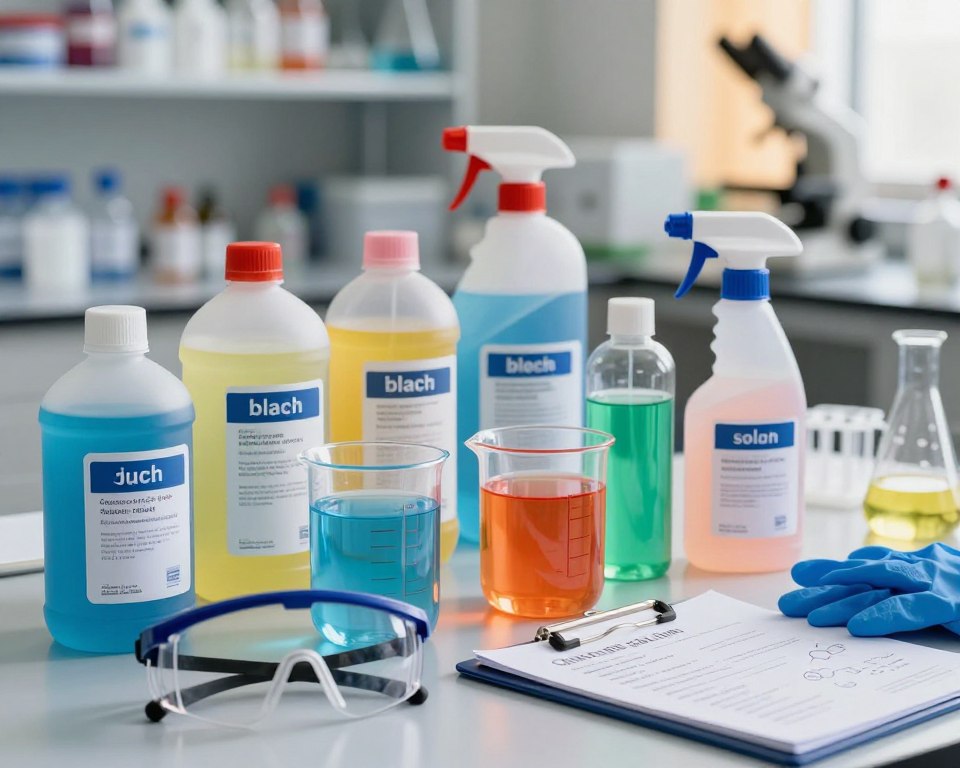
Knowing what’s in your pressure washer tank is key to safety. Most cleaning solutions are made to remove tough grime and grease. They use special ingredients that work together to clean surfaces.
Even though these products work well, they need to be handled with care. Knowing the main ingredients helps avoid risks.
Surfactants and Their Interaction with Human Skin
Surfactants are the core of most pressure washer detergents. They make water penetrate deep into surfaces, breaking the bond between dirt and the surface. This makes cleaning more efficient.
But surfactants can also affect human skin. They can strip away the skin’s natural oils, leading to dryness and irritation.
“The dose makes the poison; even the most common cleaning agents require respect for their chemical potential when handled in concentrated forms.”
The Role of pH Levels in Chemical Burns
The pH level of a detergent is also important for safety. Many cleaners are very alkaline, using potassium hydroxide to break down organic matter. This is why they’re good at removing mold and mildew.
But this strength can be dangerous to skin. High pH substances can break down skin proteins and fats. Unlike acid burns, alkaline substances can cause deeper damage without immediate pain.
Because the burning sensation may be delayed, users might not know they’ve been exposed until it’s too late. Being aware of these chemical effects is crucial for safe use of pressure washing equipment.
Immediate Physiological Reactions to Skin Exposure
The skin protects us from the outside world. But, when harsh cleaning agents from pressure washers get through, our body reacts fast. Knowing these reactions helps us see when we need medical help for a small spill.
Dermatitis and Allergic Contact Responses
Harsh detergents can cause contact dermatitis. This shows as inflammation, redness, and itching. The body tries to fight off the foreign substance. For some, this can turn into an allergic reaction.
- Localized swelling or hives at the site of contact.
- Persistent burning sensations that do not subside after rinsing.
- Development of fluid-filled blisters or cracked, dry skin patches.
These signs mean the chemical has broken down the skin’s natural barrier. Studies on skin barrier function show surfactants can make skin more sensitive over time. If these signs don’t go away, watch for signs of infection.
Chemical Irritation Versus Corrosive Damage
It’s important to tell the difference between irritation and corrosive injury. Irritation causes discomfort and some inflammation. But corrosive agents, like potassium hydroxide, cause deep, lasting damage.
Corrosive damage looks different. Look out for these signs that mean you need to see a doctor right away:
- A soapy or slippery feeling on the skin, which indicates the chemical is actively dissolving tissue.
- Deep, dark discoloration or charred-looking skin.
- Severe, radiating pain that feels deeper than a surface scratch.
Unlike mild detergents, corrosive chemicals destroy cells. Always wear protective gear to avoid these serious reactions.
Long-Term Health Implications of Repeated Exposure
Many people think that home products are safe. But, repeated exposure to pressure washer chemicals can harm your health over time. It’s important to understand the risks.
Systemic Absorption Through the Dermis
The skin is not just a barrier; it absorbs substances. Handling cleaning agents without protection can lead to chemicals entering your bloodstream. This is called systemic absorption.
More exposure means higher risks. Even small amounts can cause problems over time. Learn about the dangers of cleaning supplies and household chemicals to protect your health.
Chronic Skin Sensitivity and Dermatological Changes
Repeated exposure can change your skin for the worse. Many people become sensitive to substances that didn’t bother them before. This can cause dryness, cracking, or persistent dermatitis.
Inhaling chemicals during pressure washing can also harm your lungs. If you have asthma, emphysema, or bronchitis, be extra careful. These conditions can make you more susceptible to lung damage.
To keep your health safe, take steps to protect yourself. Reduce skin contact and make sure you have good ventilation. This can help prevent long-term health problems.
Evaluating Environmentally Friendly Pressure Washer Detergent Options
Many people think green labels mean a product is safe for skin. The move to environmentally friendly pressure washer detergent is good for the planet. But, it doesn’t mean it’s safe for your skin. Knowing what’s in these products is key to staying safe while cleaning.
Are Plant-Based Cleaners Truly Safer for the Skin?
Plant-based cleaners are often seen as gentler than harsh chemicals. They use sodium percarbonate to clean without the harshness of bleach. But, they can still dry out your skin if not used carefully.
These cleaners are better for the environment but can still cause skin problems. It’s important to be careful with them. Always wear gloves to protect your skin, even if the product is labeled as eco-friendly.
The Myth of Non-Toxic Pressure Washer Soap
Some think non-toxic pressure washer soap is safe for skin. But, “non-toxic” usually means it’s safe for the environment or if you swallow it. Many natural soaps can still harm your skin over time.
The strength of the detergent also matters. Even mild, plant-based cleaners can irritate skin if too strong. Always follow the instructions for diluting the detergent to avoid skin problems.
| Detergent Type | Primary Benefit | Skin Safety Profile | Environmental Impact |
|---|---|---|---|
| Traditional Caustic | High Cleaning Power | High Irritation Risk | Potentially Harmful |
| Oxygen-Based | Effective Stain Removal | Moderate Risk | Low Impact |
| Biodegradable Cleaners | Eco-Conscious | Variable Risk | Minimal Impact |
The Importance of Personal Protective Equipment
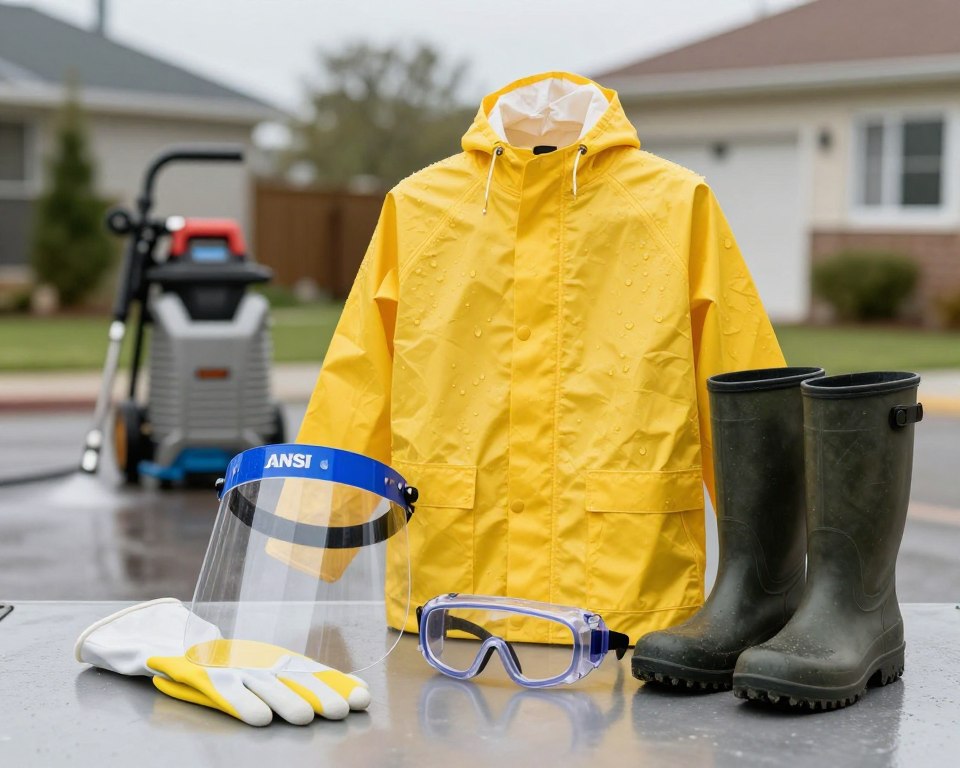
When using high-pressure equipment, your skin’s protection is key. Operating a pressure washer is not just about skill; it’s about wearing the right personal protective equipment. This gear acts as a shield, lowering the chance of skin irritation or chemical absorption during cleaning.
Selecting the Right Gloves for Chemical Handling
Not all gloves protect equally against strong detergents. Household rubber gloves might not be thick enough to block chemicals. Look for nitrile or neoprene gloves that are made for chemical resistance.
These gloves create a strong barrier against harsh surfactants. Check your gloves for any damage before starting. A small tear can let chemicals reach your skin, causing unintended irritation or skin problems.
Protective Clothing and Eye Safety Protocols
Your skin needs full coverage to stay safe from splashes. Wear long sleeves, pants, and closed-toe shoes as a must-have safety rule. Synthetic fabrics are better because they don’t absorb chemicals like cotton does.
Eye protection is also crucial when using a pressure washer. Safety goggles are needed to shield your eyes from water and detergent splashes. Unlike regular glasses, goggles seal around your eyes to keep out fine mists or droplets. By following these safety steps, your cleaning work will be safe and effective.
Best Practices for Handling Eco-Friendly Pressure Washing Chemicals
Using eco-friendly pressure washing chemicals safely protects your skin and the environment. These products, though safer, can still irritate if not handled right. Treat them with the same care as harsh industrial cleaners.
Dilution Ratios and Their Impact on Skin Safety
Getting the dilution right is key to avoiding chemical exposure. Many like to mix their own, like vinegar and soap in water. But, always follow the maker’s instructions for commercial products.
Too much of the concentrate can dry out your skin or cause rashes. Be precise with your measurements to use safe pressure washer cleaning solutions effectively. Consistency in measurement is crucial for both surface care and your safety.
Safe Storage and Disposal of Concentrated Solutions
Always store chemicals in their original containers. Never move them to unmarked bottles, as it raises the risk of accidents. Keep all containers in a cool, dry spot, away from sunlight and out of kids’ and pets’ reach.
When getting rid of leftover solutions, follow local rules on pollution prevention. Don’t dump concentrated chemicals into storm drains, even if they’re labeled as safe. Always check with your local waste management for the right way to dispose of them.
| Action Item | Safety Priority | Recommended Frequency |
|---|---|---|
| Dilution Measurement | High | Every use |
| Container Labeling | Critical | Permanent |
| Storage Environment | Moderate | Continuous |
| Disposal Compliance | High | Post-cleaning |
Identifying Non-Hazardous Pressure Washer Detergents
Choosing the right cleaning agent is more than just picking a bottle. You need to understand the safety documents from manufacturers. This way, you can protect your skin and home from harmful chemicals.
Reading Safety Data Sheets for Consumer Protection
The OSHA Hazard Communication Standard requires Safety Data Sheets (SDS) for chemical products. These guides tell you about the product’s contents and risks. By checking the SDS, you can find out if a product is safe for use.
Look at the ingredient list, first-aid measures, and handling instructions. If you can’t find an SDS, it’s best to avoid the product. Transparency in chemical composition shows a manufacturer cares about your safety.
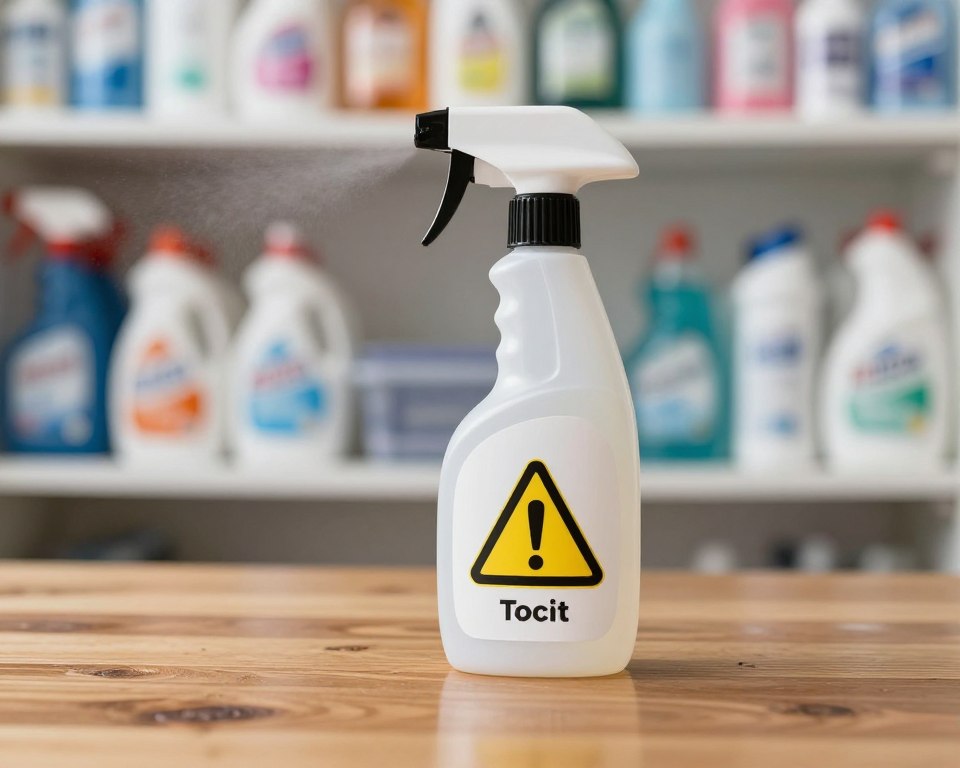
Recognizing Warning Labels and Hazard Symbols
The packaging of your cleaning solution also gives safety clues. Most products in the U.S. use the Globally Harmonized System (GHS) for labels. Knowing these symbols helps you understand the product’s risk level.
Before you start cleaning, look for these signs:
- Signal Words: “Danger” means severe hazard, “Warning” means moderate risk.
- Pictograms: Symbols like an exclamation mark warn of skin irritation, while a flame icon warns of flammability.
- Precautionary Statements: These tell you how to avoid skin or eye contact.
Choosing products with clear labels helps prevent accidents. Make sure the product is right for your machine for best results and safety. Opting for non-hazardous pressure washer detergents is key to a safe cleaning routine.
The Role of Biodegradable Pressure Washer Cleaners in Safety
Many people think that “biodegradable” means a product is safe for human skin. But this is not always true. An environmentally friendly pressure washer detergent might not be gentle on the body. This can lead to accidents and exposure to harmful chemicals.
Environmental Safety Versus Human Toxicity
The term “biodegradable” means a substance breaks down in nature. The Organization for Economic Cooperation and Development (OECD) says a substance is biodegradable if it breaks down by 60% to 70% in 28 days. This shows how well it breaks down in the environment, not how safe it is for humans.
Even if a chemical breaks down quickly in soil or water, it can still harm human skin. Environmental safety is about preventing pollution. But human toxicity is about how a substance reacts when it touches the skin or eyes.
Why Biodegradable Does Not Mean Skin-Safe
Biodegradable pressure washer cleaners often use surfactants to remove grease. These surfactants can strip the skin of its natural oils. Even if a product is called environmentally friendly, it might still have a pH that’s too high for human skin.
The structure that lets a soap break down in the environment doesn’t mean it won’t cause skin problems. Don’t trust labels like “green” or “eco-friendly” to keep you safe. Always wear protective gear, no matter what the product’s environmental rating is.
Expert Guidance on Safe Pressure Washer Cleaning Solutions
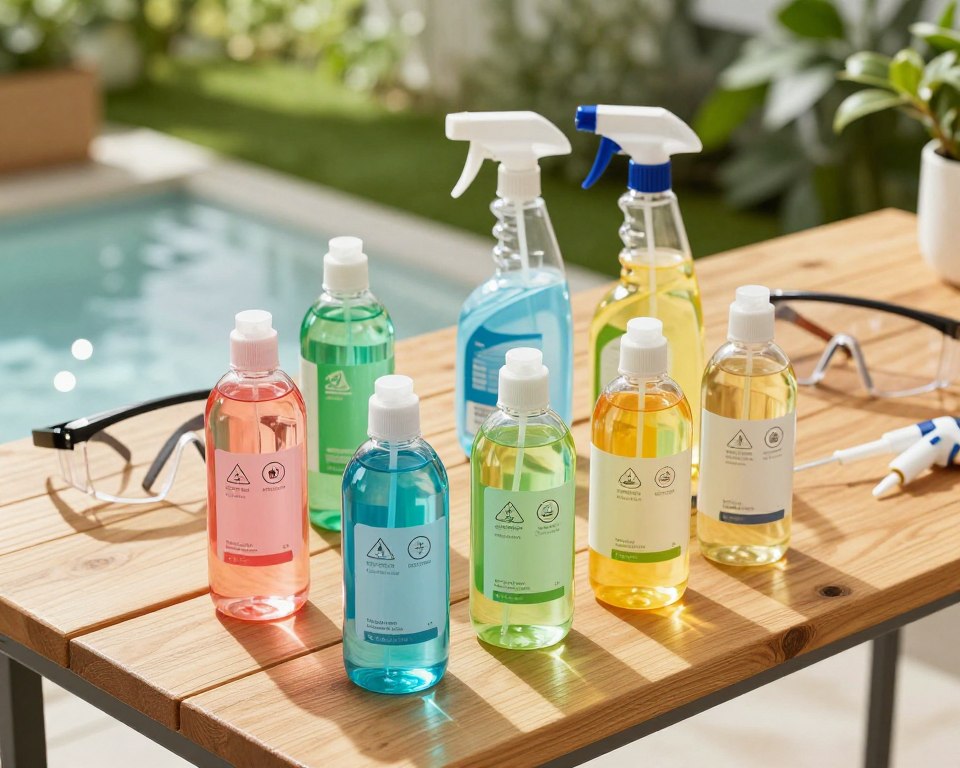
Choosing the right cleaning agents for your pressure washer is key. It’s important to balance cleaning power with safety. As a pro, I always stress safety over speed to avoid skin problems.
Knowing the chemistry of your supplies is crucial. It helps ensure a safe and successful project.
Professional Recommendations for Residential Use
When picking safe pressure washer cleaning solutions, go for products labeled for home use. Stay away from industrial-strength degreasers unless you’re trained and equipped. These strong formulas can damage home surfaces and cause skin irritation.
Check the dilution ratios before starting. Using too concentrated a solution can lead to a pressure washer cleaning solution toxic reaction. The right dilution keeps the chemical effective and safe for your skin and the environment.
| Chemical Type | Safety Level | Protective Gear |
|---|---|---|
| Plant-Based | High | Gloves Recommended |
| Mild Detergent | Moderate | Gloves and Goggles |
| Heavy Degreaser | Low | Full PPE Required |
When to Seek Medical Attention After Exposure
Even with precautions, accidents can still happen. If your skin gets red, burns, or itches after using chemicals, rinse it with cool water for 15 minutes. Don’t use creams or ointments without checking with a pro first. They can trap chemicals against your skin.
If you swallow a lot of cleaning solution, call a doctor or poison control right away. Don’t wait for symptoms to show up if you think you’ve been exposed a lot. Quick action is best to avoid a pressure washer cleaning solution toxic situation. Always have the product container or Safety Data Sheet ready to give accurate info to medical staff.
Common Misconceptions About Pressure Washer Soap Safety
Many homeowners think that natural products are safe for their skin. This belief can lead to ignoring safety when using non-toxic pressure washer soap. Not checking the chemical facts can cause skin problems.
Debunking Myths Regarding Natural Ingredients
The term “natural” is often misunderstood in cleaning products. Even plant-based ingredients can be very acidic or alkaline. This can cause burns. Natural does not mean non-toxic, and organic compounds can cause severe allergic reactions.
It’s important to check the chemical makeup of cleaning products. Here are some things to remember:
- Plant-based surfactants can remove skin’s natural oils.
- Natural essential oils can cause skin sensitivity.
- The pH level is a better safety indicator than the product’s origin.
The Danger of Mixing Cleaning Agents
Mixing different cleaning agents is very dangerous. Many think mixing two cleaners makes a stronger solution. But, this can create harmful chemical reactions.
Mixing bleach with ammonia or acidic detergents can release toxic gases. These gases are harmful to breathe and can damage skin. Bleach is very toxic to plants and can burn human skin and destroy plant roots. Always use a non-toxic pressure washer soap as is, without mixing it with other chemicals.
Regulatory Standards for Pressure Washer Chemicals in the United States
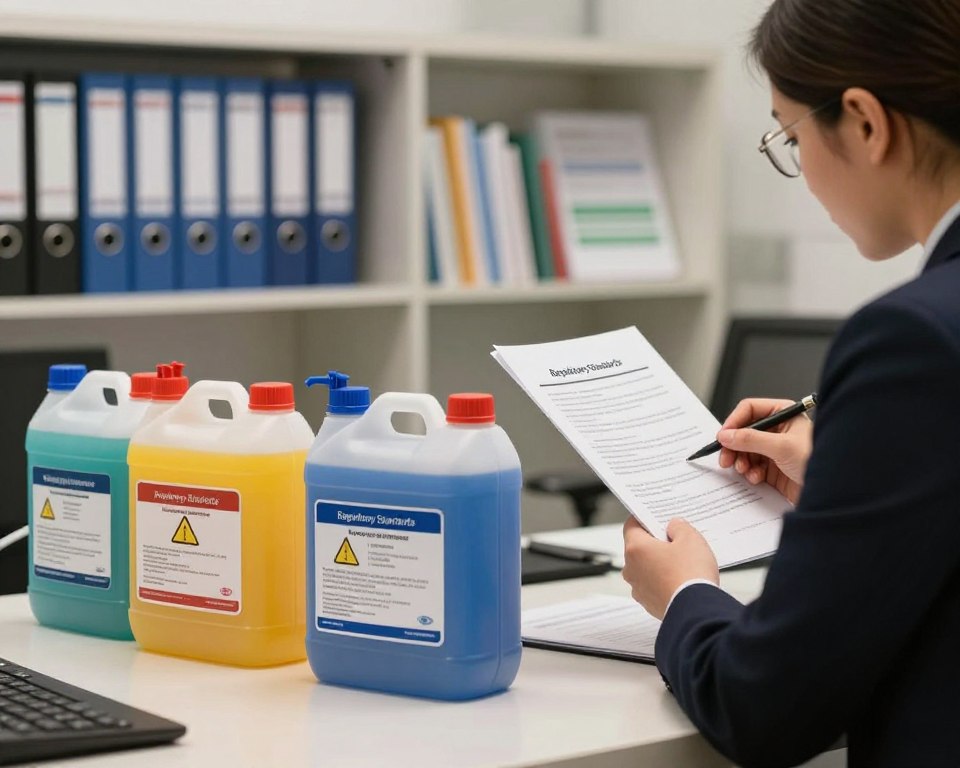
Safety standards for cleaning agents are not made up. They follow federal guidelines. These rules make sure products sold to people are safe. This way, manufacturers protect everyone who uses their products.
OSHA and EPA Guidelines for Consumer Products
The Occupational Safety and Health Administration (OSHA) and the Environmental Protection Agency (EPA) are key in the U.S. OSHA sets limits for workplace exposure to prevent injuries. For example, potassium hydroxide, found in strong cleaners, has a limit of 2 mg/m3.
The EPA looks at the bigger picture, focusing on health and environmental effects. Both agencies work together to manage dangerous substances. Companies must follow these rules when selling cleaning products.
Manufacturer Responsibility and Labeling Requirements
Manufacturers must tell users about potential dangers. They do this through Safety Data Sheets (SDS) and clear labels. Every container needs warning symbols and safe use instructions.
Labels are the first defense against accidents. They must list the chemicals and essential safety steps. With the right label, users can choose the right safety gear for their job.
- Transparency: Manufacturers must list dangerous ingredients in the SDS.
- Clarity: Warning labels must be clear and easy to see.
- Accountability: Companies must ensure their safety documents are accurate.
Conclusion
Keeping your property clean is all about balance. It’s important to focus on both surface cleanliness and your health. Knowing how detergents work is key to avoiding skin problems and long-term skin damage.
Homeowners should see pressure washing as a better option. It uses water’s power to clean without harsh chemicals. This way, you get great results while being kind to the environment.
Wearing the right gear is crucial when cleaning. Always read safety labels and know the dangers of your cleaning products. This helps you stay safe and avoid accidents.
Choosing the right cleaning products is part of taking care of your property. By making smart choices, you protect your skin and make your home healthier. Making informed decisions leads to better results and peace of mind for everyone.
Is a pressure washer cleaning solution toxic to human skin upon contact?
Yes, many traditional detergents are toxic. They are very alkaline. When they touch your skin, they can burn it by breaking down proteins and lipids.
The high-pressure spray makes it worse. It pushes the chemicals deeper into your skin.
Does an environmentally friendly pressure washer detergent require the use of gloves?
Absolutely. Even green detergents can irritate your skin. Products like Simple Green Oxy Solve can strip your skin’s natural oils.
Always wear professional-grade nitrile gloves.
Can I assume a non-toxic pressure washer soap is safe for my children or pets to be near during cleaning?
No, you can’t assume it’s safe. Even non-toxic soaps can irritate your eyes or lungs if inhaled. Keep kids and pets away until everything is rinsed and dry.
Why is it a mistake to think biodegradable pressure washer cleaners are "skin-safe"?
“Biodegradable” means it breaks down in the environment, not that it’s safe for your skin. Many cleaners contain harsh chemicals. Always wear protective gear.
Are there truly any non-hazardous pressure washer detergents available for residential use?
Not many are completely safe. Check the Safety Data Sheet (SDS) for a product’s safety. Look for GHS pictograms; if it’s corrosive, handle it carefully.
What are the risks of using eco-friendly pressure washing chemicals without eye protection?
Eco-friendly chemicals can still harm your eyes. They can cause permanent damage. Always wear ANSI Z87.1-rated safety goggles.
Is it safe to mix different safe pressure washer cleaning solutions to boost performance?
No, it’s not safe. Mixing different cleaners can create toxic gases. Never mix products and always flush your tank between uses.
How can I identify the most effective yet safe pressure washer cleaning solutions for home maintenance?
Look for the EPA Safer Choice label. It means the EPA has checked the ingredients. But, remember, “safer” doesn’t mean “risk-free.” Always follow the manufacturer’s instructions.