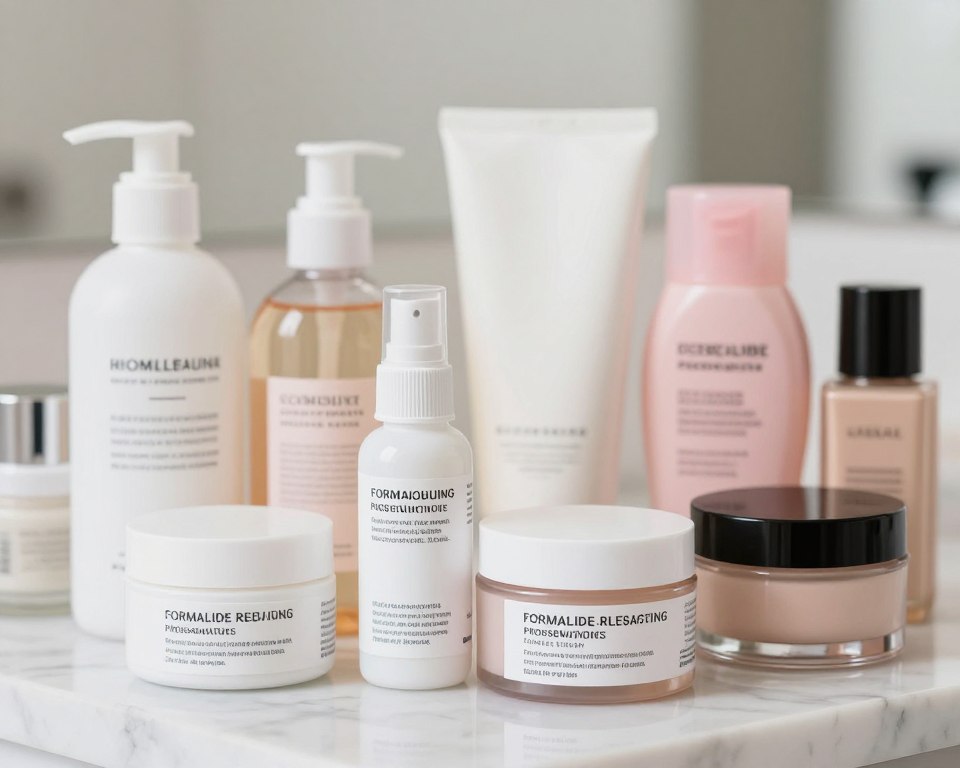
Did you know that nearly 20% of personal care products have ingredients that slowly release chemicals? These additives help prevent microbial growth. But many people don’t know they’re in everyday items.
A formaldehyde releasing preservative is a chemical in cosmetics to keep them fresh longer. It breaks down slowly to fight mold and bacteria. But, its chemical nature has raised concerns among safety experts and dermatologists.
It’s important to understand these ingredients for your health. Knowing how they work helps you read product labels better. This way, you can make smarter choices for your beauty and hygiene needs.
Key Takeaways
- These additives are intentionally included to prevent bacterial and fungal contamination.
- They function by slowly emitting small amounts of chemical agents over time.
- Many common personal care items utilize these compounds to maintain product stability.
- Clinical studies continue to evaluate the long-term impact of these ingredients on skin health.
- Reading labels carefully helps identify products that rely on these specific chemical mechanisms.
The Hidden Reality of Formaldehyde Releasing Preservative Cosmetics
Formaldehyde releasing preservative cosmetics are everywhere, not just in hair straightening treatments. They’re in moisturizers, shampoos, eyelash glues, and liquid foundations. They keep these products from growing bacteria.
But, it’s hard to know what’s in our products because of complicated names. Manufacturers use technical names that don’t clearly show they contain formaldehyde. This makes it tough for us to choose safe products for our skin.
The Taking Stock Study shows we use these products every day. It’s not just for salon visits. This means we need to know more about what’s in our beauty products.
More people want to know what’s in their products. They want to understand how these ingredients affect their bodies. We need labels that are easy to read and understand.
We want to make sure products are safe for us. By understanding what’s in our products, we can make better choices. This is the first step to safer beauty products.
Understanding the Chemistry of Formaldehyde Donors
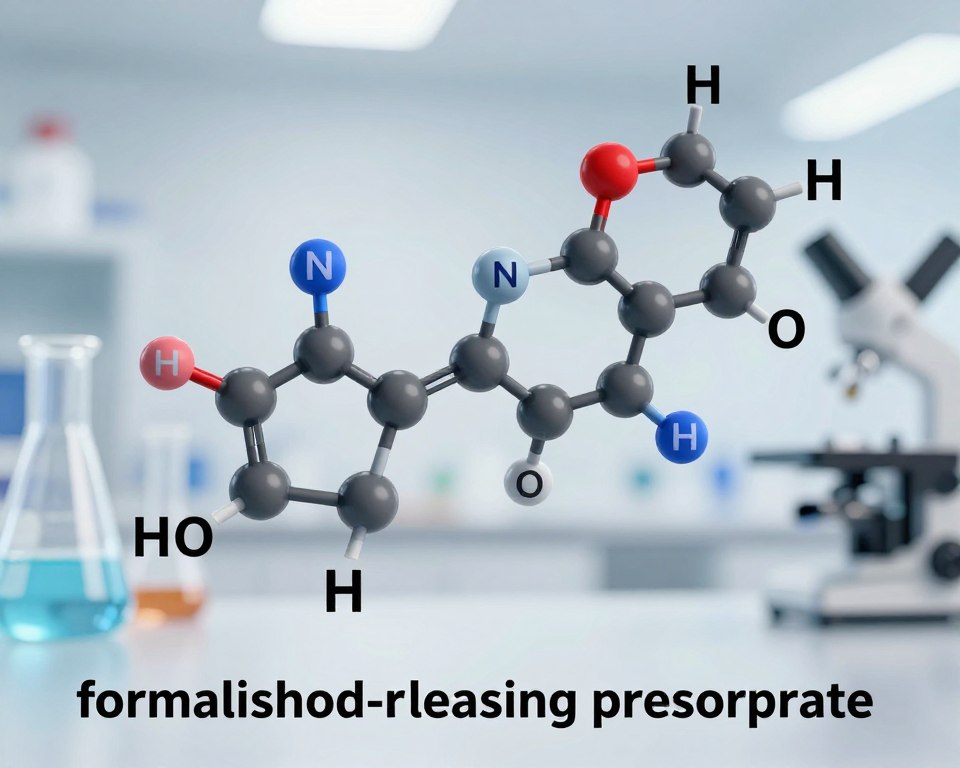
The science behind how certain ingredients release chemicals over time is complex. Many cosmetic ingredients act as reservoirs, slowly releasing substances. This helps keep products fresh and prevents bacteria growth. Knowing how these chemicals work is key for those who want to control their exposure.
How Formaldehyde is Slowly Released Over Time
Formaldehyde donors work through hydrolysis. When they meet water, they break down slowly. This process releases formaldehyde into the product.
The speed of release depends on the chemical stability of the formula. Things like pH levels, temperature, and other ingredients can change how fast it happens. This continuous release keeps the product safe from bacteria for its whole life.
The Difference Between Added Formaldehyde and Releasers
It’s crucial to know the difference between adding formaldehyde directly and using formaldehyde-releasing preservatives. Direct addition is regulated because formaldehyde is very reactive. Releasers, on the other hand, are stable and only release formaldehyde as needed.
Even though they’re used differently, both methods can expose humans to the same chemical. The table below shows how these preservatives work in products.
| Feature | Direct Formaldehyde | Formaldehyde Releaser |
|---|---|---|
| Chemical State | Active and volatile | Stable reservoir |
| Release Mechanism | Immediate | Slow, time-dependent |
| Regulatory Status | Highly restricted | Commonly permitted |
| Primary Function | Potent biocide | Long-term preservation |
Why Manufacturers Rely on These Controversial Preservatives
Modern cosmetic making faces big challenges. Formaldehyde-releasing preservatives are key because they solve these problems well. Despite growing public concerns, their use is driven by the need for consistent product quality.
Cost-Effectiveness and Shelf-Life Extension
These preservatives are very cost-effective. They help keep products good for a long time without needing expensive packaging. This is crucial for products that may stay in warehouses or on shelves for months.
They prevent products from getting worse, keeping them good from start to finish. This is important for brands to keep their reputation and avoid losing money on bad products. The predictability of these ingredients makes them a must in many products.
The Challenge of Microbial Contamination in Water-Based Products
Water-based cosmetics are easy targets for microbial contamination. Water is perfect for bacteria, yeast, and mold to grow. So, strong antimicrobial agents are needed to keep products safe.
Formaldehyde-releasing preservatives fight off these threats. They slowly release formaldehyde, killing off microorganisms. This continuous protection is hard to get from gentler, natural options, which often don’t work as well in water-heavy products.
Common Names to Watch for on Ingredient Labels
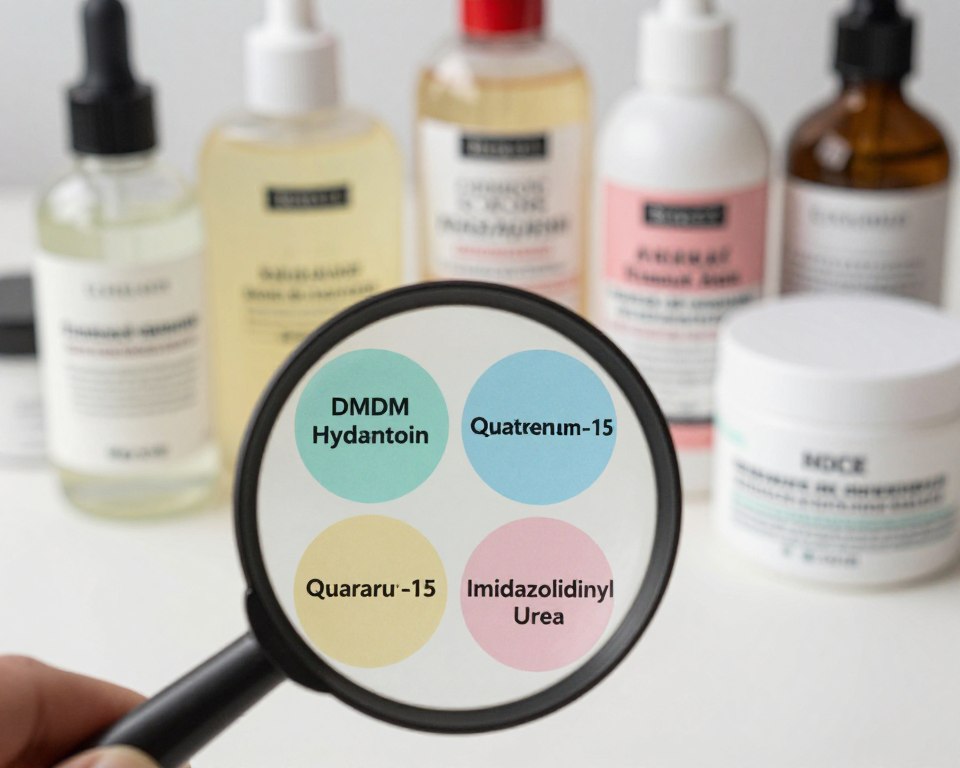
Looking at the ingredient list of your favorite shampoo or lotion can be tricky. Many formaldehyde-releasing preservatives have technical names that aren’t easy to understand. Knowing these names helps you check products at home.
By learning these common labels, you can make better choices for your home. These substances are used a lot because they stop bacteria and mold in water-based products.
Quaternium-15 and DMDM Hydantoin
Quaternium-15 is a well-known formaldehyde donor in personal care products. It’s often in hair care items like shampoos and conditioners because it fights off microbes.
DMDM hydantoin is also common in similar products. It slowly releases formaldehyde to keep products fresh from bacteria and mold.
Imidazolidinyl Urea and Diazolidinyl Urea
These two are found in skin creams, lotions, and cosmetics. They stop many microorganisms from growing, which is why they’re used a lot.
Look for these names at the end of ingredient labels. Even though they work well, some people avoid them because they release formaldehyde.
Bronopol and Sodium Hydroxymethylglycinate
Bronopol is a strong preservative in many products. It’s effective but can cause allergic reactions in some people.
Sodium hydroxymethylglycinate is another preservative that releases formaldehyde. It’s seen as a milder option, but it’s still important to know about it if you want to avoid these chemicals.
The Regulatory Landscape in the United States
The United States has a special way of checking formaldehyde-releasing preservatives. Unlike many other places, it doesn’t ban these chemicals outright. Instead, it relies on companies to police themselves and the government to have some say.
FDA Oversight and Cosmetic Ingredient Review
The Food and Drug Administration (FDA) is in charge of making sure cosmetics are safe in the U.S. But, it doesn’t check every ingredient before it hits the shelves. Instead, the Cosmetic Ingredient Review (CIR) does the job. This group of experts checks if chemicals are safe for use in beauty products.
The CIR’s findings are very important but not law. This means companies can use certain chemicals even if they’re not officially approved. This system has been questioned in scientific studies about chemical safety.
The Gap Between Global Standards and Domestic Policy
There’s a big difference between U.S. rules and those in the European Union. In the EU, products with formaldehyde must have clear warnings. But in the U.S., there’s no such rule.
This lack of clear labels makes it hard for people to know what’s in their products. There are efforts to change this and give the FDA more power. Until then, it’s up to each person to check their products.
Health Implications and Potential Risks of Exposure

Using products with formaldehyde can be risky. These ingredients help prevent spoilage but can harm our health. It’s important to know the risks to stay safe.
Dermatological Reactions and Contact Dermatitis
Allergic contact dermatitis is a common problem. When our skin meets formaldehyde, it can react. This leads to redness, itching, and sometimes blisters.
People with eczema or sensitive skin are more at risk. Once sensitized, even a little bit of the chemical can cause a reaction. Knowing what’s in your products is key.
Long-Term Concerns Regarding Carcinogenicity
There’s also worry about long-term effects. Formaldehyde is known to cause cancer. Even though cosmetics use small amounts, daily use over years is a concern.
The main worry is long-term exposure. Experts say it’s best to avoid chemicals that could cause cancer. Here’s a table showing the main health risks.
| Risk Category | Primary Mechanism | Common Symptoms | Clinical Significance |
|---|---|---|---|
| Acute Dermatological | Immune sensitization | Redness, itching, rash | High frequency in sensitive users |
| Chronic Systemic | Cellular DNA damage | None (asymptomatic) | Long-term carcinogenic potential |
| Cumulative Exposure | Bioaccumulation | Variable | Requires longitudinal study |
Identifying Harmful Chemicals in Cosmetics Beyond Formaldehyde
Checking the safety of your beauty routine means looking at more than one ingredient. Formaldehyde releasers get a lot of attention, but they’re just part of the complex mix in today’s personal care products.
For true safety, we need to look at all the ingredients. Focusing on just one can make us think a product is safer than it really is.
Parabens and Phthalates in Daily Routines
Parabens are used to stop mold and bacteria in lotions and shampoos. But, they’re also under the microscope for possibly acting like estrogen in our bodies.
Phthalates help plastics stay flexible and fragrances last longer on the skin. But, studies show they might mess with our hormones, leading to long-term health risks.
“The dose makes the poison, but the cumulative effect of daily exposure to multiple synthetic ingredients remains a critical area of concern for public health.”
The Role of Fragrance in Masking Ingredients
Fragrance on a label can hide dozens or hundreds of secret chemicals. Companies use this term to keep their formulas a secret, leaving consumers in the dark.
These hidden ingredients can include scents that cover up the smells of other products. By demanding full ingredient lists, we can spot harmful chemicals in cosmetics and choose safer options.
How to Navigate Cosmetic Ingredient Safety as a Consumer
True cosmetic ingredient safety begins with understanding what’s in your products. Labels might look confusing, but they’re key to knowing what you put on your skin. Learning to spot important information helps you choose safer options.
Utilizing Third-Party Databases and Apps
Today’s tech offers great ways to check product safety easily. Sites like the Environmental Working Group’s (EWG) Skin Deep database and SkinSAFE let you check ingredients. Just scan a barcode or search for a product to see its safety score.
These tools give you objective assessments from real studies, not just ads. They help you avoid harmful ingredients. Using them is a smart way to keep your beauty routine safe.
Interpreting Marketing Claims vs. Ingredient Lists
It’s crucial to separate marketing from the real ingredient list. Words like “natural” or “hypoallergenic” don’t always mean safe. They might hide the truth about what’s in the product.
Always trust the International Nomenclature of Cosmetic Ingredients (INCI) list more than ads. If a product says it’s “gentle” but has harmful chemicals, the list will show the truth. Reading the fine print is the best way to ensure cosmetic ingredient safety and healthy skin.
The Rise of Formaldehyde Free Cosmetics
Today, people want to know what’s in their beauty products. This has made formaldehyde free cosmetics very popular. It’s a big change in how the beauty world thinks about safety and what goes into products.
As people learn more, they look for products that are safe for the long term. They want to avoid cheap preservatives that might harm their health.
Shifting Consumer Demand and Brand Accountability
Beauty brands are now under pressure to be cleaner. Big names and small ones alike face brand accountability from their customers. If they don’t meet these standards, they might lose customers to brands that do.
This change makes companies think hard about their products. Brands that choose formaldehyde free cosmetics show they care about health. They do more than just follow the rules.
The Challenges of Reformulating Legacy Products
Changing old products to new ones is tough. It needs a lot of stability testing to keep the product safe. This can cost a lot of money and time.
It’s also hard to keep the product’s feel and smell the same. Old formulas use special chemicals that are hard to replace. But, the industry keeps working to make safer beauty products.
| Strategy | Preservative Type | Primary Benefit | Technical Challenge |
|---|---|---|---|
| Legacy Approach | Formaldehyde Releasers | Low Cost | Health Concerns |
| Modern Approach | Organic Acids | High Safety Profile | pH Sensitivity |
| Future Innovation | Bio-based Systems | Sustainable Sourcing | High Development Cost |
Evaluating Safe Preservatives for Cosmetics
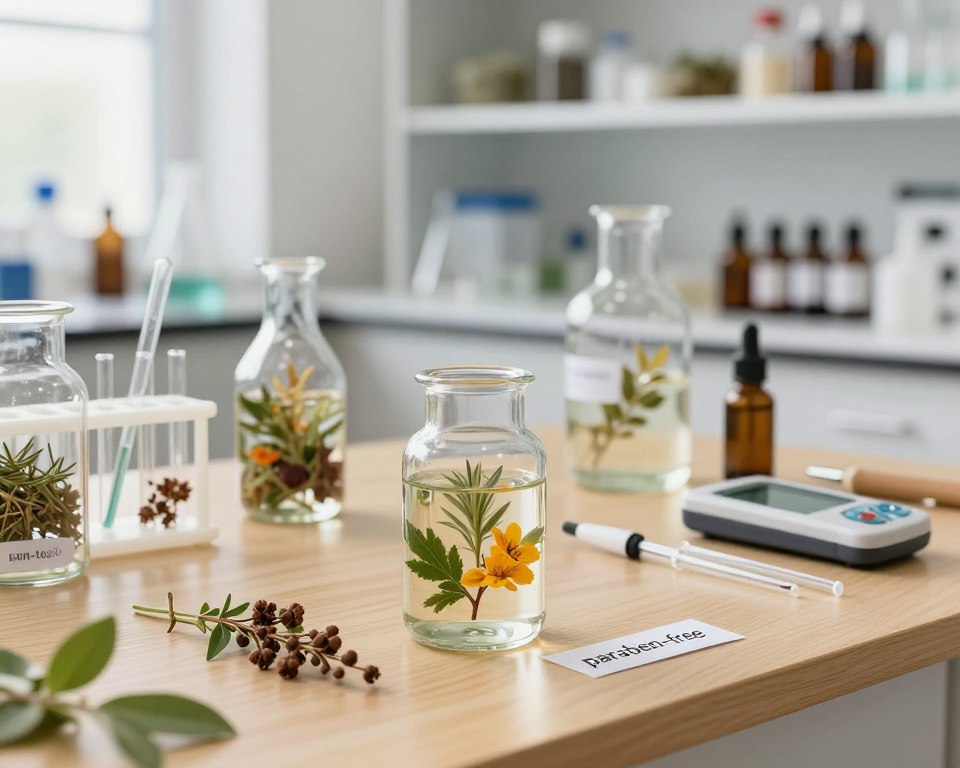
Choosing the right safe preservatives for cosmetics means knowing about chemical stability and fighting microbes. The shift away from old preservatives requires careful testing. This ensures new ingredients work well without causing skin problems.
Phenoxyethanol and Its Place in Modern Formulations
Phenoxyethanol is now a top pick for many brands looking for a safer option. It’s a glycol ether that fights off many types of bacteria. Its ability to work well across different pH levels makes it versatile for complex formulas.
It’s seen as a safe preservative for cosmetics, but it’s often mixed with other ingredients. This mix helps keep product protection high while using less of the preservative. Even so, people with certain sensitivities might want to test it first.
Organic Acids as Viable Alternatives
Organic acids like sorbic acid and benzoic acid are becoming more popular in clean beauty. They’re found in nature and create a gentle yet effective barrier against microbes. They’re great for products that want to be more natural.
The main issue with organic acids is they need an acidic environment to work. When used right, they’re excellent safe preservatives for cosmetics. They meet the need for non-toxic personal care without using harsh chemicals.
The Efficacy of Natural Preservatives for Cosmetics
The beauty world is moving towards cleaner products. But, finding natural preservatives for cosmetics is a big challenge. People want safe preservatives for cosmetics that fit their healthy lifestyle. Yet, it’s hard to replace synthetic preservatives without knowing a lot about germs and how to mix ingredients.
Essential Oils and Their Limitations
Tea tree and rosemary oils have good germ-fighting powers. But, they don’t work well in water-based products. They need a lot to be effective, which can irritate the skin.
Also, these oils can spoil fast when exposed to light or heat. They don’t keep products safe from mold, yeast, and bacteria for a long time. Using only these oils can make a product prone to contamination.
The Role of Antioxidants in Product Stability
Antioxidants like Vitamin E and ascorbic acid help keep products fresh. They stop oils from going bad and protect other ingredients from degrading. But, antioxidants are not preservatives in the usual sense.
They don’t kill germs or stop them from growing. A good product needs antioxidants for shelf-life and strong germ-fighting agents. Finding the right mix is key to making a safe and effective cosmetic.
| Ingredient Type | Primary Function | Microbial Protection | Stability Impact |
|---|---|---|---|
| Essential Oils | Fragrance/Antimicrobial | Limited/Weak | Low |
| Antioxidants | Oxidation Prevention | None | High |
| Synthetic Preservatives | Microbial Control | High/Broad-Spectrum | High |
Debunking Myths About Organic Skincare Without Preservatives
It’s important to understand why products need preservatives, even in organic skincare without preservatives. Some people think removing synthetic additives makes a product safer or more effective. But, they often forget that products need preservatives to stay safe and effective.
The Danger of Microbial Growth in Unpreserved Products
Water-based cosmetics are perfect for bacteria, mold, and yeast to grow. Without preservatives, these microorganisms can quickly spread in the container. Contamination might not be visible, so a product can look clean but still be dangerous.
Using such products on sensitive skin can cause serious infections. Without preservatives, a skincare bottle becomes a breeding ground for bacteria. This is a big risk, even more so in humid places like bathrooms.
Why “Preservative-Free” Can Be Misleading
The term “preservative-free” is often used to attract customers, not to ensure safety. Some brands use other ingredients that act as preservatives but don’t call them that. This can trick customers into thinking they’re avoiding all chemicals when they’re not.
True organic skincare without preservatives usually doesn’t last long. If a product claims to last a long time without preservatives, it might have hidden additives. The best way to know if a product is safe is to check the labels carefully.
| Feature | Preserved Products | Unpreserved Products |
|---|---|---|
| Microbial Safety | High (Controlled) | Low (High Risk) |
| Shelf Life | 12–24 Months | 1–2 Weeks |
| Storage Needs | Room Temperature | Refrigerated |
| Risk of Infection | Minimal | Significant |
Cosmetic Preservatives to Avoid for Sensitive Skin
For those with reactive skin, finding out what irritates it is key. Many harmful chemicals in cosmetics help products last longer but can harm sensitive skin. Knowing what these chemicals are helps protect your skin from irritation.
Identifying Triggers for Eczema and Rosacea
Skin conditions like eczema and rosacea make skin more open to harm. Certain preservatives can cause redness, itching, or burning. When skin is already weak, these chemicals can get in deeper and cause more problems.
Even a little bit of these chemicals can be very uncomfortable. Reading labels carefully helps you avoid products with harsh chemicals. Choosing gentler products can help prevent skin problems.
Patch Testing and Personal Sensitivity
Always do a patch test before using a new product. Put a small amount on your inner forearm or behind your ear and wait 48 hours. This test shows if your skin reacts badly to certain cosmetic preservatives to avoid.
Everyone’s skin reacts differently. What works for one person might not work for another. If you get a bad reaction, stop using it and talk to a dermatologist. Keeping a list of what irritates you can help you make better choices.
| Preservative Type | Common Skin Reaction | Risk Level |
|---|---|---|
| Formaldehyde Releasers | Contact Dermatitis | High |
| Methylisothiazolinone | Severe Redness/Itching | High |
| Parabens | Mild Irritation | Moderate |
| Phenoxyethanol | Occasional Sensitivity | Low to Moderate |
Advocating for Transparency in the Beauty Industry
To ensure cosmetic ingredient safety, we need a big change. This change is about being open and making smart choices. Slowly, rules are getting better, but we all have a big role to play. By asking for clear information, we can help make beauty products safer and better for our planet.
The Importance of Full Ingredient Disclosure
Knowing what’s in our beauty products is key. When companies don’t tell us, it’s hard to make safe choices. Being open about ingredients lets us spot things that might harm us.
Also, being honest builds trust. When a brand shows us every chemical, it shows they care about our safety. This is crucial for people with sensitive skin or health issues.
Supporting Brands That Prioritize Consumer Health
By choosing what we buy, we can make a big difference. When we pick safe products, we tell companies to focus on health too. This encourages them to make better, cleaner products.
Here’s a table showing the difference between brands that are open and those that aren’t:
| Feature | Transparent Brands | Opaque Brands |
|---|---|---|
| Ingredient Labeling | Full, plain-language disclosure | Hidden or proprietary blends |
| Safety Testing | Independent, third-party verified | Internal, limited testing |
| Consumer Focus | Prioritizes long-term health | Prioritizes shelf-life and cost |
| Communication | Proactive and educational | Reactive and defensive |
The push for beauty justice aims to fix the problem of too many chemicals. By pushing for better standards, we make sure everyone expects safe products. Your choices help make a better, safer world for all.
Conclusion
Understanding cosmetic safety is key. Look closely at labels for harmful preservatives. This helps protect your health and skin.
Studies, like the scientific opinion on formaldehyde-releasing substances, show we need better labeling. This is to keep those with sensitive skin safe. We must fill in the gaps left by old standards.
Choose brands that are open about what’s in their products. Look for products with safe preservatives. Avoid ones that might cause skin problems.
Your daily routine is crucial for your health. Keep pushing for better from the beauty world. Use what you know to make safe choices. This is how you live a healthy, toxin-free life.
FAQ
What exactly are formaldehyde releasing preservative cosmetics and why are they used?
These are personal care products with chemicals that slowly release formaldehyde. They are used because they are cheap and keep bacteria and fungi away. Brands like Johnson & Johnson have removed them from baby products, but they’re still common in many items.
Which specific cosmetic preservatives to avoid if I have sensitive skin?
If you have sensitive skin, watch out for Quaternium-15, DMDM hydantoin, Imidazolidinyl urea, and Diazolidinyl urea. These can cause allergic reactions. Even small amounts can irritate the skin over time.
Are there any safe preservatives for cosmetics that do not release formaldehyde?
Yes, there are safer options like Phenoxyethanol, Ethylhexylglycerin, and organic acids. They protect against bacteria without the dangers of formaldehyde.
How can I verify the cosmetic ingredient safety of my current beauty routine?
Check your products against databases like the Environmental Working Group’s (EWG) Skin Deep. The Think Dirty app also offers safety ratings. These tools help you understand what’s in your products.
Can natural preservatives for cosmetics provide the same level of protection as synthetics?
Natural ingredients like essential oils and antioxidants have some protection. But they’re not enough for products with a lot of water. For better safety, “hybrid” systems with safe synthetics are often used.
Why is organic skincare without preservatives potentially dangerous?
“Preservative-free” products can be risky. Without protection, they can grow harmful bacteria. This is a bigger risk than safe preservatives.
What are the other harmful chemicals in cosmetics I should look for alongside formaldehyde donors?
Watch out for phthalates, parabens, and sulfates too. These are often in products and can harm your health over time.
How can I be sure a product is truly part of the movement toward formaldehyde free cosmetics?
Don’t just look at labels. Check the ingredient list for formaldehyde releasers. Choose brands with a “never list” for easier choices.
Does the FDA regulate these chemicals in the same way the European Union does?
No, there’s a big difference. The EU bans many chemicals, but the FDA doesn’t. This means you need to educate yourself and ask for full ingredient lists.