Did you know that nearly 30 million tons of a specific mineral were used in United States construction projects throughout the 20th century? This material was once prized for its fire resistance and durability. It was a staple in residential building products. Today, many property owners face an asbestos concern in older homes because these legacy materials remain hidden behind walls and under floors.
Understanding the physical nature of this mineral is vital for anyone planning a renovation. While these fibers are generally safe when left undisturbed, they pose significant health risks if they become airborne during demolition or repair. You can learn more about when you should worry about potential by reviewing professional safety guidelines. Knowledge is your best defense when managing the safety of your living environment.
Key Takeaways
- Asbestos is a naturally occurring mineral fiber historically used in insulation, flooring, and ceiling materials.
- The primary health risk occurs when fibers are released into the air and inhaled during home renovations.
- Materials containing these fibers are generally safe if they remain intact and undisturbed.
- Homes constructed before 1990 are statistically more likely to contain these legacy building products.
- Always consult a professional to test suspicious materials before beginning any demolition or sanding projects.
Defining Asbestos: The Mineral Reality
To understand the risks in older homes, we must first know about asbestos. Asbestos is not one thing but a group of six silicate minerals. These minerals have long, thin, and flexible fibers that form in certain rocks.
The Geological Origins and Industrial Appeal
These fibers are mined from the earth, formed by the alteration of rock under intense heat and pressure. Their unique heat resistance makes them nearly unmatched by other natural materials. This quality made them highly sought after for industrial use in the 20th century.
These minerals also have great chemical stability and electrical insulation. Manufacturers saw the benefits of adding these fibers to products. This led to their widespread use in many industries, including cars, boats, and homes.
Why Its Physical Properties Made It a Construction Staple
Asbestos was widely used in construction because of its durability and strength. It could be woven into fabrics, mixed into cement, or sprayed onto surfaces. Builders liked it because it was cheap, fireproof, and prevented decay.
While it offered many benefits for buildings, it also poses health risks today. The stability of asbestos means it doesn’t break down easily. When disturbed, the tiny fibers can become airborne, risking the health of those nearby.
| Mineral Type | Common Color | Primary Use | Key Characteristic |
|---|---|---|---|
| Chrysotile | White | Roofing/Flooring | Flexible fibers |
| Amosite | Brown | Pipe insulation | High heat resistance |
| Crocidolite | Blue | Spray-on coatings | Acid resistance |
The Historical Context of Asbestos in US Construction
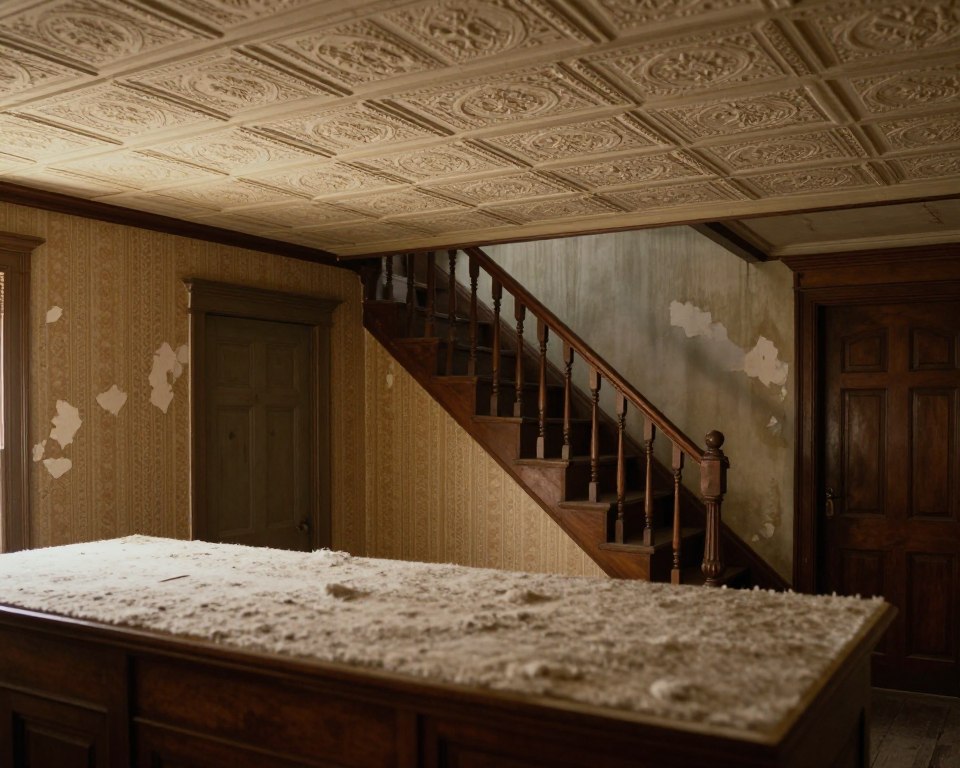
The American housing market grew fast after World War II. This changed how we build homes. Asbestos became key in construction because it’s durable and fire-resistant. It was used in many products, seen as a safety miracle.
The Post-War Building Boom and Asbestos Integration
After the war, there was a need for quick, affordable, and safe housing. Asbestos was chosen for insulating pipes, floor tiles, and roofing. It was cheap and easy to find, so it was used everywhere in residential architecture.
Millions of homes built from 1945 to 1975 have asbestos. These materials were good at the time but now need upkeep. Knowing this history helps understand the risks in your home.
Timeline of Asbestos Usage in American Residential Architecture
The use of asbestos in the US peaked in the mid-20th century. The EPA started limiting asbestos use in 1973. By 1980, many building materials without asbestos were being used instead.
If your home was built before 1980, it might have asbestos. The table below helps you understand the risk based on your home’s age.
| Construction Era | Asbestos Prevalence | Primary Risk Areas |
|---|---|---|
| Pre-1950 | High | Pipe insulation, boiler wraps |
| 1950–1975 | Very High | Floor tiles, siding, ceiling textures |
| 1976–1985 | Moderate | Adhesives, roofing, joint compounds |
| Post-1985 | Low | Rare, mostly legacy stock |
Why Asbestos Concern Older Homes Remains a Critical Issue
Understanding asbestos concern older homes is key. It’s not just about renovations. The real issue is how materials degrade over time.
The presence of asbestos isn’t the only risk. The physical condition of the material matters a lot. As materials age, they can break down, releasing harmful fibers.
The Persistence of Legacy Materials
Many old homes still have asbestos. It was used for its durability and insulation. These materials are often hidden behind walls or under floors.
This persistence of legacy materials poses a risk. Homeowners may unknowingly live near hazardous substances. The asbestos concern older homes face is ongoing for many.
Why Aging Infrastructure Increases Fiber Release Risks
Materials become hazardous as they age. Friability is a key factor. When materials break down, they release toxic fibers.
Even small damage can lead to big problems. This is why knowing about residential asbestos exposure is crucial. It helps spot risks early.
Regular maintenance is vital. It can prevent even undisturbed materials from becoming hazardous. Spotting signs of decay is a critical step in keeping homes safe.
Identifying Common Asbestos-Containing Materials
Knowing what asbestos-containing materials look like is key to keeping older homes safe. Asbestos was used because it’s good at resisting heat and lasting long. It was in many home products back in the 20th century.
Just looking at something isn’t enough to tell if it has asbestos. Many things that don’t have asbestos look the same as those that do. So, the only sure way to know is through laboratory confirmation.
Insulation and Pipe Lagging
Asbestos is often found in insulation systems in older homes. Pipe lagging, a white or off-white wrap, was used to keep pipes warm. It’s a common place to find asbestos.
There are other insulation risks to watch out for:
- Vermiculite insulation: This pebble-like material in attics might have asbestos fibers.
- Block insulation: It’s used around boilers and furnaces to stop heat loss.
- Spray-applied insulation: This is on structural steel or ceilings for fire protection.
Vinyl Flooring and Mastic Adhesives
Asbestos was added to vinyl floor tiles and the black mastic adhesive. These were chosen for their toughness and low cost during the 1950s and 60s.
“The danger arises when these materials become brittle or damaged, as the mechanical disturbance of the adhesive or tile can release microscopic fibers into the air.”
If you’re planning to renovate, think about the flooring before the 1980s. It might have asbestos. Always get it tested before sanding or scraping.
Roofing Shingles and Siding Materials
Asbestos was also in exterior materials to make them last longer and be safer. Cement-based roofing shingles and siding panels often had a lot of asbestos.
These materials are usually okay if they’re not damaged. But, if they crack or get weathered, they can release fibers. Always get a pro before fixing or removing siding or roofing on an old home.
The Hidden Dangers of Asbestos Exposure Risks
The main danger of old construction materials is the hidden asbestos exposure risks. When these materials are disturbed, they release tiny fibers into the air. These fibers are too small to see with the naked eye.
These fibers are light and last a long time in the air. This is a big worry during home makeovers or when materials start to fall apart with age.
Understanding Inhalation and Fiber Migration
Inhalation is how these fibers get into our bodies. Once in the air, they can move through HVAC systems, crawl spaces, or wall cavities. This leads to fiber migration all over a house.
Even small actions, like drilling into a wall or taking up old floor tiles, can release these fibers. Once they settle, they can be stirred up again by simple actions like vacuuming or walking. This increases asbestos exposure risks for people living there.
Long-Term Health Consequences and Latency Periods
The harm caused by these fibers often takes a long time to show up. This latency period can last for decades. Even when there are no immediate symptoms, the body is still being damaged by the fibers.
Studies have linked long-term exposure to serious diseases like asbestosis, lung cancer, and mesothelioma. Because these diseases take so long to develop, the best way to deal with asbestos exposure risks in old homes is to prevent them early on.
“The long latency period often masks the initial exposure, making early prevention the only effective strategy for homeowners.”
Navigating Asbestos Testing Procedures

Asbestos testing is key to keeping older homes safe. These minerals hide in building materials, making visual checks not enough. Professional laboratory analysis is the only sure way to find harmful fibers and keep your home safe.
When to Seek Professional Sampling
Always get a pro when you plan to touch building materials. This includes renovations, demolitions, or even small fixes. Here are times when you should get expert sampling:
- Before removing or drilling into old floor tiles or ceiling textures.
- When insulation around pipes or boilers appears damaged or friable.
- During the due diligence phase of a real estate transaction.
- If you discover crumbling siding or roofing materials on an aging structure.
“The only way to definitively confirm the presence of asbestos is through polarized light microscopy performed by a certified laboratory. Guesswork in this area poses an unnecessary risk to your health.”
The Limitations of DIY Test Kits
DIY test kits are not recommended by safety experts. The main risk is in the sampling process itself. Trying to get a sample without the right safety can spread fibers in the air.
These kits also can’t give a full risk picture. Accredited professionals use special tools to get samples safely. They follow strict testing rules to avoid health risks from accidental exposure.
The Role of Professional Asbestos Inspection Services
Getting a professional asbestos inspection service is the best way to check for dangers in your home. Homeowners might want to look for themselves, but experts keep safety first. They have the right tools and know-how to spot risks that you can’t see.
What to Expect During a Comprehensive Home Survey
A pro survey starts with a detailed walk-through to find asbestos. They look for damaged insulation, old floor tiles, and worn-out pipe lagging. They use careful asbestos testing procedures to take samples without spreading fibers.
Make sure your inspector has an EPA AHERA certification. This shows they’ve had the right training on asbestos. Choosing a certified pro means your survey will meet safety rules.
Interpreting Inspection Reports and Risk Assessments
After lab tests, you get a detailed report. It shows where asbestos is and its condition. Condition assessment is key to know if it’s safe or not.
The report sorts materials by how easily they crumble and release fibers. This helps plan how to handle them. If it shows high-risk areas, you need to act fast to avoid accidents.
| Feature | DIY Testing | Professional Inspection |
|---|---|---|
| Accuracy | Low | High |
| Safety Protocols | Minimal | Strict/Regulated |
| Certification | None | EPA AHERA Certified |
| Risk Mitigation | None | Comprehensive Strategy |
Understanding Asbestos Removal Regulations in the United States
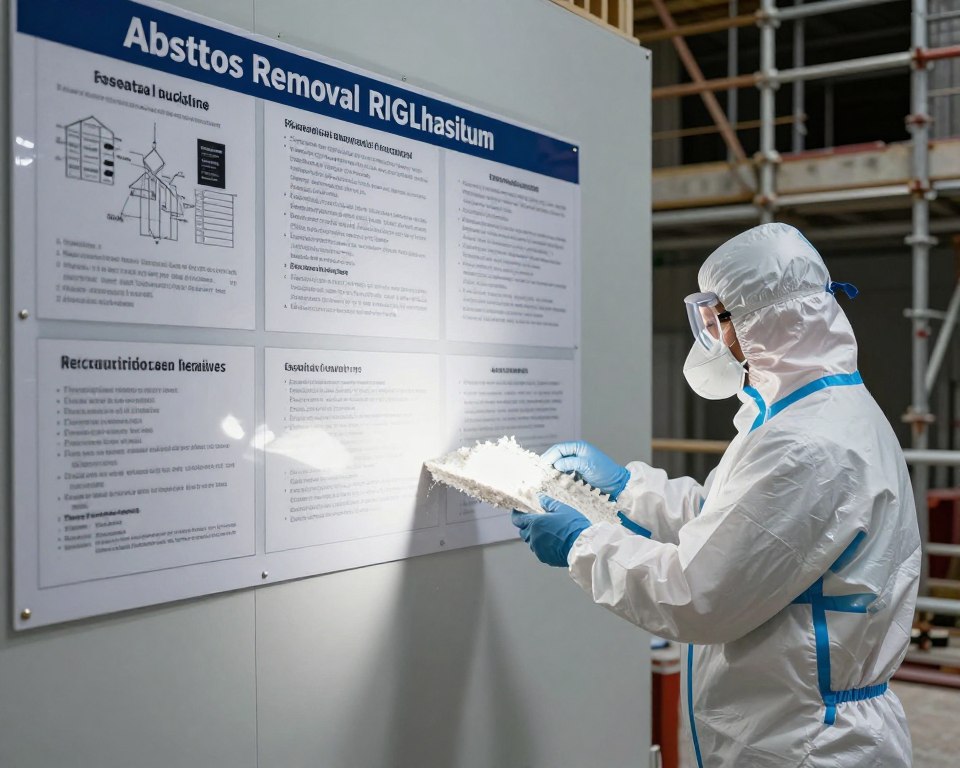
Knowing the laws about asbestos removal regulations is key to keeping you safe and saving money. These rules stop harmful fibers from spreading in the air when homes are fixed up. Trying to do it yourself is risky and can cause big legal and money problems.
Federal Oversight and EPA Guidelines
The Environmental Protection Agency (EPA) sets the safety standards at the national level. The Clean Air Act’s National Emission Standards for Hazardous Air Pollutants (NESHAP) is the main rule. It tells how to handle, move, and throw away materials safely.
Federal asbestos removal regulations say that any place being fixed up must be checked first. If harmful stuff is found, special steps must be taken to clean it up. These rules help make sure workers do their job right.
State and Local Compliance Requirements
Even though federal laws are in place, states can make their own rules. Many states need contractors to have special licenses before they can work on removing asbestos. Homeowners should check that their contractors meet these rules.
Local building offices might need permits for projects that mess with building materials. Not getting these permits can lead to big fines and trouble when you try to sell your house. Following these asbestos removal regulations keeps your place safe and legal.
| Regulatory Level | Primary Focus | Key Responsibility |
|---|---|---|
| Federal (EPA) | Air quality and NESHAP standards | Setting national safety benchmarks |
| State Agencies | Licensing and disposal protocols | Enforcing local compliance |
| Local Municipalities | Permits and building codes | Monitoring specific project sites |
Evaluating Asbestos Abatement Options
When tests show your home has harmful fibers, you need to pick a removal plan. Choosing the right way to handle it is key. It must be safe, affordable, and keep your home in good shape. You should talk to certified experts to make sure you’re following the latest safety rules.
Encapsulation Versus Full Removal
Encapsulation seals the fibers with a special treatment, keeping them from spreading. It’s a cost-effective and less messy option. It works best for materials that are in good shape and won’t get damaged easily.
Full removal means taking out the asbestos completely. It’s a more thorough fix but can be riskier. Professional containment is crucial to keep the area safe during this process.
Determining the Best Strategy for Your Property
The choice between these methods depends on where and what shape the asbestos is in. If it’s in a busy area or looks worn out, removing it is best. But if it’s hidden away, sealing it might be safer.
Think about your future plans for your home too. If you’re planning big changes, removing the asbestos now is wise. Make sure your contractor follows all asbestos removal regulations to keep your home safe and legal.
Essential Older Home Safety Precautions for Residents
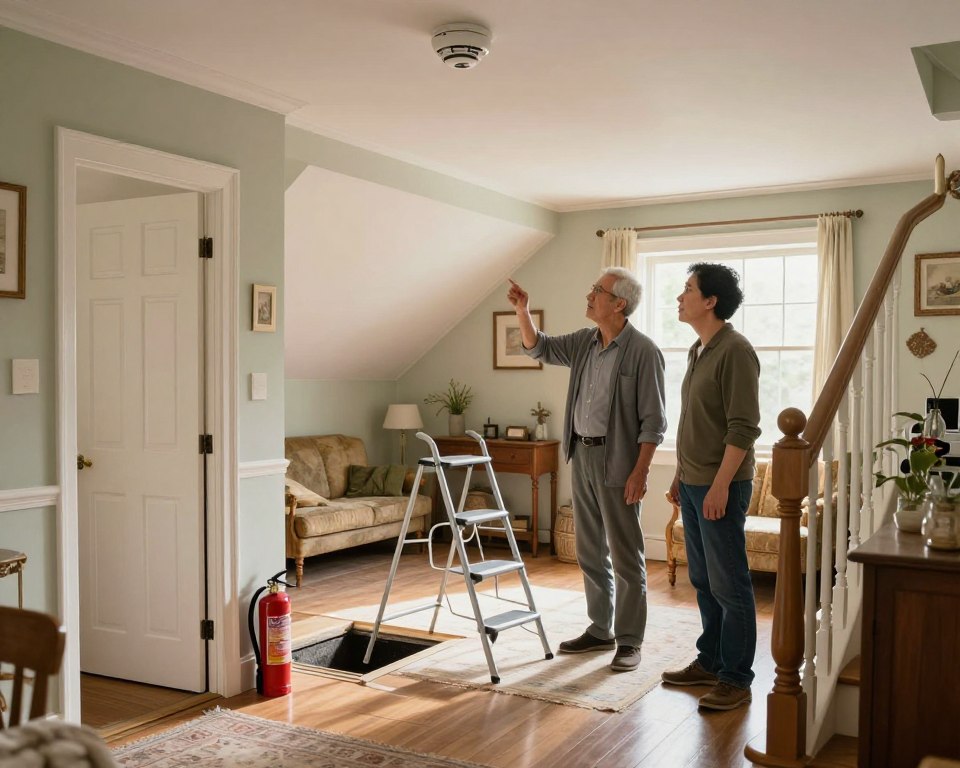
If you live in a home built before the 1980s, knowing how to handle potential dangers is key. Taking older home safety precautions is the best way to lower asbestos exposure risks. By being informed and careful, you can keep your family’s living space healthy.
Managing Damaged Materials Before Professional Help Arrives
If you find crumbling insulation, damaged floor tiles, or deteriorating pipe wrap, your main goal is to avoid touching it. Don’t use a regular vacuum to clean up debris, as it can spread fibers into the air. Instead, seal off the room right away to keep family members or pets out.
Use heavy-duty plastic sheeting to cover damaged areas and secure it with duct tape if it’s shedding. This temporary cover helps keep fibers in place until a certified expert can check it. Always choose professional help over trying to fix it yourself when dealing with suspected hazardous materials.
Preventing Fiber Disturbance During Routine Maintenance
When doing routine repairs like drilling, sanding, or cutting into walls and ceilings, be careful. In older homes, these actions can release fibers if the materials contain harmful minerals. Before starting any repair, make sure you know what materials you’re working with.
Take a “look before you leap” approach by checking professional records or getting an inspector to test materials. If you need to clean surfaces, use wet methods like damp cloths or mops to trap dust instead of dry sweeping. These easy older home safety precautions greatly reduce the chance of accidentally inhaling fibers.
| Action | Recommended Practice | Risk Level |
|---|---|---|
| Cleaning Dust | Use wet cloths or HEPA vacuums | Low |
| Renovations | Professional testing before drilling | Low |
| Damaged Insulation | Seal off area and call experts | Very Low |
| Dry Sweeping | Avoid entirely | High |
The Psychological and Financial Burden of Asbestos Discovery
When asbestos is found, it’s important to stay calm and methodical. The first step is to focus on evidence-based solutions. This helps reduce anxiety and ensures safety.
By following professional advice, homeowners can handle these challenges well. They don’t have to feel overwhelmed.
Navigating Real Estate Transactions and Disclosure Laws
In the U.S., real estate disclosure laws require sellers to tell buyers about defects. This includes hazardous substances like asbestos. Not telling can lead to big legal problems and lawsuits.
Buyers should get a home inspection to find risks before buying. This way, everyone knows what they’re getting into.
Being open about asbestos helps avoid future arguments. If asbestos is found, the price might be adjusted. This makes sure everyone knows their financial part before the deal is done.
The Economic Impact of Abatement on Property Value
The cost of abatement worries many property owners. But, it’s a necessary step to keep the home’s value up. Not fixing it can lead to bigger problems and costs later.
Planning ahead helps manage these costs. Whether it’s encapsulation or full removal, the goal is to keep the home safe and valuable. Here’s a table showing the costs and effects of different strategies.
| Strategy | Cost Level | Impact on Value | Maintenance Needs |
|---|---|---|---|
| Encapsulation | Low to Moderate | Neutral | Periodic Monitoring |
| Full Removal | High | Positive | None Required |
| Partial Abatement | Moderate | Variable | Ongoing Inspection |
Debunking Common Myths About Asbestos Safety
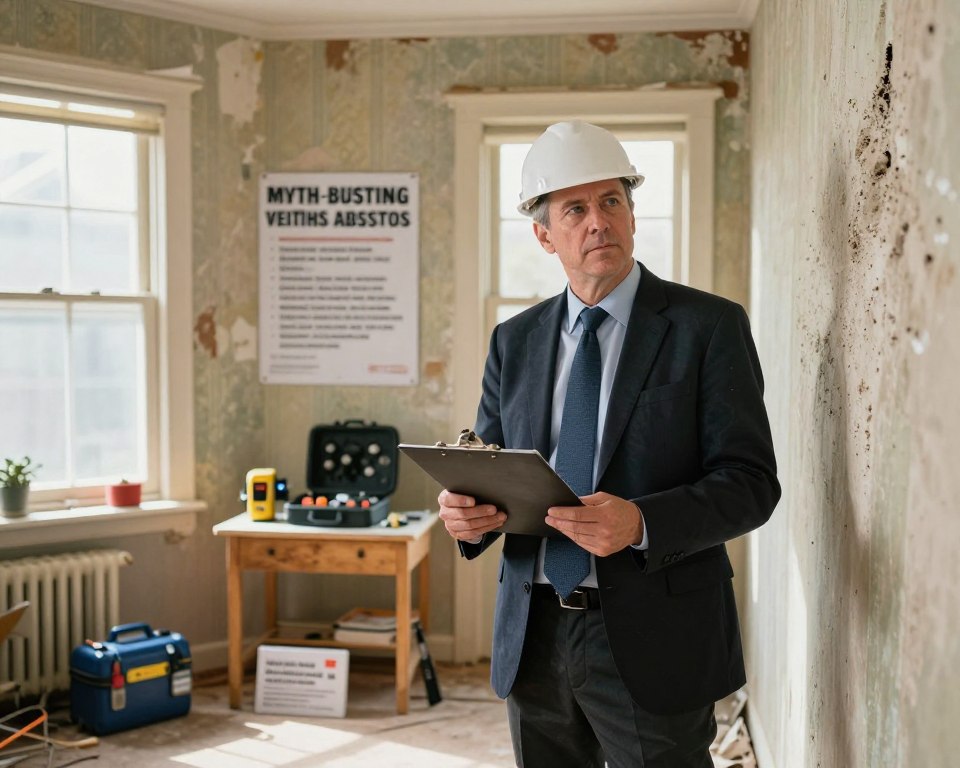
Many homeowners think older materials are safe if they look fine. But this is a big mistake. Misinformation about asbestos safety can lead to dangerous DIY projects. These projects can release harmful fibers into the air.
By looking at scientific facts, not just stories, you can keep your home safe. This way, you avoid risks to your health.
The Fallacy of “Safe” Asbestos Levels
Some think there’s a “safe” level of asbestos exposure to ignore. But health groups say there’s no safe amount. Even a little bit can harm you over time.
The problem is, asbestos stays in your lungs forever. Every time it’s disturbed, the risk of health problems grows. Always be very careful with any suspicious materials in older homes.
Why Visual Inspection Is Never Enough
Many think they can spot hazardous materials just by looking. But asbestos fibers are tiny and hidden in things like mastic or insulation. You can’t tell if it’s there just by looking.
Trying to guess what materials are based on how they look is a big mistake. Professional testing is the only sure way to find asbestos. If you think your home has it, get it tested, not just guess.
Leveraging Asbestos Awareness Resources
Keeping your home safe means having the right information. If you think there might be harmful materials, use asbestos awareness resources to help. These resources give you the tools to make smart choices about your home.
Utilizing EPA and State Health Department Databases
The Environmental Protection Agency (EPA) has online tools to teach about environmental dangers. You can look up asbestos inspection services in your area. State health departments add local rules for handling possible contamination.
These government sites give you up-to-date, reliable info. They help you figure out if a material needs quick action or just regular checks. Always choose these official sources over untrusted advice for your safety.
Connecting with Certified Abatement Professionals
After getting the right info, find certified experts. It’s crucial to pick contractors with the right licenses for dangerous materials. They can tell you about asbestos abatement options like covering or removing, based on your home’s needs.
Check a contractor’s credentials with state boards. A good professional will give you a detailed plan and follow strict safety rules. Below is a table showing the main differences between various professional services.
| Service Type | Primary Function | Key Benefit |
|---|---|---|
| Certified Inspector | Assessment and Sampling | Identifies exact material risks |
| Abatement Contractor | Removal and Containment | Ensures safe material disposal |
| Environmental Consultant | Strategy and Compliance | Provides long-term safety plans |
The Future of Asbestos Management in Aging Infrastructure
As our homes get older, managing old building materials is key for owners. We want to keep our homes’ history but also live safely. Proactive maintenance is the best way to keep our homes safe and lasting.
The Challenge of Renovating Mid-Century Homes
Renovating homes from the 1940s to the 1970s is tough because of old, dangerous materials. Even small changes can stir up hidden dangers like asbestos. It’s crucial to take older home safety precautions to avoid spreading fibers.
Renovations need a careful plan. We should look at a home’s history before making changes. This methodical approach helps find and fix dangers before they become a problem.
Advancements in Detection and Containment Technology
Technology for finding and handling dangerous materials is getting better. New tools help spot and manage risks more accurately. These advancements give us better data on the health risks of living in old homes.
There are also new ways to keep materials safe, like advanced resins. These durable barriers keep fibers from spreading, making it safer than removing them. This way, we can protect our homes without tearing them apart.
Knowing what to do is the best way to stay safe. Homeowners should check out asbestos awareness resources from government agencies. Learning more helps us make smart choices that keep us and our homes safe.
Conclusion
Managing asbestos in an older home is all about safety, expert advice, and making smart choices. You are key to keeping your home safe and healthy. Always put safety first, even if it’s hard.
Keeping your family safe from asbestos starts with knowing your limits. If you think you see asbestos, don’t touch it. Call a licensed pro to check it out before you do anything.
Knowing the facts is your best defense. Check with the Environmental Protection Agency or your state health department to make sure your contractor is legit. Smart choices protect your home and your health.
Being proactive about your home’s upkeep makes it safer for everyone. Always trust certified experts and stick to proven safety steps. With the right plan, dealing with old building materials is just part of being a responsible homeowner.
FAQ
Why is asbestos concern older homes a priority for people buying properties built before 1980?
Homes built before 1980 often have asbestos in materials like popcorn ceilings and insulation. These materials can become dangerous over time. They can release toxic fibers into the air, posing a health risk to residents.
What are the primary asbestos exposure risks associated with home renovations?
Renovations can release asbestos fibers into the air. These fibers can cause serious diseases like mesothelioma and lung cancer. Symptoms may not appear until decades after exposure.
Can I use a DIY kit for asbestos testing procedures?
DIY kits for asbestos testing are not recommended. They can disturb the material and spread fibers in your home. It’s safer to hire a professional with the right tools and lab-grade analysis.
What should I expect when hiring asbestos inspection services?
A certified inspector will check your home for asbestos. They will collect samples and give you a detailed report. The report will tell you what asbestos is found, how much, and where, along with management recommendations.
Are there federal asbestos removal regulations that homeowners must follow?
Yes, the EPA and OSHA have strict rules for asbestos removal. These rules require professionals to use HEPA filters and airtight containment. This prevents fibers from spreading.
What are the most common asbestos abatement options if I find it in my home?
You can choose to encapsulate, enclose, or remove asbestos. Encapsulation is often the best choice for materials in good condition. It’s less expensive and less invasive.
What immediate older home safety precautions should I take if I see crumbling insulation?
Stop all activity in the area and restrict access. Turn off your HVAC system to prevent fibers from spreading. Do not vacuum the debris. Contact a certified professional for testing and cleanup.
Where can I find reliable asbestos awareness resources to verify a contractor’s credentials?
Use the EPA’s official website and state health department databases. These resources help you find certified inspectors and licensed contractors. They provide accurate information for managing asbestos risks.