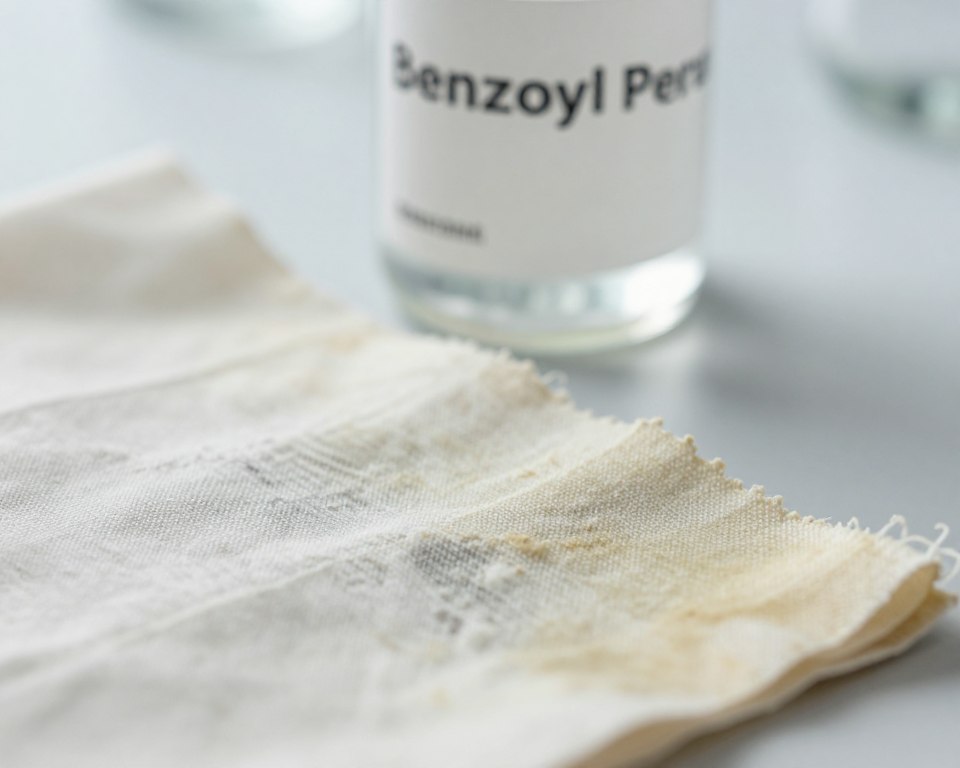
Did you know a single drop of your favorite acne treatment can ruin your towels and shirts? Many people love benzoyl peroxide for its skin-clearing power. But, it has effects beyond just your skin.
This strong ingredient adds oxygen to the skin to kill bacteria and clear pores. But, it also bleaches fabric because of this oxygen reaction. It removes color from both natural and synthetic fibers.
It’s key to know how this substance affects your clothes and skin. By learning how to use it right, you can keep your skin healthy and your clothes looking good.
Key Takeaways
- This treatment is a highly effective antimicrobial agent for acne management.
- The active ingredient functions through an oxidative process that targets bacteria.
- Accidental contact with textiles often leads to permanent color removal.
- Proper rinsing and drying protocols help minimize the risk of damage.
- Strategic product application protects your clothing and linens from exposure.
The Chemistry Behind Benzoyl Peroxide
Benzoyl peroxide is a strong oxidizing agent that fights acne-causing bacteria. It works well for skin health but can react with fabrics. This reaction can cause clothes or linens to bleach.
Understanding Free Radical Oxidation
The main way benzoyl peroxide works is through free radical oxidation. When it hits the skin, it breaks down and releases oxygen radicals. These radicals are unstable and try to balance themselves by taking electrons from other molecules.
This action is great at killing Cutibacterium acnes, the bacteria that causes acne. But, these radicals are too aggressive. They don’t care if they’re attacking bacteria or the dyes in fabrics. When they hit clothes, they change the color molecules, making them lose their color. This results in a permanent white or orange stain.
Why Benzoyl Peroxide Differs from Traditional Bleach
Many people think benzoyl peroxide works like household bleach. But, it doesn’t. Bleach uses hypochlorite to get rid of stains. Benzoyl peroxide uses a peroxide-based oxidation process.
Here are some key differences:
- Mechanism of Action: Benzoyl peroxide uses free radicals to break molecular bonds. Bleach uses oxidation from hypochlorite ions.
- Stability: Benzoyl peroxide stays stable in creams or gels until it hits the skin. Bleach is very volatile.
- Targeting: Acne medication is made for skin, not fabrics. So, its reaction with clothes is an unintended side effect.
Knowing these differences is important for protecting your clothes. The bleaching effect is part of the molecule’s structure. It can’t be stopped once it starts on fabric. This knowledge helps you be more careful with your skincare routine.
The Science of Why Benzoyl Peroxide Bleach Fabric
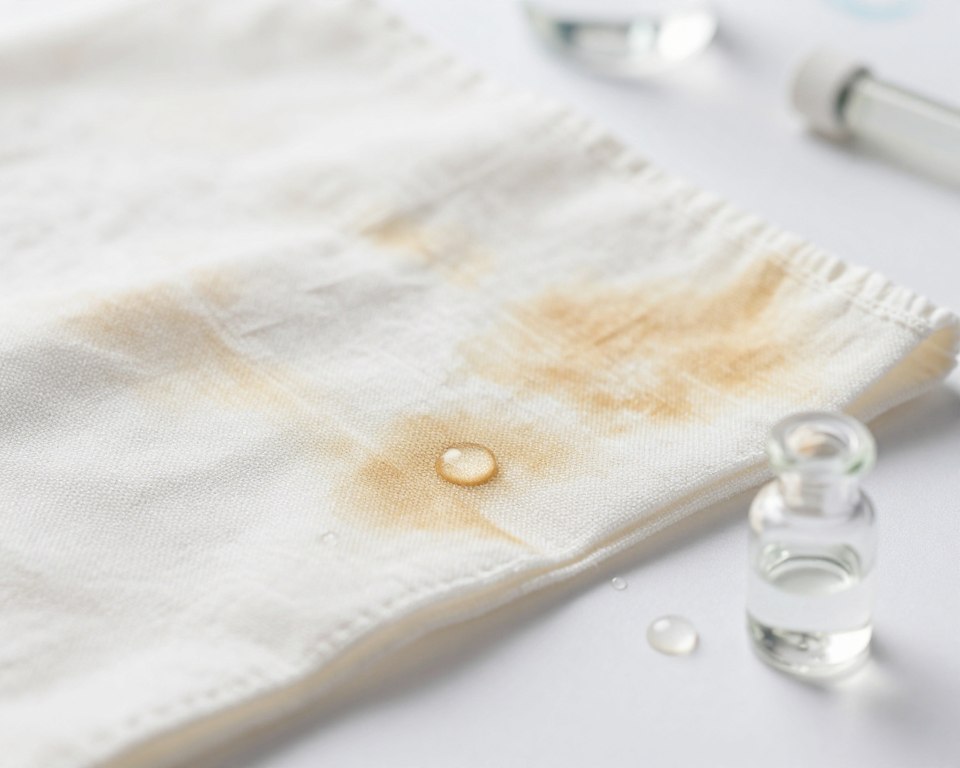
Textile discoloration often starts before you see a stain on your shirt. Even after washing, some active ingredients can stay on your skin. When these residues meet your clothes, they start a chemical reaction that can change the fabric’s look forever.
Many people face this problem when using skin care products that bleach clothes and. Knowing how it works helps you manage your daily life better.
Interaction with Textile Dyes
The active agent in these products is a strong oxidizer. It attacks the chromophores in the dye when it touches fabric. This breaks the chemical bonds, removing the color from the fibers.
This effect isn’t just for cheap dyes; it can happen with high-quality ones too. Once the dye’s molecular structure is changed, the damage is usually permanent. The fabric doesn’t just get dirty; it undergoes a permanent chemical transformation.
The Role of Moisture and Heat in Discoloration
Environmental factors make benzoyl peroxide bleach fabric happen faster. Moisture, like sweat or water from a shower, helps the chemical go deeper into the fibers. This makes the damage worse.
Body heat also speeds up the reaction, making stains happen quicker. Wearing clothes right after using a treatment means warmth and skin contact create the perfect conditions for staining. The table below shows the main factors that affect how bad these chemical reactions are.
| Factor | Impact on Staining | Risk Level |
|---|---|---|
| Moisture | Increases chemical absorption | High |
| Body Heat | Accelerates oxidation rate | Moderate |
| Dye Type | Determines color stability | Variable |
| Contact Time | Allows deeper fiber penetration | High |
Knowing these triggers helps you protect your clothes. Consistency in your skincare routine doesn’t have to harm your wardrobe if you manage these factors well.
Common Fabrics Most Susceptible to Damage
Not all fabrics react the same when they meet acne-fighting agents. Some stay strong, while others can get permanently benzoyl peroxide clothing discoloration. Knowing which fabrics are more at risk helps you choose wisely for your skincare routine.
Natural Fibers vs. Synthetic Blends
Natural fibers like cotton and linen are very sensitive to chemicals. Their porous nature lets treatments soak in deep, affecting the fabric’s dyes. This can cause permanent damage.
Synthetic blends, like polyester or nylon, are less likely to be damaged. But, they’re not completely safe. The FDA warns that even hair can lighten permanently if it touches these products. This shows how strong the chemical is on different materials.
“The oxidative power of benzoyl peroxide is indiscriminate; it targets the chromophores in dyes regardless of whether the fiber is natural or synthetic, though the speed of degradation varies significantly.”
Why Dark-Colored Garments Show Stains First
Dark-colored clothes are most likely to get damaged by benzoyl peroxide bleach fabric. The contrast between the original color and the bleached area is very noticeable. In lighter fabrics, the change might be less obvious.
The table below shows how different fabrics react to these skincare products:
| Fabric Type | Risk Level | Reaction Speed |
|---|---|---|
| 100% Cotton | High | Rapid |
| Linen | High | Rapid |
| Polyester Blend | Moderate | Slow |
| Silk/Wool | Extreme | Immediate |
Protecting your clothes is key to keeping them looking good. Knowing which items are at risk of benzoyl peroxide bleach fabric damage helps you take care of your wardrobe without losing your style.
Identifying Benzoyl Peroxide Clothing Discoloration
Keeping your clothes looking good while fighting acne is key. Identifying benzoyl peroxide clothing discoloration early helps save your favorite clothes.
When benzoyl peroxide meets fabric, it starts a chemical change. This change can’t be undone and changes the dye’s structure. You might not see the damage until you wash the clothes.
Visual Characteristics of Chemical Stains
The first sign of damage is irregular, lightened patches. These spots can look orange, yellow, or pale white, depending on the fabric’s color.
These stains don’t go away with regular laundry products. If a spot doesn’t change after washing, it’s likely from the chemical.
Distinguishing Between Bleach and Acne Medication Damage
It’s easy to mix up damage from acne meds with bleach. But they look different. Bleach makes a big, white stain on a lot of fabric.
Benzoyl peroxide clothing discoloration shows up in small spots where the product touched the skin. These stains might feel different to the touch because the chemical changes the fabric’s texture.
Telling these stains apart is important for taking care of your clothes. While some stains can be removed, damage from acne meds can’t. Knowing the difference saves you from using harsh cleaners on damaged clothes.
Practical Tips for Benzoyl Peroxide Fabric Treatment
When you see a spill on your clothes, act fast. Benzoyl peroxide can bleach fabrics. Quick action can stop the stain from setting in.
Immediate Actions After Accidental Contact
Act quickly if your skincare product gets on your clothes. Follow these steps to avoid lasting stains:
- Blot, do not rub: Use a clean, dry cloth to gently lift any excess product from the fabric surface. Rubbing will only push the chemical deeper into the weave.
- Flush with cold water: Immediately rinse the affected area under cold, running water. This helps to dilute the concentration of the medication before it reacts with the dye.
- Apply a mild detergent: Once the area is flushed, apply a small amount of liquid laundry detergent directly to the spot. Gently work it in to help break down the chemical residue.
The Importance of Thorough Rinsing
Preventing benzoyl peroxide from reaching your clothes is key. Rinse your skin well after applying acne medication. This reduces residue that can transfer to fabrics.
Waiting a few minutes for the medication to absorb can help. Dry skin means less chance of stains. Good hygiene protects your clothes.
Effective Benzoyl Peroxide Fabric Cleaning Methods
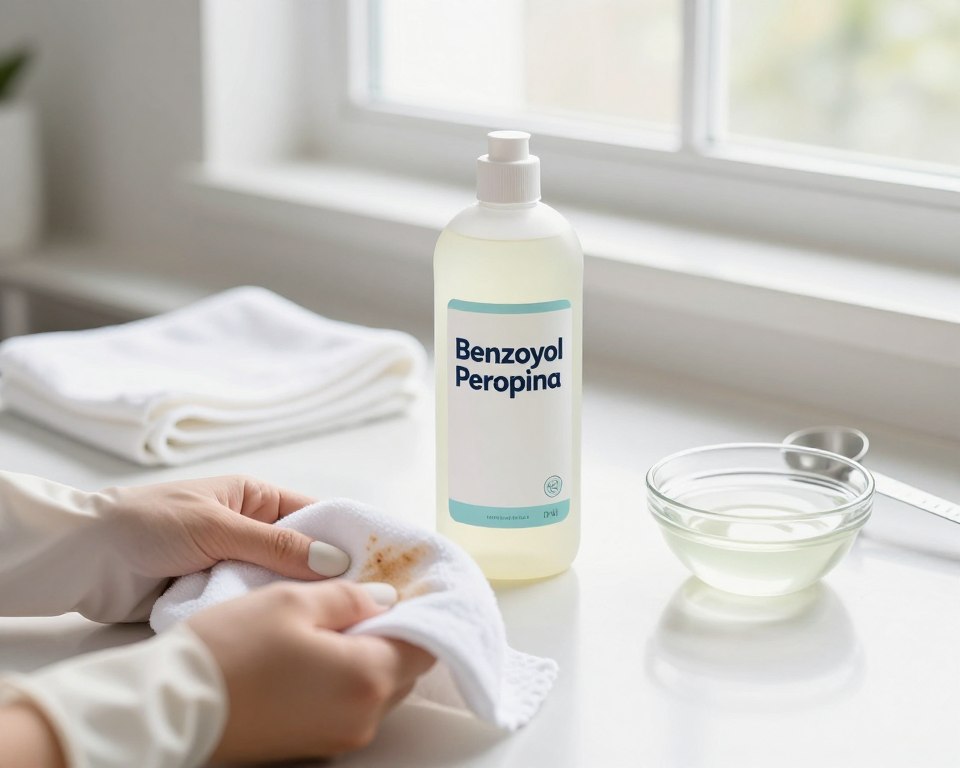
When skincare products spill on clothes, it’s a tough stain to remove. The active ingredient in these products acts like a bleach. This makes it hard for regular laundry detergent to get rid of the stain. Quick action is key to benzoyl peroxide fabric stain removal.
Pre-treatment Strategies for Fresh Stains
Act fast if you see the stain right away. Start by rinsing the area with cold water. This helps remove as much of the product as possible.
Next, apply a bit of laundry detergent to the stain. Use a soft brush or your fingers to work it in. Let it sit for 15 minutes before washing in hot water.
Can Older Stains Be Reversed?
Be realistic about benzoyl peroxide fabric cleaning. Once the stain oxidizes, the dye in your clothes can’t be undone. It’s not just a surface stain; it’s a change in the fabric’s color molecules.
Some light stains might fade with washing, but deep stains are usually gone for good. Harsh treatments can damage your clothes more. Here’s what you can expect based on the stain’s age.
| Stain Age | Likelihood of Removal | Recommended Action |
|---|---|---|
| Fresh (Under 1 hour) | High | Immediate cold water rinse and detergent soak. |
| Recent (1-24 hours) | Moderate | Pre-treat with enzyme-based cleaner and wash. |
| Set-in (Over 24 hours) | Low | Professional assessment or accept as permanent. |
Preventative Measures for Your Wardrobe
Planning ahead is key to keeping your skin clear and your clothes clean. By following some benzoyl peroxide laundry tips, you can avoid accidental bleaching. These steps help reduce the chance of your clothes getting damaged.
Choosing the Right Fabrics for Skincare Routines
Start by picking the right fabrics for your bathroom and bedroom. Opt for white linens and towels because they won’t show stains. Even if a product transfers, white fabrics won’t change color.
If you like colored fabrics, have a set of white towels for drying your face. This way, you won’t ruin your bath sets with orange spots. Look for high-quality white cotton bedding that can handle lots of washing and chemicals.
Using Protective Barriers During Application
Physical barriers are crucial for protecting your clothes during skincare. Make sure your medication has fully absorbed into your skin before dressing. This prevents stains on your clothes.
Wear an old undershirt or a “skincare robe” while your treatment dries. This layer protects your nicer clothes from stains. These benzoyl peroxide laundry tips help keep your style intact while you take care of your health.
| Strategy | Primary Benefit | Ease of Implementation |
|---|---|---|
| Switching to White Towels | Eliminates visible stains | High |
| Using Undershirts | Protects outer clothing | Medium |
| Full Absorption Wait Time | Prevents transfer | High |
| Dedicated Skincare Robe | Total garment coverage | Medium |
The Role of Concentration in Fabric Damage
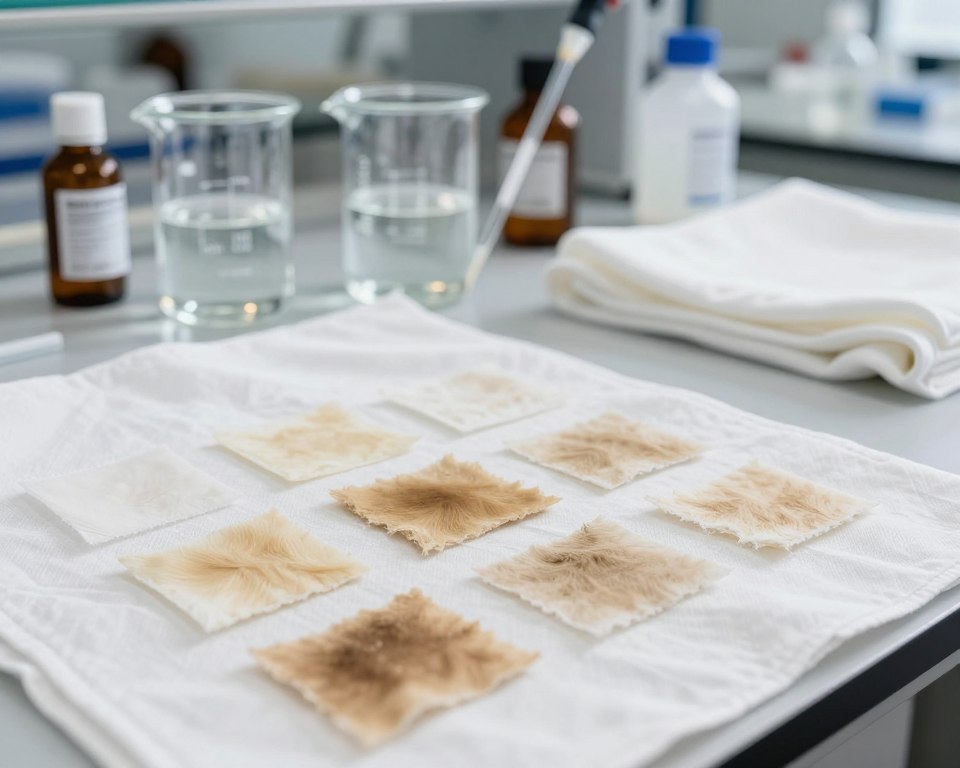
The amount of benzoyl peroxide in skincare products affects fabric color. Different percentages mean different risks for your clothes. Understanding these differences helps you care for your clothes while using skincare.
Comparing 2.5% vs. 10% Formulations
Acne treatments usually have 2.5% to 10% benzoyl peroxide. A 10% product is stronger and can quickly change fabric colors. But, a 2.5% product works well for acne and might be safer for fabrics.
Keeping benzoyl peroxide products cool and dry is key. Store them in a place under 70°F/20°C. This keeps the product stable and its strength consistent.
“The potency of a chemical agent is only one factor in its reactivity; environmental conditions and exposure duration are equally critical in determining the outcome of accidental contact.”
Does Lower Strength Mean Less Risk?
Many think a lower-strength product is safer for clothes. But, even a 2.5% product can still bleach fabrics. The chemical reaction that causes bleaching happens at any concentration.
Don’t think a lower percentage means your clothes are completely safe. A small amount of residue can still ruin colors on some fabrics. Consistency in application habits is the best way to avoid damage, no matter the product strength.
Benzoyl Peroxide Garment Care During Travel
Traveling means you need to watch your belongings more closely. Keeping your benzoyl peroxide garment care up is key, even when you’re not at home. With some planning, you can keep your skin healthy and your clothes safe without spending too much.
Managing Skincare Products in Hotel Linens
Accidents with acne meds can ruin hotel linens and cost you a lot. It’s easy to forget that skin oils can stain towels or pillowcases. Make sure your skin is dry before touching hotel fabrics to avoid stains.
If you spill something on a towel, rinse it with cold water right away. This can stop the stain from getting worse. Being quick can save you from extra fees and make your trip easier.
Packing Tips to Prevent Cross-Contamination
Storing your benzoyl peroxide clothing care items right is crucial when you’re moving around. Put your acne treatment in a sealed, leak-proof bag to avoid spills. This keeps your clothes safe from any accidents.
Use extra containers or hard cases for more protection. Always check the caps on your skincare before leaving your room. This way, your clothes stay perfect all trip long.
Alternative Acne Treatments That Do Not Bleach
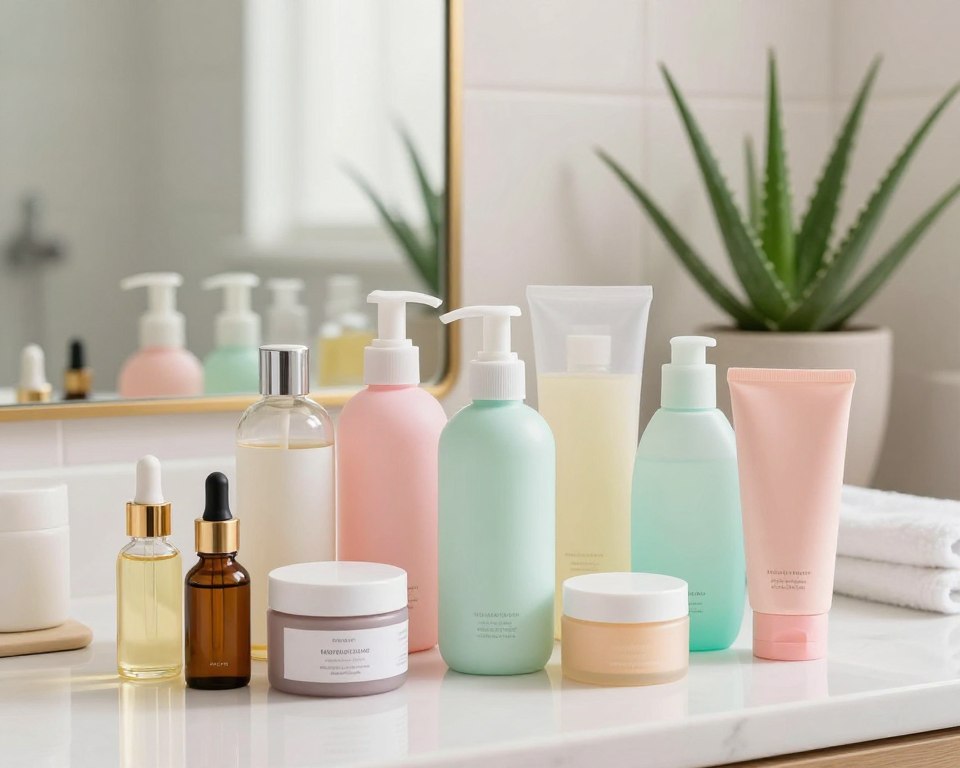
Managing acne doesn’t mean you have to lose your favorite clothes. If the risk of permanent stains is too high, consider a benzoyl peroxide bleach alternative. These options help clear your skin without harming your clothes.
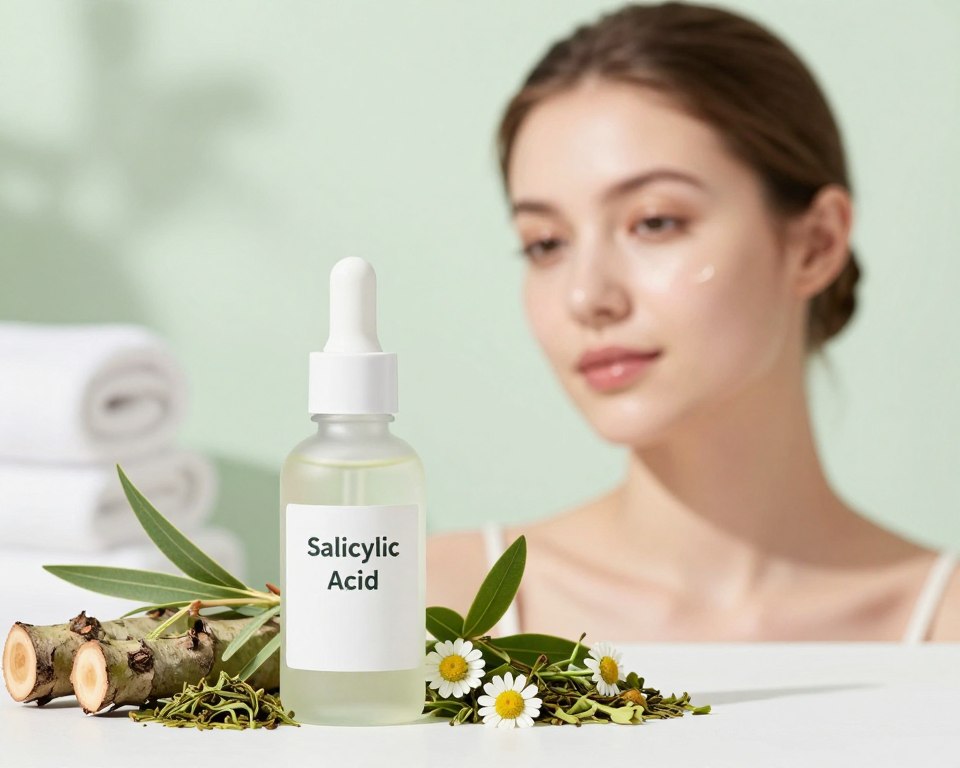
Salicylic Acid as a Non-Bleaching Option
Salicylic acid is a beta-hydroxy acid that exfoliates and unclogs pores. It doesn’t react with fabric dyes like other treatments do. It’s a highly effective choice for those who care about their skin and clothes.
It works by breaking down dead skin cells, not by bleaching. This makes it a great benzoyl peroxide bleach alternative. You can keep up with your skincare without worrying about stains on your clothes.
Adapalene and Other Retinoid Alternatives
Retinoids, like adapalene, are another safe option. They help control cell growth and prevent new acne. They are clinically proven to manage skin long-term.
Retinoids don’t bleach, so they’re safe for most fabrics. Using them means you can keep your clothes looking good while still taking care of your skin. Switching to these non-bleaching formulas helps protect your wardrobe and meets your skincare needs.
Professional Advice on Benzoyl Peroxide Clothing Care
Dealing with stains on clothes can be tricky. It’s important to know when a stain can be fixed and when it can’t. Benzoyl peroxide fabric stain removal is often not easy once the stain has set.
When to Consult a Professional Dry Cleaner
Professional dry cleaners have tools and solutions that regular people don’t. But, they can’t change the color of clothes once it’s been changed by benzoyl peroxide. If the color is gone, no cleaning can bring it back.
It’s best to see a professional if you’re not sure about the fabric or if the item is very delicate. They can check if the fabric is damaged. Getting expert guidance can prevent more harm from DIY cleaning mistakes.
Limitations of Home Remedies
Many online tips for benzoyl peroxide garment care don’t work well or can harm your clothes. Home fixes often use strong chemicals or rough scrubbing. This can damage the fabric without fixing the stain. It’s better to have realistic hopes to save time and money.
Knowing the difference between a stain and a chemical change is important for keeping your clothes in good shape. Since the damage is permanent, most DIY fixes won’t work. The best way to protect your clothes is through benzoyl peroxide clothing care and being careful with them.
| Approach | Effectiveness | Risk Level | Best For |
|---|---|---|---|
| Professional Cleaning | Low (for color) | Low | Delicate fabrics |
| Home Remedies | Very Low | High | Minor surface debris |
| Preventative Care | High | None | Long-term protection |
The Psychological Impact of Clothing Damage
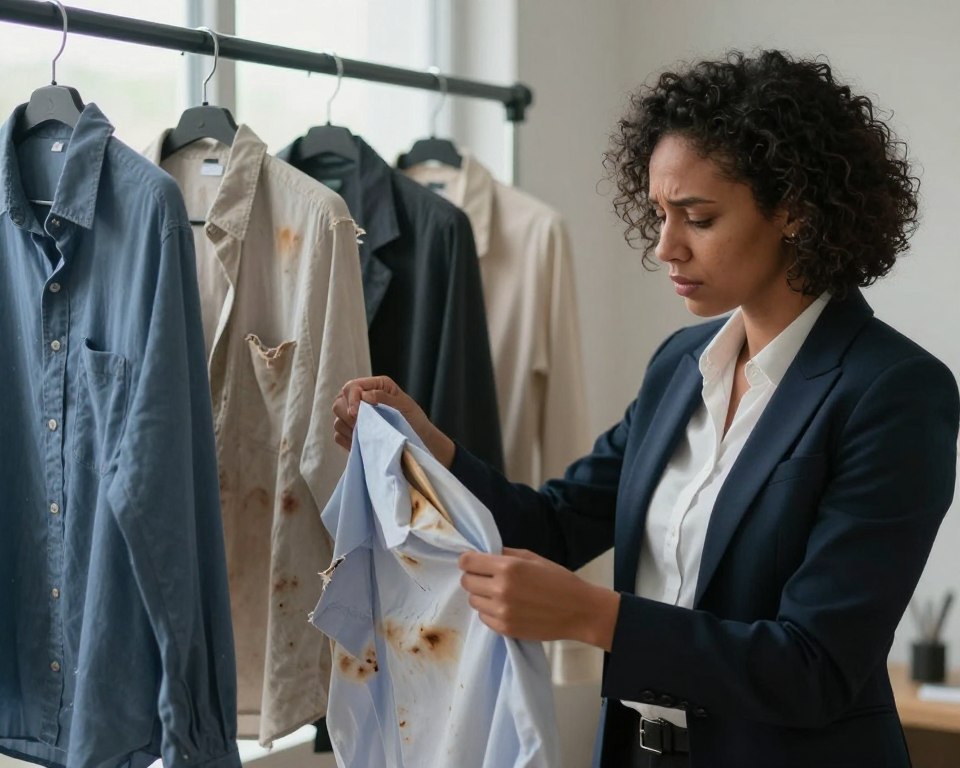
Accidental bleaching of clothes can make it hard to stick to a skincare routine. Losing favorite clothes feels like a constant tax on your style. This cycle of damage can make you feel helpless, beyond just looking in the mirror.
Balancing Skin Health with Personal Style
It’s hard to choose between clear skin and protecting your clothes. When your clothes keep getting damaged, you might wonder if it’s all worth it. Prioritizing skin health doesn’t mean you have to give up your style.
It’s all about finding a balance. Instead of seeing damage as a failure, see it as a challenge to solve. By using protective habits, you can keep up with your skincare without worrying about ruining your clothes.
Managing the Frustration of Ruined Favorites
Seeing your favorite clothes get ruined can make you want to give up on skincare. When your environment gets affected, you might skip treatments or stop altogether. Acknowledging these feelings is the first step to taking back control.
“True consistency in skincare is built on sustainable habits that protect both your physical health and your peace of mind.”
To deal with this frustration, try these practical tips to protect your clothes:
- Designate specific linens: Use older or white towels for your skincare to avoid damaging good fabrics.
- Adopt a waiting period: Wait until your treatments dry before dressing to avoid stains.
- Strategic layering: Wear an old undershirt or robe while applying products to protect your clothes.
By focusing on these steps, you can lessen the emotional impact of damage. Remember, caring for your skin is a valuable investment in your health. With the right approach, you can balance effective medicine and personal style.
My Perspective on Managing Acne and Wardrobe
In my experience, the best results come from adding protective habits to your daily routine. It’s normal to get upset when your favorite clothes get damaged. But seeing it as a small price for clear skin is key.
Accepting the Trade-offs of Effective Skincare
Good acne care often means using strong ingredients. Knowing how these ingredients affect clothes helps you focus on prevention instead of getting upset.
Understanding the risks lets you choose your clothes wisely. Here are some tips for balancing your skincare and style:
- Wear older or lounge clothes when you apply skincare at night.
- Remember, your treatment’s success is more important than your clothes.
- See small wardrobe problems as a small price for clear skin.
Developing a Sustainable Routine
Keeping your skincare routine consistent is crucial. By preparing for your environment, you can avoid accidents with clothes.
I tell my patients to have a special place for skincare. This keeps products away from your clothes.
The aim is to live a life where your health and style go hand in hand. By following these tips, you can keep your skin clear without worrying about ruining your favorite clothes.
Common Myths About Benzoyl Peroxide Stains
Dealing with benzoyl peroxide clothing discoloration can lead to believing internet myths. Many look for quick fixes, hoping pantry staples will fix their clothes. But, the stains are more complex than just a surface issue.
Debunking Household Cleaning Hacks
Some suggest soaking clothes in vinegar, baking soda, or lemon juice. These work for organic stains but not for chemical ones. They can’t undo the molecular change in the fabric’s dye.
Using these methods wastes time and can harm the fabric. Benzoyl peroxide fabric cleaning needs to understand the dye is gone, not just covered. Once the reaction is complete, the color can’t be brought back.
Why Some Fabrics Are Permanently Altered
The damage from acne medication is often permanent. It changes the dye at a molecular level. This is why the stains don’t go away, no matter how many times you wash the clothes.
Accepting that some items can’t be fixed is key. Trying to bleach the whole garment to match the stain often weakens it. The best way to keep your clothes looking good is to prevent stains in the first place.
| Common Myth | Chemical Reality | Recommended Action |
|---|---|---|
| Vinegar removes stains | Cannot restore destroyed dye | Focus on prevention |
| Baking soda lifts color | Ineffective on oxidation | Use protective barriers |
| Bleach fixes the patch | Causes further fiber damage | Consult professional cleaners |
The Future of Non-Staining Acne Formulations
The world of acne treatment is changing. Now, we focus on keeping skin healthy and clothes safe. Scientists are working hard to fix the problem of chemical stains from treatments.
Innovations in Encapsulated Benzoyl Peroxide
New discoveries in skin care use micro-particle technology and encapsulation. These methods help the medicine get into the skin better. They also leave less residue on the surface.
The medicine is wrapped in a protective shell. It slowly releases when it touches your skin. This way, it doesn’t get on your clothes, making it a benzoyl peroxide bleach alternative.
What Consumers Should Look for in New Products
When you’re looking for new skincare, check for labels with advanced delivery systems or non-staining claims. Knowing about these new techs helps you pick products that keep your skin clear and your clothes safe.
If you’re tired of old formulas, look into using benzoyl peroxide without bleaching your clothes. Choosing these new, smart solutions makes your daily routine better and easier.
Skincare technology is getting better, making it easier to care for your skin without worrying about stains. Picking a benzoyl peroxide bleach alternative with modern encapsulation is a smart choice for your clothes.
Conclusion
Dealing with acne and keeping clothes clean is a mix of science and everyday habits. Benzoyl peroxide is great for skin, but it can damage clothes. Knowing how chemicals work helps you take care of your skin and clothes.
Being consistent is key to good skin care. You can keep your clothes looking new while still treating your acne. Making a few small changes every day can make a big difference.
Getting advice from experts helps you make better choices. This advice lets you take care of your skin and clothes in a way that fits your style. By following what experts say, you can have clear skin and keep your clothes looking great.
FAQ
Why does benzoyl peroxide bleach fabric so effectively compared to other skincare ingredients?
Benzoyl peroxide is a strong antimicrobial agent found in products like PanOxyl and Neutrogena. It’s a powerful oxidizer. Unlike other skincare items, it uses free radical oxidation to kill bacteria. This process also breaks down textile dyes, causing permanent discoloration.
How does the chemistry of benzoyl peroxide differ from household chlorine bleach?
Benzoyl peroxide is a non-polar organic peroxide. Household bleach is an inorganic salt. Benzoyl peroxide’s bleaching effect is a natural part of its molecule. It doesn’t need activation to strip color, which is why it can ruin dark shirts.
Why do my clothes often change color hours after I’ve applied my acne medication?
Humidity and body heat speed up the oxidation process. Even if the product feels dry, it remains active. When you sweat or get into a humid place, the reaction with fabric dyes starts again, causing orange or pink patches.
Which materials are most susceptible to benzoyl peroxide bleach fabric damage?
Natural fibers like cotton, silk, and wool are most vulnerable. They absorb the medication deeply. Synthetic blends like polyester may resist more, but are not safe. Dark-colored clothes show damage quickly because the oxidation process changes the visible pigment.
How can I identify benzoyl peroxide clothing discoloration versus other laundry stains?
BP stains are bright orange, pink, or yellowish-white on dark fabrics. They are different from sweat stains or detergent buildup. If the color change is sudden and in specific areas, it’s likely from the medication.
What is the most effective immediate benzoyl peroxide fabric treatment after contact?
Rinse the area with lots of cold water if you notice a product like La Roche-Posay Effaclar on your clothes. Flush the active peroxide out of the fibers before oxidation starts. Also, rinse your skin well after applying to avoid transferring excess medication to your clothes.
Is benzoyl peroxide fabric cleaning possible once a stain has set?
Once dye is oxidized, the color is gone. Traditional stain removal methods won’t work because the fabric has changed chemically. Pre-treatment only works before the chemical reaction; it can’t “re-dye” the spot.
What preventative measures can I take to protect my wardrobe?
The best way is to use white towels and bedding. Since there’s no dye, the bleaching effect is invisible. Wearing a dedicated “skincare shirt”—an old white undershirt—during and after application also shields your clothes.
Does using a lower concentration, like 2.5%, reduce the risk of fabric damage?
A lower concentration might react slower, but it doesn’t eliminate the risk. Whether it’s a 2.5% cream or a 10% wash, the benzoyl peroxide molecule is still an oxidizer. Even low-strength formulations can cause significant discoloration if left on fabric too long.
Do you have any benzoyl peroxide laundry tips for when I am traveling?
Be careful with colored linens at hotels like Marriott or Hilton. Pack your own white pillowcase or use a white hotel towel over the pillow. Always double-bag your skincare tubes in a sturdy kit to prevent leakage and contamination in your suitcase.
Is there a benzoyl peroxide bleach alternative for people with expensive wardrobes?
Yes. If you’re worried about your clothes, try salicylic acid (in CeraVe SA Cleanser) or a retinoid like Adapalene (Differin Gel). These ingredients work differently and don’t oxidize fabric like benzoyl peroxide does.
When should I consult a professional dry cleaner about these stains?
You can talk to a professional, but be realistic. Most dry cleaners can’t fix benzoyl peroxide stains because they’re color loss, not dirt. They might suggest spot-dyeing, but it’s costly and rarely matches the original color. Prevention is the best solution.
How can I manage the frustration of ruined clothing without stopping my acne routine?
Balancing skin health with style is key. Clear skin’s benefits often outweigh losing a few towels. Use white linens and wash your hands well to keep your confidence and wardrobe intact.
Why do household hacks for benzoyl peroxide fabric cleaning often fail?
Myths suggest using baking soda or vinegar to remove stains. These methods fail because they’re for acidic or basic stains, not chemical changes. You can’t “clean” away a color change; the pigment is gone.
What is the future of non-staining acne treatments?
The industry is working on encapsulated benzoyl peroxide technology. This wraps the active ingredient in a shell for slow release on the skin, reducing fabric contact. Look for “encapsulated” or “time-released” products for safer use.