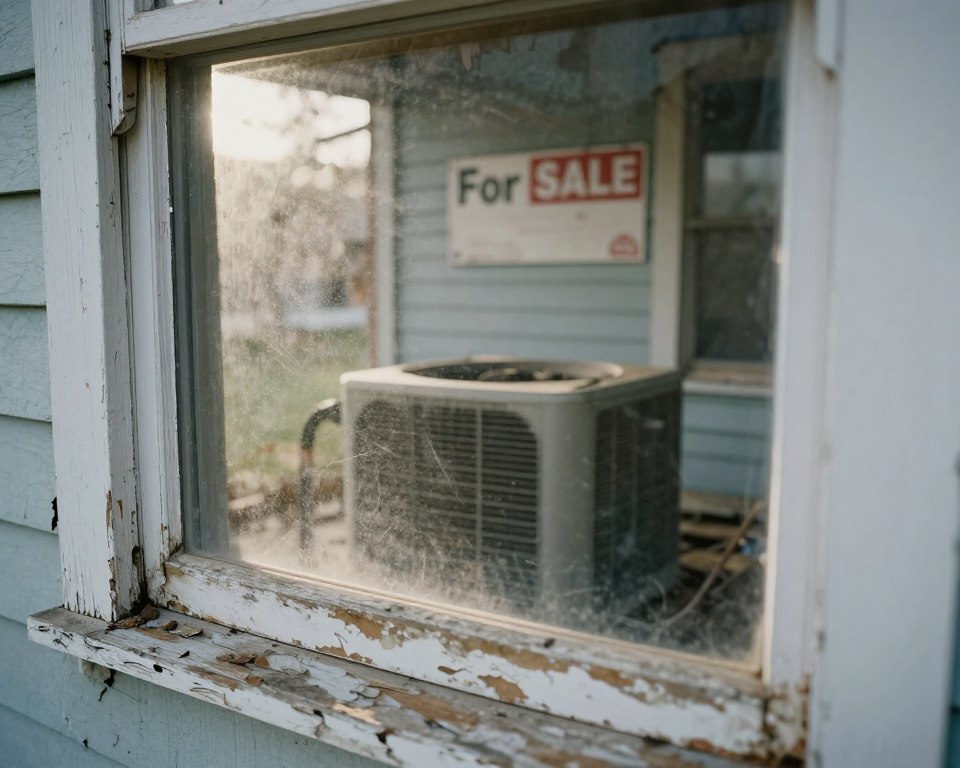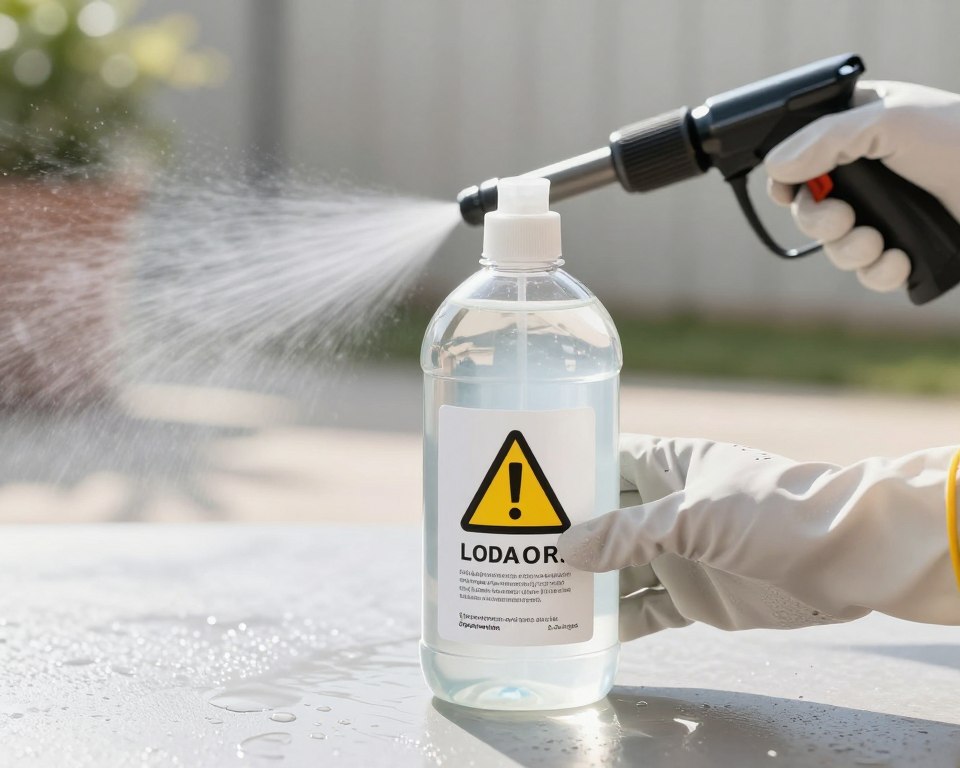
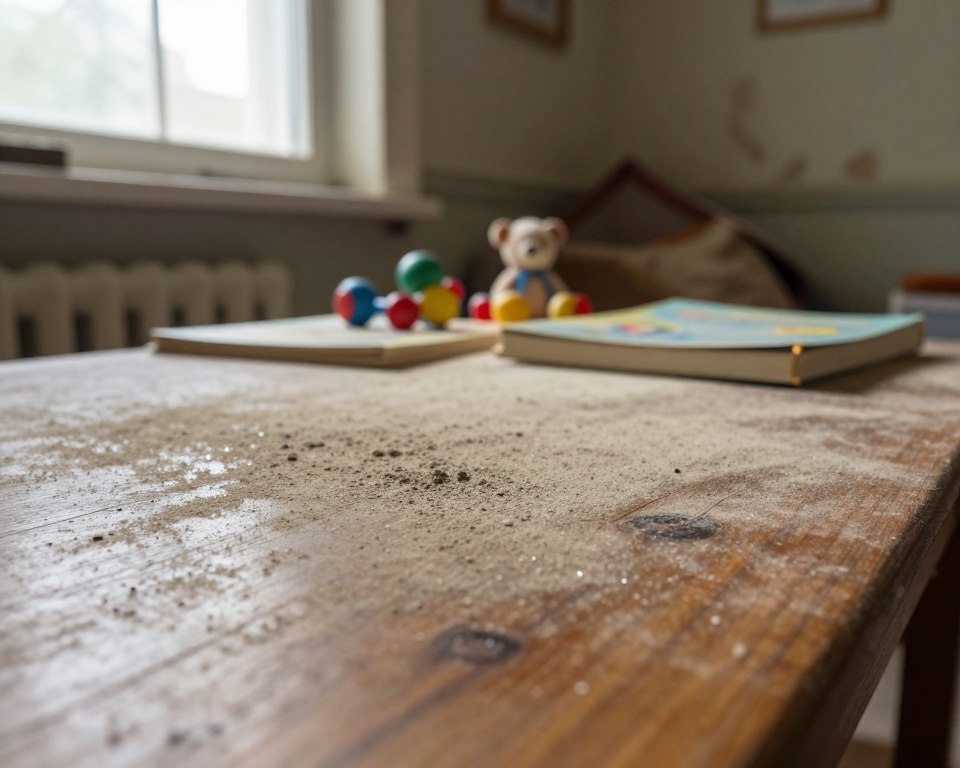
Did you know that nearly 30 million homes in the United States still have remnants of old materials that can harm your health? Many think lead is a thing of the past, but it’s still a big problem. Understanding your living space is key to staying safe.
Older homes, built before 1978, often have lead. It turns into tiny particles that settle on floors and windowsills. You can keep your family safe from lead by knowing how it moves around your home. Keeping your home clean is crucial for good air quality.
Key Takeaways
- Lead persists in many older homes through deteriorating paint and contaminated soil.
- Microscopic particles often settle on surfaces and can become airborne during cleaning.
- Renovation and repair activities are primary triggers for releasing hidden contaminants.
- Simple habits like removing shoes and wet-mopping floors significantly reduce exposure.
- Professional guidance is recommended before starting any major home improvement projects.
The Persistent Legacy of Lead in Modern Homes
Lead is a very stable element that doesn’t just disappear from our homes. Even though the use of lead in paint and plumbing was banned by 1978, it’s still found in many homes today. Many people think that since lead is no longer used, it’s gone from our homes.
Historical Context of Lead Usage
In the 20th century, lead was often used in building materials. It was valued for its durability and ability to dry paint quickly. So, it was common in paints and plumbing solder.
Because of its widespread use, lead is deeply embedded in older homes. Lead-based paint was often layered over years, creating a hidden reservoir of lead. Even with newer, lead-free layers on top, the old lead remains hidden.
Why Lead Does Not Simply Disappear
Lead stays a hazard for a long time because it’s very stable. Unlike other substances that break down, lead doesn’t change over time. It waits for something to disturb it, releasing it into the air.
In my work, I’ve seen many homeowners underestimate how long lead lasts. Lead doesn’t lose its toxicity with age; it just waits for something to disturb it. When it’s disturbed, it turns into fine dust that can spread through the air.
Defining the Lead Household Dust Source
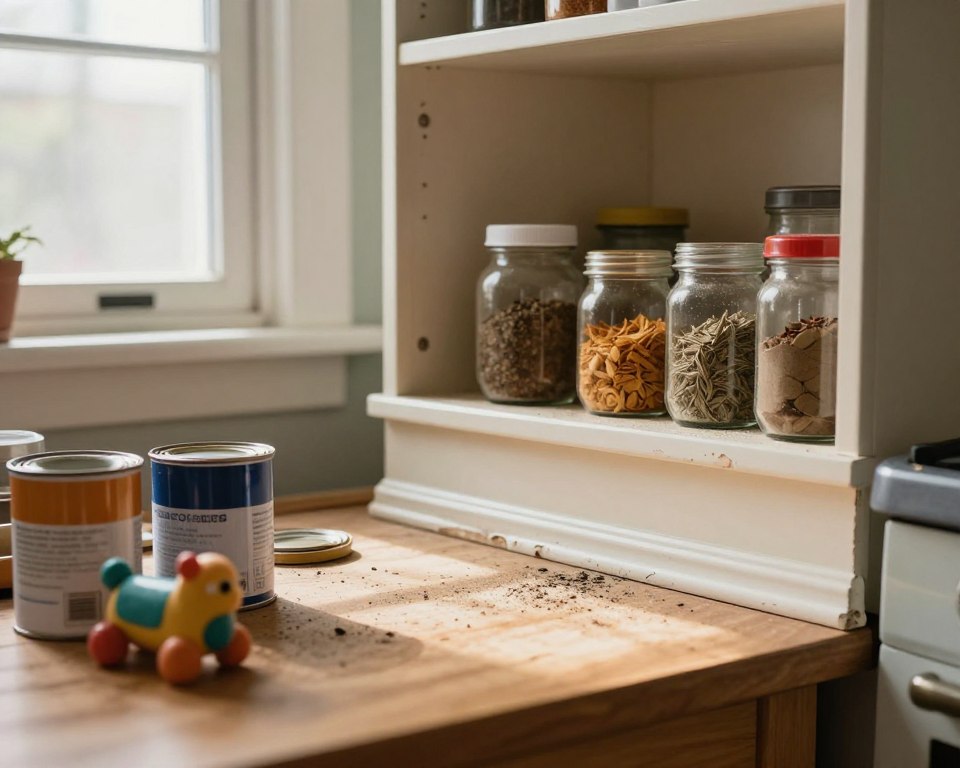
To keep indoor air clean, you need to find the main lead household dust source. Lead doesn’t just appear in homes. It comes from outside and enters through specific paths. Knowing these paths is key to reducing harmful exposure.
Chemical Stability and Environmental Persistence
Lead doesn’t break down like organic pollutants do. It stays the same, no matter the weather. Once it’s in the environment, it sticks around, often attaching to soil or carpet fibers.
“Lead is an elemental metal that persists indefinitely in the environment. It does not break down, meaning that once it enters a home, it will remain there until it is physically removed through specialized cleaning or remediation.”
Because of its stability, the lead household dust source acts as a long-term problem. Even if the source is gone, the dust left behind is still a risk. So, cleaning thoroughly and often is crucial for a safe home.
How Lead Particles Migrate Indoors
Lead particles get inside mainly through two ways: being carried in and through the air. When contaminated soil is brought in on shoes or pets, it spreads. Then, these particles can become airborne or settle in busy areas.
Air also helps spread the lead household dust source. HVAC systems and drafts can pick up particles from floors and surfaces. This table shows how these methods affect indoor air quality.
| Transport Mechanism | Primary Vector | Impact Level |
|---|---|---|
| Foot Traffic | Shoes and Paws | High |
| HVAC Systems | Forced Air | Moderate |
| Natural Ventilation | Wind and Drafts | Low to Moderate |
Knowing these paths helps homeowners set up strategic barriers to block contaminants. Stopping lead at the door is better than trying to clean it up after it spreads.
The Hidden Dangers of Particulate Matter
Particulate matter in your home can hide more than just dust or lint. While many think dust is just skin cells or fabric fibers, microscopic lead particles can be hidden in it. These toxic elements are often too small to see, making them a silent threat in many homes.
Knowing what these substances are is key to fighting them. By understanding that not all dust is the same, you can focus your cleaning on the most dangerous stuff.
Distinguishing Lead from Common Indoor Air Pollutants
Lead is different from usual indoor air pollutants like pollen or pet dander. Unlike organic stuff that breaks down, lead stays the same forever. It doesn’t evaporate or break down, so it stays in your home until you clean it up.
Most dust is light and moves with the air. But lead dust is heavy and settles on surfaces like windowsills and floors. It needs special cleaning to keep it from getting airborne again.
The Role of Dust Mites and Allergens in Transporting Lead
The link between lead and allergens in dust is very important for home safety. Dust mites and other organic stuff can carry toxic lead particles. As they move through carpets and furniture, they can spread lead dust into your living areas.
This mix of biological and chemical dangers is complex. When you disturb these areas, you might release allergens and heavy metals into the air. To tackle this, you need a plan that deals with both the living stuff and the chemicals.
| Particle Type | Primary Source | Persistence | Health Risk |
|---|---|---|---|
| Lead Dust | Paint/Soil | High (Permanent) | Neurological |
| Dust Mites | Organic Debris | Moderate | Respiratory |
| Pollen | Outdoor Air | Low | Allergic |
| Pet Dander | Household Pets | Moderate | Allergic |
Legacy Paint and the Ongoing Risk of Deterioration
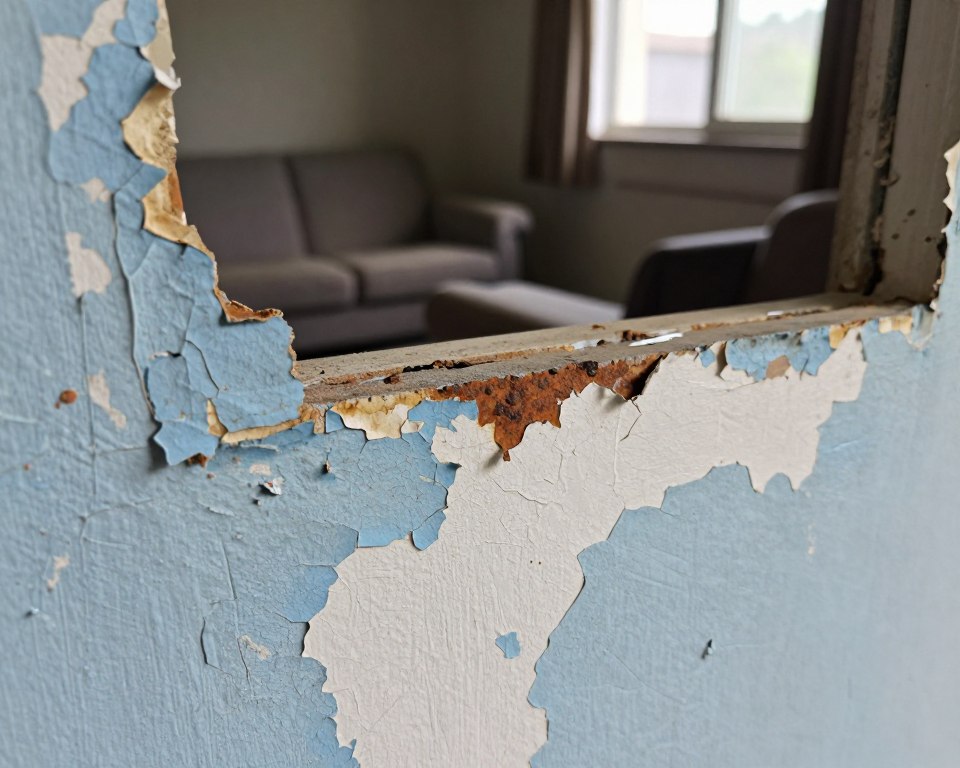
Old paint can break down and release lead dust into homes. Even if the paint looks good, it will eventually fail. This failure sends tiny particles into the air and onto surfaces.
Identifying Lead-Based Paint in Older Structures
Homes built before 1978 often have lead-based paint. Over time, this paint loses its grip and starts to flake off. Look for signs like alligatoring, cracking, or a chalky look on the paint.
When paint starts to flake, it releases dust that spreads through the house. Even if the paint looks fine, tiny cracks can hide hidden hazards. It’s important to check for these signs regularly to avoid big problems.
Friction Surfaces and the Creation of Lead Dust
Wear and tear can create a lot of lead dust in homes. Places where surfaces rub together, like friction surfaces, are at high risk. Examples include window sashes, door frames, and stair treads.
The constant rubbing in these areas turns the paint into dust. This happens quietly and often goes unnoticed until the dust builds up. Keeping these areas clean is key to keeping your home safe.
| Surface Type | Risk Level | Primary Mechanism |
|---|---|---|
| Window Sills | High | Friction and UV exposure |
| Door Frames | High | Mechanical impact and rubbing |
| Wall Panels | Low | Natural aging and settling |
| Stair Treads | Moderate | Foot traffic and abrasion |
Soil Contamination and the Tracking Mechanism
Tracking contaminated soil into homes is a major way people get exposed to lead. Old gasoline and paint have left lead in the soil around many houses. This lead stays in the ground for a long time.
How Exterior Soil Enters the Living Environment
Lead moves from the yard to inside homes mainly through physical contact. Dirt sticks to shoes, pet paws, and clothes when people go from outside to inside. Inside, the dirt dries and mixes with household dust, settling on floors and carpets.
This indoor lead migration is often overlooked. Even a little dirt can have a lot of lead, more so near where old paint might have fallen off. Walking in and out of the house spreads this contamination around.
The Impact of Landscaping and Foot Traffic
How you landscape your yard affects how much lead dirt gets into your home. Bare soil picks up more dirt than covered areas. Keeping your yard covered can help keep dirt out.
Where people walk most also affects how much dirt gets tracked in. Putting heavy mats at entryways can catch a lot of dirt before it gets inside.
| Management Strategy | Effectiveness | Primary Benefit |
|---|---|---|
| Ground Cover (Mulch/Grass) | High | Prevents soil mobilization |
| Entryway Mats | Medium | Captures tracked-in particles |
| Soil Remediation | Very High | Removes the source entirely |
| Hardscape Buffers | Medium | Reduces direct contact |
The Role of Home Ventilation and Airflow
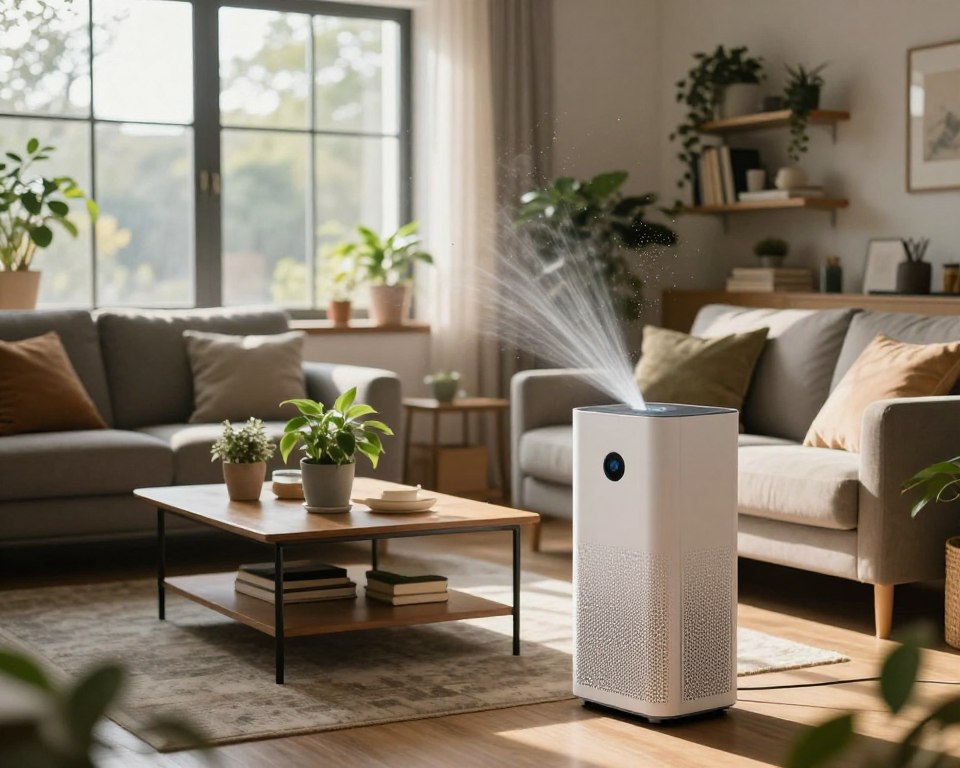
Your home’s airflow can either trap or clear lead dust. Managing home ventilation is key to reducing indoor air pollutants. Knowing how air moves helps protect your home.
HVAC Systems as Dust Distribution Networks
Central heating and cooling systems can spread dust around. If your system doesn’t have good filters, it can keep circulating lead dust. Regular maintenance is vital to keep your home clean.
Using high-efficiency filters can greatly improve air quality. Electrostatic filters catch smaller particles than regular filters. Also, clean and sealed ducts prevent dust from entering from crawlspaces or attics.
Natural Ventilation and Outdoor Contaminant Infiltration
Opening windows brings in a nice breeze but can also let in dust. If the soil outside has lead, this can be a problem. It’s worse on dry, windy days when soil particles fly around.
To avoid this, plan when and where you open windows. Don’t open them on the side facing busy areas or bare soil. This way, you can get fresh air without letting in harmful indoor air pollutants.
Evaluating Modern Dust Sampling Methods
Getting a true picture of indoor air starts with picking the best dust sampling methods. Many people turn to quick, easy tests. But, lead detection is complex and needs a detailed approach for accurate results.
Professional Testing vs. DIY Kits
DIY test kits are easy to find but have big drawbacks. They often can’t tell how much lead is present. They just show if lead is there, not how much.
On the other hand, dust sampling methods used by pros collect detailed samples. These are then analyzed in labs using advanced methods like Inductively Coupled Plasma (ICP) spectroscopy. This gives exact numbers. Getting a pro to test your home is essential to know if it’s safe.
“The precision of laboratory analysis is the only way to truly understand the magnitude of a lead hazard in a residential setting. Relying on qualitative kits can lead to a false sense of security.”
| Feature | DIY Test Kits | Professional Lab Testing |
|---|---|---|
| Accuracy | Low to Moderate | High (Certified) |
| Data Type | Qualitative (Yes/No) | Quantitative (Numerical) |
| Cost | Inexpensive | Higher Investment |
| Reliability | Limited | Industry Standard |
Interpreting Laboratory Results for Household Safety
When you get a lab report, the numbers might look scary. It’s key to compare them to federal or state guidelines for lead in dust. These guidelines are usually in micrograms per square foot.
If your results show too much lead, don’t worry. Use the data to focus on cleaning or fixing specific areas of your home. If the report is hard to understand, talk to a certified lead risk assessor. They can help make the dust sampling methods clear and create a safety plan for your home.
The Intersection of Lead and Household Cleaning Habits
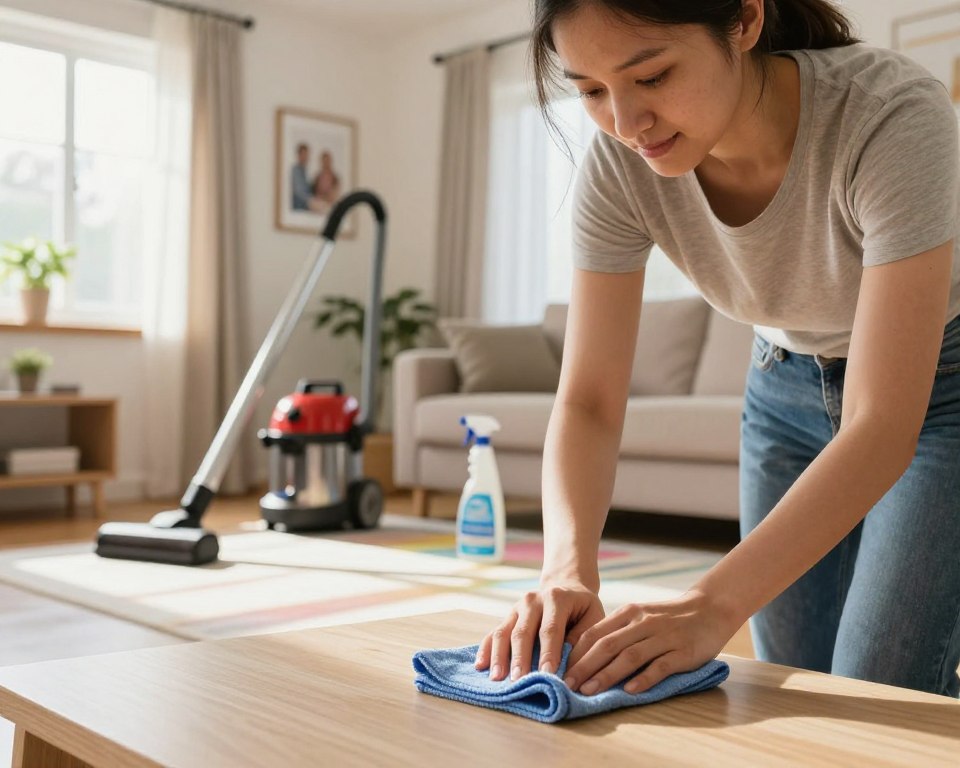
Many homeowners unknowingly increase their exposure to lead by using improper cleaning techniques. While cleanliness is generally a virtue, certain methods can disturb settled particles and force them back into the air you breathe. Understanding the mechanics of dust movement is a vital part of your household cleaning tips strategy to maintain a safe living environment.
Why Traditional Sweeping Can Exacerbate Exposure
Traditional sweeping with a broom or using a standard dust mop is often counterproductive when dealing with lead-contaminated dust. These tools lack the suction necessary to capture fine particles, instead acting as a catalyst for re-suspension. As you sweep, you lift microscopic lead dust from floorboards and cracks, allowing it to circulate throughout the room.
“The goal of effective remediation is to capture and contain contaminants, not to redistribute them into the breathing zone of the home’s occupants.”
Once these particles become airborne, they remain suspended for extended periods. This increases the likelihood of inhalation or ingestion, particular for children who spend significant time on the floor. To mitigate this risk, it is essential to abandon dry sweeping in favor of methods that trap dust at the source.
The Efficacy of HEPA Filtration in Vacuums
When selecting equipment for your home, a vacuum cleaner equipped with a High-Efficiency Particulate Air (HEPA) filter is a non-negotiable requirement. Standard vacuums often exhaust fine dust back into the room through their vents, effectively acting as a dust blower rather than a cleaner. A true HEPA filter is engineered to trap 99.97% of particles as small as 0.3 microns, ensuring that lead dust is captured rather than recirculated.
Beyond the filter, the seal of the vacuum unit is equally critical. Even the best filter cannot compensate for a machine that leaks air through poorly fitted seams or canisters. By prioritizing high-quality filtration and proper maintenance, you can significantly improve your household cleaning tips and ensure that your home remains a sanctuary rather than a source of hidden environmental toxins.
Effective Dust Control Techniques for Homeowners
Keeping your home clean is more than just tidying up. It’s about using dust control techniques to fight off tiny particles. By understanding how dust moves, you can reduce the risk of breathing in harmful stuff.
Following household cleaning tips regularly is key to a safe home. These tips focus on catching dust, not just moving it around.
Wet Cleaning Protocols for Lead Mitigation
Dry dusting or sweeping can spread dust back into the air. Instead, use wet cleaning protocols to trap dust effectively.
Wet cloths or mops with mild detergent are best. They pick up dust without sending it airborne. Make sure to rinse or use disposable wipes to get rid of dust for good.
Strategic Use of Doormats and Entryway Barriers
Most indoor dust comes from outside dirt on shoes. Using strategic entryway barriers is a smart way to stop it.
Put down good, sturdy mats at every entrance. They should be big enough to cover several steps. This way, dirt and debris get left behind before they enter your home.
| Cleaning Method | Effectiveness | Risk of Dispersion | Best Use Case |
|---|---|---|---|
| Dry Sweeping | Low | High | Not recommended |
| HEPA Vacuuming | High | Very Low | Carpets and rugs |
| Wet Mopping | High | Minimal | Hard surfaces |
| Damp Dusting | High | Minimal | Furniture and ledges |
By using these household cleaning tips and keeping entryways clean, you build a strong defense against toxins. Regular use of these dust control techniques makes your home cleaner and safer for everyone.
The Vulnerability of Children to Lead Exposure

Children are more at risk for lead poisoning because of their biology and behavior. They are not just smaller versions of adults. Their bodies are growing fast, making them very sensitive to toxins.
Children absorb lead more easily than adults because their systems are still growing. This heightened absorption rate means even small amounts of lead can cause big health problems over time.
Developmental Impacts of Lead Ingestion
The main worry about lead ingestion is the central nervous system. During early childhood, the brain goes through important growth phases. These phases can be disrupted by heavy metals.
Lead messes with how cells talk to each other. This can lead to long-term problems with thinking and behavior. Even small amounts can cause trouble with attention, learning, and controlling impulses.
How well a child’s body handles toxins also depends on their diet. A child who doesn’t eat enough calcium, iron, or vitamin C might absorb more lead than one who eats well.
Behavioral Patterns That Increase Risk
Behavior also plays a big role in how likely children are to get exposed. The biggest risk is hand-to-mouth activity typical of babies and toddlers as they explore.
When kids crawl or play near windowsills, they pick up dust. If this dust has lead, it can easily get into their mouths, leading to ingestion.
Parents can lower these risks by keeping things clean and controlling the environment. Regular cleaning and making sure kids wash their hands before eating are key steps for child safety.
| Risk Factor | Mechanism of Exposure | Mitigation Strategy |
|---|---|---|
| Hand-to-Mouth Activity | Ingestion of contaminated dust | Frequent hand washing |
| Nutritional Deficiency | Increased lead absorption | Balanced, nutrient-rich diet |
| Floor Play | Contact with settled particles | HEPA vacuuming and wet mopping |
| Developmental Stage | Rapid brain growth sensitivity | Environmental lead testing |
Regulatory Gaps in Residential Lead Management
Many homeowners think laws fully protect them from lead. But, there are big gaps in managing lead at home. The rules are a mix of federal and local laws that can’t always keep up with new science on indoor health. Proactive awareness is key for those in older homes with old contaminants.
Current Standards for Lead in Dust
The EPA and HUD have set limits for lead in dust. These lead standards aim to start cleanup when levels get too high. But, these limits might not reflect the latest research on low-level exposure risks.
There’s also the Lead and Copper Rule for water safety. It’s a basic rule for public health. But, it doesn’t cover the effects of all exposure paths in a home. Learn more about these pollutants and their impact by checking out the latest research on environmental contaminants.
The Need for Stricter Home Maintenance Guidelines
Today, we mainly fix lead problems after they’re found. Health experts say we need a more proactive approach. This means regular cleaning and checking high-wear surfaces.
Homeowners should push for stronger safety rules. Staying updated on local laws is important. By being vigilant, we can meet the high standards needed for a safe home. Regular upkeep is often the best way to handle risks that current laws miss.
The Psychological Burden of Environmental Toxins
Managing a household with environmental risks in mind is a delicate balance. It’s normal to worry about substances like lead in older homes. But, focusing on evidence-based action can lessen the mental burden.
Balancing Vigilance with Practical Living
The aim of home safety is to ensure a secure space without losing comfort. Too much worry often comes from not knowing what to do. By adopting consistent, manageable habits, you can reduce risks without changing your whole life.
Focus on key tasks like regular cleaning and keeping entry points secure. These actions are more effective than reacting out of fear. When safety is part of regular home care, it stops feeling overwhelming.
Addressing Anxiety Regarding Home Safety
Feeling anxious about environmental health often comes from feeling powerless. Learning is the best way to fight this feeling. Knowing how dust behaves helps you understand the real risks.
Seeing home safety as a long-term effort, not a crisis, helps. Having a clear plan keeps worries in check. The table below shows the difference between living in fear and managing risks wisely.
| Approach | Primary Driver | Outcome |
|---|---|---|
| Fear-Based | Uncertainty and Panic | Increased stress and inconsistent results |
| Evidence-Based | Data and Routine | Reduced risk and improved peace of mind |
| Reactive | Sudden Concern | Short-term fixes without long-term safety |
| Proactive | Scheduled Maintenance | Sustainable and reliable home protection |
Community and Neighborhood-Level Lead Risks
Dealing with lead contamination means looking beyond individual homes. The outside environment is just as important as what’s inside. Since contaminants can spread across property lines, keeping one home safe often depends on the area around it.
Industrial Legacy and Localized Soil Contamination
Many areas in the U.S. were once industrial sites. These places left behind heavy metals in the soil. This soil quality problem affects local residents for years.
Wind and rain can move these pollutants into residential yards. Once they settle, they mix with household dust. Knowing the long-term effects of environmental exposure is key for families in older cities.
“Environmental safety is a shared responsibility that begins with understanding the history of the land beneath our feet.”
Collective Action for Safer Housing
Reducing risks that go beyond property lines needs community awareness and teamwork. When neighbors join forces, they can tackle problems more effectively. Together, they can make a bigger difference than alone.
Here are some ways to lower neighborhood risks:
- Shared soil-covering projects: Creating raised garden beds or thick mulch in common areas to stop dust.
- Community testing initiatives: Working together to get professional soil and dust tests done across properties.
- Educational workshops: Teaching about safe cleaning and the value of entryway barriers to keep pollutants out.
Building a culture of openness and support can make a neighborhood safer. Proactive communication among neighbors helps everyone understand the risks. It also shows how simple steps can protect families from old toxins.
Future Outlook on Lead Remediation Technology
The future of keeping homes safe is moving towards better, lasting solutions for lead. Instead of old methods that can spread dust, new tech focuses on keeping lead in place and filtering it out.
New tools offer easier, less invasive ways to keep homes safe. They help families deal with the dangers of old houses.
Innovations in Surface Encapsulation
Surface encapsulation is a highly effective alternative to removing lead-based paint. It uses special coatings to seal lead-contaminated surfaces. This creates a strong, protective layer.
These coatings are made to last, even when faced with wear and tear. They prevent lead dust from being released. The main benefits include:
- Chemical Stability: Advanced polymers create a permanent bond that prevents the underlying lead from leaching or flaking.
- Reduced Exposure: Sealing the surface lowers the risk of airborne particles during cleaning.
- Cost-Efficiency: Encapsulation is often less labor-intensive than full abatement, making it a viable solution for large-scale property management.
Advancements in Air Purification Systems
Surface treatments address the source, but air purification is key for capturing lead particles in the air. Modern systems can catch tiny contaminants with unprecedented precision.
Medical-grade HEPA filtration is still the top choice for clean air. These systems are now made to handle more air, catching even the smallest lead dust particles.
Future air purification systems will have:
- Multi-Stage Filtration: Combining pre-filters with HEPA media to extend the life of the unit while maximizing particle capture.
- Smart Sensor Technology: Real-time monitoring that adjusts fan speeds based on detected particulate levels in the room.
- Quiet Operation: Enhanced engineering allows for continuous, high-volume air scrubbing without the noise disruption of older models.
These advancements are a big step towards better lead management. By using both physical barriers and air cleaning, homeowners can keep their homes safer with less upkeep.
Conclusion
Managing lead in household dust means moving from just cleaning to taking care of the environment. Knowing how contaminants get into your home helps you take action. This action keeps everyone safe.
Cleaning based on science is key to avoiding long-term exposure to lead. Using air filters and wet cleaning helps block tiny lead particles. This makes your home safer.
Homeowners are crucial in keeping homes safe and healthy. Simple changes, like controlling entryways and airflow, greatly improve air quality. These changes make a big difference over time.
It’s important to keep up with these safety steps to protect your family. Learning more and keeping your home well-maintained is the best way to deal with lead. This approach helps keep your home safe for everyone.
Future Outlook on Lead Remediation Technology
Historical Context of Lead Usage
Before 1978, lead was used in paint because it lasts long and colors well. It was also in plumbing and some products. So, homes built before the late 1970s likely have lead.
People think new paint covers up old lead paint. But, the old paint is still there, waiting to be disturbed.
Why Lead Does Not Simply Disappear
Lead doesn’t break down like some pollutants do. It stays the same, always toxic. This is why lead is a long-term danger in homes.
Once lead gets into a home, it stays there. It’s as toxic today as it was when made.
Chemical Stability and Environmental Persistence
The main source of lead dust is old paint breaking down. Lead is heavy and sticks to other things. It mixes with dust, making it hard to clean.
Lead dust can stay in carpets and hard-to-reach places for years. Cleaning it right is key.
How Lead Particles Migrate Indoors
Lead moves around the house through air and touch. It gets inside on shoes and clothes. Then, it becomes airborne, spreading to living areas.
This makes lead dust a big problem in homes, even if they look clean.
Distinguishing Lead from Common Indoor Air Pollutants
Not all air pollutants are the same. Lead dust is very dangerous because it harms the brain. It’s so small, you can’t see it.
Unlike big dust, lead dust stays in the air longer. This makes it easier to breathe in.
The Role of Dust Mites and Allergens in Transporting Lead
Dust mites and pet dander carry lead dust. They live in places with lead dust, like carpets. This makes them a big health risk.
Managing lead dust means cleaning the air and dust together.
Identifying Lead-Based Paint in Older Structures
Old homes often have lead paint on trim and siding. Finding this paint is the first step to safety. XRF technology helps find lead.
Look out for “alligatoring” paint, a sign of old lead paint.
Friction Surfaces and the Creation of Lead Dust
Even if paint looks fine, friction can create dust. Windows and doors are common sources. Every time they move, dust is made.
These areas are key to keeping lead dust down.
How Exterior Soil Enters the Living Environment
Soil outside homes can have lead from old paint and gas. This soil brings lead into homes. It’s a big problem.
Research shows most indoor lead dust comes from outside soil.
The Impact of Landscaping and Foot Traffic
Landscaping choices affect lead safety. Bare soil near homes is risky. Mulch or grass can block dust.
Controlling foot traffic helps keep lead out of homes.
HVAC Systems as Dust Distribution Networks
Central heating and cooling systems can spread lead dust. Without good filters, dust gets everywhere. Use filters with a MERV of 13 or higher.
This keeps lead dust from circulating.
Natural Ventilation and Outdoor Contaminant Infiltration
Natural air can bring in lead dust. Open windows let in dust from outside. Use mechanical ventilation with filters to keep air clean.
This keeps lead out of homes.
Professional Testing vs. DIY Kits
Choosing the right dust sampling method is important. DIY kits can’t measure dust levels well. Professional labs give accurate results.
This helps know if a home is safe.
Interpreting Laboratory Results for Household Safety
Lab results show how much lead is in dust. The EPA sets safety levels. If levels are too high, homes need cleaning.
Don’t ignore low levels of lead. Small amounts add up over time.
Why Traditional Sweeping Can Exacerbate Exposure
Dry sweeping and using feather dusters spread lead dust. They don’t clean it up. Instead, they make it airborne.
Effective cleaning traps and removes lead dust.
The Efficacy of HEPA Filtration in Vacuums
HEPA vacuums are essential for lead safety. They catch tiny particles. Non-HEPA vacuums can spread lead dust.
Use a HEPA vacuum to keep homes safe.
Wet Cleaning Protocols for Lead Mitigation
Wet cleaning is the best way to manage lead dust. Use a damp cloth and lead-cleaning detergent. This method keeps lead from becoming airborne.
It’s safer and more effective than removing paint.
Strategic Use of Doormats and Entryway Barriers
Preventing lead from entering homes is easier than cleaning it up. Use doormats to catch dirt. High-quality mats can trap up to 80% of soil.
This keeps homes safe from lead.
Developmental Impacts of Lead Ingestion
Children are very sensitive to lead. It can harm their brains and bodies. There’s no safe amount of lead for kids.
They absorb lead more easily than adults.
Behavioral Patterns That Increase Risk
Children touching things and putting them in their mouths is a big risk. They pick up lead dust from floors. Keeping floors clean is key.
Wash hands often and clean toys to reduce risks.
Current Standards for Lead in Dust
Current rules for lead dust are seen as a minimum. They don’t cover all risks. Homeowners should aim for the lowest levels possible.
This keeps homes safe from lead.
The Need for Stricter Home Maintenance Guidelines
Older homes need stricter maintenance rules. Current laws wait until kids show signs of lead poisoning. We need proactive maintenance to keep homes safe.
This approach prevents lead exposure.
Balancing Vigilance with Practical Living
Learning about lead in your home can be scary. But, it’s manageable. Clean regularly and fix any lead paint to keep homes safe.
Knowing how to handle lead reduces worry.
Addressing Anxiety Regarding Home Safety
Anxiety comes from feeling out of control. By cleaning and testing for lead, homeowners regain control. Focus on what really works, like HEPA vacuums and wet mopping.
A clean home is a safe home.
Industrial Legacy and Localized Soil Contamination
Lead risks aren’t just in one home. Neighborhoods near old factories or highways have soil contamination. Knowing your area’s history helps understand the risks.
This knowledge helps keep homes safe.
Collective Action for Safer Housing
Managing lead risks needs community effort. Projects like soil capping and safe park equipment help. Working together reduces the burden on individual homes.
This makes homes safer for everyone.
Innovations in Surface Encapsulation
New ways to deal with lead are coming. Surface encapsulation uses special coatings to stop lead from spreading. It’s safer and cheaper than removing paint.
This technology helps keep homes safe.
Advancements in Air Purification Systems
New air purifiers are getting better at catching tiny particles. They have ultra-HEPA filters and activated carbon. Companies like IQAir make these systems.
They help keep homes free from lead dust.