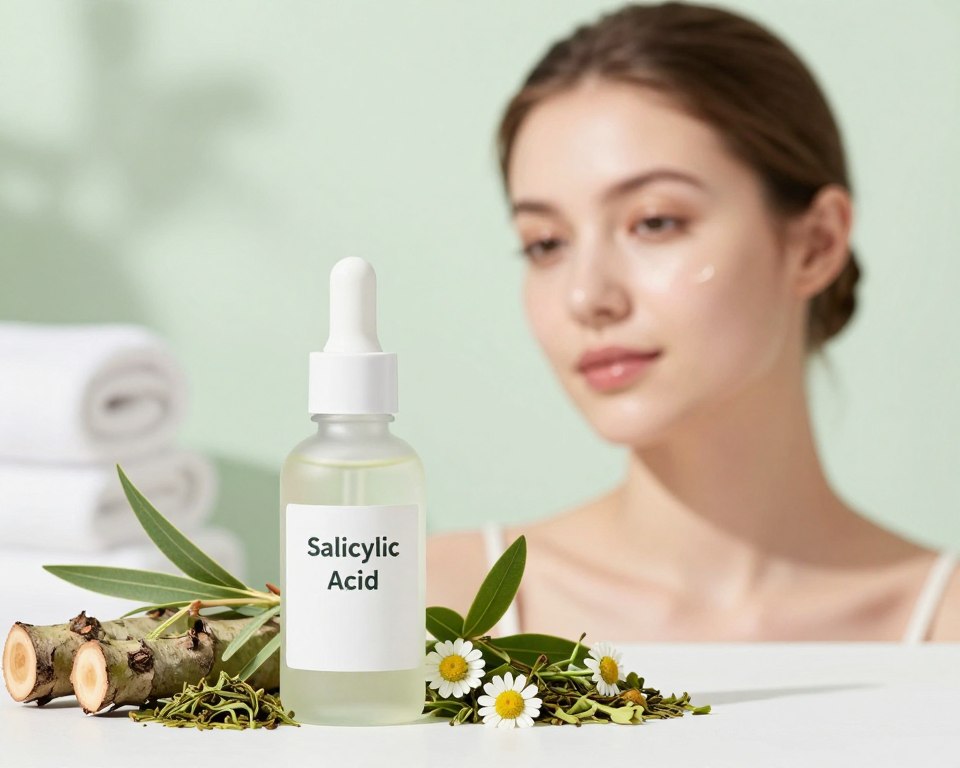
Did you know humans used willow bark for pain relief over 2,000 years ago? This ancient remedy led scientists to find the key compound we know today.
This substance is a beta hydroxy acid, or BHA. Unlike other exfoliants, it’s oil-soluble. This lets it reach deep into pores.
It breaks down the “glue” that holds dirt and dead cells together. This clears out blockages that cause breakouts. It’s a reliable tool for mild acne or clogged pores. Knowing how it works helps us choose better skincare.
Key Takeaways
- Derived from willow bark, this compound has a long history of medicinal use.
- It acts as a beta hydroxy acid, which is highly effective for oil-prone areas.
- The oil-soluble nature allows for deep penetration into clogged pores.
- It functions by dissolving the bonds between dead cells to prevent acne.
- This ingredient is a standard, evidence-based choice for maintaining clear pores.
The Chemistry Behind Salicylic Acid
Salicylic acid works at the molecular level to target skin interactions. It comes from willow bark and has been used for centuries. Its unique carbon atom arrangement makes it effective when applied to the skin.
Understanding Beta Hydroxy Acids
Salicylic acid is a beta hydroxy acid (BHA). This means its hydroxyl group is two carbon atoms away from the carboxylic acid group. This setup is different from alpha hydroxy acids (AHAs).
While AHAs dissolve in water, BHAs are oil-soluble. This fundamental difference makes BHAs and AHAs useful in different ways for skin care.
Lipophilic Properties and Pore Penetration
Salicylic acid is lipophilic, meaning it’s oil-soluble. This lets it mix with the skin’s sebum, getting past the oil barrier. This is key for reaching pores.
Once inside, it breaks down debris and dead skin cells. This deep pore penetration is crucial for clearing blackheads and whiteheads. It cleanses deeper than surface treatments can.
What is salicylic acid work on skin mechanisms

When you use a treatment, salicylic acid works on your skin in a special way. It’s a beta hydroxy acid (BHA) that can get through the skin’s outer layers. This lets it fix problems at a deep level. Knowing what is salicylic acid work on skin helps see why it’s a top choice in skin care.
Cellular Turnover and Desquamation
Salicylic acid works by breaking down the “glue” that holds dead skin cells together. This is called desquamation. It helps prevent clogged pores by speeding up cell turnover.
This process makes the skin smoother and clearer. It’s great for managing acne because it lets sebum flow better. The benefits include:
- Enhanced texture: Regular shedding reveals fresher, healthier skin layers.
- Pore clarity: Dissolving surface debris prevents the formation of comedones.
- Increased absorption: Removing dead cells allows other active ingredients to penetrate more effectively.
Anti-inflammatory Properties in Dermatological Practice
Salicylic acid also has anti-inflammatory properties. It’s important in treating redness and swelling from breakouts. It works by stopping the production of prostaglandins, which cause inflammation.
“The therapeutic value of salicylic acid lies not just in its ability to clear pores, but in its capacity to soothe the surrounding tissue, effectively reducing the severity of inflammatory lesions.”
Its ability to exfoliate and calm makes it useful for many skin types. It tackles both physical blockages and inflammation. Understanding what is salicylic acid work on skin shows that regular, gentle use is key to good results.
Salicylic acid benefits for skin beyond acne
Salicylic acid benefits for skin go beyond just fighting acne. It’s a chemical exfoliant that smooths the skin’s surface. Regular use can make your skin look more balanced and healthy.
Improving Skin Texture and Tone
Salicylic acid gently removes dead skin cells. This makes the skin look smoother and less wrinkled. It also helps even out your skin tone by removing old, pigmented skin.
With clearer skin, your complexion looks brighter and more natural. It’s great for uneven skin or rough patches from the environment. Using it regularly keeps your skin soft and ready for moisturizers.
Managing Sebum Production
Another big plus of salicylic acid benefits for skin is controlling oil. It’s good at breaking down sebum in pores, preventing clogs. This is perfect for oily or combination skin that tends to get shiny.
It keeps pores open, so your skin stays matte. This helps prevent future clogs and keeps your skin feeling clean. Here’s how it tackles different skin issues.
| Skin Concern | Primary Benefit | Expected Outcome |
|---|---|---|
| Rough Texture | Chemical Exfoliation | Smoother surface |
| Excess Sebum | Oil Regulation | Matte appearance |
| Dull Complexion | Cellular Turnover | Brighter skin tone |
| Pore Congestion | Deep Cleansing | Clearer pores |
How salicylic acid treats acne effectively
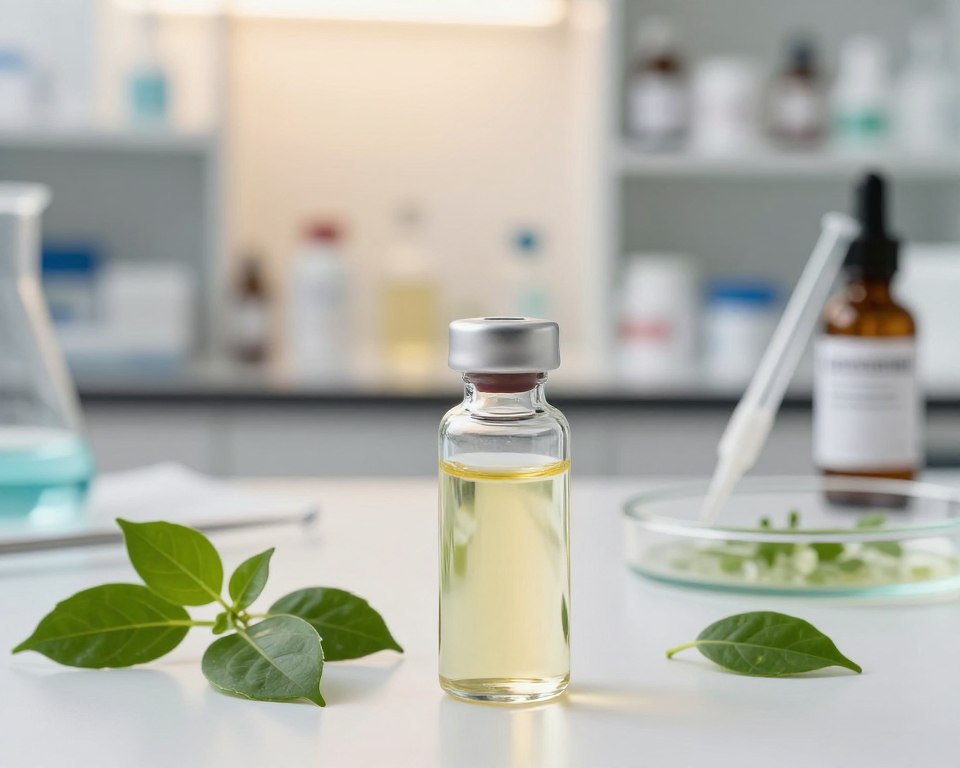
To understand how salicylic acid treats acne, we need to look at the hair follicle. This beta hydroxy acid is special because it can get past the skin’s oil barrier. It’s not like water-soluble ingredients that can’t get through.
It goes deep into the pore lining. This means it can tackle the main causes of blemishes. It keeps the skin clear from the inside.
Dissolving Comedones and Clearing Blockages
Comedones, or blackheads and whiteheads, happen when sebum and dead skin cells block pores. Salicylic acid breaks down the “glue” that holds these cells together. It acts as a keratolytic agent.
“The true power of salicylic acid lies in its ability to penetrate the lipid-rich environment of the pore, effectively flushing out debris that leads to inflammation.”
Once the bond is broken, the hardened sebum can be washed away. This clears blockages and stops acne-causing bacteria from growing.
Preventing Future Breakouts
Using it regularly helps prevent future breakouts. It keeps the skin cells turning over. This stops dead skin cells from clogging pores.
- Regular exfoliation keeps the pore walls smooth and clear.
- Reduced sebum buildup limits the food source for bacteria.
- Consistent maintenance prevents the formation of new micro-comedones.
Using it daily helps keep the skin’s surface stable. This is key for anyone wanting to keep their skin clear long-term.
Salicylic acid for exfoliation versus physical scrubs
Using salicylic acid for exfoliation is a big step forward in skin care. It’s better than using harsh scrubs that were common in the past. The right choice is key for keeping your skin healthy and strong.
Why Chemical Exfoliation Wins
Physical scrubs use rough particles to remove dead skin. But, they can cause micro-tears in your skin, leading to redness and sensitivity. Salicylic acid, on the other hand, breaks down the “glue” that holds dead skin cells together.
This method has many benefits over traditional scrubs:
- Uniformity: It evenly covers your face, ensuring no spots are missed.
- Deep Cleaning: It goes deep into pores to remove dirt and debris.
- Safety: It avoids the harm caused by rough scrubbing.
“Chemical exfoliants are generally superior for those seeking consistent results without the risk of mechanical damage to the skin’s protective barrier.”
The Risks of Over-Exfoliation
Salicylic acid is great, but using it too much can harm your skin. Over-exfoliation can strip your skin of its natural oils and protective layers. This can cause redness, stinging, and more acne.
To keep your skin healthy, listen to it. If you feel persistent tightness or see flaking, use it less often. Always use gentle, hydrating moisturizers to help your skin stay strong and healthy.
Salicylic acid vs glycolic acid
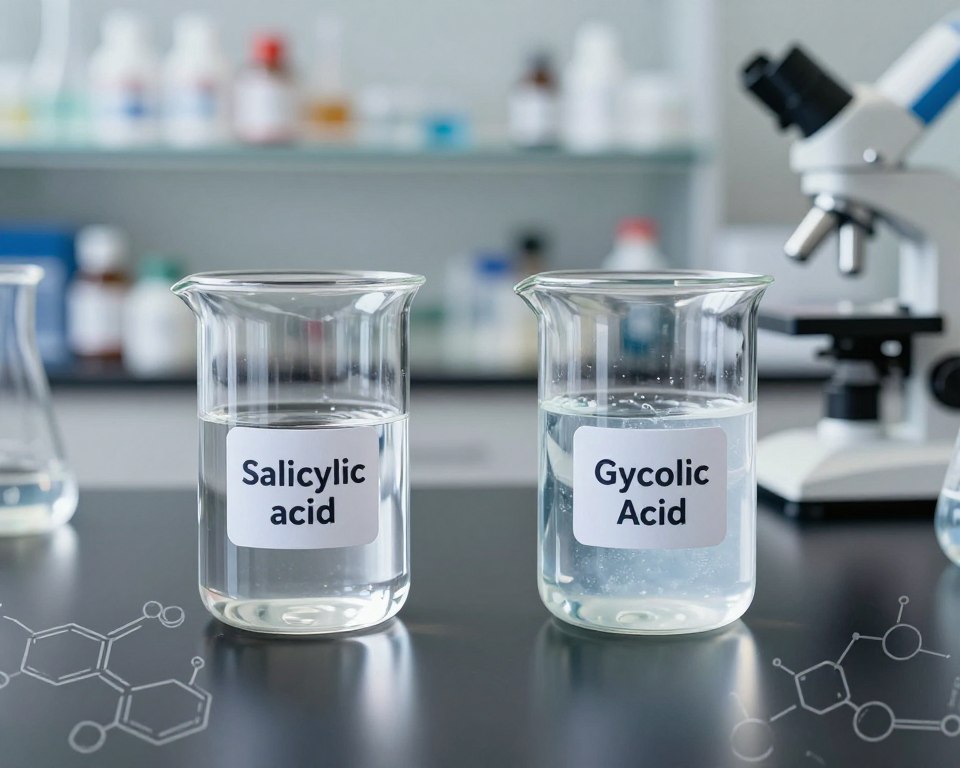
Choosing between salicylic acid vs glycolic acid can be tough. Both are great for improving skin texture but work in different ways. They meet different skin needs.
It’s key to know the differences to avoid irritation. The wrong choice can lead to poor results or harm your skin’s health.
Comparing BHA and AHA Functions
Salicylic acid is a Beta Hydroxy Acid (BHA) that’s lipophilic, or oil-soluble. It goes deep into pores to clear out sebum and dirt. This makes it perfect for tackling congestion.
Glycolic acid, on the other hand, is an Alpha Hydroxy Acid (AHA) from sugar cane. It’s water-soluble and works on the skin’s surface. It breaks down dead skin cells for brighter, more even-toned skin and reduces fine lines.
Choosing the Right Acid for Your Skin Type
Think about what you want to achieve. For oily skin or breakouts, salicylic acid is best. It clears deep pores.
For dullness or sun damage, glycolic acid is better. It gently exfoliates for a radiant look. But, it might irritate sensitive skin more than BHA.
It’s not about which is better overall. It’s about what’s best for your skin. Many people switch between them or use each on different parts of their face.
Salicylic acid for oily skin and congestion
Salicylic acid is key for those with oily skin. It’s a beta hydroxy acid that works well with the skin’s natural oils. This makes salicylic acid for oily skin crucial for a balanced and clear face.
Targeting Excess Oil at the Source
This ingredient is special because it can dissolve into the oil in hair follicles. It goes deep into pores to control sebum and stop buildup. This stops the skin from looking shiny.
Using a product with this acid makes pores look smaller. It gets rid of surface oil, leaving skin feeling clean. This is how salicylic acid treats acne, by cleaning out where bacteria live.
Managing Blackheads and Whiteheads
Blackheads and whiteheads are caused by trapped debris. Salicylic acid breaks down dead skin cells. This makes it easier to clean out oil and debris during washing.
Regular use keeps pores open, stopping new blockages. This reduces breakouts. Here’s a comparison of methods for oily, congested skin.
| Method | Primary Action | Best For | Frequency |
|---|---|---|---|
| Salicylic Acid | Dissolves sebum | Blackheads/Oil | Daily/Bi-daily |
| Clay Masks | Absorbs surface oil | Excess shine | Weekly |
| Physical Scrubs | Mechanical removal | Surface texture | Rarely |
| Niacinamide | Regulates oil flow | Balanced sebum | Daily |
Integrating salicylic acid into your skincare routine
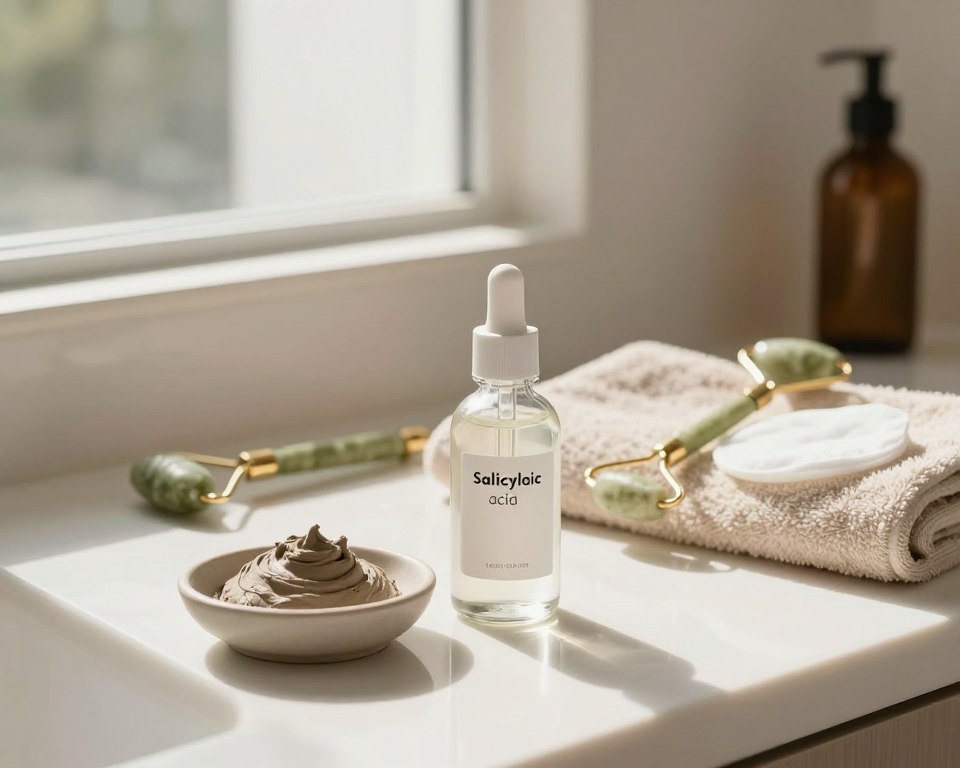
Adding salicylic acid skincare routine elements to your daily care needs careful planning. This ingredient is a strong chemical exfoliant. It must be used carefully to avoid harming your skin’s barrier.
By doing it right, you can enjoy clearer pores without irritation. This approach ensures your skin stays healthy and balanced.
Layering Acids and Actives Safely
When you start your skincare routine, the order matters a lot. You should apply products from thinnest to thickest. Liquid exfoliants go after cleansing but before thicker serums or moisturizers for better absorption.
Don’t mix salicylic acid with other strong actives like high-strength retinoids or physical scrubs at once. Too many exfoliants can damage your skin and cause redness. For tips on using these products safely, check out this guide on how to use salicylic acid.
“Consistency is the cornerstone of any effective dermatological regimen; yet, it must be balanced with the skin’s natural ability to recover from active treatments.”
Frequency of Use for Optimal Results
The right salicylic acid skincare routine frequency depends on your skin type and the product’s strength. Start with 2-3 times a week if you’re new to it. Watch for any sensitivity signs.
If your skin gets used to it, you can use it daily. But make sure your skin stays balanced and moist.
| Skin Type | Initial Frequency | Maintenance Goal |
|---|---|---|
| Sensitive | 1-2 times weekly | 2-3 times weekly |
| Combination | 2-3 times weekly | Every other day |
| Oily/Congested | 3-4 times weekly | Daily use |
Pay attention to how your skin reacts in the first two weeks. If it gets too dry or peels, cut back on use. A good salicylic acid skincare routine focuses on long-term health, not quick fixes.
Evaluating the best salicylic acid products on the market
Choosing the right salicylic acid product is more than just picking a bottle. You need to think about what your skin needs. Finding the best salicylic acid products means finding the right balance between strength and gentleness.
Cleansers versus Leave-on Treatments
Cleansers are a good starting point for many. They are washed off quickly, making them gentle. They’re perfect for those with sensitive skin who want to avoid irritation.
Leave-on treatments, like serums or spot treatments, stay on your skin longer. They penetrate deeper into pores, making them great for serious breakouts. Consistency is key when using these strong formulas to get lasting results.
“The efficacy of a skincare product is not defined by its strength alone, but by how well it integrates into the skin’s natural barrier without causing disruption.”
Concentration Levels and Efficacy
Many think that higher percentages mean better results. But, a concentration between 0.5% and 2% is usually enough for most needs. Higher levels can cause dryness or burns if not used carefully.
When looking for the best salicylic acid products, choose ones that are gentle on your skin. A product with a lower percentage but good formulation can be better than a harsh, high-concentration one. Always look for products with soothing agents to help your skin during treatment.
Common salicylic acid side effects and how to mitigate them
Using active ingredients like salicylic acid needs a careful approach to avoid side effects. This beta hydroxy acid is great for clearing pores but can harm the skin if not used right. Knowing your skin’s limits is key to clear results without pain.
Identifying Irritation and Dryness
Common signs of too much exfoliation are redness, tightness, and flaking. You might feel a stinging or burning sensation right after applying. This means the acid is too strong or your skin is too sensitive. Stop using it right away to let your skin heal.
Ignoring these signs can cause more serious problems like inflammation or chemical burns. Watch your skin closely in the first two weeks of a new routine. If it gets too dry, use it less often or try a weaker version.
The Importance of Barrier Repair
Keeping your skin barrier healthy is crucial when using strong products. A weak barrier loses moisture fast and gets easily irritated. To avoid salicylic acid side effects, use products with ceramides, fatty acids, and cholesterol to strengthen your skin.
Use a hydrating, fragrance-free moisturizer after treatment to keep moisture in and calm the skin. If your skin is very sensitive, look for ingredients like colloidal oatmeal or panthenol to reduce inflammation. Keeping your skin barrier strong helps it stay healthy while you treat acne.
| Reaction Type | Common Symptoms | Recommended Action |
|---|---|---|
| Mild Irritation | Slight redness, tightness | Reduce frequency of use |
| Moderate Dryness | Flaking, itching | Increase moisturizer application |
| Severe Sensitivity | Burning, raw patches | Stop use and consult a professional |
The role of salicylic acid in professional treatments
Dermatologists use salicylic acid in special ways to get better results than home products. They use higher doses and control how it’s applied. This makes the treatment more effective and safer.
Chemical Peels in Clinical Settings
In clinics, doctors use strong salicylic acid peels for tough skin problems. These peels are made to work better and are watched closely to avoid problems.
The peels work fast to remove dead skin cells. This helps clear pores and makes the skin look better. People often see big improvements after just one treatment, but more are needed for lasting results.
Combining Salicylic Acid with Other Procedures
Salicylic acid is often used with other treatments to make them work better. It gets the skin ready for things like microdermabrasion or laser treatments. This helps the treatments work deeper and better.
Doctors also mix salicylic acid peels with other treatments to tackle different skin issues at once. This way, they can fight acne and signs of aging together. It’s a smart way to get the most out of each treatment while keeping the skin healthy.
Debunking myths surrounding salicylic acid

It’s important to clear up common myths about salicylic acid for a safe skincare routine. Many worry about salicylic acid side effects based on stories, not facts. We need to look at real dermatological evidence to know what’s true.
Addressing Safety Concerns and Misconceptions
Some worry about using it when pregnant. High doses should be avoided, but low doses are usually okay. Always check with a healthcare provider to make sure it’s safe for you.
Another myth is that it makes the skin thin. But it actually helps the skin shed properly, keeping it healthy. It doesn’t harm the skin’s structure when used right.
Clarifying Usage for Sensitive Skin
People with sensitive skin might think all chemical exfoliants are bad. But the right concentration and how often you use it matter. Start with a small amount to avoid irritation.
Redness or dryness usually means you’re using too much. To avoid salicylic acid side effects, keep your skin hydrated and repair its barrier. Listen to your skin and adjust your routine as needed.
For those with very sensitive skin, getting advice from a dermatologist is best. They can help you use it safely, so you get clear pores without discomfort.
The evolution of salicylic acid in modern formulations
Modern chemistry has changed how we use salicylic acid in skincare. The core molecule is still a top choice for exfoliation. But now, it works better with the skin barrier.
These new advancements help users get the most out of salicylic acid benefits for skin. They avoid the problems of old, strong formulas.
Encapsulated Delivery Systems
Old formulas release the acid too fast, causing irritation or dryness. Encapsulation technology fixes this by putting the acid in tiny lipid spheres or polymer matrices. This method gives a controlled, time-released delivery that slowly gets into pores.
These systems let the acid work well without harming the skin. They’re great for those who found old treatments too harsh. This is a big step forward in making treatments both strong and safe for the skin.
Synergistic Ingredients for Enhanced Performance
Today, products combine salicylic acid with other ingredients for better results. Adding soothing agents like ceramides, niacinamide, or hyaluronic acid helps. These synergistic blends keep the skin moist while clearing pores.
This new way tackles many skin issues at once. It improves texture, tone, and oil balance. Here’s how these new methods compare to old ones in terms of how they make the skin feel and look.
| Feature | Traditional Formulation | Modern Encapsulated System |
|---|---|---|
| Absorption Rate | Rapid and immediate | Controlled and gradual |
| Irritation Potential | Higher risk of redness | Significantly reduced |
| Skin Barrier Impact | Can cause dehydration | Supports barrier integrity |
| Overall Efficacy | High but inconsistent | High and sustained |
Expert opinion on the future of BHA skincare
My clinical experience shows that BHA products will soon focus on being effective and eco-friendly. We’re moving from one-size-fits-all solutions to understanding how salicylic acid for exfoliation works with each person’s skin. This change shows a bigger shift towards being open and caring for skin health over time.
Sustainable Sourcing and Clean Beauty Trends
Clean beauty is now a must for today’s consumers. Companies are using sustainable extraction methods to get salicylic acid from natural sources like willow bark. This makes their products better for the planet.
Brands are also making sure their ingredients are sourced ethically. By picking products that care for the environment, we can help the planet while keeping our skin healthy. This way, BHA treatments can be good for us without harming the earth.
Personalized Skincare Approaches
The future of skincare is all about using data to create custom routines. We’re seeing more diagnostic tools that check your skin type and sensitivity. This helps find the right amount of BHA for you, reducing irritation and increasing benefits.
New formulas are designed to release active ingredients where they’re needed most. With genetic testing and skin monitoring, you can find the perfect salicylic acid for exfoliation for your skin. This means using it at the right strength and frequency for you.
| Feature | Traditional Approach | Future Trend |
|---|---|---|
| Formulation | Generic concentrations | Personalized, data-driven |
| Sourcing | Synthetic focus | Sustainable, bio-based |
| Application | Trial and error | Precision-targeted delivery |
| Goal | Immediate acne relief | Long-term barrier health |
Conclusion
Salicylic acid is key for clear and balanced skin. It gets into pores and helps skin cells renew. Using it regularly is best when you take care of your skin’s barrier.
Getting good results takes time and careful steps. Begin with small amounts to see how your skin reacts. Look for products from brands like Paula’s Choice or CeraVe. They mix strong ingredients with gentle ones to avoid dryness.
Good skincare habits are important to avoid irritation and get the most benefits. Watch how your skin reacts to different ways of applying it. Always keep your skin hydrated and protected from the sun.
Talking to a dermatologist is the best way to get a skincare plan that fits you. They can help focus on your specific skin issues. Use this advice to create a skincare routine that works for you over time.
FAQ
Exactly what is salicylic acid work on skin to achieve clear pores?
Salicylic acid is a special acid that goes deep into pores. It breaks down the mix of oil and dead skin cells. This makes it great for clearing pores and stopping new blockages.
What are the primary salicylic acid benefits for skin beyond treating active breakouts?
Salicylic acid does more than just fight acne. It makes skin smoother and brighter. It also reduces the look of pores and soothes redness from the environment.
How salicylic acid treats acne that has already formed?
When applied to blemishes, salicylic acid breaks down the glue that holds skin cells together. This lets trapped oil come out, shrinking blemishes and reducing swelling.
Is salicylic acid for exfoliation safer than using traditional physical scrubs?
Yes, salicylic acid is safer for exfoliating than scrubs. Scrubs can damage skin and let bacteria in. Salicylic acid gently removes dead skin without harming the skin’s moisture barrier.
Which are considered the best salicylic acid products for daily use?
The best products depend on what you need. For deep results, try Paula’s Choice 2% BHA Liquid Exfoliant. For sensitive skin, CeraVe SA Smoothing Cleanser is a good choice.
How should I structure a salicylic acid skincare routine for maximum efficacy?
Use salicylic acid after cleansing and before moisturizer. Start with it 2-3 times a week and increase as needed. Always use a moisturizer and sunscreen to protect your skin.
Salicylic acid vs glycolic acid: which one is better for my specific concerns?
It depends on what you want to fix. Salicylic acid is good for blackheads and oily skin. Glycolic acid is better for fine lines and sun damage.
Why is salicylic acid for oily skin recommended by most dermatologists?
Salicylic acid is great for oily skin because it targets oil production. It helps keep pores clear, reducing shine and preventing clogs.
What are the most common salicylic acid side effects, and how can I avoid them?
Common side effects include dryness, peeling, and stinging. Avoid mixing it with other strong products. If irritation happens, use La Roche-Posay Cicaplast Baume B5 to repair your skin.
Can I use salicylic acid if I have sensitive skin?
Yes, but be careful. Start with a low concentration (0.5% to 1%) or look for special formulas. Always do a patch test to make sure your skin can handle it.