Did you know most homes have over 60 toxic chemicals? Many are in common cleaning products. As a pharmacist, I check safety data sheets to help families avoid these dangers. It’s key to know what’s in your cleaning supplies for a healthy home.
Parents often wonder if certain polishes are safe for their homes. To see if furniture wax is safe around children, we must look beyond labels. I aim to give you solid advice to lower risks of exposure.
Key Takeaways
- Household products often contain volatile organic compounds that require careful handling.
- Pharmacists analyze ingredient lists to identify potential respiratory or skin irritants.
- Natural ingredients do not always guarantee a product is non-toxic or hypoallergenic.
- Proper ventilation remains the most effective way to reduce chemical inhalation risks.
- Always prioritize products with transparent labeling and third-party safety certifications.
The Reality of Household Chemicals and Child Safety
It’s crucial to know about household chemicals to keep your family safe. Many furniture cleaners have substances that can be harmful if kids are around. These products make your furniture look good but can release harmful gases into your home.
Chemicals in homes can harm kids in different ways. Parents need to watch out for these dangers. Kids are more at risk because their bodies are still growing and they touch surfaces a lot. It’s important to know how these chemicals affect your home:
- Inhalation: Gases from treated surfaces can make the air in your home unhealthy.
- Dermal Contact: Chemicals left on surfaces can get on a child’s skin when they play or touch things.
- Ingestion: Toddlers often put things in their mouths, which means they can accidentally eat chemicals.
We focus on evidence-based safety standards to guide you. Knowing what’s in your furniture cleaners helps you choose safer options. Choosing the right products and using them carefully is the best way to protect your kids from harm.
Understanding the Composition of Traditional Furniture Wax

Knowing what’s in your furniture wax is key to keeping your home safe for your family. Many wood care products use chemicals that health-conscious parents should watch out for. These products work well, but they contain chemicals that need careful handling.
Petroleum Distillates and Their Health Implications
Traditional furniture waxes often use petroleum distillates as carriers. These liquids help the wax spread evenly and then evaporate, leaving a protective layer. But, these distillates can irritate if you breathe them in too much.
Parents might not think about the distillates staying in the home. When they evaporate, they add to the chemicals in your indoor air. It’s important to know that long-term exposure to these vapors can bother people, like young kids.
Synthetic Solvents and Respiratory Concerns
Many waxes also have synthetic solvents to make them dry faster and look better. These solvents release VOCs into the air, which can harm indoor air quality. This can cause breathing problems for some family members.
The table below shows the chemicals in traditional furniture products and what they do:
| Chemical Category | Primary Function | Safety Consideration |
|---|---|---|
| Petroleum Distillates | Solvent/Carrier | Potential respiratory irritant |
| Synthetic Solvents | Drying agent | VOC emission source |
| Mineral Spirits | Cleaning/Thinning | Strong odor/Inhalation risk |
| Synthetic Fragrances | Masking chemical scent | Potential allergen |
Is furniture wax safe around children?
To know if furniture wax is safe around children, we must consider how kids interact with their world. Toddlers often touch things and might put their hands in their mouths. This makes it crucial for parents to check the safety of wood finishes.
Many products today are made with safety in mind. But, the real risk can depend on how you use and keep them. Knowing this helps parents choose safer products for their homes.
Analyzing Exposure Pathways for Toddlers
Toddlers can get exposed to chemicals mainly through touching and eating things. When furniture is waxed, some wax might stay on the surface if it’s not buffed right.
If a child touches a waxed table and then their face or food, they might eat a little wax. This is why picking safe products is key to keeping a furniture wax safe around children space.
The Difference Between Wet and Cured Wax Surfaces
It’s important to know the difference between wet wax and cured wax. Wet wax has solvents that can release fumes or leave a sticky feel.
After wax dries, the solvents go away, leaving a hard, protective layer. Parents should wait for wax to dry fully to make sure it’s safe.
| Surface State | Chemical Stability | Risk Level | Recommended Action |
|---|---|---|---|
| Wet/Fresh | Low (Solvents active) | High | Restrict access |
| Partially Dry | Moderate | Medium | Monitor closely |
| Fully Cured | High (Stable) | Low | Safe for use |
By waiting for wax to dry, you make sure your furniture wax is safe around children. Always follow the maker’s advice on how long to wait before letting kids near the furniture.
Identifying Potential Toxins in Synthetic Finishes

It’s important to know what’s in commercial finishes to keep your family safe. Many products use secret mixes to look good and last long. But these secrets might hide harmful chemicals.
To make smart choices, don’t just believe what’s on the label. The best way to check a product is by looking at the Safety Data Sheets (SDS) from the maker. These sheets tell you what’s really in the product, not just what’s on the label.
Recognizing Harmful Additives in Commercial Waxes
Waxes often have synthetic stuff to work better. But these can release bad stuff into the air. It’s key to spot these additives if you want a safer home.
When checking out products, watch for signs of synthetic stuff:
- Proprietary solvent blends: These are often not named, hiding harsh chemicals.
- Synthetic fragrance additives: They might smell nice but can have phthalates.
- Drying accelerators: Some stay on surfaces, keeping chemicals active.
Here’s a table to help spot risks in furniture care products:
| Feature | Low-Risk Indicator | High-Risk Indicator |
|---|---|---|
| Ingredient List | Transparent, plant-based | Proprietary, vague blends |
| Odor Profile | Mild, natural scent | Sharp, chemical, or heavy perfume |
| Safety Data | Clear, accessible SDS | Missing or restricted access |
Long-Term Exposure Risks in Domestic Settings
The big worry with synthetic finishes is the long-term harm. They might not cause immediate problems but can harm over time. Kids touching furniture can get chemicals on their skin or in their mouths.
Parents should watch out for products that don’t dry right. If they stay wet, they’re still releasing chemicals. Choosing products with low-VOC profiles and clear ingredients helps keep your home safer.
The Rise of Non-Toxic Furniture Wax Alternatives
Today, many homes are choosing non-toxic furniture wax over synthetic chemicals. This change is because people want cleaner air inside their homes. They want to keep their living spaces safe for kids and pets.
Plant-Based Ingredients to Look For
When looking for non-toxic furniture wax, check the ingredients. Look for natural waxes that protect surfaces well without harsh chemicals. These are safer for kids who touch surfaces a lot.
Focus on beeswax, carnauba wax, and candelilla wax. They resist moisture and add a natural shine. Using these waxes helps keep your home safe from harmful chemicals.
Beeswax and Carnauba as Safer Options
Beeswax and carnauba wax are top choices for a non-toxic furniture wax. Beeswax is soft and easy to apply, giving a soft shine. Carnauba wax, from a Brazilian palm tree, is harder and more heat-resistant, great for busy areas.
Both waxes are stable and don’t release harmful fumes. This means your furniture stays protected and your home stays safe for kids. Here’s a table to help you choose between them.
| Wax Type | Source | Primary Benefit | Best Use Case |
|---|---|---|---|
| Beeswax | Honeybees | Easy application | Decorative items |
| Carnauba | Palm leaves | High durability | Dining tables |
| Candelilla | Shrub wax | Vegan-friendly | General wood care |
Benefits of Choosing Natural Furniture Wax for Families
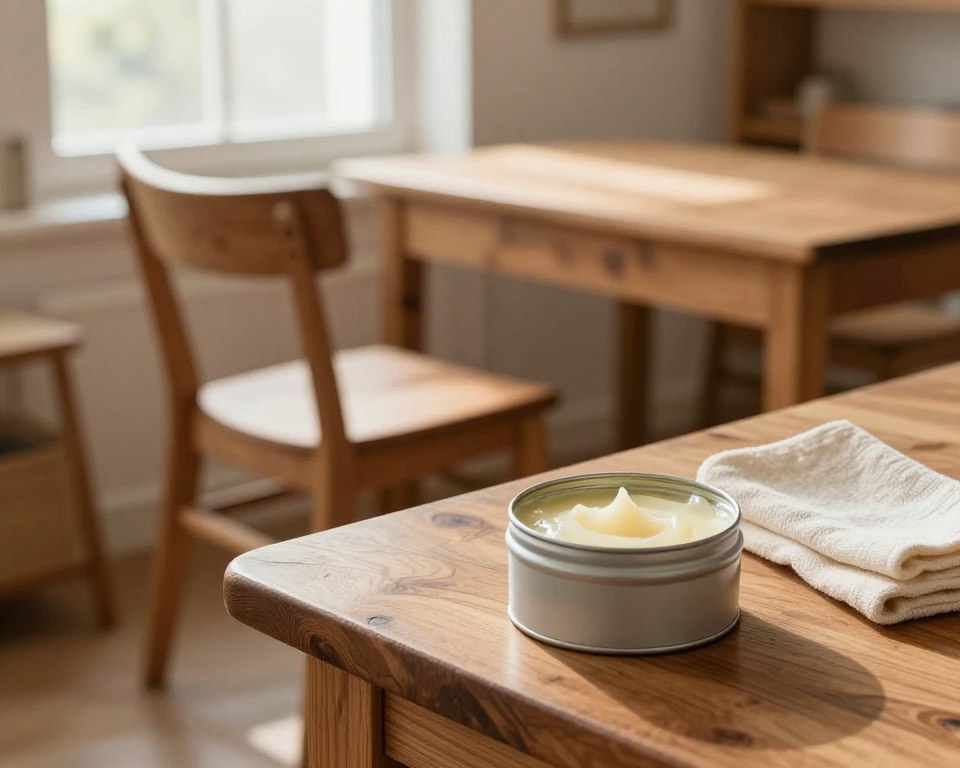
Many families are choosing natural furniture wax to make their homes safer for kids. They’re moving away from harsh chemicals found in traditional finishes. This change is a big step toward better health for everyone.
Why Natural Ingredients Reduce Indoor Air Pollution
Traditional wood treatments often release harmful chemicals into the air. These chemicals, known as VOCs, can stay in rooms for a long time. Using furniture wax for families made from plants helps keep the air clean.
“The health of our indoor environment is directly linked to the materials we choose to bring into our living spaces.”
Natural waxes, like beeswax and plant oils, don’t need harsh chemicals. This makes homes safer and healthier for kids. It’s a way to keep the air we breathe clean and fresh.
Supporting Sustainable Practices in Home Maintenance
Choosing natural furniture wax also helps the planet. It supports companies that care about the environment. These brands use safe ingredients and avoid harmful additives.
When you pick furniture wax for families from these companies, you help in many ways:
- You reduce chemical waste in making products.
- You support the use of renewable, biodegradable materials.
- You help make the industry more open about what’s in their products.
By choosing wisely, you protect your family and help the environment. This way, you make sure your home care choices match your values of safety and sustainability.
Evaluating Eco-Friendly Furniture Wax Certifications
Finding a safe wax for kids can be tricky. Many products claim to be “natural” or “non-toxic,” but these terms aren’t always checked. It’s better to look for products with official certifications that show they’ve been scientifically tested.
Understanding Green Labels and Safety Standards
The Safety of Toys Standard EN71-3:2019 is a key test for child-safe finishes. It checks if harmful elements like lead, arsenic, and mercury can get into a child’s body from touching the surface. If a product passes this test, it’s safe for kids to touch or even mouth.
Also, look for products with low or zero VOCs. These labels mean the eco-friendly furniture wax doesn’t release harmful chemicals into your home. Check the back of the container for official seals from trusted environmental agencies.
Why Third-Party Testing Matters for Parents
Marketing often focuses on looks and ease of use, not health. Third-party testing is unbiased. It lets independent labs check products for safety. This gives you a reliable way to keep your nursery or playroom safe.
Choose brands that share their test results or safety data sheets. A company that’s open about its products is more likely to care about your health. By picking products with clear data, you reduce the risk of harmful chemicals in your home.
| Certification Type | Focus Area | Reliability |
|---|---|---|
| EN71-3:2019 | Heavy Metal Migration | High (Scientific) |
| Low-VOC Seal | Air Quality | Moderate (Standardized) |
| Marketing “Natural” | Brand Messaging | Low (Unregulated) |
How to Properly Apply Wax in a Child-Safe Home
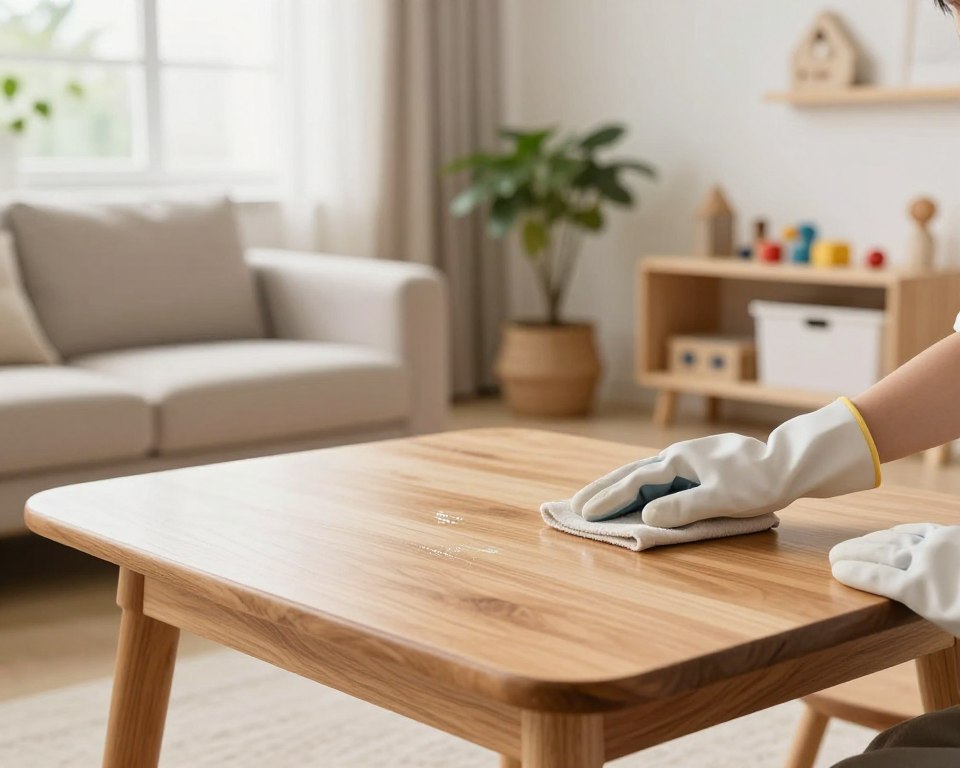
Getting your furniture to look great shouldn’t risk your family’s health. When picking furniture wax for families, how you apply it is key to avoiding harmful chemicals. By following strict safety steps, you keep your home safe during and after waxing.
Ventilation Strategies During Application
Good air flow is crucial when putting finishes on wood. Open windows and doors to let fresh air in and bad air out. If you can’t open windows, use fans to blow air out of the room.
Don’t wax in small, closed spaces like closets or rooms without windows. Proper ventilation helps keep the air clean. Keep air flowing until the wax is completely dry.
“The solution to pollution is dilution; fresh air is the most effective tool for maintaining indoor air quality during home maintenance projects.”
Protective Measures for Caregivers
Caregivers should be as careful as they are with other household chemicals. Wear nitrile gloves to avoid skin absorption of solvents. Long sleeves and eye protection are also good for big furniture projects.
After finishing, throw away all cloths in a metal bin or an outside trash can. Don’t leave oily rags together, as they can catch fire and release fumes. By doing these steps, you can safely use furniture wax for child-safe homes and protect your family.
The Importance of Curing Time for Surface Safety
Turning a wet surface into a safe, stable one is key for furniture wax for child-safe homes. Many think a surface is ready when it feels dry. But, it takes a lot of time for the chemical change to happen.
Why Immediate Use Poses Risks
Using furniture right after waxing can be risky. Chemicals can still be on the surface. When kids touch these areas, they might pick up tiny particles. These particles can then go into their mouths or on toys.
Even if a product seems natural, it needs time to cure. Using furniture too soon can mess up the curing process. This can make the surface sticky or attract dust and allergens. Patience is a fundamental component of home safety during this time.
Establishing Safe Re-entry Timelines
Setting clear times for when surfaces are safe is crucial. For example, Earthborn Furniture Wax needs days to cure fully. Keep items like cribs or play tables away from kids during this time.
We suggest waiting 48 to 72 hours before letting kids touch new furniture. This wait lets solvents evaporate and waxes bond with wood. Following these safety-first timelines helps avoid chemical ingestion or skin irritation at home.
Common Myths About Child-Friendly Furniture Wax
Parents often rely on common beliefs when it comes to furniture care. These beliefs might not be supported by science. When picking a child-friendly furniture wax, it’s easy to think that certain labels mean it’s safe. But, knowing what’s in the wax is key to keeping your home safe.
Debunking the Natural Equals Harmless Fallacy
Many think that anything from nature is safe. But, natural does not always mean harmless. Some plant-based ingredients or essential oils in wood finishes can cause allergies or breathing problems in kids.
Remember, safety depends on how much of something is in a product and how long you’re exposed to it. Even a child-friendly furniture wax made from natural stuff can be risky if not made right. Always choose products that tell you what’s in them, not just “natural.”
Clarifying Misconceptions About Food-Grade Waxes
Some people think “food-grade” means a wax is safe for all nursery furniture. But, food-grade waxes are only safe for surfaces that touch food. They might not be tough enough for furniture that gets a lot of use.
Also, being food-grade doesn’t mean it’s safe for kids to eat a lot of it or for it to build up over time. When picking a child-friendly furniture wax, think about what the furniture does, not just the wax’s safety rating. Here’s a table to help you choose wisely.
| Wax Type | Primary Use | Safety Profile | Durability |
|---|---|---|---|
| Food-Grade Beeswax | Cutting boards | High (Ingestion safe) | Low |
| Carnauba Blend | General furniture | Moderate | High |
| Synthetic Paste Wax | Decorative items | Low | Very High |
| Refined Mineral Oil | Wood conditioning | Moderate | Low |
Assessing Risks of VOCs in Furniture Maintenance
Volatile Organic Compounds, or VOCs, are a big deal when it comes to furniture safety. These chemicals can turn from liquid or solid to gas easily. When you use traditional finishes, they can stay in your home for a long time.
Volatile Organic Compounds and Developmental Health
VOCs can harm developmental health. Kids are more at risk because their bodies are still growing. Breathing in these chemicals can irritate their eyes, nose, and throat. It can also cause bigger health problems over time.
“Indoor air quality is a fundamental pillar of pediatric health, yet it is frequently overlooked in the context of routine home maintenance and furniture care.”
Not all finishes are the same. Many use synthetic solvents that release harmful vapors. Choosing an eco-friendly furniture wax helps keep your home air cleaner.
Selecting Low-VOC Products for Nursery Furniture
When setting up a nursery, picking safe materials is key. Look for products labeled as low-VOC or zero-VOC. These use natural ingredients that don’t turn into harmful gases.
The table below shows what different finishes are like. It helps you choose the right eco-friendly furniture wax for your needs.
Finish Type VOC Content Safety Profile Best Use Case Synthetic Varnish High Low Outdoor furniture Standard Paste Wax Moderate Medium General wood care Natural Beeswax Blend Very Low High Nursery furniture Plant-Based Oil Zero High Children’s toys Always check the ingredients before buying. If a product doesn’t list its ingredients, it might have hidden chemicals. Choosing clear, eco-friendly furniture wax brands keeps your child’s space safe.
Best Practices for Maintaining Wood Surfaces Near Kids
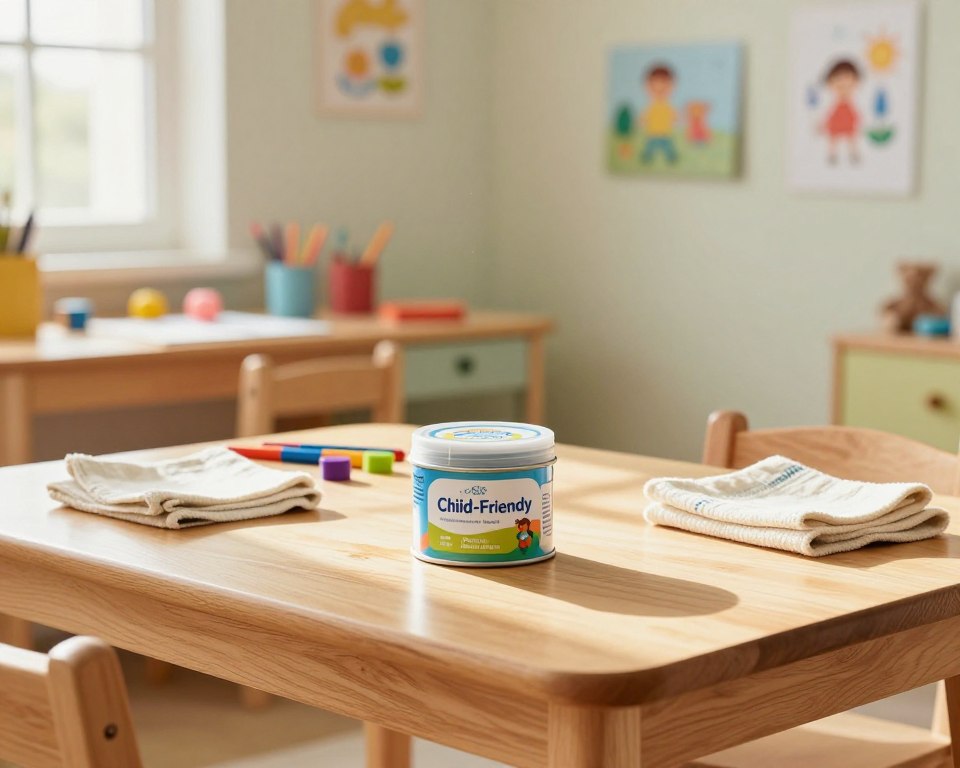
Wood surfaces treated with child-friendly furniture wax need special cleaning to stay safe and last long. When kids are around, we want to keep the finish good without using harmful chemicals. Gentle care is key to keeping these surfaces safe and your home healthy.
Routine Cleaning Without Harsh Chemicals
Cleaning waxed wood is best done with a damp microfiber cloth. Stay away from harsh sprays or chemicals, as they can damage the wax and leave harmful residues. Water alone can usually clean off dust and small debris from the surface.
If something spills, clean it right away with a soft cloth to avoid damage. For tough spots, mix a bit of mild soap with water. Make sure to dry the surface well after cleaning to keep the wax finish intact.
Preventing Ingestion of Wax Residue
Toddlers often touch and put things in their mouths. So, it’s crucial to use child-friendly furniture wax that’s fully cured and buffed. A well-buffed surface should feel smooth and not sticky.
Check often for wear or sticky spots on surfaces kids touch a lot. If the wax feels sticky, it’s time to buff it again or apply a new, safe wax layer. Keeping surfaces clean and dry helps avoid accidental ingestion.
| Cleaning Method | Safety Level | Effectiveness | Frequency |
|---|---|---|---|
| Damp Microfiber Cloth | High | Excellent | Daily |
| Diluted Mild Soap | High | Good | Weekly |
| Commercial Wood Polish | Low | High | Avoid |
| Dry Dusting | High | Moderate | Daily |
When to Avoid Waxing Furniture Entirely
Knowing when not to wax is as crucial as picking the right safe wax for kids. Natural waxes look great but might not be the best for every piece of furniture with kids around.
Some surfaces need a finish that can handle lots of cleaning, moisture, and wear. In these cases, a tough, non-porous coating is better for keeping things clean.
Identifying High-Contact Surfaces for Children
High-contact surfaces are those kids touch, lean on, or even mouth. Wax, being softer, can get damaged by saliva, spills, or hard scrubbing.
Think about these areas where wax might not be enough:
- Crib rails that get chewed or licked by teething babies.
- Changing tables that need constant cleaning with damp cloths or mild disinfectants.
- Play tables where art supplies, food, and drinks are often used.
These surfaces can quickly lose their wax finish. This leaves the wood open to moisture and bacteria, making a safe wax for kids not the best choice for these items.
Alternative Finishes for Cribs and Changing Tables
For furniture that needs to last, look at harder, more resilient finishes. Water-based polyurethanes or non-toxic wood sealants create a barrier that’s easy to clean.
These options have big benefits for nursery furniture:
- Moisture Resistance: They stop liquids from getting into the wood grain.
- Ease of Cleaning: Surfaces can be cleaned often without losing the finish.
- Durability: They withstand scratches and dents from toys or daily use better than wax.
Choosing the right finish for your furniture keeps your home looking good and working well. While you might still wax decorative items, use strong sealants for the most used pieces.
Navigating Ingredient Labels for Informed Decisions
Learning to read product ingredient lists can protect your family. Many people trust what’s on the label, but the real info is often hidden. When picking a natural furniture wax, look closely to ensure it’s safe.
How to Read Safety Data Sheets
A Safety Data Sheet (SDS) gives detailed info on a chemical product. You can find these on the manufacturer’s website. Look for Section 3: Composition/Information on Ingredients and Section 8: Exposure Controls/Personal Protection.
These sections show what’s in the product. If it’s called a natural furniture wax, it should have plant-based ingredients. Check for hazards that might need special precautions.
Identifying Hidden Chemicals in Proprietary Blends
Some products say “proprietary blend” to keep their secrets. This makes it hard to know what’s in them. Look for third-party certifications to check if it’s safe.
If it’s still unclear, ask the company for a full list of ingredients. A brand that’s open about what’s in their products is best. Choosing a natural furniture wax from such a brand helps keep your family safe.
Creating a Healthy Environment for Growing Children
Creating a safe home for your family is more than just making cabinets and outlets safe. It’s about a holistic approach to keeping your home clean. This means checking the products you use on wood surfaces to protect your kids’ health.
Holistic Approaches to Home Maintenance
Keeping your home safe is a journey, not a quick fix. Choosing a non-toxic furniture wax is a smart move. It helps lower the chemicals in your kids’ play areas. This way, you’re not just cleaning; you’re making a space that supports your children’s health.
Seeing home maintenance as a long-term effort is key. It’s about keeping the air inside your home clean. Look for products backed by science and clear ingredient lists. For tips on safe kids furniture finishes, always check the ingredients first.
Balancing Aesthetics with Safety Priorities
You can have a beautiful home without risking your family’s health. You don’t have to give up the shine of your wood furniture. A good non-toxic furniture wax gives your wood a professional look that’s also safe for little hands.
The secret is finding products that look good and are safe. Investing in thoughtful maintenance keeps your family safe. By staying informed, you can have a home that’s both healthy and beautiful.
Conclusion
Keeping your nursery or playroom healthy starts with the materials you choose. Opt for finishes that meet high standards. This way, your wood surfaces stay beautiful and your air quality stays good.
Look for safe kids furniture finishes with GREENGUARD Gold certification or FDA 21 CFR 175.300 compliance. These signs mean the finishes are safe from harmful chemicals.
Make sure the finish has been tested independently. Don’t trust terms like “natural” or “non-toxic” without proof. Check the technical data sheets and wait until the product is fully cured before letting your child touch it.
Being an informed parent helps protect your family. By choosing finishes that are safe and tested, you create a safe space for your kids to play and grow.
FAQ
What are the primary health risks associated with traditional furniture waxes?
Traditional furniture waxes often use petroleum distillates and synthetic solvents. These can release harmful VOCs into the air. This can affect breathing health, which is a big concern for people with sensitive health and young children.
Is furniture wax safe around children once it has been applied to a surface?
The safety of furniture wax around children depends on the finish’s state. Freshly applied wax is still off-gassing and not safe. But once it’s fully cured, it becomes much safer, reducing risks of skin contact or accidental ingestion.
What ingredients define a truly non-toxic furniture wax?
Look for waxes made from natural sources like beeswax, carnauba wax, and candelilla wax. Brands like Howard Products and Osmo use these because they are safer and more stable than synthetic waxes.
How can I verify if a product is an eco-friendly furniture wax?
To find eco-friendly wax, look for third-party certifications. The Safety of Toys Standard EN71-3:2019 is a good indicator. It shows the product has been tested for safety on children’s furniture.
Why is the curing time so important for a child-safe home?
Curing makes the finish hard and protective. If kids touch furniture before it’s cured, they might get residue on their skin or in their mouths. Waiting a few days before letting kids use the furniture is key to keeping a safe home.
Are low-VOC options necessary for a safe wax for kids?
Yes. VOCs can evaporate and affect health, so low-VOC waxes are safer. They’re crucial for nursery furniture, where kids spend a lot of time.
Does a "natural" label always mean it is a child-friendly furniture wax?
No. “Natural” doesn’t always mean safe. Some natural waxes can still irritate skin. Always check the Safety Data Sheet (SDS) to know what’s in the wax.
What is the best furniture wax for families with toddlers who might chew on furniture?
For surfaces like cribs or high chairs, choose a food-grade wax. Products like Walrus Oil are safe for kids to chew on, reducing risks of wax ingestion.
How should I apply wax to ensure it remains a child-friendly furniture wax?
Apply wax in a well-ventilated area, away from kids. Wear gloves to avoid skin contact. Wait until all odors are gone before letting kids near the furniture.
When should I avoid waxing furniture entirely in a home with children?
Avoid waxing on surfaces kids often mouth, like crib rails. Instead, use unfinished wood or food-safe oils. This keeps your child safe while still looking after your furniture.