Did you know over 70% of U.S. households now choose non-toxic cleaning methods? They want to improve the air inside their homes. High-temperature vapor technology is becoming popular for keeping homes clean.
Many people think steam cleaning is always chemical free and safe for all surfaces. But, using only heat is more complex. It depends on how heat works with different materials and germs.
This article looks at steam cleaning through science. We offer advice based on facts. This helps you decide if it meets your health needs.
Key Takeaways
- High-temperature vapor can kill many household germs without chemicals.
- But, it’s not good for all stains or surfaces.
- Using steam right is key to avoid damage and mold in certain materials.
- Make sure your steam cleaner gets hot enough to kill germs.
- While it lowers chemical exposure, it doesn’t remove all risks.
The Science Behind Steam Cleaning
Steam cleaning uses heat to kill germs. It heats water to boiling, making a dry vapor that cleans naturally. This method uses the thermodynamic properties of water to clean without harsh chemicals.
How High-Temperature Vapor Eliminates Pathogens
Heat quickly kills germs by denaturing proteins. This destroys the germ’s structure. It works well against many household germs and viruses.
Studies on thermal disinfection show heat can kill germs. Steam cleaners keep the heat steady. This makes germs lose their shape and become harmless.
The Role of Thermal Energy in Breaking Down Grime
Heat also helps remove dirt and oils. The steam melts oils and fats, making them easy to clean. This is great for surfaces like tile and wood.
This method avoids using harmful chemicals. The table below shows how heat works on different dirt types to clean.
| Contaminant Type | Thermal Mechanism | Resulting Action |
|---|---|---|
| Surface Bacteria | Protein Denaturation | Biological Inactivation |
| Grease and Oils | Thermal Emulsification | Liquefaction for Removal |
| Dried Organic Debris | Molecular Expansion | Loosening of Adhesion |
| Dust and Allergens | Kinetic Displacement | Physical Extraction |
Is Steam Cleaning Chemical Free Safe?
Many people ask if steam cleaning chemical free safe methods really work for a healthy home. Marketing often says “chemical-free,” but what does that really mean? True cleaning needs a certain heat level, not just wiping surfaces.
Defining Chemical-Free Sanitization
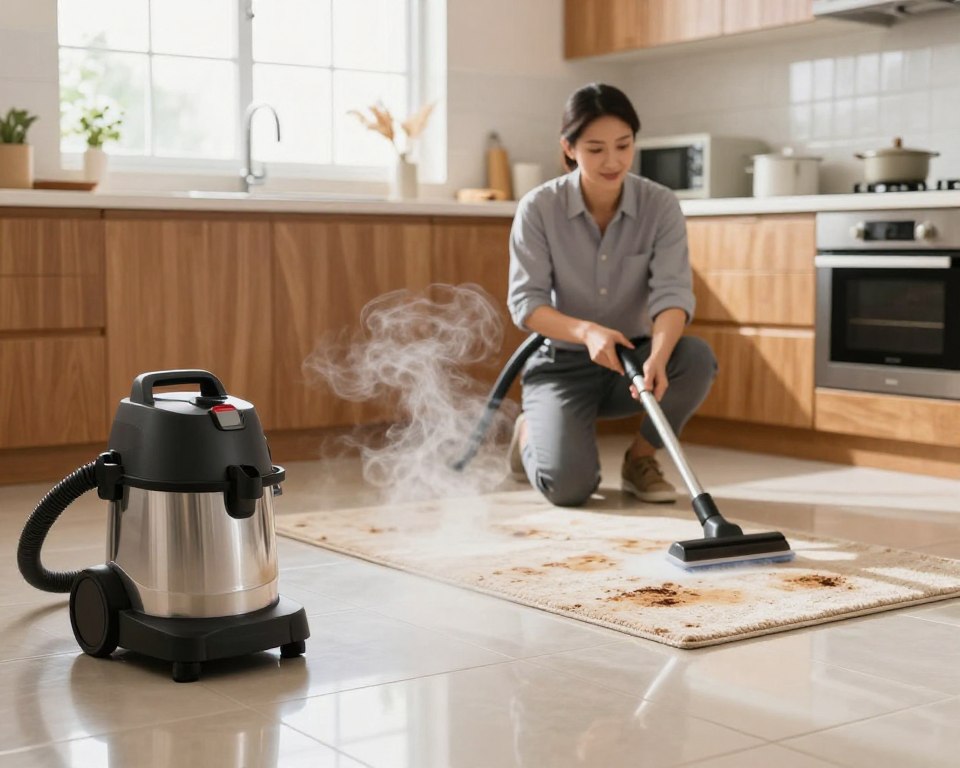
Water is a chemical, but in cleaning, “chemical-free” means no artificial stuff. Using a top-notch device, as shown in this complete guide to chemical-free cleaning, uses heat to kill germs, not chemicals.
To keep your cleaning safe and effective, remember these key points:
- Thermal Efficacy: Germs need certain temperatures to be killed.
- Residue Management: Steam doesn’t leave any chemical residue on surfaces.
- Material Compatibility: Make sure your surfaces can handle steam’s high heat.
The Reality of Steam as a Natural Solvent
Steam is a powerful natural cleaner because it uses heat to break down dirt and grease. When water turns to steam, its molecules get very active. They can get into small spaces and remove tough dirt without leaving harmful chemicals behind.
Steam dries fast, which means it doesn’t cause moisture problems like mold. By using heat, you can clean your space safely and effectively. This method is great for those who care about clean air and less chemical use at home.
Health Benefits of Non-Toxic Steam Cleaning
Choosing non-toxic steam cleaning makes your home safer and healthier. It replaces harsh chemicals with just hot water. This way, you get rid of indoor pollutants without using harmful additives.
Reducing Indoor Air Pollution
Many cleaning products release harmful chemicals into the air. These chemicals can stay in your home, making the air unhealthy. Non-toxic steam cleaning gets rid of these problems, keeping your air clean.
“The most effective way to improve indoor air quality is to remove the source of pollutants rather than trying to filter them out after they have been introduced to the environment.”
Benefits for Allergy and Asthma Sufferers
Household allergens like dust mites and pet dander are tough for people with allergies. They hide in carpets, upholstery, and curtains. Non-toxic steam cleaning kills these allergens deep down, without leaving harmful chemicals behind.
The table below shows how steam cleaning is better for your lungs than chemical cleaners.
| Feature | Chemical Cleaners | Steam Cleaning |
|---|---|---|
| VOC Emission | High | None |
| Allergen Removal | Surface level | Deep penetration |
| Respiratory Risk | Potential irritant | Neutral/Safe |
| Residue Left | Chemical film | None |
By picking non-toxic steam cleaning, you’re choosing health over chemicals. It’s a smart, safe way to keep your air clean and your home healthy.
Environmental Impact of Green Steam Cleaning
Choosing green steam cleaning helps reduce our impact on the environment. It means using less of the harmful chemicals found in many cleaning products. These chemicals can harm our local ecosystems.
Switching to environmentally friendly steam cleaning changes how we handle waste and use resources at home. It’s a smart way to keep our homes clean without harming the environment.
Reducing Plastic Waste from Cleaning Bottles
Old cleaning methods often use many plastic bottles filled with chemicals. These bottles add to the plastic waste problem in landfills and recycling centers.
With eco-friendly steam cleaning, we don’t need these plastic bottles anymore. A single steam cleaner can replace dozens of chemical cleaners. This cuts down on plastic waste a lot.
Water Conservation in Household Maintenance
Water is becoming scarcer, so our cleaning tools need to be efficient. Traditional cleaning uses a lot of water mixed with detergents, which we throw away after use.
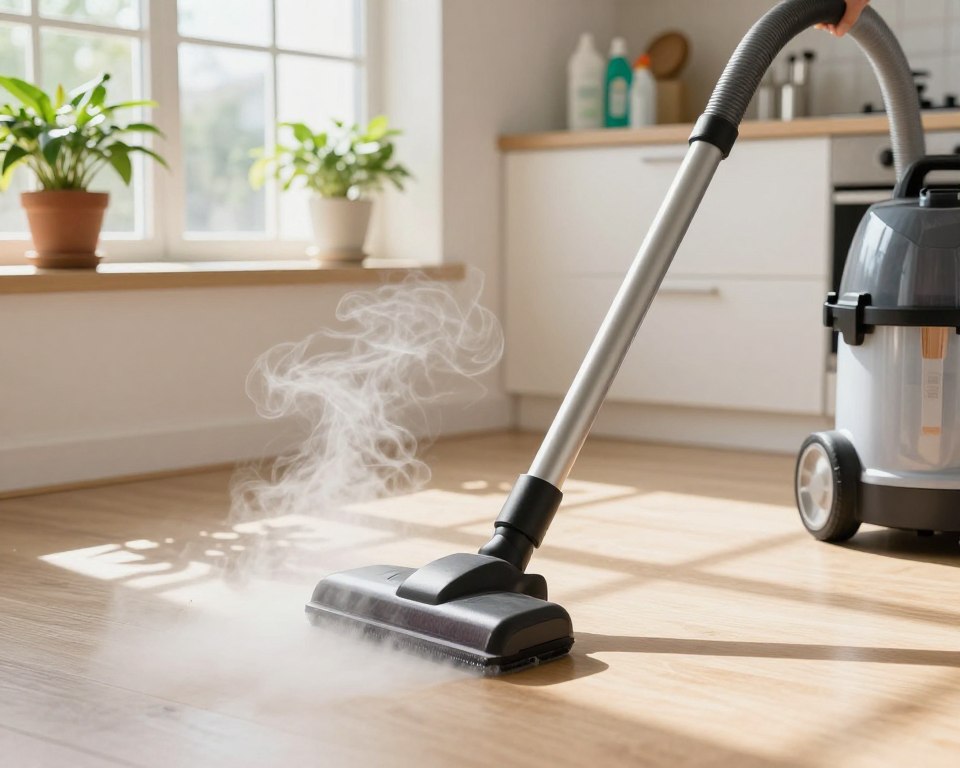
Green steam cleaning uses high-pressure vapor to clean surfaces. It only needs a little water to work, saving a lot of water.
This method also avoids harsh chemicals. So, the water used doesn’t harm our homes or the water system. It keeps our cleaning safe and eco-friendly.
Potential Risks and Safety Precautions
Steam cleaning is powerful but needs respect for its heat. The high-temperature vapor is great for cleaning, but it can hurt if not handled right. Following safety rules keeps your cleaning safe and effective.
Preventing Steam Burns and Thermal Injuries
Steam burns happen fast because steam carries more heat than boiling water. Keep a safe distance from the steam nozzle to avoid burns. Never point the steam wand at yourself or others when using it.
Wear heat-resistant gloves for extra safety. Be careful of hot water running down vertical surfaces. Always test the steam on a small area first.
Electrical Safety When Using Steam Appliances
Water and electricity together need careful attention to avoid shocks. Make sure your steam cleaner is plugged into a grounded outlet. Check the power cord for damage before each use.
Proper Cord Management
Keep the power cord away from the steam mop to avoid accidents. A damaged cord can cause electrical problems or fires. Always unplug by the plug head, not the cord.
Handling Hot Attachments
Attachments like brushes and nozzles get very hot. Let them cool for at least ten minutes before changing. If you need to change quickly, use a towel or heat-resistant tool to avoid burns.
Comparing Steam Cleaning to Traditional Chemical Methods
The move to steam cleaning without chemicals is a big change in keeping places clean. Many homes are now looking at their cleaning methods. They compare old chemical ways to the power of steam.
This change needs a clear look at how well each method works and the cost over time.
Efficacy Against Bacteria and Viruses
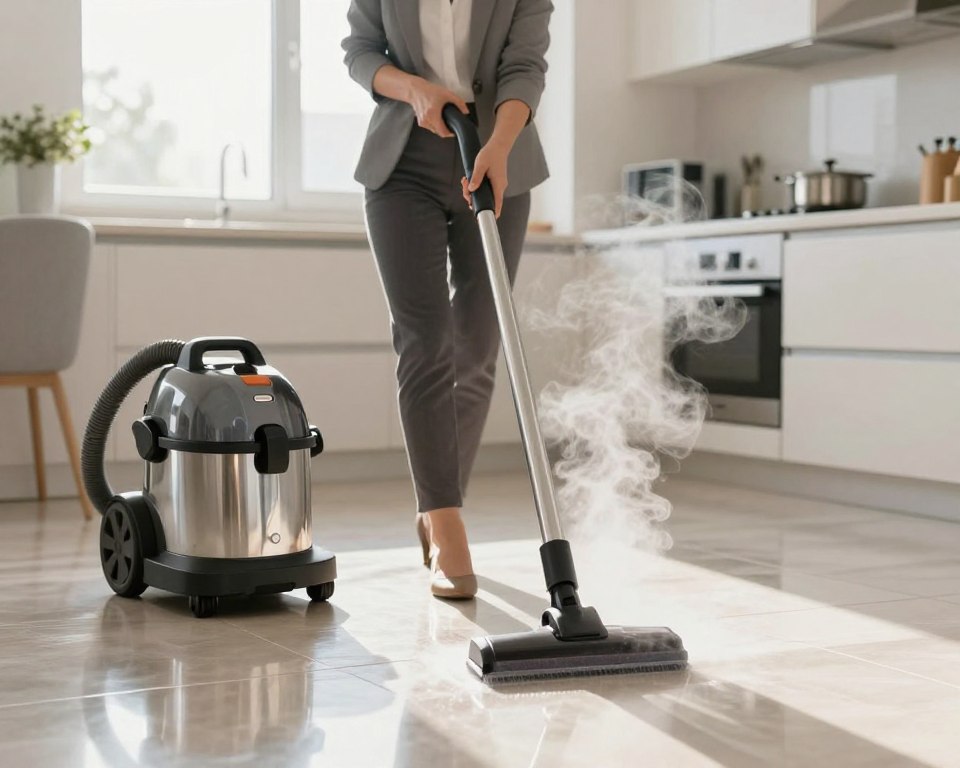
Old disinfectants use chemicals to kill germs, needing time to work. Steam, on the other hand, uses heat to kill germs fast. This makes steam a reliable way to clean without leaving harmful stuff behind.
Chemical cleaners work well but need rinsing to get rid of bad stuff. Steam cleaning skips this step, making it quick for places like kitchen counters and bathrooms.
Cost-Effectiveness Over Time
Getting a good steam cleaner might cost more upfront than buying household cleaner. But, think about all the money you save over time. Buying chemicals again and again adds up fast.
A good steam cleaner just needs water and power, saving you money every month. Choosing steam cleaning without chemicals means you don’t keep buying more. It’s a smart and economical way to keep your home clean.
Best Practices for Organic Steam Cleaning
To get the most out of natural steam cleaning solutions, you need to follow certain steps. It’s not just about the steam; it’s how it interacts with surfaces. You must prepare the area and control the heat to get the best results.
Preparing Surfaces for Optimal Steam Penetration
First, remove all loose dirt and grime from the surface. If you don’t, the steam might push dirt deeper or leave a residue. For cleaning carpets eco-friendly, start with a good vacuum to let the steam reach the base.
After cleaning, check for any damage or loose finishes. Steam works best on clean, undamaged surfaces. This way, the heat can penetrate fully for effective cleaning.
Determining Dwell Time for Effective Sanitization
Dwell time is how long a surface needs to stay wet with steam to kill germs. Many people move the steam too fast. To truly organic steam clean, move slowly to let the heat soak in.
“The steam’s power comes from how long it touches the surface. Without enough time, you’re just warming it, not cleaning it.”
Here’s a table with recommended dwell times for common surfaces to ensure the best cleaning.
| Surface Type | Recommended Dwell Time | Steam Intensity |
|---|---|---|
| Sealed Hardwood | 3-5 Seconds | Low |
| Ceramic Tile | 7-10 Seconds | High |
| Upholstery | 5-8 Seconds | Medium |
| Grout Lines | 10-15 Seconds | High |
Keep an eye on the surface temperature to avoid damage. If you see too much moisture, lower the steam or move faster. Using the right method keeps your home clean without harsh chemicals.
Surface Compatibility and Material Safety
Not every surface in your home can handle the heat and moisture from steam cleaners. Steam is great for cleaning, but using it wrong can damage some materials. It’s important to know how hot your surfaces can get.
Safe Use on Hardwood and Laminate Flooring
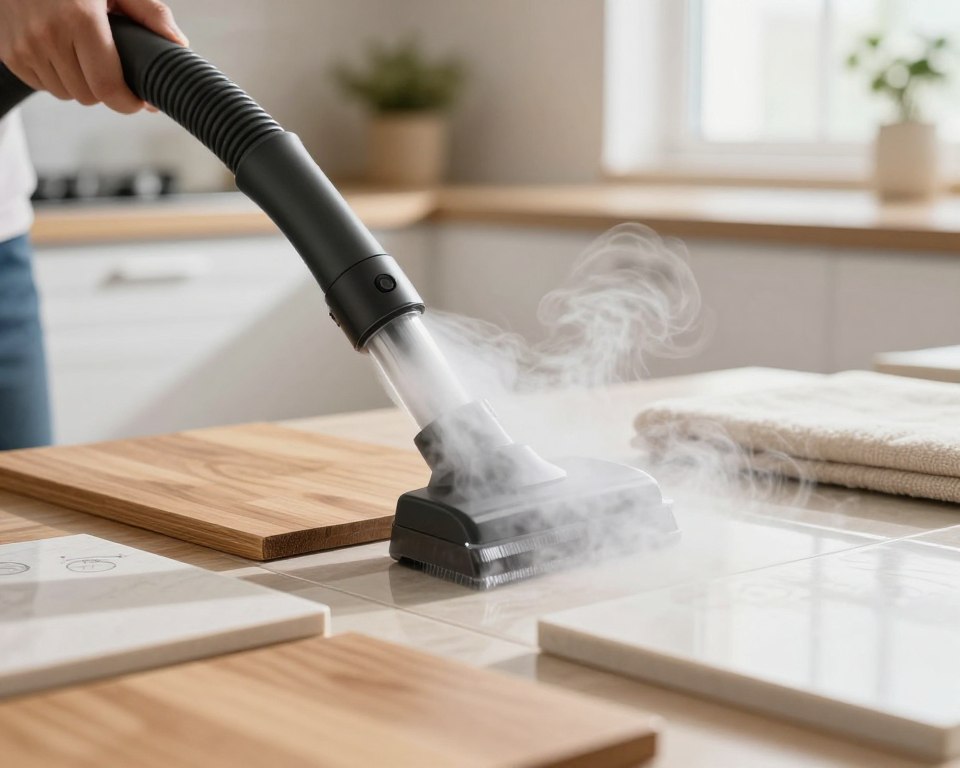
Hardwood and laminate floors need special care with steam. Too much moisture can get into the seams and cause problems. Make sure your floors are sealed well before using a steam mop.
When steam cleaning these floors, use the lowest heat and move the mop fast. Don’t let the steam head stay in one place for too long. Quick, light passes are best to keep your floors looking good.
Risks to Upholstery and Delicate Fabrics
Upholstery and delicate fabrics don’t do well with hot steam. Materials like silk, wool, or velvet can shrink or change color. Always check the care label before steaming any fabric.
Synthetic fabrics can also be damaged by high heat. If you must steam clean upholstery, keep a safe distance and use a cloth to protect it. Test a small area first to avoid damage to your furniture or curtains.
Common Misconceptions About Steam Sanitization
Understanding home hygiene means knowing what steam can and can’t do. Many think steam’s high temperatures make it a magic solution for germs. But, scientific reality is more complex than what marketing says.
The Myth of Instant Sterilization
Many believe steam instantly sterilizes on contact. But, sustained contact time is needed for steam to kill germs. Just moving a steam mop quickly doesn’t kill all bacteria or viruses.
To sanitize, steam must stay on the surface long enough. If it moves too fast, it might not kill germs. Patience is key when using steam to ensure it works well.
Understanding the Difference Between Cleaning and Disinfecting
Cleaning and disinfecting are not the same. Cleaning removes dirt and dust but doesn’t kill germs. It lowers germ numbers but doesn’t eliminate them.
Disinfecting aims to kill germs to safe levels. Steam can disinfect, but only with the right method and time. Knowing this helps set realistic cleaning goals.
| Process | Primary Goal | Mechanism | Result |
|---|---|---|---|
| Cleaning | Remove visible soil | Physical agitation | Reduced debris |
| Sanitizing | Lower germ count | Heat or chemicals | Safe levels |
| Disinfecting | Eliminate pathogens | Chemical or thermal | Sterile-like state |
Essential Equipment for Healthy Steam Cleaning
To get a healthy steam cleaning job done right, you need the right tools. Good appliances make sure the heat is evenly spread on surfaces. This is key for cleaning well. Also, reliable tools last longer and work better.
Features to Look for in Reliable Steam Mops
When you’re looking for a steam mop, look for adjustable pressure settings. This lets you change how hard the steam is, based on the floor type. It keeps your floors safe. A bigger tank capacity means you don’t have to refill it as often.
Choose a mop that keeps a consistent high temperature. If it gets too cold, it won’t clean well. Good mops have lights that show when they’re ready for healthy steam cleaning.
Choosing the Right Attachments for Versatility
The usefulness of a steam cleaner depends on its attachments. A good cleaner should have many nozzles and brushes for different jobs. For example, a small brush is great for grout, and a microfiber cloth is best for general cleaning.
Here’s a table to help pick the best features for your home:
| Feature | Benefit | Best Use Case |
|---|---|---|
| Adjustable Pressure | Surface protection | Hardwood and laminate |
| High Tank Capacity | Extended runtime | Large floor areas |
| Detail Nozzle | Precision cleaning | Corners and fixtures |
| Microfiber Pads | Dirt absorption | General floor maintenance |
Choosing the right attachments makes your healthy steam cleaning better. Make sure they’re on tight before you start to keep things safe and working right.
Image Disclosure and Educational Context
We value transparency in our visual content to keep our readers’ trust. We aim to provide clear and accurate information. This includes the images we use in this guide.
Some images in this article are AI-generated. They help explain topics like veterinary care and medication safety. These visuals make complex ideas easier to understand.
Understanding the Use of AI-Generated Visuals
AI-generated imagery helps us show scenarios that are not real but helpful. It gives visual context for safety rules. This way, we avoid using stock photos that might not fit our educational needs.
We make sure these images match the facts in our text. While they make reading better, the real information comes from our experts.
Educational Purpose of Illustrative Content
All the images are for educational purposes only. They should not replace professional advice or care.
For safety tips, always check reliable sources. If you want to know about professional cleaning standards, look at the standards for cleaning products. Always talk to a professional if you have health or pet concerns.
Maintenance and Longevity of Steam Cleaners
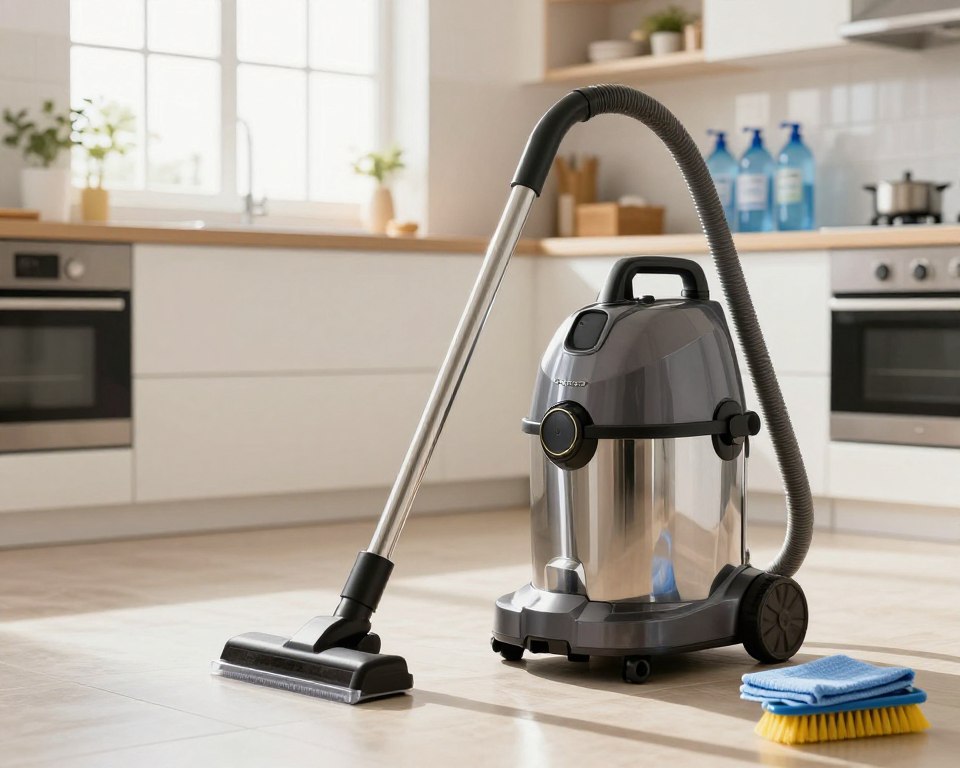
Regular maintenance can make your steam cleaner last longer. Taking good care of it means it will work well for years. By keeping an eye on its parts, you avoid problems and keep cleaning easy.
Descaling Your Machine for Consistent Performance
Tap water can leave minerals in your steam cleaner’s boiler. These can block water flow and lower steam temperature. Regular descaling keeps steam pressure high and stops blockages.
To keep your machine in top shape, follow these descaling steps:
- Check the manual for the right descaling solution or vinegar mix.
- Fill the tank with the solution and let it sit as the brand suggests.
- Run the cleaner on a safe surface to clear the solution from lines.
- Do a final rinse with fresh, distilled water to remove any left-over solution.
Storage Tips to Prevent Mold and Mineral Buildup
Storing your steam cleaner right is as crucial as cleaning it. Moisture in the tank or hoses can lead to mold and bacteria. Always empty the tank after each use to avoid damage.
Here’s how to keep your cleaner clean and working well when not in use:
- Store in a dry environment: Keep it in a cool, dry place to stop corrosion and dampness.
- Detach accessories: Take off brushes, nozzles, and pads to let them dry completely.
- Keep the tank cap loose: If you can, leave the tank cap a bit open to help air dry the tank.
- Avoid extreme temperatures: Don’t store it in freezing places, as water can expand and damage pipes.
By following these easy steps, you protect your investment and keep your steam cleaner reliable. Consistency is the key to avoiding expensive fixes and keeping your cleaner effective.
Conclusion
Steam cleaning is a smart way to keep your home clean without using harsh chemicals. It uses hot vapor to kill germs and dirt. This helps keep the air inside your home clean too.
To do it right, follow the instructions from your steam cleaner, like Bissell or Dupray. Keeping your machine in good shape means it will work well for a long time.
It’s also important to know what surfaces you can clean with steam. Check if a surface can handle heat before cleaning it. This prevents damage to things like fabrics or hardwood floors.
Using steam cleaning as part of your routine can really help keep your home healthy. It’s a smart way to keep your home clean and safe for everyone. By following these tips, you make your home a better place for your family and pets.
FAQ
Is steam cleaning truly chemical-free and safe for my home?
Yes, steam cleaning is safe and chemical-free. It uses only water vapor at high temperatures. This method is a natural way to clean without harsh chemicals.
It’s great for homes with babies, pets, or people sensitive to chemicals. It keeps your home free from toxic residues.
How does high-temperature vapor eliminate pathogens like bacteria and viruses?
Steam kills pathogens through heat. When vapor gets hot enough, it breaks down the cells of bacteria and viruses. This makes steam cleaning a safe way to sanitize without chemicals.
Can non-toxic steam cleaning improve indoor air quality?
Yes, it can. Non-toxic steam cleaning cuts down on air pollution. It removes harmful chemicals and allergens from surfaces.
This is good for people with asthma or allergies. It makes the air in your home cleaner and healthier.
Is green steam cleaning better for the environment?
Green steam cleaning is better for the planet. It uses less plastic and keeps chemicals out of water systems. It also saves water by using a small amount to make lots of vapor.
Is it safe to use steam on hardwood or laminate flooring?
It can be, but be careful. Too much moisture or heat can damage wood or laminate. Always use a low steam setting and move the mop fast.
Check your floor’s warranty before using steam on it.
Does steam provide instant sterilization of surfaces?
No, it’s not instant. Steam is powerful, but it needs time to kill all microbes. Just passing steam over a surface quickly might not fully disinfect it.
How do I prevent burns or injuries when using a steam cleaner?
Safety first when using steam. Let the machine cool down before changing attachments or refilling. Keep cords tidy to avoid tripping.
Never point the steam nozzle at skin, pets, or plants.
Is steam cleaning without chemicals more cost-effective than traditional methods?
Yes, it’s more cost-effective in the long run. While a good steam cleaner costs more upfront, it saves money on cleaning products. You only need water to clean.
How should I maintain my equipment for a healthy steam cleaning routine?
Keep your steam cleaner working well by descaling it. This is important if you have hard water. Empty the water tank and dry the machine after use.
This stops mold and bacteria from growing inside. It keeps your steam cleaner in top shape.
Why are some images in steam cleaning guides AI-generated?
Some guides use AI images to explain complex ideas. These pictures help show how steam kills germs or how machines work. They’re educational tools, not a replacement for your machine’s manual.