Did you know that nearly 70% of household chemical exposures happen when products are mixed wrong at home? Many think making their own chemical mixes is safer. But, the truth about home chemistry is more complicated than it seems.
When you mix a concentrated cleaner for use, you’re like a lab tech. If you don’t measure it right, you might make things worse for your family and pets. It’s key to know the science behind these chemicals to keep your home safe.
This article looks into if a diluted cleaner is really safer for your home. We’ll check out ways to keep your home clean without risking your health.
Key Takeaways
- Home dilution needs exact measurements to avoid chemical accidents.
- Wrong mixing can ruin the point of household cleaners.
- Keeping pets and kids safe means following the maker’s rules exactly.
- Getting what chemical labels mean is the first step to safe home care.
- Using proven methods keeps your home clean and safe.
Understanding the Chemistry of Concentrated Cleaning Agents
Every powerful cleaning solution needs a special mix of chemicals to work well. When you buy a concentrate, you get the key ingredients without extra water. Knowing about cleaning chemistry helps you use these products better.
The Role of Surfactants and Solvents
Surfactants are the main workers in any powerful cleaning solution. They have two parts: one that likes water and another that likes oil or grease. This lets them break down dirt and lift it off surfaces easily.
Solvents help by dissolving tough stuff that surfactants can’t handle. They break down things like adhesives and dried oils. Here’s how surfactants and solvents work together:
| Component | Primary Mechanism | Target Debris |
|---|---|---|
| Surfactants | Lowers surface tension | Dust, grime, and oils |
| Solvents | Dissolves molecular bonds | Adhesives, paint, and wax |
| Builders | Softens hard water | Mineral deposits |
How Concentration Levels Affect Chemical Stability
High concentration levels make cleaning more efficient but also harder to keep stable. When there’s more active ingredient in a small space, it can break down or separate. Proper storage is key to keeping it effective.
“Chemical stability is not merely about shelf life; it is about ensuring that the product performs exactly as intended every time it is diluted and applied.”
Extreme temperatures or bad light can weaken the chemicals. This can make the cleaner less effective or even create unwanted products. Always follow the maker’s instructions to keep your cleaners working well.
Why Concentrated Cleaner Diluted Safer Practices Matter
Creating a non-toxic home starts with knowing the dangers of using chemicals wrong. Using cleaning products in their strongest form can be too harsh for home surfaces. This can expose you and your family to harmful substances.
Reducing Volatile Organic Compounds in Indoor Air
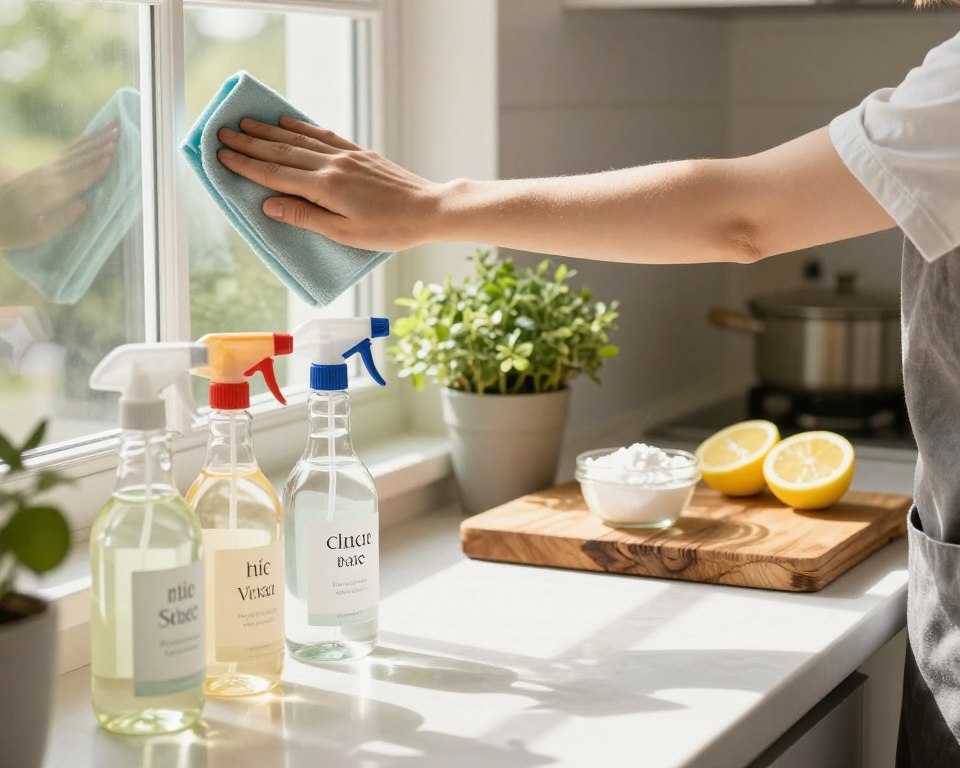
Many cleaning products have solvents that release harmful VOCs into the air. These can build up in homes, causing bad air and health problems. Diluting these products helps keep the air clean and safe.
Following the instructions on cleaning products helps keep them safe to use. Consistent dilution stops harmful vapors from building up. This keeps your home a healthy place for everyone.
The Balance Between Efficacy and Toxicity
It’s important to find a balance between cleaning well and safely. Using too much of a product can leave toxic residue. The table below shows how the right amount of dilution affects both cleaning and safety.
| Dilution Level | Cleaning Efficacy | Toxicity Risk | Recommended Use |
|---|---|---|---|
| Standard Ratio | High | Low | Daily Maintenance |
| Over-Concentrated | Moderate | High | Not Recommended |
| Under-Diluted | Low | Minimal | Light Dusting |
You don’t need strong chemicals to clean well. Using the right amount of product keeps your home clean and safe. This way, your cleaning helps your health, not hurts it.
Environmental Impact of Concentrated Formulas
More and more homes are using concentrated formulas to be kinder to the planet. These formulas have less water, so they need less packaging and take up less space. This change is a big part of sustainable home cleaning. It lets people stay clean without harming the environment as much.
Reducing Plastic Waste Through Refillable Systems
Single-use plastic bottles are a big problem for landfills. Refillable systems help by letting people use the same containers over and over. Switching to these systems is a great way to live more eco-friendly.
“The most sustainable product is the one that doesn’t require constant replacement of its primary delivery vessel.”
Using concentrated refills means you don’t have to buy new plastic bottles all the time. This cuts down on waste and makes it easier to keep track of what you have at home.
Lowering Carbon Footprints in Shipping and Logistics
Shipping water around the world is bad for the environment. Concentrated formulas are lighter and take up less space, so they’re easier to ship. This makes a big difference in how much carbon is released during transport.
- Reduced weight: Less fuel used during transport.
- Space efficiency: More items per pallet, fewer trips needed.
- Supply chain optimization: Better networks for eco-friendly products.
Choosing concentrated formulas is key to sustainable home cleaning. When we pick efficient products, we help make the world a better place.
Health Risks Associated with Improper Dilution
It’s important to know the risks of using strong cleaning agents. If you don’t mix them right, they can become dangerous. Following the maker’s instructions is key to staying safe.
Dermal Irritation and Respiratory Sensitivities
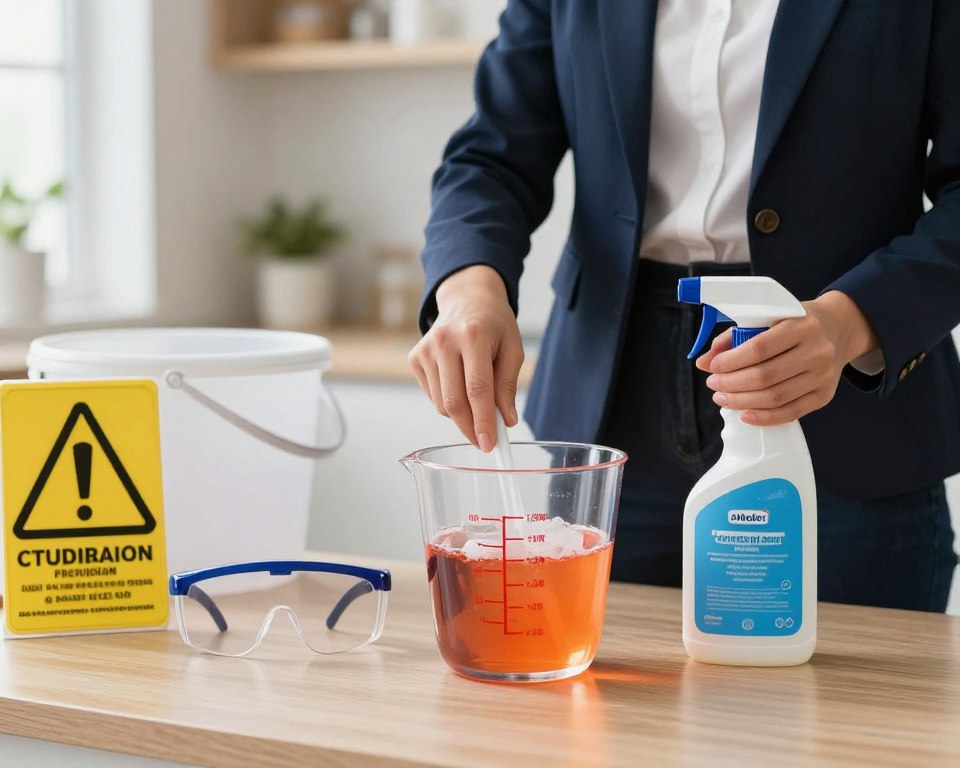
Strong cleaners have lots of active ingredients. If they touch your skin without being diluted, they can harm it. This might cause dermal irritation, like redness or itching.
Inhaling particles from these cleaners can also hurt your lungs. People with respiratory sensitivities, like asthma, might get sick right away.
The Dangers of Over-Concentration
It’s tempting to use more cleaner for tough jobs. But using too much can make it very harmful. It can even cause chemical burns or damage surfaces.
Too much of these chemicals can also make the air in your home bad. This can make you dizzy, nauseous, or hurt your breathing. Being precise is not just a good idea; it’s essential when using strong cleaners at home.
Essential Tools for Accurate Home Dilution
Getting precise is key to safe and effective cleaning at home with concentrated formulas. Even small mistakes in measuring concentrated chemicals can make solutions too weak or too strong. It’s crucial to get the right dilution ratios for top-notch home care.
Measuring Cups and Precision Pipettes
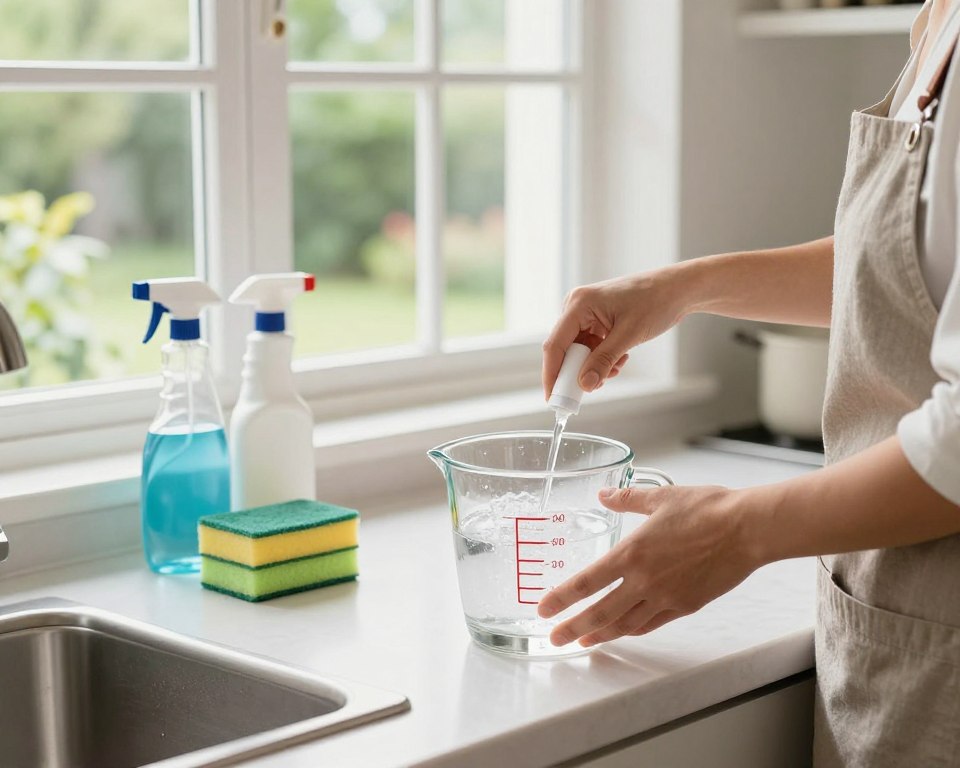
Kitchen measuring cups aren’t enough for precise chemical dilution. Use lab-grade graduated cylinders or precision pipettes to get the exact amount of concentrate. These tools help keep your cleaning solution’s chemical balance intact.
Using precise tools avoids the mistake of too much concentrate. Consistency is key for effective cleaning without harming surfaces. Always clean your tools well after each use to avoid mixing up different products.
Choosing the Right Dilution Containers
The container for your diluted solution is as important as measuring it. Choose containers that are chemically resistant. Cheap plastics can break down or leak chemicals when mixed with certain agents.
Go for containers made from HDPE or glass, which are more durable. Make sure they’re labeled with what’s inside and when you mixed it. This helps avoid accidents or misuse at home.
| Tool Type | Primary Benefit | Best Use Case |
|---|---|---|
| Precision Pipette | High Accuracy | Small volume concentrates |
| Graduated Cylinder | Volume Precision | Medium to large batches |
| HDPE Spray Bottle | Chemical Resistance | Daily surface cleaning |
| Glass Dispenser | Material Stability | Long-term storage |
Step-by-Step Guide to Safe Mixing Procedures
Mixing concentrated cleaners needs a careful approach for safety and effectiveness. By following set protocols, you avoid accidents and get the most from your cleaners. Precision is the key to a safe home.
Preparing Your Workspace for Chemical Handling
First, pick a dedicated area for mixing. Choose a spot with good air flow, like a room with a window or a fan. Always clear the area of food, pet stuff, and kids’ toys to prevent contamination.
Put on protective gear like gloves and safety glasses to avoid skin contact. Make sure your workspace is flat and stable to avoid spills.
Calculating Ratios for Optimal Performance
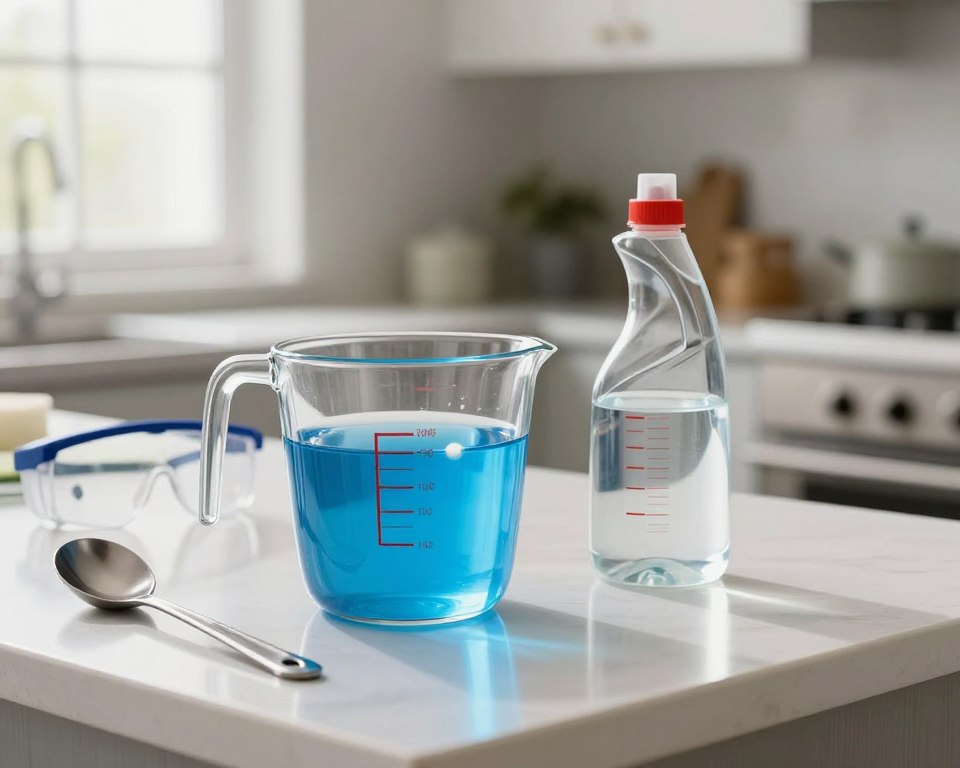
Knowing the right dilution ratios is key for your cleaner’s performance. Too much can damage surfaces, while too little won’t clean well. Always check the label before mixing.
Use precise tools like graduated cylinders for accurate measurements. This keeps your dilution ratios consistent. For example, a 1:10 ratio means one part concentrate to ten parts water.
| Application Type | Dilution Ratio | Water Amount | Concentrate Amount |
|---|---|---|---|
| Light Duty Cleaning | 1:32 | 32 Ounces | 1 Ounce |
| General Purpose | 1:10 | 10 Ounces | 1 Ounce |
| Heavy Duty/Degreasing | 1:4 | 4 Ounces | 1 Ounce |
| Sanitizing Surfaces | 1:1 | 1 Ounce | 1 Ounce |
Start by adding water to the container, then the concentrate. This method prevents splashes and keeps the mix safe. Careful attention to these details keeps your cleaning solutions safe.
Comparing Natural vs. Synthetic Concentrates
When choosing home cleaning solutions, it’s key to know the difference between natural and synthetic concentrates. Many people choose natural cleaning products for their safety. But, how well they work depends on their molecular makeup.
Plant-Based Ingredients and Their Efficacy
Botanical cleaners use surfactants from coconut, corn, or sugar. These ingredients make water work better, helping to remove dirt and oils. Even though they’re plant-derived, their cleaning strength can change based on how much is used.
Just because something is plant-based doesn’t mean it’s less effective. When made right, these ingredients can be as good as, or even better than, traditional chemicals. For more on this, check out this in-depth look at natural vs. chemical cleaners to see how they stack up in real life.
Synthetic Surfactants and Their Cleaning Power
Synthetic surfactants are made in labs to clean well and last long. They work well in different water types and temperatures. Because they’re chemically optimized, you need less of them to get the job done.
But, synthetic cleaners might have more complex chemicals. They can clean well but might be harsher on your skin or lungs if not used carefully. It’s important to weigh the need for a clean home against the risk of using these products.
Evaluating Biodegradable Claims in Modern Cleaners
Looking for environmentally safe products means more than just reading labels. It’s about digging deeper to find real ecological benefits. This way, you can cut through the marketing hype and find products that truly help the planet.
Understanding Regulatory Standards for Biodegradability
Biodegradability means a substance can break down naturally. In the U.S., the Federal Trade Commission has rules to stop false environmental claims. But, these rules can be open to different interpretations by companies.
To know if a product is environmentally safe, look for third-party certifications. The EPA’s Safer Choice program and Green Seal are good examples. They check if products are safe for humans and the environment. These groups make sure companies are honest about what’s in their products.
“Sustainability is not just about the product itself, but the entire lifecycle of the chemicals we introduce into our homes and water systems.”
Greenwashing vs. Genuine Sustainable Formulas
Greenwashing happens when companies make false claims about being eco-friendly. They might use green packaging or say their products are “natural” and “non-toxic” without proof. These tricks aim to avoid detailed research by consumers.
Real sustainable products are open and scientifically tested. Look for these signs of true authenticity:
- Third-party certifications from trusted environmental groups.
- Clear ingredient lists that don’t hide behind “fragrance” labels.
- Specific claims about how fast the product breaks down in water.
- Concentrated formulas that use less plastic packaging.
By focusing on these signs, you can choose products that are safe and good for the planet. Going beyond the marketing helps keep your cleaning routine effective and eco-friendly.
Storage and Labeling Best Practices for Diluted Solutions
After making your cleaning solution, it’s key to store it safely and label it clearly. This way, your biodegradable formula stays effective and safe for your family.
Preventing Accidental Ingestion Through Proper Labeling
Labeling is crucial to keep kids and pets safe. Don’t count on remembering what’s in a bottle.
Use waterproof markers or labels to write the product name and when you made it. Always include a warning symbol if it’s harmful if swallowed or gets in eyes.
Keep all bottles in a locked cabinet or high shelf. This simple step helps protect your home.
Maintaining Chemical Integrity Over Time
Once mixed with water, a cleaning agent’s strength can change. A biodegradable formula is extra sensitive to its environment.
Direct sunlight and heat can make it break down faster. Keep bottles in a cool, dark, dry place.
Use dark, opaque containers to protect from light. Following these tips keeps your cleaners safe and effective until they’re all gone.
Protecting Pets and Children from Chemical Exposure
Keeping pets and kids safe starts with knowing what’s in your cleaning supplies. Small bodies are more at risk from chemicals than big ones. Spotting dangers early helps avoid poisoning and health problems later.
“The dose makes the poison.”
Identifying Toxic Ingredients in Common Cleaners
Many cleaners have chemicals that can harm breathing or skin. Things like ammonia, bleach, and phthalates are common but dangerous. Spotting these dangers is the first step to a safer home.
Check labels for synthetic fragrances or harsh chemicals. These can cause skin problems or poisoning if touched or swallowed. Switching to non-toxic cleaners can greatly reduce these risks.
Creating a Pet-Safe Cleaning Routine
More than just changing products, a safe routine means how you use them. Make sure cleaning solutions are dry before letting pets or kids back in. Natural cleaning products are a good choice for keeping your home clean without toxins.
Being consistent is crucial for safety. Keep all cleaners out of reach in locked cabinets. Using non-toxic stuff and strict storage rules makes your home a safe, healthy place for all.
Common Mistakes When Diluting Household Cleaners
Many accidents happen when we mix cleaning agents wrong. These products are meant to work well, but we must handle them with care. Knowing the right dilution ratios is key to keeping our homes safe.
Mixing Incompatible Chemicals
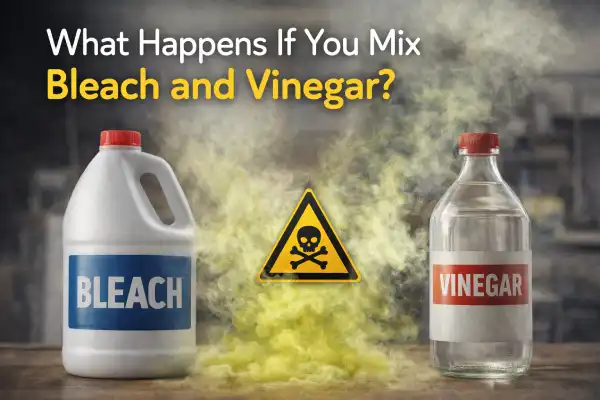
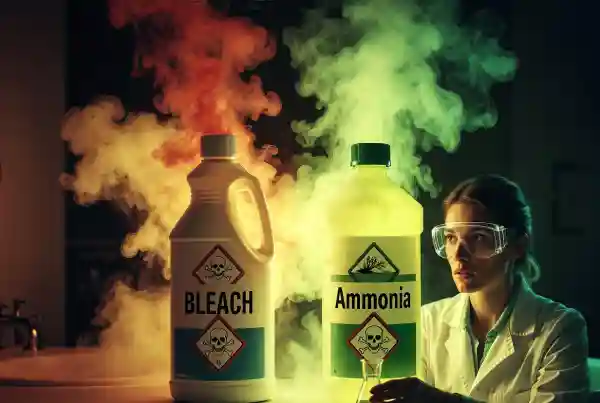
Mixing different cleaning products is very risky. Even if each one seems safe alone, together they can cause hazardous chemical reactions. This can release toxic gases that harm people and pets.
Don’t try to make a stronger cleaner by mixing different products. Chemical stability is lost as soon as you mix something new. Always use one product at a time to stay safe.
Ignoring Manufacturer Guidelines
Every cleaner has its own set of instructions. Not following these can lead to problems. Using the wrong dilution ratios can make the product too strong or weak.
Using too little product might not clean well. Following the guidelines is the best way to avoid accidents. Always measure your ingredients carefully to get the right mix.
Cost-Benefit Analysis of Concentrated Solutions
Switching to concentrated solutions can save a lot of money in the long run. Even though they cost more upfront, they are cheaper to use than regular cleaners. Many people find that using chemical concentrates helps them keep their homes clean without breaking the bank.
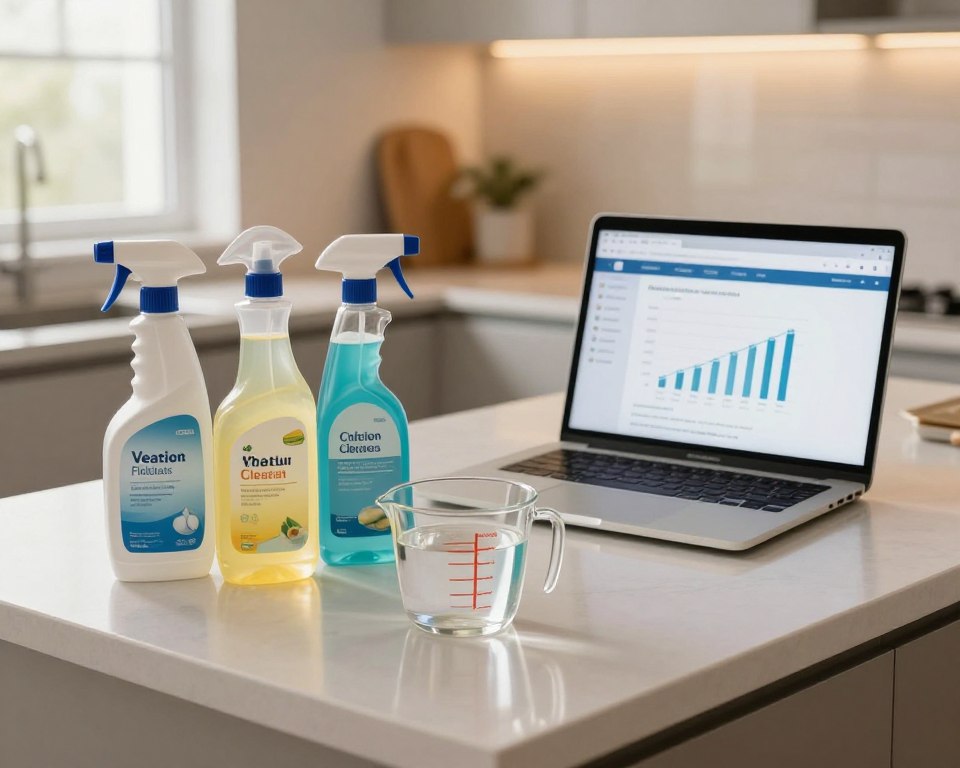
Long-Term Savings for Households
Concentrates save money because they don’t have a lot of water in them. Buying just the active ingredients means you don’t pay for water. This makes shopping trips less frequent and saves space in your closet.
Many household cleaner reviews show that a gallon of concentrate can replace dozens of spray bottles. This can save a family hundreds of dollars a year. Making sure to use the right amount of concentrate helps stretch your money even further.
Value Assessment of Premium Concentrates
Looking at how well a cleaner works is more important than its price. Premium cleaners have stronger ingredients, so you need less to get the job done. This is why household cleaner reviews often focus on how well a product works.
Choosing professional-grade cleaners means your home stays clean longer. You won’t need to clean as often. Here’s a comparison of different cleaning options:
| Cleaning Format | Initial Cost | Yield (Gallons) | Cost Per Gallon |
|---|---|---|---|
| Standard Spray | $5.00 | 0.25 | $20.00 |
| Economy Concentrate | $15.00 | 5.00 | $3.00 |
| Premium Concentrate | $25.00 | 10.00 | $2.50 |
The table shows that premium concentrates are the best value over time. By choosing cleaners that work well and last long, you save money and keep your home clean.
Image Disclosure and Educational Context
We believe in being open about our images to keep your trust. We use different pictures to help you understand how to keep your pets safe. This includes showing how to handle chemicals and what to do if your pet gets sick.
Some pictures you see are AI-generated. These images help make hard-to-understand vet topics clearer. They show things like how to manage arthritis and keep medicines safe.
Understanding AI-Generated Visuals in Veterinary Education
Digital pictures help us show things that are hard to take photos of. They show important safety steps and cleaning tips. These help keep pets and people safe at home.
- Visualizing chemical dilution ratios for accuracy.
- Demonstrating safe storage practices for cleaning agents.
- Illustrating common signs of dermal or respiratory irritation in pets.
Limitations of Educational Illustrations
Even though these images are helpful, they can’t replace a vet’s advice. They can’t know your pet’s special needs or health history.
These illustrations are intended solely for educational purposes and should never replace professional veterinary care, diagnosis, or treatment plans. Always consult with your veterinarian regarding the health and safety of your pets.
We’re open about our images to help you understand them better. Our aim is to give you scientifically accurate information. We also want you to know the limits of digital media.
Expert Recommendations for Sustainable Home Cleaning
As a pharmacist, I’ve learned that the best way to keep a home healthy is by choosing products based on science. Switching to sustainable home cleaning means picking products that are safe and transparent, not just based on what they say.
Selecting Reputable Brands for Home Use
I suggest looking for brands that show what’s in their products and provide safety information. When reading household cleaner reviews, choose companies that list all their ingredients clearly. Avoid products that just say “fragrance” or “proprietary blend.”
Good brands test their products to prove they’re safe. By picking products with these tests, you know they meet high health standards.
Integrating Eco-Friendly Habits into Daily Chores
Adding eco-friendly habits to your daily life starts with choosing the right cleaning products. Making small changes, like measuring your cleaning solutions, can greatly improve your home’s air quality.
The table below shows what to look for in a cleaning product to keep your home safe.
| Evaluation Criteria | High-Quality Standard | Red Flag |
|---|---|---|
| Ingredient Disclosure | Full list provided | Vague “proprietary” labels |
| Safety Documentation | Accessible SDS | No safety data available |
| Concentration Type | Measured concentrate | Over-packaged single-use |
| Third-Party Testing | Verified certifications | Unsubstantiated claims |
By focusing on these points, you can create a cleaning routine that keeps your family safe and helps the planet. Evidence-based choices are the best way to make your home safer and more sustainable.
Conclusion
Mastering home hygiene means focusing on precision and smart chemical use. Using concentrated cleaners safely changes how you keep your home clean. It also keeps everyone inside safe.
Brands like Seventh Generation and Method make top-notch cleaners. They work best when you use the right amount. This way, you control how strong your cleaner is, keeping it effective without being too harsh.
Making small changes in your daily routine can make a big difference. It improves the air inside your home and reduces waste. Always mix cleaners carefully to protect your family and pets. By doing this, you make your home a healthier place for everyone.
Keep checking your cleaning products to make sure they meet your safety standards. This helps you move towards a cleaner, greener future.
## FAQ
### Q: Is a concentrated cleaner diluted at home actually a safer alternative for my family and pets?
A: Yes, it is. Diluting a concentrated cleaner at home can be safer. It lets you control how strong the chemicals are. This reduces harmful fumes that can hurt your breathing.
By following the right dilution ratios, you make a safe and effective cleaner. It works well without being too harsh.
### Q: How do I ensure I am maintaining the correct dilution ratios for safety and efficacy?
A: Being precise is key to safe and effective cleaning. Use tools like graduated cylinders or precision pipettes for accurate measurements. This way, you avoid guessing and ensure the cleaner is strong but safe.
Following the instructions from trusted brands like Dr. Bronner’s or Mrs. Meyer’s is crucial. It helps keep your home clean without harming your family’s health.
### Q: What makes a biodegradable formula in concentrate form better for the environment?
A: A biodegradable formula in concentrate form is better for the planet. It uses less water, which means less carbon emissions from shipping. Plus, using refillable systems from brands like Blueland or Grove Collaborative cuts down on plastic waste.
This makes it a great choice for eco-conscious homes.
### Q: Are natural cleaning products as effective as traditional synthetic concentrates?
A: Yes, many natural cleaning products are very effective. They use plant-based ingredients that work well at cleaning. While synthetic products like Lysol are good for disinfecting, natural options from Seventh Generation are great for everyday cleaning.
But, it’s important to mix them correctly. The wrong ratio can make even the best natural product not work.
### Q: What are the primary health risks associated with improper dilution of cleaning agents?
A: Improper dilution can cause skin irritation, burns, and breathing problems. If you use too much of a cleaner, it can be too harsh for surfaces and your health. Many people think using more is better, but it’s actually more dangerous.
### Q: How should I store my diluted solutions to prevent accidental ingestion or degradation?
A: Store your cleaners in the right containers and label them well. Use containers that won’t break down in sunlight and label them clearly. This keeps your cleaners safe and effective for a long time.