Did you know over 80% of U.S. homes keep hazardous chemicals within easy reach? Most household cleaners and pesticides are safe when used correctly. But, they can still cause unexpected reactions because of their volatile compounds.
Many people feel sudden discomfort while doing everyday tasks. You might feel stinging or see redness, which can be scary. These symptoms usually come from the chemical makeup of what you use every day.
Knowing how these items affect your body is key to better eye health. We’ll look into why you might feel this way and give useful tips to keep your home safe. It’s also important to know when to get medical help for your safety.
Key Takeaways
- Most household chemicals are safe if you follow label instructions carefully.
- Volatile organic compounds are common triggers for ocular irritation.
- Proper ventilation is essential when handling strong chemical agents.
- Immediate rinsing is the best first-aid step for accidental exposure.
- Consult a doctor if symptoms persist or vision becomes blurry.
Understanding the Chemistry of Household Cleaners
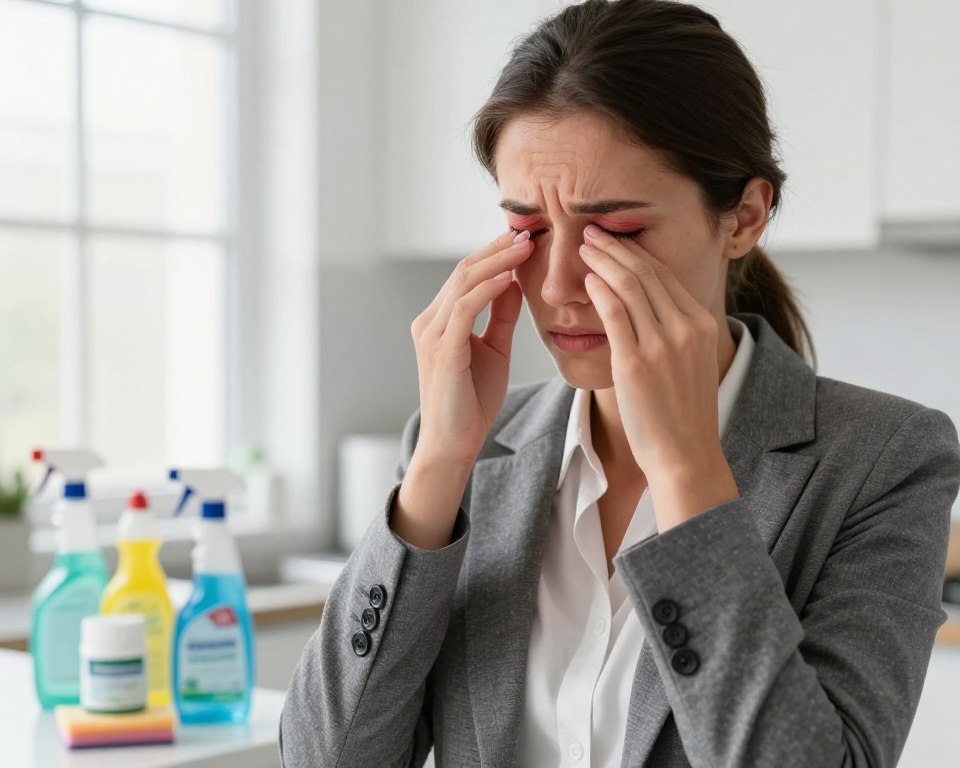
Many people don’t know that their favorite household cleaners can harm their eyes. When you spray a surface, chemicals in the air can easily reach your eyes. Knowing what’s in these cleaners is key to avoiding eye irritation.
Common Volatile Organic Compounds in Sprays
Modern cleaning products use volatile organic compounds (VOCs) to clean effectively. These substances evaporate quickly, staying in the air long after cleaning. Learn more about these dangers at cleaning supplies and household chemicals.
“The air we breathe inside our homes is often more polluted than the air outside, largely due to the chemicals we use to keep things clean.”
How Aerosols Interact with Ocular Surfaces
Using a spray bottle can lead to eye irritation because the mist can land on your eyes. This can disrupt the protective tear film. Products like alkaline cleaners are dangerous because they can quickly harm the cornea.
It’s crucial to handle these substances carefully to avoid eye exposure. Never mix different products, as mixing two cleaning sprays is dangerous and can release toxic fumes. Always make sure your workspace is well-ventilated when using strong household cleaners.
Why Do My Eyes Burn After Using Cleaning Products
The chemistry in household cleaners can be tough on your eyes. Many people feel a sharp, stinging feeling when using these products. This is your body’s way of telling you something is wrong.
The Role of pH Levels in Chemical Irritation
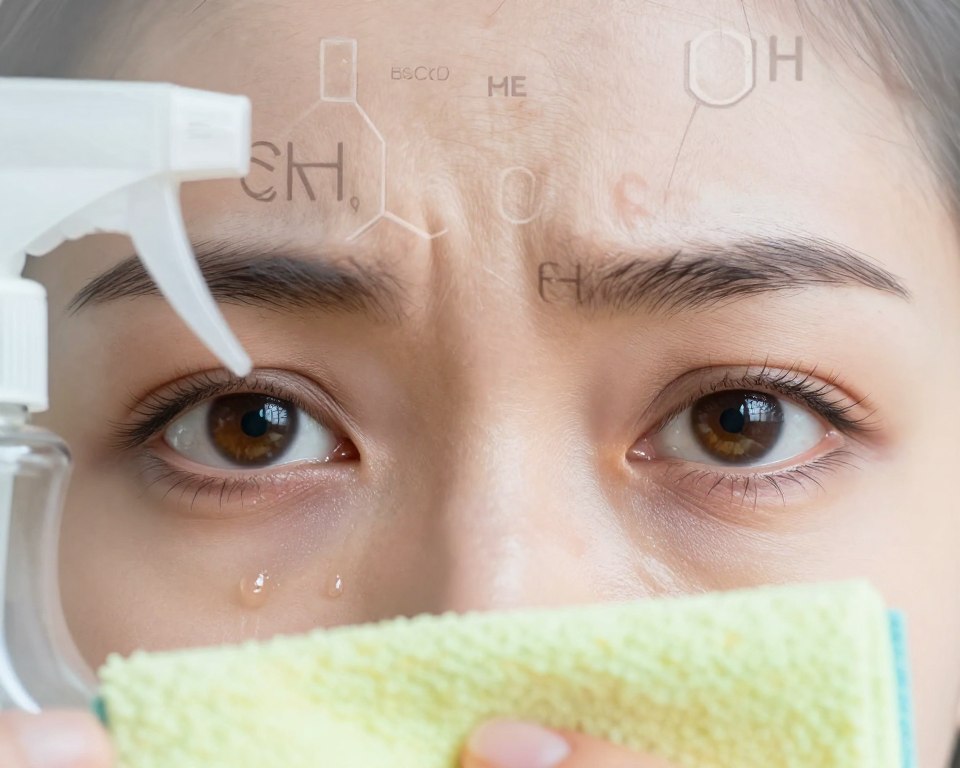
The burning you feel often comes from the pH levels in cleaning products. Your eyes need a specific pH to stay healthy. When you use products with extreme pH levels, it messes with this balance.
Products like oven sprays or heavy-duty degreasers can be very alkaline. They can remove the protective layer of your eyes. Without this layer, your eyes can get inflamed and hurt.
Sensitivity to Fragrances and Preservatives
Many people are also sensitive to additives in cleaning products. These additives, like synthetic fragrances, can cause cleaning product allergies. Even a little bit of these chemicals can make your eyes water or itch.
Preservatives, like formaldehyde, can also irritate your eyes, nose, and throat. If your eyes always react to certain products, it might be an allergic reaction to these ingredients.
Immediate Physiological Reactions to Cleaning Fumes
When you start cleaning, you might feel eye discomfort right away. This is because tiny particles from the cleaning spray reach your eyes. Your body sees these particles as threats and quickly tries to protect you.

The Inflammatory Response of the Conjunctiva
The conjunctiva is a thin, clear layer over your eye’s white part. It gets inflamed when it meets harsh fumes. You might see intense redness, a lot of tears, or a gritty feeling like sand under your eyelid.
This inflammation is your body’s way of trying to dilute the chemicals. Though it’s a protective measure, it can cause a lot of eye irritation. This irritation can make it hard to keep your eyes open. If you keep being exposed, your vision might get blurrier as your eye struggles to stay moist.
Why Some Individuals Are More Susceptible
Not everyone reacts the same to cleaning fumes. People with conditions like dry eye or allergies are more sensitive. Their eyes are already in a weaker state, making them more vulnerable to spray ingredients.
Also, cleaning in a small, poorly ventilated space can increase the risk of eye discomfort. Knowing your health baseline helps you know when to take a break and get some fresh air.
| Reaction Type | Common Symptom | Physiological Cause |
|---|---|---|
| Mild | Watery eyes | Reflex tearing to flush chemicals |
| Moderate | Redness and stinging | Conjunctival inflammation |
| Severe | Blurred vision | Corneal surface irritation |
Identifying High-Risk Cleaning Agents
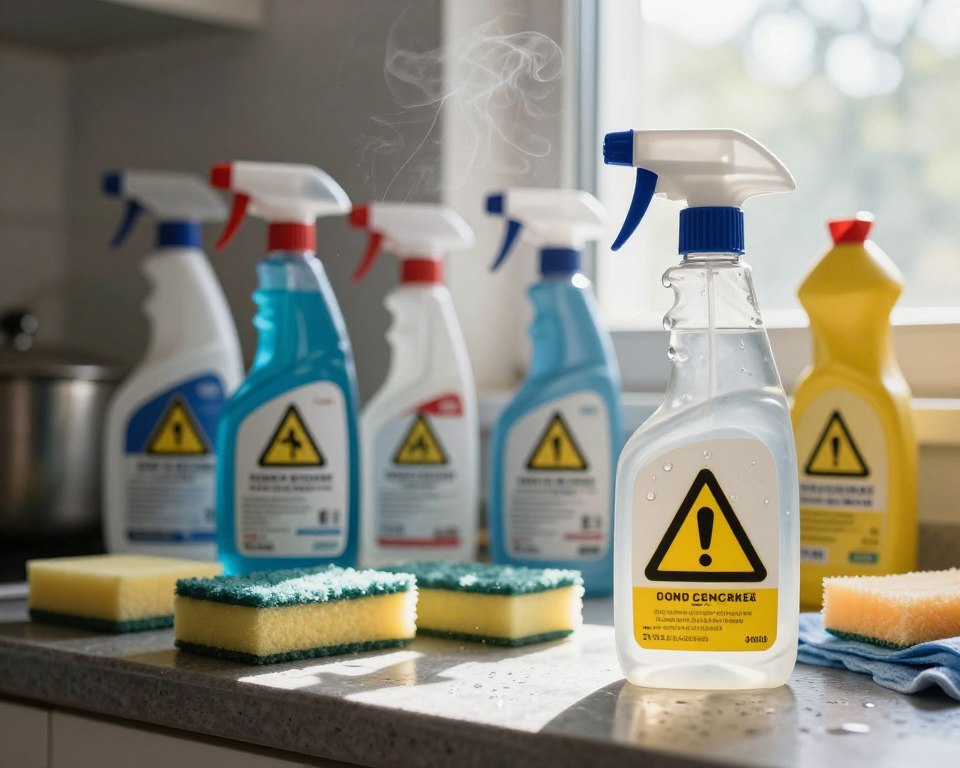
When you grab a bottle under the sink, it’s crucial to know the cleaning product hazards inside. Many household items have strong chemicals that can hurt your eyes or make you sick if you breathe in their fumes.
Bleach and Ammonia Hazards
Bleach and ammonia are common causes of eye irritation at home. They are good at cleaning, but they can also hurt your eyes badly.
Be very careful when using these products. If you want to know more about their risks, check if an ammonia-based cleaner is toxic. Always use them in areas with good air flow to reduce harmful particles.
The Dangers of Mixing Household Chemicals
Mixing different cleaning solutions is very risky. Combining bleach and ammonia, for example, can create toxic fumes in the air.
These fumes can hurt your lungs and make your eyes burn a lot. To stay safe, never mix chemicals unless the label says it’s okay. Your safety is always the most important thing when doing household chores.
Symptoms of Chemical Eye Exposure
Eye reactions to household cleaners can vary, and some need quick medical help. If you feel eye discomfort after using cleaners, it’s key to act fast. Knowing the difference between a minor reaction and a serious injury is crucial for your eye health.
Distinguishing Between Mild Irritation and Chemical Burns
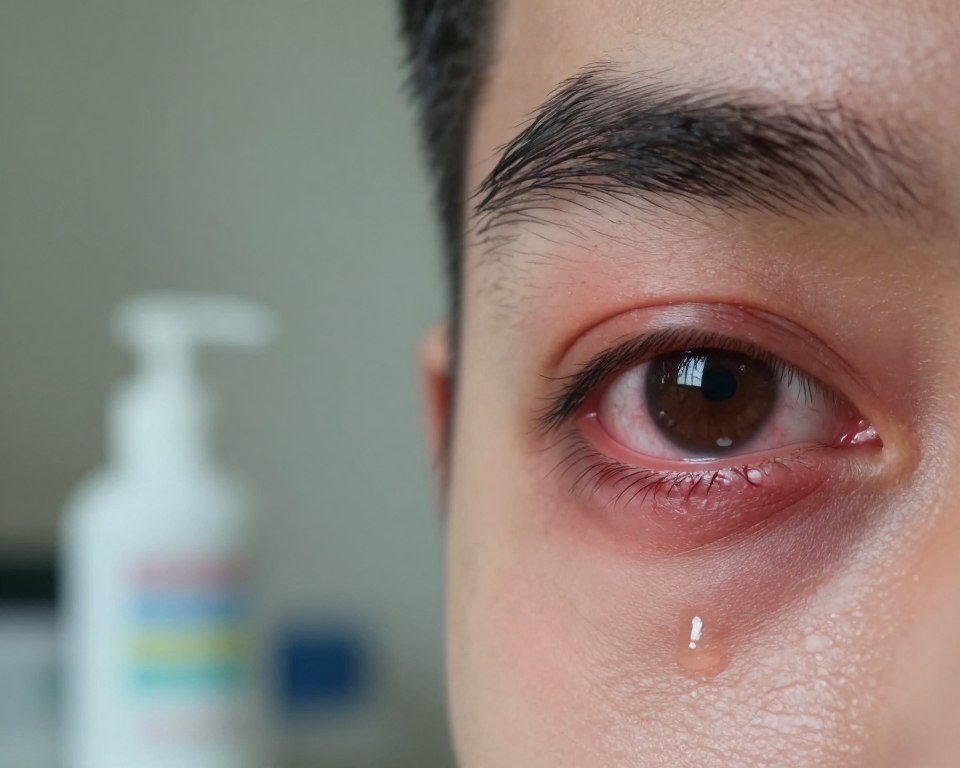
Mild irritation might show as redness, stinging, or too much tearing that goes away quickly after fresh air. You might feel grit in your eye, a sign of surface-level eye discomfort. These symptoms usually clear up once the chemical is washed away.
Chemical burns, on the other hand, are serious and need fast care. Exposure to harsh substances, like those in is bleach toxic when inhaled, can harm deeper eye tissues. Look for signs like intense pain, extreme light sensitivity, or feeling like the eye is damaged.
When to Seek Emergency Medical Attention
Seek urgent medical help if you have persistent blurred vision or a cloudy cornea. These signs mean the chemical has seriously hurt your eye. Don’t wait for these symptoms to get better by themselves, as waiting can cause permanent vision loss.
If you’re not sure about your condition, it’s best to go to the emergency room. Doctors can check your eyes thoroughly to make sure there’s no lasting damage. Use the table below to spot warning signs that mean you need to see a doctor right away.
| Symptom Type | Mild Irritation | Severe Chemical Exposure |
|---|---|---|
| Pain Level | Temporary stinging | Intense, constant burning |
| Vision | Clear after blinking | Persistent blurriness |
| Cornea | Normal appearance | Cloudy or hazy texture |
| Duration | Resolves in minutes | Lasts for hours or days |
First Aid Steps for Eye Exposure
The first few minutes after a chemical exposure are crucial for your eye health. If a cleaning agent splashes into your eye, you must act quickly and carefully. The right steps can prevent serious chemical burns and protect your vision.
Proper Flushing Techniques for the Eyes
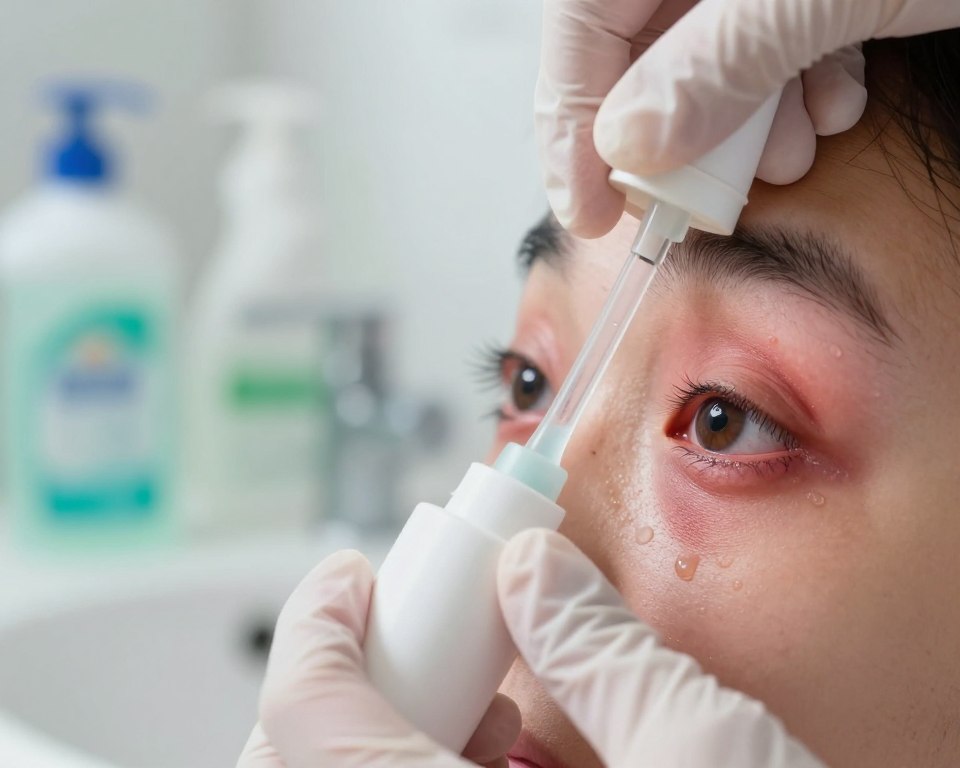
Flushing the eye with clean, lukewarm water is the best treatment. You should do this for at least 15 minutes without stopping. This ensures all chemical residue is removed from your eye.
Keep your head tilted so the affected eye is lower. This stops contaminated water from getting into your healthy eye. Open your eyelid wide to let water reach all parts of your eye, including under the lids.
What to Avoid When Your Eyes Are Irritated
Don’t use non-sterile liquids to rinse your eyes. Avoid milk, juice, or soda as they can introduce bacteria or irritate your eyes further. These liquids are not safe for your eyes and can make chemical burns worse.
Also, don’t rub your eyes. This can push particles deeper into your eye’s delicate tissues. Don’t apply ointments or drops without a doctor’s advice. If you wear contact lenses, remove them while flushing, but don’t stop rinsing to do so.
| Action | Recommended | Avoid |
|---|---|---|
| Flushing Liquid | Lukewarm tap water | Milk or juice |
| Duration | 15+ minutes | Less than 5 minutes |
| Physical Contact | Gentle irrigation | Rubbing or pressing |
| Contact Lenses | Remove immediately | Leaving them in |
Preventative Measures for Safer Home Cleaning
Keeping your eyes safe at home is simpler than dealing with irritation. A few easy steps can protect your vision and keep your home clean. Prevention is truly the most effective way to avoid chemical exposure stress.
Improving Ventilation in Small Spaces
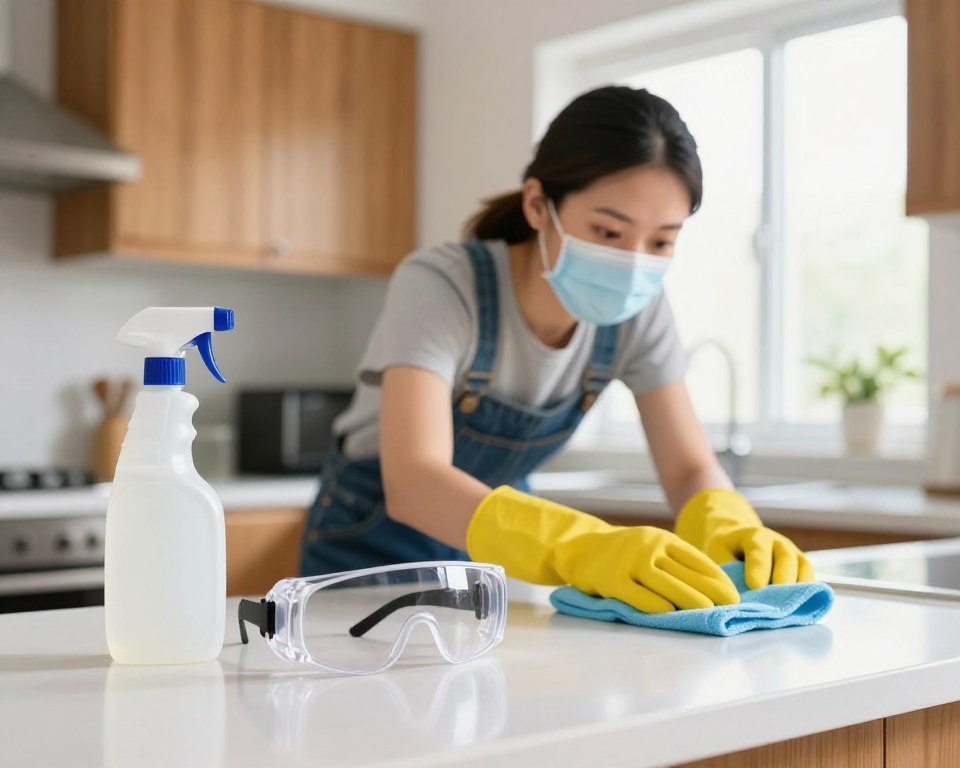
Cleaning often happens in tight spots like bathrooms or laundry rooms. These areas trap chemical fumes, which can irritate your eyes. Opening a window or using an exhaust fan helps clear the air.
If your bathroom has no window, keep the door open. Use a portable fan to move fresh air around. This stops harmful vapors from getting too close to your face. Proper airflow is key to keeping you healthy.
Choosing Eco-Friendly and Low-VOC Alternatives
Choosing eco-friendly or low-VOC products lowers your risk. These products use safer, plant-based ingredients instead of harsh chemicals. This reduces the risk of splashes or fumes causing eye discomfort.
Wearing safety glasses or goggles with side shields adds extra protection. This gear blocks accidental sprays or particles. By focusing on eye safety with better products and gear, cleaning becomes more comfortable for everyone.
The Importance of Personal Protective Equipment
Protecting your eyes during household chores is crucial for your health. Many people think eye safety is only for work, but home chemicals can be dangerous too. Wearing the right gear prevents eye irritation and damage from spills.
If you’ve had a chemical accident, wear sunglasses outside. They help with light sensitivity while your eyes heal. Comfort is key in recovery.
Selecting the Right Safety Goggles
Choose eye protection that fits snugly and seals your eyes. Regular glasses have gaps where chemicals can get in. A tight fit keeps your eyes safe from splashes.
Opt for goggles that are impact-resistant or made for chemical splashes. They keep your vision clear and safe during tough cleaning jobs. A good pair is worth it for long-term eye health.
When to Use Face Shields and Masks
For tough jobs like cleaning a shower with bleach or removing old floor wax, goggles might not be enough. A face shield adds extra protection against sprays to your face. It’s essential for jobs with strong, irritating fumes.
Wearing a face shield with a mask also protects your lungs from chemicals. It creates a barrier, reducing irritation risk. Make sure your gear is clean and scratch-free before starting.
Managing Chronic Eye Sensitivity to Chemicals
If your eyes get irritated every time you clean, you might have chronic sensitivity. While some irritation is normal, ongoing problems could mean you have cleaning product allergies or are very sensitive to certain chemicals.
Consulting with an Optometrist or Ophthalmologist
When eye problems keep coming back, it’s time to see a doctor. An eye doctor can check for any issues that make your eyes more sensitive to things around you.
Remember, don’t use eye drops at home to stop the pain. These drops can hide how bad a chemical eye injury is. This could lead to more harm if you keep exposing your eyes to dangerous fumes.
Lifestyle Adjustments for Sensitive Eyes
To keep your eye health safe, you need to take steps in your daily routine. Try to clean in well-ventilated areas to avoid breathing in harmful fumes for too long.
Small changes can help a lot. For example, using eye drops your doctor suggests can help soothe your eyes after cleaning. Taking care of your eye health is a journey. It involves getting medical advice and making smart choices every day.
Environmental Factors That Exacerbate Eye Irritation
Did you know that the air inside your home can affect how bad eye irritation gets? We often focus on the chemicals, but where you clean matters a lot. Small changes in your space can really help during cleaning.
Humidity and Airflow Considerations
Using strong cleaners like bleach can make fumes stay in the air if it’s not well-ventilated. These fumes can settle on your eyes, causing pain or redness. Proper ventilation is key to avoiding this.
Low humidity also makes your eyes dry and more prone to damage. When the air is too dry, your tears evaporate quickly. This leaves your eyes open to irritants. Opening a window or using a fan can help clear out fumes and lower eye irritation risk.
“The quality of the air we breathe in our homes is directly linked to our physical well-being, specially when handling harsh household substances.”
The Impact of Indoor Air Quality
Keeping indoor air quality high is crucial for those sensitive to cleaning products. Poor air circulation can make even mild cleaners cause eye irritation over time. Always aim to ventilate your space when cleaning or disinfecting.
| Environmental Factor | Impact on Eyes | Recommended Action |
|---|---|---|
| Low Humidity | Increased dryness | Use a humidifier |
| Stagnant Air | Fume accumulation | Open windows/fans |
| High Temperature | Faster evaporation | Cool the room |
By watching these factors, you can make your space safer for your eyes. Remember, consistent airflow is the best way to stop eye irritation from being a constant issue. Taking these simple steps keeps your home comfortable for everyone.
Safe Storage and Handling of Cleaning Supplies
Keeping your storage space organized is key to avoiding cleaning product hazards. By checking how you store your household cleaners, you can make your home safer for everyone.
Preventing Accidental Splashes and Spills
Storing heavy or often used items on lower shelves is a smart move. It lowers the risk of dropping bottles, which can cause spills or splashes.
Always make sure caps are tight after use. Take that extra second to check the seal. This prevents leaks that could irritate your skin or eyes.
Labeling and Organization Best Practices
It’s crucial to keep all products in their original containers. These bottles are made to hold chemicals safely. They also have important safety instructions for emergencies.
Never remove or cover the original labels. They tell you how to handle household cleaners safely. If a label gets worn out, it’s safer to throw the product away than to guess what’s inside.
Organizing your supplies by type can also prevent cleaning product hazards. Keeping similar items together reduces the risk of mixing incompatible chemicals. This is a common cause of toxic fumes in homes.
Natural Cleaning Alternatives to Reduce Eye Strain
You might think natural ingredients are safe, but they can still hurt your eyes if not used right. Many people choose DIY cleaners to avoid harsh chemicals. But, it’s important to remember that even simple household items can irritate your eyes if they get in.
Looking for safer options? Knowing what household cleaning products are safe is key. Being aware of cleaning product hazards helps keep your home safe and your vision clear.
Using Vinegar and Baking Soda Safely
Vinegar is a common cleaner, but it’s very acidic and can hurt your eyes. If vinegar splashes into your eyes, it will sting right away. To avoid this, always mix vinegar with water and wear eye protection when scrubbing hard.
Baking soda is usually less irritating, but it can still be a problem if it gets into your eyes as powder. Always mix your cleaning pastes well to prevent particles from flying around. If you’re worried about certain ingredients, check out products like ajax powder toxic to see why natural options are often better.
Essential Oils and Their Potential Risks
Essential oils like lemon, tea tree, or peppermint are popular for their smell and germ-fighting abilities. But, they are very strong and can hurt your eyes if they touch them. Even the smell of these oils can make your eyes red and watery.
- Dilution is key: Never use essential oils at full strength near your face.
- Ventilation matters: Make sure your workspace is well-ventilated to avoid strong smells.
- Wash your hands: Always wash your hands well after using oils to avoid rubbing your eyes.
By treating natural ingredients with care, you can lower your risk of eye injury. Safety should always be your top priority when keeping your home clean and healthy.
Long-Term Effects of Repeated Chemical Exposure
Many homeowners don’t think about how daily cleaning habits affect their eye health over time. A single incident might cause temporary eye discomfort. But, regular exposure to harmful fumes can lead to lasting eye damage. It’s important to understand how these substances affect your eyes over months and years.
Protecting Your Cornea Over Time
The cornea is very delicate and needs constant protection from harsh irritants. If you often work with strong solvents, you might face chronic irritation that thins the corneal surface. In severe cases of chemical burns, doctors might suggest amniotic membrane grafts to help heal and prevent scarring.
Always prioritize safety by ensuring good ventilation at home. If you’re worried about the air while cleaning, find out if is disinfectant spray toxic to breathe. Using protective eyewear can greatly reduce the risk of long-term eye damage.
Recognizing Signs of Chronic Ocular Surface Disease
Chronic ocular surface disease often develops slowly, making it hard to notice until symptoms are severe. You might feel persistent dryness, a gritty sensation, or recurring redness that doesn’t go away with standard eye drops. These are signs that your eye health is being affected by environmental factors.
It’s crucial to watch for these changes to keep your vision clear. If your eyes feel tired or inflamed after doing chores, it’s time to see an eye care specialist. Early action can stop damage from accidental chemical burns or long-term exposure to fumes.
| Exposure Level | Potential Impact | Recommended Action |
|---|---|---|
| Low (Occasional) | Mild dryness | Use saline drops |
| Moderate (Weekly) | Corneal sensitivity | Improve ventilation |
| High (Daily) | Chronic inflammation | Consult specialist |
Conclusion
Keeping your home clean shouldn’t hurt your health. You now know how to spot dangers and keep your eyes safe and comfortable.
Eye safety is key to avoiding irritation from chemicals. Simple steps like better airflow and using gentle cleaners help a lot.
Wearing the right eye protection is crucial. It keeps you safe from splashes and particles. Brands like 3M offer comfortable and reliable gear.
Looking after your eyes now means they’ll stay healthy for years. Check your storage and gear choices today.
If you feel eye discomfort or see vision changes, see an optometrist. Your eyes need the best care as you keep your home clean.
FAQ
What should I do immediately if a cleaning product splashes in my eye?
Flush your eye with lukewarm water for 15 minutes. Make sure the water flows from the inside to the outside of your eye. If you see blurred vision or pain, get medical help right away.
Can the fumes from bleach cause permanent eye damage?
Bleach fumes can irritate your eyes temporarily. But, without air, they can cause serious inflammation. Never mix bleach with other cleaners, as it can lead to toxic gases and burns.
Are “green” cleaning products completely safe for my eyes?
No, they’re not always safe. Even eco-friendly brands like Seventh Generation can irritate your eyes. Remember, “natural” doesn’t mean safe for your eyes.
Why do my eyes stay red for hours after I finish cleaning?
You might have allergies or be sensitive to fragrances and preservatives. The redness is your body’s reaction. Using an air purifier can help clear irritants faster.
Should I remove my contact lenses before using household cleaners?
Yes, it’s best to remove them. Contact lenses can trap chemicals, making irritation worse. Wearing glasses offers some protection.
What are the best ways to practice eye safety during deep cleaning?
Open windows and use fans for good ventilation. Wearing 3M safety goggles is key to protecting your eyes, even when spraying cleaners.
Can household cleaners cause dry eye syndrome?
Yes, they can damage your tear film. This can lead to chronic eye problems like dry eye. Using preservative-free drops can help.