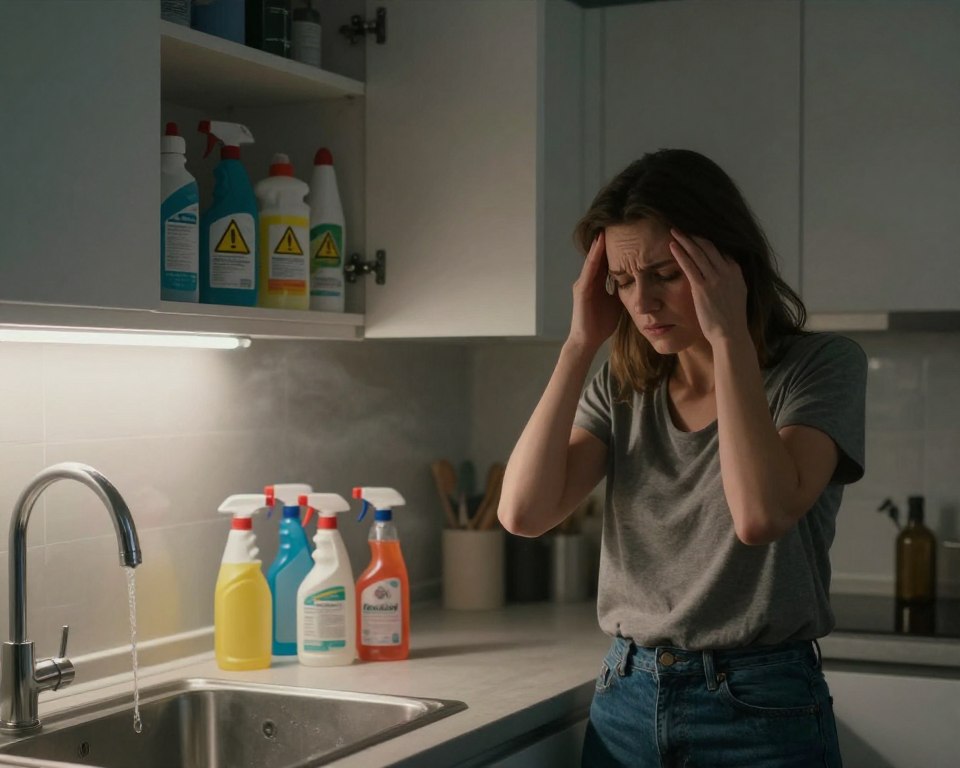
Did you know indoor air is often two to five times dirtier than outside air? Many people unknowingly harm their health while cleaning. The harsh chemicals in cleaning supplies can cause unexpected reactions.
Feeling dizzy or lightheaded while cleaning is never normal. If you’re experiencing these symptoms, it’s time to check the products you use. Knowing if cleaning products are safe is a critical step for a healthier home. Taking these signs seriously is key to protecting your health.
Key Takeaways
- Indoor air is frequently more contaminated than outdoor air due to household chemicals.
- Physical discomfort while tidying up is a warning sign that should not be ignored.
- Proper ventilation is the most effective way to lower your exposure to airborne irritants.
- Choosing low-VOC or plant-based alternatives significantly improves your home’s air quality.
- Always prioritize safety by reading labels and avoiding the dangerous practice of mixing different agents.
Understanding the Chemistry of Household Cleaning Products
Ever wondered what’s in your favorite household cleaner? These products are made to break down grease, kill bacteria, and make surfaces shine. But, the science behind them can impact your indoor air quality.
Common Volatile Organic Compounds in Cleaners
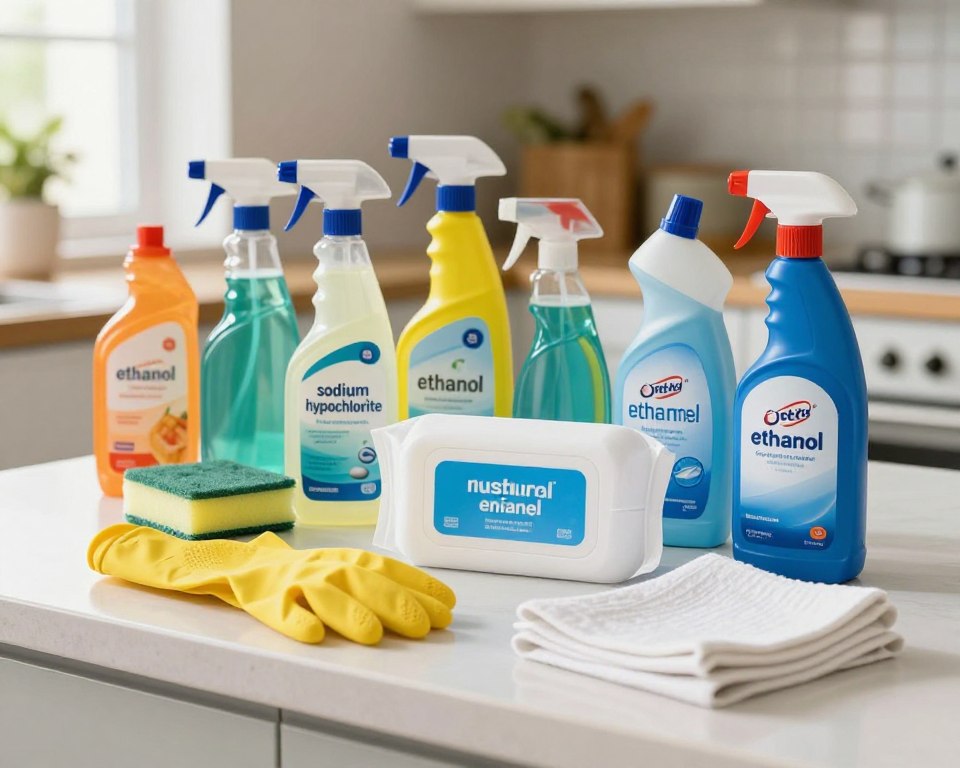
Many cleaners use Volatile Organic Compounds, or VOCs, to work well. These substances turn from liquid to gas easily at room temperature. This is why your home smells fresh after cleaning.
Here are some examples of these compounds:
- Formaldehyde, often found in preservatives.
- Benzene, sometimes present in solvent-based cleaners.
- Terpenes, which provide that citrus scent but can react with ozone.
How Chemicals Interact to Create Toxic Fumes
When you mix different cleaners without knowing the risks, danger can arise. Many harmful chemicals are safe alone but become dangerous when mixed. For example, mixing bleach with ammonia creates chloramine gas, which hurts your lungs and eyes.
Even without mixing, some cleaners react with the air. This can release pollutants that stay in your home long after cleaning. Knowing about these reactions is essential for a healthy home and avoiding harmful chemicals.
Can Cleaning Product Fumes Cause Nausea and Other Symptoms
If you’ve ever felt dizzy while cleaning, you’re not alone. Many people wonder if their cleaning supplies are safe. It’s key to remember that no cleaning product should make you feel sick when you’re just cleaning.
The Physiological Response to Inhaling Harsh Chemicals
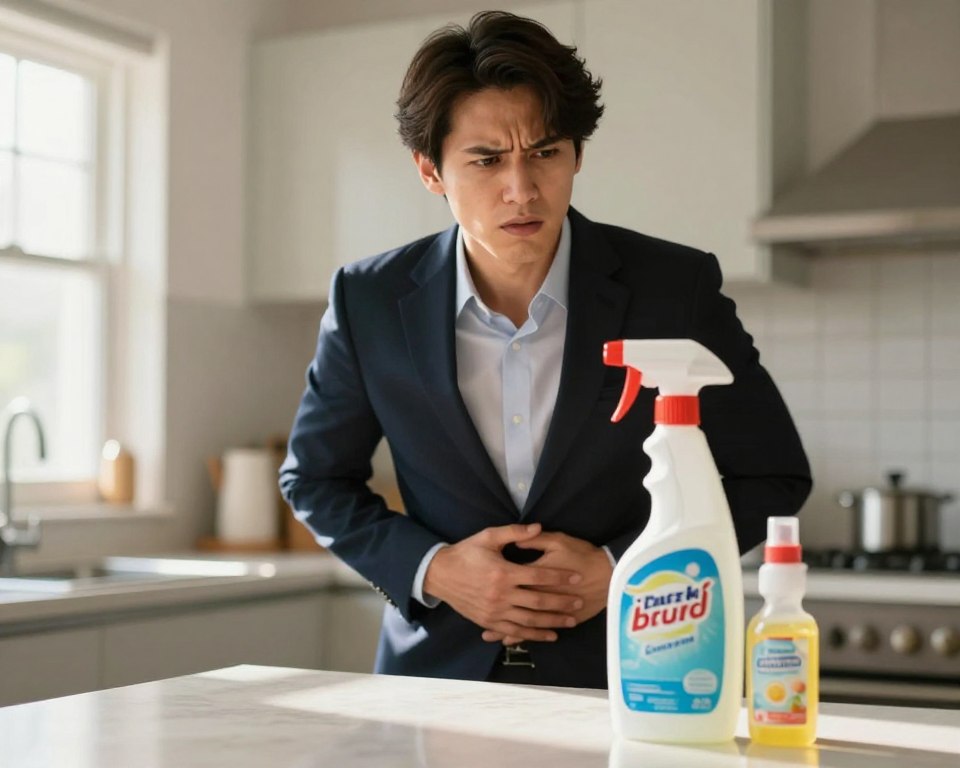
When you breathe in toxic fumes, your body tries to protect you. Your respiratory system might get irritated, causing a scratchy throat or cough. These signs mean your air quality has dropped.
The nervous system can also react to strong smells. This might cause headaches or dizziness. Sometimes, these smells can make you feel so sick that you wonder: Can cleaning product fumes cause nausea? Yes, they can, as your body tries to handle these chemicals.
Distinguishing Between Nausea and Other Respiratory Distress
It’s crucial to tell the difference between mild discomfort and a serious health problem. A brief nausea from a strong smell is okay, but ongoing symptoms are a warning. Respiratory irritation that doesn’t go away after leaving the area means you’ve been exposed to toxic fumes for too long.
If you’re having trouble breathing, feeling tight in your chest, or dizzy for a long time, get out of there fast. Don’t ignore these signs. They show your body is under stress. Always make sure your cleaning area has good air flow to avoid these problems.
Identifying High-Risk Cleaning Agents
Knowing which cleaning agents are dangerous is key to a safer home. Most products are safe if used right, but some have harmful chemicals that need extra care. Knowing about these substances helps you avoid health risks.
Bleach and Ammonia Dangers
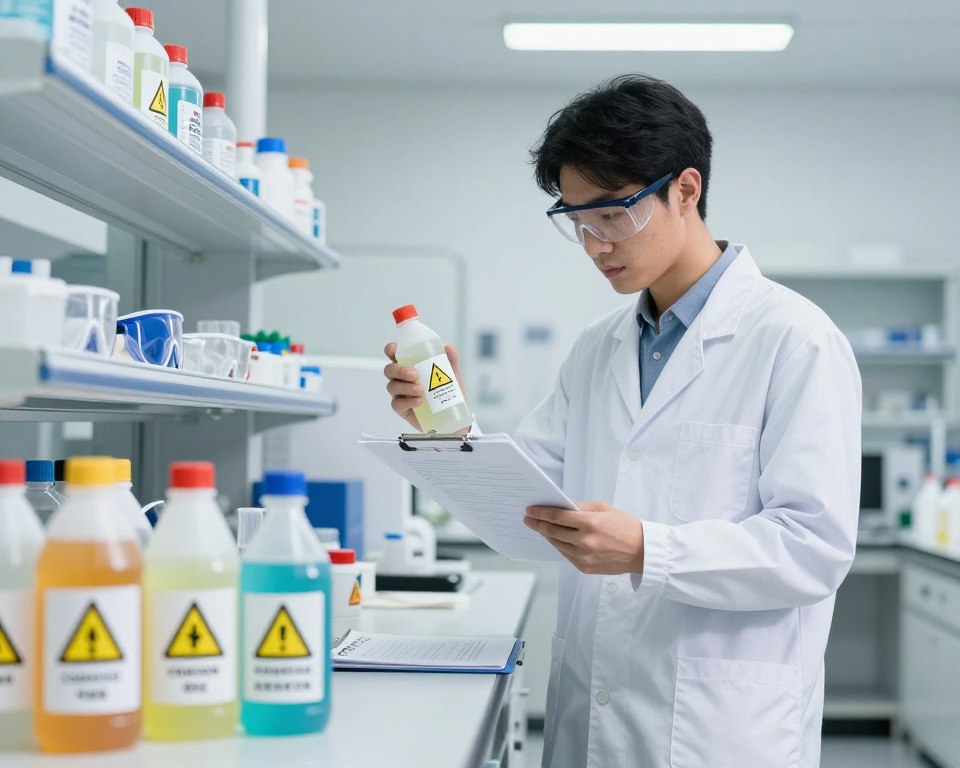
One important rule is never to mix bleach and ammonia. Doing so creates harmful chloramine vapors that can hurt your breathing. Even a little bit of these fumes can irritate your eyes, nose, and throat.
“The intentional or accidental mixing of household cleaning products is a frequent cause of preventable chemical exposure in the home.”
Always read your product labels before cleaning. If you’re not sure about the ingredients, it’s safer to avoid mixing them. Knowing about these harmful chemicals is crucial for a safe home.
The Risks of Aerosol Sprays and Air Fresheners
Many people don’t think about the dangers in aerosol sprays and air fresheners. These products release tiny particles that can be breathed in, causing respiratory sensitivity and other health risks. They might make your room smell nice, but they can also lower the air quality.
- Always use aerosol products in well-ventilated areas.
- Consider switching to non-aerosol alternatives when possible.
- Limit the frequency of use to reduce overall chemical buildup.
By choosing your cleaning supplies wisely, you can keep your family safe. Making small changes can make a big difference in your home’s environment.
The Impact of Indoor Air Quality on Your Health
Your home should be a safe haven, but hidden chemical fumes can harm your Indoor Air Quality. Many people clean without thinking about the air. Using common cleaners releases harmful gases that change your home’s air.
Why Poor Ventilation Exacerbates Fume Exposure
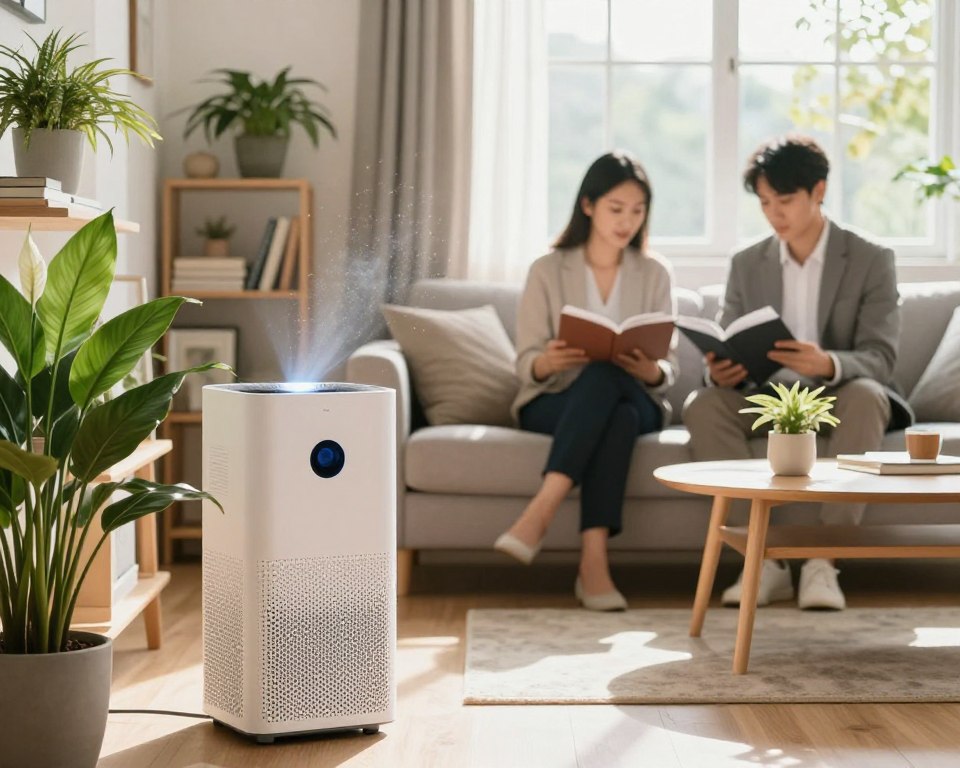
Good ventilation is key to keeping your home safe while cleaning. Scrubbing in small, closed areas like bathrooms traps fumes. This can cause discomfort and health risks for you and your family.
Wondering if your cleaning supplies are safe? Learn more about are multi-surface sprays toxic to make better choices. To keep your air clean, always follow these steps:
- Open windows or doors for a cross-breeze.
- Turn on exhaust fans to remove chemical vapors.
- Don’t mix different cleaning agents, as it can create dangerous gases.
Long-term Effects of Chronic Exposure to Cleaning Chemicals
While a single cleaning might only cause short-term irritation, long-term exposure to harsh chemicals is risky. The American Lung Association research shows how these substances can harm your lungs over time. Long-term Indoor Air Quality problems can lead to serious health issues, like chronic bronchitis or worse asthma symptoms.
To keep your home safe, focus on better ventilation and safer products. This way, your home stays a healthy place for everyone.
Recognizing Early Warning Signs of Chemical Sensitivity
It’s key to spot early signs of chemical sensitivity to keep your home healthy. Your body can warn you when air quality drops due to harsh substances. If you feel nausea from cleaners, stop and get to fresh air right away.
Physical Symptoms Beyond Nausea
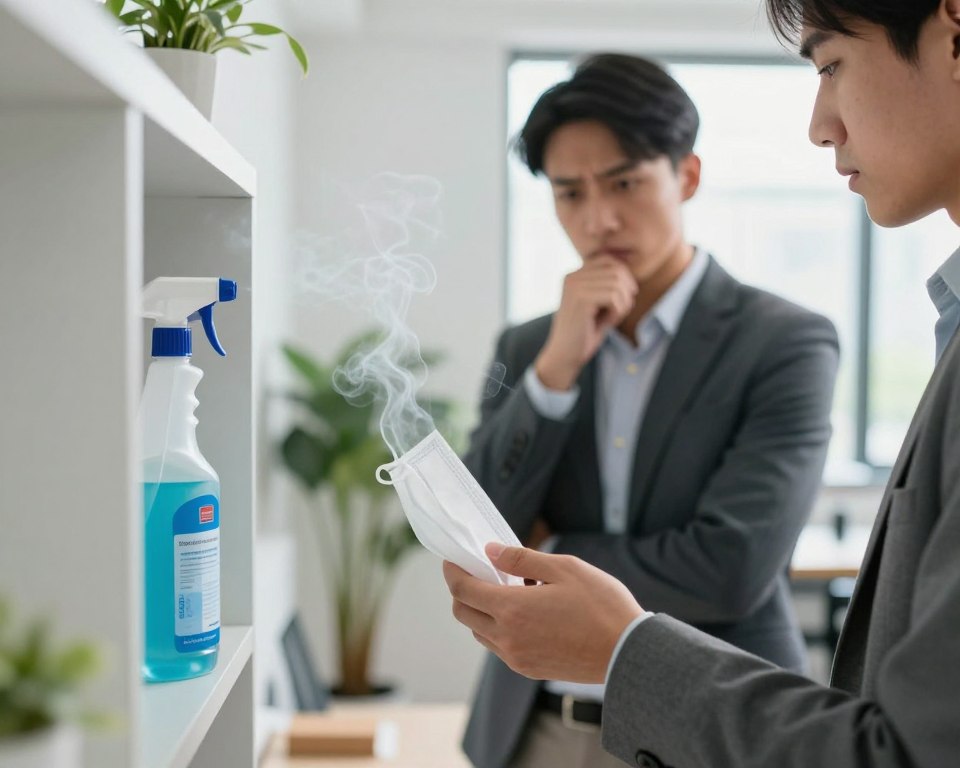
Chemical exposure can cause more than just stomach issues. You might feel respiratory irritation as a cough or scratchy throat. These signs mean the air has too many chemicals for your safety.
Look out for watery eyes, sneezing, or headaches while cleaning. Skin redness or tingling on your hands from chemicals is also a warning. Noticing these subtle physical changes can prevent bigger problems.
When to Seek Medical Attention for Fume Inhalation
Knowing when to stop cleaning is crucial. If symptoms last after moving to fresh air, get help. Seek medical help for breathing trouble, chest pain, or dizziness that won’t go away.
Be careful with strong chemicals. If you or a family member feels confused or very tired after cleaning, call a doctor fast. The table below shows when to worry and when to seek urgent care.
| Symptom Category | Mild Indicators | Severe Warning Signs |
|---|---|---|
| Respiratory | Minor coughing or sneezing | Shortness of breath or wheezing |
| Neurological | Mild headache | Dizziness or confusion |
| Physical | Watery eyes or skin irritation | Chest pain or fainting |
Vulnerable Populations and Chemical Exposure
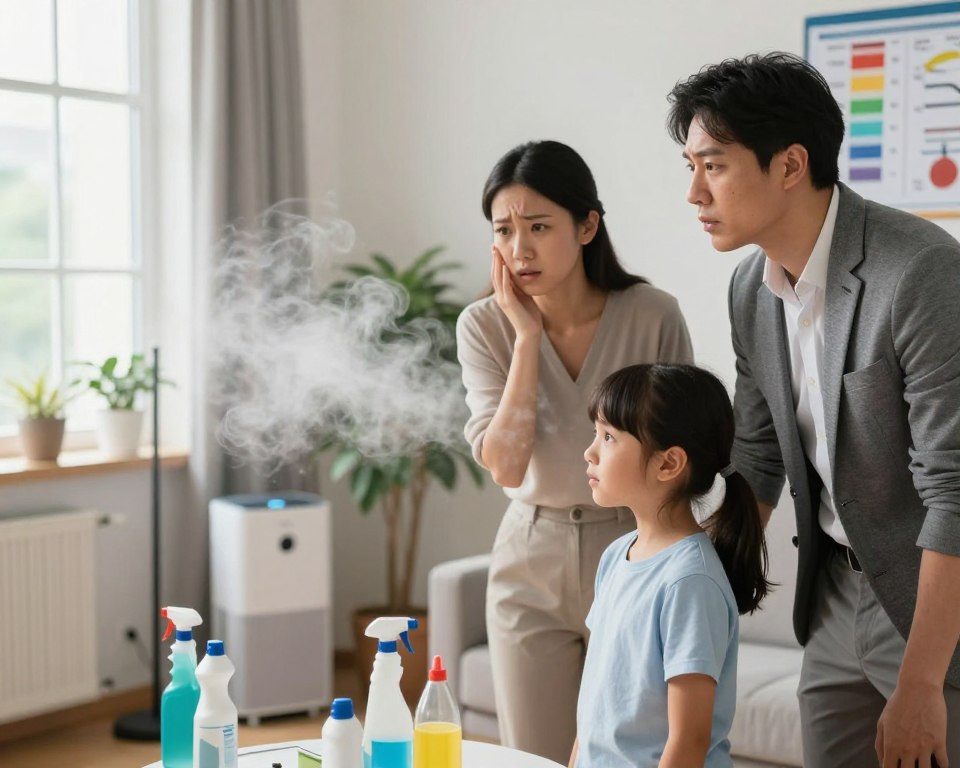
Keeping the air inside your home clean is crucial, not just for everyone’s health. Some people, like children and pets, are more at risk from harmful chemicals. It’s important to know who might be most affected by these dangers.
Risks for Children and Pets
Children and pets are often hit hard by bad air inside because they spend a lot of time near the floor. Cleaning products can leave harmful chemicals on floors and surfaces. These can be breathed in or absorbed through the skin during play.
Because their bodies are still growing, kids are more likely to get sick from these chemicals. Pets, like dogs and cats, are also at risk. Their small size means even a little bit of chemical can harm them a lot.
Just like you might worry about is new furniture off-gassing dangerous, you should also watch out for chemicals in places where pets sleep and eat.
Considerations for Individuals with Pre-existing Respiratory Conditions
People with asthma or chronic obstructive pulmonary disease face big risks from chemical fumes. Even small amounts of pollutants can make the air very bad for them. It’s key to keep an eye on the air in your home to avoid serious problems.
If someone in your home has a breathing issue, picking cleaning products carefully is important. Always choose fragrance-free or non-toxic options to avoid irritating their airways. By doing this, you make your home a safe place, not a health risk.
Safe Cleaning Practices to Minimize Fume Inhalation
Keeping your home clean shouldn’t harm your health. By following a few simple steps, you can ensure Cleaning Supplies Safety and a healthy home for all.
The Importance of Proper Ventilation
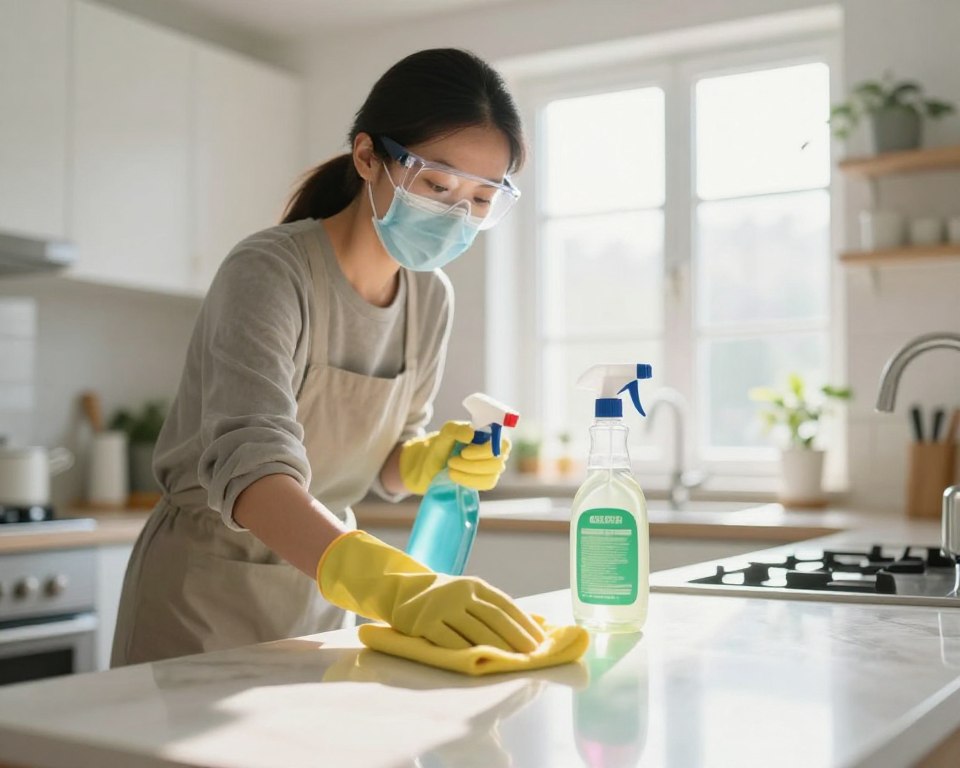
Preventing respiratory irritation starts with fresh air. Always open windows and doors for a cross-breeze. This helps spread out chemical vapors before they become dangerous.
If you’re cleaning a room without windows, turn on the exhaust fan right away. If you feel dizzy or smell strong chemicals, follow guidance on what to do to stay safe.
Using Personal Protective Equipment While Cleaning
Wearing the right gear is crucial. Simple steps can greatly improve your Cleaning Supplies Safety:
- Wear nitrile or rubber gloves to block caustic chemicals from your skin.
- Use a mask if you’re sensitive to strong smells or particles.
- Use color-coded cloths for different areas to avoid mixing chemicals.
Be careful when mixing cleaning products. For tips on avoiding dangerous reactions, check out multi-surface cleaning spray safety. These small actions can prevent respiratory irritation and keep your home clean and safe.
Natural and Non-Toxic Alternatives for a Healthy Home
Choosing safer cleaning supplies is key to a healthy home. Many products have Harmful Chemicals that stay in the air. Natural alternatives can clean surfaces well without harming your air quality.
Benefits of Vinegar and Baking Soda Solutions
Household items like white vinegar, lemon, and baking soda are great. Vinegar is a natural disinfectant, and baking soda scrubs well. They are cheap and don’t have toxic fumes found in regular cleaners.
Using these items keeps your home clean without harming your lungs. You can mix them with water or essential oils for a nice smell. This method is safer for you and the planet.
Evaluating Eco-Friendly Commercial Cleaning Brands
When buying store products, check “eco-friendly” labels closely. Some brands might not be as safe as they seem. Look for third-party certifications and full ingredient lists to be sure.
Always check the label for warnings or safety data sheets before buying. A green product should list all ingredients clearly, not just “fragrance.” Making smart choices helps avoid Harmful Chemicals and keeps your family safe.
| Cleaning Agent | Primary Benefit | Safety Level |
|---|---|---|
| White Vinegar | Natural Disinfectant | High |
| Baking Soda | Effective Scrubber | High |
| Lemon Juice | Natural Bleaching | High |
| Synthetic Cleaners | Heavy Duty | Low |
Reading and Understanding Product Labels
Knowing what’s in your household cleaning products is key to a safer home. Many think all chemicals are listed on the bottle. But, this isn’t always true, making cleaning supplies safety a big responsibility for homeowners.
Decoding Warning Symbols and Safety Data Sheets
When you check a bottle, look for warning symbols. Words like “Danger,” “Warning,” or “Caution” are serious. They tell you about the product’s toxicity levels. If you’re curious about a brand, like is Mr. Clean toxic, check the Safety Data Sheet (SDS).
An SDS gives detailed info on a product’s chemical makeup, health risks, and how to handle it. While made for industrial use, SDSs are online for household cleaning products. They let you see beyond marketing and understand real risks.
Why Ingredient Transparency Matters
One big issue in cleaning supplies safety is that U.S. law doesn’t require full ingredient lists on labels. This makes it hard to spot allergens or irritants before they’re in your home. Opting for brands that list all ingredients is a smart way to protect your family.
Being open about ingredients lets you make better choices. You won’t have to guess about “fragrance” or “surfactants.” When a company shares its chemistry, it shows it cares about your health. Here’s a table to help you understand common label terms:
| Label Term | Common Meaning | Safety Implication |
|---|---|---|
| Danger | Highly toxic or corrosive | Requires immediate ventilation |
| Warning | Moderately hazardous | Use with caution and gloves |
| Caution | Mildly irritating | Avoid direct skin contact |
| Fragrance | Proprietary chemical blend | Potential respiratory trigger |
Managing Accidental Exposure to Toxic Fumes
Accidental exposure to harsh chemicals can happen when cleaning. It’s important to know how to react quickly. This can prevent nausea from cleaners and other health problems.
Immediate Steps to Take After Inhaling Fumes
If you think you’ve inhaled toxic fumes, get out of the area right away. Move to a place with fresh air as fast as you can. Don’t wait for symptoms to get worse before acting.
After you’re in a safe spot, open windows and doors. This lets the air move and reduces chemical concentration. If unsure about the mixture, learn more about risks by reading about what happens if you mix bleach and.
“The best way to handle a chemical emergency is to remain calm, move to fresh air, and seek professional guidance if you feel unwell.”
When to Contact Poison Control
Know when to get professional help. If you have ongoing nausea from cleaners, dizziness, or trouble breathing, call for help right away. Contact your local Poison Control center if you’re concerned about exposure.
Seek help if you notice these signs:
- Severe or ongoing coughing after exposure to toxic fumes.
- Burning in your throat, nose, or eyes.
- Feeling confused, lightheaded, or fainting.
- Mixing cleaning agents that shouldn’t be together.
Have the product label ready when you call. Being ready and acting quickly is key to staying safe and recovering well.
The Role of Humidity and Temperature in Fume Dispersion
The warmth and humidity of your home greatly affect how cleaning products vaporize. Many people focus on the ingredients but ignore environmental factors. By controlling these, you can lower your exposure to toxic fumes.
How Environmental Factors Influence Chemical Concentration
Temperature speeds up chemical reactions. Cleaning in a warm room makes chemicals turn into gas faster. This means more particles are released into the air, making it harder to breathe.
Humidity traps these particles. High air moisture stops chemicals from spreading out. This mix of heat and humidity creates a perfect storm for more airborne irritants.
Best Times of Day to Perform Deep Cleaning
Timing your cleaning is key for better air quality. Clean during cooler times, like early morning or late evening. This keeps chemical vaporization low, reducing toxic fumes you breathe.
Also, clean when you can open windows for natural air flow. If you must clean when it’s hot, make sure your vents are on full. Making these small changes will make your home safer and more comfortable.
Storage Solutions to Prevent Accidental Fume Leaks
Effective storage solutions are key to avoiding accidental chemical exposure at home. By managing where and how you store your Household Cleaning Products, you can greatly reduce the risk of inhaling harmful vapors. Small changes in your routine often lead to much safer results for your family.
Proper Sealing of Chemical Containers
Always make sure every bottle or container is tightly closed after use. Even a slightly loose cap can let volatile organic compounds escape into the air over time. Check the seals regularly to confirm they are intact and free from cracks or damage.
It’s best to keep items in their original packaging whenever possible. Manufacturers design these containers to safely contain the chemical properties of the product. Never transfer cleaners into unlabeled or food-grade containers, as this increases the risk of leaks and accidental misuse.
Organizing Cleaning Supplies in Well-Ventilated Areas
Where you store your items is just as important as how you seal them. You should prioritize Cleaning Supplies Safety by choosing locations that offer good airflow. This includes a garage, a utility closet with a vent, or a dedicated shed. Avoid keeping these products under kitchen sinks or in small, enclosed cabinets located in bedrooms or living areas.
If you must store items indoors, choose a cool, dry place away from direct sunlight and heat sources. Keeping these products away from your daily living zones helps prevent the buildup of fumes in areas where you spend the most time. Proper organization not only keeps your home tidy but also serves as a vital step in maintaining long-term health.
The Psychological Connection Between Odors and Nausea
Our sense of smell and stomach are closely linked. Many think illness comes from toxins, but strong smells can trick our brain into feeling poisoned. Understanding this connection helps keep our homes comfortable.
Sensory Overload and Chemical Sensitivity
Strong smells can make our brain think we’re in danger. This sensory overload can make us feel dizzy or sick. Even if the smell is safe, our body might still react as if it’s harmful.
People with high chemical sensitivity often get upset by even mild smells. This is not just in their head; it’s a real body reaction. When we’re hit with strong perfumes, our body might try to get rid of it by making us feel nausea from cleaners.
Differentiating Between Scent-Induced Nausea and Chemical Toxicity
It’s key to tell if a strong smell is just a reaction or if it’s really toxic. If you’re wondering, can cleaning product fumes cause nausea that means you’re really sick, look for other signs. True poisoning often includes burning eyes, throat irritation, or trouble breathing.
If you just feel bad from the smell and get better outside, it’s likely just the smell. But if your symptoms stay or get worse after leaving, be more careful. Listening to your body helps figure out if you need to use unscented products or see a doctor for possible chemical exposure.
Creating a Safer Cleaning Routine for Your Household
Keeping your home clean doesn’t have to harm your family’s health. By being proactive, you can avoid health risks from chemicals and still have a clean home. A good cleaning plan helps fight germs and reduces the need for harsh cleaners.
Establishing a Schedule to Reduce Daily Exposure
Being consistent is key to a healthy home. Instead of deep cleans with lots of chemicals, break tasks into smaller parts. This way, you avoid grime buildup and harsh sprays.
Pay special attention to high-touch areas like light switches and countertops. Don’t forget hidden spots where bacteria and mold can hide. For example, the garbage disposal can cause moldy smells and breathing problems, so clean it often with natural products.
- Daily: Clean kitchen counters and busy areas.
- Weekly: Clean bathrooms and floors with gentle cleaners.
- Monthly: Deep clean appliances and hidden spots to reduce health risks.
Involving Family Members in Safe Cleaning Habits
Cleaning is for everyone in the house. When family members help, you create a safe environment. Teaching them about the dangers of chemicals keeps your home safe.
Give kids and partners tasks that are safe for them. Use microfiber cloths and water to clean without harmful fumes. Empowering your family with knowledge helps keep your home healthy and chemical-free.
Conclusion
Keeping your home clean shouldn’t hurt your health. You can make your home a safe haven by choosing safer cleaning products. This way, you avoid harmful chemicals.
Improving Indoor Air Quality is key to protecting your family. Simple steps like opening windows while cleaning or using brands like Seventh Generation help a lot. These small changes add up over time.
Always read labels to know what’s in your cleaning products. Paying attention to this helps keep your cleaning routine safe and healthy. It ensures your home doesn’t harm your health.
Start these easy habits today for a safer home. Good Indoor Air Quality is the base for lasting health. Tell your neighbors about these healthy living tips. Together, we can create a community that values health first.
FAQ
Common Volatile Organic Compounds in Cleaners
Many household cleaners, like Lysol and Pine-Sol, have volatile organic compounds (VOCs). These chemicals turn into vapors easily at room temperature. They include ethylene glycol and terpenes, which give off a clean scent.
When you spray these products, you release substances into the air. These can affect your indoor air quality.
How Chemicals Interact to Create Toxic Fumes
Using different harmful chemicals together can be dangerous. Manufacturers add reactive agents to break down grease or kill bacteria. But these can create toxic fumes if mixed.
Understanding chemistry is key to keeping safe while cleaning. It helps prevent accidental exposure.
The Physiological Response to Inhaling Harsh Chemicals
Your body’s first defense against toxic fumes is your respiratory system. When you inhale vapors from products like Easy-Off, your nervous system may react. This can make you feel nauseous.
This reaction is your body’s way of warning you. It tells you to move to a cleaner environment.
Distinguishing Between Nausea and Other Respiratory Distress
It’s important to know the difference between mild nausea and severe respiratory irritation. Nausea makes you feel queasy. Respiratory distress involves gasping for air or feeling tightness in the chest.
No cleaning task should make you physically ill. If you feel discomfort, the air is likely too polluted.
Bleach and Ammonia Dangers
Mixing Clorox Bleach with ammonia-based products like Windex is very risky. It creates chloramine gas, which is highly toxic. Inhaling these fumes can cause respiratory irritation and nausea.
Always check labels to avoid creating hazardous situations.
The Risks of Aerosol Sprays and Air Fresheners
Aerosol products, like Glade Air Fresheners, release tiny droplets that can be inhaled deep into the lungs. Using them too much can lower indoor air quality. These fine mists can be a significant source of toxic fumes in small spaces.
Why Poor Ventilation Exacerbates Fume Exposure
When cleaning a small area, like a bathroom, vapors can quickly become dangerous. Closing the door and turning off the fan traps harmful chemicals inside. This forces you to breathe more of the product.
Poor ventilation is the main cause of nausea from cleaners during chores.
Long-term Effects of Chronic Exposure to Cleaning Chemicals
Chronic exposure to toxic fumes can lead to serious health problems. It can cause asthma or chronic bronchitis. Breathing in low levels of VOCs can damage your lungs and nasal passages.
This highlights the need for long-term safety practices while cleaning.
Physical Symptoms Beyond Nausea
Your body gives several warning signs before a health crisis. Look out for persistent coughing, sneezing, watery eyes, or a scratchy throat. These symptoms indicate sensitivity to cleaning products.
When to Seek Medical Attention for Fume Inhalation
If you feel dizzy, faint, or vomit after using cleaning products, seek medical help. If nausea doesn’t go away after fresh air, or if you have chest pain, it may be a sign of internal inflammation.
Risks for Children and Pets
Children and pets are more vulnerable due to their smaller size and faster metabolism. Pets, like birds and small dogs, can be highly susceptible to fume inhalation. They are often closer to the floor where vapors settle, increasing their exposure.
Considerations for Individuals with Pre-existing Respiratory Conditions
People with asthma or COPD can have severe reactions to even mild fumes. They should be extra careful about indoor air quality. It’s best to avoid high-VOC products to prevent respiratory irritation.
The Importance of Proper Ventilation
Ensuring a constant flow of fresh air is key to preventing health risks. Always open windows and keep the exhaust fan running. This dilutes harmful chemicals, making your home safer.
Using Personal Protective Equipment While Cleaning
Wearing gloves and sometimes a mask can reduce exposure. While a standard mask may not filter all fumes, it prevents accidental inhalation of droplets. Using long-handled brushes also helps keep you safe from fumes.
Benefits of Vinegar and Baking Soda Solutions
You can clean your home without synthetic chemicals. A mix of Heinz Distilled White Vinegar and Arm & Hammer Baking Soda can tackle most messes without toxic fumes. These are non-toxic and do not cause irritation.
Evaluating Eco-Friendly Commercial Cleaning Brands
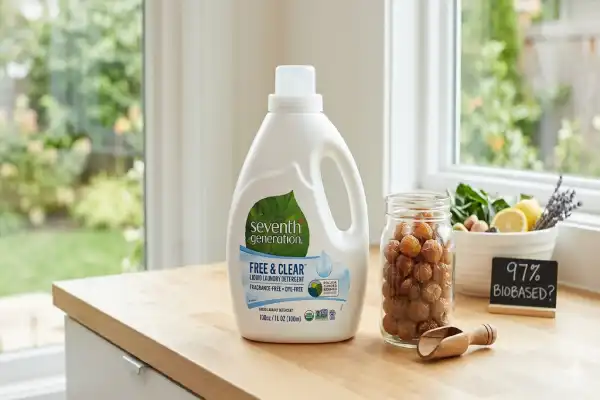
Look for brands like Seventh Generation or Mrs. Meyer’s Clean Day. They use plant-based ingredients and avoid harsh chemicals. Always check labels for “fragrance-free” if you have high chemical sensitivity.
Decoding Warning Symbols and Safety Data Sheets
Every bottle of Drano or Ajax has warning symbols for toxicity or corrosiveness. For more information, look up the Safety Data Sheet (SDS) online. The SDS provides detailed data on harmful chemicals and first-aid measures.
Why Ingredient Transparency Matters
Some manufacturers don’t list every ingredient. Supporting brands that are transparent helps avoid hidden triggers. Knowing what’s in your products helps protect your family’s air quality.
Immediate Steps to Take After Inhaling Fumes
If you feel lightheaded or nauseous, stop cleaning right away. Leave the room and get to fresh air. Don’t stay to finish the job. Once safe, open all windows to let the fumes dissipate before re-entering.
When to Contact Poison Control
If symptoms like nausea or blurred vision persist, call Poison Control at 1-800-222-1222. Be ready to tell them the exact brand name. This helps them provide the best advice for managing the situation.
How Environmental Factors Influence Chemical Concentration
High temperatures and humidity can make harmful chemicals vaporize faster. This increases the concentration of toxic fumes. Cleaning on a hot, humid day without air conditioning raises your risk of nausea.
Best Times of Day to Perform Deep Cleaning
Try to clean during cooler parts of the day when you can keep windows open. This allows vapors to clear out more efficiently. It helps maintain better indoor air quality and reduces health risks.
Proper Sealing of Chemical Containers
Even unused bottles can “off-gas” if lids are not sealed tightly. This can contaminate the air in your utility closet or under-sink area. Always double-check that caps are threaded correctly and tightened after every use.
Organizing Cleaning Supplies in Well-Ventilated Areas
Avoid storing all cleaning products in a small, unventilated cupboard. Keep them in a laundry room with a window or an area with airflow. This prevents harmful chemicals from building up and causing health risks.
Sensory Overload and Chemical Sensitivity
Sometimes, nausea is due to sensory overload. Strong scents in products like Febreze can overstimulate your olfactory system. This can lead to headaches or queasiness, indicating chemical sensitivity.
Differentiating Between Scent-Induced Nausea and Chemical Toxicity
Scent-induced nausea usually goes away when you move away from the smell. But nausea from toxic fumes or chemical toxicity often persists. It may be accompanied by dizziness, a headache, or more severe respiratory irritation.
Establishing a Schedule to Reduce Daily Exposure
Instead of cleaning all at once, spread tasks throughout the week. This reduces the amount of toxic fumes released. It helps maintain better indoor air quality and prevents harmful chemical buildup.
Involving Family Members in Safe Cleaning Habits
Educate everyone in the home, including teenagers, on the importance of ventilation and the dangers of mixing products. By teaching safe cleaning practices, you ensure everyone recognizes warning signs and knows how to react.
Can cleaning product fumes cause nausea even if I only use them for a few minutes?
Yes, cleaning product fumes can cause nausea. Household cleaning products release toxic fumes almost instantly. In small, poorly ventilated spaces, the concentration of harmful chemicals can rise quickly, causing immediate queasiness or nausea.
What are the most common signs of respiratory irritation from cleaning supplies?
Beyond nausea, signs of respiratory irritation include persistent coughing, a scratchy throat, sneezing, and watery eyes. If you use a product like Easy-Off and start to feel a burning sensation in your nose or throat, it’s a clear sign you’re inhaling toxic fumes. You need to improve your indoor air quality.
Is it safe to use Lysol or Clorox wipes in a room with the windows closed?
For optimal cleaning supplies safety, it’s always best to have some form of ventilation. While a single wipe may not cause an issue, using multiple wipes in a confined area like a closet or small bathroom can lead to a buildup of harmful chemicals. This can trigger health risks for those with chemical sensitivity.
How can I tell if my nausea is from the scent or from toxic fumes?
Scent-induced nausea usually disappears as soon as you move away from the smell of the product, such as Mr. Clean. But nausea caused by toxic fumes or chemical toxicity often lingers. It may be accompanied by dizziness, a headache, or more severe respiratory irritation.
Are natural brands like Seventh Generation completely free of health risks?
While Seventh Generation and Mrs. Meyer’s are safer than many traditional household cleaning products, they can still contain natural allergens or essential oils. These might cause respiratory irritation in sensitive individuals. Always practice proper ventilation to maintain the best indoor air quality, regardless of the product type.
What should I do if I accidentally mix bleach and an ammonia-based cleaner like Windex?
This creates a highly dangerous chemical reaction. You should immediately leave the area, get to fresh air, and ventilate the house. If you experience significant respiratory irritation or persistent nausea, contact the Poison Control center immediately to address these serious health risks.
Can the humidity in my house make nausea from cleaners worse?
Yes, high humidity and temperature can increase the rate at which harmful chemicals vaporize into the air. This results in a higher concentration of toxic fumes. Cleaning on a hot, humid day without air conditioning raises your risk of nausea.