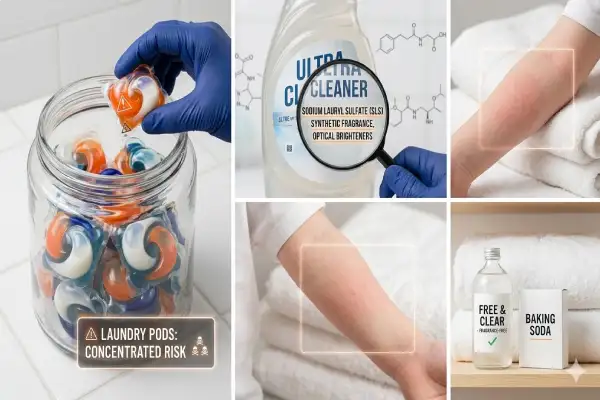

Did you know that nearly 80% of people ignore subtle body signals that point toward household chemicals? Many individuals suffer from persistent discomfort, yet they never link the sensation to their daily chores. You might feel constant irritation even when your body appears perfectly clear to the naked eye.
This mysterious sensation often stems from common cleaning agents lingering in your fabrics. Identifying these hidden triggers is the first step toward reclaiming your comfort. We will explore why your dermis reacts this way and provide actionable advice for relief. Understanding your environment helps you maintain better health every single day.
Key Takeaways
- Persistent discomfort often originates from residual chemicals in clothing.
- Sensory irritation frequently occurs even when no physical marks appear.
- Fragrances and dyes are primary culprits for many people.
- Switching to hypoallergenic options provides immediate relief for some.
- Proper rinsing cycles help minimize chemical exposure significantly.
Understanding the Science of Contact Dermatitis
Why does your skin react to laundry products? It starts with the science of contact dermatitis. This condition is a form of eczema. It happens when your skin meets external substances.
Using harsh soaps or cleaning agents can make your skin inflamed. This leads to discomfort.
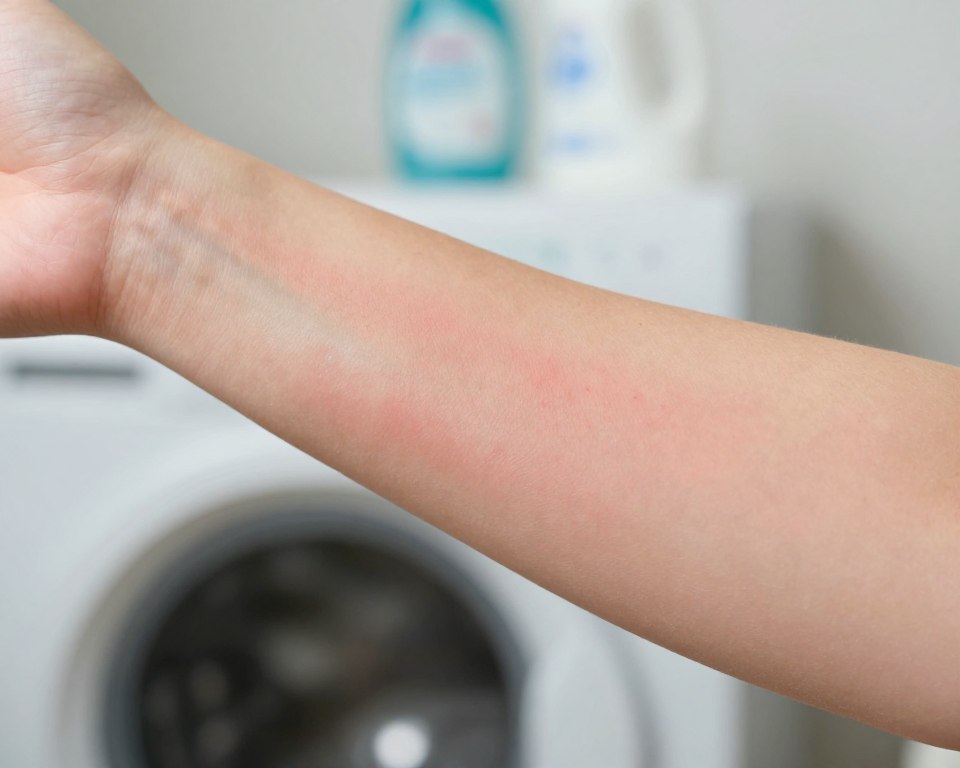
How Detergents Interact with the Skin Barrier
Your skin needs natural oils to stay healthy and hydrated. Modern cleaning products have surfactants to lift dirt. But these can also strip away your protective lipid layer.
When this barrier is broken, your skin becomes vulnerable. A detergent skin reaction often follows. This leaves your skin open to environmental irritants.
Once the barrier is broken, your skin is exposed to chemicals. This triggers an inflammatory response. You might feel this as itching or dryness.
Even without a rash, your skin is stressed. It’s reacting to chemical residue in your fabrics.
The Difference Between Irritant and Allergic Reactions
There are two main types of skin responses. Irritant contact dermatitis is the most common, making up 80 percent of cases. It happens when a substance physically damages the skin surface.
An allergic reaction to laundry detergent involves your immune system. It sees a specific ingredient as a threat.
Irritant reactions can happen to anyone with enough exposure. But allergic reactions are more specific to the individual. If you think laundry is causing issues, consider how fabric softeners might be involved. The table below shows the main differences between these two types of skin sensitivity.
| Feature | Irritant Dermatitis | Allergic Dermatitis |
|---|---|---|
| Cause | Chemical damage | Immune system response |
| Frequency | Very common (80%) | Less common |
| Onset | Immediate or gradual | Delayed (24-48 hours) |
| Symptoms | Burning, dryness, itching | Redness, swelling, blisters |
Can Laundry Detergent Cause Itchy Skin Without a Visible Rash
Feeling itchy after laundry is common, even if your skin looks fine. Many people deal with itchy skin from detergent without seeing any rash. This happens because your body reacts to tiny chemical residues on clothes.
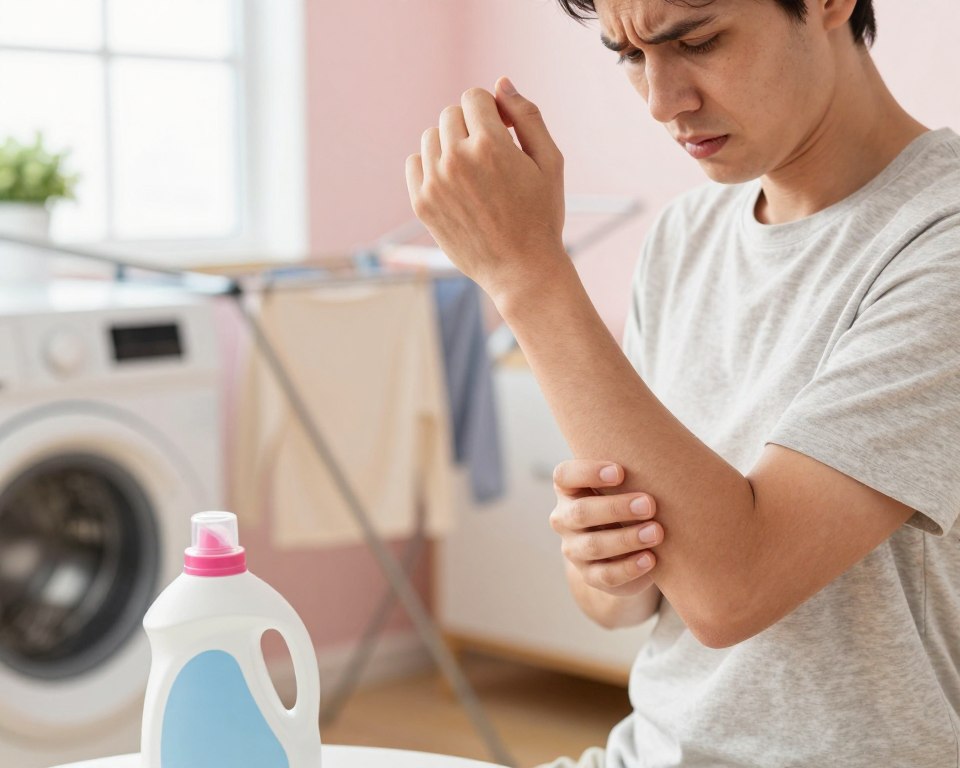
The Phenomenon of Subclinical Irritation
Subclinical irritation happens when your skin is damaged but you can’t see it. You might not notice a non-visible rash from detergent, but your skin is sending signals of distress. This is the start of contact dermatitis, where your skin is stressed but not yet inflamed.
Think of this as a warning. Your skin is fighting off harsh chemicals or fragrances. These substances in fabric fibers challenge your skin’s protective layer constantly.
Why Itching Occurs Before Visible Damage Appears
Itching is the first sign of chemical sensitivity. Your skin’s nerve endings are very sensitive to chemicals. They can detect irritants before your skin shows signs of redness or swelling.
When you get a detergent rash without visible rash, your nerves are sending a warning to your brain. This itch is a protective signal to remove the irritant. Ignoring it can lead to more serious skin damage if exposure continues.
Neurological Responses to Chemical Residue
The link between chemical residue and your nervous system is complex. When surfactants or fragrances get into your skin, they interact with receptors. These receptors send an itch signal to your brain.
This explains why you might itch intensely, even with healthy-looking skin. Your body is reacting to chemicals it sees as threats. Knowing this helps you find the cause of your discomfort, even without a visible rash.
| Symptom Type | Physical Appearance | Primary Sensation | Nerve Involvement |
|---|---|---|---|
| Subclinical | Normal skin tone | Persistent itching | High sensitivity |
| Mild Dermatitis | Slight redness | Itching and heat | Moderate inflammation |
| Acute Reaction | Visible rash/bumps | Burning and pain | Severe immune response |
Common Chemical Culprits in Modern Detergents
Looking at your detergent label can show why you might get skin irritation from detergent. These products clean clothes but have many chemicals. These chemicals stay on clothes long after washing. Knowing what’s in them is key to feeling better.
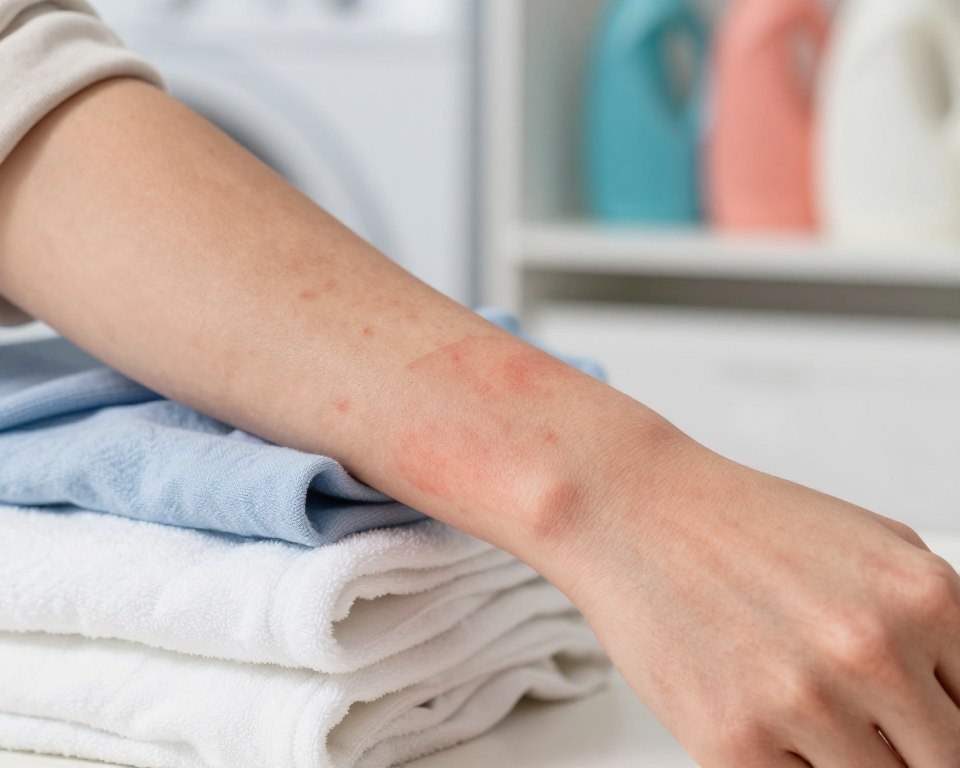
Synthetic Fragrances and Their Volatile Compounds
Most detergents use synthetic fragrances for that clean smell. These fragrances are volatile organic compounds that can move from clothes to skin. Since they last, they stay in fabric, causing skin issues.
Preservatives Like Methylisothiazolinone
Preservatives in liquid detergents stop bacteria growth. Methylisothiazolinone is a common one that can cause allergic reactions. Even a little can lead to itching and redness, not right away.
Surfactants and Their Role in Stripping Natural Oils
Surfactants clean clothes by removing dirt and grease. But, they can also take away the essential protective oils from your skin. This leaves your skin open to skin irritation from detergent. It weakens your skin, making it harder to protect against other chemicals.
| Chemical Category | Common Example | Primary Effect on Skin |
|---|---|---|
| Synthetic Fragrance | Limonene/Linalool | Allergic contact dermatitis |
| Preservative | Methylisothiazolinone | Delayed immune reaction |
| Surfactant | Sodium Lauryl Sulfate | Stripping natural moisture |
Identifying Symptoms of Detergent Sensitivity
Spotting early signs of skin trouble is crucial for relief from itching. Many people face discomfort for months before linking it to laundry products. Paying attention to how your body reacts to clean clothes can help manage your skin health.
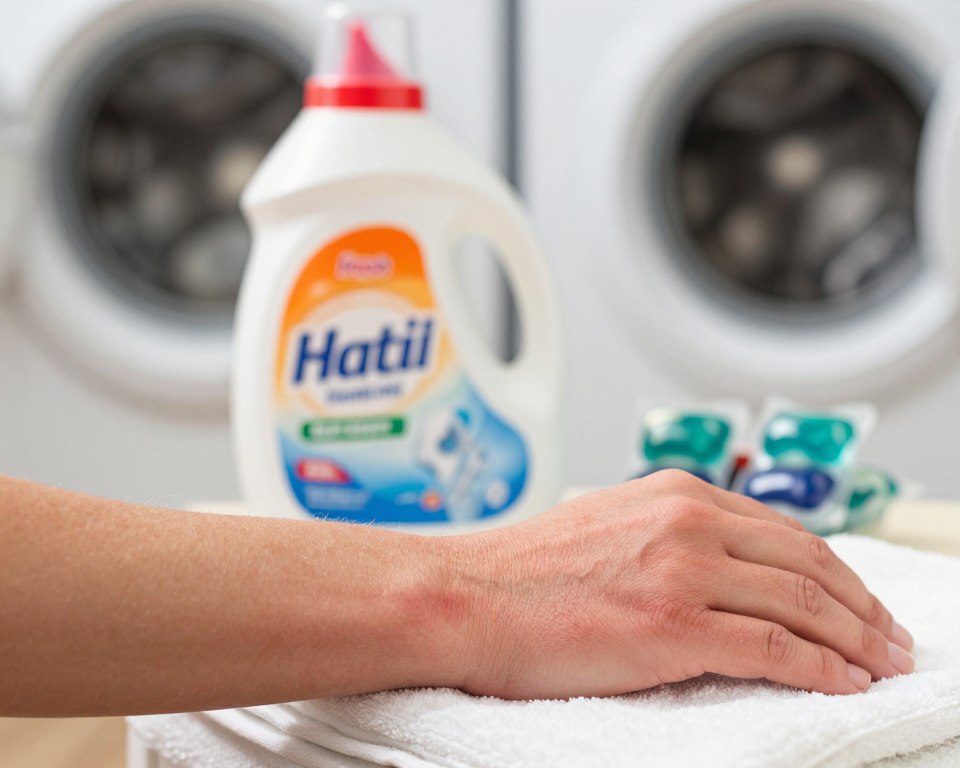
Recognizing Subtle Signs of Skin Distress
A detergent skin reaction often starts with mild symptoms. You might feel a faint itch after wearing clean clothes. Other signs include redness, tightness, or small, bumpy patches without a clear cause.
Repeated exposure to a substance can increase the risk of contact dermatitis. Even long-time users can suddenly develop sensitivity. If unsure, comparing brands like all free clear vs seventh generation free can help find safer options.
Differentiating Between Dry Skin and Chemical Irritation
Telling dry skin from a laundry detergent sensitivity can be hard. Dry skin often improves with moisturizers and affects the whole body. Chemical irritation, on the other hand, shows up in specific areas like waistlines or armpits.
If your skin improves with different laundry products, it’s likely a chemical reaction. Pay close attention to when itching starts. This timing can point to detergent residue as the cause.
Tracking Patterns in Your Daily Routine
Keeping a simple log can help find the source of detergent allergy symptoms. Note changes in detergent, fabric softener, or wash cycle settings. If symptoms flare up with certain fabrics, it might be due to chemical residues.
Tracking these patterns helps identify washing habits linked to symptoms. This method allows you to remove irritants one by one. Consistency is key in finding the cause of skin issues.
The Role of Fabric Softeners and Dryer Sheets
While you focus on your detergent, your fabric softener might be the real culprit behind your discomfort. Many people experience a non-visible rash from detergent or related laundry products without realizing that the additives are the primary source of the problem. These products are designed to leave a thin, waxy film on your fabrics to make them feel soft to the touch.
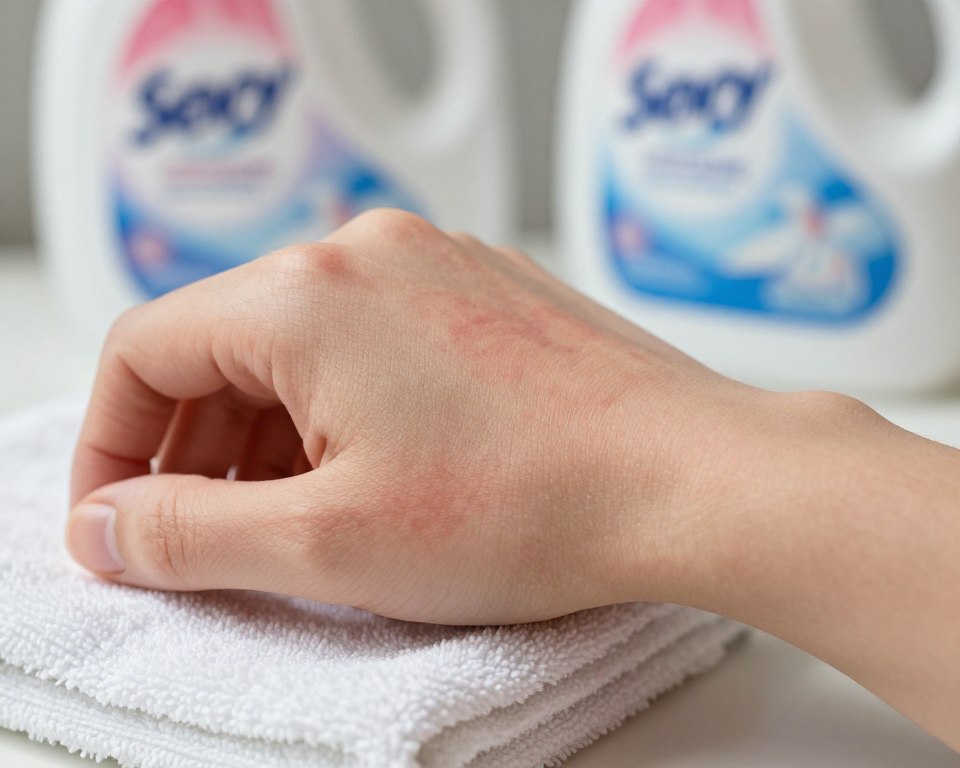
How Coating Agents Trap Chemicals Against the Skin
The chemical coating left behind by softeners acts like a double-edged sword. While it provides a pleasant texture, it also creates a barrier that can trap residual surfactants and fragrances directly against your skin. This constant contact, combined with the natural friction of clothing moving against your body, can lead to a persistent, non-visible rash from detergent and other additives.
Because these coatings are meant to stay on the fabric through the drying process, they do not rinse away easily. This means your skin is exposed to these chemicals for hours at a time. If you are already prone to rashes from detergent, this added layer of synthetic chemicals can significantly worsen your symptoms.
Why Softeners Are Often More Irritating Than Detergents
Fabric softeners and dryer sheets often contain higher concentrations of synthetic fragrances and preservatives than standard detergents. These ingredients are specific to stay on the fabric, which increases the likelihood of a skin reaction. Unlike detergents, which are meant to be rinsed away, softeners are engineered to linger, making them a major source of contact dermatitis for sensitive individuals.
| Laundry Product | Primary Function | Irritation Potential |
|---|---|---|
| Liquid Detergent | Cleans and removes soil | Moderate |
| Fabric Softener | Coats fibers for softness | High |
| Dryer Sheets | Reduces static and adds scent | High |
| Wool Dryer Balls | Mechanical softening | Very Low |
Environmental Factors That Exacerbate Skin Sensitivity
Environmental factors can be hidden triggers for skin sensitivity during laundry. You might focus on detergent brands, but home conditions and climate also matter. Understanding these variables is key to a more comfortable daily life.
The Impact of Humidity and Temperature on Skin Absorption
Your skin acts as a barrier, but its openness changes with the environment. In hot settings, pores open, letting in more chemical residues. This is a big problem in hot summers or heated homes.
Low humidity dries out your skin, making it more prone to irritation. When skin lacks moisture, it’s easier for synthetic fragrances or surfactants to cause problems. Maintaining a balanced indoor climate can help avoid these issues.
“The skin is our largest organ and acts as a dynamic interface with the environment; when external conditions shift, our threshold for irritation often shifts right along with them.”
How Water Hardness Affects Detergent Rinsing
Water quality is often overlooked. Hard water, with high minerals like calcium and magnesium, stops detergent from rinsing away. This leaves soap scum and chemical residue in your clothes.
Wearing clothes washed in hard water can irritate your skin. The trapped particles and chemicals increase the risk of irritant contact dermatitis. Soft water, on the other hand, rinses clothes cleaner, leaving fewer irritants on your skin.
| Feature | Soft Water | Hard Water |
|---|---|---|
| Detergent Solubility | High | Low |
| Residue Potential | Minimal | High |
| Skin Irritation Risk | Low | Elevated |
| Mineral Content | Low | High |
Testing Your Laundry Products for Irritants
If you think your detergent is making your skin itch, it’s time to test it. Many cleaners have complex chemicals that can cause reactions, even if you’ve never been sensitive before. By checking the products you use, you can take back control of your skin health and comfort.

The Patch Test Method for Laundry Products
A patch test is a good way to see if a laundry product is irritating your skin. Apply a small amount of the diluted detergent to a clean area of skin, like the inner forearm or behind the ear. Use a bandage to keep it in place.
It’s important to leave the patch on for at least 48 hours to see if you react. If you see redness, itching, or swelling, take off the product and wash the area well. This test helps you find out what’s causing the problem without affecting your whole body.
How to Read Ingredient Labels Effectively
Understanding what’s in your laundry detergent is key for sensitive skin. Many products hide harsh chemicals in vague terms like “fragrance” or “surfactants.” Look for specific signs that a product might be too harsh for your skin.
When looking at labels, choose products that list their ingredients clearly. Avoid those with known irritants. The table below shows common irritants and safer alternatives for your laundry.
| Category | Common Irritants | Gentle Alternatives |
|---|---|---|
| Fragrance | Synthetic Perfumes | Fragrance-Free |
| Preservatives | Methylisothiazolinone | Natural Citric Acid |
| Surfactants | Sodium Lauryl Sulfate | Plant-Based Glucosides |
| Softening Agents | Quaternary Ammonium | Distilled White Vinegar |
By checking labels before you buy, you can avoid harmful chemicals. Empowering yourself with knowledge is the first step to a more comfortable life without irritation.
Strategies for Minimizing Exposure
You can lower your risk of skin irritation from detergent by changing a few simple laundry habits. Many common skin issues come from invisible chemical residues left on fabrics. By controlling your laundry, you make a safer space for your skin to heal and thrive.
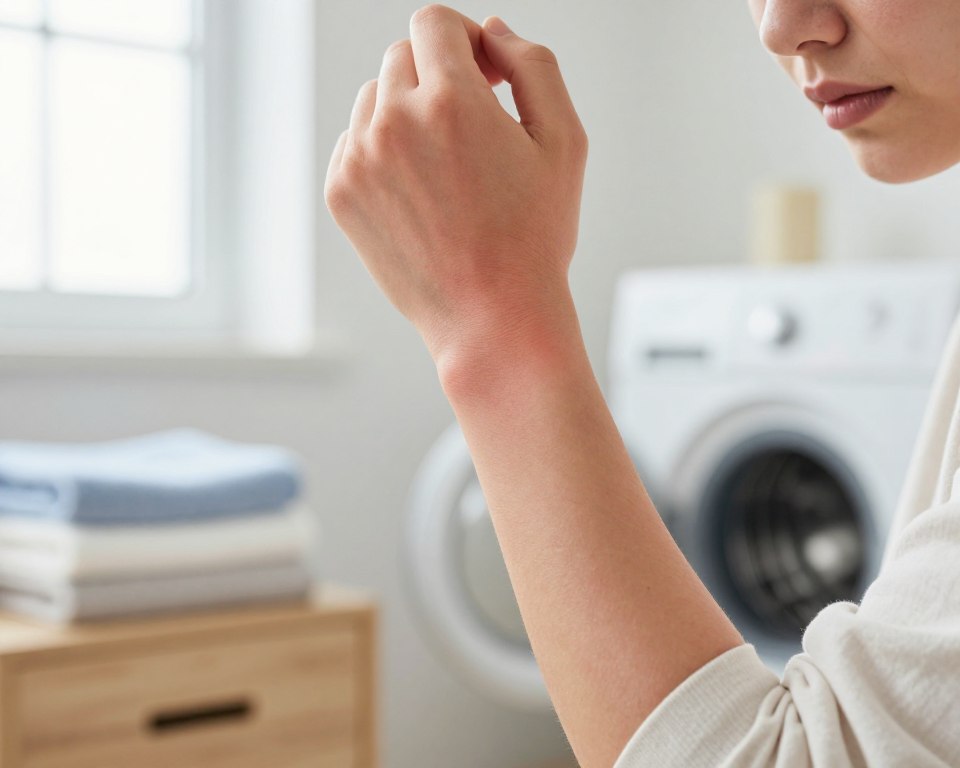
The Importance of Double Rinsing Cycles
Using the double rinse feature on your washing machine is key to clean clothes. This extra cycle removes stubborn surfactants and fragrances that can cause unwanted reactions. If your machine doesn’t have this setting, you can manually add an extra rinse cycle after the main wash.
“The goal of laundry care is to remove soil without leaving behind a chemical footprint that compromises the skin barrier.”
Adjusting Detergent Dosage for Your Machine
Many think more soap means cleaner clothes, but it often leads to excess residue. Using too much detergent is a major cause of skin irritation from detergent. Always follow these guidelines to keep balance:
- Check the manufacturer’s recommended dosage for your specific load size.
- Use a measuring cup rather than pouring directly from the bottle.
- Consider the hardness of your water, as soft water requires less detergent than hard water.
Cleaning Your Washing Machine Drum Regularly
Your washing machine can harbor buildup from previous loads, including mold, mildew, and leftover soap scum. This residue can transfer onto your clean clothes, leading to persistent discomfort even with gentle products. It’s crucial to run a maintenance cycle with hot water and white vinegar at least once a month to keep the drum pristine.
Keeping your appliance clean ensures your skin protection efforts are not undermined by hidden contaminants. By maintaining your equipment and being mindful of your habits, you can enjoy fresh laundry without chemical exposure worries.
Switching to Hypoallergenic and Natural Alternatives
Switching to hypoallergenic products can greatly reduce laundry detergent sensitivity. Often, the cause of skin irritation is in your laundry room. Choosing gentler options is a step towards a safer skin environment.
What to Look for in Fragrance-Free Detergents
When looking for new products, always choose “fragrance-free” over “unscented.” Unscented products might still have fragrances to hide smells. Some common detergent ingredients are also in hairstyling products, which can cause reactions in sensitive people.
Always check the ingredient list for potential irritants. If you’re not sure, compare options like Purex Free & Clear vs All Free & Clear. Transparency in labeling helps avoid hidden allergens.
Evaluating Plant-Based Versus Synthetic Formulas
Plant-based detergents use natural enzymes to break down stains. They are less aggressive on the skin than synthetic surfactants. Synthetic detergents are good at removing grease but can strip away natural oils, harming your skin.
“The health of your skin is directly linked to the chemical residues left behind on your clothing after every wash cycle.”
Benefits of Using Soap Nuts or Laundry Balls
For those with extreme laundry detergent sensitivity, soap nuts or laundry balls are a good choice. Soap nuts are dried fruit shells that release natural saponin for cleaning. Laundry balls use mechanical action or ceramic beads to clean without chemicals.
| Product Type | Cleaning Power | Skin Friendliness | Best For |
|---|---|---|---|
| Synthetic Detergent | High | Low | Heavy Stains |
| Plant-Based | Medium | High | Daily Use |
| Soap Nuts | Low/Medium | Very High | Sensitive Skin |
Finding the right cleaning method is a personal journey. By trying these alternatives, you can manage your laundry detergent sensitivity and enjoy comfortable, irritation-free clothes every day.
Managing Itchy Skin Through Skincare
Dealing with itchy skin from detergent needs a gentle and consistent approach. A solid skincare routine is key to relief. Taking care of your skin from the outside in is crucial.
Restoring the Skin Barrier with Ceramides
The skin barrier protects against irritants. When it’s damaged, you might feel dry or sensitive. Moisturizers with ceramides are great because they seal skin cells.
Ceramides lock in hydration, preventing moisture loss. They protect against external triggers. Regular use soothes itchy skin from detergent and helps the skin repair itself. Choose creams that mimic the skin’s natural lipids for the best results.
Choosing the Right Moisturizers for Sensitive Skin
Choosing the right product is as important as the ingredients. Look for fragrance-free and hypoallergenic formulas to avoid inflammation. For more on product safety, check out is baby-safe laundry detergent really safer.
Applying a cold compress can numb skin sensations, stopping the itch. This gives immediate comfort while your moisturizer works. Always test new lotions on a small area of your inner arm before using them on larger, irritated areas.
When to Seek Professional Dermatological Advice
Home care might not be enough for severe reactions. If symptoms persist or worsen, see a doctor. Learn more about causes of contact dermatitis to understand your situation better.
A dermatologist can diagnose and suggest treatments. Don’t ignore signs like weeping skin, intense swelling, or rashes that don’t fade after removing the detergent. Expert help ensures your itchy skin from detergent is treated safely and effectively.
| Ingredient | Primary Benefit | Best For |
|---|---|---|
| Ceramides | Restores barrier | Dry, damaged skin |
| Colloidal Oatmeal | Calms inflammation | Itchy, red skin |
| Petrolatum | Locks in moisture | Severe dryness |
| Aloe Vera | Cooling relief | Acute irritation |
Lifestyle Adjustments for Sensitive Individuals
Keeping your skin healthy is more than picking the right detergent. It’s about changing how you dress and live daily. If you get a detergent rash without visible rash, simple wardrobe changes can help a lot. People with atopic eczema need to be extra careful because they’re more likely to get skin irritation from things around them.
Choosing Natural Fiber Clothing
The fabric you wear matters a lot for your comfort. Synthetic fabrics can make your skin feel hot and sweaty, which can make skin issues worse. It’s best to wear natural fibers like organic cotton, linen, or bamboo.
These fabrics breathe better and help your skin stay at a good temperature. Choosing quality fabrics means less irritation. If you’re looking at different products, check out this guide on laundry detergents to make sure your clothes and cleaning go together well.
The Importance of Pre-Washing New Garments
Many think new clothes are clean when they buy them, but they’re not. Clothes are treated with chemicals and dyes to look better. These can cause a detergent rash without visible rash even if you haven’t washed them yet.
Always wash new clothes before wearing them to get rid of these chemicals. Use a mild, scent-free detergent for the first wash. This is a smart strategy for keeping your skin safe and comfy every day.
Common Myths About Laundry Detergent Allergies
Dealing with laundry can feel like trying to understand a secret code. Many people get confused by labels that seem safe but aren’t. Knowing the truth behind these claims is key to handling detergent allergy symptoms well.
Debunking the Natural Equals Safe Fallacy
Many think “natural” means something is safe for skin. But, many natural ingredients can cause allergic reactions to laundry detergent. Even things like essential oils or plant extracts can irritate sensitive skin.
Remember, allergic contact dermatitis happens when your body sees something as a threat after being exposed to it twice. Just because something is natural doesn’t mean it’s safe for everyone. Always look for clear ingredient lists instead of relying on marketing terms.
Clarifying the Difference Between Organic and Hypoallergenic
People often mix up “organic” and “hypoallergenic” labels. Organic means the ingredients were grown without harmful chemicals. But, it doesn’t mean the product is safe from causing an allergic reaction to laundry detergent.
Hypoallergenic means the product is made to be less likely to cause an allergic reaction. But, this term isn’t strictly regulated. If you have detergent allergy symptoms, look for products that are free from fragrances and dyes. Don’t just rely on the organic label.
Conclusion
Managing itchy skin from laundry detergent is all about knowing what to do. It’s about avoiding certain products and taking care of your skin. By making smart choices, you can make your daily life more comfortable.
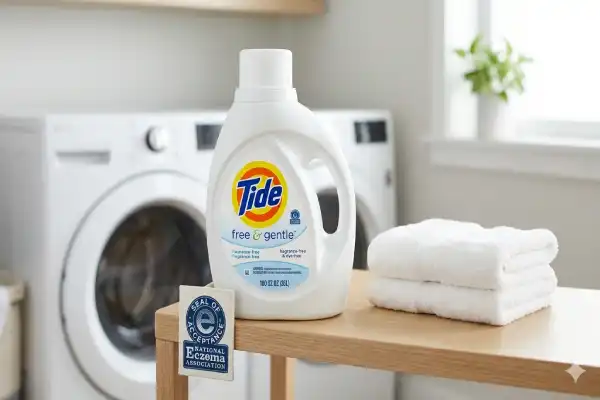
Learning about contact dermatitis helps you shop for safer laundry products. Look for brands like Tide Free & Gentle or Seventh Generation. They are good for people with sensitive skin. Taking care of your skin benefits everyone in your home.
Changing your laundry habits can make a big difference. Try keeping a symptom journal to see how different products affect you. This way, your clothes won’t be a source of discomfort.
We hope this guide helps you find the relief you need. Keeping your skin healthy starts with the next load of laundry. If your symptoms don’t get better, talk to a dermatologist or share your story with others.
FAQ
Can laundry detergent cause itchy skin without a visible rash?
Yes, it’s common. This is known as subclinical irritation. Chemical residues from detergent can irritate your skin’s nerve endings, causing itching without visible signs.
What are the most common detergent allergy symptoms?
Symptoms include persistent itching, a “stinging” or “burning” sensation, skin tightness, and extreme dryness or flaking in tight clothing areas.
How can I tell if I have a laundry detergent sensitivity or just dry skin?
If your skin itches after moisturizing or if the itch is in areas covered by clothing, you likely have a detergent sensitivity.
Why is my skin having a detergent skin reaction all of a sudden?
You can develop a detergent skin reaction at any time. Sensitization to ingredients like Methylisothiazolinone can happen after years of use. Changes in your environment can also trigger reactions.
Is an allergic reaction to laundry detergent dangerous?
Most cases of allergic reactions to laundry detergent are uncomfortable but not life-threatening. Chronic scratching can lead to skin infections.
How do I treat skin irritation from detergent at home?
Stop using the irritating product. Wash your clothes and bedding with a fragrance-free detergent. Apply a ceramide-rich cream and avoid hot showers.
Can I have a detergent rash without visible rash signs if I use “natural” brands?
Yes. “Natural” brands like Mrs. Meyer’s can still cause irritation. Essential oils in these products can trigger itching without visible rash.
What is the best way to prevent a non-visible rash from detergent?
Use the “Extra Rinse” cycle, reduce detergent amount, and avoid fabric softeners and dryer sheets. They leave irritating residues on clothes.