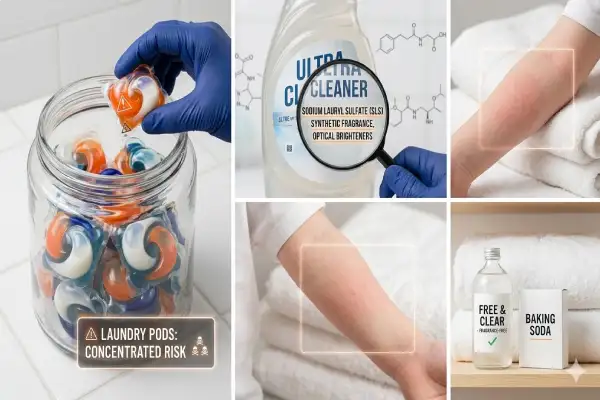
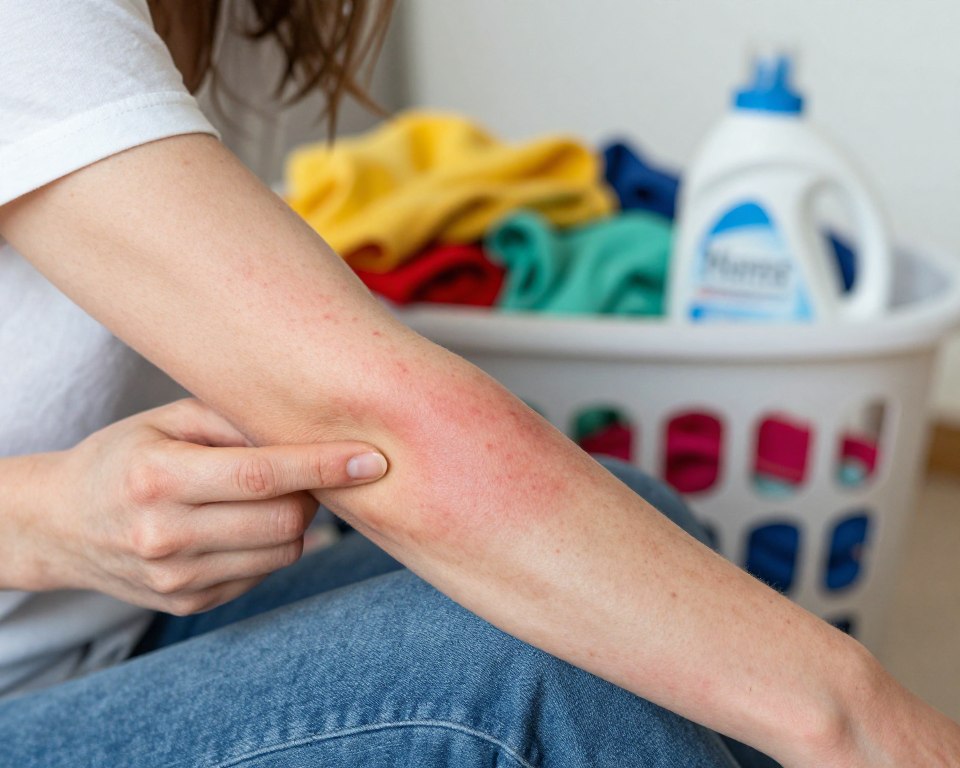
Did you know that nearly 20% of people have skin sensitivity to household chemicals? Many people don’t realize that their daily laundry can cause skin irritation. Identifying the hidden culprits in your home is key to keeping your skin healthy and comfortable.
When your skin reacts to fabric care products, it often shows as contact dermatitis. This condition can look like red, itchy patches or small bumps where clothes touch your skin. Knowing what does a laundry detergent allergy looks like is the first step to feeling better. By spotting these signs early, you can protect your health and get your skin back to normal.
Key Takeaways
- Skin reactions often come from fragrances or preservatives in common cleaning supplies.
- Symptoms include redness, itching, and sometimes small blisters on the skin.
- Persistent irritation might mean you have contact dermatitis that needs a doctor’s help.
- Using fragrance-free or hypoallergenic products can help avoid triggers.
- Seeing a dermatologist is a good idea if rashes don’t go away or are very uncomfortable.
Understanding the Basics of Contact Dermatitis
Your skin is like a shield, but sometimes it sees common laundry items as threats. This can lead to contact dermatitis, where your skin gets inflamed from touching certain substances. You might feel an unexpected allergic reaction to laundry detergent that makes your skin itchy and sore.
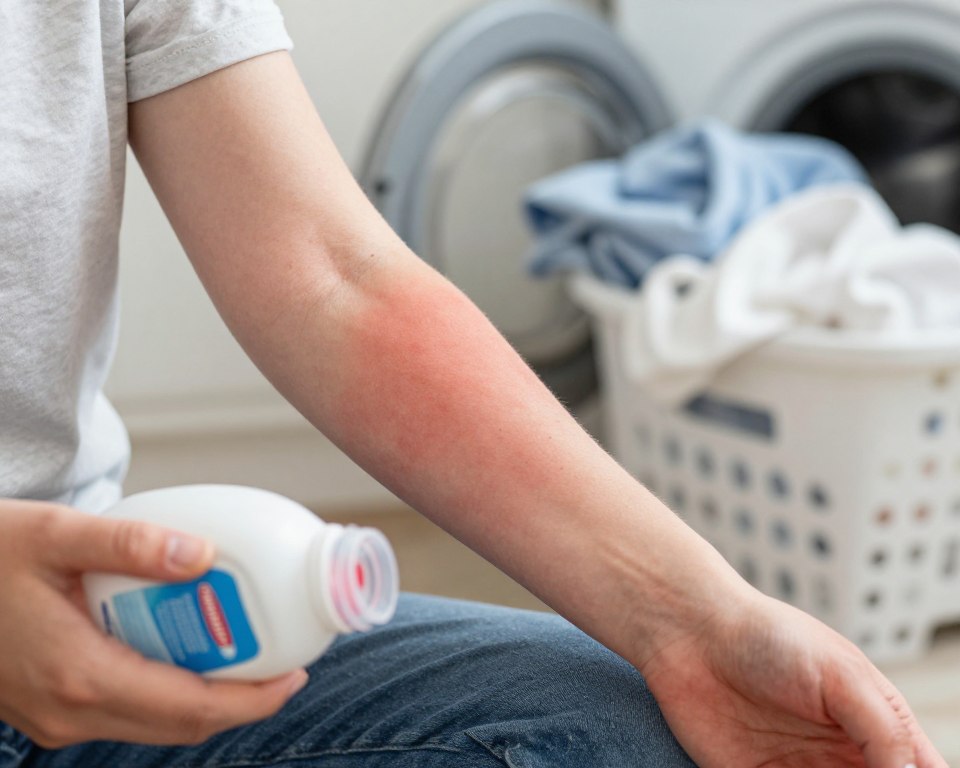
The Mechanism of Skin Sensitization
Sensitization is a two-step process. Your immune system first learns to see a chemical as a threat. Then, if you meet that chemical again, your immune system attacks, causing skin irritation.
“The skin is our largest organ, and it is constantly communicating with the environment. When it reacts, it is simply trying to protect us from what it perceives as a danger.”
Why Laundry Products Trigger Immune Responses
Laundry detergents are made to remove tough dirt and oils from clothes. But, they can also remove your skin’s natural oils. This makes your skin more vulnerable to harsh chemicals, leading to an allergic reaction to laundry detergent.
Even if you’ve used the same detergent for years, your skin’s sensitivity can change. Stress, environmental factors, or hormonal changes can affect your skin’s tolerance. Once sensitized, even small amounts of detergent residue on clothes can cause a reaction. The table below shows how different parts of laundry detergent affect your skin.
| Component Type | Primary Function | Skin Impact |
|---|---|---|
| Surfactants | Removes grease | Can strip natural lipids |
| Fragrances | Adds scent | Common allergen trigger |
| Preservatives | Prevents spoilage | May cause contact dermatitis |
| Optical Brighteners | Reflects light | Potential skin irritant |
Knowing what triggers your allergic reaction to laundry detergent is key to managing your skin health. By identifying the specific chemicals that cause your reaction, you can choose better products for your skin.
What Does a Laundry Detergent Allergy Look Like in Practice?
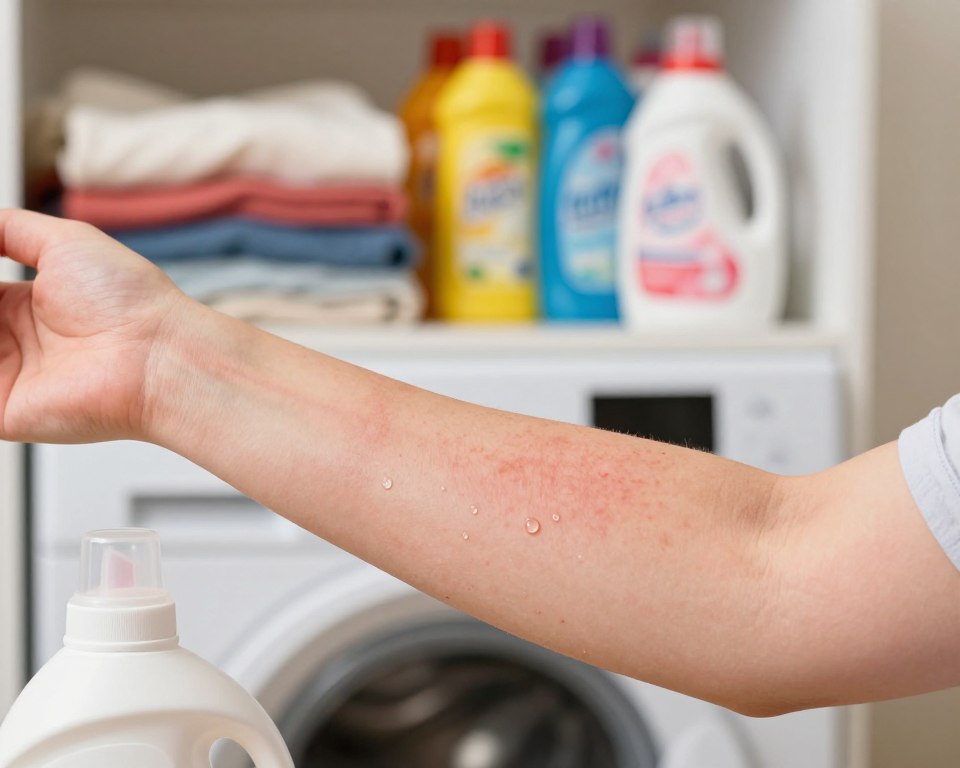
Many people wonder what does a laundry detergent allergy look like when they first notice itchy skin. It’s important to know the signs of a reaction to manage it well. This way, you can tell if it’s a chemical allergy or another skin issue.
Visual Characteristics of Detergent Rashes
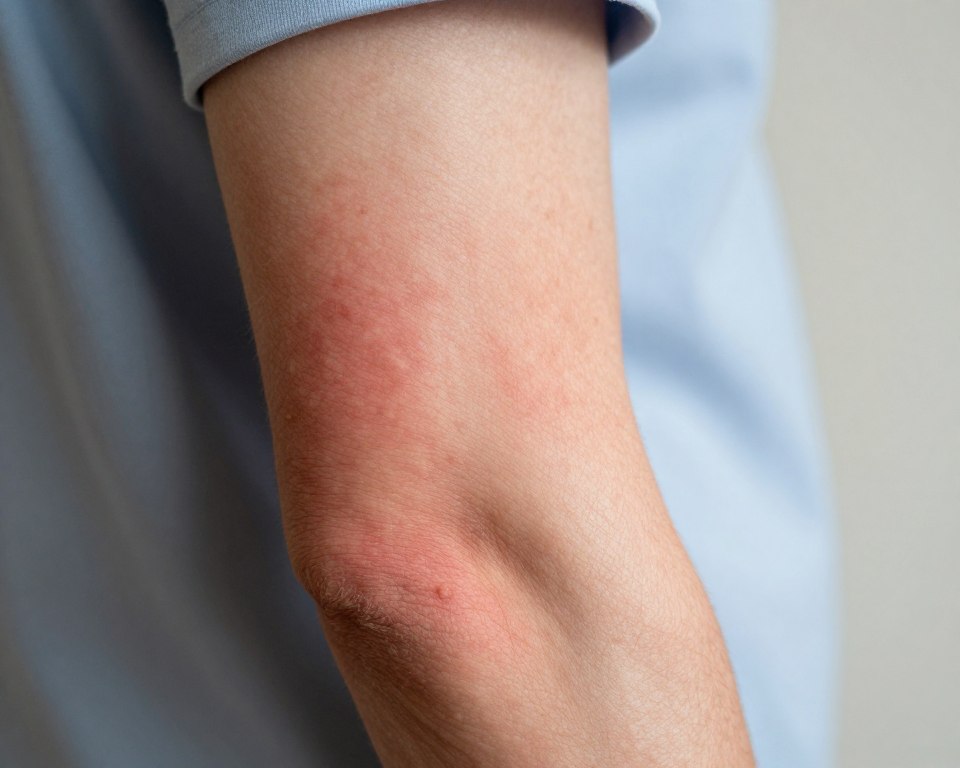
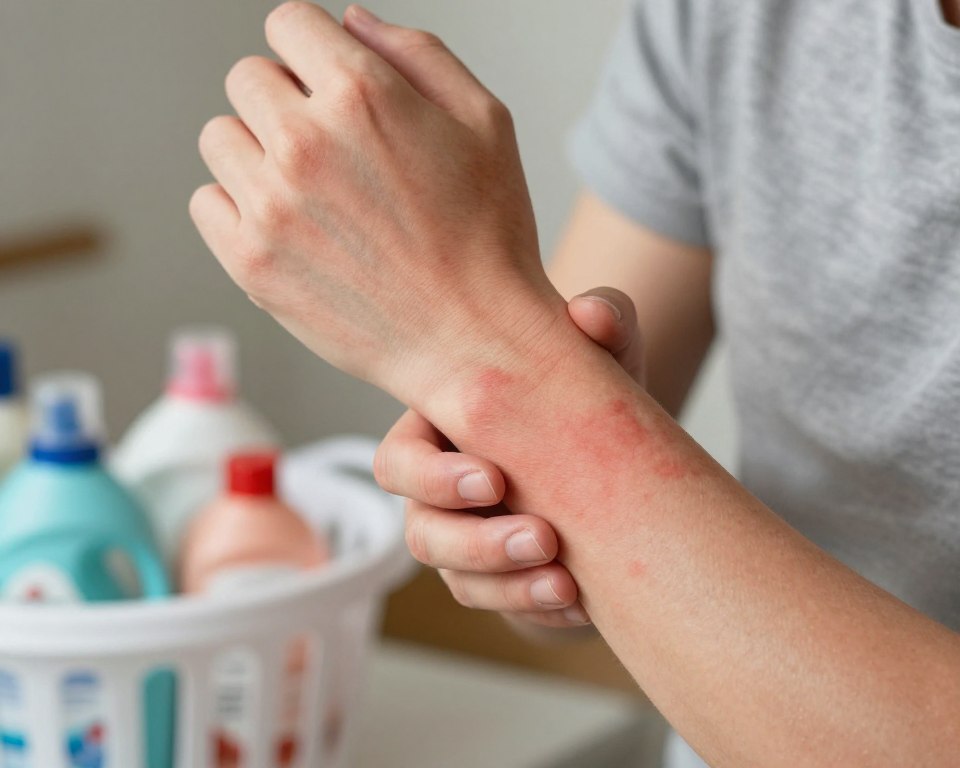
A detergent allergy rash shows up as red, itchy spots soon after wearing new clothes. The skin might feel warm and look irritated. Look out for these signs:
- Red, inflamed patches in odd shapes.
- Small, fluid-filled blisters that crust over if they break.
- Raised, itchy bumps like hives or a bumpy texture.
- Dry, scaly skin that feels tight or uncomfortable.
Common Locations for Allergic Reactions on the Body
The rash’s location can hint at the cause of irritation. Since the skin absorbs chemicals better when it’s damp, reactions often happen in tight or sweaty spots. Pay close attention to these areas:
The armpits and groin are common places for detergent allergy rashes. These areas get a lot of friction and moisture, making chemicals from fabric get on your skin. You might also see irritation around the waistline, back of the knees, or inner elbows where clothes fit tight.
Common Chemical Culprits in Laundry Products
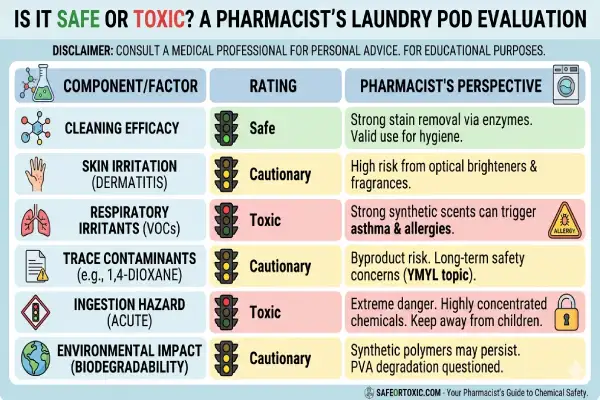
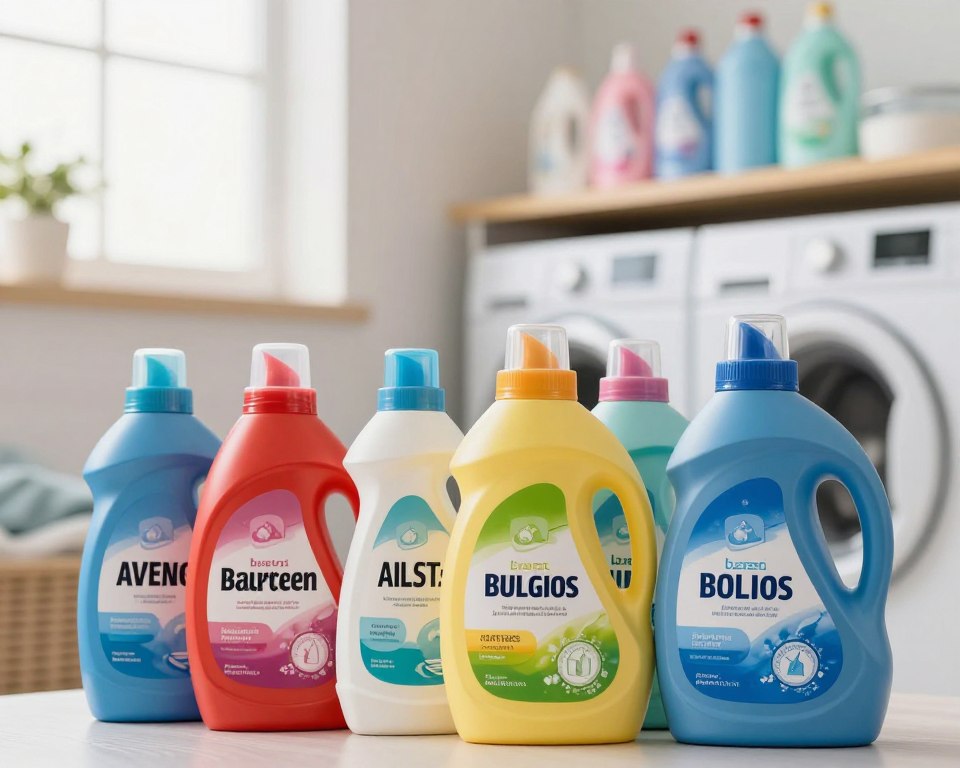
Reading the label on your laundry detergent is key to clear skin. Modern detergents have complex chemicals to remove stains and odors. But, these ingredients can harm your skin’s natural barrier.
Many people don’t know their laundry can cause skin problems. Knowing which chemicals cause reactions helps you choose better products. It’s important to avoid irritating substances.
The Role of Synthetic Fragrances
Synthetic fragrances often cause skin reactions from laundry. Companies use secret blends for scents, so you can’t see what’s in them.
These scents have many chemicals that stay on clothes. They can make people with sensitive skin react. It’s best to pick fragrance-free options.
Preservatives and Their Impact on Skin Health
Preservatives stop bacteria in liquid detergents. But, they can harm your skin. Parabens and isothiazolinones are known to irritate skin.
“The skin barrier acts as our primary defense against the environment, yet it is often compromised by the very chemicals we use to clean our daily attire.”
These preservatives can irritate your skin over time. They can cause long-lasting inflammation or even new allergies.
Surfactants and Dye Sensitivities
Surfactants clean clothes by breaking down oils. But, some can dry out your skin. This makes it more prone to irritation.
Dyes add color but can cause rashes. Switching to dye-free products can help with itching.
| Chemical Category | Primary Function | Common Skin Risk |
|---|---|---|
| Synthetic Fragrances | Masking odors | Allergic contact dermatitis |
| Preservatives | Preventing spoilage | Skin sensitization |
| Surfactants | Removing dirt | Barrier disruption |
| Artificial Dyes | Visual appeal | Contact irritation |
Identifying Symptoms of Laundry Soap Allergy
It’s important to know the laundry detergent allergy symptoms to fix skin problems. Harsh chemicals can make your skin react. Spotting these signs early helps prevent bigger issues.
Acute Symptoms vs Chronic Skin Issues
Acute reactions happen fast after touching clothes washed with new detergent. You might see sudden redness, intense itching, or blisters. These signs mean your skin doesn’t like something in the detergent.
Chronic problems come from long-term exposure to the same irritants. You might get dry, scaly skin or thick patches. These signs of laundry detergent allergy can look like eczema, making diagnosis tricky.
“The skin is a complex barrier, and when it is constantly exposed to sensitizing agents, it eventually loses its ability to protect itself, leading to chronic inflammation.”
Secondary Infections from Scratching
Scratching an itchy rash is hard to resist, but it’s risky. It breaks the skin, letting bacteria in. This can cause infections that need more than just cream.
Look out for signs of infection like swelling, warmth, or pus. If you see these, stop scratching and get help fast. Keeping your skin moist and using gentle products can stop the itch and infection cycle.
| Symptom Type | Common Appearance | Typical Duration |
|---|---|---|
| Acute Reaction | Redness, Blisters, Swelling | Hours to Days |
| Chronic Issue | Dryness, Scaling, Thickening | Weeks to Months |
| Secondary Infection | Pus, Intense Heat, Spreading | Requires Treatment |
How to Distinguish Between Irritant and Allergic Contact Dermatitis
If you have a detergent allergy rash, it’s key to understand if your immune system is at play. Many think any red patch is an allergy, but it’s often more complicated. Knowing why your skin reacts to certain products involves looking at two main types of dermatitis.
Defining Irritant Contact Dermatitis
Irritant contact dermatitis is the most common skin reaction, making up about 80 percent of cases. It happens when a substance damages your skin’s outer layer. Unlike an allergy, this is a non-immune reaction to harsh chemicals in soaps or cleaning agents. You can learn more about these common triggers to better protect your skin barrier.
Defining Allergic Contact Dermatitis
Allergic contact dermatitis is a true immune system response. When your body sees a specific ingredient as a threat, it triggers an inflammatory reaction. This can happen even with small amounts of the substance. Because it involves your immune system, the reaction can be more persistent and widespread than simple irritation.
Key Differences in Onset and Appearance
The timing of your symptoms often gives a big clue. Irritation usually shows up quickly after contact, while an allergic reaction may take hours or even days. Also, while irritation is often limited to the area of direct contact, an allergic detergent allergy rash can spread to surrounding skin. Avoiding harsh additives like those found in some fabric softeners is a smart way to minimize your risk.
| Feature | Irritant Dermatitis | Allergic Dermatitis |
|---|---|---|
| Cause | Chemical damage to skin | Immune system reaction |
| Frequency | Very common (80%) | Less common |
| Onset | Immediate to hours | Delayed (24-48 hours) |
| Appearance | Red, dry, cracked skin | Blisters, intense itching |
Factors That Increase Your Risk of Developing a Reaction
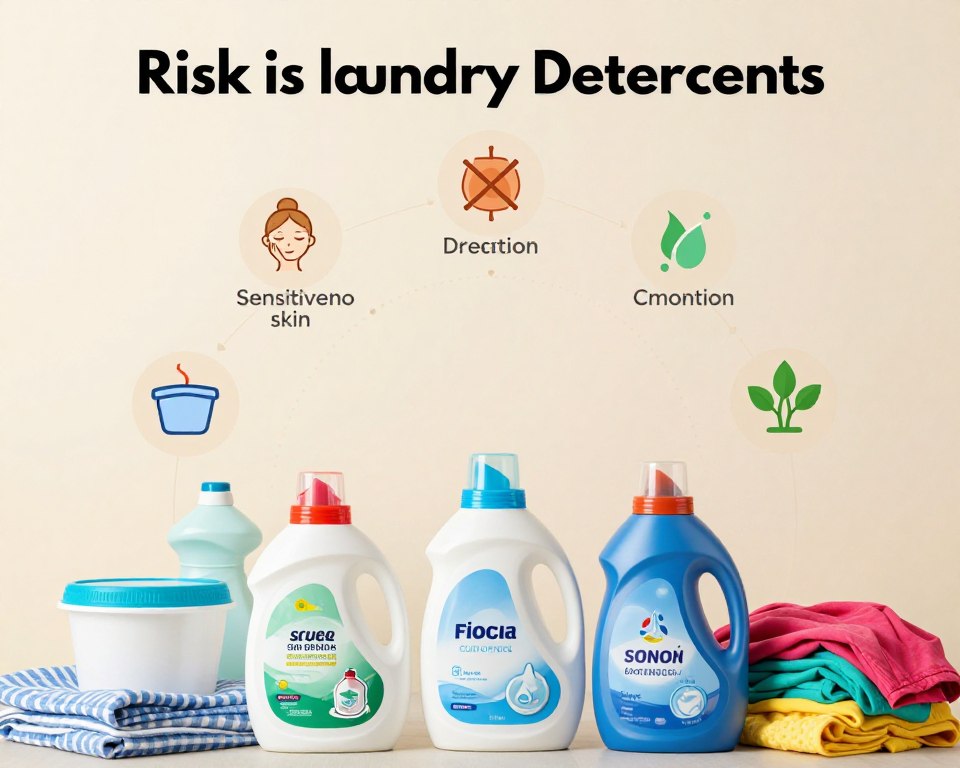
Not everyone gets skin irritation from laundry soap. But, some things can make you more likely to react. People who work with chemicals or have certain traits are often at higher risk. Knowing what triggers these reactions is key to keeping your skin healthy.
Pre-existing Skin Conditions Like Eczema
If you have skin conditions like atopic dermatitis or eczema, you’re at a higher risk. These conditions make your skin’s barrier weak. This lets harsh chemicals from detergents get through easily.
When your skin’s protective layer is damaged, it can’t keep irritants out. This makes your skin more prone to reactions.
Environmental and Seasonal Influences
Your environment affects how your skin reacts to laundry products. In hot, humid weather, sweat can trap detergent against your skin. This can lead to more irritation.
On the other hand, dry winter air can make your skin barrier weaker. This makes you more likely to get contact dermatitis during the colder months.
Genetic Predisposition to Allergies
Some people are more likely to react due to their genes. A genetic predisposition to allergies means your immune system is more sensitive. If you have a family history of allergies, you might react more to synthetic fragrances and dyes in cleaners.
| Risk Factor | Impact Level | Primary Concern |
|---|---|---|
| Eczema | High | Compromised skin barrier |
| Seasonal Heat | Moderate | Increased sweat and residue |
| Family History | High | Immune system sensitivity |
| Chemical Exposure | Moderate | Frequent contact with irritants |
Diagnostic Methods for Confirming a Detergent Allergy
Figuring out how to identify detergent allergy needs a careful look at your daily life. If your skin reacts to clothes or bedding, it can feel like a big mystery. But doctors have ways to find out which chemicals are the problem.

The Patch Testing Process Explained
One sure way to find out what you’re allergic to is through patch testing. A dermatologist puts small patches with common allergens on your skin, usually on your back.
These patches stay on for 48 hours to see if your skin reacts. This controlled test shows doctors which substances cause inflammation. It helps you know what products to avoid in the future.
“The skin is a complex organ, and understanding its unique reactions is the first step toward lasting relief.”
Keeping a Symptom Diary
Start your own research at home before seeing a doctor. A symptom diary is a great tool to track when and where your skin gets irritated.
Write down the laundry products you use, the fabric of your clothes, and how bad the itching or redness is. This diary can help you find patterns you might not notice. If you’re wondering if your laundry detergent is safe, you might want to look into is baby safe laundry detergent for your needs.
Elimination Testing Strategies
Want to figure out how to identify detergent allergy without a doctor? Try an elimination test. This means using only unscented, non-irritating laundry products for two weeks.
- Use a fragrance-free, dye-free detergent.
- Don’t use fabric softeners or dryer sheets.
- Wash all clothes and bedding in plain water to remove chemicals.
After two weeks, add one product back at a time to see if your symptoms come back. This method is a powerful tool for finding out what’s causing your skin problems.
Immediate Steps to Take When You Notice a Rash
If you think you have a laundry detergent allergy, act fast. A rash means you need to stop using the product and calm your skin. This is to prevent things from getting worse.
Removing the Irritant Source
First, find and get rid of the product causing the rash. Stop using the detergent, fabric softener, or dryer sheet right away. Even if you’ve used it for years, your skin can still react.
- Put the suspected detergent in a sealed bag or move it away from your laundry area.
- Look at the labels of other cleaning products you bought recently for similar ingredients.
- Use a fragrance-free, hypoallergenic detergent for your next laundry load.
Cleansing the Affected Area
After removing the source, wash your skin with lukewarm water and a mild, fragrance-free cleanser. Don’t scrub your skin because it can get worse.
Don’t scratch the rash. Scratching can break your skin and lead to infections. Instead, dry the area with a clean towel and apply a gentle moisturizer to help your skin heal.
Managing Clothing Exposure
Your clothes might still have chemicals from the detergent. If you’re wearing clothes washed in the bad detergent, change into something new and safe.
To keep your clothes safe, follow these steps for your next wash:
- Do a double rinse cycle to get rid of any leftover chemicals.
- Don’t use dryer sheets because they have strong fragrances that can make the rash worse.
- If the rash doesn’t go away, wash all your bedding and towels again to remove hidden chemicals.
Effective Laundry Detergent Allergy Treatment Options
Finding the right laundry detergent allergy treatment is key to feeling comfortable again. When you get an allergic reaction to laundry detergent, you want to stop the itch and rash. This helps your skin feel better.
Over-the-Counter Topical Corticosteroids
Many people start with soothing creams. Steroid creams with at least 1 percent hydrocortisone are great for reducing redness and swelling.
These creams calm the skin by reducing the immune response. A thin layer on the rash can give you significant relief from the burning.
Oral Antihistamines for Itch Relief
Topical creams might not be enough for intense itching. Oral antihistamines can help, too. They’re good for widespread discomfort or when itching keeps you awake.
Antihistamines stop histamines from causing itching. Taking one can effectively minimize the itch, preventing more skin damage from scratching.
Prescription Treatments for Severe Cases
If your symptoms don’t get better in a few days, see a doctor. A dermatologist might give you stronger creams or pills for a bad allergic reaction to laundry detergent.
Getting help from a doctor means you get the right laundry detergent allergy treatment for your skin. Don’t wait if the rash gets worse or shows signs of infection. Quick action helps you heal faster.
Natural Remedies for Soothing Irritated Skin
Managing skin irritation doesn’t always need heavy medication. Nature has many soothing solutions. When you notice laundry soap allergy symptoms, your goal is to calm the inflammation and stop the urge to scratch. These gentle, natural methods are great additions to your care plan.
The Benefits of Colloidal Oatmeal Baths
A cool oatmeal bath is a classic way to soothe irritated skin. Colloidal oatmeal has anti-inflammatory properties that help relieve intense itching from contact dermatitis. Soaking for fifteen minutes lets the fine particles create a protective barrier on your skin.
Using Aloe Vera for Cooling Relief
Aloe vera is known for its cooling effect on inflamed areas. Applying pure, fragrance-free gel can greatly reduce heat and redness from a reaction. It’s a simple, effective way to give instant comfort to sensitive skin.
“The skin is our largest organ, and when it’s compromised, using gentle, natural ingredients can help restore its natural balance and promote healing.”
Moisturizing with Hypoallergenic Emollients
Restoring your skin’s moisture barrier is key in treating laundry detergent allergy. Using high-quality, hypoallergenic emollients helps keep hydration in and prevents dryness. When picking products, consider options like Purex Free & Clear vs All Free & to support your skin health.
| Remedy | Primary Benefit | Best Use Case |
|---|---|---|
| Colloidal Oatmeal | Reduces itching | Full body flare-ups |
| Aloe Vera | Cooling sensation | Localized redness |
| Hypoallergenic Emollients | Restores moisture | Daily skin maintenance |
How to Choose Hypoallergenic Laundry Detergents
Switching to a gentle detergent can help stop recurring rashes. Knowing how to identify detergent allergy triggers makes laundry safer for your skin.
Reading Labels for Hidden Irritants
Many soaps have synthetic fragrances and harsh preservatives. These can cause contact dermatitis. Look for fragrance-free and dye-free products to avoid these.
“The skin is our largest organ, and what we put on it matters just as much as what we put in our bodies.”
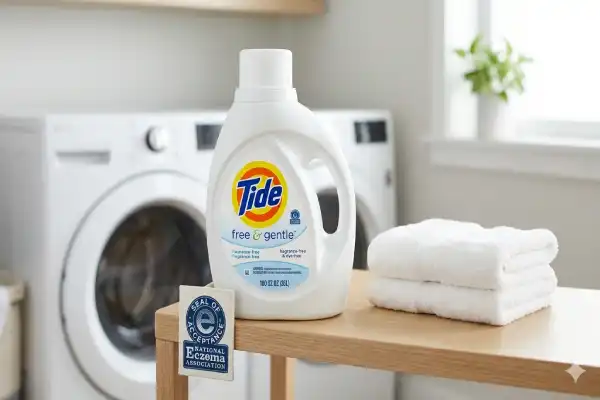
Compare your current detergent to hypoallergenic options. For example, Tide Original vs Tide Free shows which ingredients are removed. This is key for spotting allergy symptoms early.
Certifications to Look For
Not all “natural” labels are the same. Look for third-party certifications for sensitive skin safety. The National Eczema Association (NEA) Seal of Acceptance is a top choice.
Always check the ingredient list on the back of the bottle. Avoid vague terms like “parfum” or “scent.” Certified products ensure your clothes are clean and safe.
Testing New Products on Small Patches
Even hypoallergenic products can cause reactions. Before washing your whole wardrobe, do a patch test. Wash a small piece of fabric, like a pillowcase, with the new detergent.
Use the item for a few days and watch for redness or itching. This method helps you avoid full-body reactions. If your skin stays clear, you can switch your laundry to the new product.
Best Practices for Washing Clothes to Minimize Exposure
Small changes in how you wash clothes can greatly improve your skin health. Your laundry habits affect how much chemical residue stays on your clothes. By improving your laundry process, you can make your skin safer.
The Importance of Double Rinsing
Modern washing machines aim to save water, but this can lead to incomplete rinses. This leaves tiny amounts of detergent that can irritate your skin all day. Choosing an extra rinse cycle helps remove all soap from your clothes.
This is very helpful for heavy items like towels, bedding, and denim. These items trap soap particles in their fibers more than lighter fabrics. An extra rinse reduces the risk of harsh chemical residue touching your skin.
Avoiding Fabric Softeners and Dryer Sheets
Many people like the scent and feel of soft laundry, but these products can cause allergic reactions. They coat your clothes with synthetic fragrances and chemicals. To keep your laundry safe, check out these top 5 ways to reduce allergens in.
Instead of softeners, use white vinegar to soften your clothes naturally. This simple change keeps your clothes soft without adding irritants. Prioritizing skin health over artificial softness is key for those with contact dermatitis.
Cleaning Your Washing Machine Regularly
Your washing machine can harbor soap scum, mold, and allergens if not cleaned. These residues can transfer to your clothes. Regular cleaning keeps your laundry truly clean.
Run a hot water cycle with white vinegar or a machine cleaner once a month. Don’t forget to clean the rubber gaskets and detergent dispensers. Keeping your machine clean is a proactive measure that protects your skin from hidden allergens.
| Laundry Habit | Benefit for Skin | Frequency |
|---|---|---|
| Double Rinsing | Removes residual soap | Every load |
| Vinegar Rinse | Natural softening | Every load |
| Machine Cleaning | Prevents mold/scum | Monthly |
| Avoiding Softeners | Reduces chemical load | Always |
When to See a Dermatologist for Skin Irritation
When laundry detergent allergy symptoms don’t go away, it’s time to see a doctor. Simple home remedies might not be enough for your skin. Sometimes, it needs a more specific medical treatment to heal.
Signs of Infection Requiring Medical Attention
Watch your skin for signs of infection. Look for pus, yellow crusting, or significant warmth. If you see these, call a doctor right away.
Fever or chills with a rash are big warning signs. They mean the problem is spreading and needs a doctor’s help to stop.
When Over-the-Counter Treatments Fail
If your laundry detergent allergy symptoms keep coming back, it’s time to see a doctor. Over-the-counter creams might not work for long-term allergic reactions.
If your rash is big or doesn’t go away, a doctor might give you stronger medicine. This can calm your immune system better than creams.
“The skin is our largest organ, and persistent irritation is often a signal that the body needs a comprehensive diagnostic approach rather than just symptomatic relief.”
Long-term Management Plans
A dermatologist can help you keep your skin healthy long-term. They might do special tests to find out what’s causing your reactions.
Your doctor will also teach you how to keep your home skin-friendly. With a good plan, you can avoid future problems and live better.
| Symptom Type | Home Care | Medical Care |
|---|---|---|
| Mild Redness | Yes | No |
| Persistent Itching | Maybe | Yes |
| Pus or Fever | No | Yes |
| Widespread Rash | No | Yes |
Lifestyle Adjustments for Sensitive Skin
Making small changes in your daily routine can prevent rashes from detergent and other irritants. By making your home environment more skin-friendly, you can reduce flare-ups. Consistency is the key to keeping your skin healthy and comfortable for everyone.
Choosing Skin-Friendly Fabrics
The materials you wear can affect how your skin reacts to irritants. Natural fibers like organic cotton, linen, and bamboo are breathable and less likely to trap irritants. These fabrics help your skin breathe, reducing sweat and friction that can irritate your skin.
When buying new clothes or bedding, look for hypoallergenic or chemical-free labels. Avoid synthetic blends that may hold onto detergent residues. Choosing natural textiles can create a soothing foundation for your wardrobe.
Managing Laundry Habits for the Whole Family
Keeping your home skin-safe requires a family effort, since everyone uses different products. Switching to fragrance-free, dye-free detergent for everyone can prevent cross-contamination. Shared laundry equipment can spread irritants if not managed carefully.
Make a simple rule for using hypoallergenic products. Standardizing laundry helps avoid accidental exposure to harsh chemicals. This collective effort keeps your home a safe haven for sensitive skin.
Creating a Barrier Between Skin and Clothing
Even with good laundry habits, your skin might still feel sensitive. Using wool or silicone dryer balls softens clothes and reduces static without chemicals. These tools offer a natural, effective way to keep clothes comfortable against your skin.
If certain fabrics still bother you, wear a soft, hypoallergenic base layer of pure cotton. This layer prevents your skin from coming into contact with irritating outer clothes. Making these small changes can make you feel more comfortable in your clothes all day.
Conclusion
Managing a laundry detergent allergy needs awareness, careful product choice, and consistent laundry habits. You can improve your skin health and avoid future reactions by knowing your specific triggers.
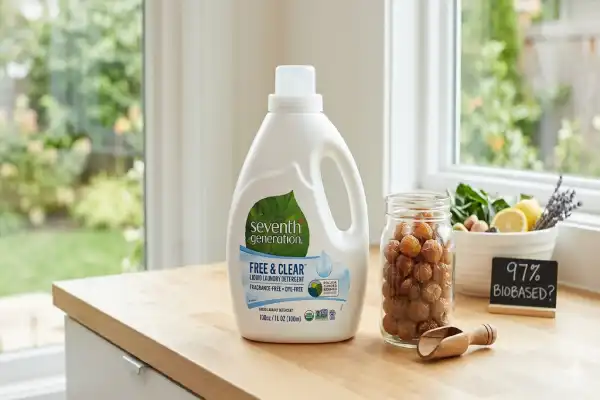
Finding the right laundry routine takes time and effort. But, it’s worth it for your comfort every day. You might want to check out a comparison of All Free Clear and Seventh Generation Free & Clear to find what works best for you.
Both brands are good for cleaning clothes without harsh chemicals. Choosing fragrance-free and dye-free options helps protect your skin. Making small changes in washing and rinsing can greatly improve your well-being.
We hope this guide helps you make better choices for a healthier life. Your skin needs the best care every day. Keep watching how your body reacts to new products and adjust your habits for lasting relief.
FAQ
How can I tell if my rash is an allergic reaction to laundry detergent or just dry skin?
A detergent allergy rash is itchy, red, and appears where clothes rub. Dry skin feels tight or flaky. An allergy rash has bumps, blisters, or a burning feeling that gets worse after washing clothes.
What are the most common laundry detergent allergy symptoms I should watch for?
Look for red skin, persistent itching, swelling, and a scaly texture. You might also get hives or a stinging feeling after wearing clothes.
Can I develop a laundry soap allergy symptoms if I’ve used the same brand for years?
Yes. Your immune system can suddenly decide a chemical in your favorite soap is a threat. This can lead to an allergic reaction even after years of safe use.
What is the fastest laundry detergent allergy treatment for an itchy rash?
Fast relief comes from applying 1% Hydrocortisone cream and taking an oral antihistamine like Zyrtec. A cool bath with Aveeno Colloidal Oatmeal can also soothe the rash.
How to identify detergent allergy triggers on a product label?
Look for “Fragrance,” “Parabens,” “Methylisothiazolinone,” and synthetic dyes. Choose products labeled “Fragrance-Free” and “Dye-Free” and look for the National Eczema Association seal.
Does double rinsing really help prevent signs of laundry detergent allergy?
Absolutely. Double rinsing removes chemical residues left by modern machines. This is key in managing laundry soap allergy symptoms.
Is there a specific fabric that helps reduce the risk of a detergent allergy rash?
Yes. Natural, breathable fibers like 100% cotton are best. Synthetic fabrics like polyester trap sweat and chemicals, making symptoms worse.