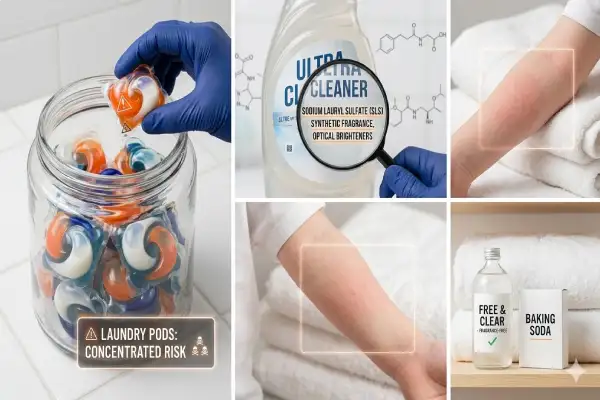
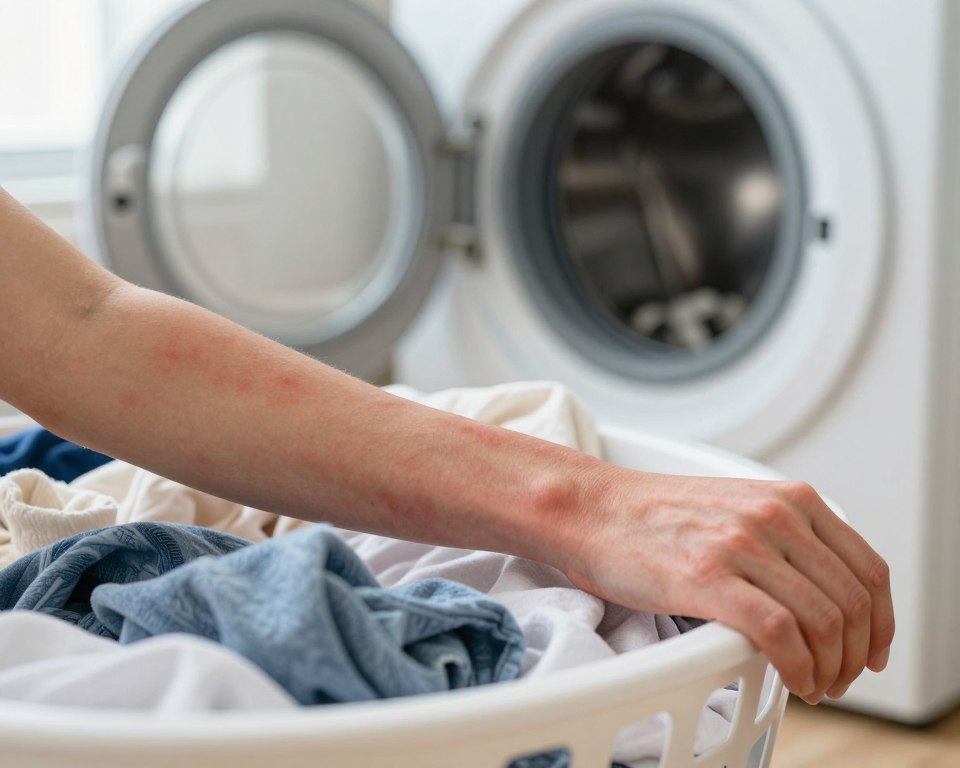
Did you know that nearly 30% of people report skin sensitivity from common cleaning products? It’s upsetting to put on a clean shirt and feel itchy or see red spots. People think washing removes all bad stuff, but microscopic chemical residues stay hidden in fabric.
This hidden buildup often causes contact dermatitis. Many wonder if their favorite soap is to blame. It’s important to understand how these substances affect our bodies, like when using fabric softeners on babies or those with health issues. Identifying these triggers is key to comfort and healthy skin.
Key Takeaways
- Chemical residues often linger in fabrics despite standard wash cycles.
- Fragrances and dyes are primary culprits for skin irritation.
- Sensitive skin may react to hidden ingredients like optical brighteners.
- Extra rinse cycles help minimize the chemical load on your garments.
- Switching to hypoallergenic, fragrance-free products significantly reduces flare-ups.
Understanding the Science of Detergent Dermatitis
The science behind skin reactions to cleaning agents is complex. When harsh substances touch your skin, it can cause discomfort. This condition, known as detergent dermatitis, happens when your skin’s barrier is broken by irritants.
The Mechanism of Contact Dermatitis
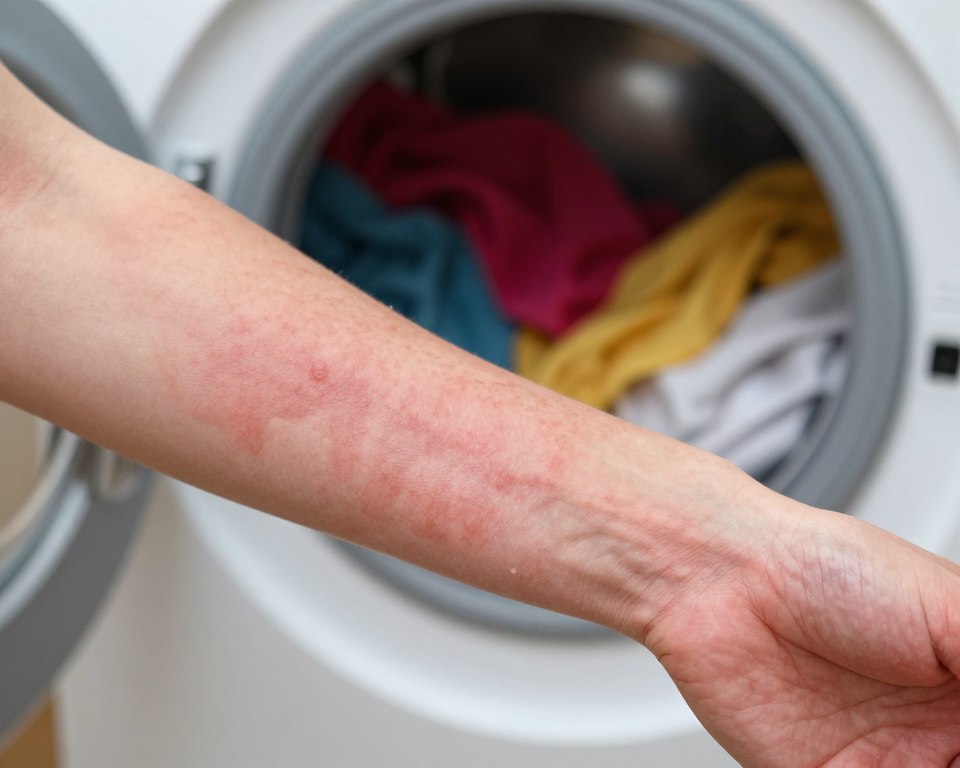
Contact dermatitis is a common skin issue caused by touching certain substances. It comes in two types: irritant and allergic contact dermatitis. Irritant dermatitis happens when a substance damages the skin’s outer layer.
An allergic reaction to detergent is different. It’s when your immune system sees a chemical as harmful. This leads to redness, itching, and sometimes painful blisters.
Why Skin Reacts to Chemical Residues
Even after washing, tiny soap particles can stay in fabric. These particles can irritate your skin all day. This often causes detergent allergies, mainly in people with sensitive skin.
Knowing the difference between irritation and an allergic reaction to detergent is key. By understanding how these residues affect your skin, you can manage your laundry better. Knowing about detergent dermatitis helps you find out what triggers your skin problems.
Can Laundry Detergent Cause a Rash Even After Clothes Are Rinsed?
Many think clothes are clean after the washing machine. But, the question remains: Can Laundry Detergent Cause a Rash Even After Clothes Are Rinsed? The answer is yes. Standard wash cycles don’t remove all chemical surfactants from clothes.
The Reality of Incomplete Rinsing Cycles
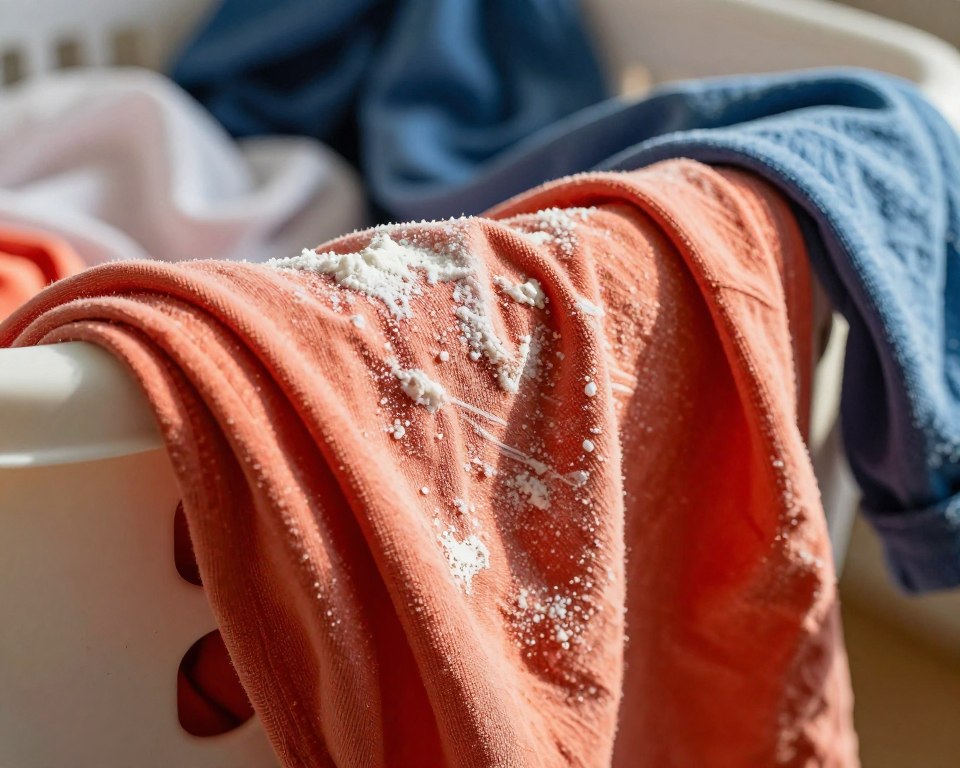
Incomplete rinsing often leads to skin irritation. If the machine doesn’t rinse out all soap, a film stays in the fibers. This detergent residue on clothes can cause red, itchy rashes, mainly in sensitive spots like the armpits and groin.
“Skin sensitivity is rarely about the fabric itself, but rather what remains hidden deep within the weave of the material.”
Several factors lead to incomplete rinses, including:
- Using too much detergent for the load size.
- Water pressure issues that prevent proper dilution.
- Overloading the drum, which restricts water movement.
How Fabric Types Influence Residue Retention
The fabric type affects how much chemical residue stays on your skin. Synthetic fibers like polyester and nylon trap chemicals well. They are less porous than natural fibers like cotton or linen.
These synthetic materials don’t always release soap particles in a standard rinse. If you keep getting irritated, it’s time to check your laundry habits. Try using less soap or a gentler formula to reduce detergent residue on clothes. This lets your skin heal and breathe better.
Common Ingredients That Trigger Skin Sensitivity
Knowing what’s in your laundry detergent is key for those with skin irritation from laundry detergent. Many detergents have chemicals to fight tough stains. But these can stay on clothes and bother people with sensitive skin.
The Role of Synthetic Fragrances and Dyes
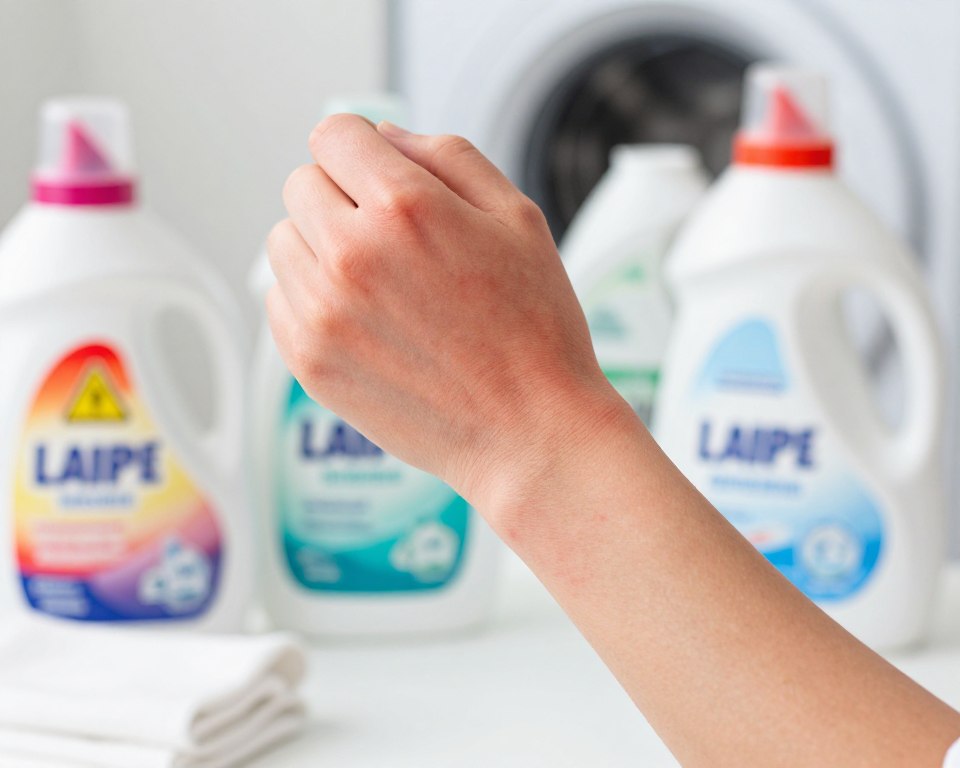
Synthetic fragrances often cause allergic reactions. They’re added to make clothes smell fresh but can upset the immune system. Artificial dyes, used just for looks, can also irritate the skin.
Surfactants and Their Impact on the Skin Barrier
Surfactants help clean by breaking down dirt and oil. But they can also remove the skin’s natural oils. This makes the skin more likely to react to skin irritation from laundry detergent and other things. For more on this, check out this clinical research on contact dermatitis.
Preservatives and Optical Brighteners
Preservatives like methylisothiazolinone stop bacteria in liquid detergents but can sensitize the skin. Optical brighteners make clothes look whiter by reflecting light. They stay on clothes and can touch your skin all day.
| Ingredient Type | Primary Function | Potential Skin Effect |
|---|---|---|
| Synthetic Fragrances | Masking odors | Allergic reaction |
| Surfactants | Removing grime | Stripping natural oils |
| Optical Brighteners | Enhancing whiteness | Contact dermatitis |
| Preservatives | Preventing spoilage | Skin sensitization |
How Detergent Residue Remains Trapped in Fabric Fibers
Do you have a laundry detergent rash? It might not be the soap’s fault. How it interacts with your washing machine is key. Even gentle products can leave detergent residue on clothes due to mechanical issues. Knowing these factors is crucial for your skin’s health.
Overloading the Washing Machine
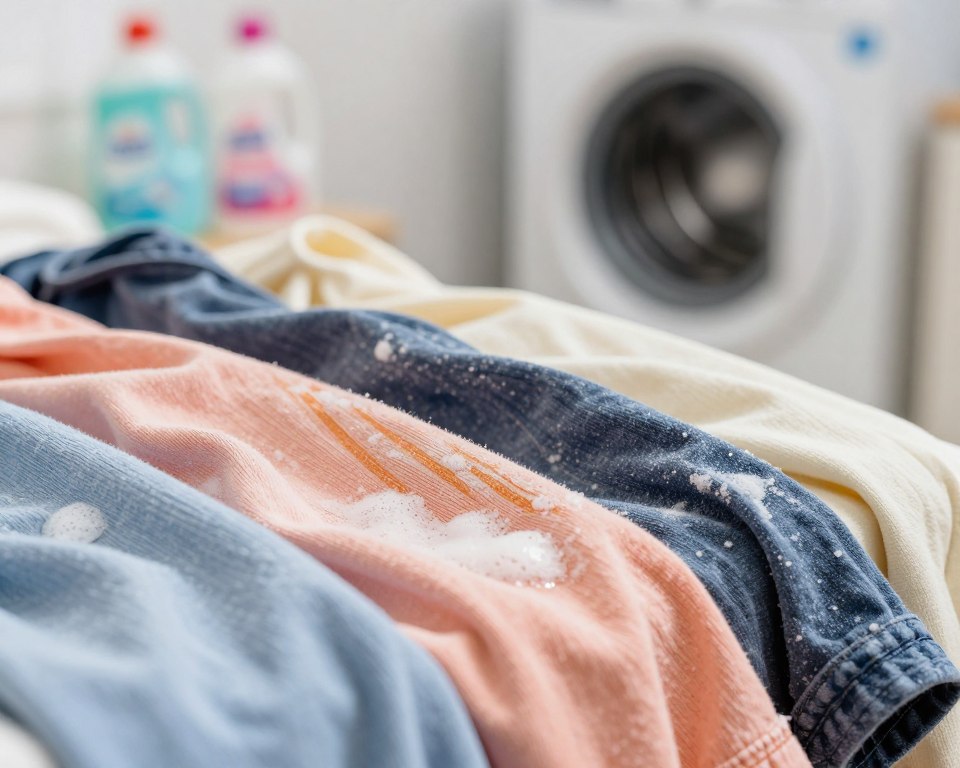
Stuffing too many clothes in one load is a big mistake. It stops water and soap from moving between fabric layers. This means the machine can’t rinse out the soap, leaving clothes full of chemicals.
For a clean wash, make sure clothes have room to move. Wondering if your soap is right? Learn more about is baby safe laundry detergent for your home.
The Impact of Hard Water on Rinsing Efficiency
Hard water has lots of minerals like calcium and magnesium. These minerals mess with the cleaning process. They make you use more detergent, but it’s hard to rinse off, causing skin irritation.
- Minerals bind to soap, creating a sticky film.
- Higher detergent doses are often required, worsening the residue.
- Poor rinsing efficiency leaves clothes feeling stiff and scratchy.
Why High-Efficiency Machines Sometimes Struggle
Modern high-efficiency (HE) machines save water, which is good for the planet. But, they can struggle to rinse out soap. If they don’t get an extra rinse, soap stays trapped in fabric fibers.
Consistency is key when dealing with these issues. Adjusting your load size and checking your water quality can help avoid a laundry detergent rash.
Identifying the Symptoms of Laundry Soap Allergy
Spotting early signs of skin reaction is key to avoiding irritation. Harsh chemicals can quickly alert your skin that something is amiss. Catching these detergent sensitivity symptoms early helps shield your skin.
Visual Signs of Contact Dermatitis
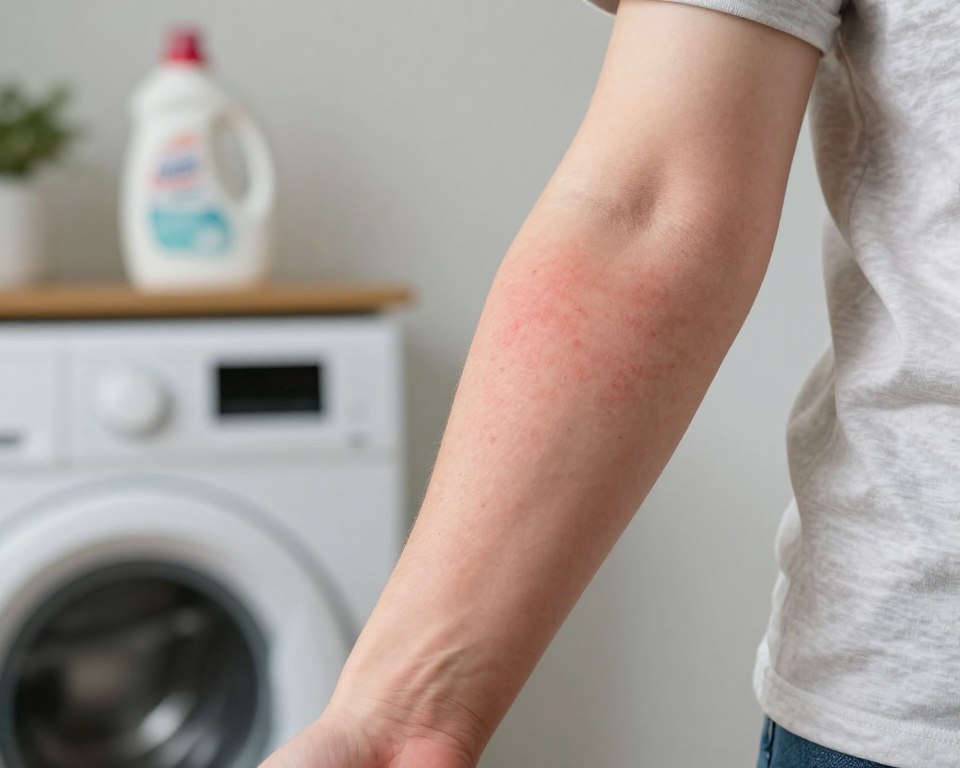
If you think you might have a laundry soap allergy, watch your skin closely after wearing clean clothes. Look out for signs in areas where clothes rub, like the waist, armpits, or inner thighs.
Keep an eye out for these signs:
- Persistent redness or inflammation in specific spots.
- Itching that won’t stop.
- Small blisters that may crust over.
- Dry, scaly, or cracked skin patches.
Differentiating Between Irritant and Allergic Reactions
Not all skin reactions are the same. Many confuse irritation with detergent allergies. But the causes are quite different.
Irritant contact dermatitis damages the skin’s outer layer, causing dryness and redness. An allergic reaction, on the other hand, is your immune system reacting to a specific ingredient. Learn if laundry detergent chemicals are safe for you by watching how fast the reaction happens.
Irritant reactions show up fast after exposure. But a true laundry soap allergy might take longer to show up. If you keep getting detergent allergies, try switching to fragrance-free options to see if your skin gets better.
Factors That Increase Your Risk of Developing a Rash
Anyone can get skin irritation, but some people are more at risk. Knowing your clothing detergent sensitivity is key to keeping your skin healthy.
Contact dermatitis can hit anyone, no matter their health history. But, people who work with harsh chemicals, like in healthcare or industrial cleaning, are more likely to face these issues. This is because they are exposed to these chemicals more often.
Pre-existing Skin Conditions Like Eczema
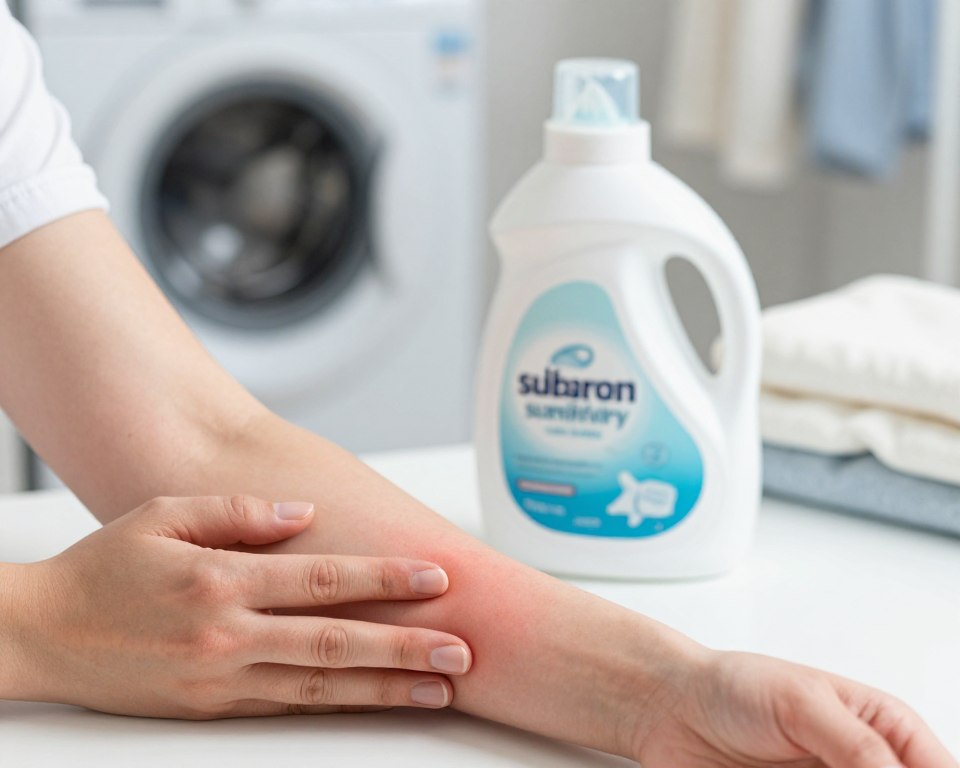
If you have chronic skin conditions like eczema, your skin is already weakened. This makes it easier for chemicals in fabrics to get through to your skin.
When your skin’s protective layer is down, even mild detergents can cause detergent sensitivity symptoms. These symptoms can show up as redness, itching, or dry patches that last long after you’ve taken off the garment.
Age-Related Skin Sensitivity in Infants and Seniors
Age also plays a big role in how your body reacts to laundry additives. Infants have very thin, delicate skin that easily absorbs external irritants in standard soaps.
Seniors also face a higher risk because their skin naturally thins with age. This makes it harder for their skin to act as a strong barrier. Both groups need to watch out for clothing detergent sensitivity. Spotting these detergent sensitivity symptoms early can help them make better laundry choices.
Best Practices for Rinsing Clothes Effectively
Making small changes in your laundry routine can help avoid detergent rashes. By improving your laundry habits, you make your clothes cleaner and safer for your skin.
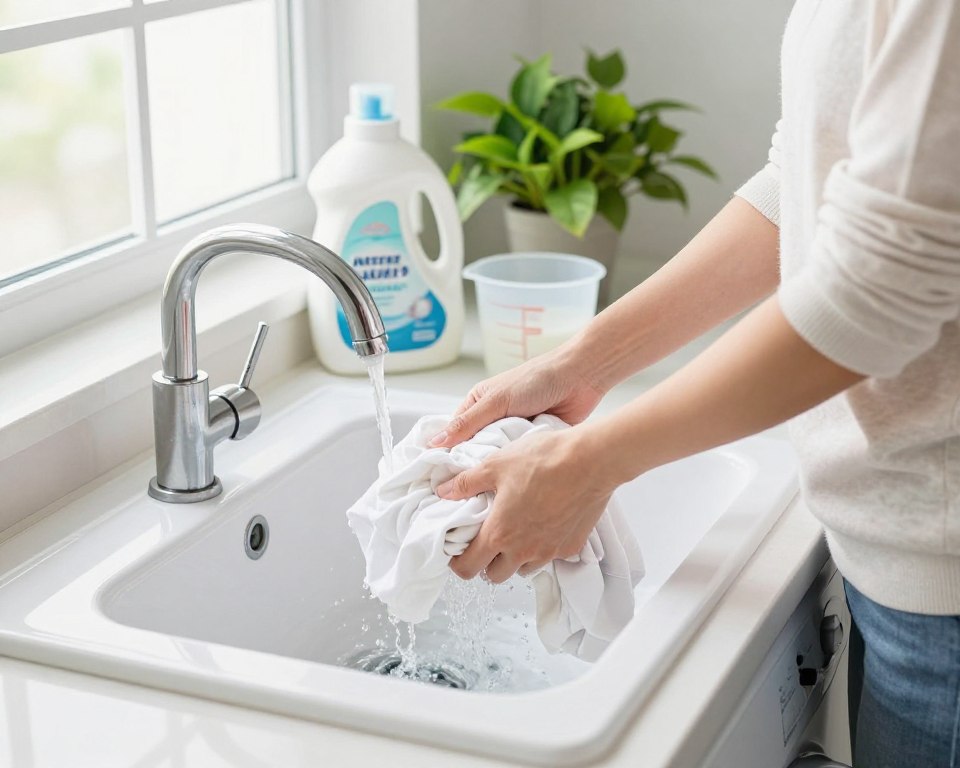
Utilizing the Extra Rinse Cycle
Most washing machines have an extra rinse cycle. Using this feature helps remove detergent residue from your clothes.
By adding an extra rinse, your machine gets rid of leftover soap. This is great for people with sensitive skin or those in areas with certain water types.
The Importance of Proper Detergent Dosage
Many think more soap means cleaner clothes. But, over-sudsing can actually cause skin irritation.
Always use the detergent amount recommended on the bottle. A measuring cup helps you get the right amount for your load size. This stops too much soap from sticking to your clothes after washing.
Using Vinegar as a Natural Fabric Softener
Adding white vinegar to your rinse cycle is a natural way to soften clothes. It balances out any soap alkalinity left behind.
This method makes your clothes soft and removes harsh chemicals. It’s a gentle, affordable option for those who avoid synthetic softeners with fragrances or dyes.
| Laundry Practice | Primary Benefit | Skin Impact |
|---|---|---|
| Extra Rinse Cycle | Removes trapped soap | Reduces contact dermatitis |
| Correct Dosage | Prevents over-sudsing | Lowers chemical exposure |
| White Vinegar | Neutralizes alkalinity | Soothes sensitive skin |
Choosing Hypoallergenic and Fragrance-Free Detergents
Finding the right laundry detergent can be tough when you have a laundry soap allergy. Many products have harsh chemicals that stay in clothes long after washing. Switching to hypoallergenic and fragrance-free detergents can help avoid skin irritation.
What to Look for on Ingredient Labels
Reading labels is key to protecting your skin from irritants. Look for products labeled as fragrance-free and dye-free. These are common causes of skin problems.
Avoid ingredients like methylisothiazolinone, a preservative that can cause allergic reactions. Also, be cautious of enzymes, as they can be too harsh for sensitive skin. Plant-based surfactants are generally safer for your skin.
“The best approach for sensitive skin is to keep the ingredient list as short and simple as possible. If you cannot pronounce an ingredient, your skin might not like it either.”
Top Recommended Brands for Sensitive Skin
Many brands offer special formulas for people with sensitive skin. These products are tested to ensure they are safe and effective.
| Brand Name | Key Feature | Best For |
|---|---|---|
| All Free Clear | Dermatologist Tested | Severe Allergies |
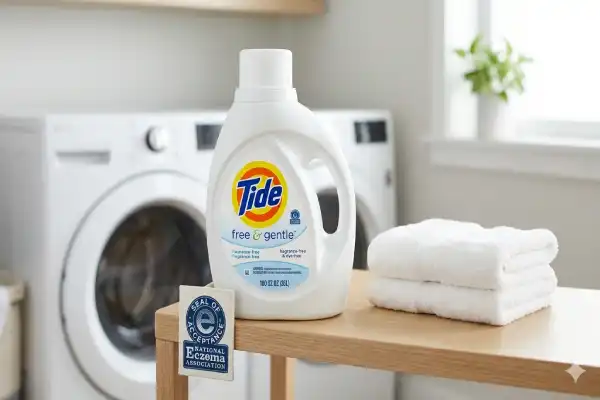
| Tide Free & Gentle | Hypoallergenic | Sensitive Families |
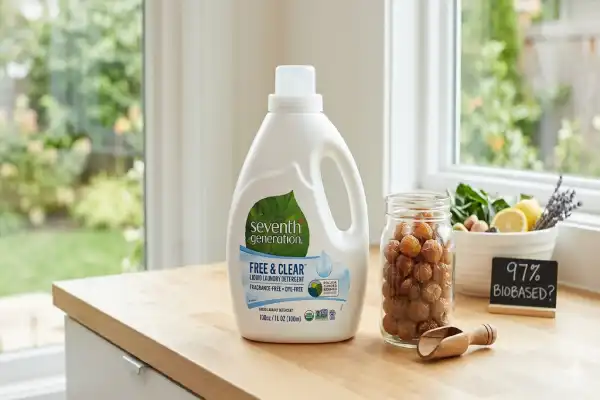
| Seventh Generation | Plant-Based | Eco-Conscious Users |
Avoiding Common Marketing Traps
The laundry aisle is full of misleading terms. “Natural” or “gentle” doesn’t mean a product is safe. Always check the ingredient list on the back.
Watch out for “unscented” products. They might have masking fragrances. Always choose products labeled “fragrance-free” to avoid laundry soap allergy triggers.
Natural Alternatives to Traditional Laundry Chemicals
If you’re tired of skin reactions from laundry, natural alternatives might help. Many families are switching to earth-friendly ingredients. This keeps clothes clean without harsh synthetic additives found in regular products. By choosing green laundry detergent, you can reduce skin sensitivities.
Soap Nuts and Their Efficacy
Soap nuts, also known as soap berries, are a plant-based surfactant. They grow on trees and contain saponin, a natural substance that creates suds. They are great for those who want a biodegradable and chemical-free cleaning option.
To use them, put a few shells in a small cotton bag and add it to your washing machine. They work well in both hot and cold water, making them versatile for different fabrics. Since they are natural, they don’t leave behind synthetic residues that can cause rashes.
Baking Soda for Deep Cleaning
Baking soda and vinegar are a strong, natural cleaning duo. Baking soda deodorizes and brightens, while vinegar softens fabrics and removes mineral buildup. This combo is great for those with hard water issues.
Add half a cup of baking soda to the drum for extra cleaning power. Then, add a splash of white vinegar in the fabric softener compartment during the rinse cycle. This method makes your clothes fresh, soft, and free from irritating chemicals.
Essential Oils: Benefits and Risks
Many people add essential oils to their laundry for a nice scent. Oils like lavender or tea tree have antibacterial properties. But, they can also cause reactions in sensitive individuals, leading to skin irritation or respiratory issues.
If you use essential oils, start with a small amount to test your skin. It’s often safer to avoid scents if you have severe allergies. Always put your skin health first, even if you want your laundry to smell nice.
| Natural Agent | Primary Benefit | Best Use Case |
|---|---|---|
| Soap Nuts | Plant-based surfactant | General daily washing |
| Baking Soda | Deodorizing & Brightening | Deep cleaning & Stains |
| White Vinegar | Natural softening | Rinse cycle efficiency |
| Essential Oils | Natural fragrance | Optional scent boost |
When to See a Dermatologist for Skin Irritation
If home remedies don’t work, a dermatologist can help. Many people handle minor issues at home. But, if skin irritation from laundry detergent persists, a doctor’s opinion is crucial. They can give you a clear diagnosis and tell you which product is causing the problem.
Recognizing Signs of Infection
Keep an eye on your skin if you think you’re having an allergic reaction to detergent. If you notice oozing, yellow crusting, or the area feels warmer, see a doctor fast. These signs mean you might have a secondary infection.
Also, watch for severe pain or swelling that spreads. This means your skin is open to bacteria. Getting medical help quickly can stop things from getting worse and find the right treatment for you.
Patch Testing for Specific Allergens
If your symptoms don’t get better, a dermatologist might suggest patch testing. This involves putting small patches with different allergens on your skin for 48 hours. It helps find out which chemical is causing your allergic reaction to detergent.
Knowing the exact cause lets you avoid those products in the future. For example, you can compare Gain Flings vs Arm & Hammer more easily once you know your sensitivities. Professional guidance is key to stopping irritation and healing your skin.
Managing and Treating Detergent-Induced Skin Rashes
Getting relief from a laundry detergent rash starts with simple steps at home. When your skin gets damaged, the goal is to calm it down and stop more harm. Quick action can stop the itch and help your skin heal.
Over-the-Counter Remedies for Relief
For persistent itching, over-the-counter treatments can help a lot. Topical steroid creams with at least 1 percent hydrocortisone are good for reducing redness and swelling. They calm the immune response in the affected area.
It’s key to follow the cream’s instructions carefully. If detergent dermatitis symptoms don’t get better in a few days, see a doctor. They might recommend stronger treatments or check for infections.
“The skin is our largest organ, and when it reacts to external irritants, it requires patience and gentle care to restore its natural balance.”
Home Care Strategies to Soothe Inflamed Skin
There are natural ways to soothe your skin at home. A cool, damp compress can give quick relief from burning. Also, oatmeal baths help keep moisture in and reduce scratching.
It’s very important not to scratch. Scratching can make the rash worse and increase the risk of infection. Keeping your nails short and wearing loose, breathable clothes can help avoid irritation.
| Method | Primary Benefit | Frequency |
|---|---|---|
| Hydrocortisone Cream | Reduces inflammation | 1-2 times daily |
| Cool Compress | Calms burning skin | As needed |
| Oatmeal Bath | Relieves itching | Once per day |
Managing a laundry detergent rash well needs both medical help and gentle daily habits. By sticking to these steps, you can treat detergent dermatitis and keep your skin safe from future problems.
Tips for Washing Sensitive Skin Clothing
Choosing the right clothes is key to protecting your skin. Even the softest shirts can irritate if they hold harsh chemicals. By changing how you do laundry, you can make your clothes safer for your skin.
Selecting Skin-Friendly Fabrics
The material of your clothes matters a lot. Synthetic fabrics can trap moisture and chemicals, leading to rashes. Instead, choose natural, breathable fibers that let air in.
Organic cotton, silk, and bamboo are great for sensitive skin. They don’t trap irritants like synthetic fabrics do. Picking the right fabric helps manage clothing detergent sensitivity well.
The Importance of Pre-Washing New Clothes
Many think new clothes are clean, but they’re not. Manufacturers use chemicals to make them look good in stores. These can cause reactions if not washed first.
Always wash new clothes with a gentle, fragrance-free soap. This removes hidden chemicals. If you’re not sure what to use, compare products like Tide Original vs Tide Free. This step can prevent skin issues.
| Fabric Type | Breathability | Irritant Risk |
|---|---|---|
| Organic Cotton | High | Low |
| Silk | High | Low |
| Polyester | Low | High |
| Rayon | Medium | Medium |
Conclusion
Getting relief from skin irritation starts with looking at your laundry routine. Making small changes in how you wash clothes can greatly improve your comfort.
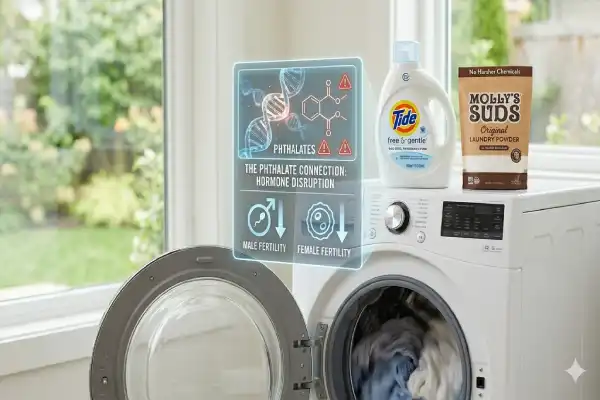
It’s possible that your current soap is causing your discomfort. Many people find that is Gain detergent safe for sensitive skin is a key question. Ingredients like optical brighteners and heavy fragrances can cause reactions. Switching to cleaner options like Tide Free & Gentle or Molly’s Suds can help a lot.
Being proactive is key to avoiding contact dermatitis. Always do an extra rinse cycle to remove leftover surfactants. Avoiding dryer sheets and using white vinegar as a natural softener also helps.
Take control of your laundry today for softer, safer clothes. Your skin will thank you for choosing the right products and improving your washing habits.
Can laundry detergent cause a rash even after clothes are rinsed?
Yes, it’s common. Detergent residue can stay in fabric fibers, causing irritation. This is true even if clothes look and smell clean.
What are the most common detergent sensitivity symptoms?
Common signs include a red, bumpy, or itchy rash. You might also experience dryness, burning, or blisters in tight areas.
How can I tell if I am having an allergic reaction to detergent?
An allergic reaction takes 24 to 48 hours to appear. It involves your immune system and can cause a widespread rash.
Which ingredients are the biggest triggers for detergent allergies?
Synthetic fragrances, artificial dyes, and optical brighteners are common allergens. Preservatives like methylisothiazolinone can also cause reactions.
Are there specific brands recommended for people with clothing detergent sensitivity?
Yes, brands like All Free Clear, Tide Free & Gentle, and Seventh Generation Free & Clear are good. They are hypoallergenic and remove dyes and perfumes.
Can hard water contribute to a laundry detergent rash?
Yes, hard water minerals can prevent detergent from rinsing away. This leads to soap scum and residue that can irritate the skin.
How can I treat detergent dermatitis at home?
Use Cortizone-10 or an oatmeal soak like Aveeno to soothe the area. An extra rinse cycle and vinegar can also help remove chemical triggers.