Cleaning a small, private room can feel strangely personal. A parent, pet owner, or renter often worries about sudden fumes while scrubbing porcelain fixtures. Those worries are valid and worth clear answers.
Many homeowners ask whether a common bathroom product can release harmful vapors when mixed with water. Understanding the chemical makeup of a cleaning product helps households protect lungs and curious pets.
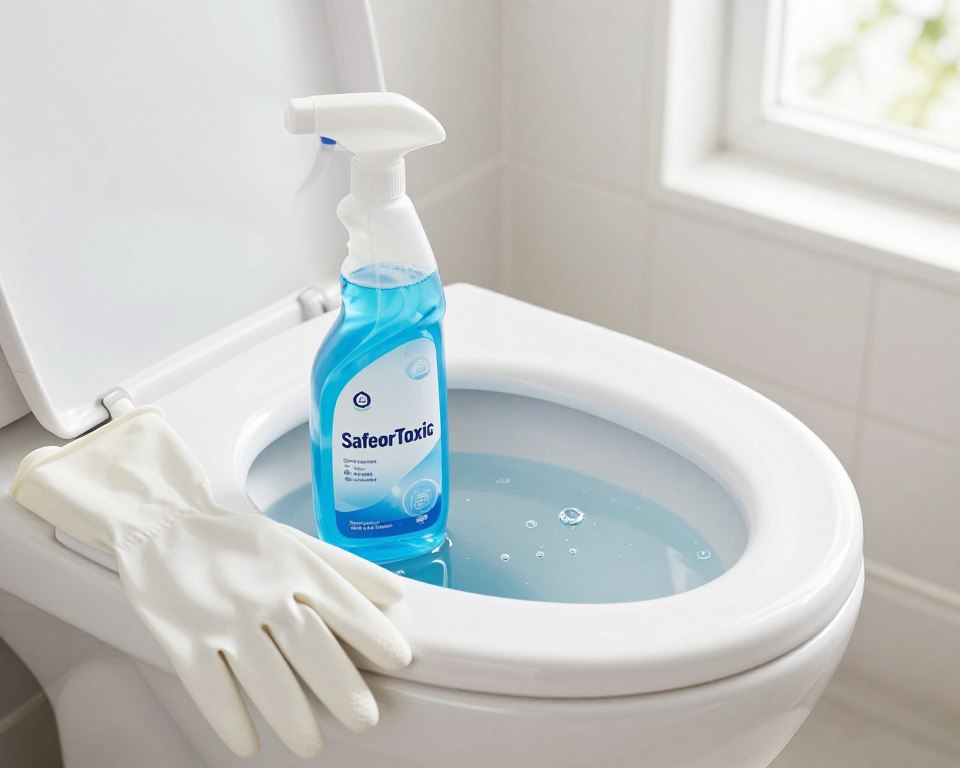
This short guide examines whether a standard toilet bowl cleaner poses inhalation risk during routine maintenance. It explains how ingredients can become airborne and what simple steps reduce exposure. The focus is practical: read labels, use ventilation, and choose safer options when possible.
Key Takeaways
- Know the ingredients — labels reveal potential irritants and reactive components.
- Ventilate well — open a window or run a fan during use.
- Avoid mixing products — combined agents may release stronger fumes.
- Limit exposure — brief tasks and protective gloves/masks help.
- Check alternatives — milder formulations can lower inhalation risk.
Understanding the Risks: Is Toilet Bowl Cleaner Toxic?
Chemical composition—not packaging—largely determines the breathing risk during use.
Regular cleaning solutions often contain strong acids or caustic alkalis. These corrosives can irritate lungs and damage soft tissues on contact.
Automatic products generally rely on anionic and nonionic detergents. Those formulations usually present lower inhalation hazard but still require careful handling.
“Know the formulation before use; that knowledge reduces accidental harm.”
- Harsh liquids: acids or alkalis can burn the mouth, throat, and esophagus if swallowed.
- Automatic options: detergent-based toilet bowl cleaners are less corrosive but not risk-free.
- Eye contact: corrosive products may cause severe damage to the cornea and conjunctiva.
- Storage: keep products in original containers and out of sight of children and pets.
When selecting materials for cleaning, distinguish heavy-duty liquid formulas from automatic tablets and gels. That step lowers exposure and helps protect eyes, skin, and breathing passages.
Common Ingredients and Their Health Impacts
Products that remove rust and scale often rely on a combination of detergents and concentrated acid agents.
Detergents and Irritants
Most automatic formulations include less than 1% dyes, fragrances, and preservatives. These additives help scent and color but can cause irritation for sensitive people.
Detergents and mild surfactants lift soils and stains during routine toilet cleaning. They dry quickly and rarely cause lasting harm when used with gloves and good ventilation.
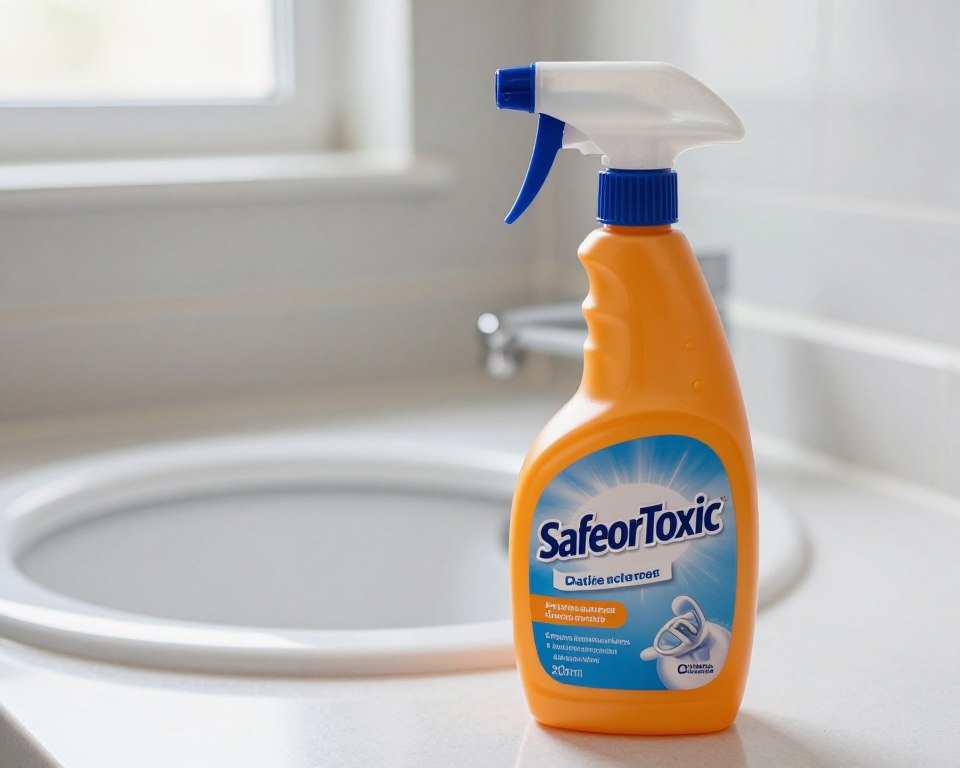
Corrosive Acids and Alkalis
Many professional-grade products rely on hydrochloric acid or phosphoric acid to dissolve mineral deposits and rust stains in the bathroom.
These acids can burn skin and cause strong vapors if splashed or mixed. A stiff brush helps reach crevices but raises splash risk.
- Keep the bottle sealed when not in use to limit accidental release of chemicals.
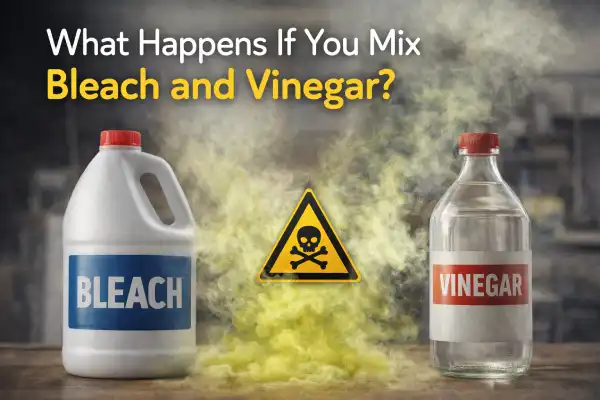
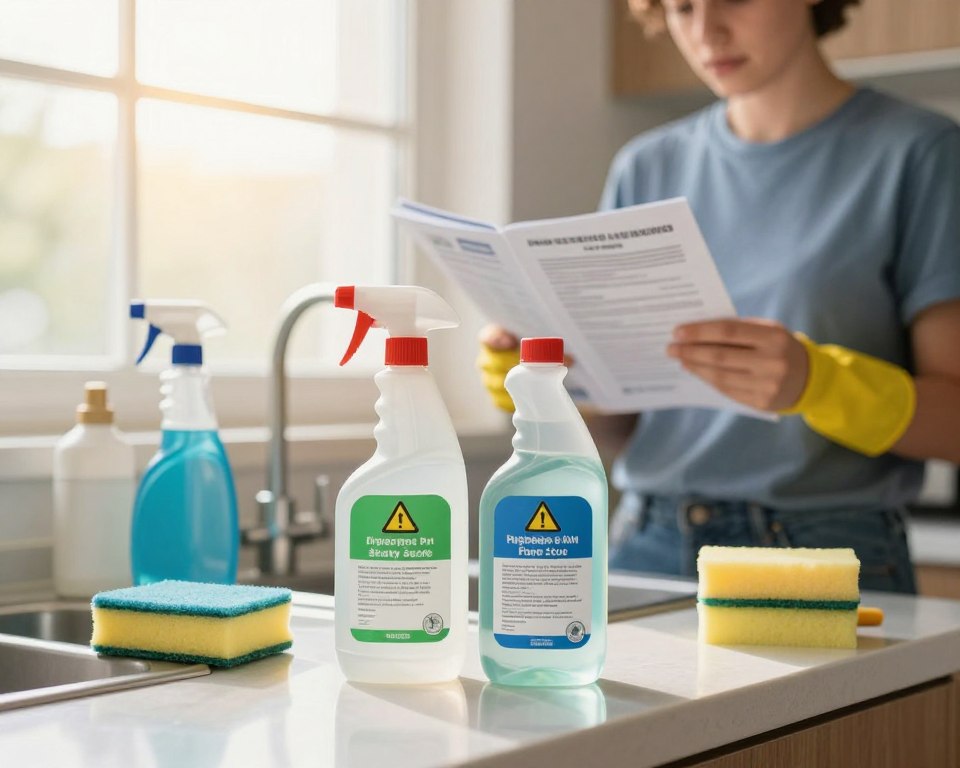
- Avoid mixing products—bleach plus acid can create dangerous fumes.
- For a gentler option, citric acid removes rust and scale while posing less respiratory hazard.
“Read labels and use ventilation; that simple practice reduces most household exposure.”
The Dangers of Mixing Cleaning Chemicals
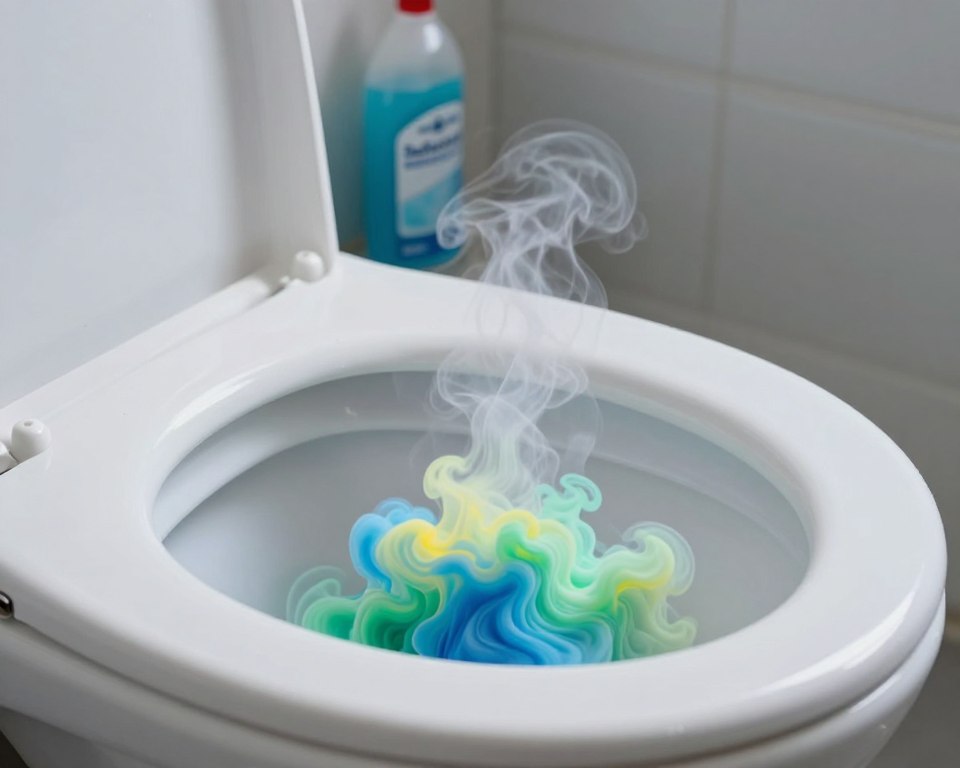
Chemical reactions between everyday cleaning products can produce dangerous vapors without warning.
Never mix bleach with any acid-based toilet product. Doing so can form chlorine gas. That gas irritates the nose and lungs and may cause rapid breathing trouble.
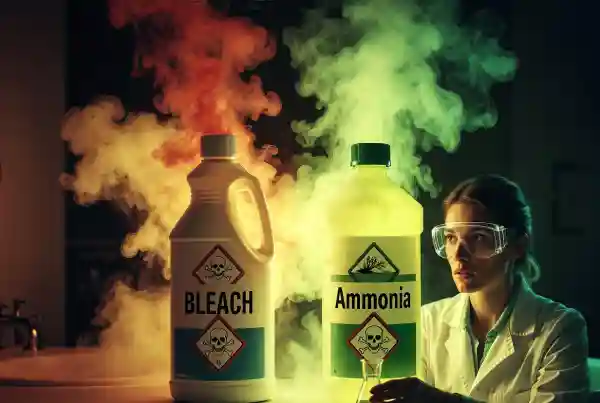
Mixing bleach with ammonia-containing cleaners creates chloramine gas. Chloramine is highly soluble and absorbs into the respiratory tract, which raises the risk of severe airway injury.
Key actions for safe cleaning:
- Do not combine bleach with other toilet or bathroom products.
- Run a fan and open a window to dilute fumes during cleaning.
- Read ingredient labels to spot acids or ammonia before use.
- If chemicals mix accidentally, leave the room and get fresh air immediately.
“If accidental exposure occurs, move outdoors and seek professional guidance.”
Recognizing Symptoms of Chemical Exposure
Chemical exposures during bathroom chores can cause clear, early warning signs that should never be ignored.
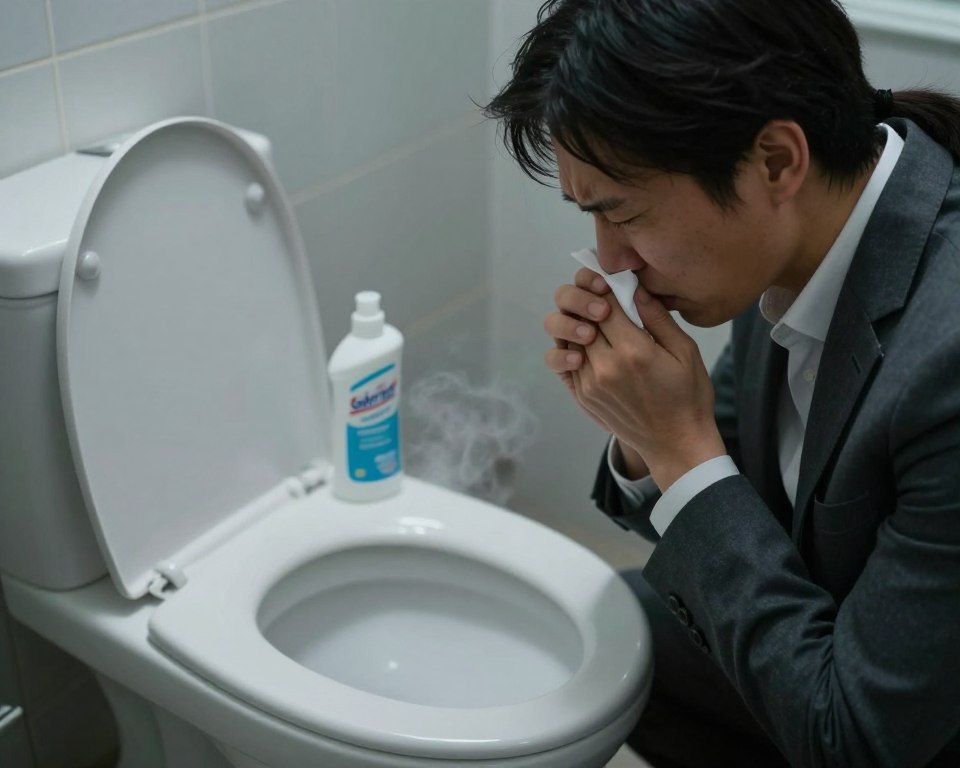
Respiratory Distress
Inhaled fumes often produce a runny nose, sore throat, and persistent cough. Wheezing or shortness of breath may follow within minutes.
Chemical pneumonitis — a serious lung reaction — can occur with heavy exposure and needs urgent care.
Skin and Eye Irritation
Direct splash on the skin can cause redness, pain, or worse, full-thickness burns that require medical attention.
Contact with the eyes risks corneal and conjunctival burns. Rinse with plenty of clean water right away and seek help if pain or blurry vision persists.
Systemic Effects
Severe exposure can lead to breathing difficulty and internal organ damage. Early recognition lets a person stop cleaning, get fresh air, and call for help.
- Immediate washing with soap and water after skin contact reduces irritation and further harm.
- If inhalation causes ongoing wheeze or chest pain, seek emergency care without delay.
“Recognizing early signs allows prompt action and reduces the risk of lasting damage.”
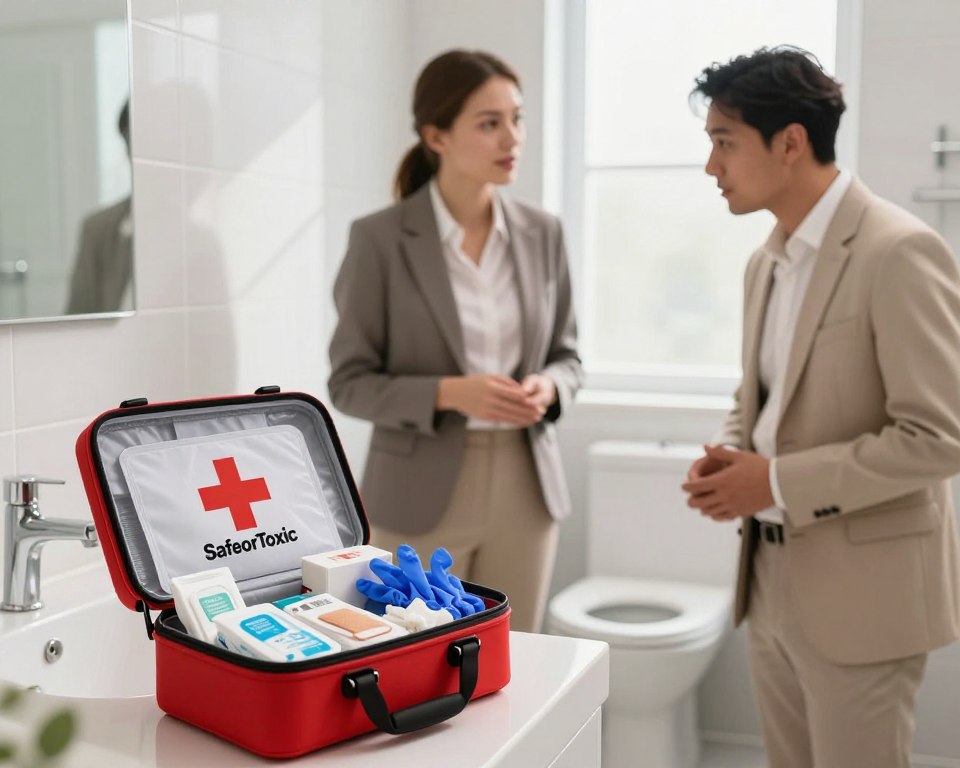
Immediate First Aid for Accidental Contact
A simple sequence—flush, call, monitor—guides safe response after household chemical contact.
If skin or eye contact occurs, flush the area with water for at least 15 minutes. Use a gentle stream and remove contaminated clothing while rinsing.
Move the person into fresh air right away if they have breathed fumes. Keep them calm and sitting up while you arrange help.
When to Seek Emergency Medical Help
Call the national Poison Help hotline at 1-800-222-1222 any time for expert guidance—operators are available 24/7.
- If someone swallowed a product, give a small amount of water or milk unless they are sleepy or cannot swallow.
- Bring the original bottle or product label to the emergency department so staff can identify ingredients and begin the right treatment.
- Watch the person for several hours; some damage appears only after a delay and may require further care.
“Flush affected areas for 15 minutes and call Poison Help for immediate expert advice.”
Safer Alternatives for a Sparkling Bathroom
A simple food-grade acid can remove stubborn stains without strong fumes.
Citric acid works as an odorless, edible option that lifts mineral marks and has mild bleaching and antibacterial effects. Mix it with warm water for an effective spray that avoids harsh smell and airborne irritation.
For heavy staining, drain the fixture water and pour a hot water and citric acid blend. Let it sit for 15 minutes, then scrub with a firm brush. This timed soak loosens deposits and reduces scrubbing time.
Make a daily spray by dissolving two tablespoons of citric acid in two cups of warm water in a glass bottle. Spray, wait a few minutes, then wipe. The recipe is simple and uses pantry-safe ingredients that are safer to store than strong industrial products.
Benefits at a glance:
- Food-grade option lowers inhalation risk and storage hazards.
- Odorless action means less smell and fewer complaints from sensitive household members.
- Works with a brush to remove stains and scale without aggressive chemicals.
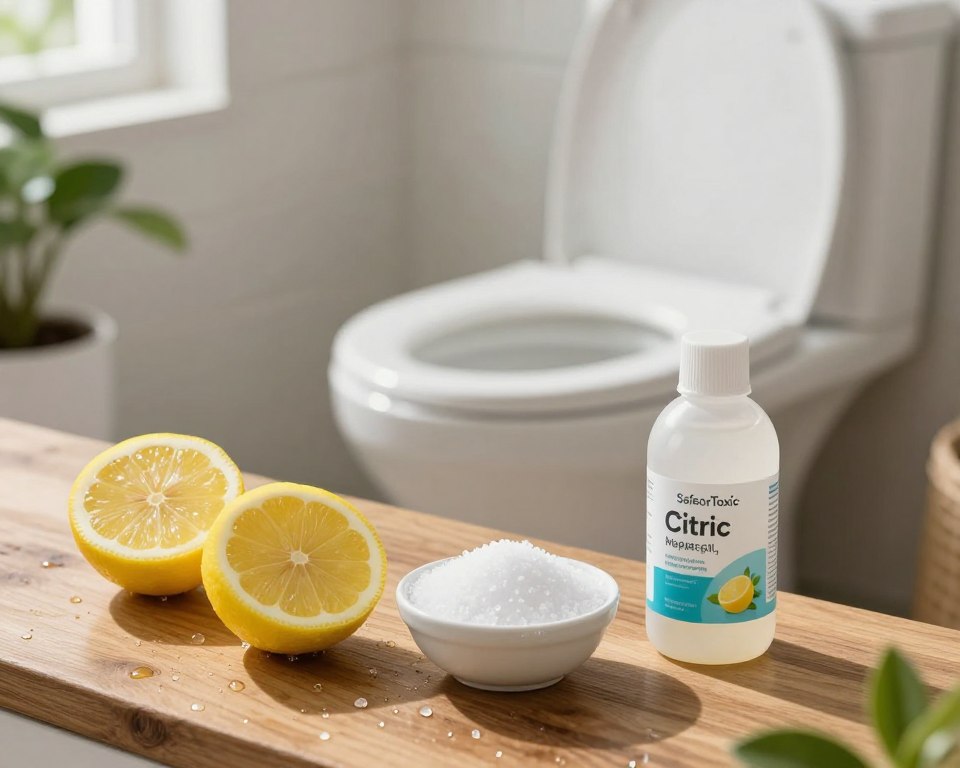
“A mild, edible acid often cleans effectively while minimizing air irritants.”
| Method | Effectiveness | Safety | Best use |
|---|---|---|---|
| Citric acid + warm water | High on mineral stains | Food-grade; low inhalation risk | Soak for 15 minutes; brush off residues |
| Strong acid products | Very high on scale | Corrosive; fumes and splash hazard | Use with full ventilation and PPE |
| Bleach-based solutions | Good for organic stains | Irritating vapors; dangerous if mixed | Disinfecting surfaces only; avoid mixing |
For more natural options and step-by-step recipes, see this guide on natural bathroom cleaners.
Image Disclosure and Educational Safety
Visual aids help explain risks, but transparency matters. Some images in this article may be AI-generated for review and illustration of veterinary concepts and medication safety.
Purpose: These pictures are educational. They support explanation of hazards and safe handling around pets. They do not replace professional veterinary advice.
For clarity and reader review, the article notes when an image is computer-generated. This step preserves trust and helps readers weigh the visuals against clinical guidance.

- Some images used here may be AI-created to illustrate pet medication safety for your review.
- These visuals are intended for education and should not replace advice from a licensed veterinarian.
- Consult a qualified vet if you have specific concerns about product safety around animals.
- Our goal is clear: provide accurate, transparent information that helps protect every household member.
“Transparency about image origin supports safer, evidence-based guidance.”
For a practical guide on safer product choices, see our product review.
Conclusion
,
A final review helps households apply safe habits when handling bathroom cleaning products.
Maintain a clean toilet by choosing milder solutions and reading product labels. Avoid mixing different agents; that practice prevents dangerous fumes and preserves household health.
Use simple ingredients like citric acid for stains and run a fan while you work. If exposure occurs, get fresh air and seek expert help—call the Poison Help line or consult online resources for immediate guidance.
For specific information on automatic formulations and emergency advice, see this resource on automatic toilet bowl cleaner. Follow these evidence-based steps and your home will stay both clean and safe.
FAQ
Is toilet bowl cleaner dangerous to breathe?
Short-term inhalation of strong cleaners—especially products containing hydrochloric acid, sulfuric acid, or concentrated bleach—can irritate the nose, throat, and lungs. Symptoms commonly include coughing, wheeze, sore throat, and a burning sensation. Rarely, heavy exposure can cause bronchospasm or chemical pneumonitis, which requires prompt medical evaluation.
What household ingredients in toilet products cause the most harm?
Many commercial formulations include surfactants (detergents), fragrances, and acids or bases. Detergents and fragrances irritate mucous membranes and may trigger asthma. Corrosive acids (hydrochloric, oxalic) and strong alkalis (sodium hydroxide) can damage skin, eyes, and airways on contact. Bleach (sodium hypochlorite) releases chlorine gas when mixed with acids or ammonia, producing highly irritating fumes.
Why is mixing cleaners dangerous?
Combining bleach with acids, ammonia, or some toilet deodorizers creates toxic gases — chlorine, chloramines, or other reactive vapors. These gases damage the respiratory tract quickly and can cause severe coughing, shortness of breath, chest pain, and eye injury. Never mix products and always follow label instructions.
What immediate symptoms indicate chemical breathing exposure?
Look for sudden coughing, wheezing, throat tightness, hoarseness, difficulty breathing, chest pain, dizziness, or burning eyes and nose. Onset may be immediate or delayed by several hours depending on the chemical and exposure level. Any progressive breathing difficulty warrants emergency care.
What should I do if cleaner splashes on skin or eyes?
For skin contact, remove contaminated clothing and flush the area with running water for at least 15 minutes. For eye exposure, irrigate the eye continuously for 15–20 minutes and seek urgent medical help. Avoid neutralizing with other chemicals; water is the safest first response.
When is emergency medical help required after exposure?
Call emergency services or go to the ER for severe or rapidly worsening breathing problems, persistent chest pain, fainting, severe burns, vision changes after eye exposure, or if ingestion of corrosive cleaner occurred. Bring the product label if possible to help clinicians identify the chemical.
Are there safer cleaning alternatives that still remove stains and limescale?
Yes. Mild options include diluted white vinegar (not mixed with bleach), baking soda paste for scrubbing, and commercially available enzymatic or oxygen-based cleaners (sodium percarbonate). These reduce aggressive fumes and corrosive risk while remaining effective for many stains when used with appropriate dwell time and a brush.
How can I reduce exposure risk when cleaning the bathroom?
Use good ventilation—open windows and run an exhaust fan. Wear chemical-resistant gloves and eye protection for acid or alkali cleaners. Follow label directions for dilution and contact time. Store products upright and locked away from children and pets. Never mix products or use them near cooking areas.
Can pets or children be harmed by fumes left after cleaning?
Small children and pets breathe closer to surfaces and may be more vulnerable. Allow treated surfaces to air out fully and keep kids and animals out of the room until fumes dissipate. Rinse surfaces that contact mouths or paws, and store chemicals securely after use.
What information should I have ready when calling poison control or emergency services?
Provide the product name and active ingredients (read from the label), estimated amount involved, route of exposure (inhaled, skin, eye, swallowed), time since exposure, and the person’s age, weight, and symptoms. In the U.S., Poison Control is reachable at 1-800-222-1222 for non-emergent guidance.
Are household bleach and hydrochloric acid both equally hazardous?
Both present significant hazards but differ in mechanism. Bleach is a strong oxidizer and can generate chlorine gas with acids. Hydrochloric acid is highly corrosive and damages tissue quickly on contact and via fumes. Risk depends on concentration, amount, and exposure route—treat both with caution and follow safety guidance.
How long do fumes linger after cleaning, and when is it safe to re-enter?
Fume persistence depends on ventilation, product volatility, and room size. With good ventilation, low-odor products may clear in minutes; stronger acid or bleach fumes can persist for an hour or more. Wait until odor is gone, run the fan for several minutes, and ensure anyone sensitive to irritants has clear air before returning.