
Ever wondered if that nice smell in your living room is bad for you? Many think a fresh smell means clean air. But it might actually be harmful.
This issue, called toxic furniture emissions, affects your home’s air quality. Modern furniture often uses chemicals that release harmful vapors.
Knowing about furniture off-gassing helps keep your home safe. By spotting these hidden dangers, you can choose safer options for your family.
Key Takeaways
- The “fresh” scent in your home often indicates the presence of volatile organic compounds.
- Indoor air can contain significantly higher concentrations of chemicals than outdoor air.
- Synthetic materials like polyurethane foam are common sources of household chemical emissions.
- Third-party certifications help consumers identify products with lower chemical footprints.
- Simple strategies like proper ventilation can help mitigate exposure to these airborne substances.
Understanding the Science of Volatile Organic Compounds
To understand why new furniture smells, we need to look at chemical evaporation. Many things in our homes have volatile organic compounds. These are chemicals that turn from solid or liquid to gas at room temperature.
When these substances turn into gas, it’s called off-gassing. This happens when they are released into the air. Because they have a high vapor pressure, they easily get out of materials like wood, foam, and fabric.
What Are VOCs and Where Do They Come From
VOCs are not just one thing but a group of chemicals. They are often found in the making of household items. They act as solvents or carriers for other ingredients.
Common sources of these emissions include:
- Adhesives and glues used to bind pressed wood products.
- Synthetic foams found in mattresses and upholstered seating.
- Paints, stains, and varnishes applied to furniture surfaces.
- Cleaning agents and protective coatings applied during production.
The Chemical Composition of Modern Furniture Finishes
The makeup of modern furniture finishes is key to indoor air quality. Manufacturers use complex polymers and resins for durable, glossy, or water-resistant surfaces.
These finishes need solvents to stay liquid when applied. Once the furniture is packaged and shipped, these solvents start to evaporate. This releases VOCs into the air.
As time goes on, the rate of emission usually slows down. This is because the chemical concentration in the material decreases. But the first few days after buying often have the highest levels of exposure.
Is New Furniture Off-Gassing Dangerous to Human Health
When you bring new furniture into your home, it can affect your indoor air quality. This happens because VOCs, or volatile organic compounds, are released. These come from finishes, glues, and synthetic materials in the furniture.
Short-Term Respiratory and Allergic Reactions
Many people feel sick soon after getting new furniture. Symptoms like headaches, nausea, and throat irritation are common. These symptoms are similar to those from harsh cleaners, making people wonder if the furniture is the main problem.
How people react can vary a lot. Some might just notice a faint smell, while others get watery eyes or skin rashes. These reactions happen because the body is reacting to the chemicals in the air.
Long-Term Exposure Risks and Chronic Health Concerns
Long-term exposure to volatile organic compounds can be serious. It can cause long-term breathing problems or make your immune system more sensitive. It’s important to watch your environment to avoid these risks.
The EPA has found that some chemicals, like formaldehyde, might cause cancer. Formaldehyde is often in pressed wood products. So, breathing it in over time is a concern for those who care about their health. Keeping your home well-ventilated can help lower the levels of these harmful substances.
The Hidden Impact on Household Pets
Pets often spend a lot of time near furniture. This makes them very likely to get exposed to indoor air pollutants. Animals live closer to the floor and rest on upholstered surfaces more. So, they get exposed to more pollutants than people do.
Why Pets Are More Vulnerable to Indoor Air Pollutants
Several factors make animals more at risk from VOCs. Their smaller size means even small amounts of chemicals can harm them more.
Also, pets have faster metabolisms than humans. This means they absorb toxins from the air faster. “The dose makes the poison,” and for small animals, the dose is reached quicker.
Recognizing Symptoms of Chemical Sensitivity in Animals
Spotting chemical sensitivity in pets needs careful watching. Look for small changes in how they act and feel. Owners should watch for signs that their pet’s environment is affecting their health.
Some signs to watch for include:
- Persistent sneezing or nasal discharge.
- Unexplained lethargy or changes in activity levels.
- Increased scratching or skin irritation without a clear cause.
- Changes in breathing, like shallow or rapid breathing.
If you see these signs, take your pet to the vet. While volatile organic compounds are a concern, a vet’s check is key to your pet’s health.
Image Disclosure: AI-Generated Educational Illustrations
Some images in this article might be AI-made for learning. They help explain vet concepts better. But, they should not replace a vet’s check or diagnosis.
Common Materials That Contribute to Off-Gassing
Furniture off-gassing often comes from certain materials used in making it. Many items in our homes use engineered parts that release volatile organic compounds over time. Knowing these sources helps spot risks in our living spaces.

Particleboard and Pressed Wood Products
Particleboard, medium-density fiberboard (MDF), and plywood are common in cheap furniture. They’re made by binding wood chips or fibers with resins, often formaldehyde. As these resins cure and age, they release gases into the air, a process known as furniture off-gassing.
These materials are porous, acting as reservoirs for chemicals. Even after being made, they can keep releasing pollutants for months or years.
Synthetic Foams and Flame Retardants in Upholstery
Upholstered furniture often has polyurethane foam, a source of VOCs. To meet safety standards, these synthetic materials are treated with chemical flame retardants. These additives can move out of the foam and into household dust, affecting indoor air quality.
Adhesives and Glues Used in Furniture Assembly
Adhesives and glues used in furniture assembly also release chemicals. Many industrial glues use solvent-based formulas that evaporate quickly after production. These volatile organic compounds can stay in enclosed spaces, affecting air quality, even in new furniture.
| Material Type | Primary Chemical Risk | Common Usage |
|---|---|---|
| Particleboard/MDF | Formaldehyde | Shelving and Cabinets |
| Polyurethane Foam | Flame Retardants | Sofas and Chairs |
| Industrial Adhesives | Solvent-based VOCs | Joints and Veneers |
| Synthetic Fabrics | Chemical Dyes/Finishes | Upholstery Covers |
Identifying High-Risk Furniture Items
Not all household items are the same when it comes to chemicals. Some products use lots of adhesives, resins, and chemicals. This can make your home air quality worse.
Knowing which items are risky can help you keep your air clean. You might think about using furniture wax safe around children. But it’s the furniture’s core that often has the most chemicals.
Mattresses and Memory Foam Toppers
Memory foam and polyurethane mattresses are big offenders when it comes to VOCs. They’re made with complex chemicals that keep releasing gases for a long time.
Because we sleep a lot, being close to these volatile organic compounds is a big worry. It’s smart to let new foam items air out in a room with good ventilation before sleeping on them.
Laminated Cabinets and Bookshelves
Laminated furniture, like bookshelves and kitchen cabinets, often uses particleboard or MDF. These are glued together with glues that have formaldehyde.
As time goes on, these glues can break down and release chemicals into the air. Make sure the room is well-ventilated when you’re setting up new cabinetry to help get rid of these emissions.
New Carpeting and Synthetic Rugs
New carpeting and rugs often have stain-resistant chemicals and flame retardants. These synthetic materials can make your home smell of chemicals, showing they’re off-gassing.
The backing of these rugs may also have adhesives that release volatile organic compounds. Opting for natural fibers or products that are certified low-emission can reduce your exposure to these pollutants.
| Furniture Item | Primary Chemical Concern | Risk Level |
|---|---|---|
| Memory Foam Mattress | VOCs | High |
| Laminated Bookshelves | Formaldehyde | Moderate to High |
| Synthetic Carpeting | Formaldehyde & VOCs | Moderate |
The Role of Manufacturing Processes in Chemical Emissions
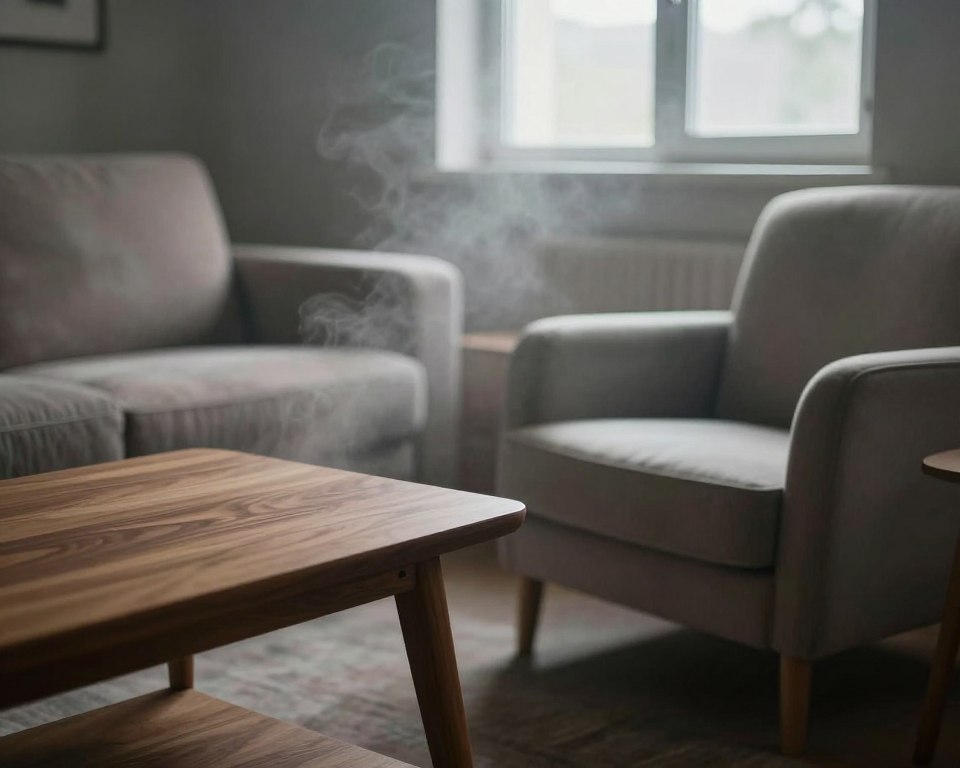
Many people don’t know that fast furniture production increases chemical emissions. From the factory to your home, complex logistics affect your indoor air quality. Understanding these steps helps explain why new items often smell strongly.
The Impact of Rapid Production Cycles
Today’s manufacturing uses fast assembly lines to meet demand. Products are quickly finished, put together, and packaged. This means volatile organic compounds don’t have time to fade in the factory.
Items are shipped right away, so furniture off-gassing happens at home. This means you face the strongest chemical release first. Without a break, the VOCs are at their highest when you open the box.
“The concentration of indoor pollutants is often highest immediately after the installation of new materials, as the trapped gases are released into the living space.”
Storage and Packaging Effects on VOC Trapping
Packaging like plastic wrap and cardboard keeps chemicals inside. This traps volatile organic compounds in the packaging. They build up until you open the box.
When you remove the packaging, the VOCs burst out. This can cause irritation and a strong chemical smell. Good ventilation is key to reduce this impact on your indoor air quality.
| Production Stage | Emission Risk Level | Primary Concern |
|---|---|---|
| Factory Assembly | Low (Controlled) | Worker exposure |
| Sealed Packaging | High (Trapped) | Gas accumulation |
| Initial Unboxing | Very High (Burst) | Furniture off-gassing |
| Post-Assembly | Moderate (Declining) | VOCs dissipation |
Regulatory Standards and Safety Certifications
Furniture safety is complex, and knowing the standards is key. Many makers say their items are safe, but proof is needed. This proof helps us know what’s really safe for our health.
Understanding GREENGUARD Gold Certification
The GREENGUARD Gold label is a top standard for air quality inside. It means products have passed tough tests to keep homes safe from harmful chemicals.
This label checks over 10,000 chemicals. It shows furniture makers are serious about keeping homes chemical-free. This is very important for families with kids or people with breathing problems.
The Role of the EPA and Consumer Product Safety Commission
In the U.S., agencies like the EPA and CPSC watch over chemical safety. The EPA looks at how chemicals affect health and the environment. They set rules to keep us safe from harmful substances in our homes.
The CPSC also plays a big role. They aim to keep us safe from dangers in products. Even though they don’t check every piece of furniture, knowing their work helps us choose safer options.
| Standard/Agency | Primary Focus | Verification Type |
|---|---|---|
| GREENGUARD Gold | Low VOC Emissions | Third-Party Testing |
| EPA | Environmental Health | Federal Regulation |
| CPSC | Consumer Safety | Federal Oversight |
How to Test Your Indoor Air Quality
Using your sense of smell to find indoor air pollutants is not reliable. Many chemicals don’t have a smell, so your nose can’t warn you. To really know what’s in your air, you need scientific tools.

Using Professional Air Quality Monitors
Professional air quality monitors track VOCs in real-time. They use special sensors to find many kinds of chemicals in closed spaces. By putting these monitors in rooms with new furniture, you can see how chemical levels change during the day.
These tools keep watching your air all the time. This is key to seeing how your daily actions change the air quality. For example, you might see levels go up when the heating turns on or when you keep windows shut for a long time. This info helps you decide when to open windows or use air cleaners.
Interpreting VOC Concentration Levels
After you get your data, you need to understand what it means. Most monitors show volatile organic compounds as a Total VOC (TVOC) value. This is usually in parts per billion (ppb) or milligrams per cubic meter (mg/m³). Remember, lower numbers are better for your health.
Understanding these levels means knowing what’s safe. There’s no one rule for indoor air, but health groups give guidelines. Here’s a table that shows TVOC levels and what they might mean for your home.
| TVOC Level (mg/m³) | Air Quality Status | Recommended Action |
|---|---|---|
| Below 0.3 | Excellent | Maintain current ventilation habits. |
| 0.3 to 0.5 | Acceptable | Monitor for possible increases. |
| 0.5 to 1.0 | Marginal | Boost airflow and find sources. |
| Above 1.0 | Poor | Take immediate action. |
By always checking these numbers, you can see if your efforts to clean the air are working. If your levels stay high even after you try to improve the air, you might need to get rid of certain items. Decisions based on data are the best way to keep your home safe and healthy for your family.
Effective Strategies for Reducing Off-Gassing
Improving indoor air quality needs good ventilation and special filters. When new items come home, they release volatile organic compounds that stay in the air. Acting fast helps keep your home safe from these chemicals.
The Importance of Proper Ventilation and Airflow
Ventilation is key to reducing VOCs in your home. It helps mix indoor air with fresh air outside, diluting chemical vapors. This simple step is often the best way to handle furniture off-gassing right after buying.
To boost airflow, open windows on opposite sides of a room. If it’s nice outside, use fans to help move air out. Keeping air moving stops pollutants from sticking to carpets or furniture, which can be treated with dangerous chemicals.
Using Air Purifiers with Activated Carbon Filters
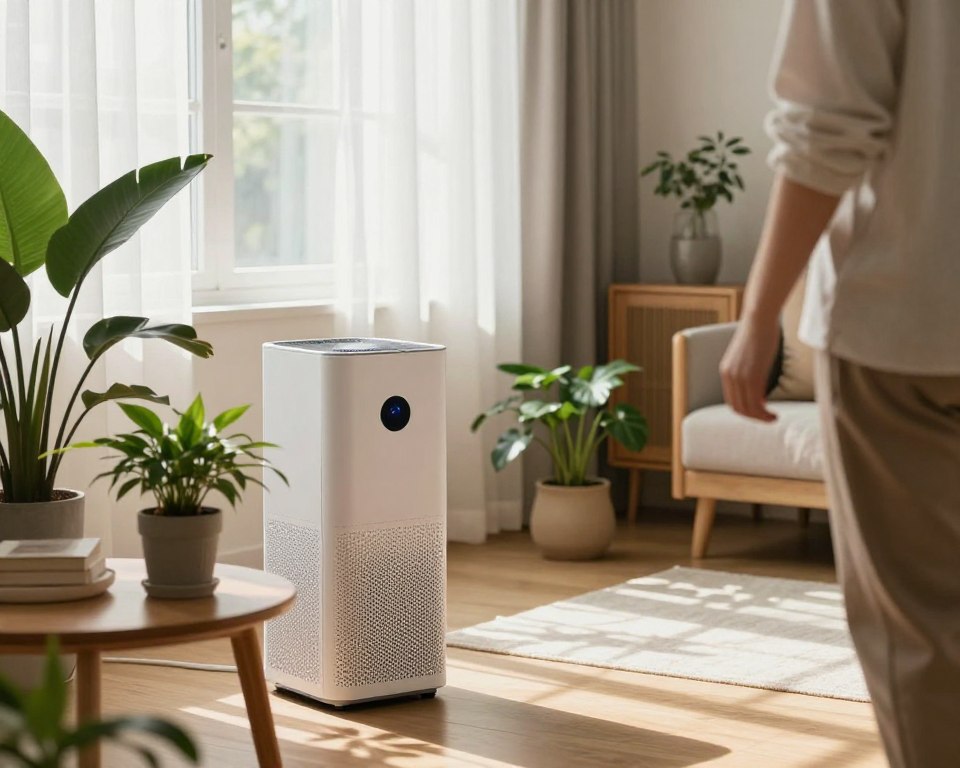
Ventilation is important, but air purifiers with activated carbon filters offer extra protection. Standard HEPA filters catch dust and dander but not gases. To tackle volatile organic compounds, you need activated carbon filters.
These filters trap chemical molecules in their pores. Their huge surface area makes them great at catching gases that other filters miss. Adding this tech to your home helps keep the air clean during furniture off-gassing.
Choose a purifier that fits the room size where the new furniture is. Keep your air purification system in good shape. Carbon filters get full and need to be replaced. By mixing good airflow with top-notch filters, you can cut down on VOCs a lot.
Natural Alternatives to Conventional Furniture
Choosing furniture made from earth-friendly materials is key to better indoor air quality. Moving away from items made with chemicals helps get rid of many household pollutants.
Many common pieces are made with particleboard, MDF, and glues that release harmful VOCs. Opting for non-toxic furniture brands keeps your home safe from chemicals.
Benefits of Solid Wood and Natural Finishes
Solid wood furniture is a better choice than composite wood because it has fewer VOCs. It doesn’t need the strong adhesives used in pressed wood, which means less chemicals in your home.
When picking solid wood items, choose natural oils or water-based stains over synthetic lacquers. These finishes let the wood breathe and stay strong. This choice helps cut down on the need for air purification by removing pollutants at their source.

Choosing Organic Textiles and Natural Latex
The materials used for upholstery and bedding are also important for your health. Many synthetic materials, like polyurethane foam and polyester, are treated with chemicals that release harmful gases for years.
Going for organic cotton, wool, or linen is safer for daily use. For mattresses and cushions, natural latex is a great option. It’s made from rubber trees and naturally resists dust mites and mold without harsh chemicals.
By focusing on these natural materials, you keep your home’s indoor air quality high. Investing in quality materials creates a healthier space for your family’s long-term well-being.
The Off-Gassing Timeline
When you bring new furniture into your home, chemicals start releasing right away. This is common with modern furniture. Knowing the off-gassing timeline helps you manage your home’s air quality better.
How Long Does the Process Typically Last
The time it takes for furniture off-gassing to slow down varies. It depends on the materials and how the furniture is made. Some items release most of their chemicals in a few days. Others might keep releasing for years.
“The rate of chemical dissipation is not linear; it typically follows a decay curve where the highest concentrations are released shortly after the product is unwrapped.”
People often notice the strongest smells in the first few weeks. But even when the smell goes away, some chemicals can keep coming out. To understand your home’s chemical load better, think about how long cleaning product fumes last.
Factors That Accelerate or Delay Chemical Dissipation
Many things affect how fast chemicals leave your furniture and air. By controlling these factors, you can make chemicals leave faster.
- Temperature: Warmer rooms make chemicals leave faster.
- Humidity: More moisture can help break down some chemicals faster.
- Airflow: Good air flow is the best way to get rid of bad air and improve indoor air quality.
Keeping your home well-ventilated helps chemicals leave faster. You can’t stop it completely, but these steps reduce your exposure to furniture off-gassing over time.
Creating a Safe Environment for Vulnerable Populations
Keeping indoor air clean is key when you care for kids or people with sensitivities. They spend more time inside, so they’re exposed to more pollutants. Proactive measures are vital to keep your home safe and healthy.
Protecting Infants and Children from Chemical Exposure
Young ones are more at risk from chemicals. Their bodies can’t handle toxins like formaldehyde found in some furniture. Reducing these risks means choosing furniture with low emissions.
Parents should watch what products they use in the nursery. It’s important to keep air fresh for babies without using harmful chemicals. Using air purification in their rooms helps remove harmful particles.
Considerations for Individuals with Multiple Chemical Sensitivities
People with chemical sensitivity react badly to pollutants others might not notice. Even small amounts of chemicals can cause big problems. Making a safe home means being very careful about what you use.
Choosing solid wood furniture and natural fabrics is a good start. Using air purification systems helps keep air clean. Regular checks on air quality are also important to catch and fix any pollution problems.
The Impact of Temperature and Humidity on Emissions
Heat and humidity can make new household items release volatile organic compounds faster. When you bring new furniture home, it often has chemicals waiting to be released. The temperature and humidity in your home decide how quickly these chemicals get into the air.
How Heat Increases the Rate of Off-Gassing
When the room gets warmer, chemicals in furniture and other items evaporate quicker. This is because the heat makes the molecules move faster. So, VOCs turn from solid or liquid to gas more quickly than in cooler places.
High humidity can also make things worse. It can get into materials and start chemical reactions. This can release more indoor air pollutants. To learn more about this, check out off-gassing in your new home.
Managing Indoor Climate to Minimize Chemical Release
Keeping your home’s climate stable is a good way to protect your indoor air quality. By keeping it cool, you slow down chemical release. Using fans and controlling the climate helps keep emissions low all year.
| Environmental Factor | Impact on Off-Gassing | Recommended Action |
|---|---|---|
| High Temperature | Accelerates emission rates | Keep rooms cool |
| High Humidity | Increases chemical release | Use a dehumidifier |
| Stable Climate | Slows VOC dissipation | Maintain consistent airflow |
Good ventilation is key to fighting volatile organic compounds. In hot months, use fans or open windows to reduce indoor air pollutants. These steps help you control your home’s environment while your new furniture off-gases naturally.
Shopping Tips for Low-Emission Furniture
Shopping for furniture with health in mind means asking the right questions. Many people don’t know that new furniture can pollute indoor air. By being more careful, you can reduce furniture off-gassing and make your home healthier.
Asking the Right Questions at the Retailer
When you’re at a showroom, ask about the chemicals in the furniture. Find out if it has been tested for VOCs. Transparency is key, so look for brands that clearly state what materials they use.
Watch out for “greenwashing,” where companies use terms like “natural” or “eco-friendly” without proof. Instead, choose items with third-party certifications like GREENGUARD Gold or OEKO-TEX. These show the product meets strict emission standards, helping to reduce furniture off-gassing in your home.

Prioritizing Second-Hand or Vintage Furniture
Buying used furniture is a smart way to avoid strong chemical releases. Vintage or second-hand items have likely already off-gassed most of their chemicals. By the time you get them, the worst of it is gone.
Choosing used items is good for the planet and your health. Make sure the furniture is in good shape and doesn’t smell too much. This way, you avoid the worst of furniture off-gassing and can enjoy your new furniture more.
Debunking Common Myths About Furniture Safety
To really understand furniture safety, we need to question old myths. Many people choose furniture based on feeling or old marketing. By looking at facts, we can keep our homes safer from harmful chemicals.
The Truth About New Furniture Smell
Many think the smell of new furniture means it’s clean or high quality. But, this “new furniture smell” is really from chemicals being released. These chemicals come from finishes, glues, or synthetic foams.
Seeing this smell as a sign of cleanliness is a mistake. It’s better to open windows and doors to let these chemicals out. Your nose can’t always tell if furniture is safe.
Misconceptions Regarding Natural vs Synthetic Materials
Some think “natural” means safer than synthetic. But, even natural materials can have chemicals added during making. This can change how safe they are.
On the other hand, some synthetic materials are made to be very safe. Look for certifications, not just labels. This way, you make sure you’re choosing safe furniture.
| Common Myth | Scientific Reality | Actionable Advice |
|---|---|---|
| New smell means clean | Smell indicates chemical release | Ventilate new items thoroughly |
| Natural is always safe | Processing adds chemicals | Check for third-party testing |
| Synthetic is always toxic | Some synthetics are low-VOC | Prioritize certified products |
| Price equals safety | Cost does not guarantee low VOCs | Review material safety data |
Conclusion
Improving indoor air quality means changing how you pick and care for your home items. Choosing products with third-party certifications like GREENGUARD Gold is a good start. These standards help find products that release fewer chemicals.
Keeping your home well-ventilated is key to removing harmful gases. Adding air purifiers with activated carbon filters helps keep pollutants away. Making small changes can greatly improve your home’s air quality over time.
Being informed helps you create a healthier home without losing comfort or style. It’s not about achieving perfection. It’s about making steady choices for cleaner, fresher air for everyone.
FAQ
What exactly is off-gassing in the context of home furnishings?
Off-gassing is when chemicals in furniture turn into gas at room temperature. This process releases chemical vapors into your home. It’s often known as the “new furniture smell.”
Which chemicals are most commonly found in new furniture?
New furniture often has formaldehyde, a gas used in wood products. It also has flame retardants and adhesives. These chemicals add to the chemicals in your home.
How can off-gassing impact human health?
Short-term exposure can cause irritation, dizziness, and headaches. Long-term risks are serious. The EPA says formaldehyde might cause cancer, making it important to reduce exposure.
Why are household pets specificially at risk from these emissions?
Pets are more vulnerable because of their size and how they interact with their environment. Owners should watch for signs of chemical sensitivity in their pets.
Which furniture items are considered high-risk for VOC emissions?
High-risk items include memory foam mattresses and engineered wood bookshelves. They release a lot of VOCs when opened.
How can I verify if a piece of furniture is low-emission?
Look for GREENGUARD Gold certification. It means the product has been tested for over 360 chemicals. You can also check the Consumer Product Safety Commission’s guidelines.
What is the most effective way to improve indoor air quality after buying new furniture?
Open windows and use fans to increase ventilation. Air purifiers with activated carbon filters can also help remove chemical vapors.
How long does the off-gassing process typically last?
It varies, but the most intense emissions usually fade in a few weeks. Some materials can keep emitting VOCs for months or years.
Do environmental factors like temperature affect chemical release?
Yes. Heat and humidity speed up off-gassing. Keeping your home cool and dry can slow down chemical release.
Are there safer material alternatives to conventional furniture?
Yes. Choose solid wood, natural latex, and organic textiles. Second-hand furniture is also safer because it has already off-gassed.
Can I use technology to monitor the air quality in my home?
Yes. Professional indoor air quality monitors can track VOC levels in real-time. They provide accurate data, as our senses can’t always detect harmful pollutants.