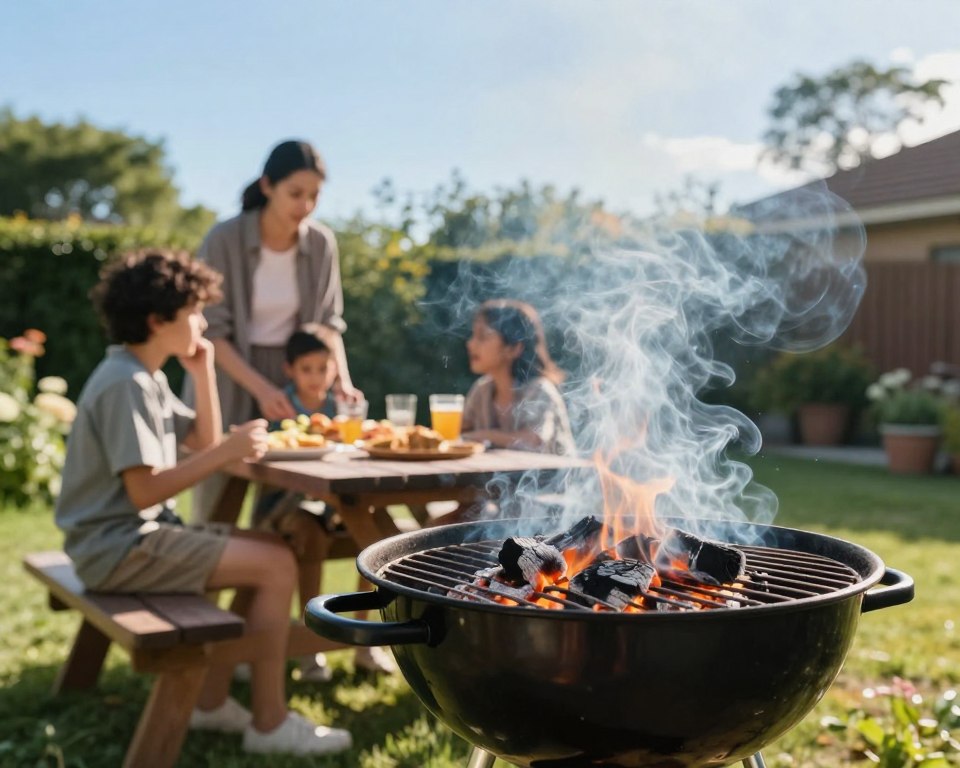
Many Americans love outdoor cooking as a weekend tradition. But have you thought about the smoke from your grill? Could it be harmful to your health?
Flame-seared food is tasty, but scientists study the chemicals made when fat burns. When fat hits hot coals, it forms compounds that might affect our bodies.
It’s key to understand the science behind these emissions if you care about your health. Is Charcoal Grill Smoke Toxic and should you change your cooking habits? This article looks at the facts to guide your next meal choice.
Key Takeaways
- High-temperature cooking generates chemical byproducts linked to health concerns.
- Combustion of fats and proteins creates polycyclic aromatic hydrocarbons.
- Scientific evidence suggests that exposure levels vary based on ventilation and preparation methods.
- Balanced perspectives help consumers enjoy outdoor cooking while minimizing possible risks.
- Evidence-based practices allow for safer grilling experiences without sacrificing flavor.
Understanding the Chemistry of Charcoal Combustion
To check if your grill is safe, you need to know how charcoal burns. This process breaks down carbon-based materials, making heat and light. Proper combustion keeps the cooking area steady and reduces harmful emissions.
The Composition of Charcoal Briquettes vs. Lump Charcoal
The type of fuel you use changes the smoke’s chemical makeup. Lump charcoal is made from wood charred without oxygen, making it almost pure carbon. It burns hotter and faster, giving a clean, strong heat.
Charcoal briquettes, on the other hand, are made from sawdust and wood scraps. They have additives like starch or sodium nitrate to help them burn well. But these additives can change the smoke’s chemical makeup compared to natural lump charcoal.
Chemical Byproducts Released During Burning
When fuel burns, it releases gases and particles into the air. These include carbon dioxide and water vapor, but also volatile organic compounds when burning is not complete. These substances are key when looking at grilling safety.
A big part of grilling safety is HCA formation. This happens when muscle meats cook at high temperatures. Amino acids and creatine in proteins react to form heterocyclic amines. This reaction is a known effect of high-heat cooking, and knowing about it is important for anyone who cares about their health.
Is Charcoal Grill Smoke Toxic
Charcoal burning releases gases and particles that need attention. Outdoor cooking is a big part of American life. But, the burning process makes certain chemicals. It’s important to know these to stay safe while grilling.
Analyzing Polycyclic Aromatic Hydrocarbons (PAHs)
Charcoal smoke is a worry because of PAHs. These are grilling carcinogens that form when meat drippings hit hot coals. This creates smoke that can stick to your food.
Studies show that PAH exposure can change cells. These substances can mess with human DNA. So, it’s key to reduce their presence. For more on this, check out whether grilling is carcinogenic.
“The chemistry of smoke is complex, but the risks associated with improper ventilation and high-heat cooking are well-documented in environmental health studies.”
The Role of Carbon Monoxide in Grill Smoke
Carbon monoxide is a gas from burning charcoal. It’s colorless and odorless. In open air, it usually goes away fast. But, in a small space, it can build up quickly.
Too much carbon monoxide can make it hard to breathe. It can cause dizziness or headaches. Always grill in a place with good air flow to avoid this.
Particulate Matter and Respiratory Health
Charcoal smoke also has tiny particles that can get deep into your lungs. These particles can irritate your breathing. Long-term PAH exposure through these particles is being studied.
Keeping your grill clean is also important. It prevents burning old residue, which makes smoke worse. If you’re worried about grill cleaner chemicals, use a grill cleaner spray safe for food. A clean grill means less smoke to breathe in.
Health Risks for Humans Exposed to Grill Smoke
Being around smoke from grills can be tough on our bodies. The smell of grilling is nice, but the smoke has harmful stuff in it. It’s important to know about charcoal grill health risks if you grill a lot.
Short-term Respiratory Irritation
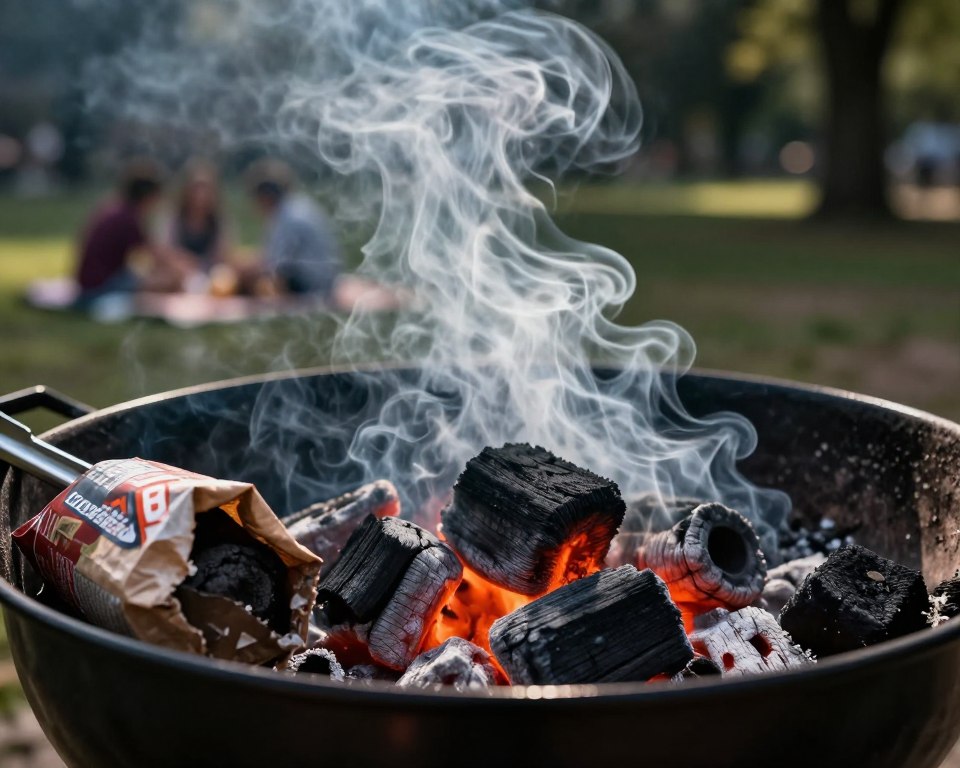
Smoke can make your airways and eyes feel bad right away. It can cause coughing, wheezing, or a sore throat. These symptoms are like those from other irritants, like bleach in the air.
People with asthma or lung problems are more likely to get sick from smoke. Try to stay upwind of the grill to avoid breathing in too much smoke.
Long-term Exposure and Carcinogenic Concerns
Grilling a lot can also raise your cancer risk. The main worry is PAH exposure from fat dripping on hot coals. These grilling carcinogens can get into your body through your lungs or food.
Studies show that long-term PAH exposure can change cells. Knowing about charcoal grill health risks helps you choose safer cooking habits. Cutting down on grilling carcinogens is a good way to stay healthy while enjoying outdoor meals.
| Risk Category | Primary Symptoms | Duration | Primary Concern |
|---|---|---|---|
| Acute Exposure | Coughing, eye irritation | Short-term | Respiratory distress |
| Chronic Exposure | Cellular mutation | Long-term | Carcinogenic potentia |
| Systemic Impact | Inflammation | Cumulative | Organ health |
Impact of Charcoal Smoke on Pets and Animals
When hosting backyard gatherings, it’s key to know how smoke affects pets. Humans can handle some smoke, but pets are at significant health risks if too close to grills.
Why Pets Are More Vulnerable to Inhaled Toxins
Pets breathe more air than humans for their size. This means they get more toxins in their bodies. Their lungs are smaller, so even a little smoke can hurt them a lot.
Pets can’t move away from smoke on their own. They might be leashed or stuck near the grill. Owners need to watch out for them.
Signs of Smoke Inhalation Toxicity in Dogs and Cats
It’s important to watch for pet smoke inhalation signs during outdoor cooking. Symptoms can show up fast. Owners should keep an eye on any changes in their pets’ behavior or breathing.
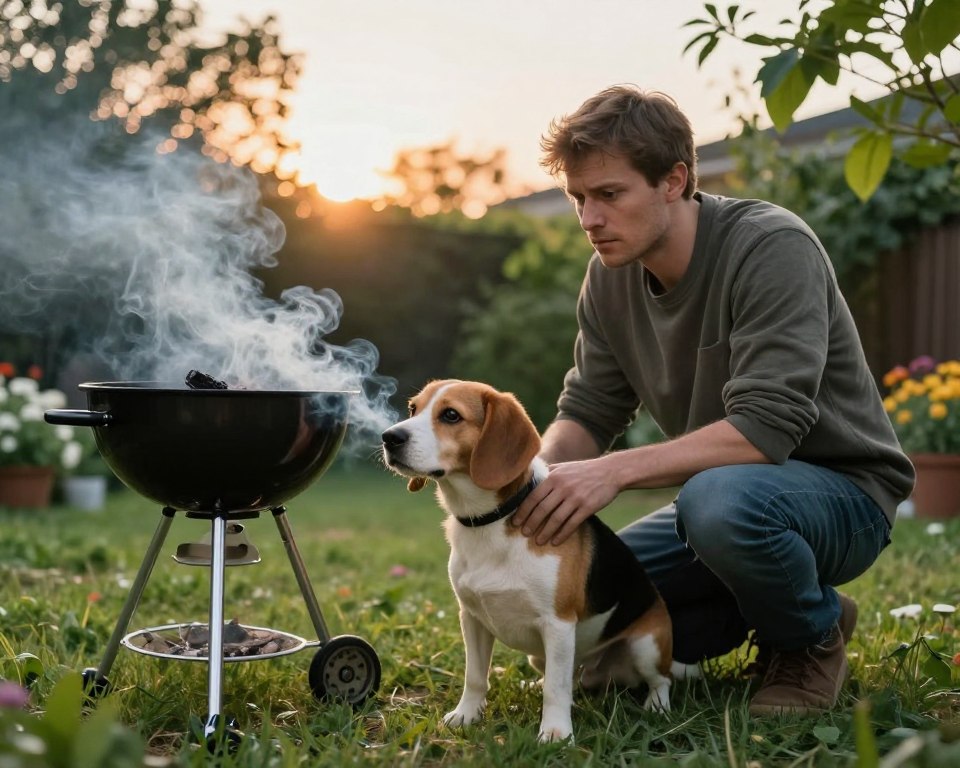
The table below lists common signs that a pet might be having trouble with smoke.
| Symptom Category | Common Clinical Signs | Urgency Level |
|---|---|---|
| Respiratory | Coughing, wheezing, rapid breathing | High |
| Behavioral | Lethargy, restlessness, hiding | Moderate |
| Physical | Watery eyes, excessive drooling | Moderate |
Image Disclosure and Veterinary Concept Illustration
Some images in this article are AI-made for learning. They help explain vet concepts better. But, they shouldn’t replace a real vet check-up.
Understanding AI-Generated Educational Imagery
AI images help show complex health topics in a simple way. They make it easier for people to understand pet smoke inhalation risks.
Limitations of Visual Representations in Veterinary Health
Remember, these images can’t replace a vet’s diagnosis. If your pet seems to be having trouble breathing, see a vet right away.
Factors That Influence Smoke Toxicity Levels
Not all grilling setups are the same. The smoke you breathe depends on your surroundings. The air movement around the grill affects how much smoke you inhale. It’s important to control these factors for a safer grill area.
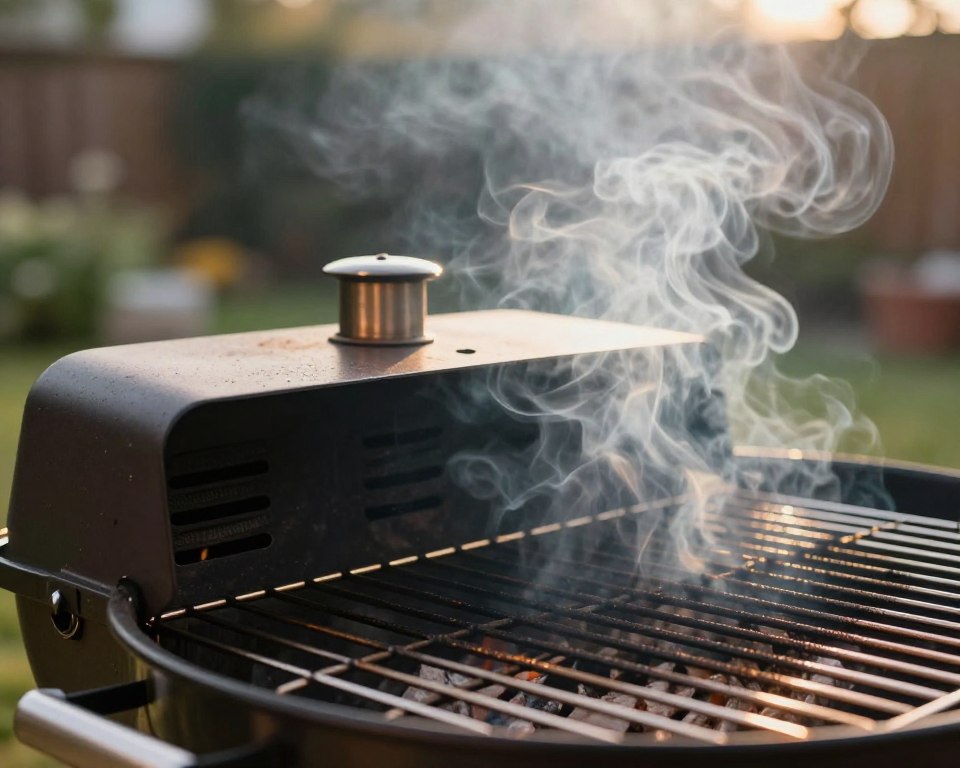
The Importance of Proper Ventilation
Grill ventilation is key to spreading out smoke. When grilling in the open, smoke mixes with fresh air, reducing toxin intake. But, grilling in a small space traps harmful particles, increasing exposure.
Good grill ventilation keeps smoke away from you and your guests. If you’re worried about chemicals, think about ammonia-based cleaners near food. But, grilling smoke is the bigger concern in bad air flow.
How Fuel Quality Affects Emission Profiles
The fuel you use changes the smoke’s chemical makeup. Clean-burning lump charcoal produces less harmful smoke than briquettes. Choosing high-quality fuel reduces soot and harmful particles.
The Impact of Lighter Fluid and Chemical Accelerants
Lighter fluid can add toxins to your smoke. It burns off, releasing harmful chemicals that can change your food’s taste and increase smoke toxicity. Using natural fire starters is safer and avoids these chemicals.
| Factor | Low Risk Condition | High Risk Condition |
|---|---|---|
| Grill Ventilation | Open, outdoor space | Enclosed or semi-enclosed |
| Fuel Type | Natural lump charcoal | Briquettes with additives |
| Ignition Method | Chimney starter | Chemical lighter fluid |
| Airflow | Consistent cross-breeze | Stagnant, trapped air |
Comparing Charcoal Smoke to Other Cooking Methods
The debate between charcoal vs gas grilling often focuses on safety and ease. Both methods can get hot enough for searing. But they differ in how they heat up and the chemicals they release.
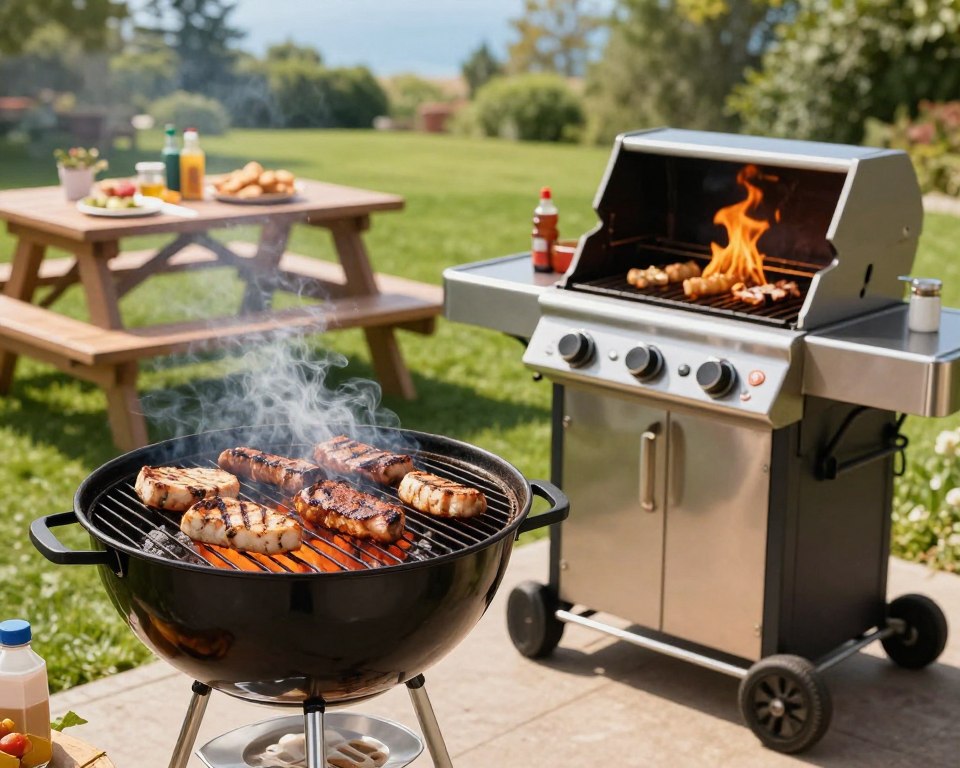
Charcoal vs. Gas Grilling Emissions
Gas grills are safer than charcoal ones because they release fewer pollutants. Charcoal makes more harmful chemicals like PAHs and HCAs. This is because of the fuel and the uneven heat it produces.
Gas grills, on the other hand, let you control the heat better. This helps cut down on harmful compounds. If you want to lower cancer risk at your BBQ, gas is a good choice. But remember, gas cooking isn’t completely safe either.
Wood-Fired Smoke Profiles and Health Implications
Wood-fired cooking is loved for its flavor. But it comes with health risks. Wood smoke has more particles and chemicals that can hurt your lungs.
Wood smoke’s health effects are often worse than gas or charcoal. This is because it has more dense emissions. Think about these points when picking your fuel:
- Particulate Density: Wood smoke has more fine particles that go deep into your lungs.
- Chemical Complexity: Wood burning makes more organic compounds than gas.
- Exposure Duration: Wood cooking takes longer, so you’re exposed to smoke for more time.
In the end, while charcoal vs gas grilling is often compared, wood cooking needs extra care. No matter the fuel, keeping your grill clean and managing flare-ups are key for any chef.
Safe Grilling Practices to Minimize Exposure
Making small changes to your grilling area can help a lot. By following charcoal grill safety tips, you can make a safer space for cooking. This way, you can enjoy your food and stay healthy.
Optimal Placement of Grills in Outdoor Spaces
Where you put your grill is very important. Place it in a spot that’s open and has good air flow. This helps smoke go away fast.
Don’t put grills near windows, doors, or air vents. Keep them at least ten feet away from where people live. This stops smoke from getting inside and causing problems.
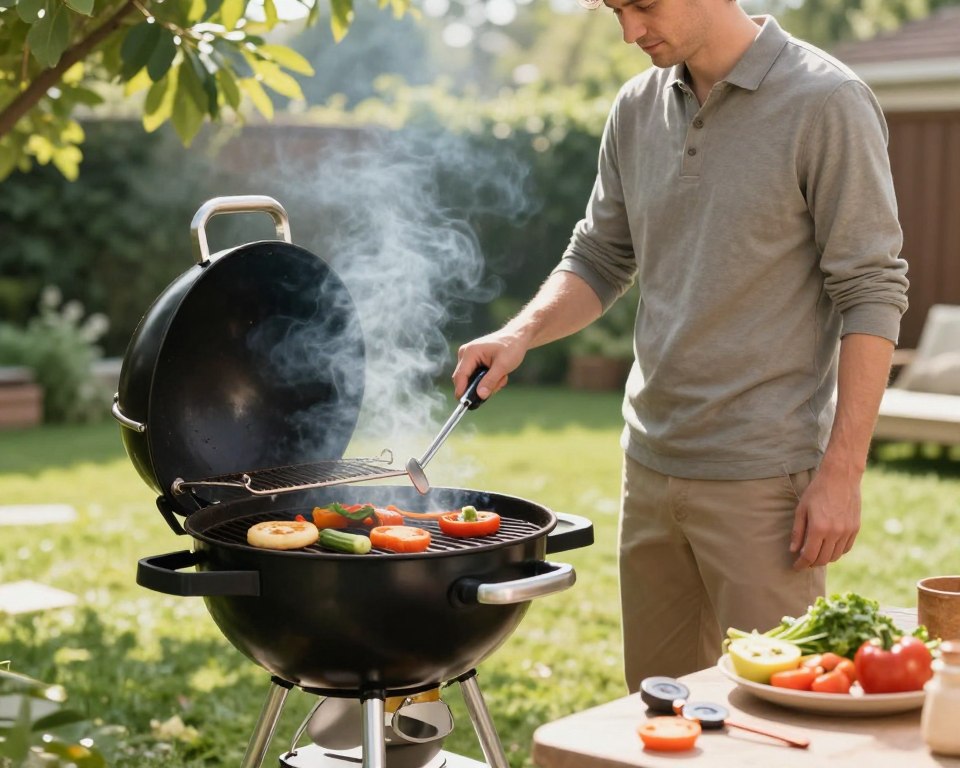
Managing Airflow and Smoke Direction
Knowing the wind direction is key to managing smoke. Look at the wind before you start grilling. Make sure the smoke goes away from people and pets.
If the wind changes, move the grill or change where you sit. Watching the air flow closely helps keep smoke away. This makes your grilling safer and more enjoyable.
Choosing Natural Alternatives to Chemical Starters
Many lighters use chemicals that can pollute the air. Switching to natural ways to start your fire is safer. It keeps you away from harmful chemicals.
Try using chimney starters or all-natural fire starters. These use newspaper or wood shavings and wax. They start your fire well without the bad smells or fumes from chemicals.
The Role of Food Preparation in Smoke Exposure
Proper preparation is key to avoiding harmful chemicals when grilling. By changing how you prepare ingredients, you can make grilling safer. This reduces your exposure to harmful substances.
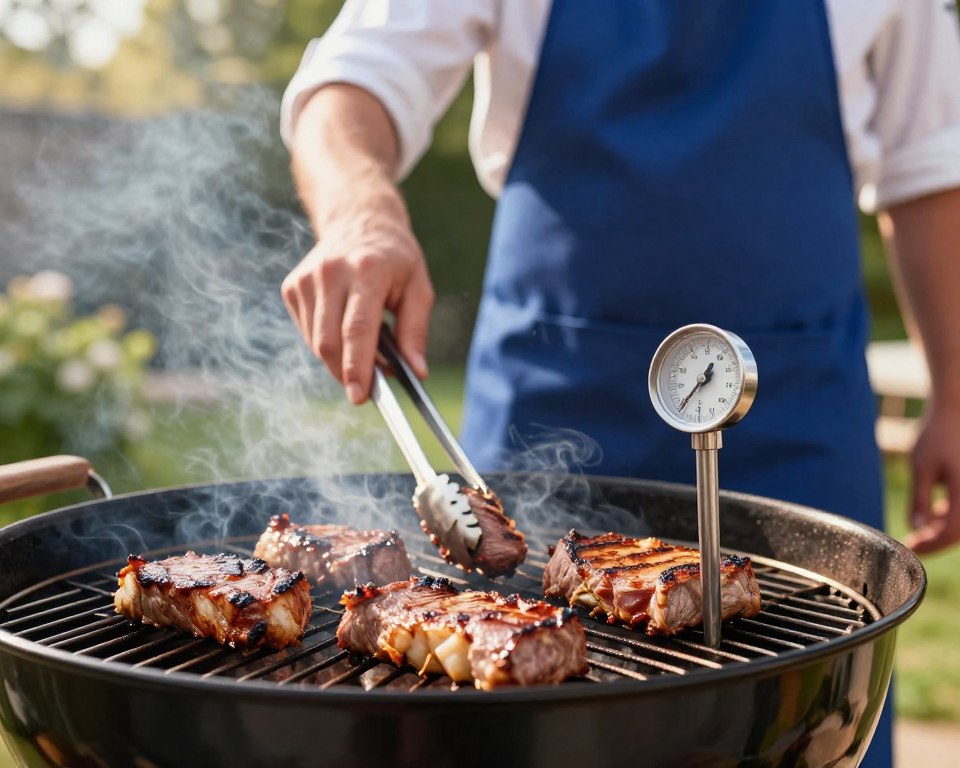
Fat Drippings and Flare-ups
Fat drips on hot coals create smoke with harmful compounds. Trimming excess fat from meat before cooking helps avoid these flare-ups.
Less fat means less smoke. This keeps your grill clean and your food free from harmful residues.
Reducing Charring to Lower Toxin Intake
Heterocyclic amines (HCAs) form when meat is cooked at high heat for a long time. Marinating meat for at least 30 minutes before grilling can prevent this.
Acidic marinades, like those with lemon juice or vinegar, protect against harmful chemical changes. Also, grilling vegetables is safer because they don’t contain creatine, which is needed for HCA formation.
| Preparation Method | Primary Benefit | Safety Impact |
|---|---|---|
| Trimming Fat | Prevents Flare-ups | High |
| Marinating (30+ min) | Inhibits HCA formation | High |
| Grilling Vegetables | Zero Creatine Content | Very High |
| Lower Heat Cooking | Reduces Charring | Moderate |
Environmental Considerations of Charcoal Smoke
Grilling is a big part of American culture. But, the smoke from charcoal grills can harm the air quality in neighborhoods. This is more of a problem when many grills are used at once, like on weekends or holidays.
Air Quality Impacts in Residential Neighborhoods
Charcoal smoke doesn’t just disappear; it stays around and can affect homes nearby. In crowded areas, it can build up and bother people with sensitive lungs. Being mindful of wind direction and the frequency of use helps keep the air clean for everyone.
Sustainable Charcoal Sourcing and Emission Reduction
The type of charcoal you use matters a lot. Natural lump charcoal is cleaner than briquettes, which have chemicals. Choosing high-quality, sustainable wood charcoal reduces smoke and harmful emissions.
Using natural methods to light your grill also helps the environment. Here’s a table showing how different fuels affect the environment and smoke control.
| Fuel Type | Emission Profile | Sustainability | Smoke Management |
|---|---|---|---|
| Standard Briquettes | High (Chemicals) | Low | Difficult |
| Natural Lump Charcoal | Moderate | High | Easier |
| Hardwood Logs | Variable | High | Requires Skill |
| Electric/Gas | Very Low | Moderate | Best for Reducing Grill Smoke |
Regulatory Standards and Safety Guidelines
Regulatory frameworks are key for keeping charcoal grill safety high. They guide manufacturers to make safer grills. This helps users use grills safely and avoid risks from combustion byproducts.
Consumer Product Safety Commission Recommendations
The Consumer Product Safety Commission (CPSC) watches over outdoor cooking gear safety. They say grills must be stable, heat-resistant, and without defects. Proper maintenance is as critical as the grill’s design.
“Safety is not a static goal but a continuous process of adherence to proven standards and vigilant equipment maintenance.”
To keep charcoal grill safety top-notch, the CPSC advises homeowners:
- Always use grills on a flat, non-combustible surface.
- Keep a ten-foot clear area around grills from structures or flammable stuff.
- Never leave a lit grill alone, as wind can cause smoke to spread unpredictably.
Occupational Safety Standards for Outdoor Cooking
In places like commercial kitchens or outdoor catering, safety rules are stricter. Agencies like OSHA set standards to protect workers from smoke and carbon monoxide. These places need special ventilation to keep air quality safe for staff.
Workers are trained to spot bad air quality and use safe equipment. This professional focus on charcoal grill safety is a guide for home cooks. By following these steps, like checking airflow and fuel quality, home cooks can protect their families better.
Recognizing Symptoms of Smoke Overexposure
Knowing how your body reacts to grill smoke can help spot charcoal grill health risks early. Outdoor cooking is fun, but breathing in smoke can cause quick physical reactions in some people.
Identifying Early Warning Signs in Humans
The first signs of grill smoke symptoms are usually mild irritation in the lungs. You might cough a lot, have a sore throat, or feel tight in your chest. These signs mean your airways are reacting to smoke particles and gases.
Some people might get watery eyes, sneeze, or have a runny nose after being near smoke. If you need to step away from the grill to breathe better, it’s a sign the smoke is too thick. Learn more about the effects of smoke on your lungs by checking out is grill smoke unhealthy.
When to Seek Medical Attention for Respiratory Distress
Minor irritation usually goes away when you get to fresh air. But, some symptoms need quick medical help. Respiratory distress includes wheezing, breathing that doesn’t get better, or feeling like you can’t breathe. If you or someone with you has these symptoms, get medical help right away.
If you have asthma or other lung problems and notice a worsening after being near a grill, see a doctor. Persistent coughing or chest pain that doesn’t go away after leaving the grill area also means you should see a doctor. Recognizing these signs helps keep your outdoor cooking safe and fun.
Mitigating Risks for Vulnerable Populations
It’s important to keep vulnerable people safe at social gatherings. Outdoor cooking is a big part of American culture. But, the smoke from charcoal can be harmful to some guests. Knowing these risks helps hosts make gatherings safer for everyone.
Protecting Children and the Elderly
Children and the elderly are more at risk from smoke. Kids have growing lungs and breathe more, so they take in more smoke. Older adults have smaller lungs and are more sensitive to smoke.
When grilling for children, keep them away from the grill. Make a “no-go” zone around the grill to keep smoke away. This simple step helps keep everyone’s lungs safe.
Managing Grilling for Individuals with Pre-existing Conditions
People with lung problems like asthma or COPD need extra care. Smoke can make their conditions worse. Studies show that small particles in smoke can get deep into lungs, making health problems worse.
To help guests with lung issues, consider these tips:
- Put the grill downwind from where people sit to keep smoke away.
- Use natural charcoal starters instead of chemicals to cut down on harmful fumes.
- Always watch the wind and move the grill if it changes.
| Vulnerable Group | Primary Risk Factor | Recommended Action |
|---|---|---|
| Children | Developing lung tissue | Maintain a 10-foot buffer zone |
| Elderly | Reduced respiratory reserve | Ensure optimal cross-ventilation |
| Asthma Patients | Airway hyper-responsiveness | Keep distance from smoke plumes |
Best Practices for Indoor and Semi-Enclosed Grilling
Charcoal grills are made for open-air use only. Using them indoors can be lethal. Many think a garage or covered porch is safe. But these places trap harmful gases, making them dangerous.
The Dangers of Grilling in Garages or Porches
Even with a garage door a bit open, there’s not enough grill ventilation. Smoke and carbon monoxide don’t get out fast. These areas trap gases, making them deadly in minutes.
Being in these places raises the risk of carbon monoxide poisoning. The gas builds up fast, and you might not feel sick until it’s too late. It’s key to know these indoor grilling dangers to keep your home safe.
Why Indoor Charcoal Use is Strictly Prohibited
Using charcoal indoors is a big no-no. It’s because charcoal makes a lot of carbon monoxide. This gas is colorless and odorless, and it can fill a room fast.
Trying to cook with charcoal inside is very dangerous. The toxins can reach deadly levels before you even notice. Always grill outside in open, well-ventilated areas to stay safe from these indoor grilling dangers.
Conclusion
Charcoal grilling is a big part of American outdoor life. But, it’s important to balance it to avoid chemical exposure. Learning about heat and fuel helps you enjoy your meals safely.
Making small changes can make a big difference. Improving airflow, choosing good fuel, and trimming fat from meats helps cut down on harmful emissions. These steps make your outdoor space safer for everyone.
Keeping safe is an ongoing journey. Knowing about combustion and ventilation helps you control your cooking area. By following these tips, every outdoor meal becomes a great experience for all.
FAQ
What makes charcoal grill smoke potentially toxic to humans?
The smoke from charcoal grills can be toxic because of chemical reactions. When fat from meats drips onto hot coals, it creates harmful compounds. These compounds can be inhaled or land on food.
High-heat cooking of meat also creates substances that might cause cancer. This is why experts warn about the dangers of grilling.
Is there a significant chemical difference between charcoal briquettes and lump charcoal?
Yes, there is a big difference. Lump charcoal, like Royal Oak, is made from wood and has fewer additives. On the other hand, briquettes, such as Kingsford, have binders and chemicals to burn evenly.
These additives can make the smoke worse during the start-up phase.
How does carbon monoxide pose a risk during outdoor grilling?
Carbon monoxide is a gas that comes from charcoal not burning fully. It’s dangerous because it can’t be seen or smelled. It’s a big risk if the grill is near open windows or in a small area.
It can cause headaches, dizziness, and even poisoning. That’s why the CPSC says grills must be used outside only.
Why are pets more vulnerable to charcoal smoke inhalation than humans?
Pets breathe in toxins faster because of their small lungs and high breathing rate. Dogs and cats are more at risk. If a pet is panting a lot or coughing, it needs fresh air and a vet check.
Does gas grilling produce the same level of toxins as charcoal?
No, gas grills are cleaner. They burn propane or natural gas, which makes less harmful smoke. But, they can’t avoid all toxins because of how meat reacts at high heat.
Can marinating meat actually reduce the formation of carcinogenic compounds?
Yes, marinating meat can help. Acidic or antioxidant-rich marinades can block harmful substances. Trimming fat also helps by preventing flare-ups and lessening toxins.
What are the early warning signs of smoke overexposure in humans?
Signs include watery eyes, a scratchy throat, and coughing. More serious signs are a tight chest or trouble breathing. People with asthma or COPD should stay away from smoke.
Is it ever safe to use a charcoal grill inside a garage with the door open?
No, it’s very dangerous. Even with the door open, carbon monoxide can build up fast. The CPSC warns against using grills in garages or small areas. They must be used outside only.
How does the use of lighter fluid affect the safety of the smoke?
Lighter fluid can make the air worse. It releases harmful chemicals and can leave residue on food. Using natural fire starters or a chimney starter is safer.
Does grilling vegetables carry the same risks as grilling meat?
No, vegetables are safer. They don’t create the same harmful substances as meat. While they might pick up some toxins from smoke, grilling veggies is generally safer.