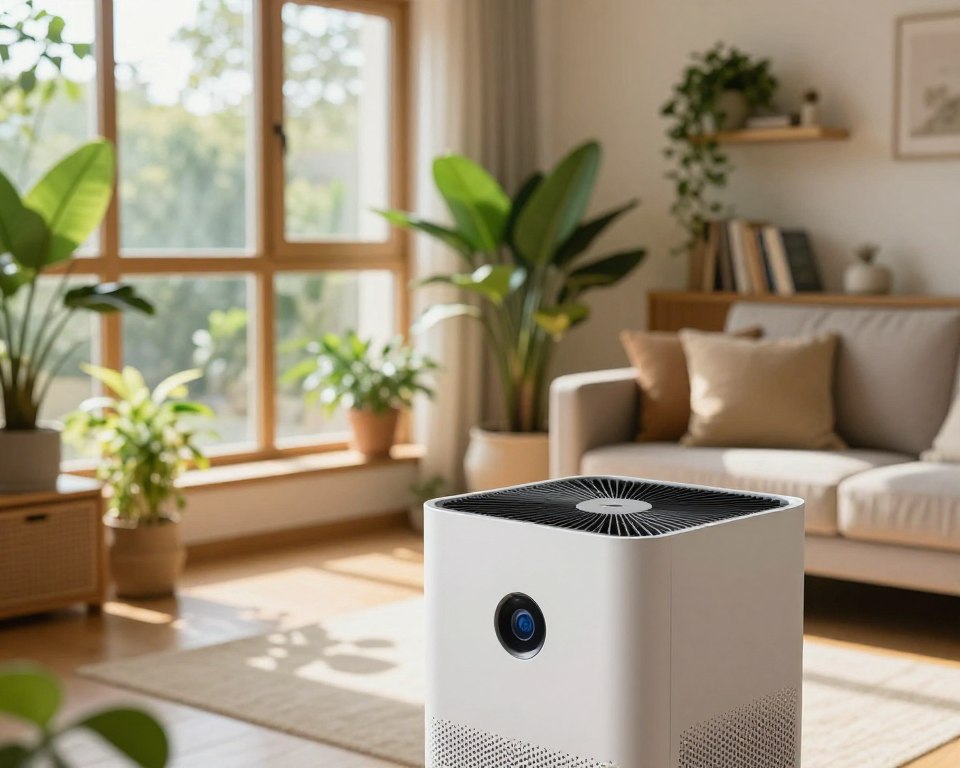
Are you breathing clean air, or are invisible chemical vapors in your home? Many homeowners worry about hidden pollutants. Improving indoor air quality is key for a healthier home.
Scientific evidence shows that certain filters are important. Does Activated Carbon Remove VOCs well? This guide looks at how these filters work to catch harmful gases. We’ll explain the difference between physical adsorption and chemical oxidation to help you choose the right filter for your home.
Key Takeaways
- Activated carbon uses physical adsorption to catch gaseous pollutants.
- The process depends on a huge surface area in the filter pores.
- It’s important to know the difference between adsorption and chemical oxidation for safety.
- Keeping the filter in good shape is key for it to work well at home.
- Using evidence-based filters is a reliable way to get cleaner air.
Understanding Volatile Organic Compounds in Indoor Air
Did you know the air in your home can be more polluted than outside? Volatile organic compounds, or VOCs, can be up to ten times more common indoors. These gases build up in air that doesn’t get fresh air like the outdoors.
Because we’re inside most of the time, finding these indoor pollution sources is key to staying healthy. These chemicals come from many things, making them hard to spot without special tools.
Common Sources of VOCs in Modern Homes
Today’s homes and lifestyles add to VOC levels. Many items release vapors that stay in your home for a long time.
- Building materials: Paints, varnishes, and adhesives used in flooring or cabinetry.
- Cleaning agents: Household sprays, disinfectants, and detergents with synthetic fragrances.
- Furnishings: Pressed-wood furniture and upholstery with flame retardants.
- Personal care products: Aerosols, perfumes, and nail polish removers.
Knowing where indoor pollution sources come from helps you make better choices. Opting for products with lower VOCs can help clean up your home’s air.
Health Implications of Prolonged VOC Exposure
The effects of these gases on our bodies depend on how much and for how long we’re exposed. Some people might feel irritation right away, while others could face bigger VOC health risks over time.
Short-term exposure can cause eye, nose, and throat irritation, headaches, or dizziness. If you notice these symptoms mostly at home, it might mean the air quality is poor.
Long-term VOC health risks are even more serious. Prolonged exposure can harm the liver, kidneys, or brain. Improving air quality is not just about feeling good; it’s essential for our long-term health.
The Science Behind Activated Carbon Filtration
At the heart of gas-phase air purification lies a sophisticated process known as the adsorption mechanism. This technology serves as a reliable barrier against gaseous pollutants that standard particulate filters often miss. By leveraging the unique physical properties of carbon, these systems provide a robust solution for improving indoor air quality.
How Carbon Becomes Activated
Raw carbon materials, such as coconut shells, wood, or coal, undergo a rigorous thermal and chemical treatment to become functional. During this oxidation process, the material is exposed to extremely high temperatures in an oxygen-depleted environment. This treatment strips away non-carbon elements and creates a vast network of microscopic pores.
These pores are essential for the performance of an activated carbon filter. The resulting structure provides an immense internal surface area, often exceeding 1,000 square meters per gram of material. This massive surface area is what allows the carbon to trap a high volume of gaseous molecules effectively.
The Mechanism of Adsorption Explained
The primary function of this media is based on physical attraction, not chemical transformation. As air passes through the filter, gaseous molecules are drawn into the pores and held there by Van der Waals forces. This adsorption mechanism ensures that pollutants remain trapped within the carbon structure.
Because this process is physical, the carbon does not rely on chemical reactions to neutralize contaminants. Instead, it acts as a molecular sponge that locks VOCs into place. This makes the activated carbon filter a highly predictable and stable choice for removing a wide range of household odors and chemical vapors.
Does Activated Carbon Remove VOCs Effectively
When we talk about cleaning indoor air, it’s key to know if activated carbon works well. Studies show that physical adsorption is the best way to catch gas pollutants. Unlike other methods, carbon filters don’t add chemical oxidation byproducts to your home.
Many air cleaners use chemical reactions to clean the air. But, these reactions can sometimes make new harmful substances. Choosing physical filtration means you don’t have to worry about these risks.
Molecular Weight and Adsorption Capacity
The VOC removal efficiency of carbon filters depends on the size of the gases they target. Activated carbon catches larger, heavier molecules well. But, smaller, lighter molecules often slip through.
“The effectiveness of an adsorbent is fundamentally tied to the physical fit between the pollutant molecule and the pore structure of the carbon.”
Manufacturers treat carbon with chemicals to catch lighter gases too. This makes the filter better at removing a wide range of pollutants. Knowing this helps you pick the right air cleaner for your needs.
Limitations of Carbon in High Humidity Environments
Activated carbon is very effective, but it struggles in humid air. Water vapor takes up space in the carbon’s pores, making it harder to catch VOCs. In humid places, your carbon filters might need to be replaced more often.
Keeping your indoor humidity in check is important. It makes your air cleaner work better and keeps your home comfortable. It’s all about maintaining the right balance.
Types of Activated Carbon Filters Available
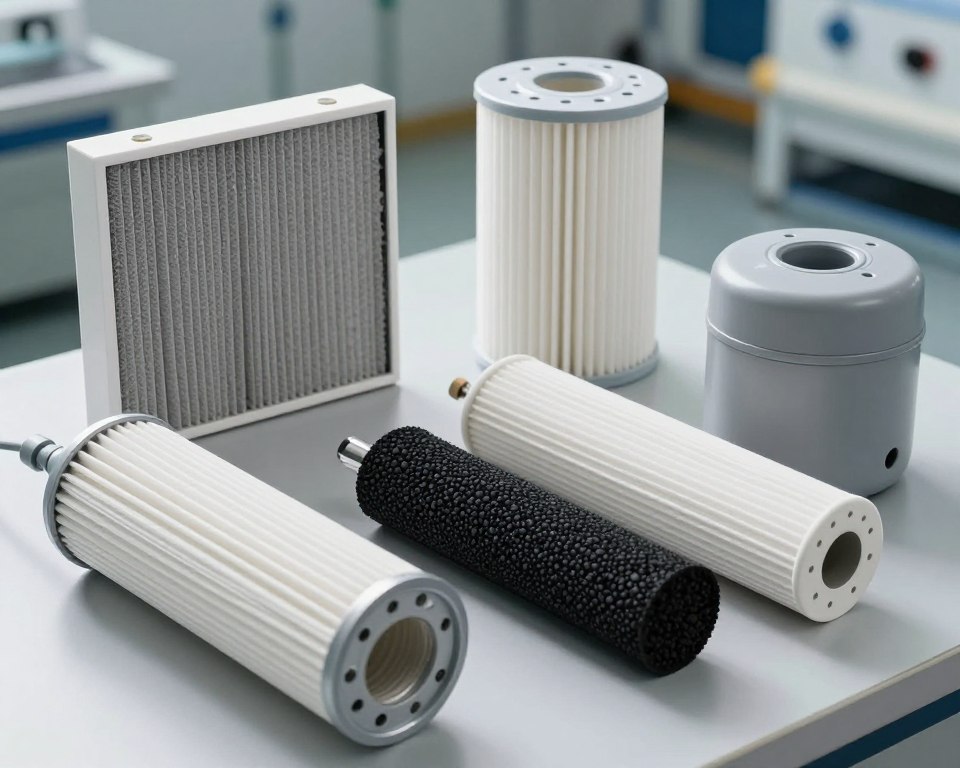
The physical structure of an activated carbon filter affects how well it catches airborne chemicals. Different designs are used to balance adsorption power and airflow. Some air purifiers use up to 15 pounds of carbon for heavy-duty VOC removal.
Granular Activated Carbon Filters
Granular media is made of small, loose carbon particles. It has a massive surface area for quick adsorption of many VOCs. Air flows through easily, making it great for high-volume air circulation.
Carbon Block Filters and Their Density
Carbon block filters are made by compressing fine carbon powder. This high-density structure forces air to move slowly, increasing contact with pollutants. Though it traps small particles well, it needs a strong fan for good airflow.
Impregnated Carbon for Specialized Chemical Removal
Standard carbon doesn’t catch all chemicals, like formaldehyde. Impregnated carbon is treated with chemicals to create a chemically reactive surface. This traps and neutralizes gases that standard media can’t catch.
| Filter Type | Primary Strength | Airflow Resistance | Best For |
|---|---|---|---|
| Granular | High Surface Area | Low | General VOCs |
| Carbon Block | High Density | High | Fine Filtration |
| Impregnated | Chemical Targeting | Moderate | Formaldehyde/Benzene |
Factors Influencing VOC Removal Efficiency
Creating a system for removing VOCs well needs careful planning. It’s not just about putting carbon in a box. The system must be designed to let air and carbon interact well.
The Importance of Dwell Time and Airflow
Dwell time is how long air stays with the activated carbon. If air flows too fast, it can’t bond with the carbon. To learn more, check out how to calculate activated carbon fill volume for VOCs.
High airflow might seem good, but it can actually lower performance if the filter is too thin. A balanced approach is key. It ensures the fan speed doesn’t cut down on the needed contact time for gas capture.
Surface Area and Pore Structure Variations
The adsorption mechanism depends a lot on the carbon’s surface area. Activated carbon has tiny pores that trap gas molecules. Different pore sizes catch different chemicals, so the quality of the carbon matters.
Knowing how long pollutants last is important for keeping your air clean. If you’re worried about household chemicals, find out how long do cleaning product fumes last. This helps you plan when to use your air purifier.
“The effectiveness of an adsorption system is dictated by the kinetic energy of the molecules and the physical architecture of the carbon bed.”
The table below shows the main factors that affect a system’s performance in real life.
| Factor | Impact on Performance | Optimization Goal |
|---|---|---|
| Dwell Time | High impact on capture rate | Increase contact duration |
| Airflow Velocity | Inverse relationship to capture | Maintain steady, low speed |
| Pore Structure | Determines molecule size capacity | Match carbon type to VOC |
| Media Density | Affects total adsorption capacity | Maximize carbon mass |
By focusing on these technical details, you can greatly improve your adsorption mechanism performance. Regular maintenance and proper design are key to keeping your filter effective over time.
Comparing Activated Carbon to Other Air Purification Technologies
When we talk about cleaning the air, it’s important to know the difference between removing particles and adsorbing gases. Many people think one device can get rid of all indoor pollutants. But, the truth is, different filters work best with different contaminants.
Activated Carbon Versus HEPA Filtration
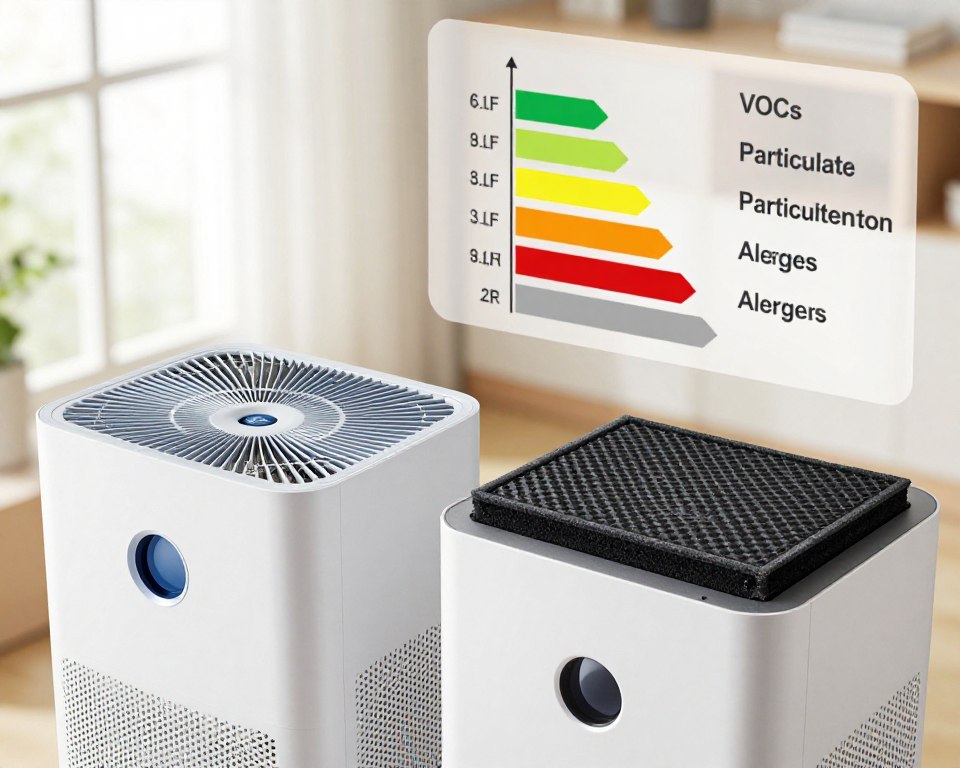
High-Efficiency Particulate Air (HEPA) filters are top-notch for catching solid particles like dust and pollen. But, they can’t trap gas molecules. This is why the HEPA vs carbon debate is key for good air quality.
Activated carbon works by adsorbing gas molecules on its surface. While HEPA filters block solid particles, carbon absorbs odors and VOCs. Using only a HEPA filter leaves your home open to harmful gas vapors, as shown in recent research on indoor air cleaners.
Synergy Between Carbon and Photocatalytic Oxidation
Some air purifiers mix activated carbon with photocatalytic oxidation (PCO) for better results. PCO breaks down pollutants with UV light and a catalyst. But, it might not always get rid of pollutants completely, leading to chemical oxidation byproducts.
Activated carbon is a safety net in these systems. It catches any leftover compounds that PCO can’t handle. This combo offers a more thorough air cleaning. But, it’s important to use high-quality carbon to handle these byproducts well.
| Technology | Primary Target | Mechanism | Effectiveness |
|---|---|---|---|
| HEPA Filter | Particulates | Mechanical Sieving | High for dust/pollen |
| Activated Carbon | Gaseous VOCs | Adsorption | High for odors/chemicals |
| Photocatalytic Oxidation | VOCs/Microbes | Chemical Breakdown | Variable/Risk of byproducts |
Maintenance and Replacement Cycles for Carbon Filters
Knowing how long your carbon media lasts is key to keeping the air clean. Activated carbon can only hold so many pollutants before it’s full. This means air purifier maintenance is essential for homeowners.
Signs That Your Carbon Filter Is Saturated
When you start smelling bad odors again, your filter might be full. If cooking smells or chemical fumes stick around, it’s time to check. Reduced airflow or less effective air cleaning are also signs it needs a change.
Some air purifiers have sensors to tell you when to replace the filter. These sensors give you a clear signal when it’s time. Replacing the filter right away keeps the air clean and prevents bad air from circulating.
Best Practices for Extending Filter Lifespan
Keeping the pre-filter clean helps your carbon media last longer. The pre-filter catches big particles, keeping the carbon pores open. Vacuuming or washing the pre-filter regularly helps the carbon work better.
Environmental factors also affect how long a filter lasts. High humidity can make carbon adsorb water instead of pollutants. Keeping your home’s humidity in check helps the carbon focus on removing chemicals.
| Usage Intensity | Typical Lifespan | Maintenance Requirement |
|---|---|---|
| Low (Occasional) | 18 to 24 Months | Check pre-filter monthly |
| Moderate (Daily) | 12 Months | Clean pre-filter bi-weekly |
| High (Continuous) | 6 Months | Replace pre-filter quarterly |
The Role of Air Purifier Design in VOC Mitigation
The design of an air purifier is key to catching pollutants, not just letting them pass by. Even the best carbon filters can’t work if the air purifier isn’t built right. The effectiveness of advanced air purifiers depends on their construction.
Sealed Systems Versus Bypass Leakage
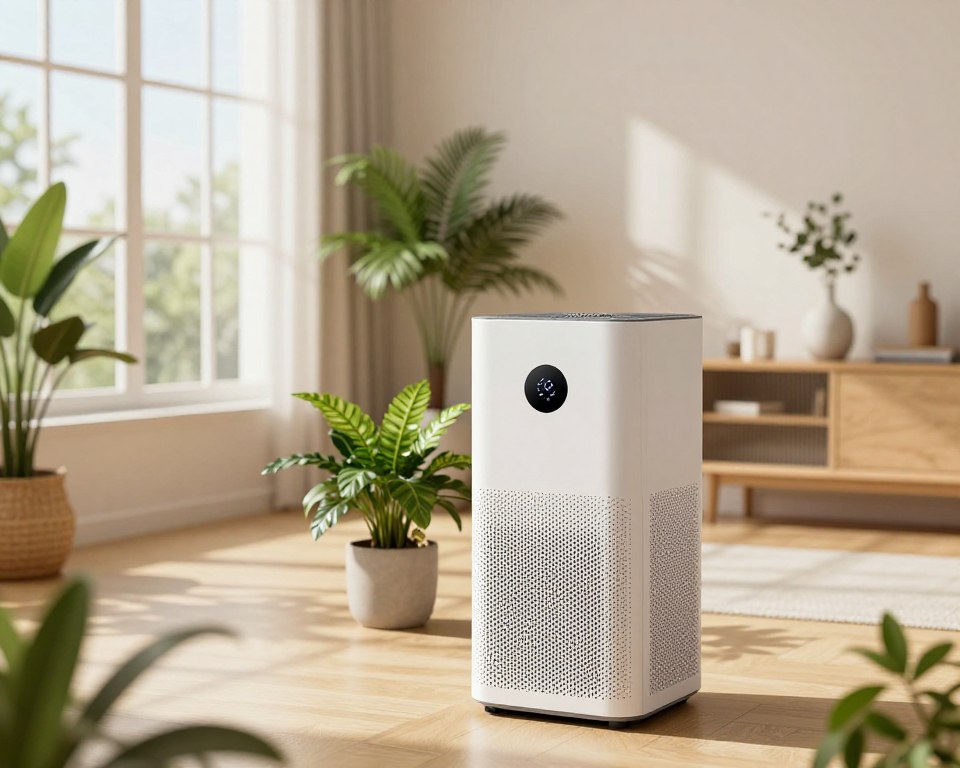
A sealed system is the best for removing chemicals. These units have tight seals and precise housing. This ensures all air goes through the carbon filter, not around it.
Without proper seals, a lot of air goes back into the room untreated. This makes even the most expensive filters useless for VOC mitigation. Make sure the manufacturer promises a fully sealed system for your money’s worth.
Optimizing Placement for Maximum VOC Reduction
The best air purifier design won’t help if it’s not in the right spot. Place it where air moves a lot, like away from corners or furniture. It works best near sources of chemicals, like new furniture or workspaces.
Give the unit enough space around it for air to flow well. This lets the fan pull in more air, making the filter work harder. Keeping air moving is essential for keeping pollutants low.
| Design Feature | Impact on VOC Removal | Performance Level |
|---|---|---|
| Sealed Gaskets | Prevents bypass leakage | High |
| High-Density Carbon | Increases adsorption capacity | High |
| Open Chassis | Allows untreated air escape | Low |
| Strategic Placement | Improves air exchange rate | Moderate |
Addressing Specific VOCs Like Formaldehyde and Benzene
Not all volatile organic compounds are caught by standard air filters. Some chemicals are harder to trap than others. It’s important to know which ones are a risk to your health.
Challenges with Low-Molecular-Weight Compounds
Standard activated carbon uses physical adsorption to trap molecules. But, small molecules like formaldehyde are hard to catch this way. They can slip through the carbon’s pores.
The bond between these tiny molecules and the carbon is weak. This means they can escape back into the air. This is called desorption and makes standard filters less effective.
When to Use Chemically Treated Carbon Media
To remove formaldehyde effectively, you need more than standard carbon filters. Chemically treated media, or impregnated carbon, is designed for this purpose. It’s coated with special agents that react with pollutants.
This reaction, called chemisorption, creates a strong bond. It turns harmful gases into solid compounds. If your air quality tests show high levels of formaldehyde or benzene, you need this type of filter for your safety.
Environmental and Safety Considerations
Getting rid of used carbon media is key to keeping your indoor air clean. When a carbon filter is full, it holds a lot of pollutants. It’s important to handle these pollutants carefully to avoid making your air worse.
Disposal of Used Carbon Filters
Most home carbon filters are treated like regular trash. But, you should check with your local waste service to be sure. Some places have special rules for disposing of filters that catch chemicals.
Always follow your area’s environmental rules. This keeps everyone safe and the air clean.
Here are some best practices for removing a used filter:
- Turn off and unplug the air purifier before opening the unit.
- Place the used filter directly into a heavy-duty plastic bag and seal it tightly.
- Wear gloves if you have sensitivities to the chemicals captured by the media.
- Wash your hands thoroughly after handling the old filter.
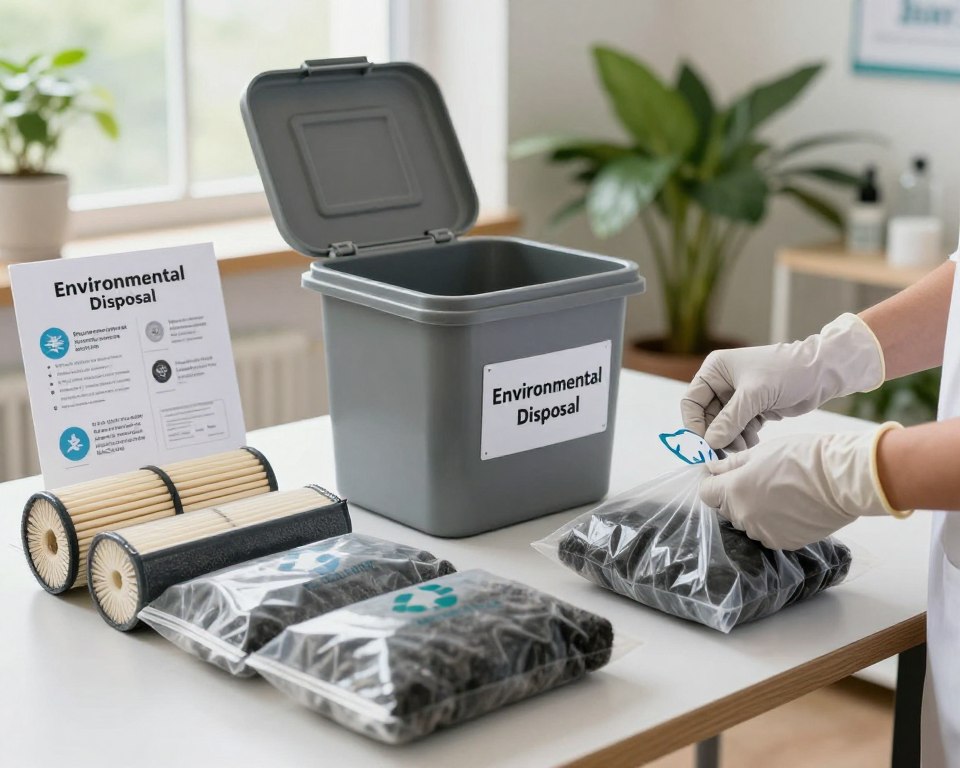
Image Disclosure Regarding Educational Illustrations
Some pictures in this article might be AI-made for learning. They help explain how filters work in simple terms.
Remember, these pictures are not a substitute for expert advice. If you’re worried about air quality or health, talk to a professional or an industrial hygienist.
Testing and Certification Standards for Air Purifiers
Finding the right air purifier can be tricky. Many devices claim to clean your air, but they often focus on solid particles, not gases. It’s key to know the difference to really improve your air quality.
Understanding CADR Ratings for Gases
The Clean Air Delivery Rate, or air purifier CADR, measures how well a device removes smoke, dust, and pollen. But, it’s mainly for solid particles, not gases. This means it doesn’t show how well a filter can handle chemical vapors.
Gases are much smaller than dust, so they act differently in filters. A high CADR score might not mean much for removing chemical gases. True gas-phase performance needs special tests that CADR doesn’t cover.
“Consumers should recognize that a high particulate removal rate does not automatically translate to high chemical adsorption capacity. The two processes rely on entirely different physical mechanisms.”
The Significance of AHAM and Energy Star Certifications
The Association of Home Appliance Manufacturers (AHAM) has a certification program. It helps standardize claims, but it mainly tests for solid particles. When comparing HEPA vs carbon, remember AHAM tests HEPA’s efficiency, not carbon’s.
Energy Star focuses on energy use, not air cleaning. A device might save energy but not clean gases well. Look at these factors:
- Independent Lab Testing: Find third-party reports on VOC reduction.
- Filter Weight: A heavier carbon filter means more media for gas adsorption.
- Manufacturer Transparency: Trust brands that share data on removing common gases like formaldehyde.
By focusing on real performance data, you can find air purifiers that really tackle chemical pollutants. Choose verified data over generic labels to make sure your air purifier works as promised.
Common Misconceptions About Carbon Filtration
Exploring air purification often leads to misunderstandings about activated carbon. These filters work well for certain chemical vapors but not for all air quality issues. Setting realistic expectations is key to a healthy home.
Can Carbon Remove All Indoor Pollutants
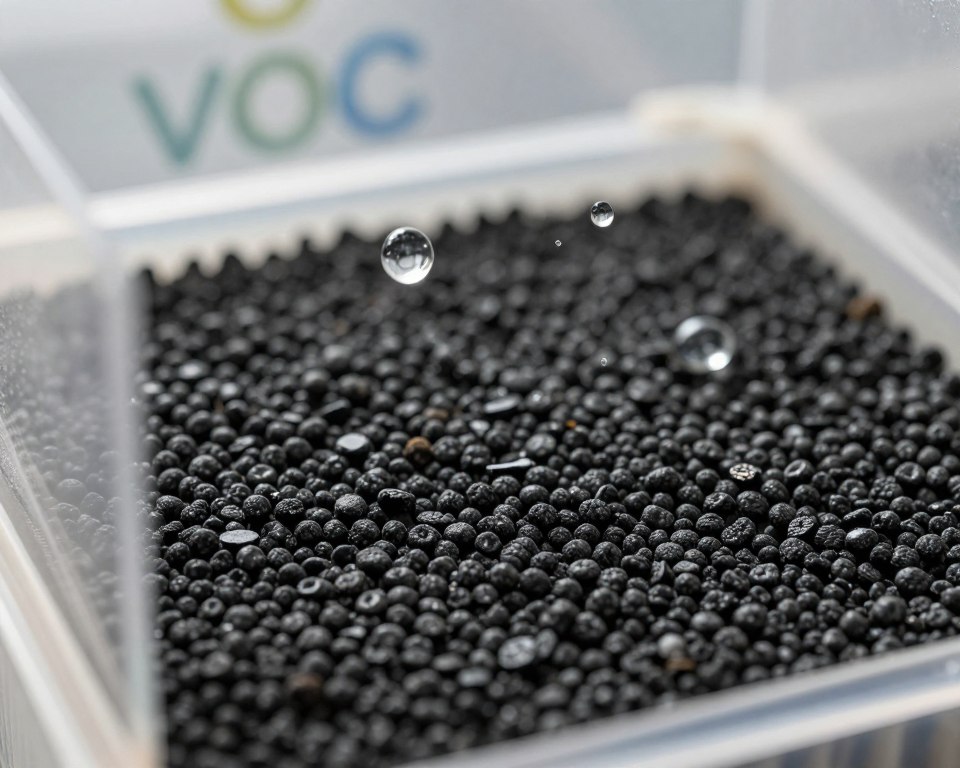
Many think a carbon filter can catch every airborne contaminant. But, it’s only good for gaseous pollutants and odors, not for dust, pollen, or mold spores.
Some media can help with formaldehyde removal, but standard carbon filters can’t handle viruses, bacteria, or heavy metals. Relying only on carbon leaves harmful particles in your air.
The Myth of Permanent VOC Elimination
Another myth is that VOCs can be permanently removed with a filter. But, new VOCs are always coming from furniture, cleaning products, and building materials.
Also, carbon filter saturation is a real issue. When the carbon is full, it can’t adsorb new chemicals. At this point, it might even release pollutants back into the air.
| Pollutant Type | Carbon Removal Capability | Recommended Alternative |
|---|---|---|
| VOCs (e.g., Formaldehyde) | High (if media is treated) | N/A |
| Dust and Pollen | Negligible | HEPA Filtration |
| Viruses and Bacteria | None | UV-C Light or HEPA |
| Odors | Excellent | N/A |
Regular maintenance is vital for consistent performance. By keeping an eye on your media’s lifespan, you can avoid saturation and keep formaldehyde removal effective all year.
Integrating Carbon Filtration with Ventilation Strategies
Improving indoor air quality is a complex task. It starts before you even turn on an air purifier. Carbon filters are great at catching gases, but they work best with other VOC mitigation strategies. Relying only on one device can be misleading if the environment is not clean.
Balancing Mechanical Filtration with Fresh Air Intake
Mechanical filtration moves air through a filter, but it can’t replace fresh air. Opening windows daily is a simple, cost-effective way to improve air. It helps remove stale air and chemicals that could overwhelm filters.
Combining natural air flow with an air purifier makes a stronger system. The purifier deals with pollutants, while fresh air refreshes the space. This mix makes your carbon filter last longer and work better.
“The most effective air quality plan is one that prioritizes the removal of the pollutant at its origin, followed by dilution, and then mechanical filtration.”
Reducing Source Emissions Before Relying on Filtration
Finding and controlling indoor pollution sources is key. Before spending on filters, check your home for pollutants like fragrances and chemicals. Removing these items or choosing low-VOC products helps your air system less.
Controlling sources is the base of a healthy home. By cutting down chemical emissions, your carbon filter can handle the rest. This saves money and keeps your home safer.
| Strategy | Primary Benefit | Cost Level |
|---|---|---|
| Source Control | Eliminates pollutants | Low |
| Natural Ventilation | Dilutes concentrations | Zero |
| Carbon Filtration | Adsorbs residual VOCs | Moderate |
Cost Analysis of Long-Term VOC Management
When picking an air purifier for VOC removal, it’s key to look at the total cost. The initial price is just the start. The real cost comes over years of use. A good plan considers both the upfront cost and ongoing needs.
Initial Investment Versus Replacement Costs
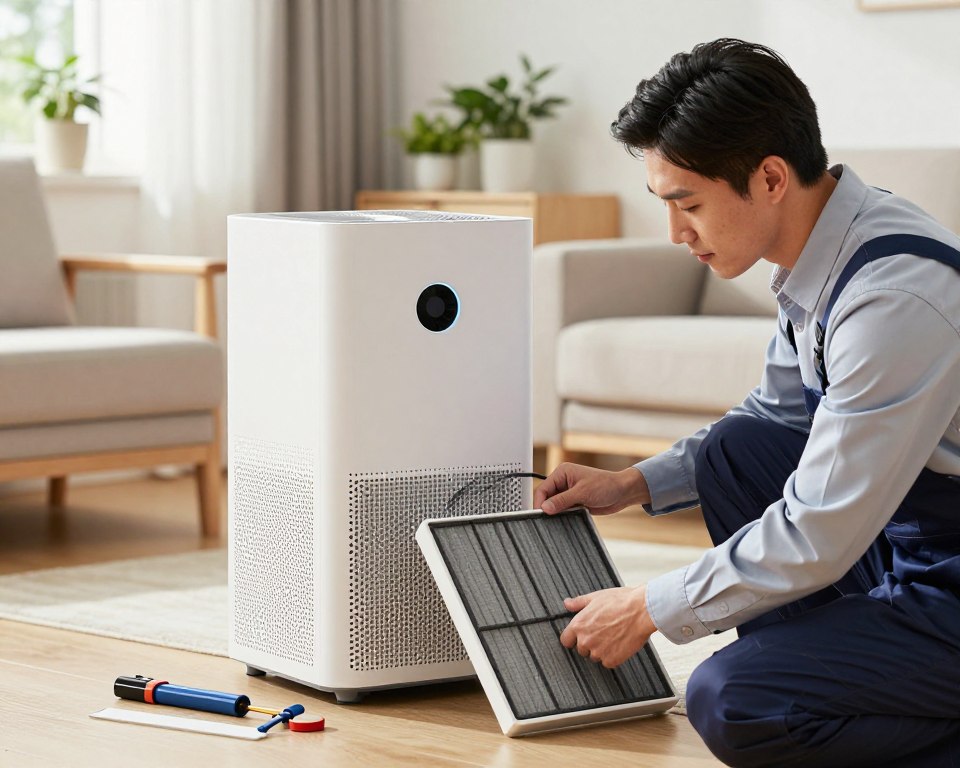
Top-notch air purifiers cost more upfront because they need lots of activated carbon. But, the biggest ongoing cost is air purifier maintenance. You’ll need to replace filters often, as they get full and can’t catch pollutants anymore.
Smart consumers think about the monthly cost, not just the filter price. Choosing units with big, lasting filters can save money over three years. Make sure to follow the maker’s advice on when to replace filters to avoid sudden costs.
Energy Consumption of High-Performance Purifiers
The power needed by a purifier affects its efficiency, mainly when it runs fast to keep a high air purifier CADR. Bigger motors and denser filters use more power. Check the energy use to avoid high bills.
“The most cost-effective air purification strategy is one that balances high-efficiency filtration with sustainable energy usage and predictable maintenance cycles.”
When looking at different models, think about the costs over time. This helps pick the right one for your budget.
| Cost Category | Low-End Model | High-Performance Model |
|---|---|---|
| Initial Purchase | $150 – $300 | $600 – $1,200 |
| Annual Filter Cost | $50 – $100 | $150 – $300 |
| Energy Usage | Low | Moderate to High |
| Expected Lifespan | 2-3 Years | 5-8 Years |
Investing in a top air purifier CADR for gases is worth it. It works better and needs less air purifier maintenance over time. Choosing quality means your home stays safe without breaking the bank.
Future Innovations in Adsorption Technology
New breakthroughs in material science are changing how we keep our air clean indoors. Scientists are working hard to find new ways to fight pollutants. This is making it easier to capture harmful substances.
Nanotechnology and Advanced Porous Materials
Researchers are focusing on nanomaterials with huge surface areas. They’re making materials at the molecular level. This creates structures that can catch even the tiniest gas molecules.
These new materials can hold more pollutants than old filters. This means future filters will be thinner, lighter, and work better at keeping air clean.
Smart Sensors for Real-Time VOC Monitoring
Digital smarts are being added to air cleaners. Now, smart sensors give real-time data on pollutants in your home.
These sensors let you manage air quality without guessing. They adjust fan speeds when pollution goes up. This keeps your air safe and extends filter life.
Keeping up with these new techs helps you upgrade your air system. As these tools get easier to use, keeping your air healthy will get simpler and more accurate.
Conclusion
Activated carbon is a proven way to fight volatile organic compounds in homes. It works by adsorption, catching gases that regular filters can’t. Keeping these systems clean is key to good air quality.
To have a clean home, you need a few steps. Start by choosing furniture and paints that don’t off-gas. Then, add good air flow and top-notch carbon filters. This combo fights chemical buildup well.
Watching your home’s air is important for your health. Look into systems from IQAir or Blueair for your home. Use what you learn to improve your air quality.
Learning about these technologies makes your home safer. Share your experiences or ask about air quality concerns. This helps us all work towards better air and health.
FAQ
What exactly are Volatile Organic Compounds (VOCs) and where do they come from?
VOCs are gases from solids and liquids in homes. Sources include paints, varnishes, and cleaning supplies. Modern homes trap these gases, making indoor levels much higher than outside.
How does activated carbon remove gases through adsorption?
Activated carbon traps gas molecules on its surface. It’s treated to have lots of tiny pores. This huge surface area captures chemical contaminants well.
Can a HEPA filter remove chemical odors and VOCs?
No. HEPA filters are great for dust and pollen but not gases. For VOCs, you need activated carbon in the air purifier.
What is the difference between granular activated carbon and carbon block filters?
Granular Activated Carbon (GAC) has loose pellets for good airflow. Carbon block filters are denser, also filtering particles. Austin Air uses GAC for better gas capture.
Why is “dwell time” important for air purification?
Dwell time is how long air stays with the carbon. Quick air movement can miss gas capture. Good systems balance airflow and carbon thickness for gas removal.
Does activated carbon remove all types of household gases?
Activated carbon works well for many gases but not all. Low-molecular-weight gases like formaldehyde need special carbon.
How do I know when it is time to replace my carbon filter?
Replacing is needed when odors return or smell “sour”. Unlike clogged filters, a used carbon filter lets air through but misses VOCs.
Are CADR ratings a good indicator of how well a purifier removes VOCs?
CADR ratings focus on particles, not gases. For VOC removal, look at carbon weight and lab tests, not CADR.
Is physical adsorption safer than technologies like photocatalytic oxidation (PCO)?
Physical adsorption is safer because it just traps molecules. PCO can create harmful byproducts if not complete. Physical filtration avoids this.
Can I rely solely on an air purifier to manage indoor air quality?
Air purifiers are part of a bigger plan. First, control VOC sources and use natural ventilation. Use air purifiers from brands like Blueair or IQAir when needed.
Are there any specific certifications I should look for?
Look for Energy Star for efficiency and CARB standards for safety. These ensure the device is safe and efficient for home use.