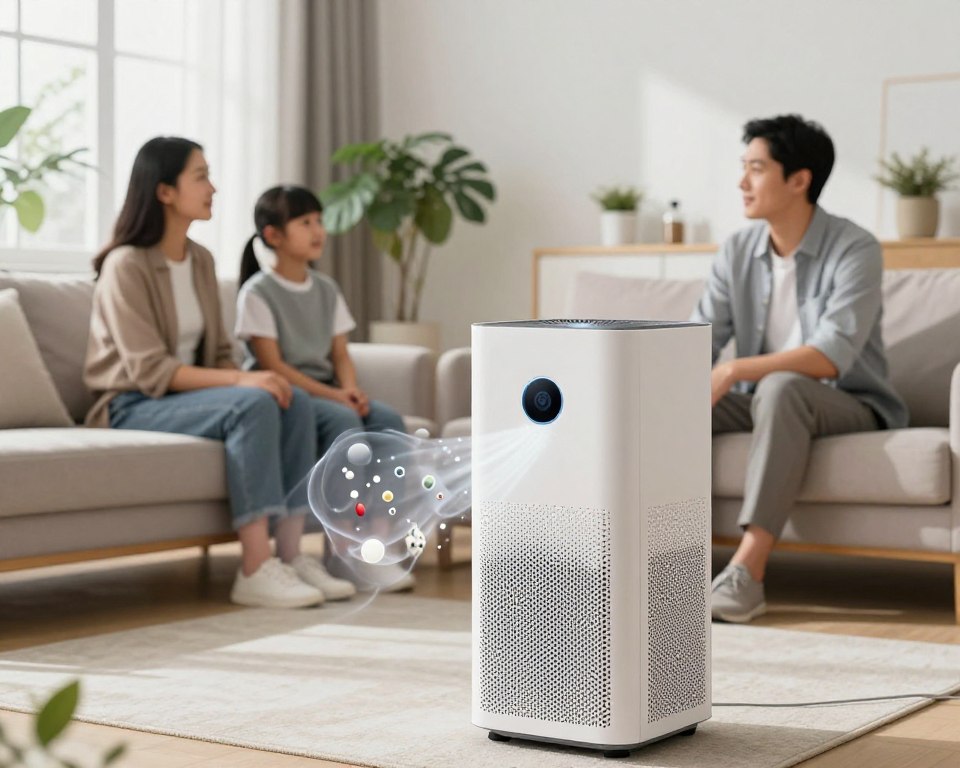
Do you really know what your home filtration system catches? Many think standard devices clean up all indoor pollution. But the truth is more complex.
As a pharmacist, I see people spend a lot on tech based on ads, not facts. It’s key to know that not all filtration systems work the same. Some are great at catching dust and dander but miss volatile organic compounds or gases.
To figure out if Can Air Purifiers Remove Toxic Chemicals well, we must split things up. We need to know if they catch particles or gases. For real chemical safety, we need special tech like activated carbon, not just filters.
Key Takeaways
- HEPA filters are designed for particles, not gaseous pollutants.
- Activated carbon is the primary technology for capturing household chemicals.
- Marketing claims often exaggerate the capabilities of basic home units.
- Evidence-based performance metrics should guide your purchasing decisions.
- Understanding the difference between particles and gases is essential for safety.
Understanding Indoor Air Quality and Chemical Pollutants
Many homeowners are surprised to find that the indoor air quality in their homes is often worse than outside. In modern, tightly sealed homes, pollutants can be up to 10 times more concentrated than outside. This is because air exchange rates are low, trapping pollutants inside.
Common Sources of Volatile Organic Compounds in the Home
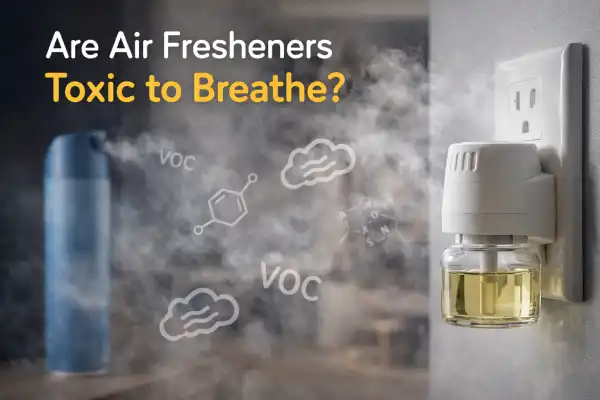
Volatile organic compounds, or VOCs, are a big concern for home health. These chemicals come from many everyday products in our homes. Things like oil-based paints, aerosol sprays, and even some furniture can release harmful gases.
These substances can stay in the air for a long time, causing health problems. Identifying these sources is key to improving your home’s air. By choosing products with lower VOCs, you can reduce the chemicals in your home.
The Difference Between Particulate Matter and Gaseous Pollutants
It’s important to know the difference between solid particles and gases. Particulate matter, like dust and pollen, can be caught by standard filters. But volatile organic compounds are gases that pass through these filters.
To remove these gases, you need special technology. Basic filters can’t catch the tiny molecules of these gases. Here’s a table showing the main differences between these pollutants.
| Pollutant Type | Physical State | Removal Method | Common Examples |
|---|---|---|---|
| Particulate Matter | Solid/Liquid | HEPA Filtration | Dust, Pollen, Dander |
| Gaseous Pollutants | Molecular Gas | Activated Carbon | Formaldehyde, Benzene |
| Biologicals | Micro-organisms | UV/HEPA | Mold Spores, Bacteria |
Can Air Purifiers Remove Toxic Chemicals
Understanding if air purifiers can remove toxic chemicals is key to better indoor air. Many units are great at catching dust and pollen. But, they need special tech to handle gaseous pollutants. The right filter must match the pollutants in your home.
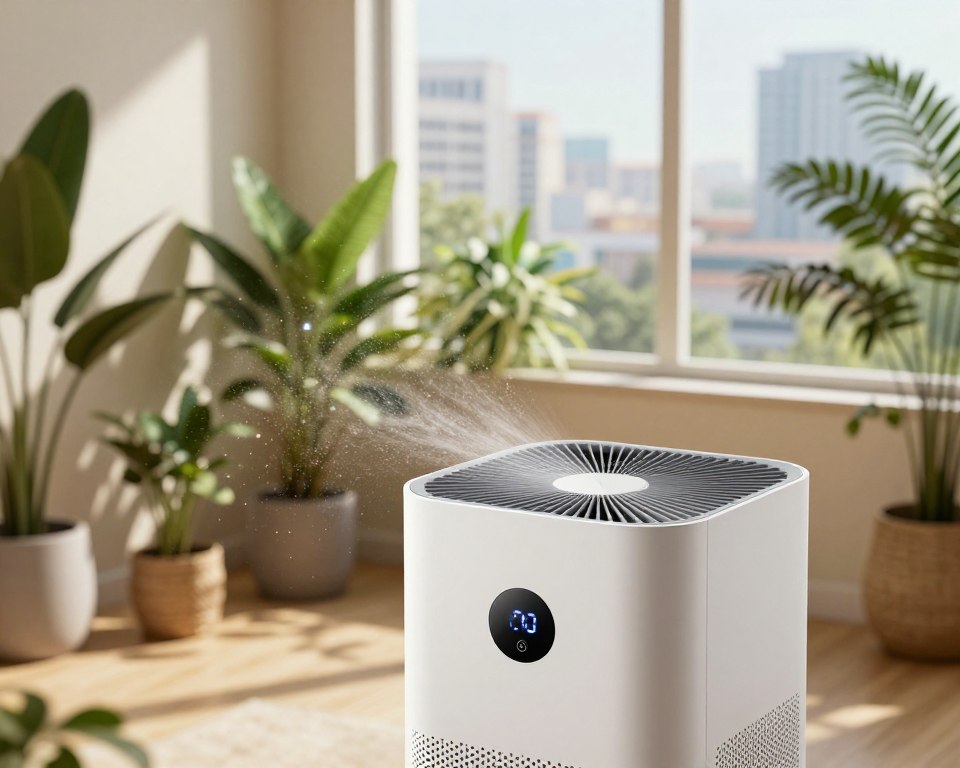
How Activated Carbon Filters Trap Chemical Vapors
Activated carbon is the top choice for tackling VOCs. It’s treated at high heat to create lots of tiny pores. Air flowing through these pores traps gas molecules on the surface, a process called adsorption.
Adsorption works well for many household smells and gases. A single filter can hold a lot of pollutants before it gets full. It’s the go-to for reducing chemicals in homes.
The Role of Chemisorption in Neutralizing Formaldehyde
Standard carbon filters might not handle all small gas molecules. That’s why formaldehyde removal needs advanced tech. Some top purifiers use chemisorption to tackle these tough pollutants.
This method changes the gas into something safe. My experience shows that combining HEPA filters with chemical-specific media works best. This way, you catch both solid and gas pollutants.
Limitations of Standard HEPA Filtration
Air purification technology has come a long way, but knowing what your device can do is key. Many people think any good unit can get rid of all indoor pollutants. But, a standard HEPA filter is great at catching solid particles. It can’t, though, handle gaseous pollutants.
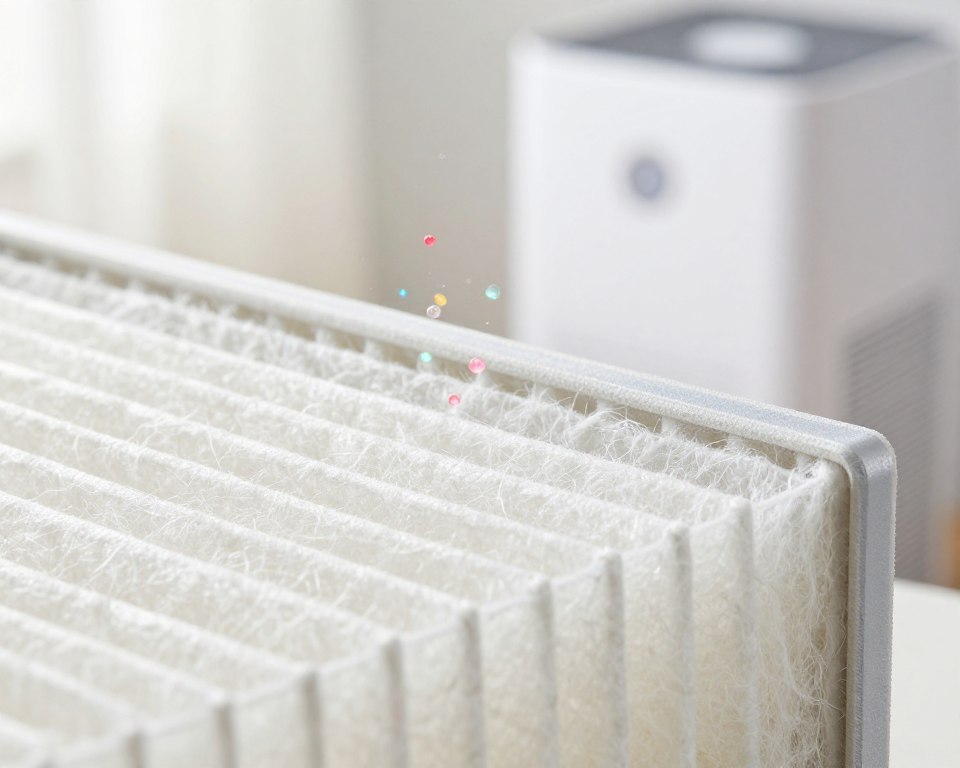
Why HEPA Filters Only Capture Solid Particles
A HEPA filter is made to catch solid stuff like dust, pollen, and pet dander. It’s designed to trap particles as small as 0.3 microns. But, chemical pollutants are gas molecules that are way smaller than the filter’s fibers.
These tiny gas molecules can easily go through a HEPA filter. Relying only on this for cleaning chemicals won’t work. If you’re worried about household chemicals, you need more than just a HEPA filter.
The Necessity of Multi-Stage Filtration Systems
To really clean the air, you need a multi-stage system. These systems have a physical barrier for solids and a layer for chemical adsorption. A big carbon bed is often added for extra cleaning power.
By combining a HEPA filter with activated carbon, you get a strong defense. The carbon traps volatile organic compounds, keeping them from spreading. This mix keeps your air clean from dust and chemical vapors.
The Science of Activated Carbon Adsorption
At the heart of many modern air filters is activated carbon. It’s different from standard filters that catch dust. This material is made to grab gaseous pollutants through adsorption. It holds onto volatile organic compounds (VOCs) that would normally stay in the air.
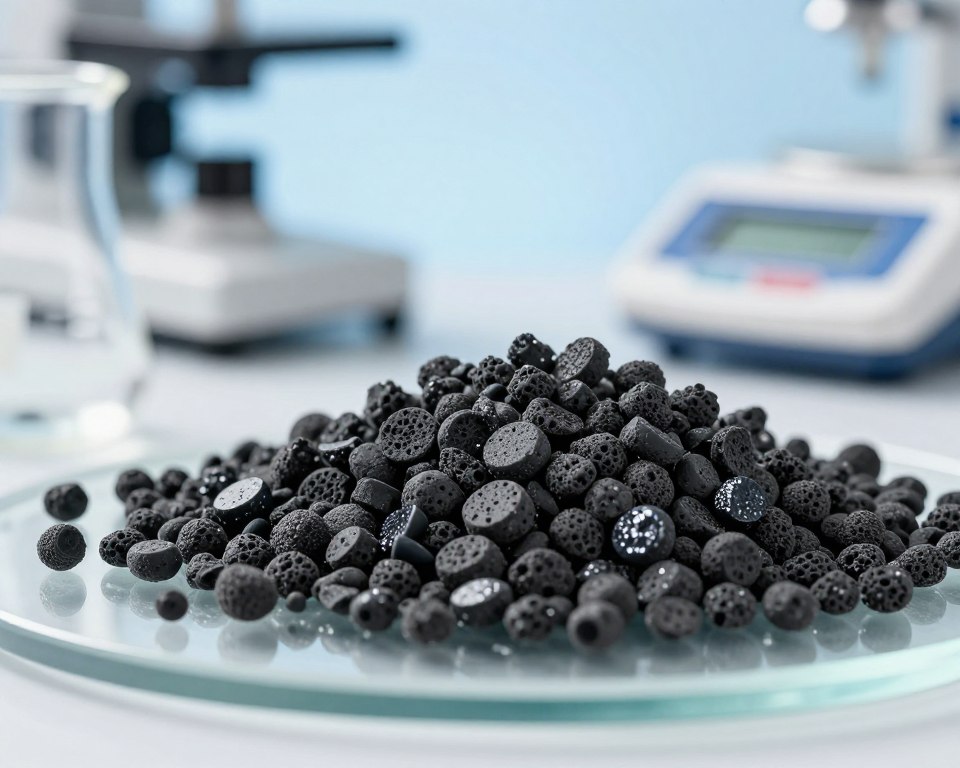
Surface Area and Pore Structure Explained
The filters work well because of their surface area and pore structure. Raw carbon is heated to create millions of tiny pores. This makes a huge network that traps gas molecules like a sponge.
When air flows through, chemical vapors get caught in these pores. This is thanks to van der Waals forces. Even a small amount of material can catch a lot of pollutants. You can learn more about how this process helps does activated carbon filter remove VOCs from indoor air by looking at the molecular weight of common gases.
Factors Affecting the Lifespan of Carbon Filters
While activated carbon is very effective, it has a limit. Once it’s full of trapped chemicals, it can’t adsorb more. At this point, it needs to be replaced to keep the air clean.
“The longevity of a filter is not merely a function of time, but a direct result of the concentration of pollutants it is forced to process daily.”
Several things can make a filter fill up faster:
- Total carbon mass: Filters with a thin layer of impregnated fabric get full quicker than those with deep beds of granular carbon.
- Pollutant concentration: High levels of off-gassing from furniture or cleaning agents will exhaust the filter media more quickly.
- Airflow volume: More air flowing through the media can make it fill up faster.
Knowing how long do cleaning product fumes last helps you know when to replace your filter. If you notice odors again, it means your activated carbon media is full.
Specialized Technologies for Chemical Removal
Some air purifiers use special technologies to remove chemicals. Unlike regular filters, these active methods change or break down pollutants. It’s key to check if advanced air purifiers are truly safer than others.
Photocatalytic Oxidation and Its Effectiveness
Photocatalytic oxidation, or PCO, uses UV light to start a chemical reaction. This reaction breaks down harmful chemicals into safe water vapor. This method is thought to be very effective in removing chemicals.
But, how well PCO works depends on several factors. The airflow and the type of catalyst used are critical. If the air doesn’t stay in the system long enough, the reaction might not finish. This could lead to even more harmful by-products. Always clean your home with safe products first to reduce chemicals.
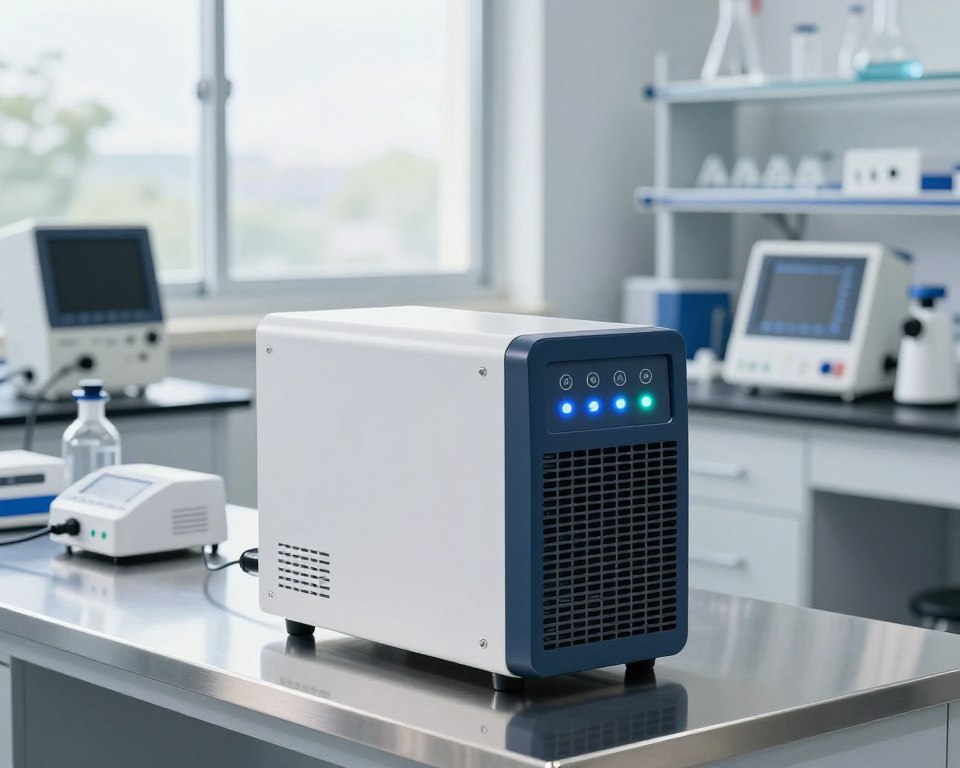
Ionization and Ozone Generators: Risks and Benefits
Ionization is another technology found in air cleaners. It releases charged ions to make particles stick together, making them easier to catch. But, many of these devices also make ozone, which can harm your health.
Ozone can irritate your lungs and make breathing problems worse. I recommend avoiding systems that make ozone. Choose a system that doesn’t produce ozone to keep your air clean and safe.
Identifying High-Risk Chemicals in Your Environment
Keeping yourself safe starts with finding pollution in your home. Many household items release harmful gases called volatile organic compounds, or VOCs. It’s key to find and fix these problems before using air purifiers.
First, get rid of the chemical source. Then, use an air purifier to clean the air. Knowing what causes pollution helps you clean your home better.
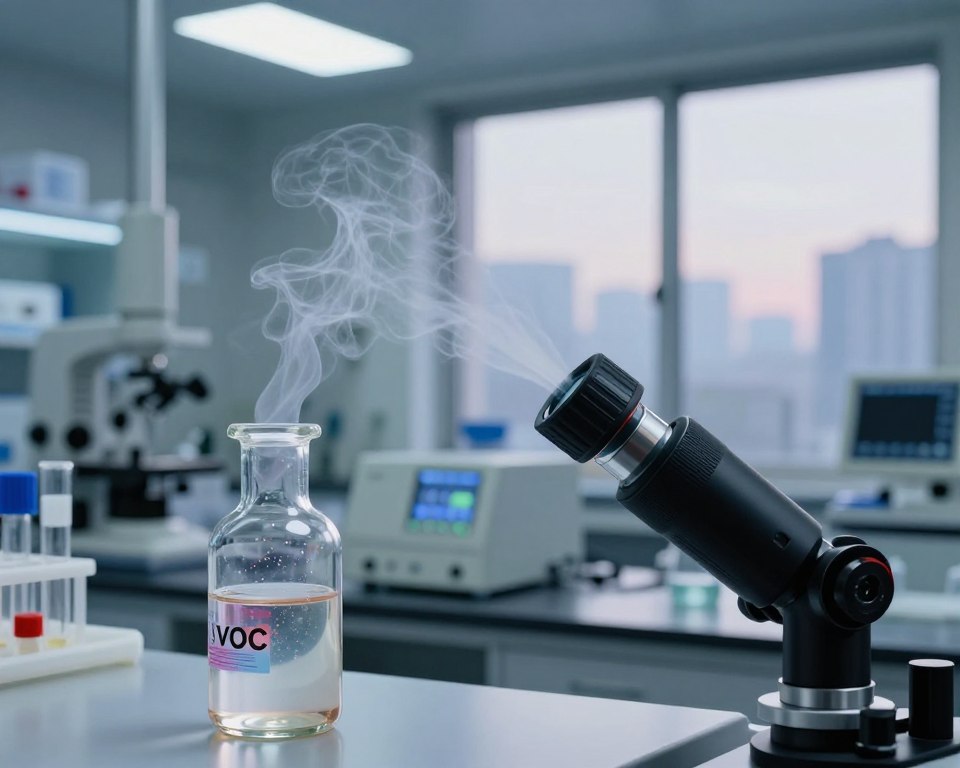
Detecting Formaldehyde from Pressed Wood Furniture
Formaldehyde is a common indoor pollutant found in pressed wood products. Items like particleboard cabinets and laminate flooring release this gas. You might smell a strong odor when these items are new or when it gets warmer.
To remove formaldehyde, you need more than just air filters. If you think there’s a lot of formaldehyde, seal the edges of pressed wood or open windows. These steps help lower pollutant levels in your home.
Managing Benzene and Toluene from Household Cleaners
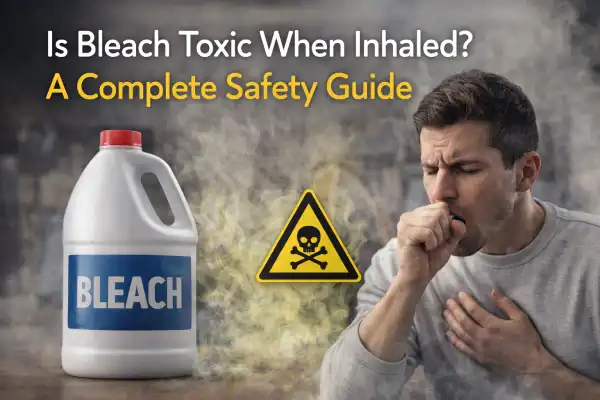
Household cleaners, paints, and beauty products also release VOCs. Benzene and toluene are in heavy-duty cleaners and sprays. These can make breathing hard.
To keep your home safe, store cleaners in sealed containers and use them with windows open. Make sure your air purifier has good activated carbon. This helps remove formaldehyde and other gases. Source control is the best way to fight indoor pollution.
Evaluating Air Purifier Performance Metrics
When checking an air purifier’s performance, don’t just trust the marketing. Look for real data. Vague promises often don’t translate to actual results. Focus on air purifier effectiveness to make sure your money improves your home’s air.
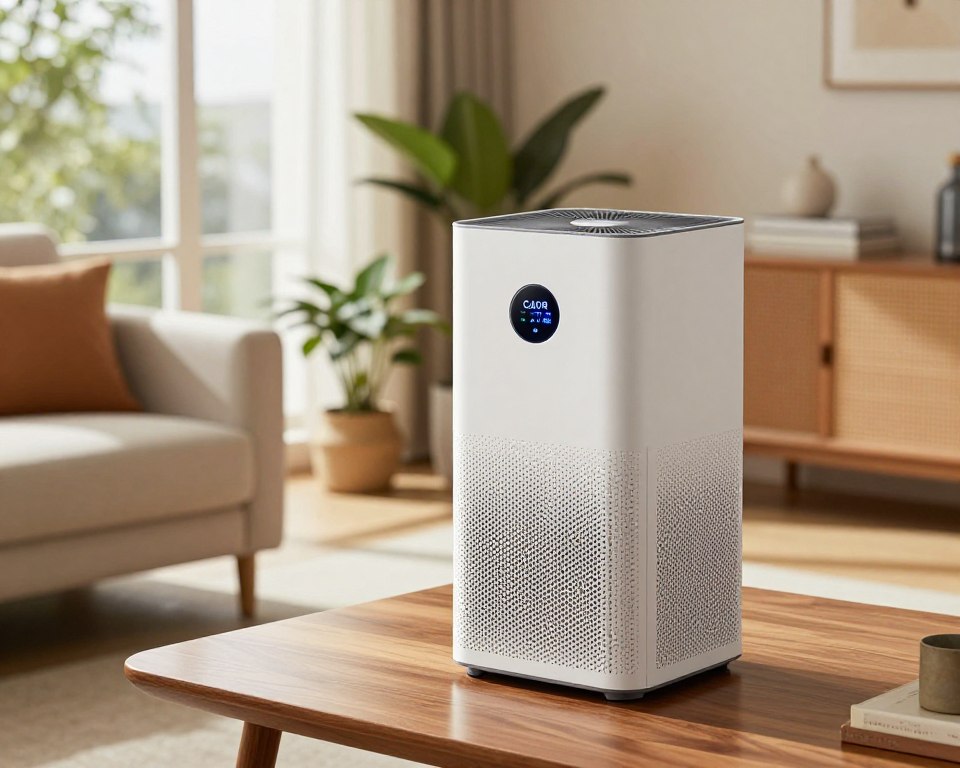
Understanding CADR Ratings for Gases
The Clean Air Delivery Rate, or CADR, shows how fast a device cleans a room. It’s used for dust and pollen, but now also for gases. The AHAM Verified program tests at the highest speed for a fair comparison.
Remember, CADR ratings are for controlled tests. Lower speeds mean less air is cleaned. Make sure the device is tested for gas vapors, not just solid particles.
Interpreting Manufacturer Claims vs. Independent Lab Testing
Marketing often boasts about features without solid science. Look for products tested by independent laboratories. This third-party check is more reliable than company reports.
Be wary of claims to remove all toxins without proof. For example, cleaning chemical residues from multi-surface sprays needs a filter with proven adsorption. Always seek clear data on what chemicals are removed and how well.
Image Disclosure and Educational Illustration
Visual clarity is key when talking about indoor air quality. This article uses digital illustrations to explain how pollutants work with filters.
These images aim to give a conceptual overview of complex chemical processes. They help readers see the invisible actions inside an air purifier.
Purpose of AI-Generated Visuals in Veterinary and Health Contexts
Some images here are made by artificial intelligence. Their main goal is to offer educational support for those interested in air chemistry and health.
By making complex science simple, these visuals help understand how filters catch harmful compounds. This makes technical info easier for more people to grasp.
Limitations of Digital Illustrations in Professional Diagnosis
It’s key to remember these digital images aren’t a replacement for expert advice. They show general ideas but can’t meet the unique needs of individuals or pets.
Always talk to a healthcare expert or vet about health issues. The table below shows the difference between educational visuals and professional medical checks.
| Feature | Educational Illustration | Professional Diagnosis |
|---|---|---|
| Primary Goal | Conceptual understanding | Clinical treatment |
| Data Source | General scientific principles | Patient-specific testing |
| Reliability | Informational guidance | Medical standard of care |
| Application | Home air quality awareness | Health condition management |
Strategic Placement for Maximum Chemical Reduction
The success of your air purifier depends on where you place it. Many people hide them in corners to save space. But this limits the air flow needed to remove chemical vapors. It’s key to place your air purifier right to catch the most air in your home.
Optimizing Airflow in Enclosed Spaces
For the best results, put your air purifier in an open area. This lets air move freely from all sides. Don’t hide it behind curtains or under heavy furniture. Free airflow is vital for the filters to catch pollutants well.
Also, make sure the air purifier fits your room size. A small unit can’t handle big spaces, leaving chemicals unchecked. Choosing the right size for your room is key to clean air.
“The most sophisticated filtration system will underperform if it is starved of the air it is designed to clean.”
Addressing Point-Source Pollution in Kitchens and Workshops
For specific chemical problems, like new furniture or workshop fumes, get close. Placing the unit near the source boosts its effectiveness. This air purifier placement helps catch pollutants before they spread.
In kitchens, near cooking or cleaning areas is best. But keep it away from heat or flames to protect the filter. Smart placement makes a big difference in fighting chemical exposure.
Maintenance Requirements for Chemical-Specific Purifiers
Keeping your air purifier in top shape is key to removing chemical vapors well. Unlike dust filters, which get dirty to see, carbon filters don’t show dirt. You can’t tell if they’re working just by looking.
When to Replace Carbon Filters
Activated carbon filters work by adsorbing chemicals. Over time, they fill up with pollutants. When they’re full, they can’t catch new ones.
Most makers say to change them every three to six months, based on how much you use it. Sticking to this schedule is important. A buying guide can help you know how long different filters last.
Signs That Your Purifier Is No Longer Removing Odors
When a filter is full, it might not adsorb chemicals anymore. It could even release smells back into your air. You might smell a stale or musty smell when it’s on.
If smells from cooking or cleaning last too long, your activated carbon needs a check. Keeping a log of when you change filters helps keep your air clean.
| Indicator | Action Required | Frequency |
|---|---|---|
| Manufacturer Schedule | Replace Filter | Every 3-6 Months |
| Persistent Odors | Check/Replace | As Needed |
| Reduced Airflow | Inspect Pre-filter | Monthly |
| Usage Log | Update Records | Per Change |
Ventilation as a Primary Defense Strategy
To get the best indoor air quality, you need a mix of natural airflow and mechanical filters. Modern devices are great, but they’re not a full replacement for good ventilation.
The Importance of Fresh Air Exchange Rates
Opening windows and doors is the best way to clear out indoor chemicals. When you do things that release a lot of chemicals, like painting, fresh air is key. It’s your primary defense.
Stuck air lets pollutants build up, even with top-notch air purifier ventilation. Letting in outdoor air removes the pollution from your home.
Balancing Mechanical Filtration with Natural Ventilation
I suggest mixing air purifiers with fresh air to keep your home healthy. Relying only on tech can be risky, when chemicals are released a lot.
Good indoor air quality means using purifiers for dust and opening windows for gases. This mix keeps your home safe and fresh all year.
Health Implications of Long-Term Chemical Exposure
Many homeowners don’t realize the harm of breathing in contaminated air over years. Acute reactions are quick, but the real danger is in long-term exposure to pollutants. Knowing these risks is key to a healthy home.
Respiratory Sensitivities and Chemical Off-Gassing
Long-term exposure to VOCs can cause health problems. These include ongoing respiratory issues and damage to the liver and kidneys. When materials in your home release chemical off-gassing, they fill the air with invisible vapors.
Wonder if disinfectant spray is toxic to breathe when used every day? Using harsh cleaners daily adds to the chemical load. This can lead to or worsen breathing problems, making it hard for lungs to work well.
Protecting Vulnerable Populations and Pets
Some people in your home are more at risk because of their size and time indoors. Kids, the elderly, and pets feel the effects of bad air more than adults. As a pharmacist, I see air purifier health benefits as a must for these groups.
By cutting down on airborne toxins, you make a safer space for everyone. Here are key steps to reduce risks:
- Prioritize ventilation to lower indoor pollutant levels.
- Use top-notch filtration to catch chemical off-gassing from furniture and carpets.
- Watch how much you use aerosol products to cut down on VOCs.
- Choose systems with proven air purifier health benefits for your home.
By taking these steps, you fight the hidden dangers in your home. It’s not just about feeling good now; it’s about keeping your family’s lungs healthy for years to come.
Comparing Residential Purifiers to Industrial Grade Systems
It’s important to know the difference between air purifiers for homes and those for industrial use. Home units are designed to be quiet and look good. Industrial systems, on the other hand, are all about power and moving a lot of air.
Scalability of Filtration for Large Homes
Industrial air scrubbers are made for huge spaces like construction sites. They use strong fans to move air around a lot. But, in a home, this can be too much and cause noise and waste energy.
High-end home units are better because they use several smaller units. This way, they can clean the air well without being too loud or using too much energy. Using an industrial unit in a home can lead to bad air flow and damage the system.
Cost-Benefit Analysis of Professional Air Scrubbers
Homeowners need to think about more than just the price when choosing air purifiers. Industrial units need special, expensive filters that are hard to find. Also, keeping them clean is much harder than with home units.
For most homes, the best choice is a high-quality home purifier. These units have big carbon filters to remove chemicals. When picking a purifier, consider these points:
- Filter Capacity: Make sure it has a big carbon filter for chemicals.
- Operational Noise: Home units are made for quiet, unlike industrial ones.
- Maintenance Ease: Keeping your purifier clean is key for it to work well.
- Filtration Standards: A HEPA filter is the best for catching small particles in homes.
The goal is to find a balance between cleaning the air and keeping your home comfortable. Industrial systems are not made for homes. By choosing the right home unit, you can make your home safer and more comfortable.
Conclusion
To have a healthier home, you need to do more than just use air purifiers. Your daily habits are key to keeping your home clean. This is more important than the technology you use.
Using air purifiers well means combining them with smart choices about chemicals. Cut down on synthetic smells and harsh sprays. This makes your air cleaner for longer. Knowing if your cleaning products are safe helps keep pollutants out of your air.
Natural air flow is just as important as machines. Open windows when the air outside is fresh. This helps get rid of bad air that filters can’t catch.
Keep your air purifier in good shape to make it last. Check and change filters often. This keeps your air clean and healthy for years.
FAQ
Can air purifiers effectively remove toxic chemicals and household fumes?
Yes, air purifiers can remove toxins. But, their success depends on the filter technology used. Standard filters catch dust and some gases. For gases like VOCs, you need activated carbon or chemisorption media.
These materials have a porous structure. They adsorb or chemically neutralize gas molecules. This stops them from passing through a standard filter.
Why is a HEPA filter alone insufficient for removing chemical odors?
HEPA filters are great at catching solid particles like pollen and dust. But, they can’t handle chemical molecules because they are too small. To remove chemical odors, you need a system with a lot of carbon.
How does activated carbon work to clean the air of gases?
Activated carbon is made by oxidizing carbon. This creates a lot of tiny pores. This makes the filter good at attracting and holding gas molecules.
The amount of carbon is key. Brands like Austin Air or IQAir use a lot of carbon. This is better than thin, impregnated fabrics that get full fast.
What is chemisorption, and when is it necessary?
Chemisorption is a process where a chemical reaction happens between the gas and the filter. This is important for chemicals like formaldehyde. Standard carbon helps, but chemically treated media is better for specific vapors.
Are there risks associated with using ionizers or ozone generators?
I recommend avoiding ionizers and ozone generators. They can make ozone, which is bad for your lungs. Some systems can break down pollutants, but they can also introduce new risks.
What are the most common chemical risks I should be aware of in my home?
Your home might have formaldehyde from cabinets, and benzene and toluene from cleaners. Knowing these risks is the first step. Always try to remove the source before using an air purifier.
How do I evaluate if an air purifier is powerful enough for gas removal?
Look at the Clean Air Delivery Rate (CADR) for gases. But, independent lab tests are more reliable. Make sure the unit fits your room size for effective toxin removal.
Where is the most strategic placement for an air purifier?
Place the unit in a central spot, away from furniture. If you have a specific problem, like fumes in a workshop, put it near the source. This helps capture vapors before they spread.
How often do I need to replace carbon filters to maintain protection?
Carbon filters don’t show when they’re used up. You need to change them as the manufacturer says. An old filter won’t catch chemicals and might even release them back into the air. Keeping track of when you change filters is important for your health.
Is air purification better than opening a window for fresh air?
Air purification is a supplement, not a replacement for ventilation. Opening windows is the best way to get rid of VOCs. Use good purifiers and fresh air together for a healthy home.
Why are pets and children more sensitive to chemical off-gassing?
Kids and pets are more at risk because they are smaller and breathe more. They also spend more time near the floor where chemicals settle. Using filters to reduce chemicals is a good way to protect them.
Do I need an industrial-grade air scrubber for my house?
For most homes, a good air purifier is enough. Industrial scrubbers are for big jobs and are too loud for daily use. Home units with big carbon canisters are better for their effectiveness and quietness.