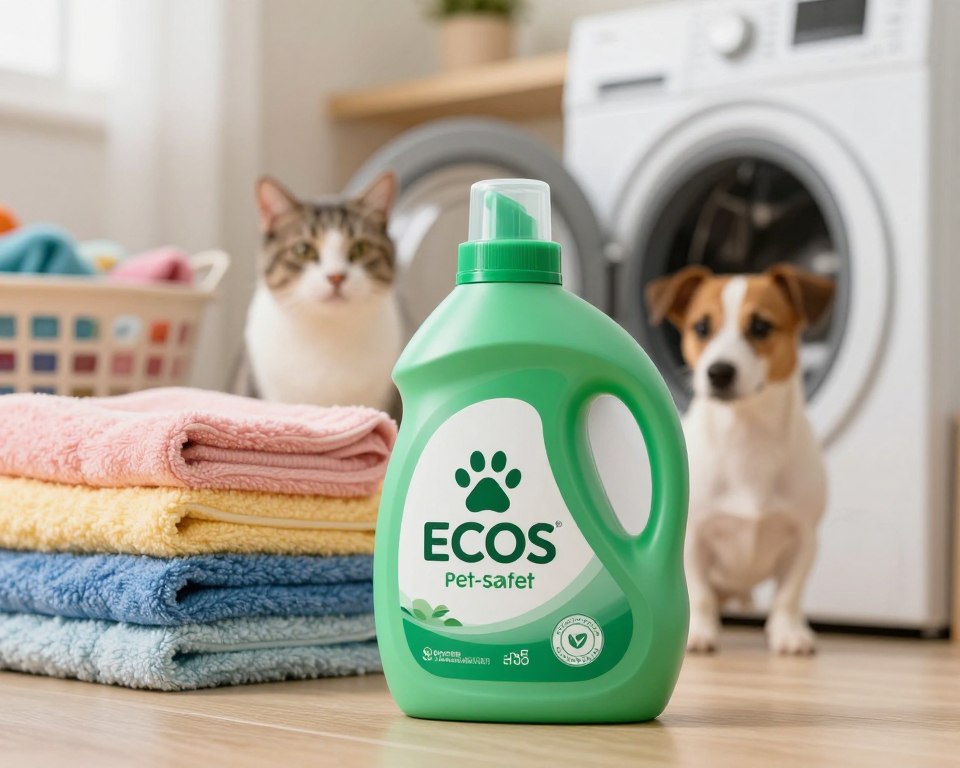
Nearly 70% of households in the United States share their living space with animal companions. Yet, many owners don’t know about the hidden chemical residues on fabrics. Everyday cleaning products often have surfactants that can irritate sensitive paws or respiratory systems.
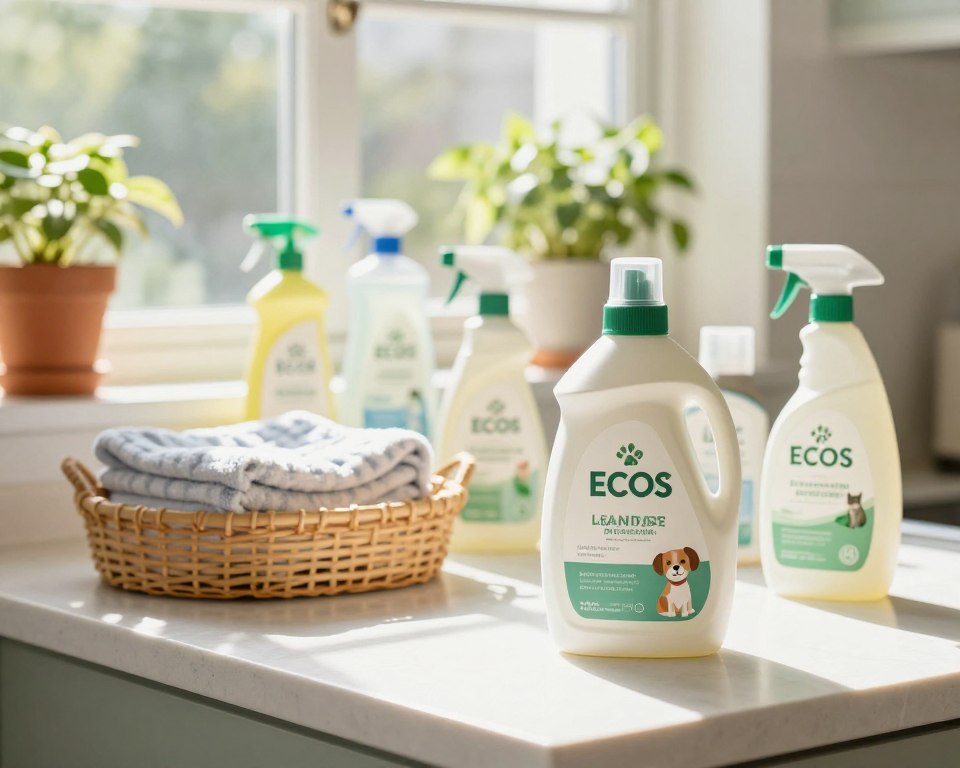
Since 1990, the maker of ECOS laundry detergent has focused on plant-powered chemistry. This choice aims to reduce environmental impact. It raises the question: Is this detergent safe for pets?
As a pharmacist, I offer clear, evidence-based advice. I help you understand complex ingredient labels. My aim is to guide you with facts, not just marketing promises.
Key Takeaways
- Understanding the chemical composition of cleaning agents is vital for animal health.
- The brand has maintained a focus on plant-derived ingredients since its inception in 1990.
- Objective, pharmacist-verified information helps mitigate potential toxicity risks in your living space.
- Ingredient transparency allows owners to make informed choices regarding fabric care.
- Evidence-based evaluation remains the gold standard for assessing product safety.
Understanding the Chemical Landscape of Pet-Safe Laundry Detergents
Knowing what’s in your laundry detergent is key to keeping pets safe from hidden toxins. More homes are choosing non-toxic cleaning to protect their pets. This change shows a growing interest in knowing what’s in our cleaning products and keeping our homes healthy.
The Evolution of Plant-Based Cleaning Agents
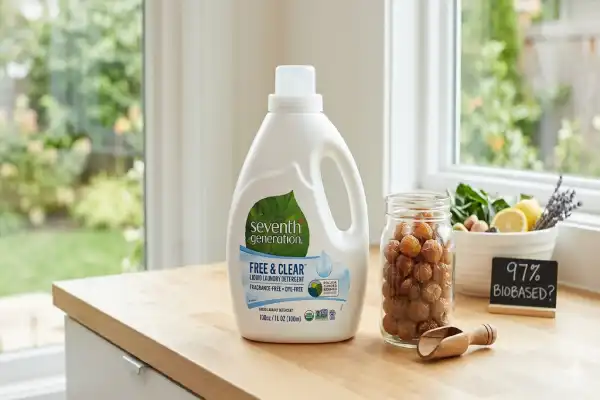
Old laundry detergents use harsh chemicals made from petroleum. New plant-based surfactants come from things like coconut or corn. They work well without the need for harsh chemicals.
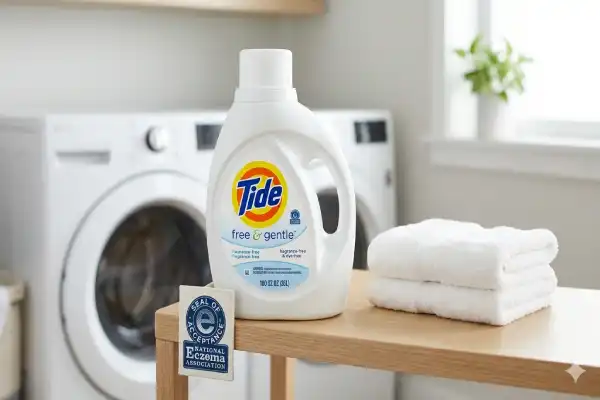
Switching to these plant-based options means better cleaning without harming the environment. It’s not just a trend; it’s a smarter way to clean. For example, comparing Purex Free & Clear to All Free & Clear shows that better ingredients matter.
Why Pet Owners Are Moving Away from Synthetic Chemicals
Pet owners are worried about synthetic fragrances, brighteners, and preservatives. These can stay on fabrics and harm pets. Pets are often in close contact with these chemicals.
Choosing sustainable cleaning helps avoid these risks. It means using ingredients that are safe and good for the planet. This way, homes stay safe for pets, not a source of danger.
Is ECOS Laundry Detergent Truly Safe for Homes with Cats and Dogs
Choosing a pet-safe laundry detergent means more than just looking at ingredients. It’s about creating a safe space for pets. This involves picking the right ingredients and how they’re mixed together.
Manufacturers focus on ingredients that won’t irritate pets. They aim to meet the needs of animals. For more info, check the frequently asked questions on their website.
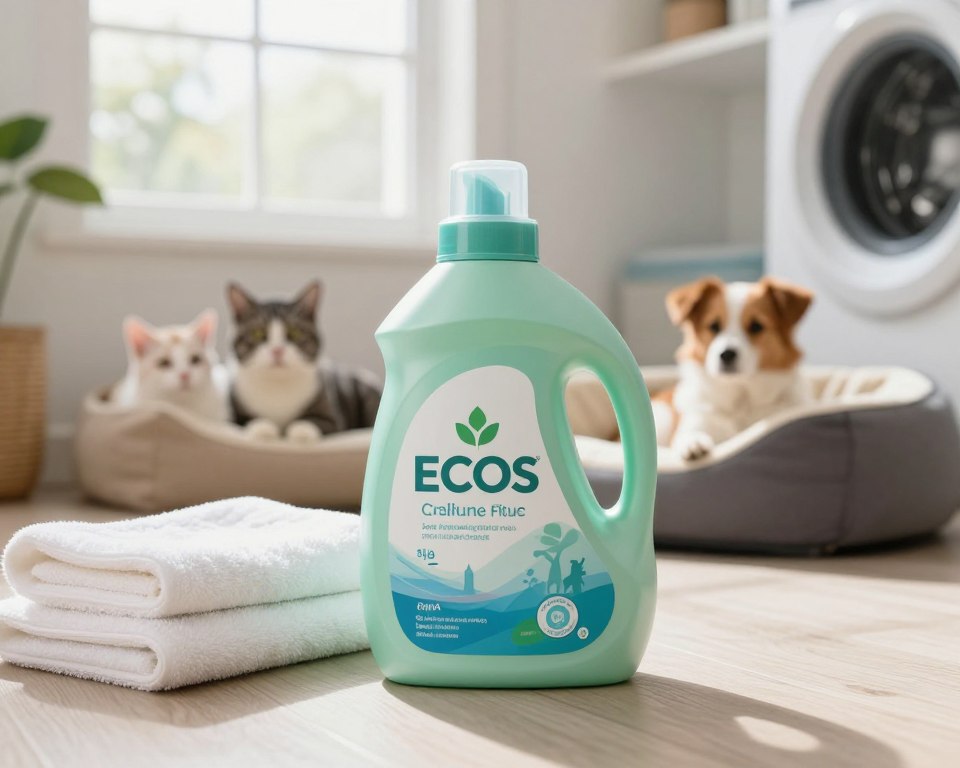
Defining Safety in the Context of Household Cleaning
Cleaning products are safe if they don’t have harsh toxins. They should also break down easily. For a pet-friendly home, it’s important to avoid chemicals that can harm pets.
“The goal of modern green chemistry is to provide effective cleaning power while ensuring that the residue left behind is biologically inert and non-irritating to our most sensitive household members.”
Consistency in ingredients is crucial for safety. Products made with pets in mind reduce chemical exposure. This is important for pets that spend a lot of time on surfaces.
The Role of pH Balance in Pet-Friendly Detergents
The pH level of a detergent is very important. It affects how it works with fabrics and skin. A balanced pH ensures cleaning without harming pets’ skin.
- Neutral pH formulas are less likely to cause contact dermatitis.
- Properly balanced detergents prevent the degradation of fabric fibers.
- Maintaining a pet-friendly home requires products that respect the delicate balance of animal skin.
A pet-safe laundry detergent with a neutral pH is gentle on pets. This careful approach is what makes a cleaning product responsible and effective.
Analyzing the Ingredient Profile of ECOS Detergents
Knowing what’s in household cleaners is key for pet owners. ECOS laundry detergent focuses on plant-based ingredients. This makes it safer for your home.
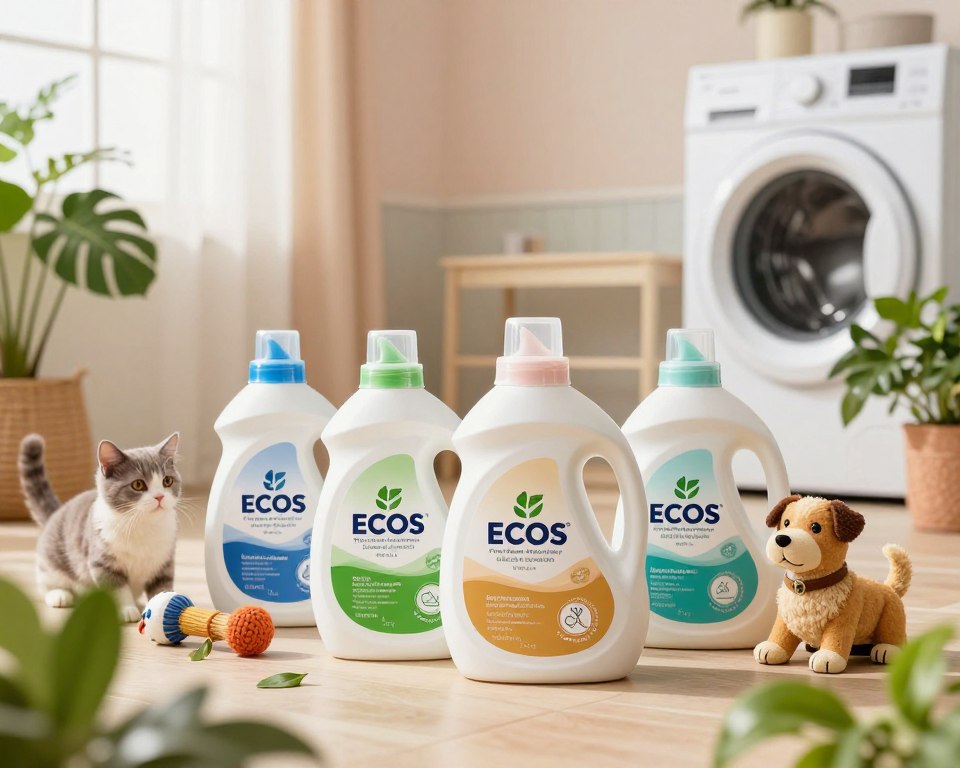
Surfactants Derived from Coconut and Corn
The heart of these cleaners are plant-based surfactants. They come from coconut and corn, not petroleum.
Surfactants make water work better. They help lift dirt and oils from clothes. This is good for pets that sleep on washed bedding.
The Absence of Optical Brighteners and Dyes
Regular detergents use optical brighteners to look cleaner. But these chemicals stay on clothes.
Pets can pick up these chemicals from blankets and rugs. ECOS avoids these to reduce allergic reactions and chemical exposure.
Evaluating Preservatives Used in ECOS Formulas
Preservatives keep products fresh and prevent growth. But not all are safe. ECOS avoids harmful ones like formaldehyde donors and parabens.
They choose safer preservatives. This keeps ECOS laundry detergent effective and safe for your home.
Potential Risks of Common Laundry Additives for Pets
Many cleaning products can harm cats and dogs. These chemicals might remove stains well but can be toxic if left on clothes. It’s key to use non-toxic cleaning to keep your pets safe.
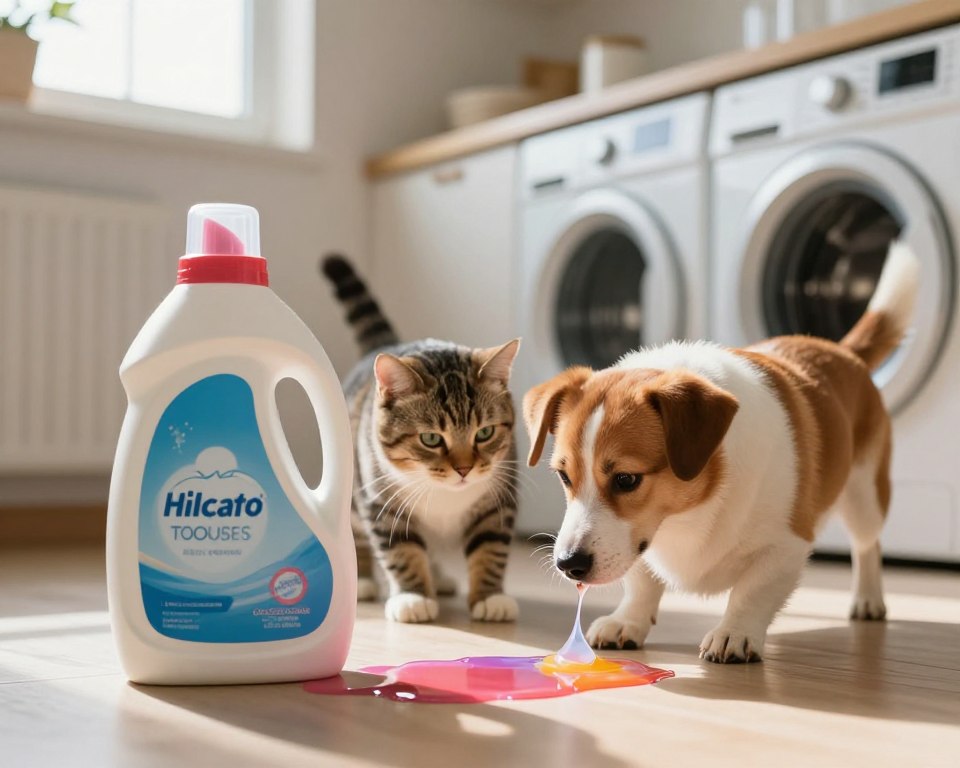
The Dangers of Phthalates and Artificial Fragrances
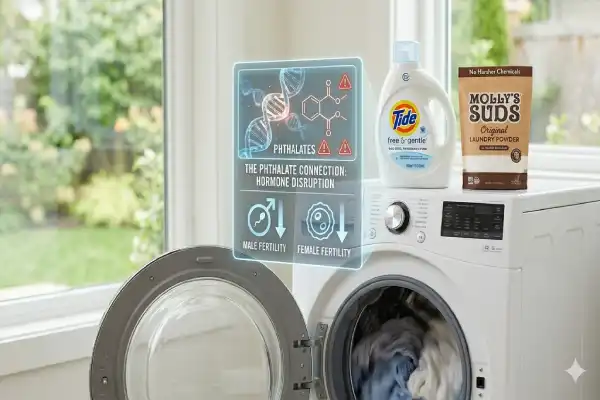
Most detergents use synthetic fragrances for a lasting smell. These fragrances often have phthalates, which help the scent last. But, these chemicals can harm pets by being absorbed through their skin or inhaled.
Cats are very sensitive to these chemicals because of how they metabolize. Strong smells can cause breathing problems or change their behavior. Choosing fragrance-free options is a good way to avoid this.
Why Enzymes Can Sometimes Cause Skin Irritation
Enzymes help break down stains like proteins and fats. But, they can irritate pets’ skin if not rinsed well. These enzymes can stay active on fabrics, causing skin issues in pets with sensitive skin.
It’s important to make sure enzymes don’t stay on fabrics too long. If they do, pets can get skin irritation. Look for detergents that are gentle but still clean well.
The Hidden Toxicity of Synthetic Bleaching Agents
Synthetic bleaches, like chlorine, make whites look brighter. But, they can irritate pets’ skin and paws. If pets groom themselves after touching treated fabrics, they might swallow toxic amounts.
The table below shows common additives and how they might affect pets:
| Additive Type | Primary Function | Potential Pet Risk |
|---|---|---|
| Phthalates | Fragrance fixation | Endocrine disruption |
| Protease Enzymes | Stain breakdown | Dermal irritation |
| Optical Brighteners | Fabric appearance | Skin sensitivity |
| Chlorine Bleach | Disinfection | Ingestion toxicity |
How Cats and Dogs Interact with Laundry Residue
From a washed blanket to your pet’s body, there’s a journey. Animals spend a lot of time on textiles, touching laundry residue from cleaning agents. Knowing how this works is key to keeping your home safe.
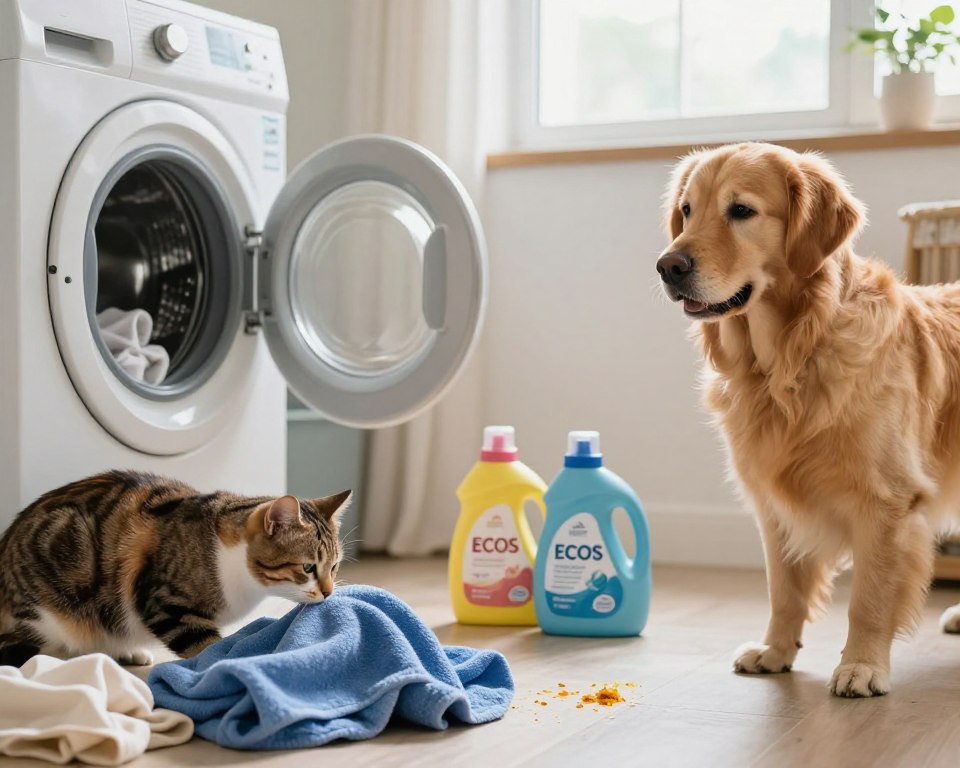
Dermal Absorption Through Bedding and Fabrics
Pets have thinner skin than humans, making them more prone to chemical absorption. When they lie on bedding, their body heat can open pores. This lets surfactants get into their skin, a big worry about laundry detergent toxicity in pets.
The Risk of Ingestion During Self-Grooming
Cats and dogs groom themselves a lot, licking their fur and paws. If their bedding has chemicals, these get transferred to their tongues and eaten. This way, chemicals go straight into their bodies, skipping the skin’s defense.
“The cumulative effect of low-level chemical exposure through household textiles is often overlooked in veterinary dermatology. We must prioritize the removal of irritants from the fabrics our pets touch most.”
How Residue Accumulates Over Multiple Wash Cycles
Many detergents leave behind optical brighteners or fragrances on fibers. Over time, this laundry residue builds up, creating a layer of chemicals. Only thorough rinsing can stop this buildup and lower the risk of laundry detergent toxicity.
| Exposure Pathway | Primary Risk Factor | Impact Level |
|---|---|---|
| Dermal Contact | High skin permeability | Moderate |
| Oral Ingestion | Frequent self-grooming | High |
| Inhalation | Volatile fragrance compounds | Low to Moderate |
By understanding how laundry residue affects your pet’s body, you can make better choices about cleaning. Using thorough rinsing and hypoallergenic formulas keeps your home safe for your pets.
Evaluating ECOS Certifications and Transparency Standards
Choosing the right detergent for a pet-friendly home is crucial. Certifications guide us to safe options. They help us avoid misleading claims and focus on facts. These standards ensure sustainable cleaning that’s good for the planet and our pets.
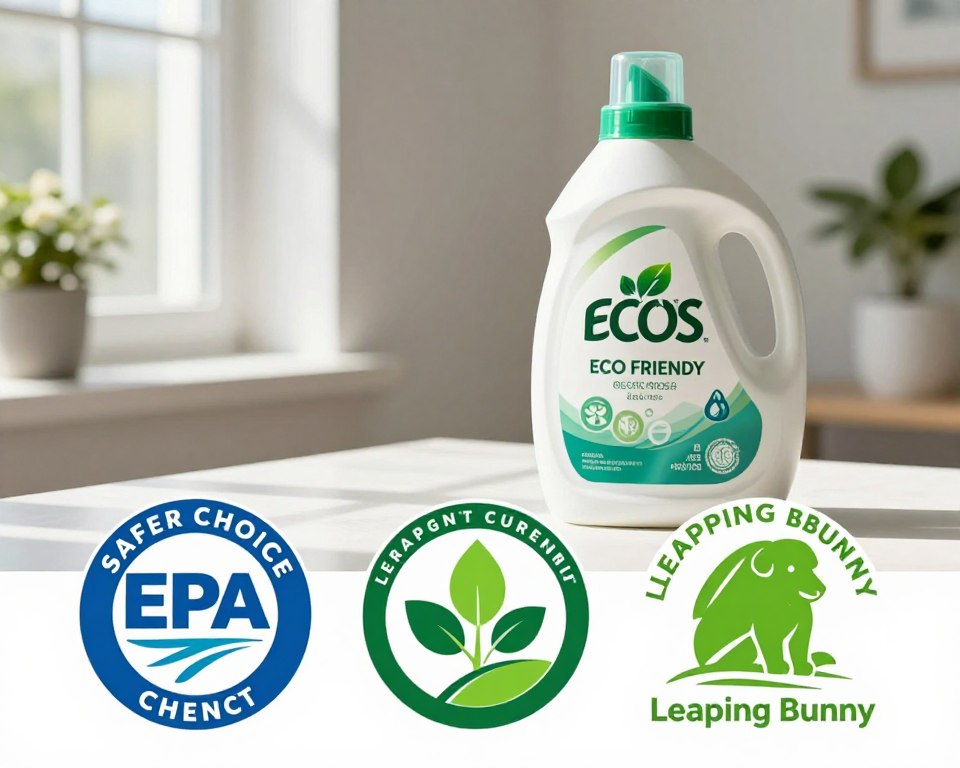
Understanding the EPA Safer Choice Label
The EPA Safer Choice label means a product is safer for people and the planet. The EPA checks every ingredient. They make sure the product doesn’t have harmful chemicals.
“Transparency is the foundation of trust in the cleaning industry, allowing families to make informed decisions about the products they bring into their homes.”
The Significance of Leaping Bunny Certification
Many pet owners also care about how products are made. The Leaping Bunny certification shows a product is cruelty-free. It means no animals were tested during its making. This is key for those who care about animal welfare and want safer cleaning for babies and pets.
Transparency in Ingredient Disclosure Practices
Some companies don’t tell us what’s in their products. They might say it’s “fragrance” or “proprietary blend.” But ECOS is different. They tell us everything, so we can spot any allergens or irritants before they get into our laundry.
- Full Disclosure: Every ingredient is clearly labeled for consumer review.
- Safety Verification: Third-party audits confirm the accuracy of product claims.
- Ethical Commitment: Adherence to strict sustainable cleaning protocols reduces the overall chemical footprint in the home.
Comparing ECOS to Conventional Detergent Brands
Looking at ECOS laundry detergent against other brands shows big differences. People often think plant-based cleaners can’t clean as well as synthetic ones. But, new green chemistry has made a big difference.
Performance Metrics in High-Efficiency Machines
High-efficiency (HE) machines need special detergents to work right. ECOS laundry detergent is made to clean well in these machines. It makes sure clothes are clean without leaving chemical residue.
These formulas are strong, so they work well even in cold water. They use plant-based surfactants to get rid of dirt and oils. This keeps your clothes smelling fresh without harsh chemicals.
Cost-Benefit Analysis for Multi-Pet Households
Big families with pets do a lot of laundry. Using a pet-safe laundry detergent that’s concentrated saves money. It might cost more upfront, but you use less of it, so it lasts longer.
There’s also the hidden value of saving on vet bills. Safer detergents reduce the chance of skin problems. This is good for your wallet and your pet’s health.
Comparing Cleaning Efficacy on Pet Dander and Odors
Getting rid of pet dander is key for a healthy home. Regular detergents hide smells with fake fragrances. But, plant-based cleaners really get rid of the smell, which is better for pets.
For tough stains and dander, plant-based cleaners have enzymes that break down proteins. This means allergens are really gone, not just hidden. Choosing pet-safe laundry detergent means a cleaner, safer home for everyone.
Pharmacist Perspectives on Hypoallergenic and Plant-Based Formulas
As a pharmacist, I see many pet owners trying to find the cause of their pet’s skin problems. Understanding hypoallergenic laundry products is key. It’s important to look beyond marketing and focus on the science behind the ingredients in your home.
The Science of Hypoallergenic Testing
Products labeled as hypoallergenic often go through a Repeat Insult Patch Test (RIPT). This test applies the substance to human volunteers for weeks to check for skin reactions. While this test is the top standard for human safety, it also helps us understand pet skin irritation.
But, remember that animal skin is different from human skin. A product safe for humans might still cause a reaction in some animals. Consistency in testing is the best way to ensure a formula is safe for pets.
Why Plant-Based Does Not Always Mean Non-Toxic
Many think plant-based surfactants are safer than synthetic ones. But, these natural ingredients can still cause problems if an animal is sensitive to them. A natural substance can be very harmful if a pet has a specific allergy.
“Natural does not automatically equate to non-toxic. The dose, the concentration, and the individual biological makeup of the pet determine the safety profile of any cleaning agent.”
It’s crucial to understand this difference to keep your home safe. Always check the full ingredient list, not just the “plant-based” label. Vigilance is your best tool when introducing new cleaning products to your home.
Consulting Professionals About Pet Skin Conditions
If your pet shows signs of discomfort, like scratching, redness, or hair loss, get professional help. A vet can figure out if environmental factors, like laundry residue, are the cause. Don’t wait for symptoms to get worse before you go.
When you talk to your vet, be ready to share:
- A list of all cleaning products used on pet bedding and floors.
- The duration and frequency of the observed skin symptoms.
- Any recent changes in your household cleaning routine.
- Details regarding your pet’s diet and known environmental allergies.
By working with your vet, you can find out what’s causing your pet’s skin issues. Proactive communication helps you create a safe, comfortable home for your pets while keeping it clean.
Best Practices for Washing Pet Bedding and Toys
It’s key to have a strict laundry routine to keep pets safe from harmful chemicals. Animals spend a lot of time with their bedding and toys. Knowing about is baby safe laundry detergent can help pet owners avoid toxic exposure.
The Importance of Extra Rinse Cycles
Removing laundry residue is crucial for safety. Even good soaps can leave tiny amounts that might bother pets. Using an extra rinse cycle helps get rid of these leftovers.
This change is a big help for pets that clean themselves a lot. With less residue, pets are less likely to get sick from grooming. Make sure the washing machine isn’t too full to help water move around better.
Temperature Considerations for Sanitizing Fabrics
It’s important to sanitize pet bedding to keep it clean. Most say to use hot water to kill germs and oils. But, always check the labels to avoid damaging the fabric.
For most fabrics, 140°F is enough to sanitize. If it’s too hot, you can use a plant-based cleaner instead. This keeps things clean without using harsh chemicals.
Avoiding Fabric Softeners and Dryer Sheets
Many laundry products have chemicals and fragrances that pets don’t need. These can make fabrics hold onto dirt and allergens. Use a fragrance-free detergent to keep your pet’s bedding clean and safe.
Dryer sheets can also be a problem because they release harmful gases. If you need to stop static, try wool dryer balls instead. Switching to fragrance-free detergent is a smart move for a healthier home for your pets.
Identifying Signs of Detergent Sensitivity in Pets
Even the most careful pet owners might miss the signs of chemical sensitivity in pets. Animals can’t talk about their discomfort. So, they show it through changes in behavior.
Common Dermatological Symptoms of Contact Dermatitis
Contact dermatitis is a common reaction to harsh laundry. It shows up as redness, often on the belly, paws, or inner thighs.
Your pet might scratch a lot or lick certain spots. If they have pet skin irritation that doesn’t go away, check their bedding. Some pets are more sensitive to synthetic additives.
Respiratory Indicators of Chemical Sensitivity
Respiratory issues can also happen if pets breathe in volatile compounds from fabrics. Sneezing, coughing, or wheezing after lying on new blankets might mean the detergent is the problem.
These symptoms get worse in small, airless spaces. Using a hypoallergenic laundry solution, like those in guides on fragrance-free detergents, can help.
When to Seek Veterinary Intervention
If your pet’s symptoms don’t get better after changing laundry, see a vet. Look for open sores, hair loss, or if they seem very tired or don’t want to eat.
Seeing a vet early can stop infections from constant scratching or swelling. They can check for other allergies and see if the environment is making your pet sick.
| Symptom Category | Common Indicators | Recommended Action |
|---|---|---|
| Dermatological | Redness, excessive licking, hives | Switch to hypoallergenic soap |
| Respiratory | Sneezing, wheezing, nasal discharge | Improve ventilation and rinse cycles |
| Behavioral | Lethargy, loss of appetite, restlessness | Consult a veterinarian immediately |
Environmental Impact and Its Indirect Effect on Pet Health
Your choice of laundry detergent affects more than just your clothes. It also impacts the environment, which is crucial for a non-toxic cleaning home. This choice helps keep your whole household safe.
Biodegradability and Water Safety
Ingredients from laundry detergent can end up in our water. Choosing biodegradable formulas means they break down safely. This keeps our water clean and healthy.
ECOS detergents avoid harmful chemicals like phosphates. They’re good for our water systems. This makes your home a safer place for pets.
How Aquatic Toxicity Affects Household Ecosystems
Chemicals in water can harm our homes too. Detergents with synthetic additives can pollute our environment. This can affect the water and soil around your home.
Keeping our environment balanced is key for pet health. Using plant-based, biodegradable products helps. This choice keeps your home safe from pollution.
Navigating Fragrance-Free Options for Sensitive Animals
Living without fragrances is crucial for homes with sensitive pets. Many pet owners unknowingly add irritants to their homes with scented laundry. Using a fragrance-free detergent can greatly reduce the risk of breathing problems and skin issues in pets.
Why Essential Oils Can Be Toxic to Cats
Cats are very sensitive to essential oils because of their liver. Unlike humans or dogs, cats can’t break down these oils. This can lead to chronic toxicity through breathing or grooming.
Signs of this toxicity include feeling tired, drooling, or trouble breathing. It’s important to know that even natural scents can harm cats. Staying away from these additives is the best way to protect pets at home.
The Benefits of Unscented ECOS Varieties
Choosing unscented products, like the ECOS Free & Clear line, makes laundry easier. These products clean well without harmful additives. They provide a safer place for pets to rest and play.
These formulas also avoid harsh chemicals that can irritate skin. Remember, avoiding fabric softeners is also key for a safe home. For more information, check out this article on baby and pet safety.
| Additive Type | Risk Level | Common Symptom |
|---|---|---|
| Synthetic Fragrance | High | Respiratory distress |
| Essential Oils | High (Cats) | Liver stress/Lethargy |
| Optical Brighteners | Moderate | Contact dermatitis |
| Plant-Based Surfactants | Low | None (Generally safe) |
Transitioning Your Household to Fragrance-Free Products
Changing your home to be scent-free should be done slowly. Start by washing pet bedding and toys in fragrance-free detergent. This can make your pets feel better right away.
Being consistent is important for pets with chemical sensitivity. Make sure everyone in the house avoids scented products. A fragrance-free laundry routine helps keep your pet healthy and happy.
Conclusion
Choosing the right cleaning products is key for pet owners. ECOS laundry detergent is a great choice for those who want to reduce chemical use. It’s safe for both cats and dogs.
ECOS uses plant-based surfactants and avoids harsh chemicals. This makes fabrics safer for pets. Knowing what’s in your detergent helps you choose the best for your pet’s health.
Third-party certifications are important. They show a product meets high safety standards. This is more than just marketing claims.
Using safe cleaning habits keeps everyone healthy. Changing your laundry routine can make your home safer for pets. Always check what you use at home to keep your family safe.
FAQ
What makes ECOS laundry detergent safer for pets compared to traditional brands?
A: ECOS uses plant-powered chemistry from coconut and corn. This is different from traditional detergents that use petroleum-based surfactants. Since 1990, ECOS has made pH-balanced formulas. These are closer to the natural skin chemistry of dogs and cats, reducing the risk of contact dermatitis.
How do the surfactants in ECOS effectively clean pet bedding without harsh chemicals?
A: ECOS uses plant-derived surfactants to reduce surface tension in water. This allows it to lift pet dander and oils from fabric fibers. It does this without synthetic bleaching agents or optical brighteners. These cleaners are biodegradable and leave less residue.
Does ECOS laundry detergent contain dyes or artificial fragrances that could irritate my dog?
No. ECOS does not include dyes or optical brighteners. These can linger in fabrics and cause dermal absorption risks. For pets with extreme sensitivities, the Free & Clear variety is fragrance-free. It’s perfect for households with sensitive animals.
Is ECOS detergent safe for cats who engage in frequent self-grooming?
Yes. Cats are at risk of ingestion of chemical residues on their bedding. ECOS avoids formaldehyde donors and parabens. Its EPA Safer Choice certification means any residue left on fur is less toxic than standard detergents.
What third-party certifications should I look for to verify ECOS’s safety claims?
Look for the EPA Safer Choice label. It means every ingredient has been screened for human and environmental health. ECOS is also Leaping Bunny certified. This ensures no animal testing was done, making it cruelty-free.
Can ECOS detergent be used in high-efficiency (HE) machines for heavy pet loads?
Absolutely. ECOS is a concentrated formula for both standard and high-efficiency (HE) machines. It effectively removes pet-related odors and stains. It uses less water, making it cost-effective for multi-pet households.
What does “hypoallergenic” mean in the context of ECOS testing?
A: ECOS products undergo RIPT (Repeat Insult Patch Test) to confirm they are unlikely to cause allergic reactions. While plant-based ingredients are safer, pets may still have unique sensitivities. Always watch for signs of chemical sensitivity when switching products.
Why should I avoid fabric softeners and dryer sheets even when using ECOS?
Even with ECOS, fabric softeners and dryer sheets can coat fabrics in quaternary ammonium compounds and synthetic fragrances. These additives can cause respiratory distress in pets and skin rashes. For best results, use only the detergent and consider extra rinse cycles to remove all cleaning agents.
Are the fragrances in ECOS, such as Lavender, safe for my cat?
While ECOS uses natural oils, some essential oils can be problematic for cats. If your cat is sensitive, switch to fragrance-free ECOS varieties. This ensures a safe environment for pets with sensitive noses.
How does ECOS contribute to a safer environment for my pet outside the home?
A: ECOS products are phosphate-free and readily biodegradable. They break down quickly in greywater systems and local ecosystems. This reduces aquatic toxicity and protects the environment for pets and wildlife.
When should I consult a veterinarian regarding my pet’s reaction to laundry?
If your pet shows redness, itching, or hair loss (symptoms of contact dermatitis) or sneezing or labored breathing after laundry, see a veterinarian. While ECOS is non-irritating, professional advice is needed to rule out allergies or other conditions.