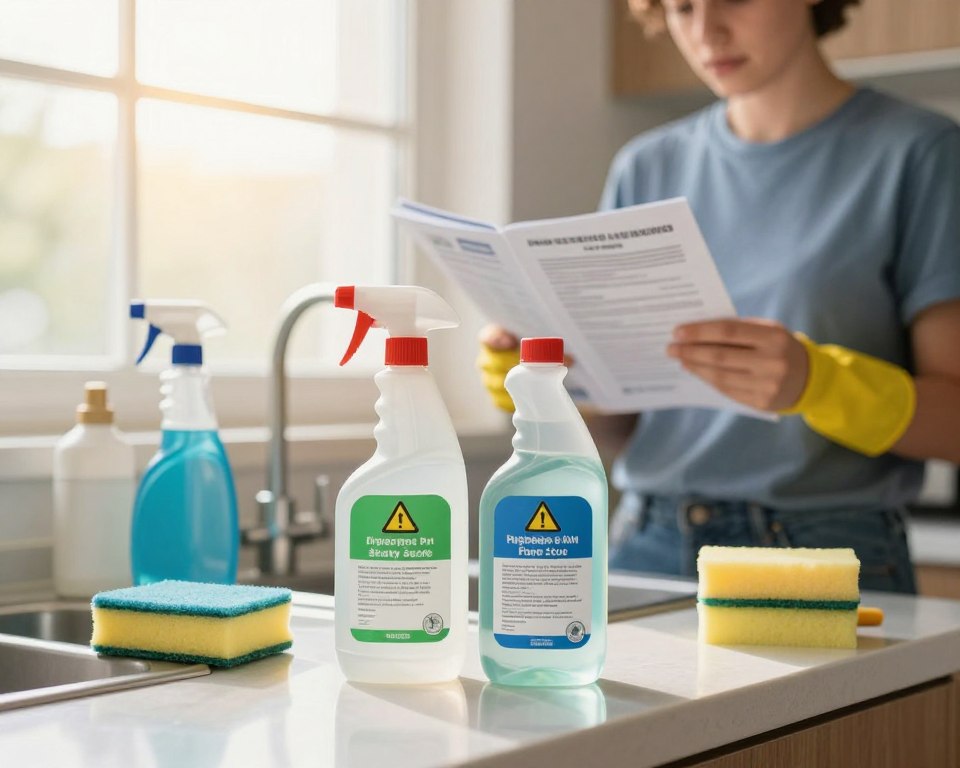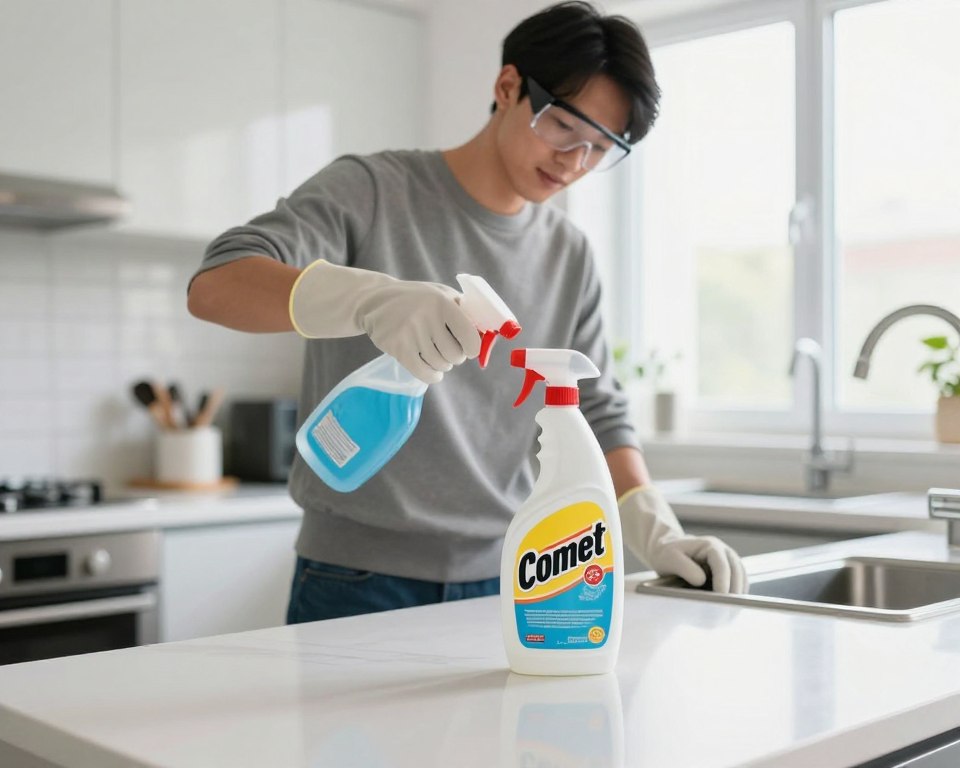
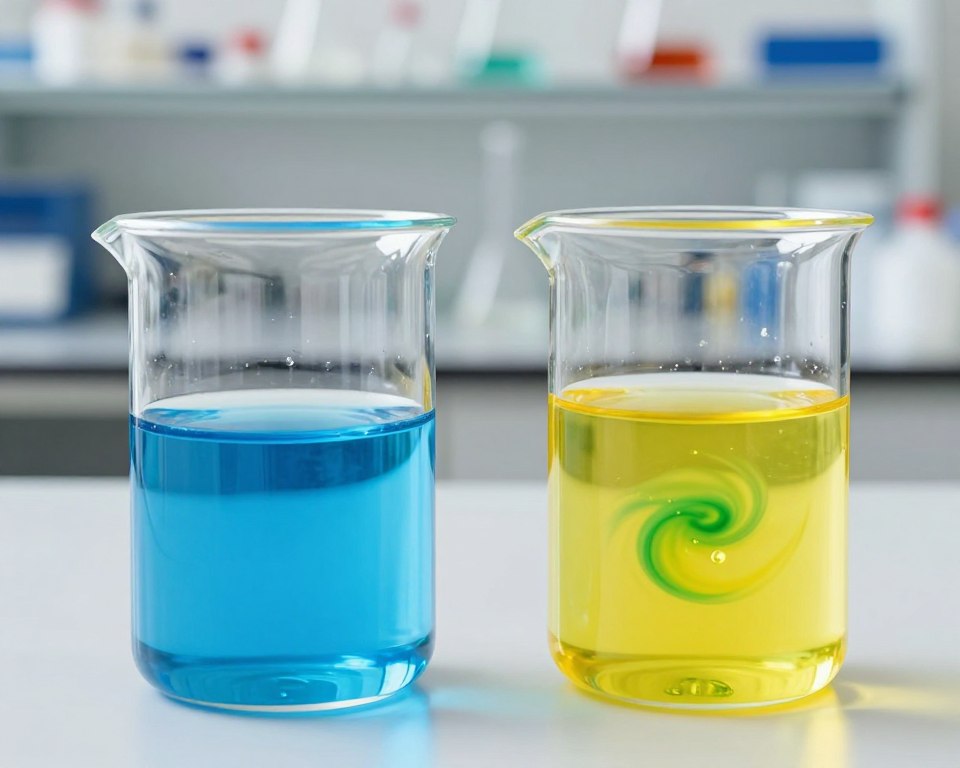
As master pharmacists, we have seen small mistakes turn into serious emergencies. We write from the lab and the home alike. Mixing a common disinfectant with a household solvent can produce toxic fumes. This hits us personally when families call after accidental exposure.
We must be clear: sodium hypochlorite solutions react with organic solvents to form dangerous compounds, including chloroform, once used as an anesthetic. The World Health Organization warns that strong disinfectants like bleach react easily with other cleaners. When combined with rubbing products, those reactions can release harmful gases that injure your lungs and nerves.
Key Takeaways
- Never mix household disinfectants with solvents in the same bottle or spray.
- Combining these products can create chloroform and other toxic gases.
- If exposure occurs, move to fresh air and seek medical help immediately.
- Use products as labeled and avoid improvised cleaning blends.
- Follow expert guidance to keep your family safe during cleaning tasks.
Understanding the Risks of Household Chemicals
Many common cleaning products hide chemical hazards that we rarely notice. We must treat household solutions as active agents, not harmless liquids. Sodium hypochlorite, the active ingredient in bleach, kills bacteria, fungi, and viruses when used at the right concentration.
Proper cleaning starts with water and detergent. Soiled surfaces reduce a disinfectant’s effectiveness. Removing dirt first helps the solution reach microbes and lowers the chance of dangerous byproducts.
The World Health Organization notes that facilities with limited supplies may rely on a narrow variety of disinfectants. This shows why we must manage concentrations and follow labels carefully when we use household products.
- Household cleaners are powerful chemicals; handle them with care to avoid corrosive mixes or toxic gas.
- Sodium hypochlorite is easily inactivated by organic matter, so pre-cleaning is essential.
- Acid-based products, chlorine solutions, and other products must not be mixed; follow dilution and equipment instructions.
Why You Should Never Mix Bleach and Rubbing Alcohol
A simple cleaning mistake at home can send toxic vapors into the air and into our lungs. We must treat this as a real health risk. Combining common household products can make harmful gas in seconds.
The Dangers of Inhalation
Inhaling fumes from a mixed disinfectant and solvent can cause immediate harm. The reaction may produce chlorine-based gases and other compounds that sting the eyes and throat. Those fumes can also damage lung tissue.
Symptoms often include burning in the eyes, coughing, shortness of breath, and chest tightness. If anyone has these signs, get to fresh air and seek medical care right away.
“Never mix household cleaning products; the risk to breathing and skin is not worth any perceived cleaning boost.”
- The mix creates a toxic reaction that harms the respiratory system if the gas is inhaled.
- Avoid the use of these two products together; the result is hazardous to health and safety.
- Keep acid-based cleaners separate from chlorine solutions to prevent fumes that irritate skin and lungs.
The Chemical Reaction and Formation of Chloroform
A rapid chemical change occurs when common household solvents meet sodium hypochlorite. This reaction can produce chloroform and other harmful byproducts in a short time. We must treat these mixtures as immediate hazards.
Chemical Composition
Sodium hypochlorite is the active chlorine agent in many cleaners. When it contacts isopropyl-based materials, a substitution reaction can form trichloromethane, commonly called chloroform.
Isopropyl alcohol’s structure makes it incompatible with chlorine solutions. The reaction does not need much time to start.
Health Impacts
The vaporized product can cause dizziness, nausea, and loss of consciousness if inhaled in sufficient amounts.
Using these chemicals together on surfaces or equipment risks releasing toxic gas that harms nearby people. Maintaining correct concentrations of cleaning solutions and water dilution helps prevent dangerous formation.
- The reaction between bleach and isopropyl alcohol produces chloroform and can be fast.
- Keep disinfectants and acid-based products separate from chlorine solutions.
- Follow labels for concentrations, dilution, and safe equipment use.
Recognizing Symptoms of Toxic Gas Exposure
Knowing the warning signs of household gas exposure helps us act fast when seconds count.
Burning sensations in the eyes, throat, or chest are common early signs. These may appear within minutes after fumes form. If you feel sudden stinging in your eyes, move to fresh air right away.
Exposure can cause skin redness or blistering when concentrated vapors contact exposed areas. The same gases can inflame mucous membranes and cause ongoing irritation.
Breathing symptoms range from mild cough to severe shortness of breath. Damage to the respiratory systems can progress quickly and affect oxygen delivery to the body.
- Recognize burning in the eyes and throat as a key warning sign.
- If you suspect inhalation, seek medical assessment for your lungs and other systems.
- Any use of an acid cleaner with a chlorine product may release harmful gas and cause skin or mucous damage.
| Symptom | Affected Systems | Urgency | Immediate Action |
|---|---|---|---|
| Eye burning or watering | Eyes, mucous membranes | High | Flush with water, get fresh air, seek care |
| Coughing, chest tightness | Lungs, respiratory systems | High | Move outside, call emergency services if severe |
| Skin irritation or redness | Skin, mucous membranes | Moderate | Wash skin with water, monitor for worsening |
Proper Handling and Storage of Bleach
We must keep cleaning agents safe to protect our homes and families. Proper handling preserves disinfectant strength and lowers the chance of harmful reactions.
Start with correct dilution. For a product that lists 5% sodium hypochlorite, prepare a 0.05% solution for routine surface disinfection. Mix the product with cold water; hot water breaks down sodium compounds and reduces effectiveness.
Dilution Guidelines
Measure carefully and label each solution with the concentration and the time it was made. Discard any prepared solution after 24 hours to ensure potency.
Storage Requirements
Store containers in a cool, shaded place away from direct sunlight and out of reach of children. Heat and light speed the decomposition of sodium hypochlorite and can release toxic chlorine gas.
- Clean surfaces with water first; organic material can inactivate the disinfectant and raise infection risk.
- Always wear protective equipment like rubber gloves and a mask when handling concentrated products.
- Keep acid-based cleaners and other incompatible cleaners stored separately to avoid dangerous mixes.
| Topic | Best Practice | Why it matters |
|---|---|---|
| Dilution | 0.05% from 5% sodium hypochlorite using cold water | Effective against bacteria on surfaces without excess hazard |
| Storage | Cool, shaded, child‑proof area; label and date | Prevents decomposition and accidental exposure |
| Prepared solutions | Discard after 24 hours; remake as needed | Maintains disinfectant concentration over time |
Effective Uses for Rubbing Alcohol
We rely on isopropyl products for targeted disinfecting and fast evaporation. A 70% concentration is generally superior to 99% because it penetrates cell walls and acts as a reliable disinfectant for small items.
Practical uses: For hard-surface countertops like granite or quartz, we mix a 50/50 solution of water and alcohol to sanitize without harming the finish. For stethoscopes, thermometers, or small equipment, a 70% pad works well but will not kill bacterial spores.
To clean glass and windows, combine alcohol with a small amount of ammonia and liquid dish soap for streak-free results. Always work in a well-ventilated area when using these ingredients.
- Use alcohol to remove ink stains, but avoid wood finishes and leather.
- Create a cold pack by mixing equal parts water and alcohol in a sealed bag.
- Remember that alcohol is flammable; keep it away from heat and open flames.
Other Dangerous Cleaning Product Combinations
Certain cleaning mixtures can produce toxic gas in minutes, even at low concentrations. We must treat each product as a chemical and avoid mixing different solutions during a single task.
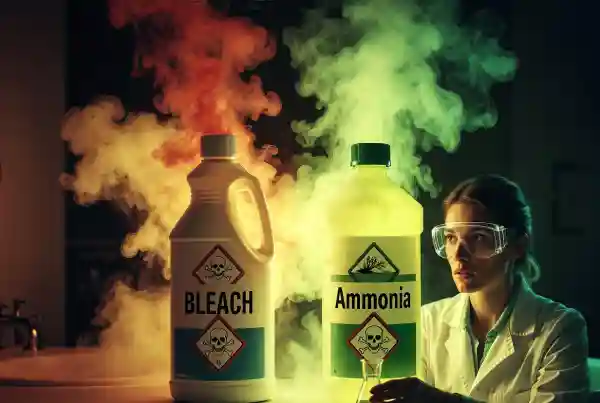
Bleach and Ammonia
Mixing these two creates chloramine gas. Even small amounts can cause severe eye irritation and breathing problems.
If this combination forms, evacuate the area and get fresh air at once.
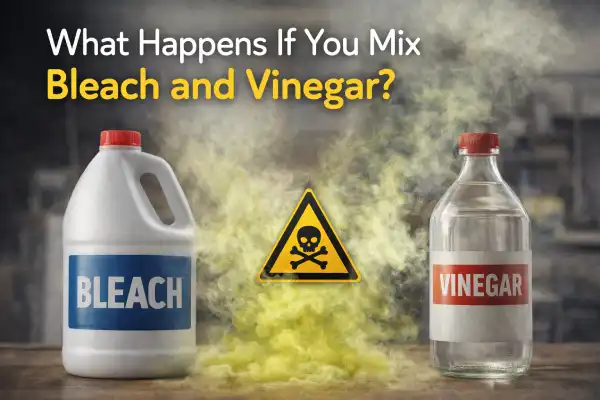
Bleach and Vinegar
Combining these widely used items releases chlorine gas. This gas irritates the lungs, eyes, and skin rapidly.
Do not attempt to neutralize the mix with water; safe ventilation and medical help may be needed.
Acidic Cleaners and Bleach
Toilet cleaners, rust removers, and other acid products react with sodium hypochlorite to make toxic chlorine gas.
We advise using only one product per surface and following label directions for concentration and time.
- Never blend ammonia, vinegar, or acid cleaners with a chlorine-based solution.
- Store incompatible products apart to avoid accidental combination.
Best Practices for Safe Home Cleaning
We keep cleaning simple and safe by following a few firm rules.
Use one product per task and rinse the surface with water before switching to another solution. This lowers the chance that two solutions will react. It also protects skin and limits fumes in the room.
Always read labels on products and follow the listed concentration and time directions. If a disinfectant states a dilution, prepare it exactly. Misjudging concentration raises risk when incompatible ingredients mix.
Store household cleaners in separate areas. Keep acid-based items apart from sodium chlorine products and commonly used solvents like alcohol. Use clear labels so everyone at the site knows what is in each bottle.
- Use dedicated equipment for each product to avoid cross-contamination.
- If unsure about a mix, choose a single trusted disinfectant and water instead.
- Keep a small variety of approved solutions and discard homemade blends that lack instructions.
“Simple habits — single-product use, proper dilution, and separate storage — prevent most accidental chemical reactions.”
When to Seek Medical Attention
If household cleaning causes sudden symptoms, we must treat the incident seriously. Quick action reduces the chance of lasting damage to the lungs, eyes, or skin. Watch for dizziness, nausea, trouble breathing, or persistent cough.
Immediate First Aid Steps
Eye contact: If a solution hits the eyes, flush with plenty of water for at least 15 minutes. Keep lids open and move to urgent care once rinsing is complete.
Inhalation or severe symptoms: Move the person to fresh air. If dizziness, vomiting, chest tightness, or breathing difficulty occurs, call emergency services right away.
“Act fast: rinse, remove contamination, and seek care to limit harm to respiratory systems and eyes.”
- Monitor health closely after any exposure; symptoms may develop over a short time.
- If you used isopropyl products or a chlorine solution on equipment and then feel unwell, contact a medical professional to rule out poisoning or infection.
- Keep emergency contact numbers visible and accessible in the cleaning area.
| Situation | Immediate Action | Follow-up |
|---|---|---|
| Eye contact with sodium solution | Flush with water ≥15 minutes | See physician after rinsing |
| Toxic gas inhalation symptoms | Move outside, call emergency services | Medical evaluation for respiratory damage |
| Skin irritation from cleaners | Rinse with water, remove contaminated clothing | Monitor for worsening; seek care if blisters or persistent pain |
Conclusion
To summarize, sensible precautions protect your household from unsafe reactions during routine chores. We must treat cleaning agents as active chemicals and follow labels every time.
Over the past years, we have learned that small mistakes can lead to toxic gases like chloroform or chlorine. Always use one product per task, ventilate spaces, and wear basic protection.
Key advice: when in doubt, use dedicated products and follow manufacturer guidance. Visit our site for more practical tips and up‑to‑date safety guidance to keep your home secure.