We have all paused with a cleaning box in hand, wondering if this common product is safe around our family. We want clear, honest information about exposure and the possible effects on our skin and breathing. Our team reviews product data so we can make smart choices at home.
We check the label, the ingredients, and any safety test results. Colgate-Palmolive Co, headquartered at 191 East Hanover Avenue, Morristown, NJ, provides guidance on intended use and warnings. Reading that text helps us avoid skin irritation or accidental inhalation.
In this short introduction we explain the purpose of the cleanser and how concentration, minutes of contact, and water dilution affect risk. We also cover simple control steps to limit amount and exposure and when to seek expert advice if symptoms appear.
Key Takeaways
- We assess toxicity by looking at ingredients, concentration, and test data.
- Read the product label and follow recommended use to reduce hazards.
- Rinse with water promptly to limit skin irritation or eye damage.
- Limit breathing exposure; use in well-ventilated areas and control amounts.
- Contact a professional if symptoms or concerns arise after exposure.
Understanding the Composition of Ajax Powder
We start by breaking down what is inside the lemon cleanser and why each ingredient matters for home use.
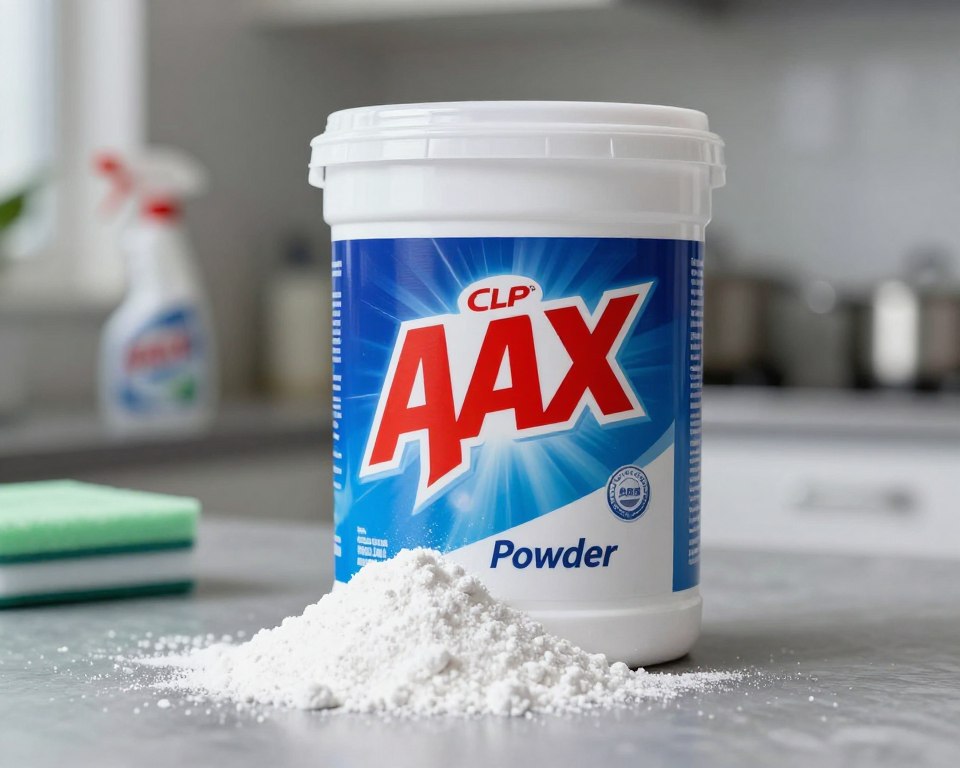
Clear ingredient knowledge helps us balance cleaning strength with safety. The Ajax Powder Cleanser Lemon is listed under SDS number 660000006676. The formulation names Sodium Dodecyl Benzene Sulfonate (CAS 25155-30-0) as a primary active compound.
Key Ingredients
We review the data available on chemical composition and test results to judge product quality. Experts at Colgate-Palmolive conclude the formula is safe when used as directed on the label.
Intended Use
This cleaner is designed for specific surfaces and should not be used on materials prone to damage. Proper dilution and time on surface affect cleaning effects and reduce hazard to skin and finishes.
| Ingredient | Role | Potential Hazard |
|---|---|---|
| Sodium Dodecyl Benzene Sulfonate | Primary surfactant, cleans oils and soils | Skin irritation if concentrated |
| Fragrance (lemon) | Improves scent and user acceptance | Allergic reaction in sensitive users |
| Fillers/abrasives | Provide scrubbing action | Can scratch delicate surfaces |
- We rely on manufacturer test data to understand toxicity and hazard levels.
- Always check the label for formula changes and follow instructions for safe use.
Is Ajax Powder Toxic to Humans
We examine human risk by reviewing manufacturer data, label instructions, and safety assurance reports from Colgate-Palmolive.
The available information shows the product is not classified as a carcinogen. Expert assessments and test data support safe use for routine household cleaning when directions are followed.
We note some risks with direct skin contact and with breathing dust if the product is used in a closed space. Limit time in the cleaning area and rinse skin promptly if contact occurs.
Our review of the label and safety data indicates serious damage is unlikely under normal use. Still, if you notice symptoms after handling the ajax powder cleanser, seek medical advice without delay.
- Keep the product in its original container and follow the label.
- Rely on the manufacturer’s ingredient review and test results to reduce hazard.
- Use in well-ventilated areas and avoid ingestion or inhalation.
Bottom line: the data and expert advice show the cleanser is safe for its intended use when users follow directions and basic precautions.
Potential Health Hazards and Exposure Risks
We must understand the specific hazards tied to this household cleanser so we can limit harm during normal use.
Eye Irritation
The product is classified as Category 2A for serious eye irritation. That means direct eye contact can cause significant irritation and possible damage if not treated promptly.
If the substance gets in the eye, the recommended response is to rinse with clean water for several minutes. Prompt action reduces the risk of lasting damage.
Inhalation Concerns
Inhaling dust from a powder cleanser can lead to breathing difficulties and throat irritation. We advise using the product in a well-ventilated area to lower this hazard.
Reviewing the data available shows concentration and time of exposure raise the chance of adverse effects. Avoid creating dust and follow label instructions to limit inhalation.
Skin Sensitivity
Skin irritation is a possible outcome of direct contact. Wash affected skin with water and stop use if redness or itching persists.
If symptoms continue, seek medical advice. Monitor the site of contact and do not ignore signs of irritation or damage.
“If eye contact occurs, rinse for several minutes and seek help if irritation continues.”
| Exposure Route | Likely Effect | Recommended Response |
|---|---|---|
| Eye contact | Serious irritation (Category 2A) | Rinse with water for several minutes; seek care if needed |
| Inhalation | Breathing difficulty, throat irritation | Use ventilation; move to fresh air; follow label |
| Skin contact | Redness, itch, mild irritation | Wash with water; stop use; seek medical advice if persists |
| Prolonged high concentration | Increased risk of damage to eyes and respiratory system | Limit time and concentration; follow expert and label guidance |
- We follow label and expert advice to minimize hazards and protect our health.
- Data and tests show prompt rinsing with water and good ventilation lower risks.
Safe Handling Practices for Household Cleaning
We adopt simple, clear steps to keep our home safe while we clean. Proper handling reduces exposure and makes the cleaning purpose more reliable.
Wear gloves and eye protection when you use a powder cleanser. This protects skin and limits the chance of eye contact.
Work in a well-ventilated area to lower airborne concentration. Open windows or run a fan to move dust away from breathing zones.
Measure the right amount from the label and avoid overuse. The product label gives essential information to control the amount and reduce hazard.
Do not mix this product with other chemicals. Mixing can change effects and raise the risk of damage or harmful reactions.
Wash hands with water after use and store the cleanser in a dry, cool place. Proper storage preserves the product and protects the container.
“Follow label directions and use the smallest effective amount to reduce exposure.”
| Practice | Why it matters | Quick action |
|---|---|---|
| Protective gear | Prevents skin and eye irritation | Wear gloves and goggles |
| Ventilation | Reduces inhalation of particles | Open windows or use a fan |
| Follow label amount | Limits unnecessary exposure | Measure and dilute as directed |
| Proper storage | Prevents product degradation and container damage | Keep dry, sealed, and away from children |
We rely on manufacturer data and expert guidance to set safe routines. Small steps save time and reduce the risk of skin or respiratory effects during normal use at home.
First Aid Measures for Accidental Exposure
When accidental exposure happens, having clear first aid actions saves time and lowers the risk of injury. We outline concise steps to limit damage and reduce irritation from this household product.
Immediate Eye Rinsing
If we get the product in our eyes, we must flush with clean water for at least 15 minutes. Remove contact lenses if easy to do and continue rinsing.
After rinsing, we watch for persistent pain, blurred vision, or increased redness. Seek medical advice if symptoms continue.
Inhalation and Ingestion Steps
For inhalation, move to fresh air and keep the airway clear. We follow the label instructions and contact a professional if breathing gets worse.
If ingestion occurs, do not induce vomiting unless supervised by a medical expert. Keep the person calm and monitor the result of first aid actions.
“Remove contaminated clothing and wash skin thoroughly to limit continued exposure.”
Our data and expert guidance show that removing contaminated clothing and washing the skin quickly reduces further effects. Keep first aid information accessible so we can act fast and safely in case of accidental exposure.
Protecting Your Home Environment
We focus on practical steps that keep our home clean and safe while we use cleaning products. We choose the Ajax Oxygen Bleach Powder Cleanser sold in 21 oz canisters for its convenience and measured dosing.
Follow the label for correct use and to keep surfaces from damage. Small amounts and the right dilution maintain the quality of our cleaning and reduce any hazard to finishes or fabric.
Keep the product out of reach of children and pets. Store cans in a dry, cool spot to preserve effectiveness and avoid clumping.
We rely on manufacturer data and available information to guide our routine. Knowing key ingredients helps us avoid combinations that could harm skin or surfaces.
- Use only as directed to limit exposure and time on surfaces.
- Check storage regularly to maintain product quality and safety effects.
- Measure what you need to reduce waste and extra cleaning time.
“Choosing the right product and storing it correctly protects our family and home.”
Environmental Impact and Disposal Guidelines
Proper disposal matters: how we throw away leftover cleanser affects local water and wildlife. The product is classified as UN 3077 Environmentally hazardous substance, so we must take care not to let it enter drains or water courses.
Proper Waste Management
We follow local rules and the manufacturer’s guidance when we dispose of any residue. Our data show that dumping the powder cleanser in a stream can cause lasting damage to aquatic life.
We seal the container, limit the time we handle residue, and arrange pick-up with a licensed waste company. Conducting a small test of our disposal method helps confirm compliance with local regulations.
“Preventing contamination of water sources protects wildlife and public health.”
- Do not pour residues into drains or waterways.
- Handle leftover material with gloves to protect skin.
- Use manufacturer data and local waste rules to inform disposal.
| Action | Why it matters | Quick step |
|---|---|---|
| Seal leftover | Prevents spills and contamination | Close and label container |
| Licensed disposal | Meets environmental rules | Contact waste company |
| Small test | Verifies method works locally | Document results |
When to Seek Professional Medical Advice
Should exposure produce lasting symptoms, we must act without delay. If we suspect poisoning, we immediately contact the Australia Poisons Information Centre at 131126 and follow their expert advice.
We seek medical help when symptoms continue. Persistent skin irritation, trouble breathing, or worsening eye pain require professional attention.
The product label is our first source of information. Still, we call for help if the situation is serious or the response to home care is not positive.
We monitor the site of exposure and note the time and amount used. This data helps health professionals assess concentration and likely effects.
- Rinse eyes with water for several minutes; get specialist care if irritation does not improve.
- Provide clear details about ingredients, label text, and any tests or data available.
- Keep emergency contacts accessible at home so we can get timely advice.
“The purpose of seeking professional advice is to prevent further damage and ensure quick recovery.”
| What to tell professionals | Why it matters |
|---|---|
| Product name and label instructions | Helps identify ingredients and hazards |
| Time since exposure and amount | Assists assessment of concentration and likely effects |
| Observed symptoms | Guides immediate response and treatment |
Conclusion
To conclude, we put together the practical steps and data that let us use this household product with confidence.
We reviewed the data available on each ingredient, considered expert guidance, and confirmed the product is safe when handled correctly.
By following label instructions and allowing the right time for rinsing and ventilation, we limit the chance of damage and reduce exposure risks.
Our review of the product data shows that simple precautions and common-sense care keep cleaning effective and safe. We remain prepared to manage accidental exposure and any cleaning challenge.
FAQ
Is Ajax Powder Toxic?
We assess common household cleansers as low-risk when used as directed, but concentrated abrasive formulas can cause irritation. Direct contact with eyes, prolonged skin exposure, or inhaling dust can lead to burning, coughing, or redness. Always follow label instructions and keep products out of reach of children and pets.
What are the key ingredients in this cleanser?
Typical abrasive cleaners contain mild alkaline agents, surfactants, and abrasive minerals such as calcium carbonate or silica, plus fragrances and dyes. These ingredients help remove stains and soap scum but can irritate sensitive skin and mucous membranes if misused.
What is the intended use of the product?
We recommend using the powder on hard, nonporous surfaces like sinks, tubs, and countertops for scouring and stain removal. The product is not intended for personal hygiene, food preparation surfaces without rinsing, or use on soft metals that may scratch.
Is this cleaner toxic to humans?
For most adults, brief, accidental contact is unlikely to cause serious harm. Symptoms are usually limited to irritation, redness, or a scratchy throat. People with respiratory conditions, children, or those with compromised skin barriers face higher risk and should avoid exposure.
What eye problems can occur from exposure?
If dust or granules enter the eye, they can cause immediate stinging, tearing, and redness. In some cases, corneal abrasion or chemical irritation occurs. Prompt, thorough rinsing reduces risk of lasting damage; seek care if pain or blurred vision persists.
What should we worry about with inhalation?
Breathing in fine particles can trigger coughing, throat irritation, and shortness of breath. People with asthma or chronic lung disease may experience worsening symptoms. Use in well-ventilated areas and avoid creating dust clouds during application.
How does the product affect skin sensitivity?
Prolonged or repeated contact can dry and irritate skin, leading to redness, itching, or dermatitis. We advise wearing gloves when cleaning and rinsing any affected skin with water. Discontinue use if a rash develops.
What safe handling practices should we follow at home?
Store the container sealed and away from children. Wear gloves and eye protection when scouring. Use only the amount recommended, add water rather than dry scraping, and ventilate the area. Never mix with bleach, ammonia, or acids—combining products can release hazardous gases.
What first aid steps should we take for eye exposure?
Immediately flush the eye with running water for at least 15 minutes, holding the eyelids open. Remove contact lenses if present and easy to do. Seek medical attention if pain, redness, or vision changes continue after rinsing.
What should we do for inhalation or ingestion incidents?
For inhalation, move the person to fresh air and keep them calm; seek medical care if breathing difficulty develops. For ingestion, do not induce vomiting. Rinse the mouth and contact poison control or emergency services for guidance based on the amount swallowed.
How can we protect our home environment when using the cleaner?
Use small amounts and rinse surfaces thoroughly to remove residue. Keep pets and children out of the room during cleaning and until surfaces are dry. Avoid using on surfaces that may corrode or release particles into ventilation systems.
What are the environmental impacts and disposal guidelines?
Rinse water with small amounts of cleaner can typically go down the drain with plenty of water, but large quantities should not enter storm drains. Dispose of empty containers according to local waste rules. Do not pour concentrated product into waterways to protect aquatic life.
How should we manage waste and leftover material?
Place small leftover amounts in a sealed bag and throw them in household trash if permitted by local regulations. For larger volumes, consult municipal hazardous waste programs. Never mix with incompatible chemicals before disposal.
When should we seek professional medical advice?
Contact a physician or poison control if exposure causes persistent breathing trouble, severe pain, vomiting, eye injury, confusion, or if a child or pet has swallowed a significant amount. Keep the product label available to share ingredient information with responders.