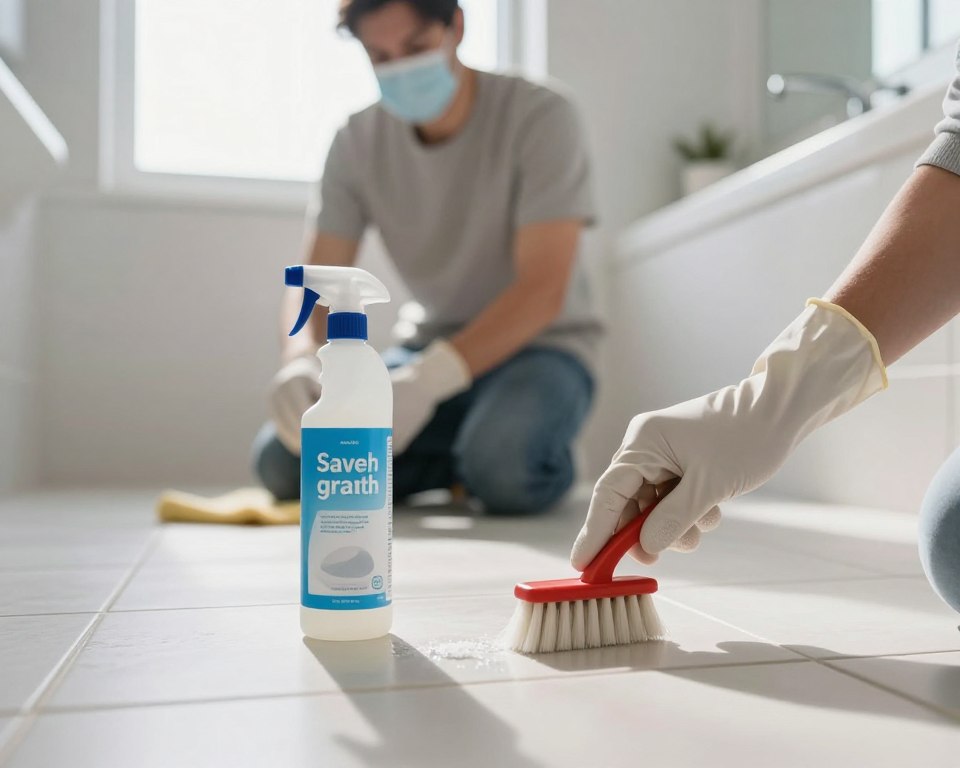
Homeowners often ask whether a mask is needed when treating tile and the mortar lines between them. Beyond Clean Tile, serving The Woodlands, North Houston, and Montgomery County, notes that chemical makeup matters more than marketing claims.
DIY methods like baking soda can help, but they also risk trapping dirt and causing buildup in grout lines over time. Using the wrong product in a bathroom or shower may lead to lasting discoloration of tile grout.
Harsh sprays and some strong products can leave residues that take more than thirty minutes to remove with a sponge or cloth.
Proper ventilation and reading the label are practical steps anyone can take. When airflow is limited, a mask reduces inhalation of fumes and particles during grout cleaning work.
Key Takeaways
- Check product ingredients before using on floors or tile surfaces.
- DIY baking or soda mixes may trap dirt and worsen stained grout.
- Limited airflow in bathrooms raises exposure risk—ventilate or wear a mask.
- Some sprays leave buildup that needs prolonged scrubbing with a sponge or cloth.
- Professional services in Montgomery County can prevent permanent damage to tile grout.
Understanding the Risks of Chemical Fumes
Chemical fumes can build quickly in small bathrooms and overwhelm unprotected lungs. Poor airflow raises inhalation hazards during routine cleaning. Short exposures may cause coughing, headaches, or eye irritation. Repeated exposure over months raises the risk of chronic respiratory problems.
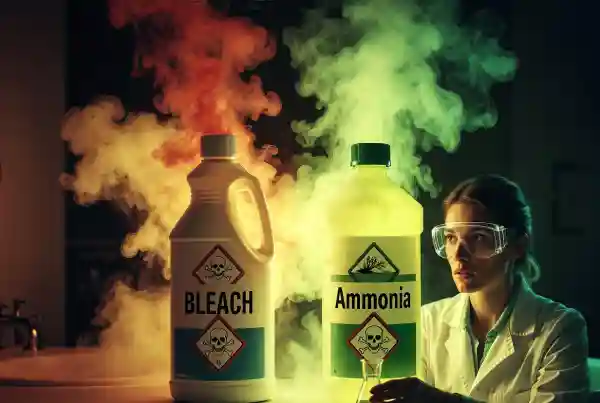
Mixing products can make matters worse. Combining ammonia with bleach creates highly toxic gases. That single DIY mistake produces fumes that can injure airways almost immediately.
Some common alternatives carry hidden harms. Vinegar is acidic and can pit natural stone such as marble or travertine. Baking soda acts as a mild abrasive; particles can lodge in grout lines and cause long-term discoloration.
Excessive water during tile cleaning promotes moisture buildup. Wet pores in grout encourage mold if surfaces do not dry in good time. Professional protocols stress never mixing bleach with other products and reading labels before use.
- Avoid combining ammonia and bleach—dangerous fumes can form.
- Limit use of acidic solutions on natural stone.
- Dry surfaces thoroughly to prevent mold in lines and pores.
For more on long-term risks from household products, see cleaning chemicals and lung damage.
Is Grout Cleaner Safe to Use Without a Mask?
Not every product sold for restoring tile lines vents well in small bathrooms.
Beyond Clean Tile recommends a nylon brush for spot treatment rather than relying on a harsh spray. A targeted scrub cuts down on fumes and chemical dispersion while improving local results.
Prevention remains the best way to clean grout without heavy scrubbing. Mats and routine sweeping keep grime and dirt off floors, reducing the need for aggressive products.
“Consumer Reports tested several products and found wide variation in how well each removed stubborn stains and grime.”
- Whether you need a mask depends on product toxicity and room ventilation.
- Using a pH-neutral cleaner often gives professional-level results without harsh fumes.
- For deeply stained areas, professional tile and grout services restore uniform color better than most DIY options.
Always follow label directions when cleaning grout and consider spot-testing before full application.
Identifying Toxic Ingredients in Common Cleaners
Many household products carry ingredients that damage tile surfaces and degrade mortar lines over weeks of repeated use. Spotting harmful components helps homeowners pick options that protect finishes and indoor air.
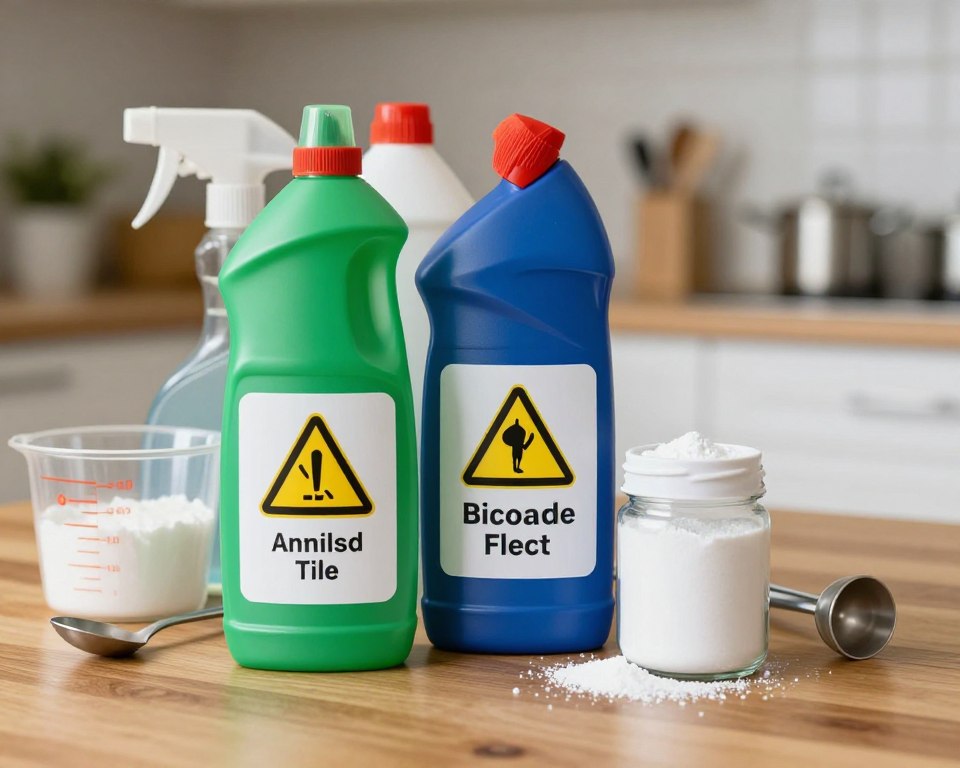
Bleach and ammonia dangers
Bleach can increase pore size in mortar, making surfaces trap more dirt over time. Ammonia strips sealers and weakens structure; mixing the two generates poisonous gases.
Acidic cleaners
Acids such as vinegar etch natural stone like marble and limestone. That pitting is permanent and speeds surface wear in high-traffic areas.
Synthetic additives
Polishes and some over-the-counter products leave polymer layers that collect oils and grit. Removing buildup often requires professional stripping.
- Warning: baking soda, a popular DIY option, can lodge particles in grout pores and cause lasting discoloration.
- Identifying these ingredients is the first step toward choosing better grout cleaners for tile floors.
Why Proper Ventilation Matters During Cleaning
Strong fumes can concentrate quickly in small bathrooms and pose real breathing risks. Proper airflow disperses volatile compounds released by a spray or other product. That lowers short-term irritation and long-term exposure.
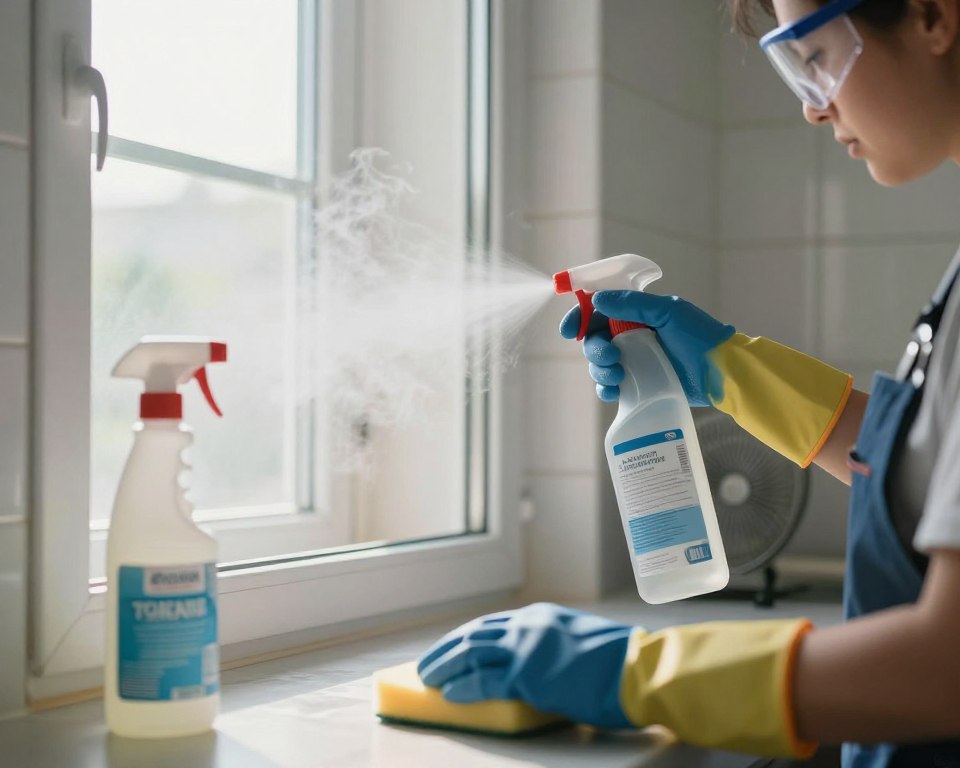
Using a floor or tile cleaner in a confined space lets vapors accumulate. Over time, that raises the level of airborne irritants and volatile organic compounds (VOCs).
Water-based solutions need air to finish the job. When grout lines stay wet, mold and mildew find a place to grow. Good circulation speeds drying and improves results.
Beyond Clean Tile emphasizes ventilation as a core part of any responsible cleaning routine for tile and grout surfaces. Fresh air reduces inhalation risk and helps products perform as intended.
| Method | When to Use | Benefit | Limitations |
|---|---|---|---|
| Open windows | Small rooms, mild weather | Simple, continuous fresh air | Not effective in calm, enclosed spaces |
| Box or exhaust fan | Bathrooms, no outdoor airflow | Removes fumes quickly | Requires outlet and placement |
| Portable air purifier | During and after cleaning | Reduces particles and odors | Varied VOC removal—check specs |
| Combined approach | Deep cleaning sessions | Best overall protection and drying | Needs planning and time |
Bottom line: keep air moving. That simple step protects health and helps maintain clean, dry lines on tile and floors.
Selecting Safer Alternatives for Your Home
Choosing a pH-neutral solution limits wear to sealers while lifting dirt from tile and between lines. This approach preserves finishes and reduces the need for repeat treatments on floors.
EPA Safer Choice products
Consumer Reports identified two products that carry the EPA Safer Choice label, signaling lower-risk ingredients for indoor use. These formulations aim to reduce harmful emissions and protect the household environment.
Safer Choice certification means the chemical components meet criteria for reduced human and ecological harm. Many labeled options come as a controlled spray, which targets the surface without oversaturating pores.
- Choose labeled products: look for the Safer Choice mark when shopping for a grout cleaner or grout tile treatment.
- Prefer pH-neutral: it removes dirt and stains while protecting sealers and natural stone.
- Check compatibility: Beyond Clean Tile advises picking formulas safe for marble and travertine to avoid etching.
Selecting these solutions offers a practical way to maintain floors and protect family health. Always follow labels and test a small area before full application.
Essential Protective Gear for Deep Cleaning
Protective equipment—gloves, a quality mask, and a durable brush—makes deep cleaning less risky and more effective.
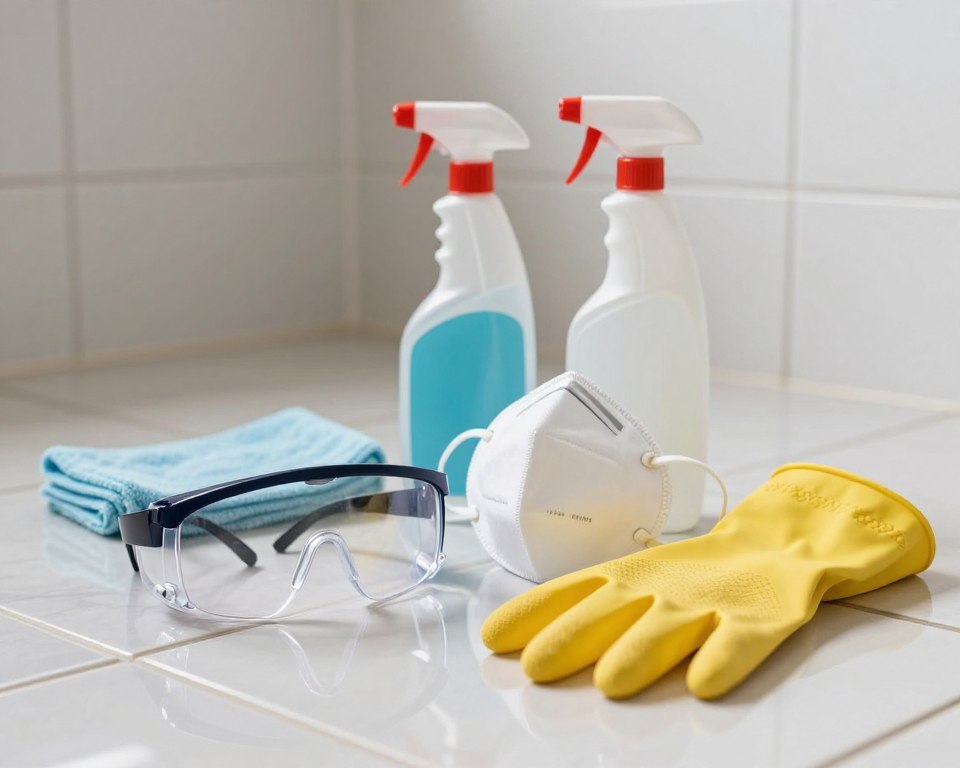
Select chemical-resistant gloves for prolonged work in a bathroom or shower. Use a fitted mask when handling products that mention bleach or strong solvents.
A nylon brush delivers focused abrasion without damaging tile edges. That tool reduces reliance on abrasive DIY mixes such as baking soda that demand more elbow grease and may abrade pores.
Beyond Clean Tile offers professional services that use specialized equipment, cutting the need for homeowners to handle harsh cleaners. For heavy stains, professionals limit exposure and improve results.
- Wear gloves and eye protection during extended cleaning sessions.
- Use a fitted mask if using products that release fumes or contain bleach.
- Choose a nylon brush to scrub lines without aggressive abrasives.
| Gear | Why it matters | Best use |
|---|---|---|
| Chemical-resistant gloves | Protects skin from irritants | Long scrubs and DIY treatments |
| Respirator or fitted mask | Reduces inhalation of vapors | Using bleach or solvent-based products |
| Nylon brush | Effective on stains; gentle on tile | Targeted cleaning and grout cleaning |
Best Practices for Applying Grout Solutions
Allow treated areas to dry fully before applying a sealer. Dry lines lock in results and prevent trapped moisture that invites mildew and dirt.
Use a pH-neutral solution for overall cleaning to protect tile and the existing sealer. For everyday maintenance, Zep Home Pro Miracle Grout Cleaner & Protectant offers stain resistance and easy upkeep.
Avoid vinegar or bleach on tile surfaces; acidic or harsh products degrade sealer and cause long-term damage. Instead, use a microfiber mop to remove residues and reduce buildup across the floor.
Spot-treat stubborn stains with a nylon brush and a pH-neutral product rather than abrasive DIY mixes like baking soda. Follow manufacturer directions and leave the solution on for recommended minutes before rinsing with clean water and wiping with a cloth or sponge.
- Timing matters: let grout lines dry completely before sealing.
- Tool choice: microfiber mops and nylon brushes reduce wear and improve results.
- Maintenance: regular care and a quality sealer keep tile grout resistant to mildew and dirt.
Maintaining Your Floors to Reduce Chemical Exposure
Routine sweeping and quick spot-cleaning cut the need for heavy-duty products and reduce airborne fumes.
Daily removal of dust and grit keeps lines from abrading. That simple step limits buildup and lowers the frequency of deep grout cleaning.
Place mats in entryways and high-traffic areas to trap dirt before it reaches tile and lines. Change rugs often to avoid transferring grime back onto the floor.
Clean spills immediately. Wiping with a microfiber cloth or a damp sponge prevents stains from setting and removes the need for strong spray solutions that produce fumes.
- Regular maintenance: sweep or vacuum daily to reduce exposure to harsh products.
- Protect high-traffic areas: use mats and routine spot treatment with a cloth or sponge.
- Professional sealing: apply a sealer to make lines stain-resistant and cut future chemical use.
| Action | Benefit | Recommended frequency |
|---|---|---|
| Sweeping or vacuuming | Removes dirt before it embeds | Daily |
| Mats in traffic zones | Reduces tracked-in grime | Continuous |
| Spot clean with cloth/sponge | Stops stains; avoids heavy sprays | As needed |
| Professional sealing | Long-term stain resistance | Every 1–3 years |
Conclusion
Regular maintenance cuts deep-cleaning time and limits the need for harsh products. Sweep and spot-treat to keep dirt and grime from embedding between tiles. Small, frequent actions reduce reliance on strong formulas and yield better, longer-lasting results.
Prioritize ventilation and wear protective gear for any heavy-duty cleaning. Choose pH-neutral solutions and vetted cleaners to protect finishes and indoor air. For stubborn stains, consider professional services that restore lines and apply durable sealers.
Learn more about how bacteria lodge in porous lines and how to prevent it by visiting clean grout lines. Making informed choices protects your family and keeps your home looking its best.