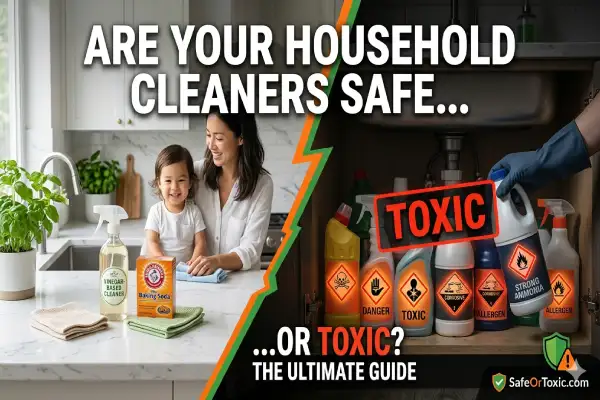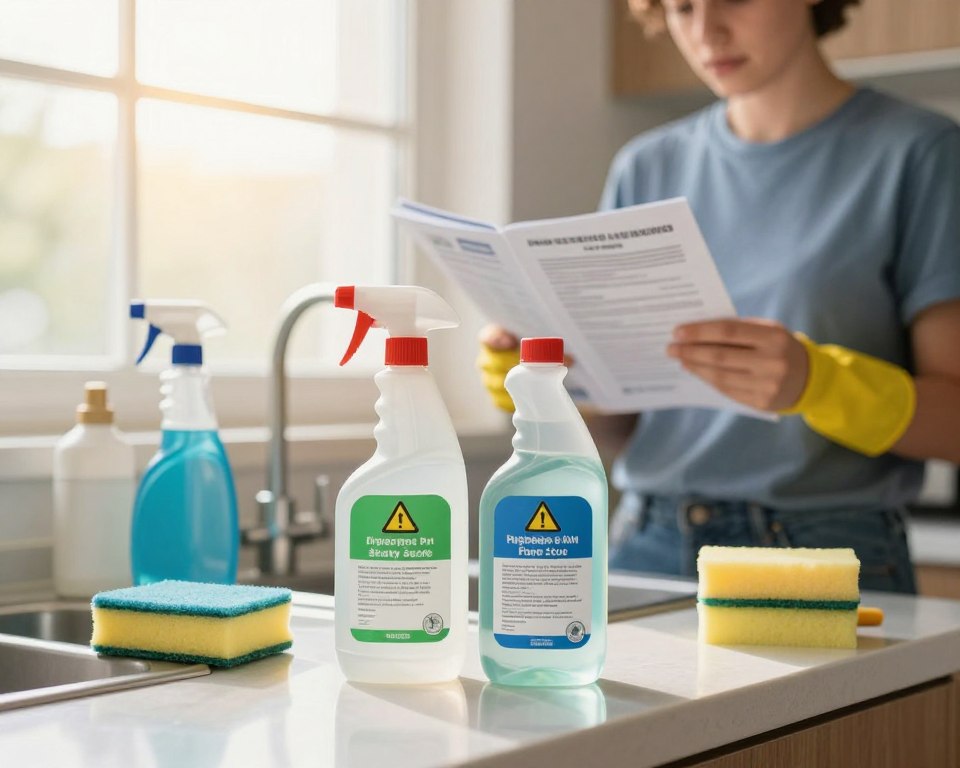
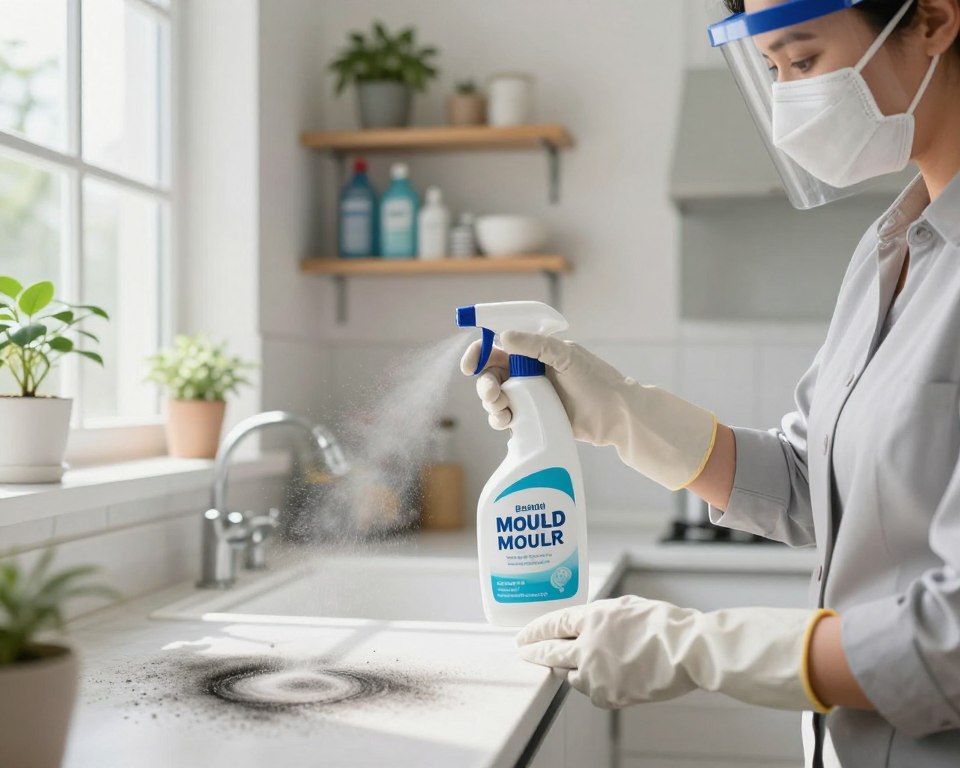
Seeing mold on your bathroom wall or basement ceiling can be scary. As a pharmacist, I often talk to families about air quality and health risks at home. It is natural to want a quick fix, but some products can make things worse.
Many products use chemicals that can hurt your breathing or cause allergies. It’s important to know if a product just hides the problem or really fixes it. Before using a product, look into natural alternatives that are safer for your health.
Fixing mold problems needs more than just chemicals. It’s about removing the mold and controlling moisture. By choosing the right method, you can keep your home safe without using harmful chemicals. This guide will help you make smart choices for your home.
Key Takeaways
- Many commercial cleaners contain volatile compounds that pose respiratory risks.
- Physical removal of growth is more effective than relying solely on chemical sprays.
- Natural options like vinegar and hydrogen peroxide offer safer, evidence-based alternatives.
- Proper ventilation and moisture control are essential to prevent future recurrence.
- Always avoid mixing household cleaning agents to prevent dangerous chemical reactions.
Understanding the Risks of Indoor Mold Exposure
Mold in your home is a serious issue. It brings tiny particles that need quick action. Mold grows well in damp, airless places like bathrooms and basements. It can grow on almost any surface, including plastics, ceramic tile, brick, cement, wallboard, cloth, and ceilings.
Health hazards associated with common household mold species
Household molds like Aspergillus, Cladosporium, and Penicillium can be harmful. They release particles that can cause allergies or serious health issues. It’s important to remove mold to stop it from spreading and releasing toxins.
How mold spores affect indoor air quality
Mature mold colonies release spores and harmful gases into the air. This makes the air in your home unhealthy. Regular mold removal helps keep the air clean and safe to breathe.
Recognizing symptoms of mold-related respiratory issues
Mold exposure can cause physical symptoms, especially in people with asthma or sensitivities. Look out for coughing, wheezing, nasal congestion, and eye irritation. If you see these signs, check for moisture and consider professional indoor mold removal to keep your family healthy.
| Mold Growth Factor | Primary Risk | Health Impact |
|---|---|---|
| High Humidity | Spore Proliferation | Respiratory Irritation |
| Poor Ventilation | mVOC Accumulation | Allergic Reactions |
| Porous Surfaces | Deep Colonization | Chronic Sensitivity |
Is mold spray safe indoors for your family and pets
When thinking about mold spray safety indoors, we need to look at household cleaners closely. Many products are made to kill fungi fast but might not be safe for people and pets. Knowing these risks helps make our homes healthier.
Assessing toxicity levels in standard cleaning agents
Many mold removers have harsh chemicals that can harm if breathed in or swallowed. These chemicals can stay in the air for a long time. Always check the ingredients before spraying anything.
Standard cleaners use biocides to kill mold spores. But these can irritate our lungs. If you’re sensitive to smells, you might feel uncomfortable while cleaning. Remember, not all mold problems need strong chemicals.
Vulnerability of children and pets to chemical residues
Children and pets are more at risk from chemicals because they touch floors and surfaces a lot. They can easily get sick from chemicals left on floors. These chemicals can stay active on surfaces for a long time.
Children’s bodies are still growing, making them more vulnerable to chemicals. Pets can also get skin or breathing problems from chemicals. Make sure treated areas are dry and well-ventilated before letting them back in.
Guidelines for keeping living spaces safe during treatment
When using mold spray indoors, always make sure the area is well-ventilated. Open windows and use fans to clear out fumes. Follow the instructions on the cleaner to avoid using too much.
| Cleaning Agent Type | Primary Risk | Safety Level |
|---|---|---|
| Bleach-based | Respiratory irritation | Low |
| Quaternary Ammonium | Skin/Eye contact | Moderate |
| Hydrogen Peroxide | Minimal | High |
| Vinegar Solutions | None | Very High |
Before using any spray, think about why there’s moisture. Fixing the leak or humidity is better than just spraying. Choosing the right products and using good ventilation helps manage mold safely.
Chemical Composition of Common Mold Removers
Choosing the right mold spray for home use is more than just picking a product. Many products have strong chemicals to kill mold. But these chemicals can also harm the air inside your home. Knowing what’s in these products helps you clean safely and smartly.
Understanding bleach-based cleaners and their limitations
Chlorine bleach is found in many cleaners. It whitens and kills surface mold. But it can’t reach mold deep in materials like drywall or wood. This means mold can come back after treatment.
Learn why spraying mold is often not enough. Check out expert advice on how to get rid of mold for good.
The role of quaternary ammonium compounds in mold removal
Quaternary ammonium compounds, or “quats,” are in professional cleaners. They kill mold by breaking down its cells. But they can leave harmful chemicals on surfaces.
These chemicals can stay on surfaces for a long time. They might harm children or pets who touch treated areas.
Risks associated with volatile organic compounds (VOCs)
Many products have volatile organic compounds (VOCs) that turn into air. These can irritate your eyes, skin, and lungs. When picking a mold spray for home use, choose ones with low VOCs.
Always use these cleaners in well-ventilated areas. This helps keep the air in your home healthy.
| Chemical Agent | Primary Function | Common Limitation |
|---|---|---|
| Chlorine Bleach | Surface Disinfection | Cannot penetrate porous materials |
| Quaternary Ammonium | Fungal Growth Inhibition | Leaves persistent chemical residue |
| Formaldehyde | Preservation/Biocide | Known respiratory irritant |
| Ammonia | Surface Cleaning | Ineffective against deep root systems |
Health Implications of Inhaling Mold Spray Fumes
When dealing with mold indoors, the chemicals in mold spray for home use can be harmful. Many people focus on the mold itself, ignoring the dangers of the cleaning agents. These agents can affect your breathing.
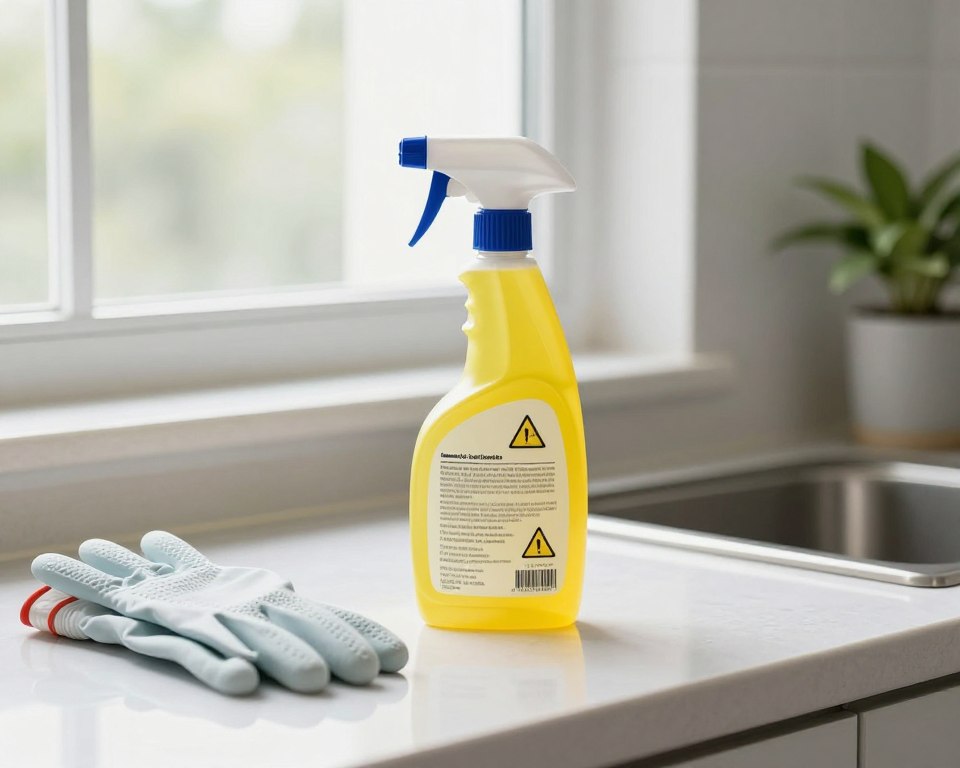
Short-term respiratory irritation and chemical sensitivity
Breathing in strong fumes from cleaning products can cause breathing problems right away. People with allergies or asthma might cough, wheeze, or feel throat irritation.
It’s not just the main ingredients that can cause trouble. Fragrances and stabilizers in these products can also irritate your airways in closed spaces.
Long-term exposure risks in poorly ventilated areas
Being around chemicals for a long time in places with little air can make health problems worse. Just spraying a mold spray for home use might not get rid of all the mold.
Dead mold spores can still cause allergic reactions if not removed. Leaving them in a room with poor air flow can lead to ongoing air quality problems.
How to minimize inhalation during the cleaning process
To stay safe, follow important safety steps before cleaning. Make sure windows are open and fans are on to keep air moving.
Wearing the right gear, like an N95 respirator, is crucial to avoid breathing in harmful fumes and spores. Cleaning effectively means killing the mold and then removing it to make sure your space is really clean.
Identifying When Professional Remediation is Necessary
Knowing when to call for help is key to effective indoor mold removal. Small spots might be doable on your own. But big infestations need special tools and skills to make sure your home is safe.
Determining the extent of mold infestation
If you see a lot of mold, there’s probably more you can’t see. Studies show that mold hidden behind walls can be up to 10 times more than what you see.
Trying to clean big areas without the right gear can spread mold spores everywhere. If the mold area is over ten square feet, it’s best to get a pro to avoid spreading it further.
When to call experts for toxic black mold removal
Some molds, like toxic black mold, are really bad for your health. If you think you have this kind of mold, don’t try to clean it yourself.
“Professional remediation is not just about cleaning; it is about identifying the moisture source and ensuring the structural integrity of the home is not compromised by long-term fungal colonization.”
Experts use special air filters and protective gear that you can’t buy. This keeps the cleaning safe and doesn’t release harmful toxins.
Structural damage and hidden mold behind walls
Mold loves dark, damp places like behind walls or under floors. When it damages things like wooden studs, just cleaning the surface won’t fix it.
Getting a pro is the only way to safely take out moldy materials and find and fix the moisture problem. This way, the job is done right and safely, fixing your indoor mold removal problem for good.
| Feature | DIY Cleaning | Professional Remediation |
|---|---|---|
| Scope of Work | Small, surface-level areas | Large, hidden, or structural |
| Equipment | Standard household tools | HEPA vacuums and air scrubbers |
| Safety Protocol | Basic masks and gloves | Full containment and respirators |
| Moisture Source | Often ignored | Identified and corrected |
Safe Application Techniques for Indoor Mold Control
To control mold effectively, you need more than just spraying. ANSI/IICRC S520 standards say removing mold physically is key. Using only a natural mold killer spray without cleaning can leave spores that grow back fast.
Proper dilution and mixing of cleaning solutions
Always follow the maker’s guide when mixing cleaners. A too-strong solution can harm surfaces or release harmful fumes. On the other hand, a weak mix might not kill the mold well.
Use precise measurements in dedicated containers. Consistency in mixing ensures every application works the same way in your home.
Targeted application to prevent aerosolizing spores
When using liquid cleaners, avoid high-pressure sprayers that can spread spores. Instead, use a fine mist or a targeted stream to gently dampen the area. This method keeps mold in check and stops it from spreading.
For a natural mold killer spray, apply it directly to the mold. This way, you avoid misting the whole room. It’s more precise and keeps you safe from airborne particles.
Surface preparation for effective mold eradication
Before treating, clean the surface with a mild soap and water. This removes dirt and lets the cleaner reach the mold better. Proper preparation is crucial for lasting mold control.
| Application Method | Risk Level | Efficacy | Best Use Case |
|---|---|---|---|
| High-Pressure Spray | High (Aerosolization) | Low | Not Recommended |
| Targeted Mist | Low | High | Surface Mold |
| Manual Scrubbing | Moderate | Very High | Porous Materials |
| Soaking/Dwell Time | Low | Moderate | Deep Stains |
By mixing mechanical cleaning with a good natural mold killer spray, you get a safer, more effective way to clean. Always wear the right gear to keep your home safe and healthy.
Evaluating Non-Toxic Mold Control Alternatives
For minor fungal growth, non-toxic mold control methods are a good start. They are safer than industrial chemicals, which can have harsh fumes. Knowing how well these natural agents work is key to success.
Benefits of using hydrogen peroxide for mold
Hydrogen peroxide kills mold spores on contact. It’s safer than bleach because it breaks down into water and oxygen. Using a 3% concentration can remove mold from hard surfaces like tile or glass.
The effectiveness of vinegar and baking soda solutions
Distilled white vinegar is great for non-toxic mold control. It kills over 80% of mold species. Vinegar and baking soda together create a scrub that removes stains without harm.
Limitations of natural cleaners on porous surfaces
Natural cleaners work well on surfaces but have limits. On porous materials like drywall or wood, mold can grow deep. For these, professional remediation might be needed to remove mold completely.
| Cleaning Agent | Best Use Case | Safety Profile | Porous Surface Efficacy |
|---|---|---|---|
| Distilled Vinegar | Hard surfaces | High | Low |
| Hydrogen Peroxide | Tile and glass | High | Low |
| Industrial Biocides | Severe infestations | Low | Moderate |
| Baking Soda | Surface scrubbing | High | Very Low |
The Role of Ventilation in Indoor Air Quality Improvement
Effective indoor air quality improvement starts with good ventilation. It helps keep chemical fumes and dust out of your home. By managing air flow, you keep your home clean and safe.
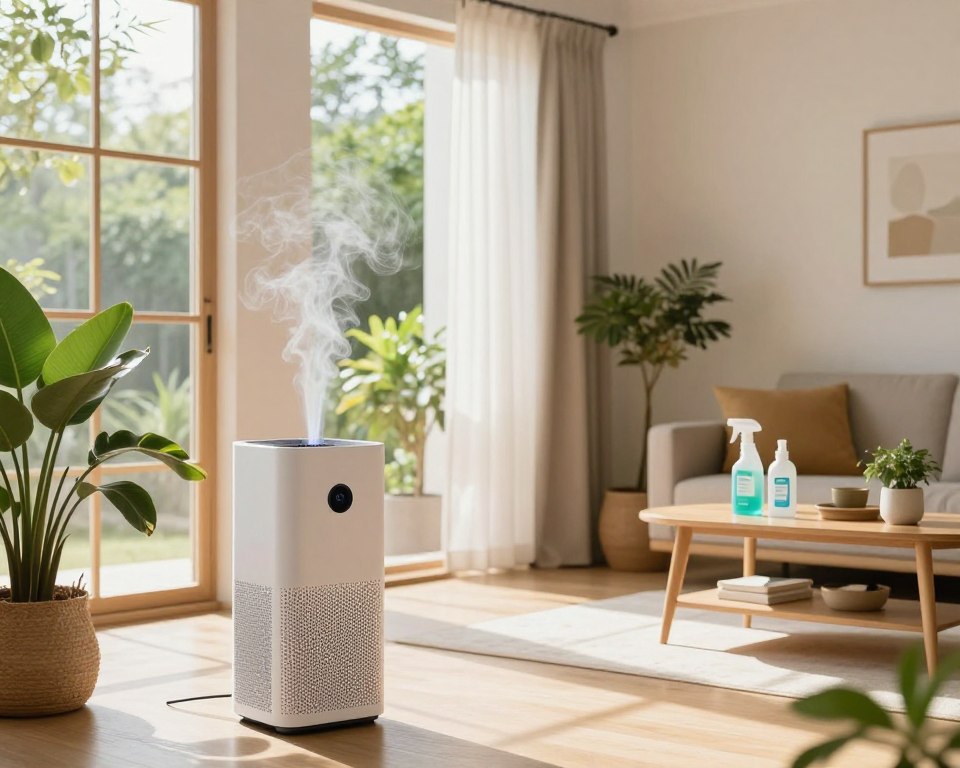
Using exhaust fans and air purifiers during cleanup
Exhaust fans help get rid of chemical smells, but use them wisely. If you set up a fan wrong, it can spread mold spores. Always direct airflow toward the outside to avoid this.
HEPA purifiers are a better choice for catching tiny spores. They keep the air clean all the time. Make sure your purifier fits the room’s size.
The importance of cross-ventilation in enclosed spaces
Cross-ventilation is better than fans for moving air. Open windows on opposite sides to create a natural air flow. This method avoids strong winds that can spread mold.
This gentle method keeps cleaning chemicals out of your home. It’s a passive yet highly effective way to keep the air healthy. When cleaning small spaces, keep the door open for better air flow.
Monitoring air quality after mold treatment
After cleaning, check the air quality to make sure it’s safe. Use professional air quality monitors to track humidity and dust levels. This confirms your efforts at indoor air quality improvement were successful.
| Ventilation Method | Primary Benefit | Best Use Case |
|---|---|---|
| Exhaust Fans | Rapid fume removal | Small, enclosed bathrooms |
| HEPA Purifiers | Spore capture | Sensitive living areas |
| Cross-Ventilation | Natural air exchange | General room treatment |
If you still smell something or have breathing problems, mold might be back. Consistent monitoring helps you decide what to do next. Always check that the area is dry before closing windows or turning off air purifiers.
Comparing Eco-Friendly Mold Solutions to Industrial Cleaners
Choosing between industrial cleaners and eco-friendly mold solutions is a big decision. It’s about finding a balance between getting rid of mold fast and being kind to the environment. Industrial cleaners work quickly but can harm indoor air quality. It’s important to know how they affect your home and the planet.
Efficacy comparison on different material types
Industrial cleaners use strong chemicals like bleach to kill mold. They work well on hard surfaces like tile and metal. But, they struggle with mold in soft materials like wood.
Eco-friendly mold solutions might take longer but are safer for your home. They don’t bleach surfaces as fast but are gentler. To see which is best for you, check out the best natural and chemical solutions for mold.
Environmental impact of chemical runoff
What you clean with affects more than just your home. Industrial cleaners can harm the environment. They don’t break down well and can pollute water.
Choosing eco-friendly cleaners helps the planet. They don’t pollute water as much. This choice is key for those who care about the environment.
Cost-benefit analysis of green cleaning products
Green cleaning might seem more expensive at first. But, it’s cheaper in the long run. Industrial cleaners can be cheaper but might cost more in health problems.
Buying safer products means a healthier home. It reduces the need for harsh chemicals. The best choice is one that removes mold and keeps air clean.
Best Practices for Effective Mold Prevention
Creating a plan for effective mold prevention is key to keeping your home mold-free. By stopping mold spores from growing, you avoid using harsh chemicals. Being proactive is your best defense against bad air inside your home.
Maintaining optimal indoor humidity levels
Fungi need moisture to grow, so controlling humidity is crucial. Keep indoor humidity below 60% always. A hygrometer helps you check humidity levels accurately all year.
Regular inspection of high-risk areas like bathrooms and basements
Some areas in your home are more prone to moisture. Bathrooms, laundry rooms, and basements need regular checks for leaks. Finding water leaks early is key to effective mold prevention, as it stops mold before it damages your home.
Watch for musty smells or discoloration, especially under sinks and around windows. If you see these signs, find the leak fast. Fixing small leaks now saves you from big repairs later.
Using dehumidifiers to discourage mold growth
Drywall and other materials soak up moisture, creating a mold-friendly environment. A good dehumidifier pulls out extra moisture, keeping these materials dry.
Using dehumidifiers and ventilation regularly is vital for effective mold prevention. A dry environment means mold can’t survive. This simple habit keeps your home safe and healthy.
Protective Gear Requirements for DIY Mold Removal
Removing mold needs more than just a cleaning solution. It’s about keeping yourself safe. Even with non-toxic cleaners, mold spores can still cause breathing problems. Wearing the right protective gear is key to effective mold prevention and keeping yourself healthy while cleaning.
Selecting the right respirator for spore protection
A high-quality respirator is the most important tool. Dust masks won’t work because they can’t block tiny mold spores. You need at least an N95-rated respirator to block 95% of airborne particles.
For big mold problems, use a half-face respirator with P100 filters. Make sure it fits tightly around your nose and mouth to keep out contaminated air.
Importance of gloves and eye protection
Touching mold can irritate your skin or cause allergic reactions. So, wearing gloves is a must. Use heavy-duty rubber gloves that cover your wrists to stop mold or cleaning solution from getting on your skin.
Your eyes are also at risk from spores and chemicals. Wear non-vented safety goggles to protect them fully. If you wear glasses, make sure your goggles fit over them without losing the seal.
Clothing protocols to prevent cross-contamination
It’s important to manage your clothes to avoid spreading spores. Wear disposable coveralls if you can, or choose clothes you can wash in hot water right after.
Take off your protective gear before leaving the mold area to prevent spore spread. By sticking to these strict rules, you help keep your home safe from mold. This way, your cleaning efforts stay safe and effective.
Natural Mold Killer Spray Options for Sensitive Environments
Homeowners often focus on health when dealing with mold. They look for non-toxic mold control in places where family members spend a lot of time. Plant-based cleaners are a good choice for this. They help keep the air clean without using harsh chemicals.
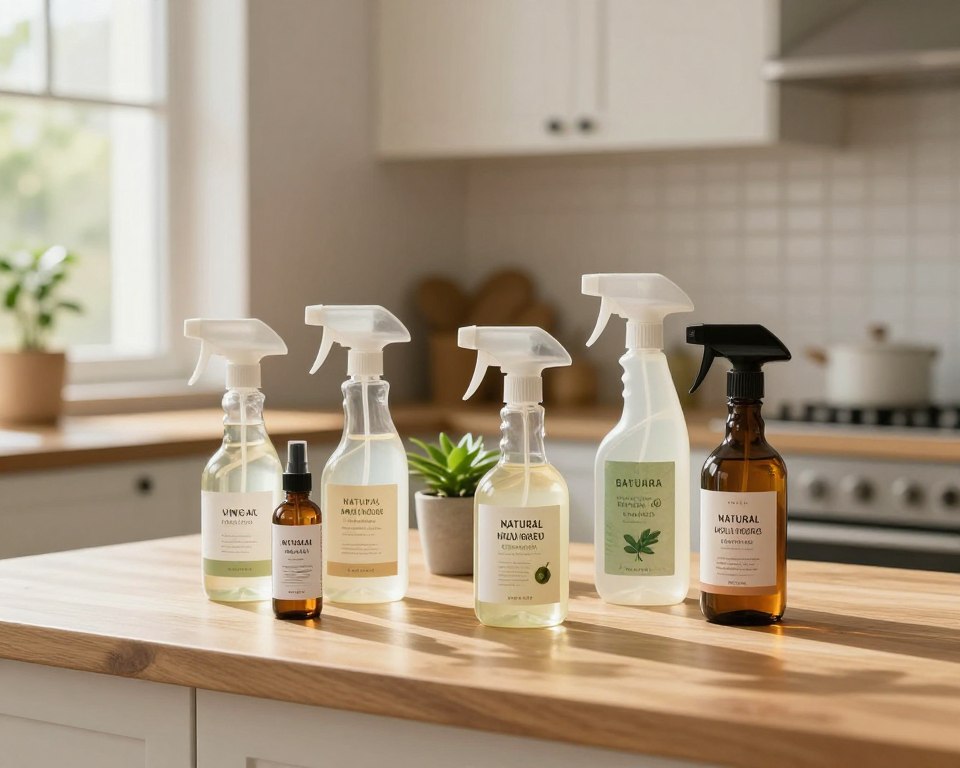
Essential oils with antifungal properties
Certain essential oils can stop mold from growing. Tea tree oil is known for its effectiveness. But, it must meet certain chemical standards to work well.
The oil should have Terpinen-4-ol at least 30% and Cineole no more than 10-15%. These amounts are key for fighting mold. When used right, these oils can be a strong tool for non-toxic mold control on hard surfaces. Always check the oil’s purity to avoid synthetic additives.
Safe application in nurseries and bedrooms
Using any cleaner in nurseries or bedrooms needs extra care. Even natural products must be used in well-ventilated areas. Good airflow helps spread out any strong smells and dries the area faster.
Storage is also important. Essential oils are very strong and can be toxic if ingested by kids or pets. Store all bottles in a high, locked place to keep them safe.
Limitations of botanical-based cleaners
Botanical cleaners are great for keeping surfaces clean but have limits. They don’t work as well as strong chemicals on deep mold in materials like drywall or wood. Using only non-toxic mold control methods might not solve the problem if mold has gone deep.
Plant-based sprays don’t last as long as synthetic ones. You might need to check the area often to keep mold away. If mold keeps coming back, it’s time to get help from a mold expert to find and fix the moisture problem.
Managing Moisture Levels to Prevent Mold Recurrence
Some building materials, like drywall, can come with mold spores from the factory. This means controlling moisture is key to effective mold prevention. If you don’t fix dampness, mold will come back, no matter how clean you keep things.
Fixing plumbing leaks and condensation issues
First, find and fix any water leaks. Even a small drip can feed mold. Check your plumbing often and tighten any loose parts to keep your home dry.
Condensation is another problem. When warm air meets cold surfaces, it turns into water. Better ventilation in humid areas helps prevent this.
Improving insulation to prevent thermal bridging
Thermal bridging happens when heat escapes through walls. This creates cold spots where moisture can form. Better insulation keeps walls warmer and drier.
Good insulation stops moisture buildup. It’s crucial for a healthy indoor climate. Dry walls mean less chance of mold.
Monitoring moisture in crawl spaces and attics
Crawl spaces and attics are often ignored but need attention. They can be humid and have poor air flow. Use a digital hygrometer to check humidity levels, aiming for under 60 percent.
If moisture is high, think about a vapor barrier or dehumidifier. Regular checks in these areas help catch problems early. Consistency is your best tool for a mold-free home.
Common Mistakes to Avoid During Indoor Mold Cleanup
Many homeowners make mistakes that can harm their indoor air quality. Choosing a good natural mold killer spray is a good start. But, the cleaning process needs careful attention to avoid spreading mold.
Why scrubbing dry mold is dangerous
One big mistake is trying to scrub mold when it’s dry. This action releases millions of microscopic spores into the air.
These spores can spread to other rooms, settling on surfaces or being inhaled. Always dampen the area before cleaning to keep spores contained.
The danger of mixing incompatible cleaning chemicals
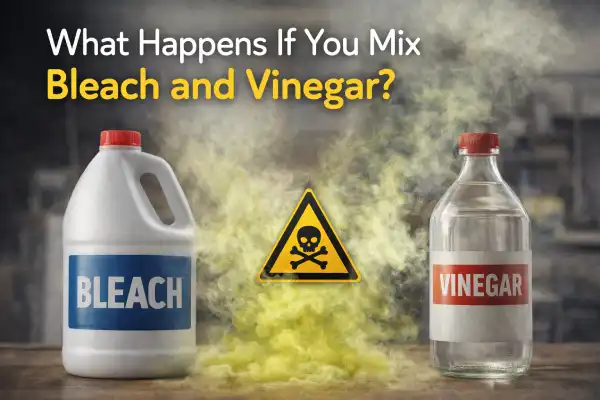
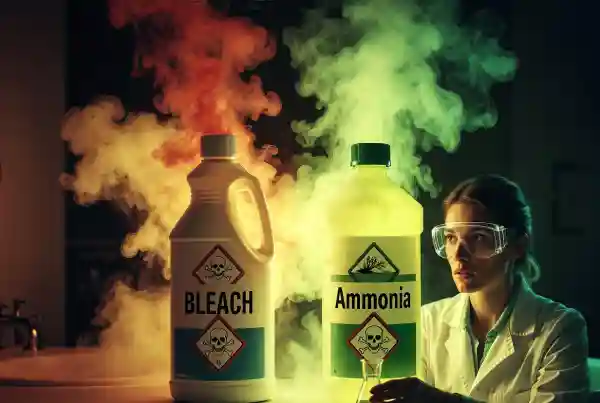
Understanding chemical interactions is key to safety. Never mix different cleaning agents, like bleach and vinegar, to make a stronger solution.
Combining these can cause a reaction that releases toxic gases, harmful to your lungs. Use one product at a time or a pre-made natural mold killer spray to avoid risks.
Ignoring the root cause of moisture
The biggest mistake is not fixing the moisture problem. Mold grows in damp places and will come back if the water source isn’t fixed.
Whether it’s a leaky pipe, bad ventilation, or high humidity, you must solve the moisture issue. Just cleaning the surface won’t work if the environment still supports mold growth.
Selecting the Safest Mold Remediation Products for Your Home
As a pharmacist, I stress that removing mold mechanically is best. Chemical sprays alone are not enough. They often don’t solve the problem. Look for safest mold remediation products that remove mold physically and clean surfaces.
Reading labels for hazardous ingredients
Good cleaning agents are transparent about their ingredients. Check the label for a full list, not just “natural” or “eco-friendly.” Stay away from products with harsh VOCs or ammonia, which can hurt your breathing.
If you’re not sure what to choose, check out the top 6 cleaning products for mold. Choose products that clearly list their chemicals. This helps you pick the best for your family’s health.
Certifications to look for in safe cleaning products
Third-party certifications show a product meets safety and environmental standards. Look for EPA’s Safer Choice or Green Seal labels. These mean the product has been tested thoroughly.
These groups check if the ingredients are safe, break down easily, and are good for the environment. Choosing certified products means you avoid harmful chemicals in your home. Verification is your best defense against false claims.
Where to find reliable product safety data sheets
If you’re still unsure about a product’s safety, the Safety Data Sheet (SDS) is key. Every chemical product must have an SDS. It lists potential dangers, how to handle it, and what to do in emergencies. You can find it on the manufacturer’s website or by asking them directly.
The SDS gives you a detailed look at the substance. It shows its pH level and if it can irritate skin or lungs. Always check the SDS to make sure the product is safe for indoor use. If unsure, look at the SDS to meet your safety standards.
Conclusion
Managing mold effectively involves removing it physically, controlling moisture, and using safe products. These steps protect your home from mold’s health risks. It’s crucial to follow these proven methods.
Fixing the source of dampness is key, not just using chemicals. Finding and fixing leaks or improving air flow keeps your air clean. Choosing safe products for mold removal helps keep your family and pets safe.
Big mold problems need experts to fix. They have the right tools to safely remove toxic mold. Getting help from professionals gives you peace of mind when DIY methods fail.
Keeping your home healthy means making smart choices and staying on top of maintenance. Watch humidity levels and check areas like basements or bathrooms often. By doing this, you make your home safer and cleaner for everyone.