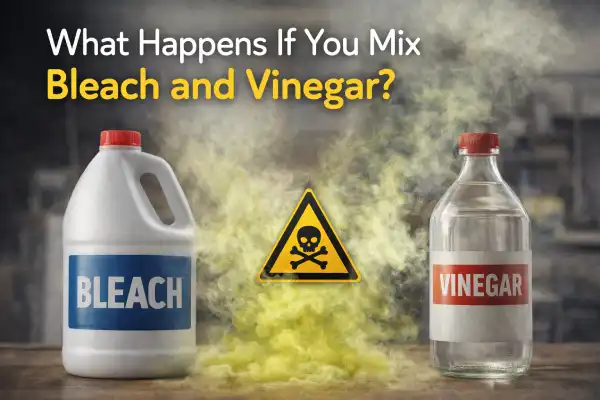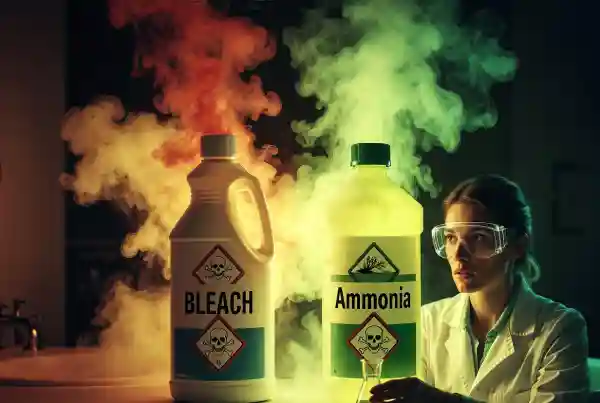
Studies show that the average American home has over 60 toxic substances. Many come from common cleaning products. As a clinician, I see patients trying to avoid synthetic irritants in everyday supplies.
People are looking for safer options for their homes. They ask if a reusable cleaning wipe is better than chemical wipes.
We need to look beyond marketing to understand the science behind cleaning. I aim to give you facts to choose wisely. By studying how these wipes work, we can find the best way to keep your home safe.
Key Takeaways
- Most household toxicity comes from synthetic ingredients in disposable products.
- Clinical evidence shows that mechanical action often beats harsh solvents for cleaning.
- It’s key to keep textile-based tools clean to avoid spreading germs.
- Many claims about antimicrobial wipes lack solid, peer-reviewed proof.
- Choosing the right tools means finding a balance between health and practical cleaning needs.
Understanding the Shift Toward Sustainable Cleaning
More people are choosing sustainable cleaning because they care about the planet and their health. They’re moving away from single-use products to durable ones. This change helps minimize chemical exposure at home.
Now, people want to clean their homes without harming the environment. By picking eco-friendly cleaning wipes, families cut down on waste. This shows a big shift towards being more mindful of what we buy for cleaning.
“Sustainability is no longer a luxury; it is a fundamental requirement for modern living, especialy when it concerns the health of our homes and the planet.”
People want to be safe and efficient in their cleaning. They find that durable, high-quality materials work better than disposable ones. As more eco-friendly cleaning wipes become available, more families see they can clean without harming the planet.
Is a Reusable Cleaning Wipe Safer Than Chemical Wipes?
Figuring out if a reusable cleaning wipe is safer than chemical wipes means looking at how they work on surfaces. Chemical wipes kill germs with active ingredients. But, reusable wipes remove dirt and germs physically.
Home safety is about cutting down germs and avoiding chemical leftovers. Chemical wipes might leave quaternary ammonium compounds or fragrances on surfaces. These can be harmful to kids and pets who touch these areas a lot.
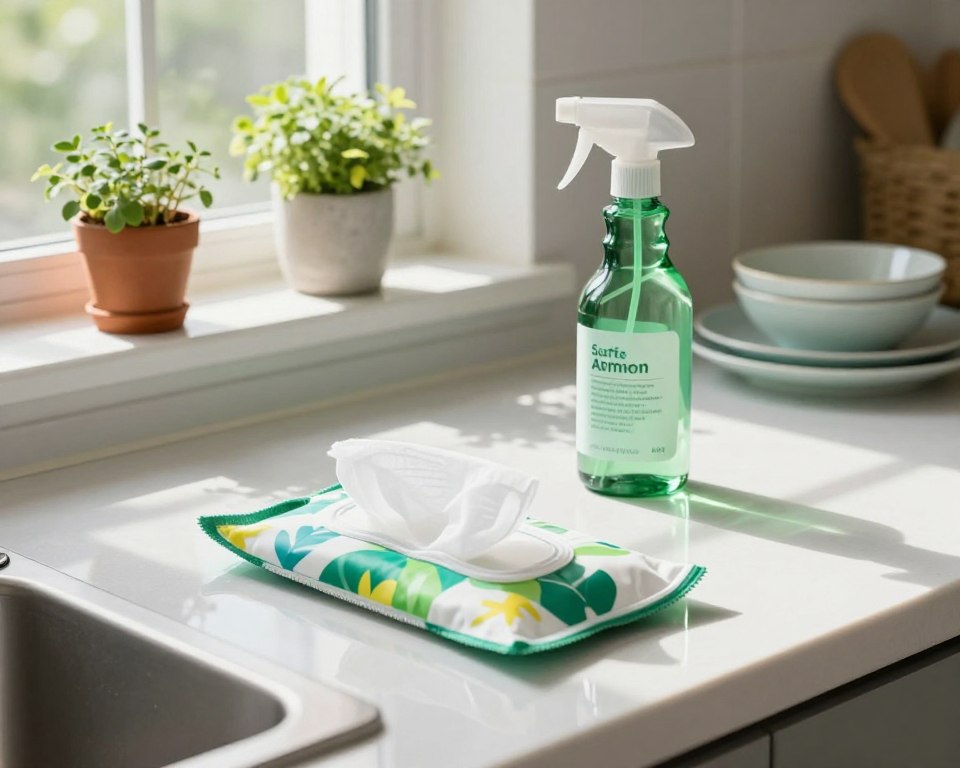
On the other hand, a top-notch reusable cleaning wipe uses special fibers to pick up dirt. It doesn’t use harsh chemicals, so it doesn’t leave toxic residue. Many people think it’s safer for everyday cleaning than chemical wipes.
Choosing between them depends on your home’s needs. If you want to avoid chemicals, mechanical cleaning is a highly effective choice. But, knowing how these tools work is key to keeping your home clean and safe.
The Science Behind Chemical Disinfectant Wipes
Many people use disposable wipes for their convenience. But, the chemicals in these wipes need closer look. When you use a wipe, you apply a mix of synthetic agents that change your home’s surface chemistry. Knowing these ingredients helps you choose non-toxic cleaning cloths for better health.
Common Ingredients in Disposable Wipes
Most disinfectant wipes use quaternary ammonium compounds, or “quats.” These substances make liquids spread easier to clean and kill germs. They also have synthetic fragrances, preservatives, and solvents that stay on surfaces.
These ingredients are highly reactive, which kills bacteria. But, this reactivity can harm your indoor environment. They provide quick cleaning but leave a chemical film that builds up over time.
“The widespread use of chemical disinfectants in residential settings has outpaced our understanding of the long-term health implications of chronic, low-level exposure to these residues.”
Potential Health Risks of Quaternary Ammonium Compounds
Quaternary ammonium compounds can cause health problems, like breathing and skin issues. Studies show they can irritate the skin and lungs, leading to asthma or skin rashes. Daily use means constant exposure to these irritants in your home.
The table below shows the main differences between chemical wipes and non-toxic cleaning cloths:
| Feature | Chemical Wipes | Non-Toxic Cleaning Cloths |
|---|---|---|
| Primary Mechanism | Chemical disruption of cell walls | Mechanical removal of debris |
| Surface Residue | Leaves synthetic chemical film | Leaves no chemical residue |
| Health Impact | Potential respiratory irritation | Generally hypoallergenic |
| Environmental Impact | Single-use plastic waste | Reusable and sustainable |
Choosing non-toxic cleaning cloths reduces chemical buildup in your home. This way, you keep your space clean without harsh chemicals. It helps maintain better air quality and reduces exposure to synthetic irritants.
How Microfiber Technology Works for Cleaning
Microfiber technology is a new way to clean that doesn’t use chemicals. Instead, it focuses on removing dirt physically. This is different from disposable products that use solvents to break down grime. Chemical-free cleaning wipes use special fabric to pick up dirt without chemicals.
This method is great for keeping homes clean without synthetic residues. It’s also good for those who don’t like the chemicals in standard disinfecting sprays.
Mechanical Cleaning Versus Chemical Sanitization
Traditional cleaning uses chemicals to kill germs. But, chemical-free cleaning wipes use the cloth’s physical structure to remove dirt. This means you’re physically taking dirt off the surface.
This method has many benefits for daily cleaning:
- Physical Removal: Dirt and germs are picked up, not spread around.
- Residue-Free Surfaces: No chemical residue is left behind, perfect for kitchens.
- Versatility: You can use the same tool on different surfaces without worrying about damage.
The Role of Surface Tension and Friction
The power of microfiber comes from surface tension and friction. These cloths have very fine fibers that make a huge surface area. This lets them create a strong electrostatic charge when they move over a surface.
When you move the cloth, the friction is strong enough to break the bond between dirt and the surface. The tiny fibers can get into small spaces that other cloths can’t. This means chemical-free cleaning wipes can catch dust, oils, and bacteria in the fabric until they’re washed away.
Microfiber tools use these physical properties to clean surfaces well. The high fiber density and precise making ensure dirt is caught securely. This stops dirt from spreading during cleaning.
Comparing Norwex and Similar Microfiber Systems
Modern cleaning tech uses advanced fibers to replace harsh chemicals. Brands like Norwex and E-cloth use special fibers for deep cleaning without chemicals. Knowing the differences helps you choose the best for your home.
Silver-Embedded Fibers and Antimicrobial Properties
Some top microfiber systems have silver particles in the fibers. This makes it hard for bacteria to grow. When the cloth dries, the silver ions stop bacteria, mold, and mildew.
“The efficacy of silver-based antimicrobial agents depends heavily on the surface area contact and the concentration of the metal within the synthetic matrix.”
Though silver tech is great, it’s not a total solution. You still need to clean regularly. Use a cleaning schedule to remove dirt. These reusable cleaning products need washing to stay effective.
Durability and Lifecycle of Reusable Cloths
The life of a microfiber cloth depends on its fibers and weave. Good cloths last for many washes. But, they can get less effective over time due to buildup.
To keep your reusable cleaning products in top shape, avoid bleach and dryer sheets. They can harm the fibers. Replace your cloths when they can’t pick up dust or absorb water well. Proper care makes your investment last for years.
Environmental Impact of Disposable Cleaning Products
Choosing sustainable cleaning supplies means looking at the whole life of our products. While we love convenience, the harm of single-use items is hard to ignore.
Many cleaning wipes are not natural. They’re made from synthetic materials like polyester or polypropylene, which are basically plastic.
Plastic Waste and Landfill Contributions
Throwing away a single-use wipe doesn’t make it disappear. These items often go to landfills, where they last for decades or even centuries.
The buildup of these synthetic materials greatly increases landfill size. Since they’re meant for one use, the waste from a single home in a year is huge.
Switching to sustainable cleaning supplies can help. Using reusable tools can cut down the plastic waste sent to landfills.
The Carbon Footprint of Manufacturing and Shipping
The harm of disposable wipes goes beyond just throwing them away. Making them is very energy-intensive, needing petroleum-based materials.
Also, making the chemical solutions for these wipes is complex. It involves a lot of energy to source, process, and package these chemicals.
Shipping these heavy, liquid-filled products adds more to their carbon footprint. The constant transport of heavy wipes increases emissions, unlike lighter, reusable options.
Looking at the whole life of your cleaning tools is crucial for sustainable cleaning supplies. Cutting down on disposable items can greatly reduce your environmental impact.
Health Considerations for Households with Pets and Children
Keeping our homes safe for everyone starts with how we clean. Infants and pets are often in close contact with surfaces, making them more likely to absorb harmful chemicals. Experts say reducing these chemicals is key to a healthier home.
Reducing Chemical Residue on Floors and Surfaces
Many disinfectant wipes leave behind harmful residues. These can be absorbed through the skin or swallowed by pets. Using non-toxic cleaning cloths helps remove dirt and germs without leaving chemicals behind.
“The goal of a healthy home is to minimize unnecessary chemical exposure while maintaining high standards of hygiene, where children play and crawl.”
Choosing physical cleaning over chemicals keeps surfaces safe for everyone. Non-toxic cleaning cloths are made to remove dirt and germs well. This way, you don’t need to rinse floors with water, which busy parents often forget.
Managing Allergies and Sensitivities to Synthetic Fragrances
Many cleaning products use synthetic fragrances, which can harm some people’s health. These can cause breathing problems in kids with asthma or pets with sensitive noses. Getting rid of these fragrances is a critical strategy for better air quality.
Switching to fragrance-free cleaning helps lower the chemical levels in your home. Without scented sprays, your home becomes a healthier place for breathing. This change is great for families dealing with allergies or sensitivities.
Evaluating Cleaning Efficacy on Different Surfaces
Getting your home clean means using the right cleaning method for each surface. Instead of harsh chemicals, environmentally friendly cleaning solutions often work better. Knowing what each area of your home needs helps you clean safely and effectively.
Kitchen Countertops and Food Safety
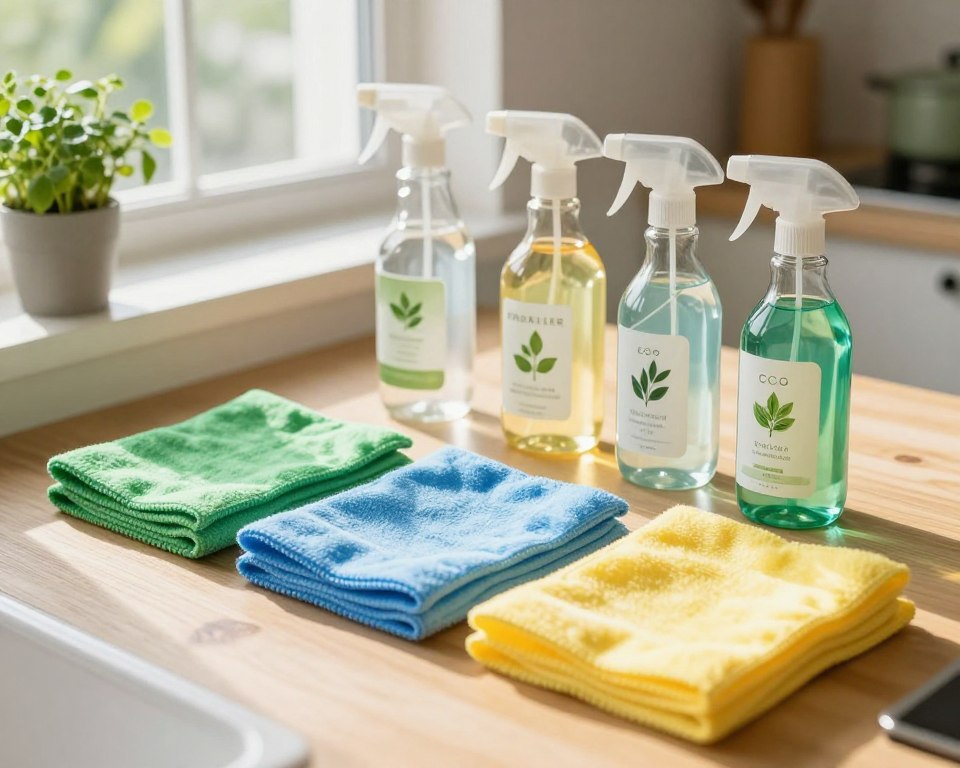
Kitchen surfaces need to get rid of proteins and fats to stop germs. Microfiber cloths are great because they pick up dirt without spreading it. Using environmentally friendly cleaning solutions like water or mild soap keeps food areas safe from chemicals.
For non-porous surfaces like granite or stainless steel, a clean, dense cloth works well. It removes most dirt and bacteria. Just make sure to wash the cloth often to avoid germ buildup.
Bathroom Surfaces and Mold Prevention
Bathrooms are tough because of the moisture and mold risk. The goal is to dry out the area and remove soap scum. Using environmentally friendly cleaning solutions and scrubbing helps keep mold away.
Wiping down shower walls and faucets with a dry microfiber cloth helps. It stops water from building up. This simple step cuts down on the need for harsh chemicals.
| Surface Type | Primary Challenge | Recommended Method | Frequency |
|---|---|---|---|
| Granite Countertop | Food Residue | Damp Microfiber | Daily |
| Stainless Steel | Fingerprints/Grease | Dry Microfiber | As Needed |
| Shower Tile | Soap Scum/Mold | Scrubbing/Drying | After Use |
| Bathroom Mirror | Water Spots | Glass-Grade Cloth | Weekly |
Maintenance and Hygiene Protocols for Reusable Cloths
The success of reusable household wipes depends on how well you take care of them. If not properly maintained, they can spread germs. It’s crucial to follow a strict cleaning routine to keep your home safe and clean.
Proper Laundering Techniques to Prevent Cross-Contamination
Take care of your cleaning cloths like you do your kitchen towels. Avoid using fabric softeners or bleach, as they can damage the fabric. Always wash them in hot water to kill bacteria and remove dirt.
Using the same cloths in different areas can spread germs. Color-code your reusable household wipes to avoid mixing bathroom and kitchen cloths. For more on Food Safety Risks with Reusable Wiping Cloths and Red systems, check out this link.
- Wash cloths separately from heavily soiled items like floor mats.
- Use a high-temperature drying cycle to ensure complete moisture removal.
- Store clean cloths in a dry, ventilated area to prevent mold growth.
When to Replace Your Reusable Cleaning Tools
Reusable household wipes have a limited lifespan. Their fibers can wear out over time, losing their cleaning power. Check your tools for fraying or thinning fabric regularly.
If a cloth no longer picks up dust or leaves streaks, it’s time to replace it. Also, if it smells even after washing, it might have bacteria. Replacing your reusable household wipes when needed keeps your cleaning routine effective and clean.
Cost Analysis Over Time
Switching to eco-conscious cleaning options might cost more at first. But, it saves money in the long run. Disposable wipes might seem cheap, but buying them often adds up over years. It’s smart to think about the total cost of cleaning tools, not just the initial price.
Initial Investment Versus Long-Term Savings
Reusable cleaning products cost more upfront than disposable wipes. But, they last for hundreds of washes, making each use very cheap. Over three years, using durable products saves a lot of money.
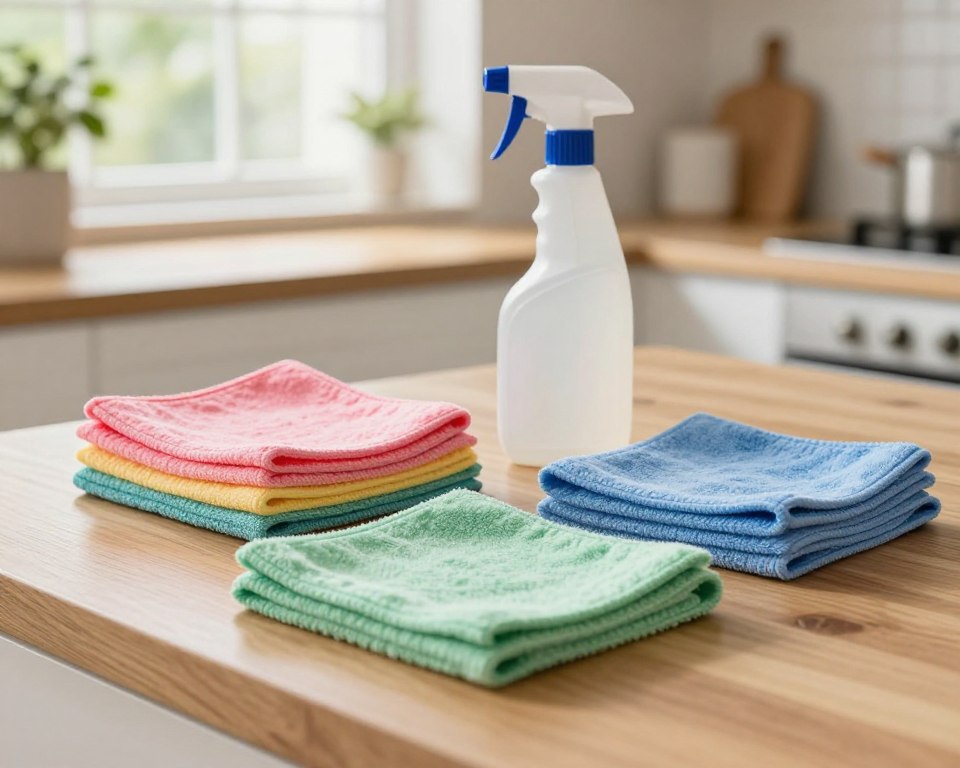
The table below shows how much a household might spend over three years:
| Expense Category | Disposable Wipes | Reusable System |
|---|---|---|
| Initial Purchase | $5.00 | $45.00 |
| Annual Replenishment | $120.00 | $10.00 |
| 3-Year Total Cost | $365.00 | $75.00 |
The Hidden Costs of Disposable Convenience
Disposable items have hidden financial burdens that aren’t always seen. Buying them often means more trips to the store, wasting time and fuel. They also create a lot of waste, leading to more trash bags and possible fees for disposal.
“The bitterness of poor quality remains long after the sweetness of low price is forgotten.”
Choosing reusable cleaning products means you don’t have to buy them all the time. It also helps the environment by reducing waste. Investing in durable tools is a smart move for saving money and being eco-friendly at home.
Safety Precautions for Chemical Wipes
Using chemical disinfectant wipes requires strict safety rules for your health. Many people are moving to reusable household wipes for everyday cleaning. But, chemical products are still key for deep cleaning. Knowing how to avoid exposure risks is key to keeping your home safe.
Ventilation and Personal Protective Equipment
Chemical wipes can release harmful gases and residues that irritate your lungs. Make sure your area is well-ventilated by opening windows or using fans. Good airflow helps cut down on chemical levels in your home.
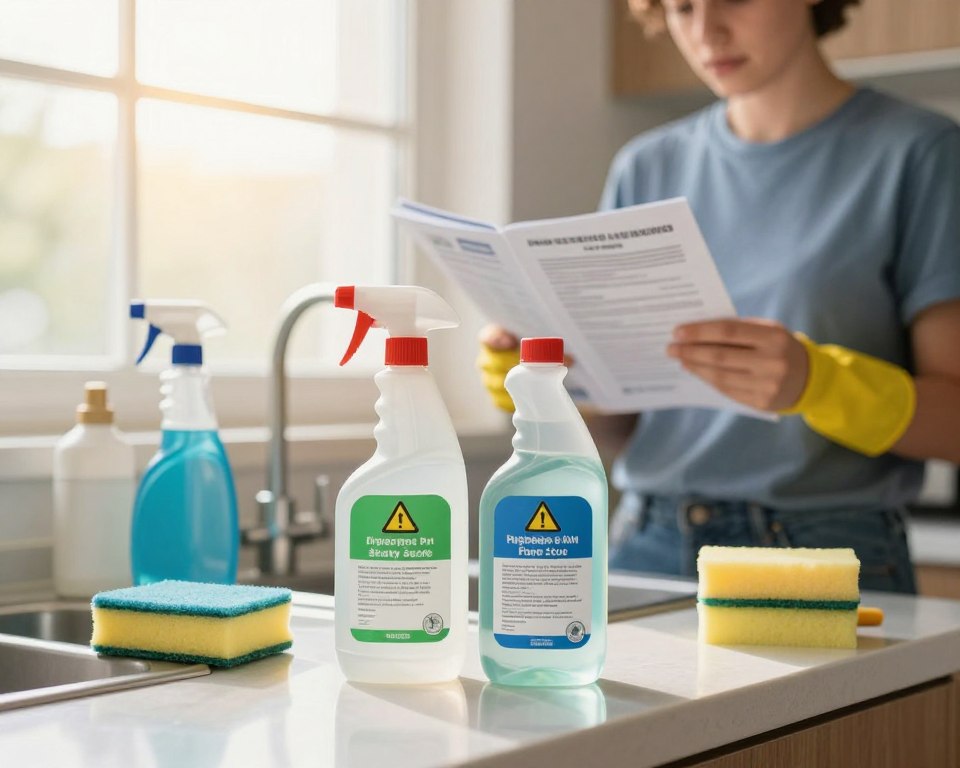
If you’re sensitive to skin, wear gloves to avoid rashes. For big cleaning jobs, use a mask to avoid breathing in particles. These steps help lower health risks from synthetic cleaners.
Proper Disposal and Storage Guidelines
Getting rid of chemical wipes needs extra care. They’re not biodegradable and harm the environment. Many are looking into the downsides of disinfecting wipes. Always close containers tightly to keep chemicals from drying out or leaking.
Store all cleaning chemicals in a cool, dry spot, away from kids and pets. Accidental contact can cause serious health issues. Proper storage keeps your cleaners effective and safe for your family.
| Feature | Chemical Wipes | Reusable Household Wipes |
|---|---|---|
| Primary Action | Chemical Sanitization | Mechanical Removal |
| Safety Requirement | Ventilation & Gloves | Laundering Protocols |
| Environmental Impact | High (Single-use) | Low (Washable) |
| Storage Needs | Sealed & Child-proof | Dry & Ventilated |
Image Disclosure and Educational Context
Some images in this guide are made by artificial intelligence. They show health and safety scenarios. These pictures help explain complex ideas about cleaning, pet safety, and handling chemicals.
These images are for educational purposes only. They support the text and should not be seen as medical or vet advice.
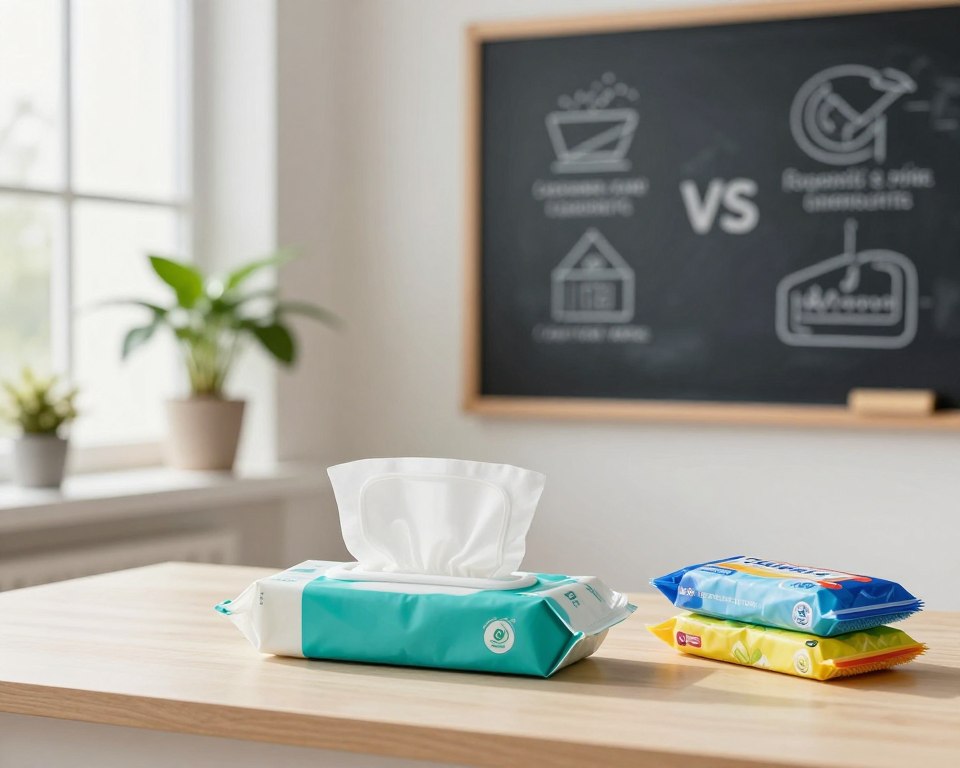
Every home is different, with its own needs and risks. Visuals can’t cover all individual situations or health issues.
For health concerns, always talk to qualified experts. This includes vets or doctors. Getting advice from them helps keep your family and pets safe.
Addressing Common Myths About Natural Cleaning
It’s key to know the difference between what’s marketed and what’s proven. Many are choosing chemical-free cleaning wipes to avoid harsh chemicals. But, it’s also vital to know their limits.
Can Water Alone Really Clean Effectively?
Many think water can replace all cleaning products. A good natural cleaning cloth uses physical action to remove dirt. But, it doesn’t kill germs on its own.
Water is a solvent but can’t kill viruses or bacteria. Using a natural cleaning cloth moves dirt around, not kills it. This is okay for everyday cleaning but not enough for high-risk areas.
The Difference Between Cleaning, Sanitizing, and Disinfecting
People often mix up cleaning, sanitizing, and disinfecting. Cleaning means removing dirt and dust. This is what most chemical-free cleaning wipes do.
Sanitizing makes surfaces safe from bacteria but doesn’t get rid of all germs. Disinfecting kills almost all harmful germs.
Knowing these differences helps you pick the right tool for the job. Daily cleaning is great, but sometimes you need something stronger for a clean home.
Regulatory Standards for Cleaning Products
Finding sustainable cleaning supplies means knowing about federal rules on household chemicals. Many think all products are tested for health safety, but it’s not that simple. Knowing the rules helps you spot real safety from just marketing.
EPA Guidelines for Disinfectants
In the U.S., the Environmental Protection Agency (EPA) checks products that claim to kill germs. These are seen as pesticides under the Federal Insecticide, Fungicide, and Rodenticide Act (FIFRA). Companies must show their products work against specific germs to be called disinfectants.
But, this process mainly checks if the product kills germs, not if it’s safe for people or pets long-term. Products that don’t say they kill germs don’t get as much EPA attention. This means cleaners that don’t claim to kill germs can use more flexible ingredients.
“Regulatory oversight is a critical layer of protection, but it is not a substitute for personal due diligence when selecting products for your home environment.”
Labeling Transparency in the Cleaning Industry
Finding clear labels on sustainable cleaning supplies is hard. Unlike food, cleaning products don’t have to list all ingredients. This makes it tough for families to spot allergens or irritants.
Some companies share more info to build trust. When you look at labels, search for specific chemical names, not vague terms. The table below shows how different products are regulated and labeled.
| Product Category | Primary Regulator | Focus of Oversight | Labeling Requirement |
|---|---|---|---|
| Disinfectants | EPA | Germ-killing efficacy | High (Active ingredients) |
| General Cleaners | CPSC | Acute toxicity/Safety | Low (Voluntary) |
| Natural/Green | FTC/Third-Party | Marketing claims | Variable |
Knowing these differences helps you choose better for your home. Focus on products that are clear about what they are and what they do. This way, your cleaning is both effective and safe.
Best Practices for a Hybrid Cleaning Strategy
Cleaning your home doesn’t mean you have to choose between harsh chemicals and avoiding them all. A balanced approach lets you stay safe while keeping your home clean. By mixing environmentally friendly cleaning solutions with the right chemicals, you can manage risks well.
When to Use Reusable Cloths
Most of the time, just using a natural cleaning cloth or microfiber tool is enough. These tools can remove dirt, dust, and many bacteria through friction. They’re great for everyday cleaning to keep surfaces clean.
Use reusable tools for these tasks:
- Dusting surfaces: Removing allergens from shelves, baseboards, and electronics.
- General spills: Cleaning up water, juice, or non-hazardous food debris.
- Glass and mirrors: Getting a streak-free shine without chemicals.
- Daily floor maintenance: Wiping down high-traffic areas to prevent buildup.
When Chemical Disinfection Remains Necessary
Even though mechanical cleaning is effective, sometimes you need chemicals to kill germs. Chemicals are needed when you must kill germs that could make you sick. Knowing when to use them is key.
Use EPA-registered disinfectants in these situations:
- Food safety: Sanitizing cutting boards or counters after preparing raw meat or poultry.
- Illness management: Disinfecting high-touch surfaces like doorknobs and light switches when a family member is sick.
- Bathroom hygiene: Cleaning areas prone to mold or bacteria, like toilet handles and sink faucets.
- Bodily fluids: Cleaning up accidents involving blood, vomit, or other potentially infectious materials.
By only using chemicals when needed, you keep your home safe and reduce chemical use. This way, you avoid using strong cleaners when simple cleaning will do. Consistency and intent are key to a good cleaning plan.
Conclusion
Choosing the right tools for your home is key. You need to balance mechanical cleaning with chemical disinfection. This way, you keep your family and pets safe from harsh chemicals.
Going green in cleaning is a smart move. It keeps your home clean without using harmful chemicals. Knowing what each surface needs is important.
Using a mix of methods is often the best choice. Microfiber for daily cleaning and strong disinfectants for when needed. This approach works well for most homes.
By doing your research, you make your home safer. Share your cleaning experiences to help others. This way, we all push for better, safer products.
FAQ
Is a reusable cleaning wipe safer chemical-free alternative than using traditional disinfectant wipes?
Yes, reusable cleaning products like Norwex or e-cloth are safer. They remove dirt mechanically, not with chemicals. This means they don’t leave behind harmful residues or vapors.
What are the primary health concerns associated with standard disposable chemical wipes?
Disposable wipes often have chemicals that can irritate skin and lungs. These chemicals can cause asthma and skin problems. Choosing chemical-free wipes is better for people with sensitivities or breathing issues.
How do eco-friendly cleaning wipes compare to chemical disinfectants in terms of efficacy?
Eco-friendly wipes clean surfaces well but don’t kill germs like disinfectants do. A good strategy is to use these wipes for daily cleaning and save disinfectants for high-risk situations.
Are reusable cleaning products truly more sustainable than single-use options?
Yes, reusable products are better for the environment. Disposable wipes contribute to plastic waste. Switching to sustainable options can greatly reduce your environmental impact.
How does microfiber technology work without the need for harsh solvents?
Microfiber uses surface tension and friction to pick up dirt and germs. Its tiny fibers grab onto particles, making it effective without harsh chemicals.
Why are non-toxic cleaning cloths recommended for households with pets and small children?
Pets and kids are more exposed to chemicals on surfaces. Using non-toxic wipes keeps surfaces clean without the risk of toxic exposure.
What is the purpose of silver-embedded fibers in brands like Norwex?
Silver in Norwex cloths fights bacteria and odors. But, it’s the microfiber that does the cleaning, not the silver.
How do I properly maintain reusable cleaning wipes to prevent cross-contamination?
Wash your wipes in hot water with a special detergent. Avoid using bleach or fabric softeners. Use different cloths for different areas to keep things clean.
Is it more cost-effective to use reusable household wipes versus disposables?
Reusable wipes may cost more upfront but save money in the long run. They last longer and reduce your cleaning expenses.
Can I use a natural cleaning cloth on all surfaces, including wood and electronics?
Most natural cloths are safe for many surfaces. But, be careful with electronics and delicate areas. Always check the manufacturer’s advice for specific surfaces.