About 20 percent of homes in the U.S. use private systems for wastewater. Many people don’t know that common chemicals can harm the bacteria needed for waste breakdown.
Keeping your plumbing working right needs a balance of life. Using a septic-safe toilet cleaner helps keep these important microbes alive. Evidence-based selection of these products stops damage to your drain field and saves you money.
Key Takeaways
- Biological balance is essential for the natural breakdown of waste in underground tanks.
- Harsh chemicals and antibacterial agents can kill the beneficial bacteria necessary for system health.
- Choosing biodegradable, plant-based formulas helps maintain the integrity of your plumbing infrastructure.
- Regular maintenance, including periodic pumping, works best alongside the use of compatible cleaning agents.
- Always verify product labels for certifications that confirm compatibility with private waste systems.
Understanding How Septic Systems Function
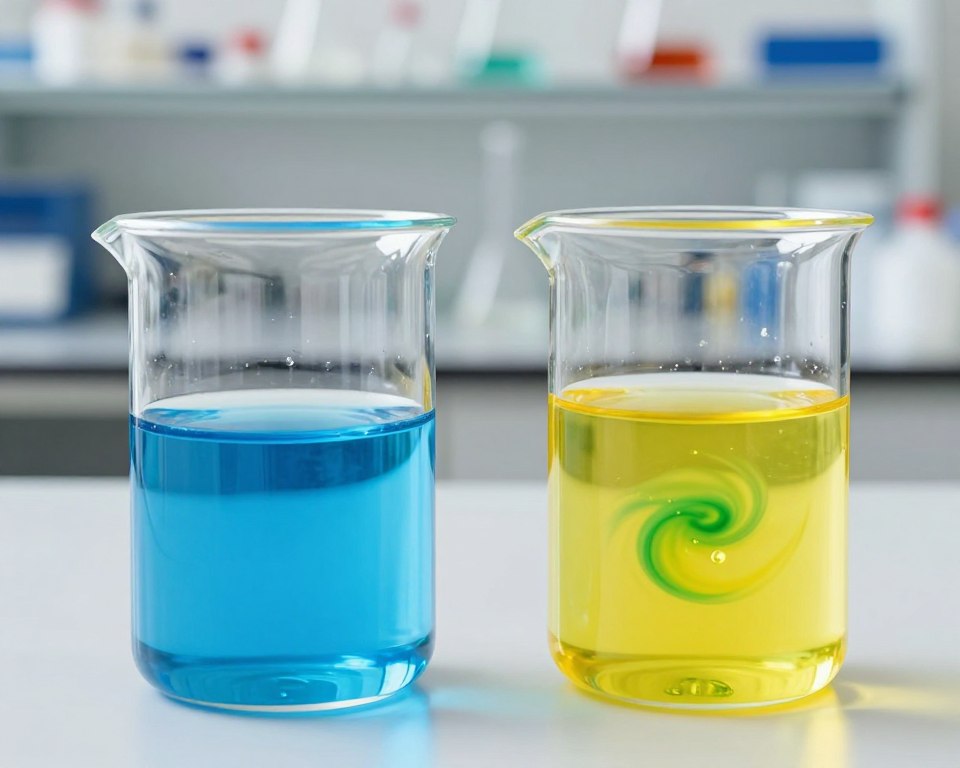
At the heart of every healthy septic system lies a delicate, invisible workforce of microorganisms. These tiny organisms act as the primary engine for waste treatment. They turn household sewage into manageable liquid effluent. When you choose a toilet cleaner for septic tanks, you are making a decision that impacts this entire biological community.
The Role of Beneficial Bacteria in Waste Breakdown
A septic tank operates through a combination of anaerobic and aerobic processes. Solids settle at the bottom to form sludge, while lighter materials float to the top as scum. In the middle, liquid waste is processed by bacteria that break down organic matter.
These microbes perform several critical functions to keep your system running smoothly:
- Liquefaction: Converting solid waste into liquid form for easier drainage.
- Digestion: Reducing the volume of sludge that accumulates over time.
- Pathogen Control: Competing with harmful bacteria to maintain a stable environment.
“The health of a septic system is directly proportional to the health of its microbial colony. If the bacteria are compromised, the system loses its ability to treat waste effectively.”
How Household Chemicals Disrupt the Biological Balance
Many common cleaning products contain harsh chemicals. These chemicals do not distinguish between harmful pathogens and the beneficial bacteria in your tank. When these substances enter the system, they can sterilize the environment, effectively halting the natural decomposition process.
Using an inappropriate toilet cleaner for septic tanks can lead to a rapid buildup of solids. This accumulation often results in clogged pipes, foul odors, and potential failure of the drain field. It is vital to understand that once the biological balance is destroyed, the system may require significant time or professional intervention to recover its natural efficiency.
Is Toilet Cleaner Gel Safe Septic Systems?
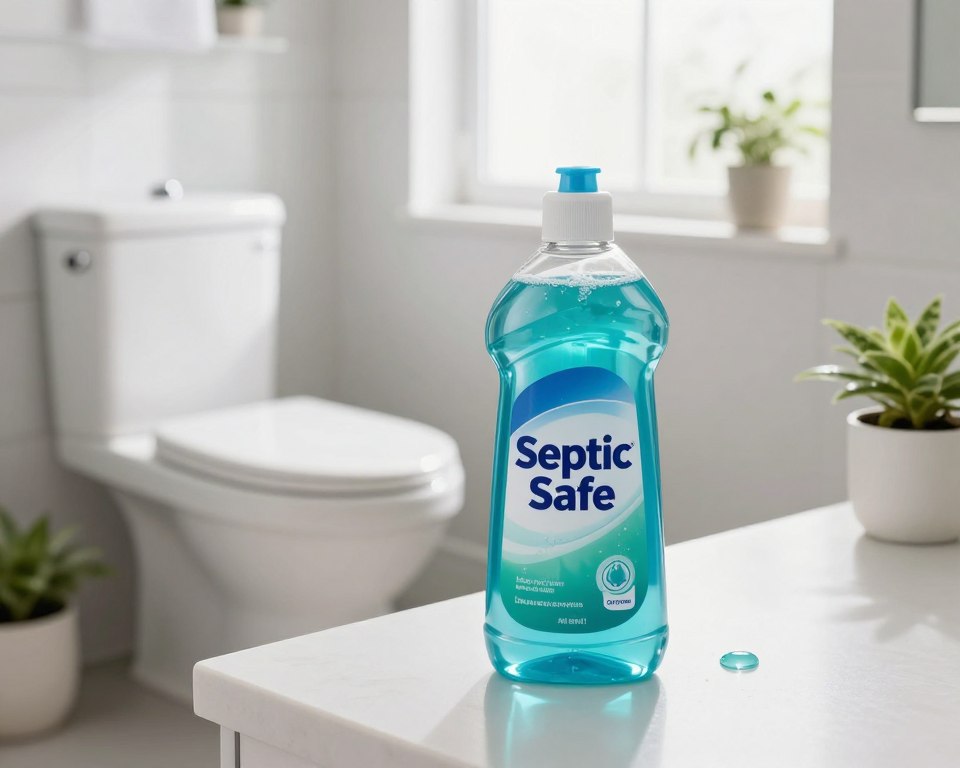
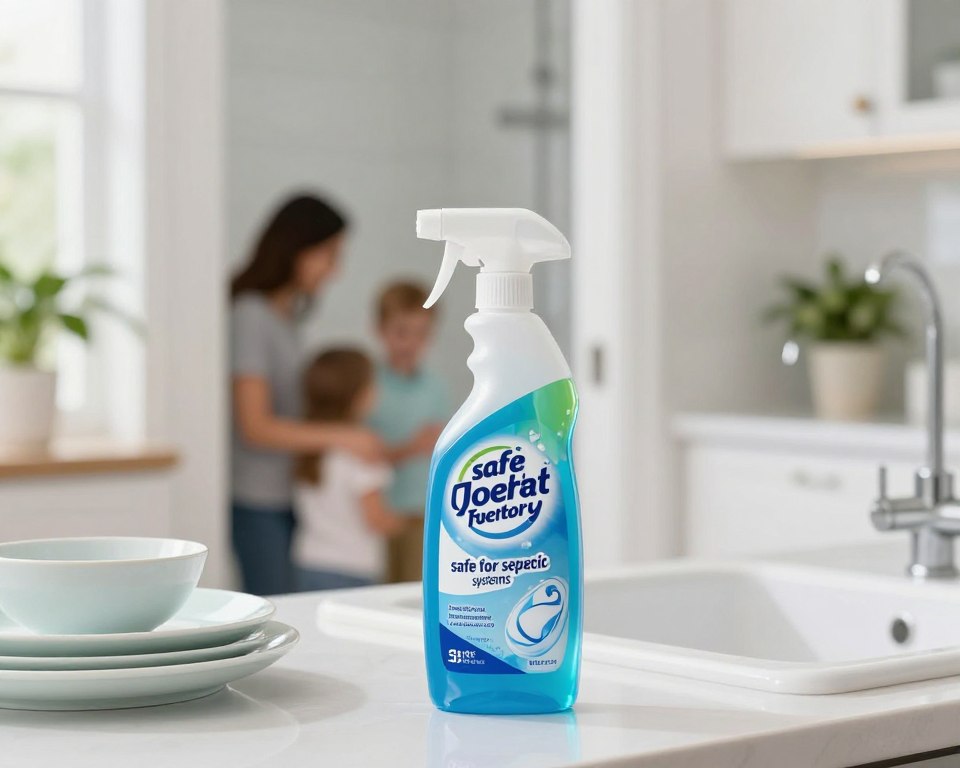
Not all bathroom cleaners are the same when it comes to septic tanks. Many people think all cleaners work the same way. But, the chemicals in these products are different. Choosing a toilet cleaner gel safe septic is key for your system’s health.
Distinguishing Between Gel Formulas and Traditional Liquids
Traditional liquid cleaners are thin and water-based. They move fast through your pipes. On the other hand, gel formulas have thickening agents and surfactants that stick to surfaces longer. This helps them break down stains better than liquids.
But, these additives can affect your waste system. Some gels are biodegradable, but others have synthetic polymers that don’t break down. To find a septic tank safe toilet bowl gel, look beyond the bottle’s front.
The Impact of Bleach and Ammonia on Septic Health
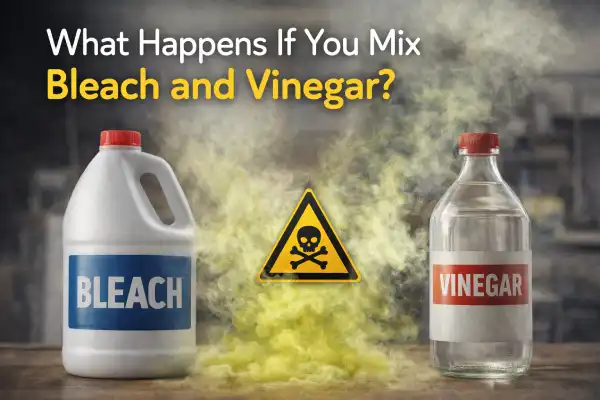
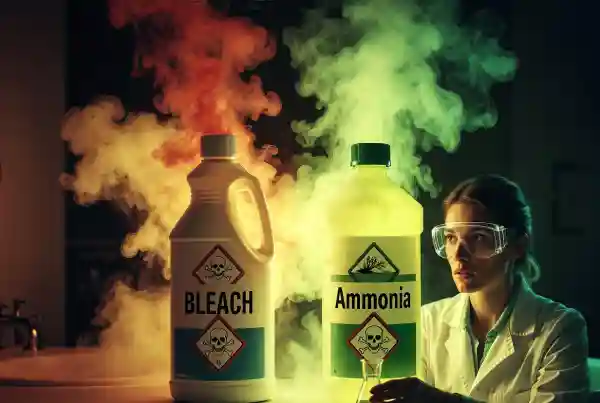
Bleach and ammonia are big worries for septic owners. They kill bacteria on surfaces well, but harm the beneficial bacteria needed for digestion.
When these chemicals get into your septic tank, they can lower microbial activity. A big dose of bleach can sterilize the tank, causing solid waste buildup and system failure. Consistency is key; even small amounts can harm your system over time. Always choose cleaners that avoid these harsh chemicals to keep your system working well.
Common Ingredients to Avoid in Toilet Cleaners
Keeping your plumbing safe starts with knowing which ingredients to skip. Many people unknowingly harm their systems with harsh chemicals. It’s crucial to pick the right toilet cleaner for septic tanks to keep your home healthy.
The Dangers of Antibacterial Agents and Triclosan
A septic system needs good bacteria to work right. But antibacterial agents or triclosan kill these important microbes. This chemical warfare in your tank slows down waste breakdown.
Without these bacteria, waste builds up faster. This can clog pipes and harm your drain field. Always check labels for these harmful compounds before buying.
Why Harsh Acids Can Corrode Pipes and Kill Microbes
Strong acidic cleaners might remove stains, but they’re risky. They can corrode pipes and lead to leaks. Plus, their high pH levels harm the microbes needed for system health.
Here’s a list of ingredients to avoid for a healthy system:
| Ingredient Category | Potential Risk | Impact on Septic System |
|---|---|---|
| Triclosan | Antibacterial | Kills beneficial bacteria |
| Hydrochloric Acid | Corrosive | Damages pipes and seals |
| Bleach (Chlorine) | Disinfectant | Disrupts biological balance |
| Quaternary Ammonium | Antimicrobial | Inhibits waste breakdown |
Avoiding these harsh chemicals keeps your plumbing and waste system working well. Always choose safe toilet cleaners for septic tanks to keep your system running smoothly.
Identifying Septic-Safe Toilet Bowl Cleaner Labels
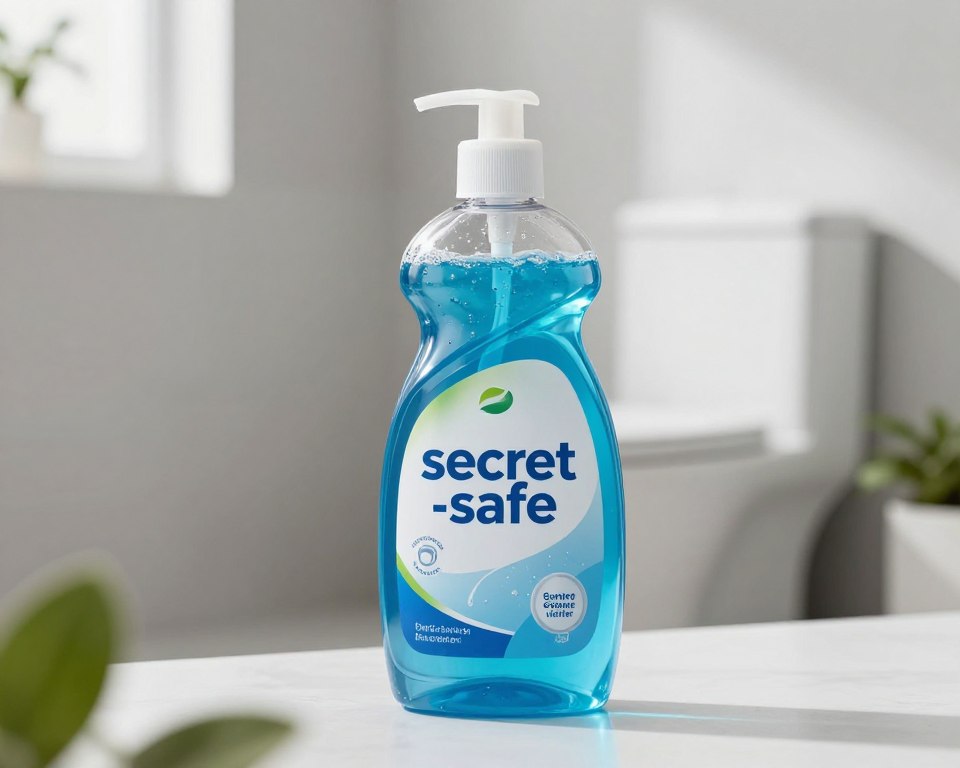
Choosing the best septic-safe toilet cleaner means looking beyond marketing. You need to check the product’s actual ingredients. Many labels make big claims but lack strict checks. Sticking to facts keeps your plumbing working well for years.
Decoding Marketing Terms Versus Regulatory Standards
Ads often use “eco-friendly,” “natural,” or “green” to sell products. But these terms don’t always mean the product is safe for septic systems. A product might break down easily but still harm your tank’s balance.
True safety comes from the product’s ingredients, not its name. Look for products that clearly list what’s inside. If a label is vague, it’s safer to pick a different cleaner.
What to Look for on Ingredient Lists
When picking a septic tank safe toilet bowl gel, check the ingredients. Stay away from chlorine bleach, quaternary ammonium compounds, and strong acids. These kill the good bacteria needed for waste breakdown.
Instead, choose cleaners with plant-based or enzyme-based ingredients. These work with your system’s natural processes. Here’s a table to help you spot safe and harmful ingredients.
| Ingredient Category | Status | Impact on Septic System |
|---|---|---|
| Chlorine Bleach | Avoid | Kills essential bacteria |
| Strong Mineral Acids | Avoid | Corrodes pipes and tanks |
| Biodegradable Surfactants | Recommended | Safe for microbial life |
| Enzyme-Based Cleaners | Recommended | Supports waste breakdown |
The Science of Septic Tank Approved Toilet Cleaner Products
Choosing the best septic-safe toilet cleaner means knowing how chemicals affect underground life. Many think all cleaners are the same. But, the type of chemical in a product really matters for your plumbing.
How Biodegradable Surfactants Protect Your System
Biodegradable surfactants break down quickly after they hit the waste stream. They don’t stick around like synthetic chemicals do. Instead, they get eaten by bacteria in your tank.
This quick breakdown stops sludge and chemical buildup. It keeps your drain fields clear. Using these special formulas keeps your system working well and safe from harm.
“True sustainability in home maintenance is found at the intersection of effective cleaning power and biological compatibility.”
The Importance of pH-Neutral Cleaning Solutions
Keeping a pH-neutral environment is key for good bacteria in your tank. Too much acid or base can kill these helpful microbes. This messes up how your tank works.
Using the best septic-safe toilet cleaner means picking a product that cleans well but is also safe. These cleaners avoid harsh chemicals that can damage pipes or upset the tank’s balance.
Knowing about these science basics helps you make smart choices. Going for cleaners that are pH-balanced and biodegradable is the smart way to protect your home’s plumbing for a long time.
Risks of Using Non-Compatible Cleaning Agents
The health of your plumbing and drain field depends on the chemicals you use. Choosing a septic-safe product helps avoid costly repairs. But harsh chemicals can damage your waste management system.
Short-Term Effects on Plumbing Infrastructure
Aggressive cleaners can harm your pipes right away. They often contain acids or alkalis that damage PVC, cast iron, or copper. This can cause weakened joints and premature leaks in your plumbing.
Non-compatible substances can also cause sudden clogs. They can mix with waste, creating hard residues that block water flow. Using a septic system friendly toilet gel keeps pipes clear and prevents clogs.
Long-Term Consequences for the Drain Field
Chemicals can harm your drain field over time. It needs a balance of soil absorption and microbes to work right. Harsh chemicals can kill these microbes.
This can clog the drain field’s biomat, leading to system failure. Without a working biomat, wastewater can’t filter into the soil. This causes pooling or sewage backups. Using a septic system friendly toilet gel keeps your system balanced and your property’s drainage working well.
Best Practices for Maintaining a Healthy Septic System
Many homeowners don’t realize how important toilet cleaning is for their septic tank. A good maintenance plan is key to keeping your system working well for a long time. Using a septic tank approved toilet cleaner helps keep the good bacteria that breaks down waste.
Frequency of Cleaning and Chemical Usage
Being careful with cleaning is crucial for a healthy septic system. Too many harsh chemicals can harm the tank and stop waste digestion. Clean your toilet once a week to avoid too much chemical buildup.
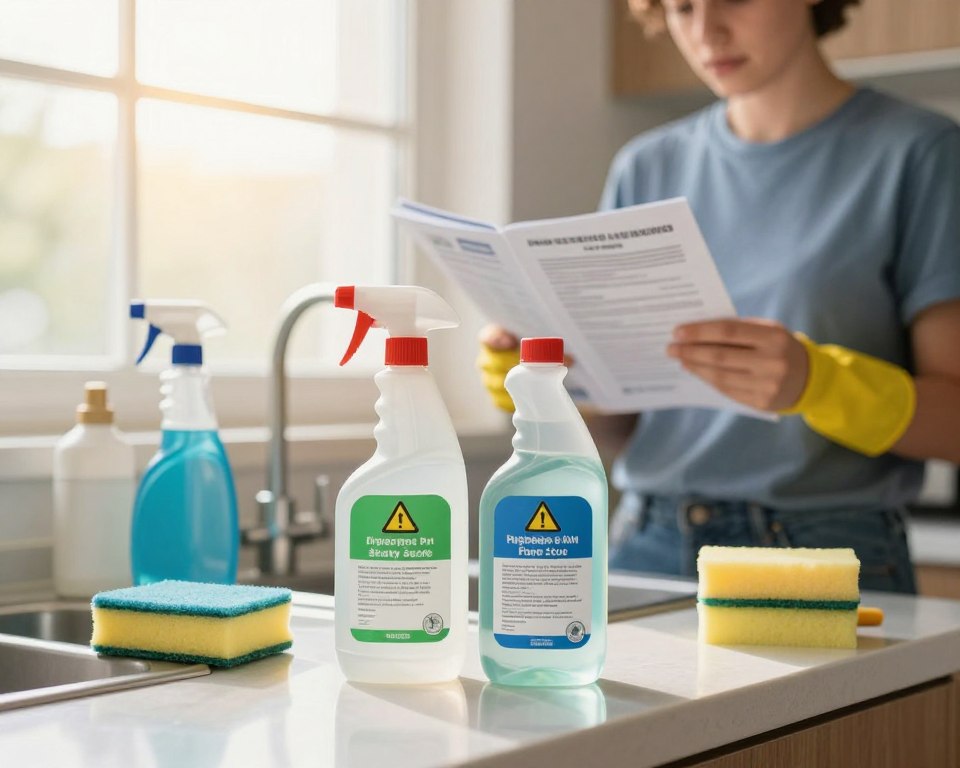
Always check that your cleaner is safe for septic tanks. Too much cleaner can kill the good bacteria that keeps your pipes and drain field working. Simple habits can save you from expensive repairs:
- Give your system time to recover between cleanings.
- Only use as much cleaner as you need.
- Don’t flush too much disinfectant at once.
Alternative Natural Cleaning Methods for Toilets
More people are choosing natural cleaning methods to keep their bathrooms clean. These methods are safe for your plumbing and don’t harm the good bacteria in your tank. Using common household items is often safer than strong chemicals.
Mixing baking soda and white vinegar creates a natural cleaner. It’s good for the environment and gentle on your septic system. These natural solutions help keep your home clean while protecting your septic system.
Evaluating Septic System Friendly Toilet Gel Alternatives
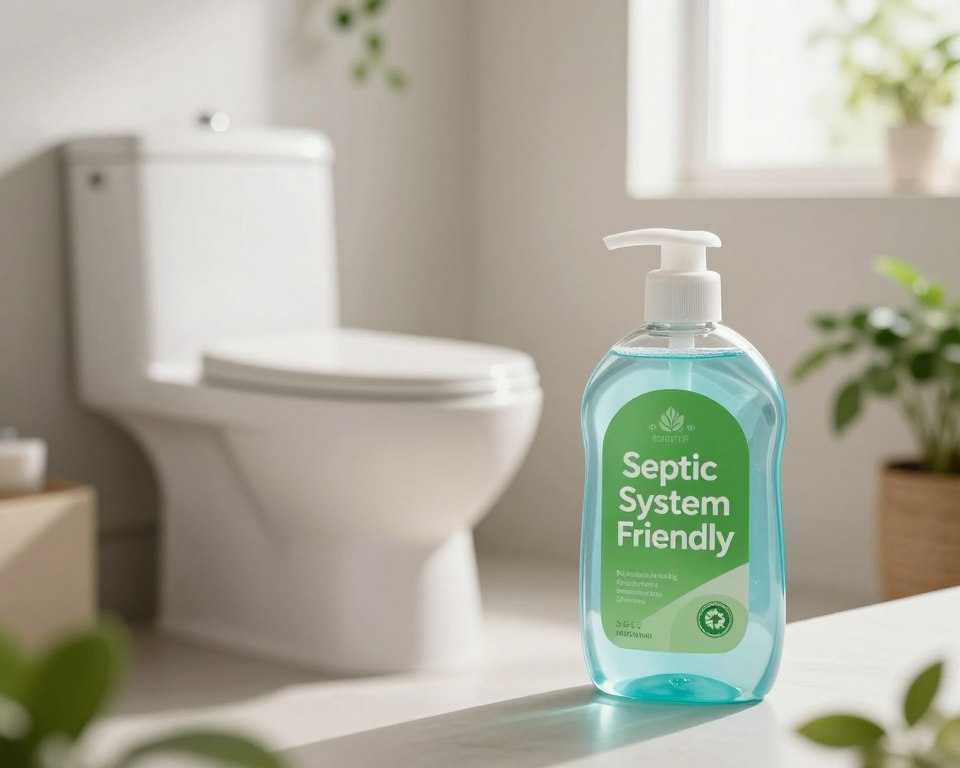
Keeping your bathroom clean doesn’t have to harm your septic tank. Many products are too harsh, upsetting the tank’s balance. But, there are gentler options. Choosing a septic system friendly toilet gel helps keep your plumbing working well for a long time.
Benefits of Enzyme-Based Cleaning Products
Enzyme-based cleaners are a big change in cleaning. They use natural proteins to break down waste, unlike harsh chemicals. This gentle method is great for keeping your tank healthy.
These cleaners are safe for your water and your septic system. Using a septic system friendly toilet gel with enzymes helps your tank’s good bacteria. This teamwork prevents clogs and cuts down on maintenance needs.
Using Vinegar and Baking Soda for Routine Maintenance
If you like simple solutions, vinegar and baking soda are perfect. They create a natural cleaning reaction that’s safe for your pipes and tank. This method is a great way to keep your toilet clean.
To use this method, add half a cup of baking soda to the bowl, then a cup of vinegar. Let it fizz for a few minutes before scrubbing. This routine is a great addition to your septic system friendly toilet gel routine.
How to Properly Dispose of Cleaning Chemicals
Even with a septic tank approved toilet cleaner, how you dispose of extra product is key. Many think products labeled safe can be dumped down the drain freely. But, your tank’s biological environment is sensitive to sudden chemical changes.
Preventing Over-Concentration in the Tank
Keeping the bacterial population stable is the main goal of septic care. Too much cleaning agent at once can shock these microbes. This shock can stop waste breakdown, causing backups or odors.
To keep your system healthy, try these tips for managing chemical amounts:
- Don’t dump a lot of leftover cleaners into the toilet at once.
- Space out deep cleaning to give the system time to process waste.
- Always use the recommended amount of septic tank approved toilet cleaner.
Safe Dilution Techniques for Household Cleaners
Dilution helps prevent chemical buildup. By mixing more water with the cleaner, you lessen its impact on the tank’s ecosystem. This simple step ensures the substances can be processed without harming the bacteria.
Here’s how to safely dispose of cleaning waste:
- Flush the toilet several times after using any cleaner to rinse well.
- If you need to get rid of a concentrated liquid, mix it with a lot of water first.
- Choose a septic tank approved toilet cleaner that breaks down fast in water.
By controlling the amount and strength of substances going into the tank, you protect your plumbing’s long-term health. Consistency in these practices avoids costly repairs and keeps your system running well for years.
Signs Your Septic System Is Struggling
Your home’s waste system often shows signs of trouble. Catching these early can prevent big problems and save you money. By watching for these signs, you can keep your septic-safe cleaner working well.
Recognizing Odors and Slow Drains
Bad smells near the drain field or inside your home are a big warning. Also, if sinks, showers, and toilets drain slowly, even with a good cleaner, it’s a sign. Look at the grass above your tank; too green or water there means a leak.
“A septic system is a living ecosystem; when the balance is disrupted, the system will inevitably show signs of distress long before a total collapse occurs.”
These signs mean the tank’s balance is off. If you see them, check your habits and daily products.
| Warning Sign | Potential Cause | Recommended Action |
|---|---|---|
| Slow Drains | Pipe blockage or tank saturation | Professional inspection |
| Foul Odors | Vent issues or tank leakage | Check tank levels |
| Lush Grass | Drain field failure | Immediate system assessment |
When to Call a Professional for System Inspection
Seeing these signs means it’s time to call a pro. Using strong cleaners can make things worse. A pro can find out if it’s a simple fix or a bigger problem.
Regular checks are key to caring for your system. Even with a safe cleaner, parts wear out. Getting help early keeps your home safe and your plumbing working right.
Image Disclosure and Educational Context
We value transparency in our content creation. We aim to give you clear, evidence-based info for a healthy home.
Understanding the Use of AI-Generated Visuals
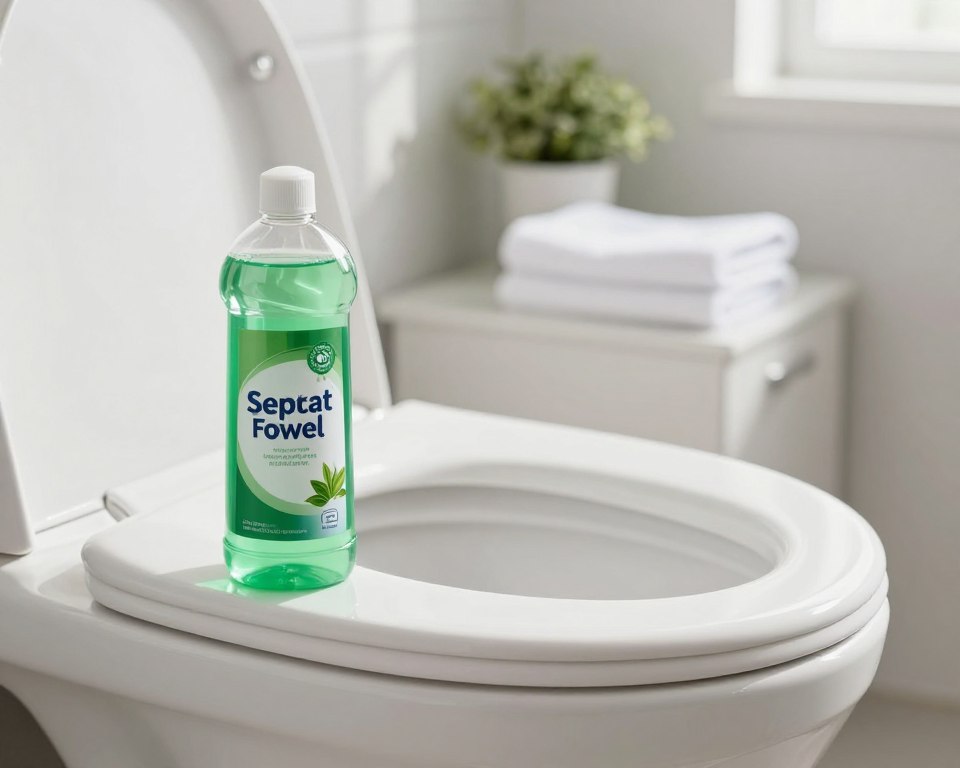
Some images in this article are AI-made. They show complex ideas like chemical safety and maintenance. These images are educational tools to help you see how a safe for septic tank toilet gel works with your plumbing.
These images help, but they’re for showing ideas, not real situations. They don’t show actual product tests or real-world examples.
Limitations of Educational Content in Veterinary and Home Safety
This content is a basic guide, not professional advice. Using a safe for septic tank toilet gel should not skip a professional check or a plumber’s advice.
Also, talking about chemical safety here is not a replacement for professional veterinary care. If you think your pet was harmed by cleaning agents, call your vet right away. Always get expert advice for handling chemical risks at home.
The Role of Professional Maintenance Services
Managing a septic system is more than just picking the right products. It’s about working with skilled service providers. Professional maintenance is key to keeping your septic system healthy. It stops big problems before they happen. With expert help, your system can last for many years.
When to Schedule Routine Pumping
Regular pumping is crucial to remove solids that can’t break down. Experts say you should get a professional to check and pump your tank every three to five years. But, it really depends on your tank size and how many people live with you.
If you use a lot of water or have a big family, you might need to pump more often. Consistent monitoring stops big problems when the tank gets too full. A pro can look at your usage and set up a maintenance plan just for you.
Professional Advice on Chemical Compatibility
Finding the right household supplies can be tricky, keeping your system’s balance safe. Talking to a licensed septic pro can clear up what’s safe for your system. They can suggest the best septic-safe toilet bowl cleaner for you.
Experts usually say to avoid strong chemicals that can mess with your tank’s biology. Choosing a septic-safe toilet bowl cleaner helps your plumbing last longer. Always ask your service provider for a list of safe products during your next visit.
Common Myths About Septic-Safe Toilet Bowl Gel
It’s important to know what “septic-safe” really means for your home’s waste system. Many think that if a product is labeled as safe for septic tank toilet gel, it’s completely safe. But, this belief can actually cause damage.
Debunking Misconceptions About Heavy-Duty Cleaners
Many believe that heavy-duty cleaners are safe if they have a certain label. But, these cleaners often use aggressive chemical agents that harm the good bacteria needed for waste breakdown. Even if a product is called safe for septic tanks, it might still upset the tank’s balance.
Don’t just look at the label. Check the ingredients list. Products that say they can “dissolve everything” might have harsh chemicals. Using these cleaners too often can slow down your system and make it hard to break down solid waste.
Why “Septic Safe” Does Not Mean “Use Unlimited Amounts”
Another big mistake is thinking you can use safe for septic tank toilet gel without limits. Every septic system can only handle so much. Too much of any chemical, even safe ones, can overload it. This can mess up the tank’s pH balance, which is key for bacteria health.
Using just enough product to clean is best. This way, you don’t overload your tank with chemicals. Here’s a table that shows the difference between what products claim and what really happens.
| Marketing Claim | Chemical Reality | Recommended Action |
|---|---|---|
| “Safe for all systems” | May contain mild biocides | Use sparingly |
| “Heavy-duty cleaning power” | High surfactant concentration | Avoid frequent use |
| “Eco-friendly formula” | Biodegradable but concentrated | Dilute before use |
| “Septic-safe gel” | Safe only in low doses | Follow label limits |
To keep your system safe, clean with care. Treat every safe for septic tank toilet gel as a strong chemical. This way, you avoid harming your system’s balance.
Environmental Impact of Septic-Safe Products
Choosing a septic system approved toilet cleaner is more than just a maintenance task. It’s a way to care for the environment. Every time you flush, the substances you use go far beyond your home. They end up in the soil and groundwater, making your choices very important for the planet.
Protecting Groundwater and Local Ecosystems
Harsh chemicals can harm a septic system and get into the groundwater. This is bad because it can pollute the water we drink. Using a septic system approved toilet cleaner helps keep your tank balanced.
This balance stops harmful pollutants from getting into the environment. Good bacteria break down waste, keeping water clean. This helps streams, ponds, and the animals that live there stay healthy.
The Broader Benefits of Eco-Friendly Household Choices
Choosing eco-friendly cleaners is good for your home and the planet. These products break down easily and don’t harm the environment. Making informed decisions about cleaners helps with bigger conservation efforts.
The table below shows how eco-friendly cleaners are better for the environment than regular ones.
| Feature | Conventional Cleaners | Eco-Friendly Alternatives |
|---|---|---|
| Biodegradability | Low or non-existent | High and rapid |
| Groundwater Risk | High potential for contamination | Minimal to none |
| Septic Compatibility | Often disruptive | Safe and supportive |
| Chemical Residue | Persistent in soil | Breaks down naturally |
By choosing sustainable options, you lower the chemical load on your area. This keeps your home safe and helps the ecosystem for the future.
Conclusion
Keeping your septic system in good shape means focusing on long-term health, not quick fixes. Homeowners who choose a septic system approved toilet cleaner set the stage for reliable plumbing. This choice helps avoid expensive repairs and keeps the soil healthy.
Using a bio-accelerator like Accelerator by Dr. Pooper® is key. It keeps the right balance of bacteria in your tank. This method stops sludge buildup by growing anaerobic bacteria up to 40 times. It keeps your system working well and smelling fresh all year.
Being careful with chemicals is crucial to avoid system failure. Watch your drains closely to catch small problems before they get big. Choosing a good septic system approved toilet cleaner protects your home and the water below for many years.
FAQ
Is toilet cleaner gel safe septic system approved?
Most toilet cleaner gels are safe if they say so on the label. But, it really depends on what’s in them. Look for products like Seventh Generation Toilet Bowl Cleaner or Method Antibacterial Toilet. They are designed to be safe.
But, avoid gels with lots of bleach or synthetic antibacterial agents. These can harm the good bacteria needed for waste breakdown.
What is the best septic-safe toilet cleaner for maintaining a healthy tank?
The best cleaner is one that’s biodegradable and pH-neutral. Enzyme-based cleaners, like those from Earthworm, are great. They use natural proteins to break down waste without harming your pipes.
Why should I avoid antibacterial agents in my toilet cleaner for septic tanks?
Septic systems rely on good bacteria. Antibacterial agents, like Triclosan, can kill these bacteria. This can upset the balance and cause problems with waste breakdown.
How can I identify a genuine septic tank approved toilet cleaner?
Don’t just look for “eco-friendly” labels. Check for a septic tank approved label and read the ingredients. Avoid products with harsh acids or bleach.
Look for EPA Safer Choice certifications or products that say they are non-toxic and phosphate-free.
Is it safe to use a septic system friendly toilet gel every day?
While safer than regular cleaners, use septic-friendly gels in moderation. Too much can harm the tank’s balance. Clean once or twice a week and dilute the cleaner properly.
What are the risks of using a non-compatible septic-safe toilet bowl cleaner?
Non-compatible cleaners can clog your drain field. Harsh chemicals can kill the bacteria needed for waste breakdown. This can lead to costly repairs.
Can I use vinegar and baking soda instead of a septic tank safe toilet bowl gel?
Yes, you can. Vinegar and baking soda are safe and effective. Vinegar dissolves mineral deposits without harming bacteria. Baking soda gently scrubs without damaging pipes.
How do I know if my current toilet cleaner is safe for septic tank toilet gel use?
Check the label for a septic-safe guarantee. Brands like Mrs. Meyer’s Clean Day and Better Life are safe. If it warns about skin contact or is labeled “corrosive,” it’s too harsh.
What are the signs that my household cleaners have damaged my septic system?
Look for sewage odors, slow drains, or very green grass over your drain field. These signs mean your system’s balance is off. It might be due to chemical toxicity.
How should I dispose of old, non-septic-safe cleaning chemicals?
Don’t pour non-compatible chemicals down the drain. It shocks the bacteria. Contact your local hazardous waste center instead. For safe products, flush with plenty of water.