Over 75% of American homes use chemical pest control every year. Yet, many are unsure about the chemicals in these products and how they affect indoor air. A big worry is if ant spray toxic to breathe after it’s used.
It’s key to know how aerosolized insecticides work to keep our homes safe. This article looks at common household products to guide you. We focus on the risks and how to stay safe.
Safety is our top goal when fighting indoor pests. By understanding how these chemicals spread and settle, we can protect our loved ones and pets from harmful chemicals.
Key Takeaways
- Most household insecticides break down quickly in well-ventilated spaces.
- Studies show that breathing in these chemicals is usually safe if you follow the instructions.
- Opening windows and doors is the best way to cut down on chemical levels in the air after use.
- Children and pets need extra care during and after pest control treatments.
- Knowing what’s in the products helps you choose ones that are less likely to spread in the air.
Understanding the Chemical Composition of Common Ant Sprays
To understand the risks of inhaling ant spray, we need to look at its chemical makeup. Household pest control products are complex mixes, not single substances. They are made to work fast and well. Knowing what’s in them helps us keep our air clean and safe from chemicals.
Common Active Ingredients in Household Insecticides
The main killers in ant sprays are called active ingredients. Most sprays use pyrethroids, which are man-made versions of natural chrysanthemum compounds. These are chosen for their strong bug-killing power and quick breakdown in nature.
Though effective, these chemicals are strong neurotoxins. They attack an insect’s nervous system, causing paralysis and death. Because they’re fine mists, there’s a risk of people breathing them in when using the spray.
How Pyrethroids and Pyrethrins Interact with Human Biology
Pyrethroids mess with sodium channels in nerve cells. In bugs, this leads to a “knockdown” effect. Humans might not react the same way, but high doses can still cause respiratory irritation or other problems.
The body usually breaks down these chemicals fast. But people with sensitive lungs might feel sick right away, like coughing or throat irritation. How much and for how long you’re exposed is key to knowing if you’ll get sick.
The Role of Inert Ingredients and Propellants
Most of an ant spray is not the active ingredient. The rest is made up of inert stuff and propellants. These help the insecticide spread and stick around. Solvents, emulsifiers, and gases like butane or propane are in there too.
Even though they’re called “inactive,” these parts can still cause problems. They might help the active stuff get absorbed or cause irritation. The propellants make the fine mist that lets the spray hang in the air. Knowing this helps us keep our air clean after using the spray.
| Component Type | Primary Function | Respiratory Impact |
|---|---|---|
| Pyrethroids | Neurotoxic insect control | Potential irritation at high doses |
| Solvents | Dissolves active ingredients | May cause dizziness or throat dryness |
| Propellants | Aerosolizes the mixture | Can displace oxygen in confined spaces |
Is Ant Spray Toxic to Breathe After Use?
To figure out if ant spray is toxic to breathe, we need to understand how it acts in the air. Most household insecticides are safe for people, but spraying them can still let you breathe them in. Knowing this helps us keep our homes’ air clean.
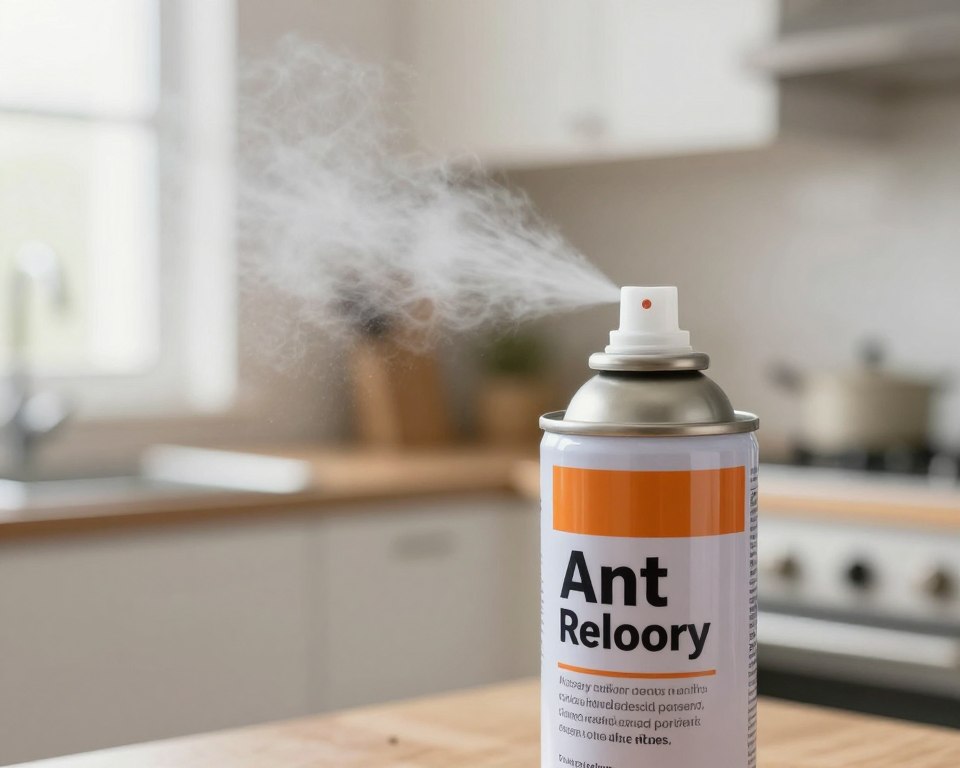
Immediate Respiratory Effects of Inhaling Aerosolized Particles
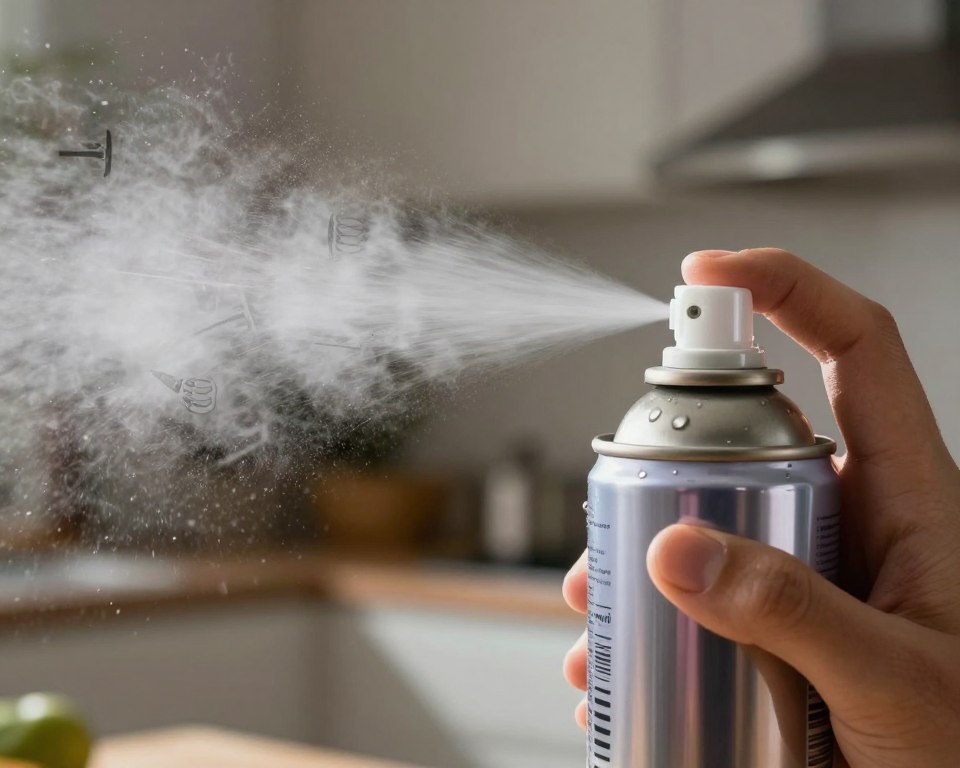
When you spray insecticide, it turns into tiny droplets that stay in the air. Breathing these droplets can make your throat dry or feel a bit sore. You might also cough a bit.
These symptoms are your body’s way of saying it’s not happy with the air. If you keep feeling like you can’t breathe, get help fast. You can learn more about chemical exposure online. Usually, these symptoms go away once you’re in fresh air.
Distinguishing Between Acute Exposure and Chronic Inhalation Risks
It’s important to know the difference between a quick breath of something bad and breathing it in for a long time. A quick breath is usually okay if you have good air flow. But breathing it in a lot can be bad for your health.
- Acute Exposure: Short-term, usually limited to the time of application.
- Chronic Exposure: Long-term, often resulting from poor ventilation or excessive product use.
- Risk Mitigation: Always follow label instructions to prevent unnecessary chemical buildup.
Factors Influencing Toxicity Levels in Indoor Environments
How much chemical is in your home depends on a few things. A small, closed-in area will get more chemicals in the air faster than a big, open space. Also, how much product you use can affect how bad it is for your breathing.
Good air flow is key to keeping your home safe. If you must spray, open windows and turn on fans. This helps spread out the chemicals and makes your home safer to breathe in.
Assessing Vulnerability Groups and Health Risks
When using ant sprays, it’s important to know that age and health matter. Some people may not handle chemicals well. Knowing this helps keep homes safe.
Risks to Infants and Young Children
Young ones are more at risk from chemicals in sprays. Their bodies are still growing, and they breathe more air than adults. This means they get more chemicals in their bodies.
Children also spend a lot of time on floors where chemicals can settle. Their skin is thinner, making them more likely to absorb chemicals. Keeping areas where kids play clean is key to their health.
Impact on Individuals with Pre-existing Respiratory Conditions
People with asthma or COPD need to be very careful. Chemicals in sprays can irritate their lungs and make breathing harder. Even mild chemicals can be a big problem for them.
Those with lung issues might cough or have trouble breathing when chemicals are in the air. It’s best for them to stay away from treated areas until it’s safe. Talking to a doctor about chemical sensitivities is a good idea.
Safety Considerations for Pregnant Women and the Elderly
Pregnancy changes how the body handles chemicals. The growing baby might be more affected by chemicals. It’s best to avoid using sprays when pregnant.
The elderly may have trouble breathing and fighting off germs. As we age, our bodies can’t clear chemicals as well. Caregivers should make sure older adults stay away from sprays and that areas are free of chemical smells.
Pet Safety and Chemical Exposure in the Home
Keeping pets safe means understanding how chemicals affect them. Pets often touch treated surfaces, which can harm them. They can breathe in or absorb chemicals through their skin.
Pets are closer to the ground, so they breathe in more chemicals than people. They also groom themselves, which can make them eat chemicals from surfaces.
Why Pets Are More Susceptible to Insecticide Inhalation
Dogs and cats are more at risk from insecticides. Their smaller size means they get a bigger dose of toxins from a small amount.
Cats are extra sensitive to some chemicals because of how their bodies work. These chemicals can build up fast in cats, even at low levels.
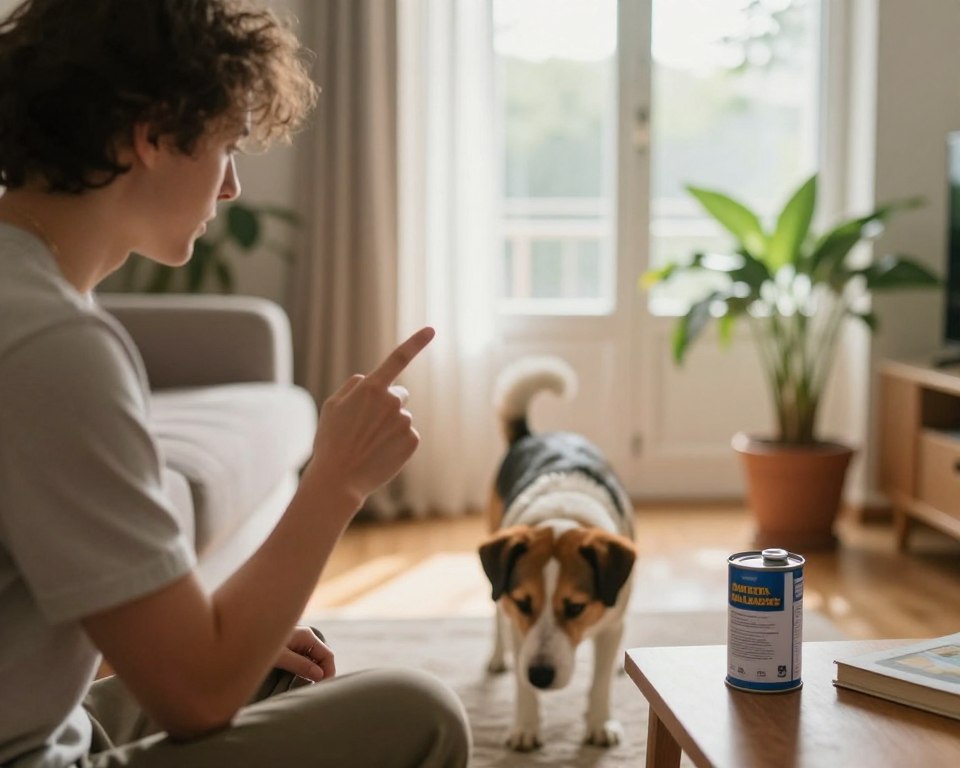
Signs of Respiratory Distress in Dogs and Cats
Watch for signs that your pet has inhaled chemicals. Look for labored breathing, coughing, or wheezing. These are signs to see a vet right away.
Other signs include sudden tiredness, too much drooling, or shaking. If you see these, call your vet fast.
| Symptom Category | Common Clinical Signs | Urgency Level |
|---|---|---|
| Respiratory | Rapid or shallow breathing | High |
| Neurological | Tremors or loss of balance | Critical |
| Gastrointestinal | Excessive drooling or vomiting | Moderate to High |
Image Disclosure and Veterinary Safety Context
Some images in this article are AI-generated. They show vet ideas, managing arthritis, and safe meds. These pictures are for learning only and not a substitute for vet care.
Always talk to a vet before making health choices for your pet. Professional medical advice is key to keeping your pets safe from home chemicals.
Proper Ventilation Techniques After Applying Ant Spray
Effective air exchange is the best way to cut down chemical levels in treated rooms. When you spray insecticides, tiny particles stay in the air for a while. Prioritizing ventilation right after spraying helps reduce your exposure time.
The Importance of Air Exchange Rates in Residential Spaces
Air exchange rate is how often the air in a room gets replaced by fresh air from outside. In homes, this happens naturally through small gaps in windows and doors. But, it’s not enough when you’ve added strong chemicals.
To get rid of aerosolized particles faster, increase the air exchange rate. Open windows on opposite sides of a room to create a cross-breeze. This simple step greatly reduces the amount of airborne residues you breathe in.
Using Fans and HVAC Systems to Clear Chemical Residues
Mechanical ventilation is a more controlled way to clear the air. Portable fans work well when blowing air out of an open window. This creates a negative pressure zone that pulls contaminated air out.
Your home’s HVAC system also helps keep the air clean. If it has a fresh air intake setting, turn it on to cycle out stale air. Always ensure your air filters are clean, as they can trap some chemical particles.
Recommended Waiting Periods Before Re-entering Treated Rooms
How long to wait before going back into a treated room depends on the product and room ventilation. Most makers say wait until the spray dries and the area is well-ventilated. A good rule is to wait 30 to 60 minutes before going back.
If you can’t ventilate well, like in a room without windows, wait longer. Patience is essential when dealing with indoor chemicals to make sure the air is safe for everyone.
| Ventilation Method | Effectiveness | Best Use Case |
|---|---|---|
| Cross-Ventilation | High | Rooms with windows on opposite walls |
| Box Fans | High | Forced exhaust in enclosed spaces |
| HVAC Circulation | Moderate | Whole-house air quality maintenance |
| Natural Infiltration | Low | Minor, localized applications only |
Recognizing Symptoms of Insecticide Inhalation
Knowing the signs of inhaling ant spray is key for homeowners. It helps you tell if it’s just a minor issue or a serious health problem. Watching how you feel right after using pest control is the best way to stay safe.
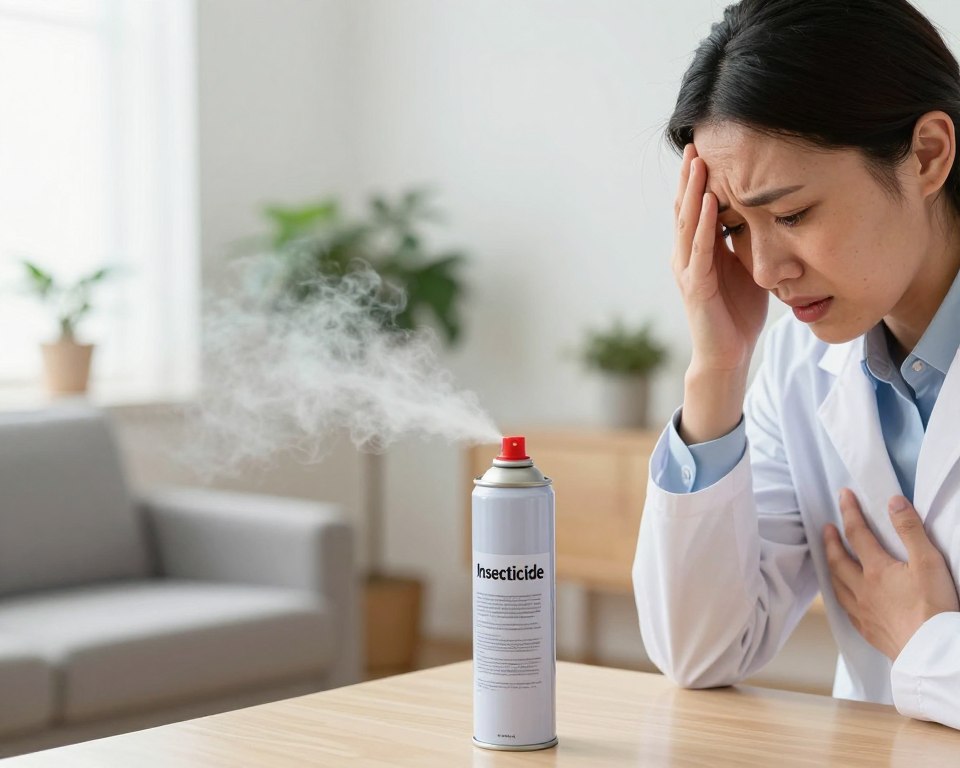
Identifying Mild Respiratory Irritation
Minor exposure to insecticides usually causes irritation in the upper respiratory area. These symptoms are usually short-lived and go away when you get to fresh air. Look out for these signs of mild irritation:
- A persistent scratchy or dry throat.
- Mild coughing or a tickle in the lungs.
- Watery or irritated eyes.
- A slight metallic taste in the mouth.
When to Seek Emergency Medical Attention
While mild symptoms often go away fast, some signs mean you’ve inhaled a lot of chemical. If you see signs of serious chemical exposure or breathing trouble, get help right away. Don’t wait if symptoms show up soon after spraying.
Call for emergency care if you notice these serious signs:
- Difficulty breathing or shortness of breath.
- Chest tightness or persistent pain.
- Dizziness, lightheadedness, or confusion.
- Nausea, vomiting, or excessive salivation.
- Wheezing or audible changes in your breathing pattern.
Differentiating Between Allergic Reactions and Chemical Toxicity
It’s crucial to know the difference between irritation from chemicals and an allergic reaction. Chemical toxicity usually depends on how much you inhale. But an allergic reaction can happen even with a tiny amount.
Allergic reactions often show up as hives, skin rashes, or swelling. If you suddenly swell up or have trouble swallowing, it’s a medical emergency. Always check with a poison control center or doctor if you’re unsure about your symptoms.
Safe Application Practices for Indoor Pest Control
Dealing with indoor pests safely is more than picking the right product. It’s about using the right techniques. Focus on precision to get rid of pests and keep your home healthy. Thoughtful application helps reduce chemicals in your home.
Targeted Spraying Versus Broad Area Coverage
Many think spraying everywhere protects better. But, this can make your home’s surfaces dirty with chemicals. It also raises the chance of breathing in or touching chemicals without really helping with pests.
Instead, use targeted spraying. Spray directly into cracks, crevices, or where ants enter. This method is more effective and uses less chemical.
Protective Gear Recommendations for Homeowners
Even with indoor-safe products, safety is key. Wearing the right gear protects you from chemicals. It’s important to cover your skin and lungs when applying.
Here are some safety items to consider:
- Nitrile gloves: Prevent chemicals from getting into your skin.
- Long-sleeved clothing: Keep your arms and legs safe from spray.
- Safety glasses: Protect your eyes from spray or particles.
- Face mask: A simple mask filters out particles in tight or poorly ventilated areas.
Minimizing Overspray and Surface Contamination
It’s important to control the spray to keep your home clean. Always spray close to the surface to avoid drifting. Use cardboard to shield baseboards to keep spray in place.
After spraying, clean up any extra liquid on surfaces. This keeps your family and pets safe from chemicals. The table below shows the differences in application methods.
| Method | Chemical Usage | Risk Level | Effectiveness |
|---|---|---|---|
| Broad Spraying | High | High | Low |
| Targeted Spot Treatment | Low | Low | High |
| Gel Bait Application | Minimal | Very Low | High |
Exploring Natural Ant Repellent Alternatives
Many homeowners are looking for a natural ant repellent to keep pests away without synthetic chemicals. These options help keep the air clean and fight ants in homes. They are safe and don’t leave harmful residues.

Essential Oils and Their Efficacy as Deterrents
Plant-based oils can stop ants by messing with their scent trails. Peppermint, tea tree, and eucalyptus oils are known to work well. But, use them carefully around pets as they can irritate some animals.
“Nature provides a vast array of compounds that can effectively manage household pests when applied with knowledge and consistency.”
Vinegar and Soap Solutions for Non-Toxic Removal
Mixing white vinegar with water can clean up ant trails. The vinegar’s acidity wipes out the scent trails ants leave. Adding dish soap makes a solution that can stop ants on contact, safely.
Diatomaceous Earth as a Mechanical Pest Control Method
For a long-term natural ant repellent, try food-grade diatomaceous earth. It’s made from fossilized algae that harms insects by dehydrating them. It’s safe for areas where food is made or stored.
Apply this powder thinly to work well. Consistency is key for mechanical barriers to be effective. They need to stay dry. Using these methods can help reduce the need for chemical sprays.
Eco-Friendly Pest Control Strategies for Long-Term Management
Integrated pest management helps homeowners control pests without using chemicals all the time. It focuses on the reasons pests are there, making your home safe and green. This eco-friendly pest control method stops pests before they start, for lasting results.
Integrated Pest Management Principles for the Home
This strategy starts with checking, identifying, and watching pests. Instead of spraying chemicals everywhere, you find out what pests you have and where they live. Knowing your pests is key to keeping them away.
After finding the pests, you use safe ways to get rid of them, like traps or changing their homes. This way, you don’t need to use harmful insecticides. Using eco-friendly pest control keeps your air clean and controls pests well.
Sealing Entry Points to Prevent Future Infestations
Ants and other bugs get in through small cracks in your home’s foundation, around windows, or through utility holes. Sealing these spots is a key defense. Using good caulk or weatherstripping makes a strong barrier that pests can’t get past.
Check your home’s outside often for new gaps. Sealing early helps stop pests from coming back. This simple step can replace the need for constant chemical use.
Maintaining Cleanliness to Reduce Ant Attractants
Keeping your kitchen clean is the best way to keep ants away. Ants look for food and water. Cleaning up crumbs and spills stops them from coming in.
Put food in sealed containers and fix any moisture problems. A clean home is less appealing to pests, making it a natural eco-friendly pest control method. Staying clean keeps pests out without chemicals.
| Strategy | Primary Benefit | Chemical Usage |
|---|---|---|
| Integrated Pest Management | Long-term prevention | Minimal to none |
| Structural Sealing | Blocks entry points | Zero |
| Rigorous Sanitation | Removes attractants | Zero |
| Aerosol Spraying | Immediate knockdown | High |
Evaluating Non-Toxic Ant Killer Options
Choosing a non-toxic ant killer is important for your home’s safety. It’s key to know how different products affect your space. Opting for methods that don’t release harmful particles helps keep your air clean.
Bait Stations Versus Aerosol Sprays
Aerosol sprays work fast but can spread chemicals in the air. These particles can be harmful if breathed in. On the other hand, bait stations keep the chemicals safe and prevent spills.
Bait stations are better for controlled use. They keep the insecticide inside, reducing the chance of spills. This makes them safer for long-term use.
The Benefits of Gel Baits for Targeted Elimination
Gel baits are precise in killing ants without spreading chemicals everywhere. By placing small dots in ant paths, you attract them to the bait. This method ensures the ants eat the bait, not the air you breathe.
The main plus of gel baits is they target the ant source. Ants carry the bait back to their nest, killing the colony. It’s a slower but more effective and environmentally responsible way to manage pests indoors.
Comparing Efficacy Between Synthetic and Organic Insecticides
People often choose between fast-acting synthetic sprays and slower organic options. Synthetic sprays work quickly but can be risky if not used right. They might irritate your lungs.
Organic options, like essential oils or boric acid, take longer to work. They’re seen as safer for homes with kids or pets. The choice depends on how fast you need results versus keeping your home chemical-free.
Safe Ant Removal Through Physical Barriers
Blocking entry points is a great way to manage pests without toxic chemicals. By focusing on your home’s structure, you can keep ants out safely. This method stops ants from finding their way into your home.
Using Caulk and Weatherstripping to Block Access
Hardware stores have simple tools to keep pests out. Silicone caulk is perfect for sealing cracks in foundations and windows. It keeps ants from traveling through small gaps.
Weatherstripping adds extra protection for doors and windows. It creates a barrier that ants can’t easily cross. This is great for older homes with settling gaps.
Natural Barriers Like Cinnamon and Peppermint Oil
Certain substances can repel ants naturally. Cinnamon and peppermint oil create a scent barrier that ants don’t like. These substances don’t kill ants but keep them away.
Using these items with physical barriers creates a strong defense. Remember to reapply them often to keep them effective.
The Role of Sanitation in Discouraging Ant Trails
Ants use pheromones to mark paths to food. Keeping your kitchen clean removes these trails. This makes it harder for ants to find their way.
Cleaning up crumbs and spills keeps ants away. Combining physical barriers with cleanliness is the best approach. Here’s a table showing how well these methods work.
| Method | Primary Benefit | Maintenance Level |
|---|---|---|
| Caulk/Sealing | Permanent exclusion | Low |
| Weatherstripping | Draft and pest control | Medium |
| Essential Oils | Repels scouts | High |
| Sanitation | Removes trails | High |
Homemade Ant Spray Recipes and Their Safety Profiles
DIY pest control is popular, but making a homemade ant spray comes with risks. Many people choose natural options to avoid chemicals in their homes. But, they need to know how to control ants safely without harming their homes.
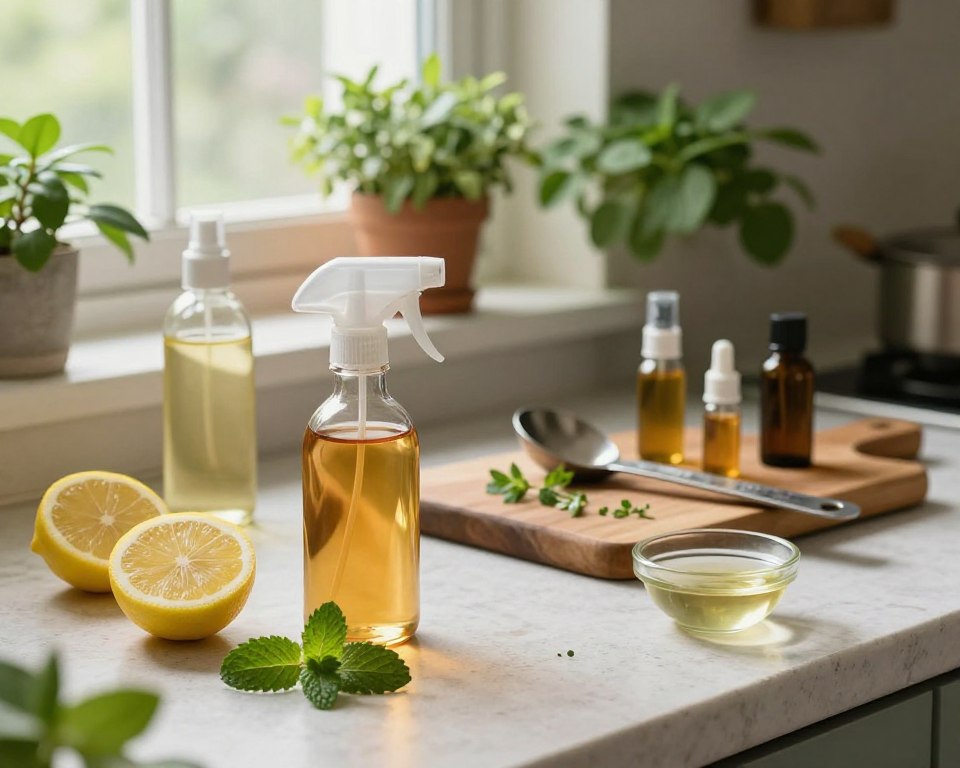
Formulating Effective Solutions with Household Ingredients
DIY solutions often use kitchen items to stop ants. White vinegar, dish soap, and essential oils like peppermint or tea tree are common. When made right, these can kill ants or block their paths.
- Vinegar solutions: Often mixed with water to wipe away scent trails.
- Soap-based sprays: Can disrupt the exoskeleton of ants, leading to dehydration.
- Essential oils: Act as strong repellents due to their potent aromatic compounds.
Limitations of DIY Sprays Compared to Commercial Products
A homemade ant spray doesn’t get the same testing as store-bought ones. Commercial products are made to last longer and work better. DIY sprays can lose their power quickly.
Also, homemade sprays don’t keep working like store products do. They might kill ants but don’t stop the colony. Using them alone for big infestations can be a problem.
Storage and Handling Precautions for Homemade Mixtures
Keeping your homemade ant spray safe is key. Use strong, labeled containers to keep it away from kids and pets. Don’t use old food or drink bottles, as it’s too risky.
Keep your mixtures in a cool, dark spot. If you see any changes, throw it out. Proper disposal helps keep your home safe and clean.
Understanding Organic Insecticide Regulations and Labeling
Knowing how products are regulated is key to safer choices at home. Many think all pest control solutions are equally checked. But, the truth is more complex, with federal oversight playing a big role. Reading labels helps spot risks in organic insecticide or synthetic options.
Decoding EPA Registration and Safety Warnings
In the U.S., the Environmental Protection Agency (EPA) checks all pesticides before they hit the market. This ensures they’re safe for humans and the environment. Look for an EPA registration number on the label.
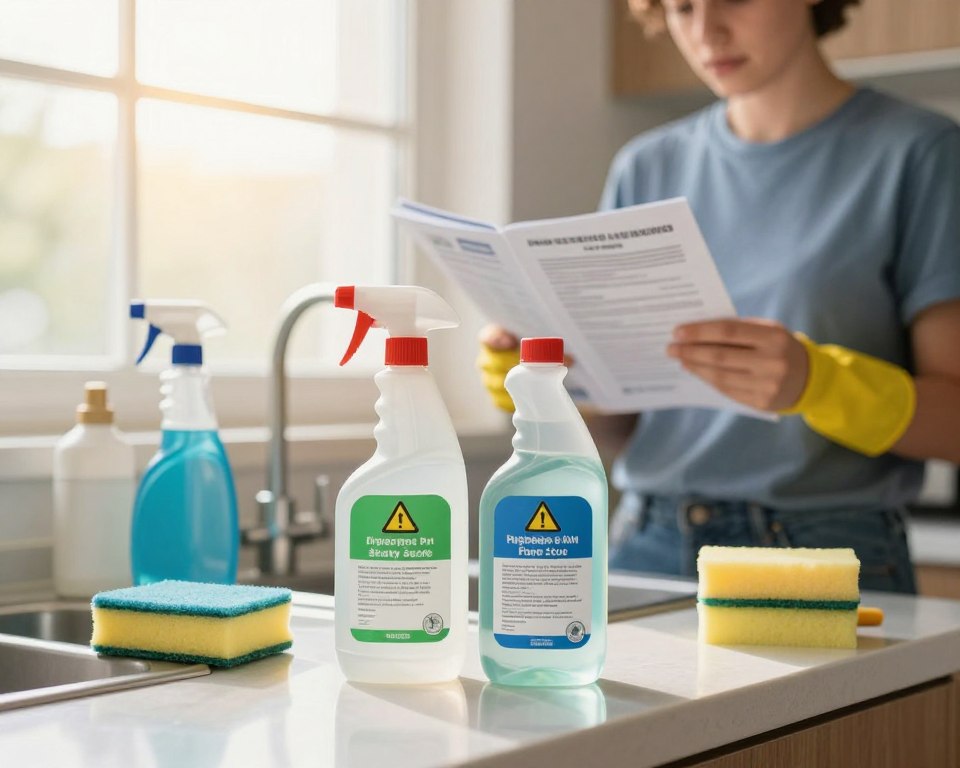
Labels also show signal words for toxicity levels. “Caution” is the lowest, while “Warning” and “Danger” are higher risks. Always trust these warnings over marketing claims for safety.
“The label is the law. It is the most important document for any user to read to ensure the safe and effective application of pest control products.”
The Difference Between Organic and Non-Toxic Claims
Marketing can confuse what’s organic and non-toxic. Many think organic insecticide means it’s safe for everyone. But, “organic” usually means the ingredients come from natural sources, not that they’re safe.
“Non-toxic” products might still cause problems for some people. Always check the ingredients list, not just the marketing. Knowing this helps keep your home safe.
Reading Material Safety Data Sheets for Consumer Products
For more detailed info, look at Material Safety Data Sheets (MSDS). Now called Safety Data Sheets (SDS), they give detailed info on chemicals. You can find them on the manufacturer’s website or by searching online.
Focus on the toxicological information and first aid measures sections. They show how the product affects the body. Using these resources helps choose the right organic insecticide or treatment for your home.
Pet-Safe Ant Spray Selection and Usage
When you live with pets, picking the right insecticide is very important. You need to know how different chemicals affect dogs and cats. Pets are more likely to get exposed because they groom themselves or walk on treated areas.
Identifying Ingredients That Are Toxic to Domestic Animals
Many insecticides can harm pets. Pyrethrins and pyrethroids, for example, can upset a cat’s nervous system. Always check the label for animal safety warnings before buying.
Stay away from products with organophosphates or carbamates. These are very toxic to pets. If you’re not sure about a chemical, talk to your vet or check the manufacturer’s website. Opt for products with natural ingredients like geraniol or peppermint oil for a safer choice.
Choosing Products That Dry Quickly and Leave Minimal Residue
How long a product stays wet is important. A good pet-safe ant spray dries fast to reduce exposure time. Choose aerosol or trigger-spray that evaporates quickly.
It’s also important to avoid leaving residue. Products that leave oily or sticky films can be harmful if pets ingest them. Spray directly into cracks and crevices to minimize exposure.
Best Practices for Keeping Pets Away During Treatment
Even with pet-safe ant spray, keeping pets away is best. Move them to a different room or outside before treating. Make sure the area is dry and well-ventilated before letting pets back in.
If pets must stay in the area, use baby gates or barriers. Always keep pest control products out of reach. By following these strict safety protocols, you can control ants without risking your pets’ health.
When to Call Professional Pest Control Services
Knowing when to stop DIY pest control is key to a safe home. While some small problems can be fixed at home, big infestations need a pro. Experts can find and fix the real problem, not just the symptoms.
Recognizing When an Infestation Exceeds DIY Capabilities
Call a pro if ants show up in many rooms or trails keep coming back. Structural damage or ants in places like kitchens mean a big problem. These signs show the infestation is too big for DIY fixes.
If you’ve tried many baits and sprays but nothing works, ants might be living in your walls. Persistent activity after trying everything means it’s time for a pro.
Safety Protocols Used by Licensed Professionals
Licensed techs use safe and effective methods to treat pests. They follow strict rules to avoid harm to your family. This is a big plus when it comes to professional exterminator safety.
Experts use special products not available to everyone. They follow EPA-regulated guidelines to use the least amount of chemical needed. This makes treatments safer for everyone.
Communicating Health Concerns to Pest Control Technicians
Being open with your pest control service is very important. If you or your family has health issues, tell them before treatment starts. This helps them choose the safest options for you.
Ask about the products they’ll use and when it’s safe to go back inside. Open communication helps them tailor their approach. This keeps your home safe while solving the pest problem.
Conclusion
Managing pests well means getting rid of unwanted bugs without harming our homes. Chemical sprays should not be our first choice for keeping our homes clean.
Keeping the air clean is key. We should always let fresh air in and use methods that target pests directly. Sealing off entry points and using safe products like diatomaceous earth or bait stations helps a lot. These steps cut down on the need for harmful sprays that stay in the air.
It’s important to read the labels on products from companies like Raid or Ortho. This helps us know how to use them safely. If pests keep coming back, getting help from a pro is a smart move. Making choices that keep our families and pets safe is our top priority.
FAQ
Is ant spray toxic to breathe after use in a confined space?
Yes, many ant sprays like Raid or Hot Shot can be harmful if not well-ventilated. They contain chemicals that can irritate your lungs or make you dizzy. Always leave the room after spraying and wait at least 30 to 60 minutes before returning.
What are the best options for a non-toxic ant killer if I have small children?
For families with young kids, Terro Liquid Ant Baits are safer than sprays. They use borax, which is less dangerous than sprays. You can also use a mix of Dawn dish soap and water to kill ants without harming your child’s air.
How can I ensure safe ant removal without using heavy chemicals?
Start by sealing entry points with Dap Silicone Caulk. This stops ants before they get in. Using Harris Food Grade Diatomaceous Earth is another safe option. It dehydrates ants without harming your air quality.
Are there effective natural ant repellent options that actually work?
Yes, natural repellents like peppermint and clove oils can keep ants away. Wondercide uses these oils to block ant trails safely. They’re better than synthetic chemicals.
Is there a specific pet-safe ant spray I should use for a home with cats and dogs?
Choose pet-safe sprays without pyrethroids for cats. EcoSmart Ant & Roach Killer is a good option. Make sure the area is dry before letting pets back in to avoid skin problems.
Can I make a homemade ant spray that is as effective as store-bought brands?
Yes, a mix of Heinz White Vinegar and water is great for killing ants. It’s safe and works well for small problems. Adding Lemon Eucalyptus oil can make it even more effective.
What should I look for on a label to confirm if a product is an organic insecticide?
Look for the OMRI Listed seal or FIFRA 25(b) exempt status. These labels mean the product is organic. Always check the Safety Data Sheet (SDS) for more information.
How does eco-friendly pest control differ from traditional chemical spraying?
Eco-friendly pest control uses Integrated Pest Management (IPM). It focuses on fixing the problem, not just spraying chemicals. This method is safer for your home and the environment.