Surprising fact: up to 85% of adolescents will face acne during puberty, and many try over-the-counter solutions for months or years.
Understanding whether benzoyl peroxide harms a developing face requires clear, evidence-based information. Hormonal shifts drive most acne in this age group, so treatments intersect with growth and the barrier that protects the skin.
This guide on the site gives parents and teens practical, pharmacist-verified advice to weigh short- and long-term effects. It covers how common products interact with care routines, when to seek professional input, and how to preserve the barrier over time.
Key Takeaways
- Most adolescent acne stems from puberty-related hormones; treatment should match that cause.
- Evaluate products for both effectiveness against acne and impact on the skin barrier.
- Simple routine changes often reduce irritation and improve long-term outcomes.
- Consult a clinician when daily treatment causes persistent dryness, redness, or loss of barrier function.
- This site aims to give clear, evidence-based information so families can make informed care decisions.
Understanding the Causes of Teenage Acne
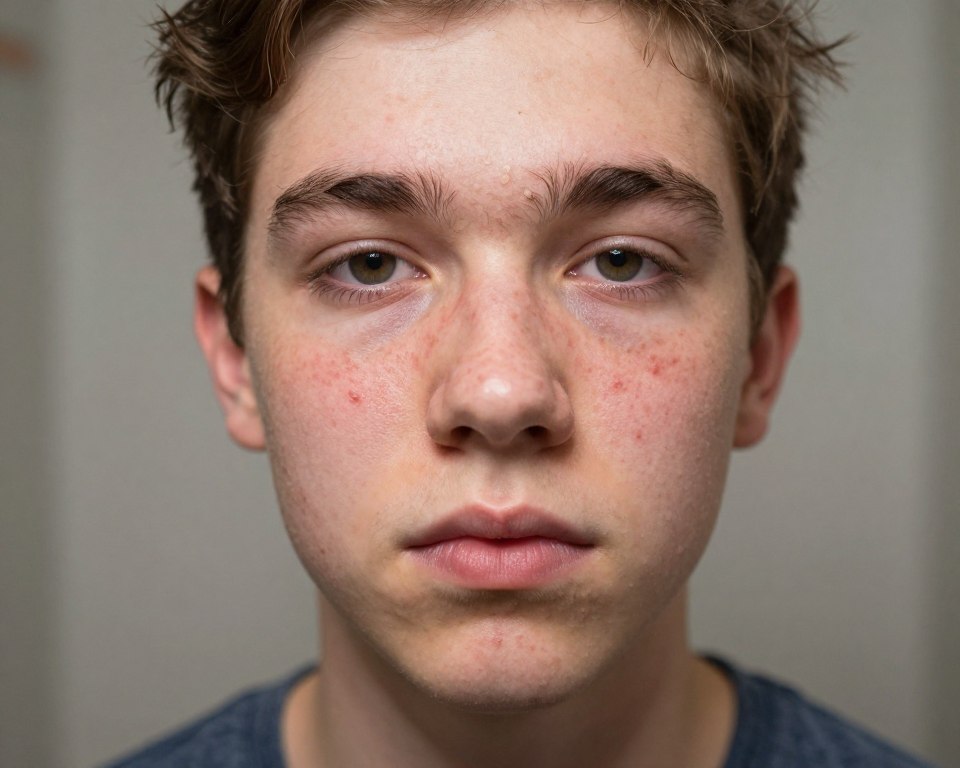
Rising androgen levels in adolescence often start the cycle of oil and breakouts. These hormones increase sebum production and make pores more likely to clog. The result is a higher chance of pimples, bumps, and other blemishes on the face and body.
Hormonal Changes During Puberty
Androgens signal sebaceous glands to boost oil production. When excess oil mixes with dead skin cells and bacteria, clogged pores form. That process explains many common types of acne seen in teens.
Common Breakout Locations
Breakouts usually appear where oil glands are densest—face, forehead, chest, shoulders, and upper back. Severe nodules or cysts can scar and should be evaluated by a dermatologist or doctor.
- Stress can worsen breakouts, so self-care matters.
- Most over-the-counter treatments help mild blemishes; persistent or severe cases need a specialist.
Is Benzoyl Peroxide Safe Teenage Skin for Long-Term Use
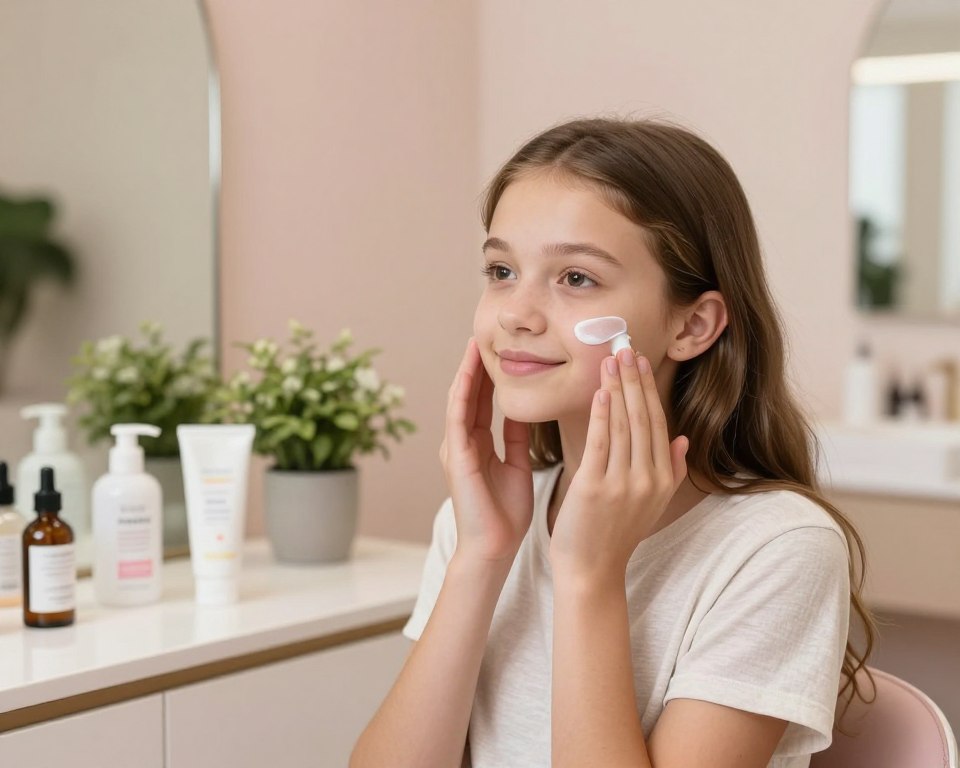
Evidence suggests topical acne therapy is generally tolerated in people aged 12 and older when used correctly.
Most adolescents and adults aged 12+ can use benzoyl peroxide for acne as part of routine care under supervision. Follow product directions and keep treatments limited to affected areas.
Before starting, tell your doctor about any broken or damaged skin and any prior allergic reactions. If an allergic reaction occurs, stop treatment and consult a doctor immediately.
Severe nodules or cystic acne need prompt medical attention. A board-certified dermatologist or doctor can recommend alternatives to avoid permanent scarring.
- Use under medical guidance if younger than 12 or if the area is irritated.
- Inform your doctor about all medicines and past reactions before beginning treatment.
- Long-term effectiveness improves when teens follow a clinician’s instructions and combine care with gentle moisturizing and sun protection.
| Age Group | Typical Recommendation | When to See a Doctor |
|---|---|---|
| 12 years and older | Topical use under supervision; follow directions | Persistent irritation, allergic reaction, or worsening acne |
| Under 12 | Consult pediatrician or dermatologist first | Any nodules, cysts, or broken skin |
| All ages with damaged skin | Avoid use until skin heals; seek medical advice | Open wounds, severe inflammation, or prior allergy |
Building an Effective Skincare Routine
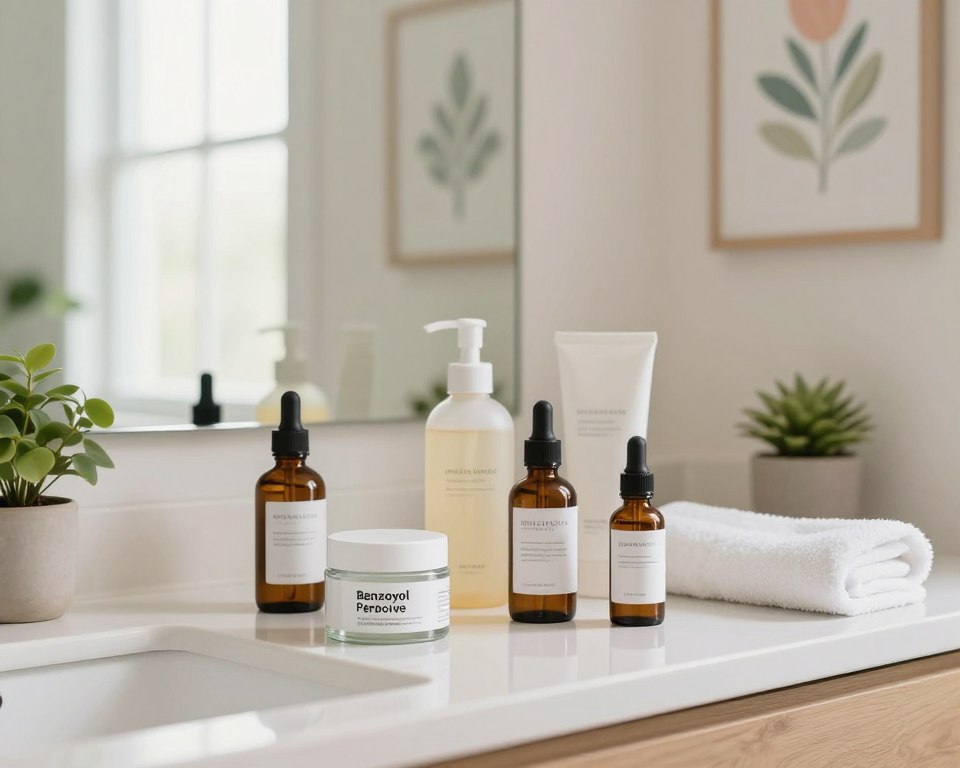
A reliable daily routine balances effective treatments with gentle care to limit irritation.
Cleansing Techniques
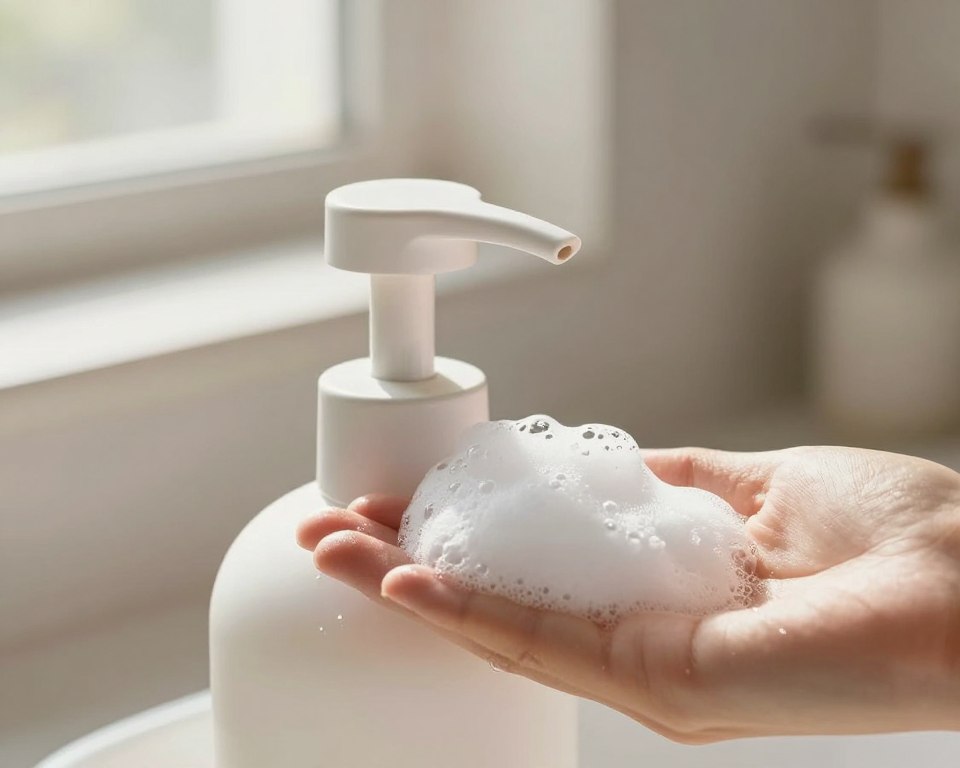
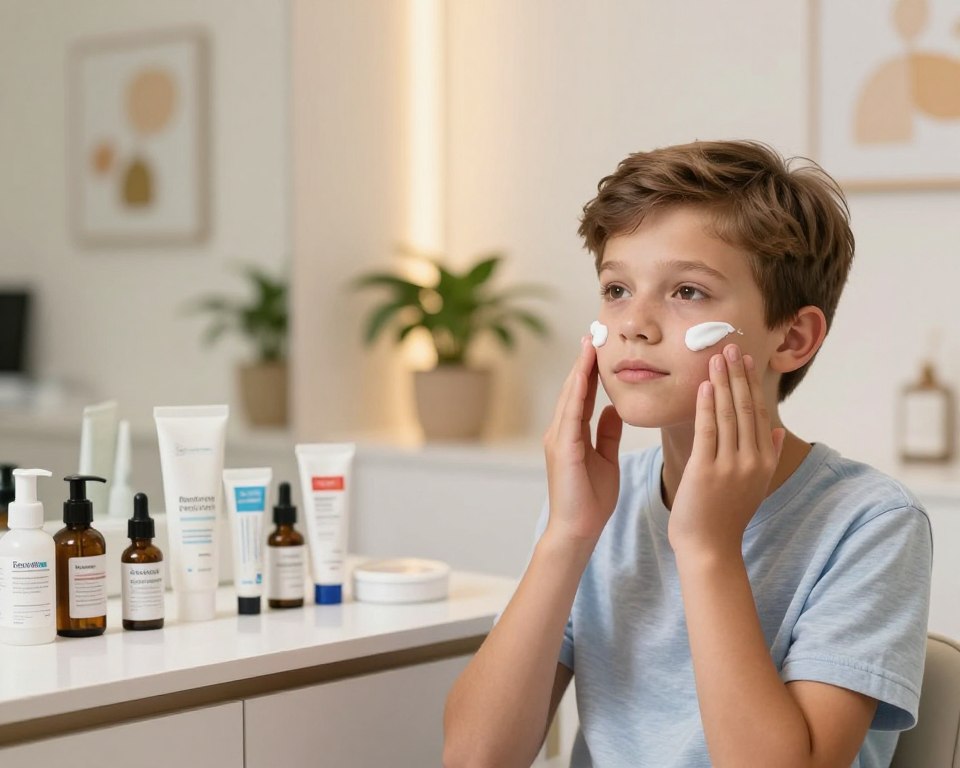
Start with a gentle face wash twice daily—morning and night. Choose a cleanser that removes oil and dead skin without stripping moisture.
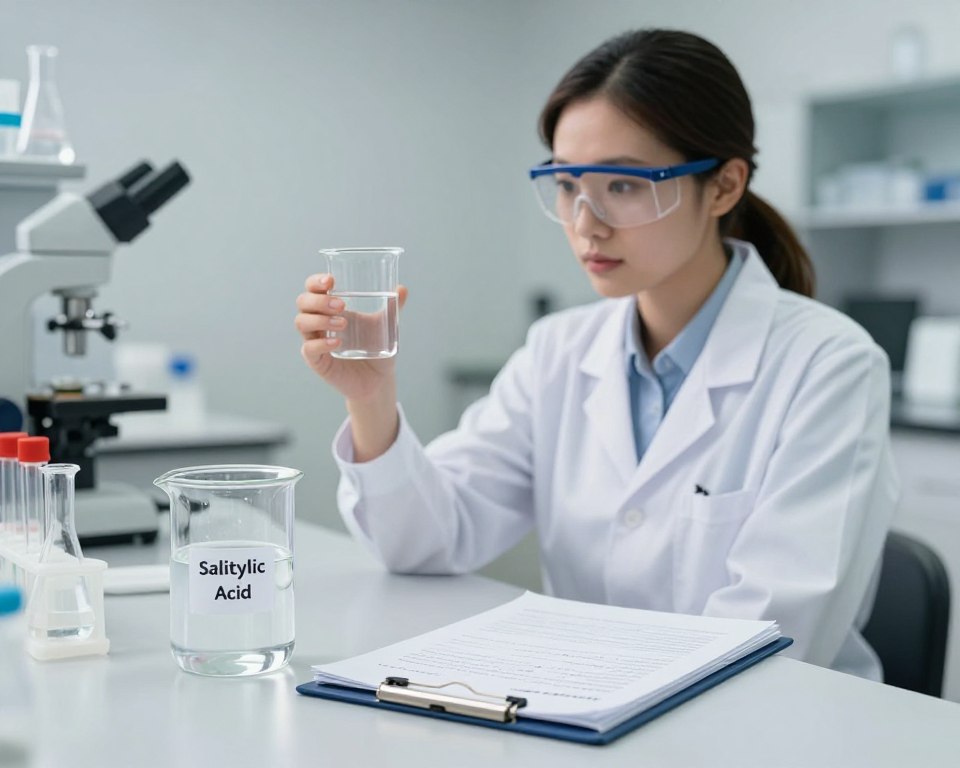
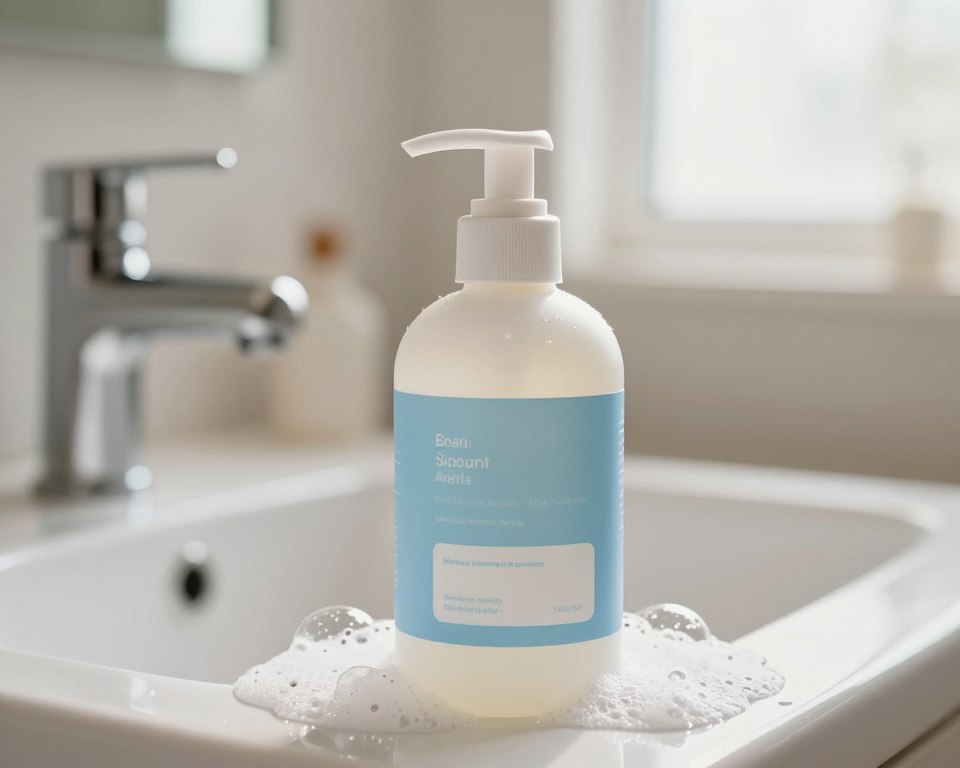
Products with 2% salicylic acid can help clear clogged pores and smooth texture. For stronger bacterial control, some over-the-counter washes contain 10% benzoyl peroxide as an option under supervision.
The Role of Moisturizers
Moisturizers restore the barrier and reduce flaking caused by acne treatments. Use a non-comedogenic product in the morning and at night to lock in hydration.
Apply moisturizer after treatment layers to prevent overproduction of oil and to calm irritation.
Sun Protection Essentials
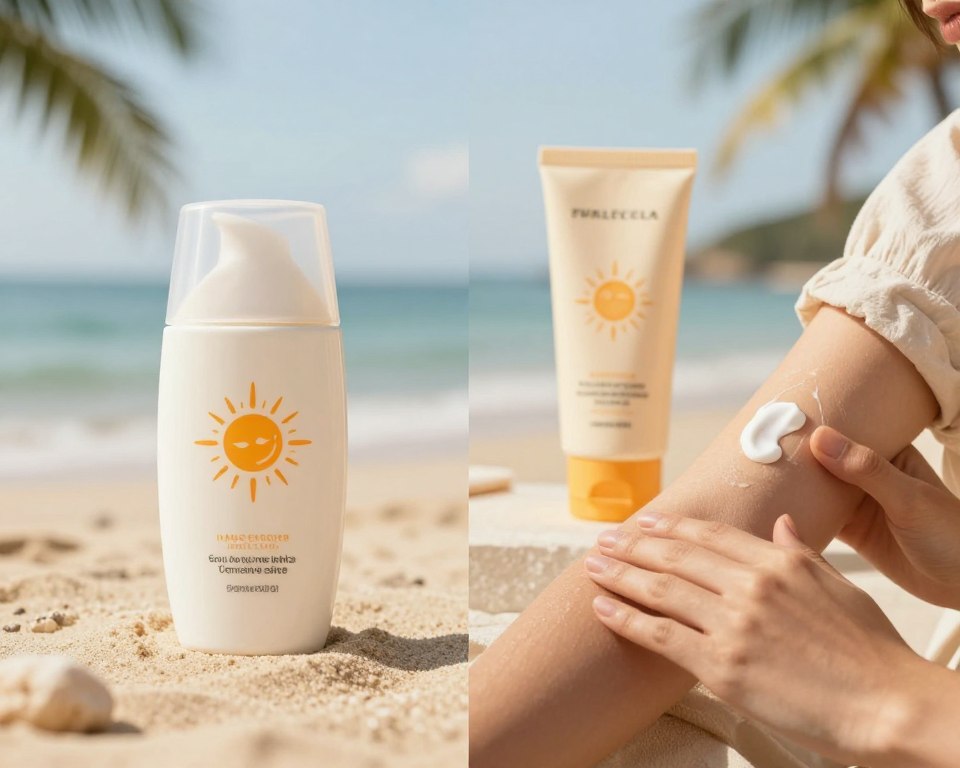
Daily sunscreen in the morning is non-negotiable. UV exposure can darken blemishes and worsen long-term outcomes.
Choose a broad-spectrum sunscreen labeled non-comedogenic and reapply after prolonged sun time.
- Consistent routine: cleanser, targeted treatment, moisturizer, sunscreen.
- Use a 2% salicylic face wash to manage pores and dead skin.
- Apply non-comedogenic moisturizer morning and night to control oil.
- Make sunscreen part of the morning routine to protect the face from sun damage.
Managing Potential Side Effects and Skin Sensitivity
Managing irritation starts with spotting early signs and simplifying your regimen.
Overuse of active treatments can cause dryness, flaking, or redness. Stop applying multiple products at once. Introduce one new ingredient at a time—test for a week before adding another.
If sensitive skin shows persistent bumps, severe redness, or spreading irritation, seek a board-certified dermatologist.
When to Consult a Dermatologist
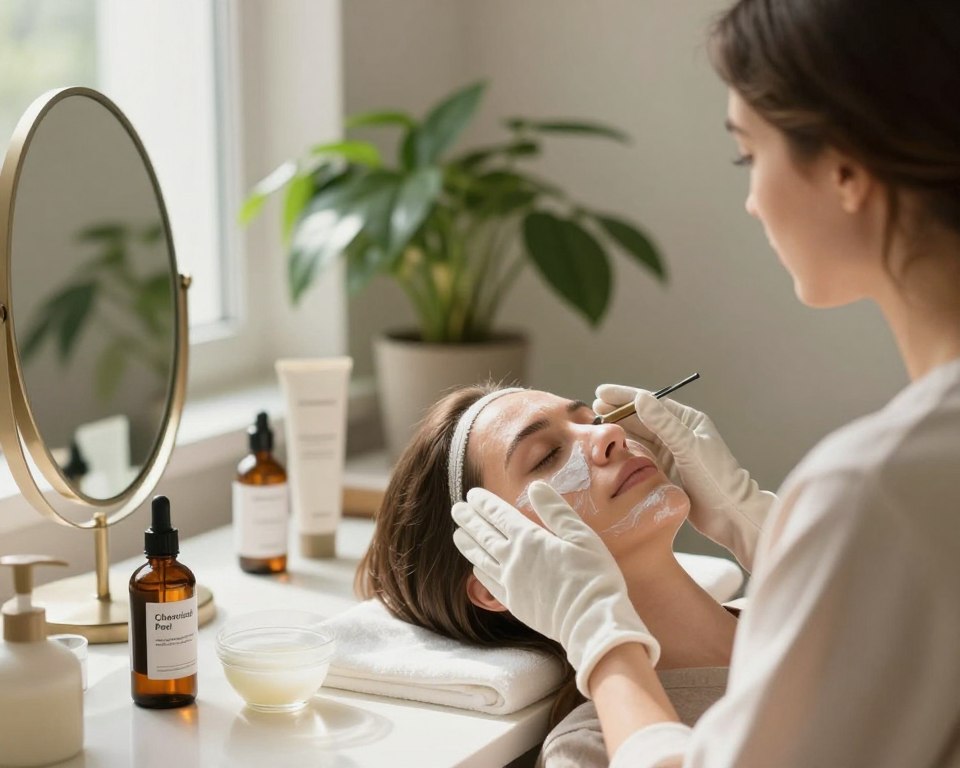
A clinician should evaluate any reaction that does not improve after several weeks of consistent, gentle care. A dermatologist can adjust concentrations, suggest alternate treatments, or prescribe therapies not available over the counter.
- Tip: Use a bland moisturizer and stop the suspected product for 48–72 hours to see if symptoms ease.
- Introduce salicylic acid or other actives slowly to protect the barrier.
- If breakouts worsen or scarring appears, seek medical advice promptly.
For practical daily guidance on a balanced approach, review a recommended teenage acne routine to pair treatments with gentle cleansing, moisturizers, and sunscreen.
Image Disclosure and Medical Disclaimer

Some visuals on this site may combine photographs with digital enhancement or be AI-generated to clarify conditions and treatment steps. These images support user understanding but do not replace clinical assessment.
Key points to note:
- Images on safeortoxic.com are for educational and illustrative use only.
- Do not use images for self-diagnosis or as a substitute for professional medical evaluation.
- The information on this site is intended to inform care decisions, not to provide personalized medical advice.
Users should consult a qualified healthcare provider before changing treatments or routines based on the information shown here. We strive to provide accurate, up-to-date information, but content is not a replacement for the professional advice of a licensed medical practitioner.
| What the Image Shows | Intended Use | Recommended Action |
|---|---|---|
| Illustrative examples of common lesions | Educational comparison | See a clinician for diagnosis |
| Digitally enhanced detail or labels | Clarify anatomy or care steps | Use only as a visual aid; seek professional advice |
| AI-generated demonstrative images | Teaching and site resources | Confirm with a medical exam before acting |
Conclusion
A consistent, gentle routine gives the best chance for lasting improvement.
Prioritize a simple cleanser, measured treatment use, moisturizer, and daily sunscreen to protect the barrier while managing acne on the face and body.
When used correctly, benzoyl peroxide remains an effective option — but monitor for irritation and adjust products or frequency over time.
If uncertainty remains, seek dermatologist advice and rely on trusted clinical summaries like this clinical review for evidence-based information.
With patience, accurate information, and steady care, most teens can manage blemishes and keep their skin healthier over time.
FAQ
Is benzoyl peroxide safe for teenage skin long-term?
Topical treatments containing benzoyl peroxide are commonly used in adolescents for acne control and can be used long-term under guidance. Effective concentrations typically range from 2.5% to 10%. Long-term use may reduce bacteria and oil-related flares but can cause dryness, irritation, or bleaching of fabrics. Start with a lower concentration, use every other night if irritation appears, and pair with a non-comedogenic moisturizer. If redness, burning, or worsening acne persists after several weeks, consult a board-certified dermatologist for alternative options such as topical retinoids, azelaic acid, or prescription therapies.
What causes teenage acne?
Acne in adolescents is driven mainly by hormonal changes at puberty that increase oil (sebum) production. Excess oil mixes with dead skin cells and clogs pores, creating an environment for Cutibacterium acnes bacteria to grow. Genetics, diet, stress, and certain cosmetics or medications can worsen breakouts. Managing oil production and keeping pores clear are central to control.
How do hormonal changes during puberty affect breakouts?
Rising androgens (male hormones present in all sexes) stimulate sebaceous glands to produce more oil. That extra oil combines with shed skin cells to form plugs inside hair follicles. Inflamed or infected plugs become pimples, whiteheads, or blackheads. Hormonal fluctuations also influence the frequency and severity of cystic acne, which may require medical treatment.
Where do teens commonly get breakouts?
Common locations are the face—especially the forehead, nose, and chin—neck, chest, and upper back. These areas have higher densities of oil glands. Mechanical irritation from helmets, backpacks, or tight clothing can localize or worsen lesions.
Can teenagers use benzoyl peroxide as part of a routine?
Yes. Incorporating benzoyl peroxide into a routine typically looks like: gentle cleanser, targeted benzoyl peroxide treatment (leave-on), then a lightweight, non-comedogenic moisturizer. Begin with once-daily application at night and increase to twice daily only if tolerated. Avoid combining with other exfoliating acids or retinoids initially to reduce irritation—introduce one active at a time.
What cleansing techniques help manage acne?
Use a mild, fragrance-free cleanser twice daily. Cleanse gently—no harsh scrubbing—and rinse with lukewarm water. Over-washing strips oils and can trigger more oil production. For oily skin, a cleanser with salicylic acid once daily can help unclog pores; for sensitive skin, choose a basic non-foaming gel or cream cleanser.
Why are moisturizers important for teens on acne treatment?
Treatments that reduce oil and bacteria often dry the skin. A non-comedogenic, fragrance-free moisturizer restores barrier function, reduces peeling, and improves tolerance to active ingredients. Look for ingredients like ceramides or hyaluronic acid and avoid heavy, pore-clogging creams.
Do teens need sunscreen when using acne treatments?
Yes. Many acne treatments increase sun sensitivity. Use a broad-spectrum SPF 30 or higher daily. Choose oil-free, non-comedogenic sunscreens labeled for acne-prone skin. Reapply every two hours when outdoors.
What side effects should teens expect from benzoyl peroxide?
Common effects include dryness, mild peeling, redness, and stinging on first use. Some users experience contact dermatitis. It also bleaches hair, towels, and clothing. These effects are dose- and frequency-dependent—lower concentration or less frequent use often reduces symptoms.
How can skin sensitivity from treatment be managed?
Reduce application frequency, switch to a lower concentration, and use a gentle moisturizer immediately after treatment. Avoid combining multiple active exfoliants (like high-strength salicylic or glycolic acids) at the same time. If irritation continues, stop the product and seek dermatologic advice.
When should a teen see a dermatologist?
See a dermatologist if acne is moderate to severe, painful, scarring, or if over-the-counter measures fail after 8–12 weeks. Also consult if topical treatment causes severe irritation or suspected allergic reaction. A dermatologist can prescribe oral or topical prescription options and tailor a safe long-term plan.
Are there interactions with other acne ingredients?
Benzoyl peroxide can oxidize and inactivate certain ingredients (for example, some topical antibiotics) and can increase irritation when layered with retinoids or strong acids. Staggering use—one in the morning, the other at night—or using buffering techniques helps. Follow product instructions or your clinician’s plan.
What should parents know when selecting OTC acne products for teens?
Choose products with clear labeling, proven actives (benzoyl peroxide, salicylic acid), and non-comedogenic formulations. Start low and slow: lower concentrations and intermittent use reduce side effects. Encourage consistent routines—cleansing, treatment, moisturizer, and sunscreen—and follow up if no improvement in 2–3 months.
Are there special considerations for sensitive or darker skin types?
Sensitive skin benefits from lower concentrations and shorter contact times to limit irritation. Darker skin tones may be prone to post-inflammatory hyperpigmentation after inflammation; preventing and promptly treating acne reduces long-term discoloration. A dermatologist can recommend gentle, pigment-safe treatments.
Is it safe to combine acne treatments with oral medications or hormonal therapy?
Many topical regimens complement oral antibiotics, hormonal contraceptives, or isotretinoin, but combinations require clinical oversight. Some systemic therapies increase photosensitivity or interact with topical agents. Always disclose all medications to the treating clinician before combining therapies.
What is the medical disclaimer about image and advice?
Educational material and images are for informational purposes only and do not replace medical evaluation. Individual responses vary. For personalized diagnosis and treatment, consult a licensed dermatologist or healthcare provider. If you experience severe reactions—swelling, widespread blistering, or breathing difficulty—seek emergency care.