Surprising fact: in 2016 the FDA barred triclosan and 18 related chemicals from consumer washes — a move that affected millions of personal care products across the United States.
The question many shoppers ask is simple: what does that ban mean for everyday products in the bathroom? This article gives clear, evidence-based information about the ingredient’s history, risks, and current regulation.
Readers will find practical guidance on choosing a product for regular use, plus a plain-language review of how antibacterial agents compare to plain soap water and sanitizers. The content explains why regulators acted and what that means for family care routines.
Note: some images on safeortoxic.com are digitally enhanced for educational clarity and do not replace professional medical evaluation. The goal here is to help consumers make informed choices about personal care and body wash products.
Key Takeaways
- The FDA banned triclosan in consumer washes in 2016, shifting product formulations nationwide.
- This article offers concise, evidence-based information to guide product selection for daily use.
- Understanding ingredients helps reduce unnecessary chemical exposure in personal care routines.
- Plain soap and water or approved sanitizers remain effective for routine hand and body wash.
- Images on safeortoxic.com may be enhanced and are for education, not diagnosis.
Understanding the Health Risks of Triclosan
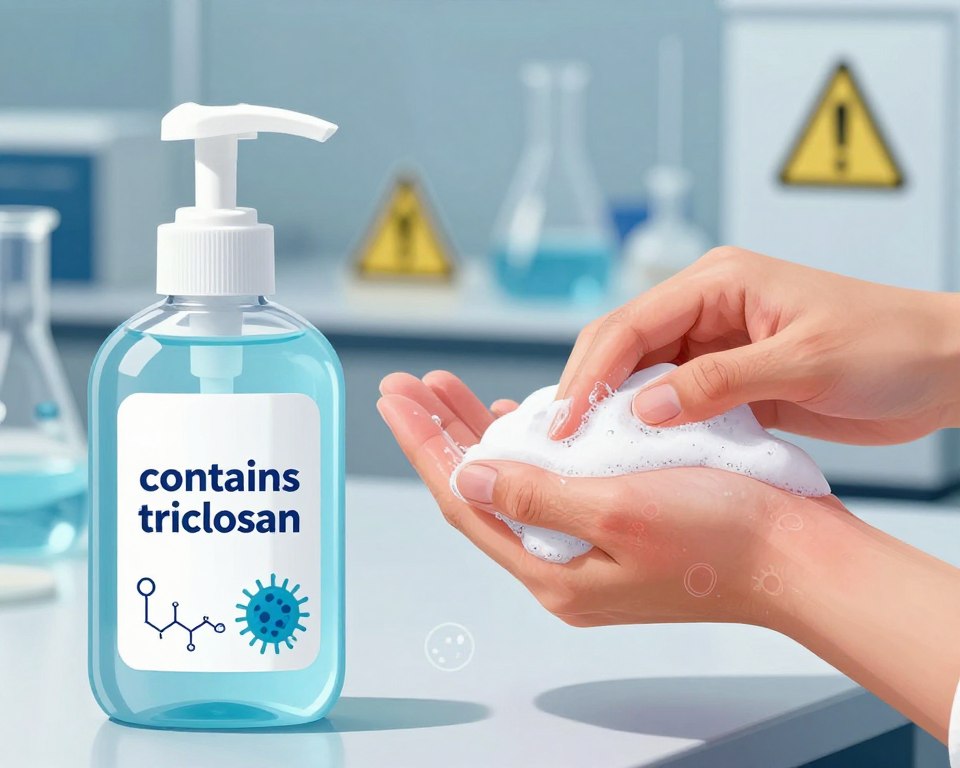
Scientific reviews link this antimicrobial to several health concerns that deserve careful review. Regulators acted after accumulating human and environmental data suggesting possible harms.
Hormonal Disruption
Legal and advocacy sources note that triclosan and triclocarban may interfere with hormone cycles. Mae Wu of the Natural Resources Defense Council observed links to hormonal changes and muscle weakness in some studies.
Antibiotic Resistance
Frequent use can encourage bacterial resistance. Over time, exposure may select for strains that are harder to treat.
“Regulatory action targets consumer products, while clinical settings continue to use specialized antibacterial formulations.”
- Research flags this pesticide-class ingredient for endocrine and muscular effects.
- Hospitals and food service settings still use certain antibacterial products, unlike consumer markets.
- Companies face pressure to remove persistent antimicrobial ingredients from formulations.
| Concern | Evidence | Consumer Impact |
|---|---|---|
| Hormone disruption | Animal and limited human studies | Potential for altered cycles, muscle weakness |
| Antibiotic resistance | Lab data showing resistant bacteria | Harder-to-treat infections over time |
| Skin & environment | Accumulation in wastewater and biota | Long-term ecological and dermal effects need more study |
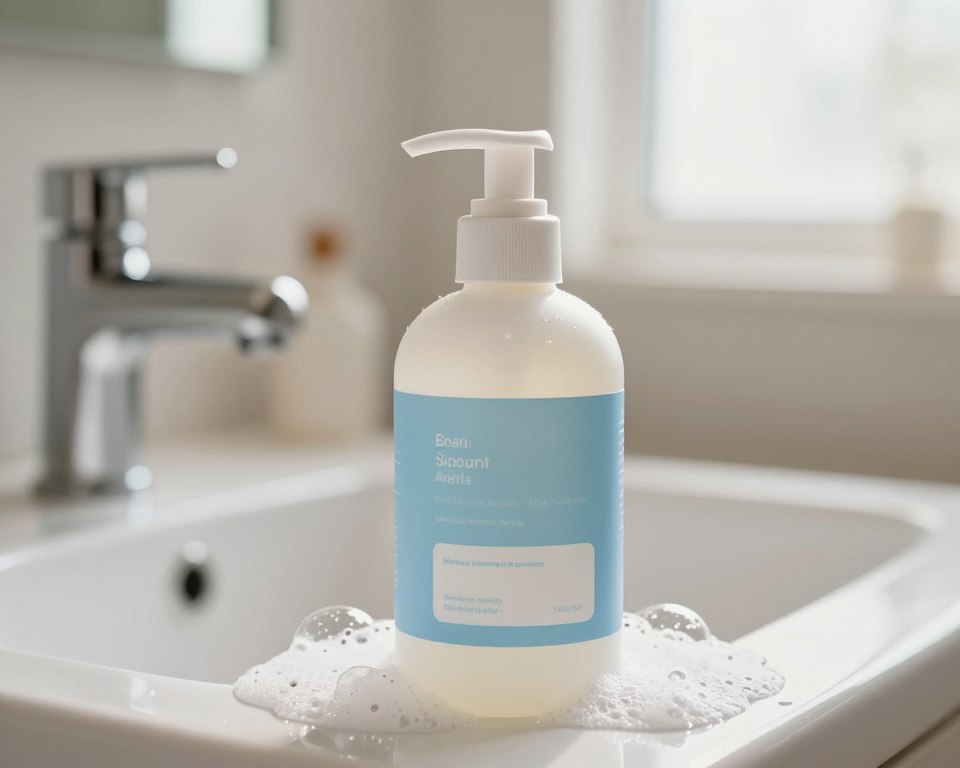
Is Foaming Hand Soap Triclosan Safe for Daily Use?
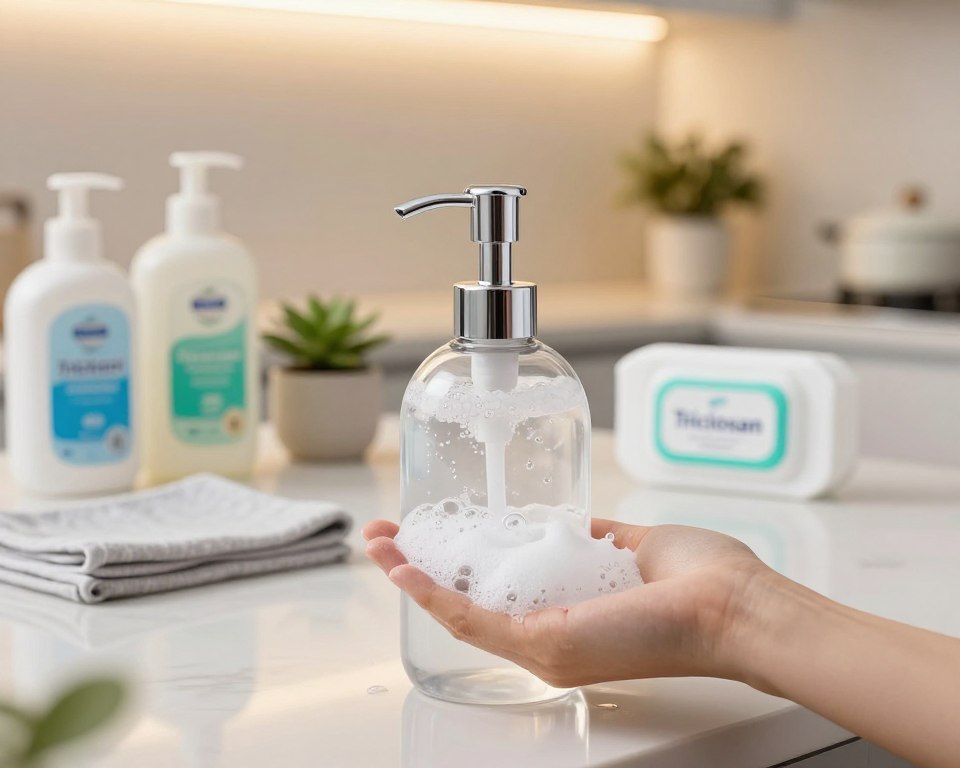
Many people assume that an antibacterial label equals better protection — but evidence tells a different story.
FDA data show no added benefit from antibacterial soaps over washing with plain soap and water for routine illness prevention. Consumers who expect extra protection from such products may be disappointed by the available evidence.
Manufacturers have phased out several active ingredients after regulators reviewed long-term effects. That change affected a wide range of consumer products once marketed as antibacterial.
For everyday care, washing with soap and water remains the practical recommendation. Proper technique and duration remove debris and microbes without relying on harsher chemicals.
If a product still claims antibacterial action, it likely contained an ingredient now under scrutiny or removed from many markets. Families looking to reduce exposure should choose simple, well-formulated soap and thorough washing as the first line of hygiene.
Identifying Products Containing Antibacterial Ingredients
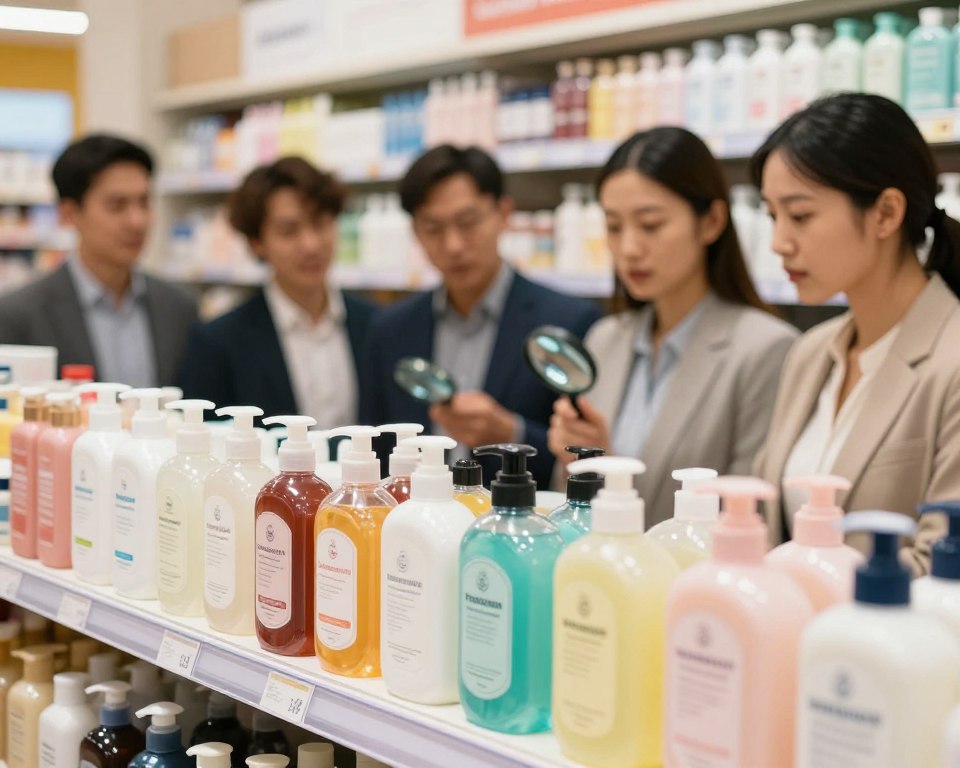
Many common household items still carry antibacterial claims that merit careful label checks.
Common Household Items
Look beyond marketed claims. Products such as Dial liquid products, CVS Antibacterial Soap, and kitchenware treated with Microban have historically contained pesticide-class antimicrobials. Some stores still stock older batches.
Checking Product Labels
When scanning ingredients, search for phrases like “antimicrobial protection” or active ingredients listed on the back panel. Manufacturers have reformulated many personal care products, so the label is the best source of current product content.
Understanding Triclocarban
Triclocarban often appears as a substitute for triclosan in some cleaning and care products. It shares concerns about environmental buildup and possible effects on skin and resistance.
“Identifying affected consumer products requires careful label review and awareness of shifting formulations.”
- Check active ingredient lists and marketing claims.
- Be aware that food service or clinical settings may use different formulations.
- For an updated list of affected products, consult this resource: products containing triclosan.
| Item | Possible Ingredient | What to check |
|---|---|---|
| Liquid hand and body products | Triclocarban, benzalkonium chloride | Active ingredient line; “antibacterial” claims |
| Antibacterial kitchenware | Microban treatments (various agents) | Product spec sheet or packaging label |
| Commercial cleaning supplies | Chloroxylenol, quats | Regulatory or SDS documents; labeling for food use |
Why Plain Soap and Water Remain the Gold Standard
Daily hand cleaning works best when it focuses on technique and water, not on an antibacterial label. Simple washing removes dirt and most bacteria through friction and rinsing.
FDA guidance states there is no clear evidence that antibacterial soaps outperform plain soap and water for routine cleaning. Companies now must submit data to prove that alternative ingredients—like benzalkonium chloride—are both safe and effective for long-term consumer use.
FDA Guidance on Effectiveness
The FDA rule applies to consumer products sold for everyday use but exempts clinical and food service settings. Hospitals and food services may keep using specialized formulations where higher-risk exposures exist.
“Consumers get the best routine protection from thorough washing with plain soap and water.”
- The agency found no added benefit of antibacterial soaps for daily cleaning.
- Companies have one year to provide supporting data on alternative antibacterial ingredients.
- Choosing regular soap avoids exposure to pesticide-class ingredients such as triclocarban and related chemicals.
| Claim | FDA finding | Consumer action |
|---|---|---|
| Antibacterial soaps reduce routine infections | No consistent evidence of superiority | Use proper wash technique with water |
| Specialized products for high-risk settings | Exempt from the consumer ban | Healthcare and food services follow different rules |
| Alternatives like benzalkonium chloride | Under review; data required | Manufacturers must prove long-term safety |
For practical guidance and the FDA’s consumer advice, see skip antibacterial soap. Regular washing with water and good technique remains the recommended approach for everyday hygiene.
Conclusion
, This article closes with practical steps to help consumers choose personal care products wisely. Use clear information on labels and prefer products with transparent ingredients. The goal is simple: reduce unnecessary exposure while keeping effective hygiene.
Regulators found no added benefit of antibacterial formulations for routine use; plain soap and water perform well. For deeper context and cellular-level data on exposure and effects, consult the published review. Check labels, avoid unproven claims, and watch for signs of bacterial resistance.
Make buying decisions based on evidence and reusable habits: wash with water, follow good technique, and review new product content as companies reformulate. This article aims to equip readers to protect skin, body, and household health with practical, lasting choices—visit the site for related articles and updates.
FAQ
Is foaming hand soap with triclosan safe for daily use?
Most health agencies advise caution. The U.S. Food and Drug Administration concluded that consumer antibacterial washes containing triclosan do not demonstrate greater benefit than plain soap and water for routine handwashing. Concerns include long-term exposure effects and contribution to antibiotic resistance. For everyday cleansing, a non-antibacterial liquid or foam formulation without triclosan is a reasonable choice.
What health risks are linked to triclosan?
Triclosan has been associated with two primary concerns: hormonal disruption and promotion of antibiotic resistance. Laboratory and animal studies indicate the compound can interfere with thyroid and sex hormone pathways at certain exposures. Separately, widespread use of antibacterial agents can select for bacteria with reduced susceptibility to antibiotics, potentially undermining infection control.
How does triclosan affect hormones?
Evidence from animal studies and some human biomonitoring suggests triclosan can alter thyroid hormone levels and may affect reproductive hormone signaling. The clinical significance at typical consumer exposure levels remains uncertain, which is why regulatory bodies recommend minimizing nonessential use until safer alternatives are confirmed.
Does triclosan contribute to antibiotic resistance?
Yes. Repeated exposure to antibacterial agents like triclosan can encourage bacteria to develop resistance mechanisms. These adaptations may reduce the effectiveness of medically important antibiotics or select for multidrug-resistant organisms in environmental and household settings.
How can I identify products that contain antibacterial ingredients such as triclosan?
Check the ingredient list on product labels—active ingredients are typically listed on front or back panels. Look for names like triclosan or triclocarban. Manufacturers of reputable brands such as Dial or Colgate list actives and provide safety information on their websites. If labels are unclear, the company’s product page or the Safety Data Sheet will clarify ingredient content.
What common household items might contain antibacterial agents?
Beyond cleansers, antibacterial ingredients appear in some body washes, toothpastes, deodorants, and surface cleaners. Antibacterial textiles and cutting boards sometimes incorporate similar compounds. Routine label checks will help consumers avoid unnecessary exposure.
What is triclocarban and how does it differ from triclosan?
Triclocarban is a chemically related antibacterial used historically in bar soaps and personal care products. Like triclosan, it raises environmental and health concerns—bioaccumulation and endocrine effects have been reported. Regulatory scrutiny has reduced its use, but it can still appear in older stock or niche products.
Why do experts recommend plain soap and water?
Plain soap and water effectively remove dirt, organic matter, and microbes through mechanical action. Multiple clinical studies and guidance from the CDC and FDA find that routine handwashing with non-antibacterial soap reduces infectious risk as well as specially labeled antibacterial washes for everyday situations.
What does the FDA say about antibacterial wash effectiveness?
The FDA evaluated over-the-counter antibacterial washes and determined that many marketed active ingredients—including triclosan—lack sufficient evidence of superiority over plain soap for consumer use. The agency has issued rules limiting certain active ingredients in consumer antiseptic wash products, urging manufacturers to provide safety and efficacy data.
Should parents or pet owners avoid products with these ingredients?
Caution is prudent. Children and pets have different exposure patterns and may be more vulnerable to long-term chemical exposure. Choosing plain cleansing products and avoiding unnecessary antibacterial items reduces household exposure while maintaining hygiene.